Auteur: Henk Tennekes

  • Pesticide may be reason butterfly numbers are falling in UK, says study

    Pesticide may be reason butterfly numbers are falling in UK, says study

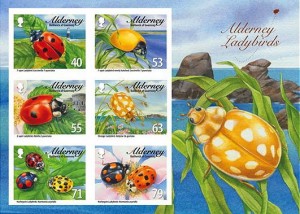
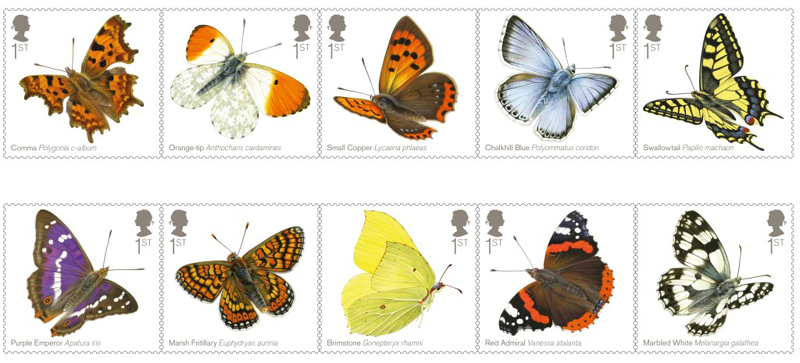
    Neonicotinoids may be contributing towards the disappearance of butterflies from the countryside, according to the first scientific study to examine the effect of the controversial agricultural pesticides on British butterflies. Researchers found that 15 of 17 species which commonly live on farmland – including the small tortoiseshell, small skipper and wall butterfly – show declines associated with increasing neonic use. Using population data from 1985 to 2012 gathered on more than 1,000 sites across the country, scientists at the universities of Stirling and Sussex, in partnership with Butterfly Conservation and the Centre for Ecology and Hydrology, found that neonicotinoid use better explained steep population declines than other factors. Neonics were first introduced in 1994 and usage increased at its fastest rate during the first decade of the 21st century, when farmland butterflies also experienced a precipitous decline, despite a doubling in conservation spending and predictions that climate change would benefit most species. The Essex skipper declined by 67% between 2000 and 2009 and the small skipper declined by 62% in the same period. Both species’ caterpillars live on grasses found on field margins. Other common farmland butterflies to have suffered steep declines include the small tortoiseshell (64%), the wall brown (37%) and the large skipper (35%). According to the study, published in the journal PeerJ, these declines have largely occurred in England, where neonic usage is at its highest; in Scotland, where spraying of the pesticide is comparatively low, butterfly numbers are stable.

    Neonicotinoids may be contributing towards the disappearance of butterflies from the countryside, according to the first scientific study to examine the effect of the controversial agricultural pesticides on British butterflies. Researchers found that 15 of 17 species which commonly live on farmland – including the small tortoiseshell, small skipper and wall butterfly – show declines associated with increasing neonic use. Using population data from 1985 to 2012 gathered on more than 1,000 sites across the country, scientists at the universities of Stirling and Sussex, in partnership with Butterfly Conservation and the Centre for Ecology and Hydrology, found that neonicotinoid use better explained steep population declines than other factors. Neonics were first introduced in 1994 and usage increased at its fastest rate during the first decade of the 21st century, when farmland butterflies also experienced a precipitous decline, despite a doubling in conservation spending and predictions that climate change would benefit most species. The Essex skipper declined by 67% between 2000 and 2009 and the small skipper declined by 62% in the same period. Both species’ caterpillars live on grasses found on field margins. Other common farmland butterflies to have suffered steep declines include the small tortoiseshell (64%), the wall brown (37%) and the large skipper (35%). According to the study, published in the journal PeerJ, these declines have largely occurred in England, where neonic usage is at its highest; in Scotland, where spraying of the pesticide is comparatively low, butterfly numbers are stable.

    Source: The Guardian, 24 November 2015
    http://www.theguardian.com/environment/2015/nov/24/pesticide-butterflies-declining-uk-study
  • Most shorebirds nesting in the Arctic and many boreal birds that feed on aerial insects are declining

    Most shorebirds nesting in the Arctic and many boreal birds that feed on aerial insects are declining

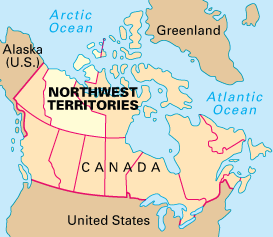
    Last month, EDGE acquired a draft of the Government of the Northwest Territories State of the Environment Report Highlights 2016, the first report of its kind done since 2011. Although the report is still a work in progress, the picture it paints is, unsurprisingly, grim. Migratory birds are hit especially hard. “Elders in the NWT have noted for many years that migratory birds are in sharp decline. Bird monitoring has shown that most shorebirds nesting in the Arctic are declining and that many boreal birds that feed on aerial insects are declining.”

    Last month, EDGE acquired a draft of the Government of the Northwest Territories State of the Environment Report Highlights 2016, the first report of its kind done since 2011. Although the report is still a work in progress, the picture it paints is, unsurprisingly, grim. Migratory birds are hit especially hard. “Elders in the NWT have noted for many years that migratory birds are in sharp decline. Bird monitoring has shown that most shorebirds nesting in the Arctic are declining and that many boreal birds that feed on aerial insects are declining.”

    Source: EDGE, 10 December 2015
    https://edgeyk.com/article/state-of-the-environment-2016-leaked-gnwt-report/

  • The number of bird species has dwindled in Karanji Lake, which once harboured over 210 bird species

    The number of bird species has dwindled in Karanji Lake, which once harboured over 210 bird species

    Karanji Lake (Kannada: ಕಾರಂಜಿ ಕೆರೆ) is a lake located in the city of Mysore in the state of Karnataka, India. Karanji Lake was one of the favourite haunts of migratory birds like herons and egrets. But the number of bird species seems to be on the decline at Karanji Lake. This came to light when avian enthusiasts went to the lake on Sunday for birdwatching. With the assistance of naturalists, the bird enthusiasts managed to locate about 48 bird species in the lake ecosystem. D. Rajkumar of Wildlife Conservation Foundation, who assisted the participants, told The Hindu that there used to be at least 210 bird species in the lake ecosystem during bird watching sessions about six to seven years ago. “Now, the species number is dropping and we could only locate less number of species. Moreover, the number of birds was also less. The same situation prevails even in other lakes located within the city” he said. Mr. Rajkumar said the number of Common Coot had come down drastically. “We used to see them at this time in big numbers in lakes like Karanji and other lakes during the waterfowl census.” Mr. Rajkumar’s views were endorsed by photographer G.S. Ravishankar, who, with two bird enthusiasts Prithvi and Tejas, organised the bird watching session at Karanji Lake under the banner of Mysore Naturalists Ark. “Both the bird number and species had dropped. If birds are not assured of food, they start going away from the water bodies.”

    Karanji Lake (Kannada: ಕಾರಂಜಿ ಕೆರೆ) is a lake located in the city of Mysore in the state of Karnataka, India. Karanji Lake was one of the favourite haunts of migratory birds like herons and egrets. But the number of bird species seems to be on the decline at Karanji Lake. This came to light when avian enthusiasts went to the lake on Sunday for birdwatching. With the assistance of naturalists, the bird enthusiasts managed to locate about 48 bird species in the lake ecosystem. D. Rajkumar of Wildlife Conservation Foundation, who assisted the participants, told The Hindu that there used to be at least 210 bird species in the lake ecosystem during bird watching sessions about six to seven years ago. “Now, the species number is dropping and we could only locate less number of species. Moreover, the number of birds was also less. The same situation prevails even in other lakes located within the city” he said. Mr. Rajkumar said the number of Common Coot had come down drastically. “We used to see them at this time in big numbers in lakes like Karanji and other lakes during the waterfowl census.” Mr. Rajkumar’s views were endorsed by photographer G.S. Ravishankar, who, with two bird enthusiasts Prithvi and Tejas, organised the bird watching session at Karanji Lake under the banner of Mysore Naturalists Ark. “Both the bird number and species had dropped. If birds are not assured of food, they start going away from the water bodies.”

    Sources:
    The Hindu, 14 December 2015
    http://www.thehindu.com/news/national/karnataka/are-mysuru-lakes-not-supporting-enough-birds/article7985278.ece
    Wikipedia
    https://en.wikipedia.org/wiki/Karanji_Lake

  • Wildlife decline threatens UK’s biodiversity, study finds

    Wildlife decline threatens UK’s biodiversity, study finds

    A decline in wildlife is threatening core functions of the ecosystem that are vital for human wellbeing, researchers behind an unprecedented study of biodiversity in the UK have warned. Hedgehogs, hoverflies, moths and birds are among the groups in most serious decline, with individual species under particular threat including the common red ant, red shanked carder bee and the common banded hoverfly. The findings are based on what is believed to be the biggest analysis of British wildlife ever conducted, with researchers from the University of Reading and the Centre for Ecology and Hydrology looking at records covering 4,424 species, collected between 1970 and 2009. Among species considered pollinators – such as bees, moths and hoverflies – 28% are in decline, while 16% of those that act as natural pest controllers, such as ants and ground beetles, have witnessed significant losses. Dr Tom Oliver, an ecologist at the University of Reading who led the study, told the Guardian that continued losses among wildlife performing those functions would lead to significant rises in the price of food, with some food groups likely to become unavailable. “Under current trends we are moving towards the loss of species and the ecosystem functions that are vital for human wellbeing, especially pollination and pest control,” he said. “We need insects to pollinate our crops – we can’t do it by hand – and if we lose natural pest controls, less food will be available. If we lose those functions, the crops we eat won’t be able to be pollinated so the price of food would go hugely up and certain foods we wouldn’t be able to eat such as fruits including strawberries, raspberries and apples.”

    A decline in wildlife is threatening core functions of the ecosystem that are vital for human wellbeing, researchers behind an unprecedented study of biodiversity in the UK have warned. Hedgehogs, hoverflies, moths and birds are among the groups in most serious decline, with individual species under particular threat including the common red ant, red shanked carder bee and the common banded hoverfly. The findings are based on what is believed to be the biggest analysis of British wildlife ever conducted, with researchers from the University of Reading and the Centre for Ecology and Hydrology looking at records covering 4,424 species, collected between 1970 and 2009. Among species considered pollinators – such as bees, moths and hoverflies – 28% are in decline, while 16% of those that act as natural pest controllers, such as ants and ground beetles, have witnessed significant losses. Dr Tom Oliver, an ecologist at the University of Reading who led the study, told the Guardian that continued losses among wildlife performing those functions would lead to significant rises in the price of food, with some food groups likely to become unavailable. “Under current trends we are moving towards the loss of species and the ecosystem functions that are vital for human wellbeing, especially pollination and pest control,” he said. “We need insects to pollinate our crops – we can’t do it by hand – and if we lose natural pest controls, less food will be available. If we lose those functions, the crops we eat won’t be able to be pollinated so the price of food would go hugely up and certain foods we wouldn’t be able to eat such as fruits including strawberries, raspberries and apples.”

    Source: The Guardian, 8 December 2015
    http://www.theguardian.com/environment/2015/dec/08/wildlife-decline-threatens-uks-biodiversity-study-finds

  • Fungus Killing Snakes in Eastern and Midwestern U.S. Is Pinpointed

    Fungus Killing Snakes in Eastern and Midwestern U.S. Is Pinpointed

    A new federal study documents for the first time that a specific fungus is the cause of a disease that is killing an unusually high number of snakes in the Eastern and Midwestern U.S. The findings announced Tuesday by the U.S. Geological Survey determined that a fungus known as Ophidiomyces ophiodiicola is the cause behind the skin infections known as snake-fungal disease. Outbreaks of the sometimes fatal disease have been confirmed over the past decade in nine states: Illinois, Florida, Massachusetts, Minnesota, New Jersey, New York, Ohio, Tennessee and Wisconsin. By pinpointing the cause of the disease, scientists can better help conserve snake populations threatened by the disease that play an important role in the environment, said Jeffrey Lorch, a USGS National Wildlife Health Center scientist and lead author of the study published in the online journal mBio. Among other benefits, snakes help keep rodent populations in check and serve as a food source for other predators including hawks and eagles, scientists say. “We don’t know what will happen if snakes disappear, but there is a concern it could be bad for the ecosystem as a whole,” said Mr. Lorch, who is based in Madison, Wis. Rising snake mortality has been a concern world-wide. A 2010 study by Britain’s Centre for Ecology and Hydrology documented “alarming” declines in 17 snake populations from the U.K. to France, Italy, Nigeria and Australia.

    A new federal study documents for the first time that a specific fungus is the cause of a disease that is killing an unusually high number of snakes in the Eastern and Midwestern U.S. The findings announced Tuesday by the U.S. Geological Survey determined that a fungus known as Ophidiomyces ophiodiicola is the cause behind the skin infections known as snake-fungal disease. Outbreaks of the sometimes fatal disease have been confirmed over the past decade in nine states: Illinois, Florida, Massachusetts, Minnesota, New Jersey, New York, Ohio, Tennessee and Wisconsin. By pinpointing the cause of the disease, scientists can better help conserve snake populations threatened by the disease that play an important role in the environment, said Jeffrey Lorch, a USGS National Wildlife Health Center scientist and lead author of the study published in the online journal mBio. Among other benefits, snakes help keep rodent populations in check and serve as a food source for other predators including hawks and eagles, scientists say. “We don’t know what will happen if snakes disappear, but there is a concern it could be bad for the ecosystem as a whole,” said Mr. Lorch, who is based in Madison, Wis. Rising snake mortality has been a concern world-wide. A 2010 study by Britain’s Centre for Ecology and Hydrology documented “alarming” declines in 17 snake populations from the U.K. to France, Italy, Nigeria and Australia.

    Source: WSJ, 17 November 2015
    http://www.wsj.com/articles/fungus-killing-snakes-in-eastern-and-midwestern-u-s-is-pinpointed-1447805649

  • Northern Spotted Owl In Rapid Decline

    Northern Spotted Owl In Rapid Decline

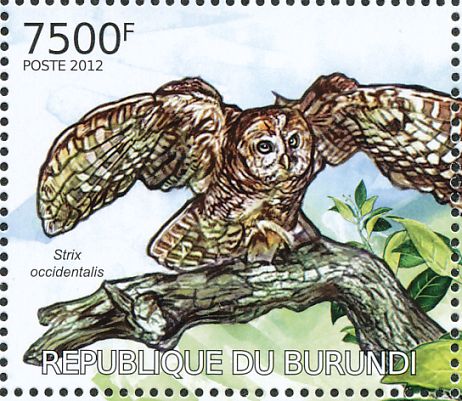
    The Northern Spotted Owl (Strix occidentalis) is in decline across its entire range, and its rate of decline is increasing—that is the conclusion of a major demographic study produced by federal scientists, published Wednesday, December 9, 2015, in the journal “The Condor.” The study examined survey results from monitoring areas across the range of the imperiled owl. This research indicates that since monitoring began in 1985, Spotted Owl populations declined 55-77 percent in Washington, 31-68 percent in Oregon, and 32-55 percent in California. In addition, population declines are now occurring in study areas in southern Oregon and northern California that were previously experiencing little to no detectable decline through 2009. The northern spotted owl is primarily nocturnal. Its diet consists mainly of wood rats (Neotoma sp.) and flying squirrels, although it will also eat other small mammals, reptiles, birds and insects.The Northern Spotted Owl is a rare raptor often associated with the complex features and closed canopy of mature or old-growth forests. Since it is associated with older forests, the owl serves as an “indicator species”—its presence indicates that the forest is healthy and functioning properly.

    The Northern Spotted Owl (Strix occidentalis) is in decline across its entire range, and its rate of decline is increasing—that is the conclusion of a major demographic study produced by federal scientists, published Wednesday, December 9, 2015, in the journal “The Condor.” The study examined survey results from monitoring areas across the range of the imperiled owl. This research indicates that since monitoring began in 1985, Spotted Owl populations declined 55-77 percent in Washington, 31-68 percent in Oregon, and 32-55 percent in California. In addition, population declines are now occurring in study areas in southern Oregon and northern California that were previously experiencing little to no detectable decline through 2009. The northern spotted owl is primarily nocturnal. Its diet consists mainly of wood rats (Neotoma sp.) and flying squirrels, although it will also eat other small mammals, reptiles, birds and insects.The Northern Spotted Owl is a rare raptor often associated with the complex features and closed canopy of mature or old-growth forests. Since it is associated with older forests, the owl serves as an “indicator species”—its presence indicates that the forest is healthy and functioning properly.

    Sources:
    Chattanoogan, December 10, 2015
    http://www.chattanoogan.com/2015/12/10/314152/Northern-Spotted-Owl-In-Rapid-Decline.aspx
    Wikipedia
    https://en.wikipedia.org/wiki/Northern_spotted_owl

  • De oppervlaktewaterverontreiniging met imidacloprid vormt een ernstige bedreiging voor zoetwatervissoorten

    De oppervlaktewaterverontreiniging met imidacloprid vormt een ernstige bedreiging voor zoetwatervissoorten

    De concentraties van een aantal neonicotinoïden en fipronil in Nederland overschrijden de normen regelmatig. Neonicotinoïden hebben negatieve effecten op veel niet-doelsoorten. Recent Nederlands onderzoek heeft laten zien dat er in wateren waarin de normen voor imidacloprid werden overschreden er veel minder macrofauna werd aangetroffen. Alle Nederlandse zoetwatervissoorten gebruiken macrofauna als voedsel in één of meer levensstadia.

    De concentraties van een aantal neonicotinoïden en fipronil in Nederland overschrijden de normen regelmatig. Neonicotinoïden hebben negatieve effecten op veel niet-doelsoorten. Recent Nederlands onderzoek heeft laten zien dat er in wateren waarin de normen voor imidacloprid werden overschreden er veel minder macrofauna werd aangetroffen. Alle Nederlandse zoetwatervissoorten gebruiken macrofauna als voedsel in één of meer levensstadia. De alarmerende conclusie voor vissen lijkt dan ook dat de voorkomende normoverschrijding van neonicotinoïden er toe leidt dat er veel minder voedsel beschikbaar is.

  • Varroamijt en imidacloprid verminderen samen het vliegvermogen van bijen

    Varroamijt en imidacloprid verminderen samen het vliegvermogen van bijen

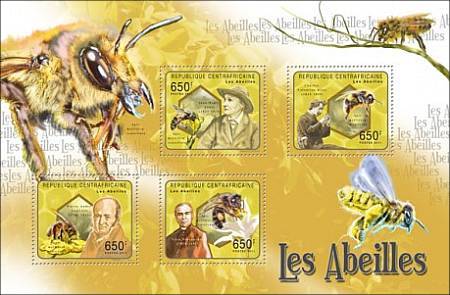
    De varroamijt samen met het bestrijdingsmiddel imidacloprid benadelen honingbijen bij hun zoektocht naar stuifmeel. Het bestrijdingsmiddel en de bijenparasiet verminderen het vliegvermogen van honingbijen, waardoor bijenvolken verzwakken en zelfs kunnen sterven. Dat concluderen onderzoekers van Wageningen University & Research Centre in hun artikel in Proceedings of the Royal Society B. Honingbijen vliegen kortere afstanden wanneer ze uit volken komen met veel varroamijten, constateren de onderzoekers. De afstanden die zij afleggen zijn nog geringer wanneer die volken ook blootgesteld zijn aan het chemische bestrijdingsmiddel imidacloprid in een dosis die bijen in het veld kunnen tegenkomen.

    De varroamijt samen met het bestrijdingsmiddel imidacloprid benadelen honingbijen bij hun zoektocht naar stuifmeel. Het bestrijdingsmiddel en de bijenparasiet verminderen het vliegvermogen van honingbijen, waardoor bijenvolken verzwakken en zelfs kunnen sterven. Dat concluderen onderzoekers van Wageningen University & Research Centre in hun artikel in Proceedings of the Royal Society B. Honingbijen vliegen kortere afstanden wanneer ze uit volken komen met veel varroamijten, constateren de onderzoekers. De afstanden die zij afleggen zijn nog geringer wanneer die volken ook blootgesteld zijn aan het chemische bestrijdingsmiddel imidacloprid in een dosis die bijen in het veld kunnen tegenkomen.

    Voor het experiment gebruikten de onderzoekers foeragerende bijen. Deze werden gevangen op het moment dat ze naar het volk terugkwamen met stuifmeel aan hun achterpoten. Daaruit leidden de onderzoekers af dat deze bijen tenminste één keer succesvol stuifmeel hadden gehaald. Omdat ‘heel zieke’ bijen waarschijnlijk niet eens foerageerbij worden, betekent dit dat de onderzoekers eerder een onderschatting dan een overschatting maken van de effecten van de varroamijt en imidacloprid op individuele bijen in deze volken.

    De bijen werden in een vliegmolen getest op hun vliegcapaciteit. Met de vliegmolen is de afgelegde afstand en de snelheid van de bijen gemeten. Om de bijen zo goed mogelijk te kunnen vergelijken, kregen ze vooraf een vaste hoeveelheid brandstof in de vorm van suikerwater. Het onderzoek werd gefinancierd door het ministerie van Economische Zaken.

    Bron: Wageningen UR, 10-12-15
    https://www.wageningenur.nl/nl/nieuws/Varroamijt-en-imidacloprid-verminderen-samen-het-vliegvermogen-van-bijen.htm

  • The plight of the Carnaby’s Black Cockatoo

    The plight of the Carnaby’s Black Cockatoo

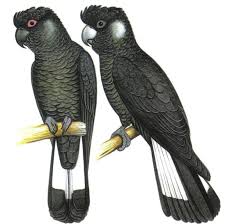
    Carnaby’s black cockatoo (Calyptorhynchus latirostris), also known as Carnaby’s cockatoo or short-billed black cockatoo,is a large black cockatoo endemic to south-western Australia. It was described in 1948 by naturalist Ivan Carnaby. The cockatoo feeds primarily on seeds of proteaceous plants such as Banksia, Hakea and Grevillea, and secondarily on seeds from myrtaceous plants such as Eucalyptus and Corymbia. Over fifty native plant species are commonly used for food, either as seed or flowers, and this includes western sheoak, orange wattle, and balga. Invertebrates such as the larvae of wood-boring moths are also eaten. The cockatoos also feed on the seeds of Pinus spp. in the Gnangara pine plantations north of Perth. The sound of a Black Cockatoo’s call ringing out before the rain arrives is one of the most evocative and magical sounds of the Australian bush, but sadly, with their number in decline, it’s a sound that we are hearing less.

    Carnaby’s black cockatoo (Calyptorhynchus latirostris), also known as Carnaby’s cockatoo or short-billed black cockatoo,is a large black cockatoo endemic to south-western Australia. It was described in 1948 by naturalist Ivan Carnaby. The cockatoo feeds primarily on seeds of proteaceous plants such as Banksia, Hakea and Grevillea, and secondarily on seeds from myrtaceous plants such as Eucalyptus and Corymbia. Over fifty native plant species are commonly used for food, either as seed or flowers, and this includes western sheoak, orange wattle, and balga. Invertebrates such as the larvae of wood-boring moths are also eaten. The cockatoos also feed on the seeds of Pinus spp. in the Gnangara pine plantations north of Perth. The sound of a Black Cockatoo’s call ringing out before the rain arrives is one of the most evocative and magical sounds of the Australian bush, but sadly, with their number in decline, it’s a sound that we are hearing less.

    Sources:
    ABC Perth, 8 December 2015
    http://blogs.abc.net.au/wa/2015/12/the-plight-of-the-carnabys-black-cockatoo.html
    Wikipedia
    https://en.wikipedia.org/wiki/Carnaby%27s_black_cockatoo

  • Voordracht van Henk Tennekes in Amsterdam over de ondermijning van de democratische rechtsorde door lobbyisme

    Voordracht van Henk Tennekes in Amsterdam over de ondermijning van de democratische rechtsorde door lobbyisme

    Op maandagavond 7 december 2015 zal de Amsterdamse studievereniging Machiavelli in de filmzaal van de Melkweg de duistere kant van de politiek belichten: ‘het lobbyen’. Kom te weten wat er achter de schermen gebeurt en welke zaken er nou daadwerkelijk spelen bij de totstandkoming van het beleid. Verschillende sprekers zullen aan het woord komen die ieder een ander perspectief op ‘het lobbyen’ zal bieden. Zo neemt Fons Hendriks je mee achter de schermen. De oud presentator van Rambam, het onderzoekende programma dat zich nergens door laat tegenhouden, zal zijn ervaringen met de aflevering omtrent ‘het lobbyen’ delen aan de hand van filmfragmenten. Luister naar het verhaal van de Henk Tennekes, slachtoffer van een samenzwering. Een toxicoloog die nooit meer een opdracht heeft gekregen sinds hij bijensterfte koppelde aan pesticiden. Met zijn publicaties over de neonicotinoiden heeft hij veel op het spel gezet, zijn boodschap nationaal en internationaal uitgedragen, en grote persoonlijke offers op de koop toe genomen. Marcel Hanegraaff, docent aan de UvA, zal de invloed van ‘het lobbyen’ laten zien op het klimaatakkoord. Kom erachter hoe het klimaatakkoord nou tot standkomt en welke actoren daar allemaal bij zijn betrokken. Ten slotte zal Mark Akkerman, onderzoeker van de organisatie ‘Stop Wapenhandel’, laten zien hoe machtig de wapenindustrie is en hoe de wapenlobby zich manifesteert in het beleid van de EU.

    Op maandagavond 7 december 2015 zal de Amsterdamse studievereniging Machiavelli in de filmzaal van de Melkweg de duistere kant van de politiek belichten: ‘het lobbyen’. Kom te weten wat er achter de schermen gebeurt en welke zaken er nou daadwerkelijk spelen bij de totstandkoming van het beleid. Verschillende sprekers zullen aan het woord komen die ieder een ander perspectief op ‘het lobbyen’ zal bieden. Zo neemt Fons Hendriks je mee achter de schermen. De oud presentator van Rambam, het onderzoekende programma dat zich nergens door laat tegenhouden, zal zijn ervaringen met de aflevering omtrent ‘het lobbyen’ delen aan de hand van filmfragmenten. Luister naar het verhaal van de Henk Tennekes, slachtoffer van een samenzwering. Een toxicoloog die nooit meer een opdracht heeft gekregen sinds hij bijensterfte koppelde aan pesticiden. Met zijn publicaties over de neonicotinoiden heeft hij veel op het spel gezet, zijn boodschap nationaal en internationaal uitgedragen, en grote persoonlijke offers op de koop toe genomen. Marcel Hanegraaff, docent aan de UvA, zal de invloed van ‘het lobbyen’ laten zien op het klimaatakkoord. Kom erachter hoe het klimaatakkoord nou tot standkomt en welke actoren daar allemaal bij zijn betrokken. Ten slotte zal Mark Akkerman, onderzoeker van de organisatie ‘Stop Wapenhandel’, laten zien hoe machtig de wapenindustrie is en hoe de wapenlobby zich manifesteert in het beleid van de EU.

    Bron: Melkweg
    http://www.melkweg.nl/nl/agenda/machiavelli-bespreekt-dirty-politics-07-12-2015