Auteur: Henk Tennekes

  • Forty-five percent of all Finnish breeding birds are endangered

    Forty-five percent of all Finnish breeding birds are endangered

    This is the analysis of the latest assessment of the Red List of Birds for Finland, published in January. Of the 245 Finnish breeding species evaluated, 87 (36%) are Threatened and 23 (9%) are Near Threatened. Of the Threatened species, 13 (5%) are Critically Endangered, 36 (16%) are Endangered, and 38 (16%) are Vulnerable. The numbers have gone up from the last evaluation: In 2010, 59 species (24%) were Threatened and 30 (13%) were Near Threatened. This time, 110 species (45% of all Finnish breeding species) are on the Red List, up from 89 (about 36%) in 2010 and 72 in 2000. The state of water and wetland birds is the most concerning. Half of the Finnish breeding waterbirds and nearly half of the waders are now threatened. Populations of the Tufted Duck, Garganey, Eurasian Wigeon and Northern Pintail have decreased sharply in the last decades. The situation is alarming not only for conservationists and birdwatchers, but also for hunters. Eleven out of the 17 game waterbirds in Finland are now red-listed because of a decline in population: six are Endangered, four are Vulnerable and one is Near Threatened. The number of species which can be hunted sustainably in Finland has collapsed.

    This is the analysis of the latest assessment of the Red List of Birds for Finland, published in January. Of the 245 Finnish breeding species evaluated, 87 (36%) are Threatened and 23 (9%) are Near Threatened. Of the Threatened species, 13 (5%) are Critically Endangered, 36 (16%) are Endangered, and 38 (16%) are Vulnerable. The numbers have gone up from the last evaluation: In 2010, 59 species (24%) were Threatened and 30 (13%) were Near Threatened. This time, 110 species (45% of all Finnish breeding species) are on the Red List, up from 89 (about 36%) in 2010 and 72 in 2000. The state of water and wetland birds is the most concerning. Half of the Finnish breeding waterbirds and nearly half of the waders are now threatened. Populations of the Tufted Duck, Garganey, Eurasian Wigeon and Northern Pintail have decreased sharply in the last decades. The situation is alarming not only for conservationists and birdwatchers, but also for hunters. Eleven out of the 17 game waterbirds in Finland are now red-listed because of a decline in population: six are Endangered, four are Vulnerable and one is Near Threatened. The number of species which can be hunted sustainably in Finland has collapsed.

    Source: Birdlife, 16 February 2016
    http://www.birdlife.org/europe-and-central-asia/news/almost-half-all-finnish-birds-are-danger

  • Hamburgs Tierwelt steht weiter unter Druck

    Hamburgs Tierwelt steht weiter unter Druck

    Tagfalter gehören zu den Sorgenkindern der Hamburger Artenschützer. Von den 77 Tagfaltern, Dickkopffaltern und Widderchen, die vor 100 Jahren noch in Hamburg lebten, sind 25 Arten ausgestorben und weitere 20 vom Aussterben bedroht. Nur 15 Arten stehen nicht auf der Roten Liste. “Doch selbst Allerweltsarten wie Kleiner Fuchs und Tagpfauenauge sind immer seltener zu sehen”, sagt Günter Schäfers, Artenschutzreferent bei der Umweltbehörde. Nicht immer gehe die Stadt pfleglich mit ihren wilden Bewohnern um, kritisiert Alexander Porschke, Vorsitzender des Hamburger Naturschutzbundes (Nabu). Er nennt als Beispiel die Wiesenvögel, die in Hamburg – wie in ganz Deutschland und in Europa – stark bedroht seien. “Wiesenvögel wie Kiebitz, Uferschnepfe und Braunkehlchen sind vom Hamburger Stadtgebiet fast verschwunden”, sagt auch der Ornithologie Alexander Mitschke vom Arbeitskreis Staatliche Vogelschutzwarte Hamburg. Auch bei der Feldlerche gebe es “deutlich spürbare, lang anhaltende Rückgänge”, sagt Mitschke. Bei den gefiederten Städtern sorgt sich der Ornithologe vor allem um den Spatzen: “Die Zahl der Haussperlinge halbierte sich seit den späten 1990er Jahren, und auch andere Arten wie der Turmfalke oder der Mauer­segler leiden unter deutlichen Rückgängen.” Unter dem Strich sind rund ein Drittel der 185 in Hamburg brütenden Vogelarten gefährdet oder verschwunden (18 Arten).

    Tagfalter gehören zu den Sorgenkindern der Hamburger Artenschützer. Von den 77 Tagfaltern, Dickkopffaltern und Widderchen, die vor 100 Jahren noch in Hamburg lebten, sind 25 Arten ausgestorben und weitere 20 vom Aussterben bedroht. Nur 15 Arten stehen nicht auf der Roten Liste. “Doch selbst Allerweltsarten wie Kleiner Fuchs und Tagpfauenauge sind immer seltener zu sehen”, sagt Günter Schäfers, Artenschutzreferent bei der Umweltbehörde. Nicht immer gehe die Stadt pfleglich mit ihren wilden Bewohnern um, kritisiert Alexander Porschke, Vorsitzender des Hamburger Naturschutzbundes (Nabu). Er nennt als Beispiel die Wiesenvögel, die in Hamburg – wie in ganz Deutschland und in Europa – stark bedroht seien. “Wiesenvögel wie Kiebitz, Uferschnepfe und Braunkehlchen sind vom Hamburger Stadtgebiet fast verschwunden”, sagt auch der Ornithologie Alexander Mitschke vom Arbeitskreis Staatliche Vogelschutzwarte Hamburg. Auch bei der Feldlerche gebe es “deutlich spürbare, lang anhaltende Rückgänge”, sagt Mitschke. Bei den gefiederten Städtern sorgt sich der Ornithologe vor allem um den Spatzen: “Die Zahl der Haussperlinge halbierte sich seit den späten 1990er Jahren, und auch andere Arten wie der Turmfalke oder der Mauer­segler leiden unter deutlichen Rückgängen.” Unter dem Strich sind rund ein Drittel der 185 in Hamburg brütenden Vogelarten gefährdet oder verschwunden (18 Arten).

    Quelle: Hamburger Abendblatt, 07.03.15
    http://www.abendblatt.de/ratgeber/wissen/article205196383/Hamburgs-Tierwelt-steht-weiter-unter-Druck.html

  • Extinction fears for south-west Western Australia’s ‘hibernating’ salamanderfish, black stripe minnow

    Extinction fears for south-west Western Australia’s ‘hibernating’ salamanderfish, black stripe minnow

    A fisheries expert is warning two species unique to south-west Western Australia could face extinction. The populations of the state’s only two species of aestivating fish, the salamanderfish (Lepidogalaxias salamandroides) and black stripe minnow (Galaxiella nigrostriata), which burrow into the ground and become dormant over summer, have been dramatically reduced. The ability to aestivate is similar to hibernation. Murdoch University researcher Garry Ogston said the salamanderfish was the only one of its type in the country. “In terms of the ability to aestivate, they’re the only two species that do that in all of Western Australia,” he said. “Some other fish species do it around the world but it’s not a very typical trait, it’s quite a rare trait. The salamander fish itself is actually the only member of its family, lepidogalaxias, so there are no other members related to it in that family out of any other fish anywhere in the world. He said if no action was taken, both species, which were most common around Northcliffe, were likely to disappear. “They’ve had quite a large range reduction, they were lost from a lot of their sites which were previously historical presence records,” he said. “It was in the order of around 80 per cent for salamanderfish and just over 50 per cent for black stripe minnows, which was quite alarming. Many of the wetlands home to salamanderfish and black stripe minnow are in conservation reserves, however, others border farmlands, so working with landowners regarding fertiliser run-off, and restricting access for livestock would also be key in helping protect these pools.”

    A fisheries expert is warning two species unique to south-west Western Australia could face extinction. The populations of the state’s only two species of aestivating fish, the salamanderfish (Lepidogalaxias salamandroides) and black stripe minnow (Galaxiella nigrostriata), which burrow into the ground and become dormant over summer, have been dramatically reduced. The ability to aestivate is similar to hibernation. Murdoch University researcher Garry Ogston said the salamanderfish was the only one of its type in the country. “In terms of the ability to aestivate, they’re the only two species that do that in all of Western Australia,” he said. “Some other fish species do it around the world but it’s not a very typical trait, it’s quite a rare trait. The salamander fish itself is actually the only member of its family, lepidogalaxias, so there are no other members related to it in that family out of any other fish anywhere in the world. He said if no action was taken, both species, which were most common around Northcliffe, were likely to disappear. “They’ve had quite a large range reduction, they were lost from a lot of their sites which were previously historical presence records,” he said. “It was in the order of around 80 per cent for salamanderfish and just over 50 per cent for black stripe minnows, which was quite alarming. Many of the wetlands home to salamanderfish and black stripe minnow are in conservation reserves, however, others border farmlands, so working with landowners regarding fertiliser run-off, and restricting access for livestock would also be key in helping protect these pools.”

    Source: ABC News, 15 Feb 2016
    http://www.abc.net.au/news/2016-02-15/extinction-fears-for-south-west-wa’s-‘hibernating’-fish/7168584

  • New atlas of Devon birds shows drastic declines

    New atlas of Devon birds shows drastic declines

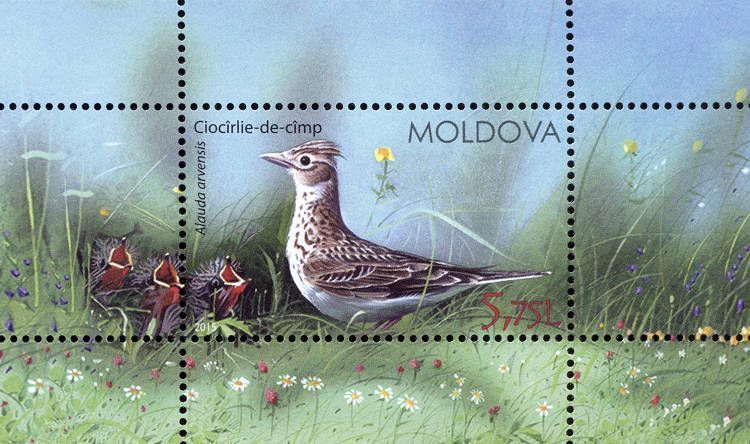
    The Devon Bird Atlas 2016 – unveiled today at Stover Park, near Newton Abbot – shows that since the first Atlas was published in 1988 eight species have disappeared from the county and 60 have suffered declines. The nightingale, much-loved for its beautiful song, has been lost as a breeding bird in Devon. “It is a great sadness that this wonderful songster may never be heard again in Devon,” the reports authors warn. Other birds facing serious declines include the cuckoo which has seen one of the largest declines since the publication of the first Atlas in 1988. It now breeds in only 372 tetrads (2km x 2km squares on the map) compared to 1,447 in the 1977–1985 survey. Breeding Cuckoos are now almost exclusively confined to Dartmoor. The reduction in Lapwing numbers is particularly striking in Devon. Previously widespread across the county, this latest survey shows that breeding is now restricted to just two sites – the Exe Estuary RSPB reserves and southern Dartmoor. Skylarks have seen a huge decline from being recorded as breeding in 93% of the county of Devon in 1988 to only 63% during the 2007–2013 survey period.

    The Devon Bird Atlas 2016 – unveiled today at Stover Park, near Newton Abbot – shows that since the first Atlas was published in 1988 eight species have disappeared from the county and 60 have suffered declines. The nightingale, much-loved for its beautiful song, has been lost as a breeding bird in Devon. “It is a great sadness that this wonderful songster may never be heard again in Devon,” the reports authors warn. Other birds facing serious declines include the cuckoo which has seen one of the largest declines since the publication of the first Atlas in 1988. It now breeds in only 372 tetrads (2km x 2km squares on the map) compared to 1,447 in the 1977–1985 survey. Breeding Cuckoos are now almost exclusively confined to Dartmoor. The reduction in Lapwing numbers is particularly striking in Devon. Previously widespread across the county, this latest survey shows that breeding is now restricted to just two sites – the Exe Estuary RSPB reserves and southern Dartmoor. Skylarks have seen a huge decline from being recorded as breeding in 93% of the county of Devon in 1988 to only 63% during the 2007–2013 survey period.

    Read more: http://www.westernmorningnews.co.uk/New-atlas-Devon-birds-shows-drastic-declines/story-28628469-detail/story.html#ixzz40GOcAVZX
    Follow us: @WMNNews on Twitter | westernmorningnews on Facebook

  • Snowmelt transport of neonicotinoid insecticides to Canadian Prairie wetlands

    Snowmelt transport of neonicotinoid insecticides to Canadian Prairie wetlands

    During the growing season, neonicotinoid insecticides are frequently transported to surface water systems after rainfall events. However, detectable levels of neonicotinoids have also been found in wetlands during early spring, after ice-off but before crop seeding, representing an unexpected long-term exposure risk for aquatic organisms. This suggests long-term persistence, though origins and transport mechanisms remain unknown. We sampled 16 agricultural fields in the Canadian Prairies to investigate whether snow meltwater, particulate matter, top- (15 cm) or bottom-layer (15 cm) snow were potential sources of spring neonicotinoid contamination to receiving wetlands. Agricultural fields were selected based on the previous year’s crop: eight canola fields (clothianidin-treated seed) and eight oat fields (un-treated). We further sampled the wetlands draining those same oat and canola fields from ice-off to seeding to assess changes in neonicotinoid concentrations over time. Top-layer snow was below the limit of quantification for both canola and oat fields. Neonicotinoid concentrations (sum of clothianidin and thiamethoxam) were highest in meltwater (canola, mean: 267 ± 72.2 ng L−1; max: 633), but also detected in bottom-layer snow (oat, mean: 36.1 ± 9.18 ng L−1; max: 92.9), and soil particulate matter (canola, mean: 10.2 ± 1.82 μg/kg; max: 17.2). Concentrations in meltwater showed a stronger relationship (R2 = 0.35) with initial concentrations in wetland water than any other source type. Temporary wetland hydrology is largely fed by meltwater thus spring total neonicotinoid concentrations were higher in temporary wetlands than seasonal/semi-permanent wetlands (P = 0.003). Only clothianidin was detected in soil particulate matter samples, including from oat fields not treated the year before, confirming this compound can persist over multiple years under local field conditions. The results of this study suggest that under normal agricultural practices, wetlands in colder climates are likely to be contaminated even before seeding occurs through persistence of neonicotinoids in soil and transport by snowmelt and particulate to surface water during spring runoff.

    During the growing season, neonicotinoid insecticides are frequently transported to surface water systems after rainfall events. However, detectable levels of neonicotinoids have also been found in wetlands during early spring, after ice-off but before crop seeding, representing an unexpected long-term exposure risk for aquatic organisms. This suggests long-term persistence, though origins and transport mechanisms remain unknown. We sampled 16 agricultural fields in the Canadian Prairies to investigate whether snow meltwater, particulate matter, top- (15 cm) or bottom-layer (15 cm) snow were potential sources of spring neonicotinoid contamination to receiving wetlands. Agricultural fields were selected based on the previous year’s crop: eight canola fields (clothianidin-treated seed) and eight oat fields (un-treated). We further sampled the wetlands draining those same oat and canola fields from ice-off to seeding to assess changes in neonicotinoid concentrations over time. Top-layer snow was below the limit of quantification for both canola and oat fields. Neonicotinoid concentrations (sum of clothianidin and thiamethoxam) were highest in meltwater (canola, mean: 267 ± 72.2 ng L−1; max: 633), but also detected in bottom-layer snow (oat, mean: 36.1 ± 9.18 ng L−1; max: 92.9), and soil particulate matter (canola, mean: 10.2 ± 1.82 μg/kg; max: 17.2). Concentrations in meltwater showed a stronger relationship (R2 = 0.35) with initial concentrations in wetland water than any other source type. Temporary wetland hydrology is largely fed by meltwater thus spring total neonicotinoid concentrations were higher in temporary wetlands than seasonal/semi-permanent wetlands (P = 0.003). Only clothianidin was detected in soil particulate matter samples, including from oat fields not treated the year before, confirming this compound can persist over multiple years under local field conditions. The results of this study suggest that under normal agricultural practices, wetlands in colder climates are likely to be contaminated even before seeding occurs through persistence of neonicotinoids in soil and transport by snowmelt and particulate to surface water during spring runoff.

    Source: Main AR et al. (2016) Agriculture, Ecosystems & Environment Volume 215, Pages 76–84
    http://www.sciencedirect.com/science/article/pii/S0167880915300785

  • In der Region um Krefeld sind 70 Prozent der Hummel-Arten verschwunden

    In der Region um Krefeld sind 70 Prozent der Hummel-Arten verschwunden

    In Krefeld sind in den vergangenen Jahrzehnten von 28 dokumentierten Hummel-Arten 19 ausgestorben; bei den verbleibenden neun Arten geht die Zahl der Individuen beständig zurück. Das ist unterm Strich das Ergebnis von Insektenzählungen, die Fachleute des Krefelder Entomologischen Vereins betreiben. Die Hummeln haben damit Anteil an einem dramatischen Rückgang der Insektenbestände, auf den die Entomologen seit langer Zeit hinweisen – und vor dem sie warnen: “Jede Art hat ihre Funktion im Naturhaushalt; wenn man eine Art verliert, verliert man deren besondere Fähigkeiten”, sagt Andreas Müller, Vorsitzender des Entomologischen Vereins Krefeld, “wir wissen nicht, was mit unseren Ökosystemen und unseren Naturschutzgebieten in der Zukunft passiert, wenn man immer mehr Funktionen herausnimmt.” Die Krefelder Entomologen betreiben seit 30 Jahren systematisch Insektenzählungen, auch mit neueren Methoden wie den sogenannten Malaise-Fallen, unter anderem im Orbroicher Bruch und im Latumer Bruch. Die so gefangenen Insekten werden dokumentiert und gezählt. “Das Ergebnis ist ein sehr beunruhigender Rückgang an Arten und auch an Masse”, resümiert Heinz Schwan, Ehrenvorsitzender des Entomologischen Vereins, “die Hummeln haben Anteil an dieser Entwicklung, die man auch anhand der Entomologischen Sammlungen gut nachvollziehen kann”.

    In Krefeld sind in den vergangenen Jahrzehnten von 28 dokumentierten Hummel-Arten 19 ausgestorben; bei den verbleibenden neun Arten geht die Zahl der Individuen beständig zurück. Das ist unterm Strich das Ergebnis von Insektenzählungen, die Fachleute des Krefelder Entomologischen Vereins betreiben. Die Hummeln haben damit Anteil an einem dramatischen Rückgang der Insektenbestände, auf den die Entomologen seit langer Zeit hinweisen – und vor dem sie warnen: “Jede Art hat ihre Funktion im Naturhaushalt; wenn man eine Art verliert, verliert man deren besondere Fähigkeiten”, sagt Andreas Müller, Vorsitzender des Entomologischen Vereins Krefeld, “wir wissen nicht, was mit unseren Ökosystemen und unseren Naturschutzgebieten in der Zukunft passiert, wenn man immer mehr Funktionen herausnimmt.” Die Krefelder Entomologen betreiben seit 30 Jahren systematisch Insektenzählungen, auch mit neueren Methoden wie den sogenannten Malaise-Fallen, unter anderem im Orbroicher Bruch und im Latumer Bruch. Die so gefangenen Insekten werden dokumentiert und gezählt. “Das Ergebnis ist ein sehr beunruhigender Rückgang an Arten und auch an Masse”, resümiert Heinz Schwan, Ehrenvorsitzender des Entomologischen Vereins, “die Hummeln haben Anteil an dieser Entwicklung, die man auch anhand der Entomologischen Sammlungen gut nachvollziehen kann”.

    Anfang bis Mitte des 20. Jahrhunderts haben die in Krefeld tätigen Entomologen Hans Höppner (1873 – 1946), Wilhelm Aerts (1885-1964), Albert Ulbricht (1865-1927) und Ernst Puhlmann (1864-1959) in der Region um Krefeld 28 Hummelarten dokumentiert, berichtet Schwan, “davon sind heute nur noch neun bis zehn Arten übrig geblieben”.
    Seit etwa zwei Jahrzehnten hat der Verlust an Blütenbestäubern bei den Insekten so dramatische Ausmaße genommen, dass Biologen und Zoologen weltweit Alarm schlagen. Im Jahr 2001 haben US-Biologen darauf hingewiesen, dass die Zahl der Honigbienenvölker in den USA und Kanada seit 1990 um 25 Prozent zurückgegangen sind, die Zahl der nordamerikanischen Hummelarten sogar um 55 Prozent. In Nordrhein-Westfalen sind nach der aktuellen Roten Liste 43 Hummel-Arten ausgestorben. Biologen reden mit Blick auf den Verlust an Bestäubern wie Hummeln bereits von einer Bestäubungskrise. “Die wenigen gezüchteten Arten der Blütenbestäuber wie die Honigbiene oder die Dunkle Erdhummel sind kein auch nur annähernd funktionierender Ersatz für die ausgerottete Vielfalt. Damit kann man bestenfalls die Tomaten in Treibhäusern bestäuben und auf einer Plantage den Ertrag steigern”, sagt Martin Sorg, promovierter Zoologe und im Vorstand des Entomologichen Vereins. “Wir sind Teil eines großen, weltweiten Experiments, das wir nicht überblicken. Es ist wie bei einem Industriebetrieb, in dem immer mehr Funktionen wegfallen: Hier in Buchhalter, da ein Techniker, dort ein Fahrer. Irgendwann funktioniert das Ganze nicht mehr.”

    Der Vergleich hinkt, betont Sorg, weil man in einem Betrieb neue Mitarbeiter einstellen kann – “eine Art, die verschwindet, wirft Probleme einer ganz anderen Dimension auf. Sie verschwindet mit ihrer besonderen, über lange Zeiträume erfolgten Anpassung an unseren Lebensraum. Man kann viele hochgradig spezialisierte Arten nicht so einfach ersetzen. Wenige übriggebliebene Generalisten können manche Aufgaben im Naturhaushalt nicht gleichwertig übernehmen”, sagt er.

    Das große Problem seien sogenannte Kaskadeneffekte, denn die ausgestorbenen oder im Rückgang befindlichen Arten seien selbst Nahrung für andere Insekten, Vögel oder Fledermäuse gewesen. Auch Pflanzen, die aufgrund des Rückganges von Blütenbestäubern verschwinden, seien ihrerseits Existenzgrundlage für viele andere Insektenarten. “Nichts bleibt hier ohne meist auch noch unerwartete Folgen über zahlreiche Positionen in den Nahrungsketten”, sagt Sorg.

    Entomologen-Vorsitzender Müller berichtet von Meldungen aus China, wo es bereits Plantagen geben soll, auf denen der Mensch die Aufgabe der Insekten – speziell von Hummeln und Bienen – übernehmen muss: Dort werden, so heißt es, die Pflanzen mit Pinseln von Menschenhand bestäubt.

    Quelle: RP, 15.02.16
    http://www.rp-online.de/nrw/staedte/krefeld/dramatischer-rueckgang-bei-hummeln-aid-1.5767186

  • Die Ameisen schwinden

    Die Ameisen schwinden

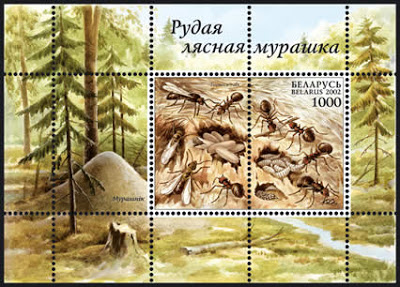
    Das Bundesamt für Naturschutz (BfN) berichtete in seinem ersten Artenschutz-Report, dass die Populationen von 99 der hierzulande insgesamt 108 Ameisenarten schrumpfen. „Die Bestände von fast 92 Prozent der Arten nehmen derzeit ab“, heißt es in dem Bericht zur Gefährdung dieser Insekten. 56 Arten gelten demnach als bestandsgefährdet, eine als ausgestorben. „Für diesen kurzfristigen Trend haben sich Experten die Entwicklung der Ameisen in den vergangenen 25 Jahren angeschaut“, erläutert Sandra Balzer, Leiterin des Fachgebiets Zoologischer Artenschutz beim Bundesamt. Einen besonders deutlichen Rückgang verzeichnete das Bundesamt bei der Kerbameise Formica foreli und der Großen Wiesenameise (Formica pratensis). Ein Verschwinden der Insekten hätte weitreichende Folgen, sagt Biologe Heinze: „Würde man die Ameisen aus einem Ökosystem entfernen, würde es mehr oder weniger zusammenbrechen oder sich zumindest stark verändern.“

    Das Bundesamt für Naturschutz (BfN) berichtete in seinem ersten Artenschutz-Report, dass die Populationen von 99 der hierzulande insgesamt 108 Ameisenarten schrumpfen. „Die Bestände von fast 92 Prozent der Arten nehmen derzeit ab“, heißt es in dem Bericht zur Gefährdung dieser Insekten. 56 Arten gelten demnach als bestandsgefährdet, eine als ausgestorben. „Für diesen kurzfristigen Trend haben sich Experten die Entwicklung der Ameisen in den vergangenen 25 Jahren angeschaut“, erläutert Sandra Balzer, Leiterin des Fachgebiets Zoologischer Artenschutz beim Bundesamt. Einen besonders deutlichen Rückgang verzeichnete das Bundesamt bei der Kerbameise Formica foreli und der Großen Wiesenameise (Formica pratensis). Ein Verschwinden der Insekten hätte weitreichende Folgen, sagt Biologe Heinze: „Würde man die Ameisen aus einem Ökosystem entfernen, würde es mehr oder weniger zusammenbrechen oder sich zumindest stark verändern.“

    Quelle: Frankfurter Neue Presse, 13.08.15
    http://www.fnp.de/nachrichten/wissenschaft/Warum-die-Ameisen-schwinden;art746,1537522

  • Reactie van Henk Tennekes en collega wetenschappers op de risico beoordeling van imidacloprid door de  EPA

    Reactie van Henk Tennekes en collega wetenschappers op de risico beoordeling van imidacloprid door de EPA

    OPP Docket

    Environmental Protection Agency Docket Center

    (EPA/DC), (28221T)

    1200 Pennsylvania Ave. NW.

    Washington, DC 20460-0001

    Re: Pollinator Ecological Risk Assessments: Imidacloprid Registration Review

    EPA-HQ-OPP-2008-0844

    To whom it may concern,

    We would like to offer some comments on the regulatory endpoints that are proposed in the first Preliminary Pollinator Assessment to Support the Registration Review of Imidacloprid (January 4th, 2016).

    OPP Docket

    Environmental Protection Agency Docket Center

    (EPA/DC), (28221T)

    1200 Pennsylvania Ave. NW.

    Washington, DC 20460-0001

    Re: Pollinator Ecological Risk Assessments: Imidacloprid Registration Review

    EPA-HQ-OPP-2008-0844

    To whom it may concern,

    We would like to offer some comments on the regulatory endpoints that are proposed in the first Preliminary Pollinator Assessment to Support the Registration Review of Imidacloprid (January 4th, 2016).

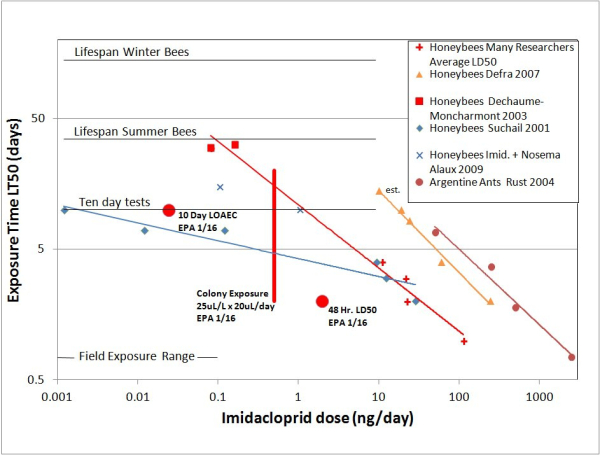
    Below is a figure from our paper (Rondeau et al. 2014), with the toxicity endpoints and the colony-level feeding exposure endpoint shown along with our summary of time dependent toxicity data for imidacloprid.
    Indeed, the EPA has chosen the 10-day LOAEC and 48-h LD50 to be safely on the low side of most of the reported results in the literature. However, we feel that the colony level exposure of 25µg/L as determined from the Tier 2 study results should be viewed with much caution. The recommendation of <25µLa.i./L is shown as the red vertical line on the plot. Nectar consumed at 25µLa.i./L with typical daily consumption of 20µL/day yields a daily dose of 0.5ng a.i. per individual. A single day’s exposure, 0.5ng/bee, exceeds by a factor of 2 EPA’s accepted LOAEC of 0.24ng/bee. It is very hard to imagine that the cumulative dose to individual bees at this level of contamination would not give rise to neuro-toxic symptoms. Curiously, the 25µLa.i./L exposure rate corresponds on our graph to the LT50 time of about 20 days, roughly the age when nurse workers enter the field foraging force. With the colony getting much of its nourishment from the contaminated nectar, there may be little need for a robust work force aged much more than that. Clearly the colony is providing services that transcend the health of individual bees. In fact, it can be expected that there may be colony-wide paradoxical effects. The colony response to a shorter lifespan of individual bees could very well be acceleration of brood production. If colony health was measured by the amount of capped brood, such a seemingly positive effect would be interpreted incorrectly. In our study we found that the results from many diverse toxicity studies for imidacloprid on insects could be understood in terms of a simple power law scaling, LT50 ∝ D tP Where D is the dose rate, t is time and P is the power law exponent. We discovered that much of the honeybee toxicity experiments can be unified with such a scaling law where the time exponent is approximately 2. Although there is an abundance of toxicity data for imidacloprid and honeybees, there is still missing a good study that can determine the time when such t2 scaling is likely to come to an end. Absent such a study, the prudent policy is to assume that the scaling we present continues indefinitely until individual bees die. If you use bees as proxies for solitary pollinators and other beneficial insects, then you are left without the benefit of robust colony services to maintain health in the presence of pesticide residue. Instead the best estimate we would have would be individual toxicity scaling, with a maximum time based upon natural insect lifetimes or reproductive cycles. This will vary dramatically from species to species, and could approach good fractions of a year for insects on an annual cycle. Unfortunately, the regulatory process is not as simple as assigning a threshold guideline concentration for which to stay below, since the organism life span becomes part of the equation. The EPA’s continued adherence to the concept of threshold toxicity levels should be questioned with pesticides like imidacloprid that are designed to bind strongly to synaptic receptors and which act to directly stimulate the post synaptic junction. Relatively few molecules of the pesticide can have long lasting effects, as we demonstrated with a model in our paper. This is in contrast to acetylcholine esterase inhibitors, where the action of a just few molecules does almost nothing, since there would still be many acetylcholine esterase sites to clear the junction of neurotransmitter. Hence, for this latter class of chemicals (organophosphates), there is a natural threshold built into the toxic effect, namely the point where concentration of pesticide is sufficient to inhibit a large fraction of the acetylcholine esterase sites. EPA’s history of successful regulation of the organophosphate insecticide can be seen as a vindication of the threshold theory for the acetylcholine esterase inhibitors. The neonicotinoids present the EPA with a major change in mode of action. Hence a fundamental change in the regulatory framework that backs away from the threshold concept and looks more deeply at the accumulation and persistence of toxic effects is required (Sánchez-Bayo & Tennekes 2015). Sincerely yours Gary Rondeau, Applied Scientific Instrumentation, Oregon, USA Francisco Sánchez-Bayo, The University of Sydney, NSW, Australia Henk A. Tennekes, Experimental Toxicology Services (ETS) Nederland BV, Zutphen, The Netherlands Axel Decourtye, ITSAP-Institut de l’Abeille, Avignon, France Ricardo Ramírez-Romero, Universidad de Guadalajara, Jalisco, Mexico Nicolas Desneux, French National Institute for Agricultural Research (INRA), Sophia-Antipolis, France References cited Rondeau, G. et al. Delayed and time-cumulative toxicity of imidacloprid in bees, ants and termite. Sci. Rep. 4, 5566, doi:10.1038/srep05566 (2014). Sánchez-Bayo, F. & Tennekes, H. A. in Toxicity and Hazard of Agrochemicals (ed Marcelo L. Larramendy) Ch. 1, 1-37 (InTech Open Science, 2015).

  • Meeker County Farmers Questioning Pesticides

    Meeker County Farmers Questioning Pesticides

    Like many other area farmers, the Bredeson family in Harvey Township, between Grove City and Litchfield, buys corn and soybeans seeds treated with pesticides. Pesticides are designed to improve crop yields, but they have side effects, and the family has been learning more about these effects from an expert — Mark and Julie Bredeson’s own son, Michael. “He’s kind of on the cutting edge of finding that these pesticides that farmers have been using for many years have become a detrimental thing to not only agriculture but mother nature,” Julie said about Michael’s work. Michael, a 2008 Litchfield High School graduate, is pursuing his Ph.D. at South Dakota State University, where he studies the effects of pesticides on organisms, particularly linked to sunflowers, a common cash crop in South Dakota. In commentary in the Independent Review (see below), Michael writes about pesticides’ effects and the long-term implications for birds, reptiles, mammals, fish and plants. Julie and Michael said they’ve both noticed a reduction in wildlife at and near the family’s Meeker County farm over the years. As he grew older, Michael noticed a decline in good fishing holes, which he attributes to runoff from crop fields. “My life revolved around fishing on all the little lakes. A few of my great fishing spots died off, and that kind of irritated me, of course,” he said. Julie said she’s also witnessed a decline in wildlife since she was a child. “The landscape as far as our wildlife, butterflies and bees, has dramatically changed,” she said. “It’s something we need to think about.”

    Like many other area farmers, the Bredeson family in Harvey Township, between Grove City and Litchfield, buys corn and soybeans seeds treated with pesticides. Pesticides are designed to improve crop yields, but they have side effects, and the family has been learning more about these effects from an expert — Mark and Julie Bredeson’s own son, Michael. “He’s kind of on the cutting edge of finding that these pesticides that farmers have been using for many years have become a detrimental thing to not only agriculture but mother nature,” Julie said about Michael’s work. Michael, a 2008 Litchfield High School graduate, is pursuing his Ph.D. at South Dakota State University, where he studies the effects of pesticides on organisms, particularly linked to sunflowers, a common cash crop in South Dakota. In commentary in the Independent Review (see below), Michael writes about pesticides’ effects and the long-term implications for birds, reptiles, mammals, fish and plants. Julie and Michael said they’ve both noticed a reduction in wildlife at and near the family’s Meeker County farm over the years. As he grew older, Michael noticed a decline in good fishing holes, which he attributes to runoff from crop fields. “My life revolved around fishing on all the little lakes. A few of my great fishing spots died off, and that kind of irritated me, of course,” he said. Julie said she’s also witnessed a decline in wildlife since she was a child. “The landscape as far as our wildlife, butterflies and bees, has dramatically changed,” she said. “It’s something we need to think about.”

    Source: Litchfield Independent Review, Jan 21, 2016
    http://www.crowrivermedia.com/independentreview/news/local/questioning-pesticides/article_6d8099c5-1b86-5b00-86ba-bd08dceff157.html

  • Green Turtle Deaths in the Waters of Malaysia Raise Alarms

    Green Turtle Deaths in the Waters of Malaysia Raise Alarms

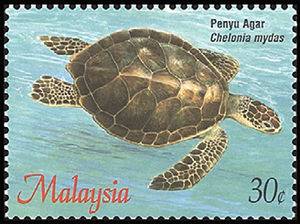
    Turtles have long been known for their longevity, but these days green sea turtles are causing alarm among Malaysian environmentalists for a reason that places that renowned longevity of the placid marine reptiles at risk: many turtles’ premature deaths. According to the Terengganu Fisheries Department, a total of 59 green sea turtles are known to have died last year around the state, while at least another 47 of them had done so the year before. The last of the turtles to perish in 2015 was a female that was found dead on a beach in Kuala Terengganu in late December. Alarmingly, 54 of the dead turtles were females and juveniles, which means that the viability of the remaining breeding populations in Malaysian waters has been further compromised, especially as many more green sea turtle deaths may not have been observed or reported. Overall, 55 of the animals whose deaths were recorded last year perished within the first six months of the year. Although green sea turtle populations are relatively stable in the waters of Malaysia, the reptiles are listed as endangered with their numbers having declined precipitously over the last few decades. Known as penyu agar to locals, the green sea turtle (Chelonia mydas) nests on the beaches and islands of Terengganu, Sabah, Sarawak, Pahang, Johor and Perak.

    Turtles have long been known for their longevity, but these days green sea turtles are causing alarm among Malaysian environmentalists for a reason that places that renowned longevity of the placid marine reptiles at risk: many turtles’ premature deaths. According to the Terengganu Fisheries Department, a total of 59 green sea turtles are known to have died last year around the state, while at least another 47 of them had done so the year before. The last of the turtles to perish in 2015 was a female that was found dead on a beach in Kuala Terengganu in late December. Alarmingly, 54 of the dead turtles were females and juveniles, which means that the viability of the remaining breeding populations in Malaysian waters has been further compromised, especially as many more green sea turtle deaths may not have been observed or reported. Overall, 55 of the animals whose deaths were recorded last year perished within the first six months of the year. Although green sea turtle populations are relatively stable in the waters of Malaysia, the reptiles are listed as endangered with their numbers having declined precipitously over the last few decades. Known as penyu agar to locals, the green sea turtle (Chelonia mydas) nests on the beaches and islands of Terengganu, Sabah, Sarawak, Pahang, Johor and Perak.

    Source: Clean Malaysia, feb 9, 2016
    http://cleanmalaysia.com/2016/02/09/green-turtle-deaths-raise-alarms-about-fate-of-gentle-reptiles-in-terengganu/