Auteur: Henk Tennekes

  • Warnung vor dem Aussterben vieler Tierarten, die Pflanzen bestäuben

    Warnung vor dem Aussterben vieler Tierarten, die Pflanzen bestäuben

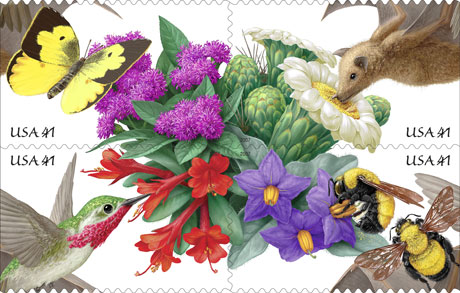
    Die Tierarten, die Pflanzen bestäuben und damit deren Reproduktion gewährleisten, sind weltweit stark bedroht. Nach einem Bericht der Intergovernmental Science-Policy Platform on Biodiversity and Ecosystem Services (IPBES) besteht das Risiko, dass viele aussterben könnten, was zu enormen Schäden für die Landwirtschaft und zu wachsender Lebensmittelunsicherheit führen könnte. Der Bericht ist das Ergebnis einer zweijähriger Arbeit von 77 Experten, die an die 3000 Studien herangezogen haben. Zweimal ist der Bericht einem Peer Review von Experten und Regierungen unterzogen worden.

    Die Tierarten, die Pflanzen bestäuben und damit deren Reproduktion gewährleisten, sind weltweit stark bedroht. Nach einem Bericht der Intergovernmental Science-Policy Platform on Biodiversity and Ecosystem Services (IPBES) besteht das Risiko, dass viele aussterben könnten, was zu enormen Schäden für die Landwirtschaft und zu wachsender Lebensmittelunsicherheit führen könnte. Der Bericht ist das Ergebnis einer zweijähriger Arbeit von 77 Experten, die an die 3000 Studien herangezogen haben. Zweimal ist der Bericht einem Peer Review von Experten und Regierungen unterzogen worden.

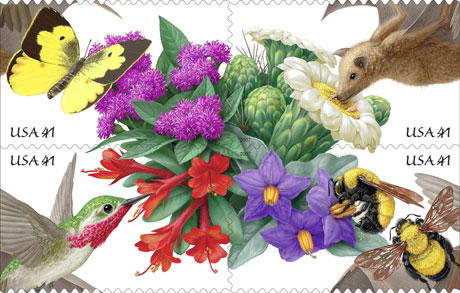
    Die UN-Organisation, deren Einrichtung 2010 beschlossen und die 2012 mit dem Hauptsitz in Bonn gegründet wurde, soll der Politik wissenschaftliche Informationen über Biodiversität und Ökosysteme liefern, um Gefährdungen zu erkennen und gegensteuern zu können. Dabei stehen oft komplexe Wechselwirkungen im Vordergrund, die exemplarisch auch in diesem zur vierten Vollversammlung in Kuala Lumpur (22. – 28. Februar) verfassten Bericht zur Geltung kommt. In Arbeitsgruppen und in der Vollversammlung wird der Bericht diskutiert und die Zusammenfassung für die politischen Entscheidungsträger verabschiedet. Pflanzen werden neben dem Pollenflug durch den Wind von einer ganzen Reihe an Tierarten (Insekten von Bienen bis zu Käfern, Säugetiere wie Fledermäuse und Vögel, aber auch Nagetiere, Reptilien wie Schlangen oder Eidechsen) durch den Transport der Samen zu den weiblichen Blüteorganen befruchtet.

    Quelle: Telepolis, 27.02.2016
    http://www.heise.de/tp/artikel/47/47532/1.html
  • Dave Goulson warns that we do not take action to address the fundamental issues that are causing an ecological catastrophe

    Dave Goulson warns that we do not take action to address the fundamental issues that are causing an ecological catastrophe

    An international science body tasked with tracking the ecological health of the planet has announced the findings of its first report. The review warns that the ongoing decline in the number of pollinating insects and animals threatens global crop production. The Intergovernmental Science-Policy Platform on Biodiversity and Ecosystem Services (IPBES) was established in 2012, and is roughly modelled on the Intergovernmental Panel on Climate Change (IPCC). The reponse to the pollinator report, announced on 26 February at a meeting in Kuala Lumpur, may be an early sign of whether the body’s influence will one day match the IPCC’s political and scientific clout. Robert Watson, an environmental scientist at the Tyndall Centre for Climate Change at the University of East Anglia in Norwich, UK, who is vice-chairman of the IPBES, says that he is confident that the assessment will have an impact. The IPBES has 124 member governments, and its pollinator assessment went through two rounds of external peer review. And just as with the IPCC’s climate reports, the assessment was debated word for word, Watson says. “The fact that all governments requested this document really bodes well that they will use the results,” he says. But Dave Goulson, a bee researcher at the University of Sussex in Brighton, UK, says: “I would question whether any practical on-the-ground action to help pollinators will happen as a result of this document. We are in the midst of the sixth global mass-extinction event, and we sit around spending thousands of hours writing documents about biodiversity, but we do not take action to address the fundamental issues that are causing this ecological catastrophe.”

    An international science body tasked with tracking the ecological health of the planet has announced the findings of its first report. The review warns that the ongoing decline in the number of pollinating insects and animals threatens global crop production. The Intergovernmental Science-Policy Platform on Biodiversity and Ecosystem Services (IPBES) was established in 2012, and is roughly modelled on the Intergovernmental Panel on Climate Change (IPCC). The reponse to the pollinator report, announced on 26 February at a meeting in Kuala Lumpur, may be an early sign of whether the body’s influence will one day match the IPCC’s political and scientific clout. Robert Watson, an environmental scientist at the Tyndall Centre for Climate Change at the University of East Anglia in Norwich, UK, who is vice-chairman of the IPBES, says that he is confident that the assessment will have an impact. The IPBES has 124 member governments, and its pollinator assessment went through two rounds of external peer review. And just as with the IPCC’s climate reports, the assessment was debated word for word, Watson says. “The fact that all governments requested this document really bodes well that they will use the results,” he says. But Dave Goulson, a bee researcher at the University of Sussex in Brighton, UK, says: “I would question whether any practical on-the-ground action to help pollinators will happen as a result of this document. We are in the midst of the sixth global mass-extinction event, and we sit around spending thousands of hours writing documents about biodiversity, but we do not take action to address the fundamental issues that are causing this ecological catastrophe.”

    Source: Nature, 26 Feb 2016
    http://www.nature.com/news/global-biodiversity-report-warns-pollinators-are-under-threat-1.19456

  • Glyphosate: EFSA responds to critics

    Glyphosate: EFSA responds to critics

    EFSA has replied to criticism of the EU assessment of glyphosate that was overseen by the Authority last year. Christopher Portier sent a letter to Vytenis Andriukaitis, the EU Commissioner for Health and Food Safety, in which he raised a number of objections to the process and the conclusions of EFSA’s assessment. Prof. Portier is a scientist who contributed to a report on glyphosate by the International Agency for Research on Cancer (IARC). Bernhard Url, EFSA’s Executive Director, has sent a detailed reply to Prof. Portier that addresses the points raised in his letter.

    EFSA has replied to criticism of the EU assessment of glyphosate that was overseen by the Authority last year. Christopher Portier sent a letter to Vytenis Andriukaitis, the EU Commissioner for Health and Food Safety, in which he raised a number of objections to the process and the conclusions of EFSA’s assessment. Prof. Portier is a scientist who contributed to a report on glyphosate by the International Agency for Research on Cancer (IARC). Bernhard Url, EFSA’s Executive Director, has sent a detailed reply to Prof. Portier that addresses the points raised in his letter.

    Letter from Professor Portier to Commissioner Andriukaitis (27 November 2015)
    Reply from EFSA to Professor Portier (13 January 2016)
    Letter from Dr. Wild to Bernhard Url (5 February 2016)
    Reply from Bernhard Url to Dr. Wild (9 February 2016)
    Letter from Dr. Wild to Bernhard Url (12 February 2016)
    Infographic: Who assesses pesticides in the EU?
    Interactive infographic: How Europe ensures pesticides are safe
    http://www.efsa.europa.eu/interactive_pages/pesticides_authorisation/PesticidesAuthorisation
    Source: EFSA, 13 Jan 2016
    http://www.efsa.europa.eu/en/press/news/160113

  • VAN CHEMIE NAAR ECOLOGIE – PERSPECTIEVEN VOOR ECOLOGISCHE GEWASBESCHERMING

    VAN CHEMIE NAAR ECOLOGIE – PERSPECTIEVEN VOOR ECOLOGISCHE GEWASBESCHERMING

    Er ligt een deken van gif over het Nederlandse boerenland, zo schetst Frank Berendse van de WUR een allesbehalve romantisch beeld van het hedendaagse agrarische landschap. Deels is dat te danken aan een groep insectendoders, die de EU in de ban gaat doen. Het verhaal van de eerste spreker tijdens het symposium Van chemie naar ecologie, op 19 februari bij de KNAW, is niet mis. De zaal krijgt te horen dat de vrij recent ontwikkelde neonicotinoïden, zogeheten ‘systemische insectendoders’, voor de natuur een ramp betekenen. Diverse studies wijzen er op dat 80 tot 95 procent van de ‘neonics’ in bodem en oppervlaktewater terecht komt. Daar richt het schade aan aan allerlei insecten die van belang zijn voor bodemvruchtbaarheid, de biologische bestrijding van plagen of een belangrijke voedselbron zijn voor insectenetende vogels. Na een tijdelijk moratorium, enkele jaren geleden opgelegd door de EU, heeft Brussel nu besloten ze uit te faseren.

    Er ligt een deken van gif over het Nederlandse boerenland, zo schetst Frank Berendse van de WUR een allesbehalve romantisch beeld van het hedendaagse agrarische landschap. Deels is dat te danken aan een groep insectendoders, die de EU in de ban gaat doen. Het verhaal van de eerste spreker tijdens het symposium Van chemie naar ecologie, op 19 februari bij de KNAW, is niet mis. De zaal krijgt te horen dat de vrij recent ontwikkelde neonicotinoïden, zogeheten ‘systemische insectendoders’, voor de natuur een ramp betekenen. Diverse studies wijzen er op dat 80 tot 95 procent van de ‘neonics’ in bodem en oppervlaktewater terecht komt. Daar richt het schade aan aan allerlei insecten die van belang zijn voor bodemvruchtbaarheid, de biologische bestrijding van plagen of een belangrijke voedselbron zijn voor insectenetende vogels. Na een tijdelijk moratorium, enkele jaren geleden opgelegd door de EU, heeft Brussel nu besloten ze uit te faseren.

    Een bijkomend probleem is volgens Berendse dat de middelen steeds vaker ook preventief worden gebruikt. De zaden van het gewas worden ermee behandeld en de aanwezigheid in de coating van de zaadjes zorgt ervoor dat het direct werkzaam is als het zaad ontkiemt, waarna het zich door de hele plant verspreidt. Via het blad en stuifmeel komt het zo terecht bij de plaaginsecten, maar ook bij nuttige bestuivers zoals honingbijen en hommels en allerlei soorten solitaire bijen en zweefvliegen. Vreemd genoeg, vindt Berendse, krijgen die laatste drie groepen in het maatschappelijke debat weinig aandacht, terwijl ze vergeleken met de honingbij juist kwetsbaarder zijn.
    Wat ook tegenviel was de snelheid waarmee de middelen in het milieu uiteen vielen. Een snelle halfwaardetijd, een eis die aan moderne middelen wordt gesteld, werd niet helemaal waar gemaakt. Neonicotinoïden, zoals het veelgebruikte imidacloprid, hebben een halfwaardetijd van ruim een maand tot meer dan 2,5 jaar, aldus Berendse.
    Presentaties

    Frank Berendse, hoogleraar natuurbeheer en plantenecologie, Wageningen Universiteit – Neonicotinoïden: opnieuw een dode lente op het boerenland? (pdf)
    Martin van den Berg, hoogleraar toxicologie, Universiteit Utrecht – Hoe bang moeten we zijn voor bestrijdingsmiddelen? (pdf)
    Petra Bleeker, universitair docent plantenfysiologie, Universiteit van Amsterdam, en senior wetenschapper fytopathologie, Enza Zaden
    Nico van Straalen, hoogleraar dierecologie, Vrije Universiteit Amsterdam – Duurzame bodembescherming voor duurzame gewasbescherming (pdf)
    Louise Vet, directeur Nederlands Instituut voor Ecologie (NIOO-KNAW) en hoogleraar evolutionaire ecologie, Wageningen Universiteit – Ecologische gewasbescherming: niet straks maar nu! (pdf)
    En met bijdragen van Land- en Tuinbouw Organisatie Nederland (LTO), de Nederlandse Stichting voor Fytofarmacie (Nefyto), Greenpeace en de ecologische gewasbeschermingsindustrie.
    Datum: 19 februari 2016 van 13:30 tot 18:30 uur
    Locatie: KNAW, Trippenhuis, Kloveniersburgwal 29, 1011 JV Amsterdam
    Bronnen: KNAW
    http://www.knaw.nl/nl/actueel/agenda/van-chemie-naar-ecologie
    Kennislink, 24-02-16
    http://www.kennislink.nl/publicaties/een-deken-van-gif-over-het-boerenland

  • Bestrijdingsmiddelen hebben een ware slachting aangericht bij diersoorten die van akkers afhankelijk zijn

    Bestrijdingsmiddelen hebben een ware slachting aangericht bij diersoorten die van akkers afhankelijk zijn

    Nederland bestaat voor een groot deel uit een agrarisch cultuurlandschap, waarvan ca. 800.000 ha in gebruik is als akkerland. Slechts op een kleine 1% is de akkerbouw biologisch. De afgelopen decennia is de akkerbouw in Nederland sterk van karakter veranderd. In de eerste helft van de 20e eeuw werden op de meeste akkers granen verbouwd of er was sprake van lokale teelten zoals vlas of boekweit. Nadien is het zwaartepunt verschoven naar de teelt van snijmaïs en hakvruchten (bieten en aardappelen). Naast de verschuiving in de geteelde gewassen is de akkerbouw ook verregaand gemechaniseerd en geïntensiveerd. De mechanisatie heeft ertoe geleidt dat grote akkers met minder mankracht kunnen worden bewerkt, wat geleid heeft tot o.a. schaalvergroting. Bovendien is tegenwoordig het aantal agrarische werkzaamheden gedurende het groeiseizoen beperkt, met name door het toepassen van gewasbeschermingsmiddelen. Soorten die voor een belangrijk deel van hun levenscyclus gebruik maken van akkers zijn bijvoorbeeld Geelgors (Emberiza citrinella), Grauwe gors (Emberiza calandra), Ortolaan (Emberiza hortulana), Veldleeuwerik (Alauda arvensis), Gele kwikstaart (Motacilla flava), Kwartel (Coturnix coturnix), Patrijs (Perdix perdix), Korhoen (Tetrao tetrix), Fazant (Phasianus colchicus), Grauwe kiekendief (Circus pygargus), Kievit (Vanellus vanellus), Hamster (Cricetus cricetus), Haas (Lepus europaeus), Kleine parelmoervlinder (Issoria lathonia), Koninginnepage (Papilio machaon) en Knoflookpad (Pelobates fuscus). Voor andere soorten, zoals Woelrat (Arvicola terrestris/shermani), Dwergmuis (Micromys minutus) of Kwartelkoning (Crex crex), kunnen akkers eveneens belangrijke biotopen zijn, als andere meer natuurlijke biotopen ontbreken. Vrijwel alle soorten die afhankelijk zijn van akkers zijn de afgelopen decennia door het gebruik van bestrijdingsmiddelen sterk in aantal en verspreiding achteruitgegaan of de soorten staan op het punt uit Nederland te verdwijnen. Met name door de toenemende toepassing van neonicotinoïde insecticiden is een enorme schaarste aan insecten ontstaan die een onmisbare eiwitbron vormen voor de meeste akkerland soorten.

    Nederland bestaat voor een groot deel uit een agrarisch cultuurlandschap, waarvan ca. 800.000 ha in gebruik is als akkerland. Slechts op een kleine 1% is de akkerbouw biologisch. De afgelopen decennia is de akkerbouw in Nederland sterk van karakter veranderd. In de eerste helft van de 20e eeuw werden op de meeste akkers granen verbouwd of er was sprake van lokale teelten zoals vlas of boekweit. Nadien is het zwaartepunt verschoven naar de teelt van snijmaïs en hakvruchten (bieten en aardappelen). Naast de verschuiving in de geteelde gewassen is de akkerbouw ook verregaand gemechaniseerd en geïntensiveerd. De mechanisatie heeft ertoe geleidt dat grote akkers met minder mankracht kunnen worden bewerkt, wat geleid heeft tot o.a. schaalvergroting. Bovendien is tegenwoordig het aantal agrarische werkzaamheden gedurende het groeiseizoen beperkt, met name door het toepassen van gewasbeschermingsmiddelen. Soorten die voor een belangrijk deel van hun levenscyclus gebruik maken van akkers zijn bijvoorbeeld Geelgors (Emberiza citrinella), Grauwe gors (Emberiza calandra), Ortolaan (Emberiza hortulana), Veldleeuwerik (Alauda arvensis), Gele kwikstaart (Motacilla flava), Kwartel (Coturnix coturnix), Patrijs (Perdix perdix), Korhoen (Tetrao tetrix), Fazant (Phasianus colchicus), Grauwe kiekendief (Circus pygargus), Kievit (Vanellus vanellus), Hamster (Cricetus cricetus), Haas (Lepus europaeus), Kleine parelmoervlinder (Issoria lathonia), Koninginnepage (Papilio machaon) en Knoflookpad (Pelobates fuscus). Voor andere soorten, zoals Woelrat (Arvicola terrestris/shermani), Dwergmuis (Micromys minutus) of Kwartelkoning (Crex crex), kunnen akkers eveneens belangrijke biotopen zijn, als andere meer natuurlijke biotopen ontbreken. Vrijwel alle soorten die afhankelijk zijn van akkers zijn de afgelopen decennia door het gebruik van bestrijdingsmiddelen sterk in aantal en verspreiding achteruitgegaan of de soorten staan op het punt uit Nederland te verdwijnen. Met name door de toenemende toepassing van neonicotinoïde insecticiden is een enorme schaarste aan insecten ontstaan die een onmisbare eiwitbron vormen voor de meeste akkerland soorten.

    Bron: Natuurkennis
    http://www.natuurkennis.nl/index.php?hoofdgroep=2&niveau=3&subgroep=111&subsubgroep=1032&subsubsubgroep=480

  • De fazant wordt uitgemoord door de neonicotinoïden

    De fazant wordt uitgemoord door de neonicotinoïden

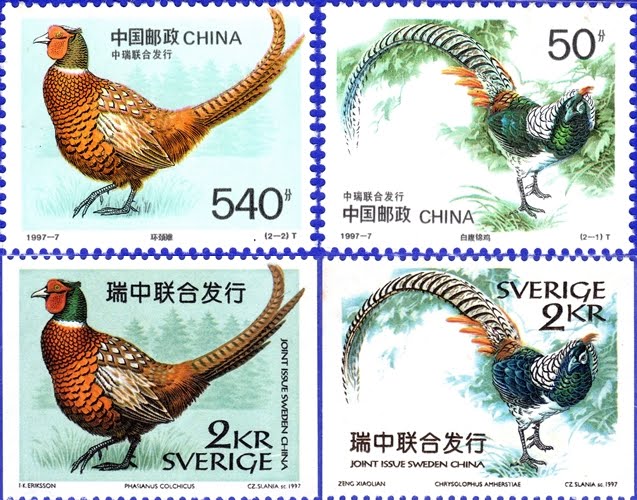
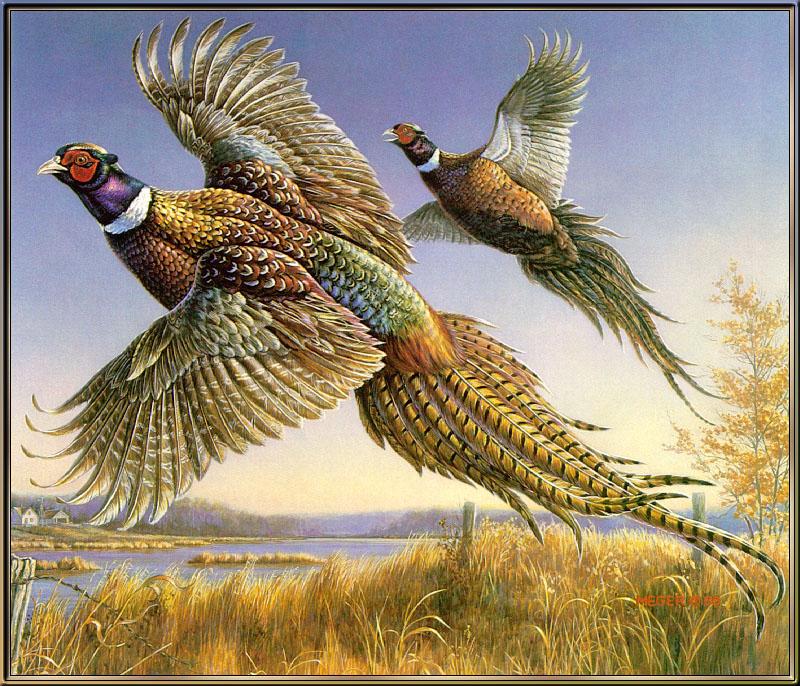
    De fazant (Phasianus colchicus) kan ons op veel verschillende manieren bekoren: als spectaculair fraaie verschijning in de natuur, als aantrekkelijke jachtvogel en als leverancier van het basismateriaal voor het hoogste culinaire genieten. In Europa staat de stand van de fazanten onder druk, ook in Nederland is deze trend duidelijk waarneembaar. Vooral landbouwgebieden waar veel granen en maïs staan die regelmatig worden behandeld tegen insecten en schimmels is de stand drastisch afgenomen. Vooral het feit dat er dan nauwelijks dode volwassen fazanten worden aangetroffen en geen kuikens, is het bewijs dat hier heel goed onderzoek naar wordt gedaan, net zoals dit heeft plaatsgevonden voor de bijenstand. Het gebruik van bestrijdingsmiddelen kan funest zijn voor de overleving van de kuikens. Zeker als het zaaigoed al behandeld wordt met anti-insecten middelen, zoals de neonicotinoïden.

    De fazant (Phasianus colchicus) kan ons op veel verschillende manieren bekoren: als spectaculair fraaie verschijning in de natuur, als aantrekkelijke jachtvogel en als leverancier van het basismateriaal voor het hoogste culinaire genieten. In Europa staat de stand van de fazanten onder druk, ook in Nederland is deze trend duidelijk waarneembaar. Vooral landbouwgebieden waar veel granen en maïs staan die regelmatig worden behandeld tegen insecten en schimmels is de stand drastisch afgenomen. Vooral het feit dat er dan nauwelijks dode volwassen fazanten worden aangetroffen en geen kuikens, is het bewijs dat hier heel goed onderzoek naar wordt gedaan, net zoals dit heeft plaatsgevonden voor de bijenstand. Het gebruik van bestrijdingsmiddelen kan funest zijn voor de overleving van de kuikens. Zeker als het zaaigoed al behandeld wordt met anti-insecten middelen, zoals de neonicotinoïden.

    Bron: WBE Susteren Graetheide

    Fazant

  • Mangel an Insekten – Zahl der Fasane in Niedersachsen sinkt weiter

    Mangel an Insekten – Zahl der Fasane in Niedersachsen sinkt weiter

    Der Fasan (Phasianus colchicus) ist auf Norddeutschlands Feldern immer seltener zu beobachten. Besonders gravierend sei der Rückgang in den eigentlich fasanenreichen Gebieten wie dem Emsland, sagte Egbert Strauß, der an der Tierärztlichen Hochschule Hannover für die Wildtiererfassung zuständig ist. Dort untersuchen Forscher seit 2011 die Ursachen für den Rückgang von Fasan und Rebhuhn in Niedersachsen, Nordrhein-Westfalen sowie Schleswig-Holstein. Sowohl der Mangel an Insekten als auch die gestiegene Zahl an Raubwild könnten nach Erkenntnissen der Wissenschaftler die Populationen verringert haben. Im Gegensatz zum stark gefährdeten Rebhuhn wird der Fasan noch gejagt.

    Der Fasan (Phasianus colchicus) ist auf Norddeutschlands Feldern immer seltener zu beobachten. Besonders gravierend sei der Rückgang in den eigentlich fasanenreichen Gebieten wie dem Emsland, sagte Egbert Strauß, der an der Tierärztlichen Hochschule Hannover für die Wildtiererfassung zuständig ist. Dort untersuchen Forscher seit 2011 die Ursachen für den Rückgang von Fasan und Rebhuhn in Niedersachsen, Nordrhein-Westfalen sowie Schleswig-Holstein. Sowohl der Mangel an Insekten als auch die gestiegene Zahl an Raubwild könnten nach Erkenntnissen der Wissenschaftler die Populationen verringert haben. Im Gegensatz zum stark gefährdeten Rebhuhn wird der Fasan noch gejagt.

    Quelle: Focus, 20.02.2016
    http://www.focus.de/regional/hannover/tiere-zahl-der-fasane-in-niedersachsen-sinkt-weiter_id_5301133.html

  • Fresh water ecosystems are among the most threatened in the world

    Fresh water ecosystems are among the most threatened in the world

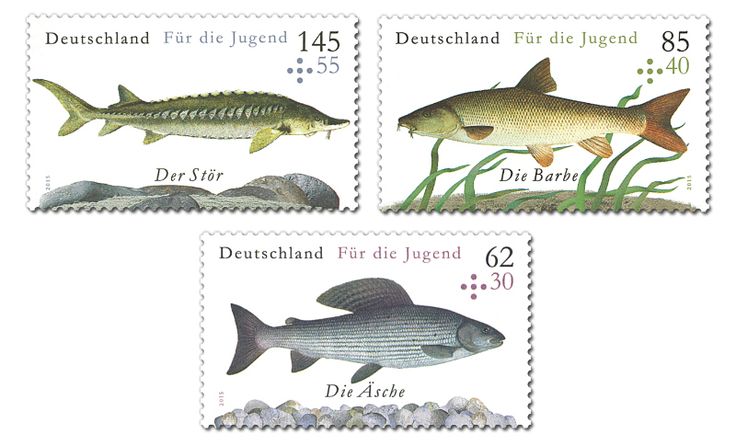
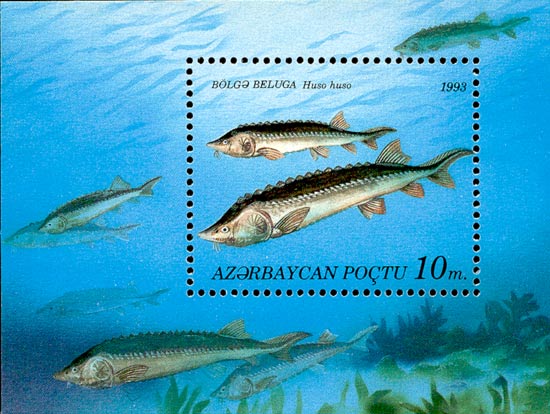
    Freshwater fish are the most endangered group of animals on the planet, with more than a third threatened with extinction, according to a report being compiled by British scientists. Among those at the greatest risk of dying out are several species from UK rivers and lakes including the European eel, Shetland charr and many little known fish that have become isolated in remote waterways in Wales and Scotland. Others critically endangered include types of sturgeon, which provide some of the world’s most expensive caviar, and giant river dwellers such as the Mekong giant catfish and freshwater stingray, which can grow as long as 15 feet. The precarious status of the species has been revealed in interim results from the International Union for Conservation of Nature’s Red List assessment of freshwater fish. Dr William Darwall, manager of the freshwater unit at the IUCN in Cambridge, said: “There are still some big gaps in our knowledge, but of the 5,685 species that have been assessed, 36 per cent of them are threatened.” Compared to mammals, where 21 per cent are threatened, and birds, where 12 per cent are threatened, it is clear that fresh water ecosystems are among the most threatened in the world.

    Freshwater fish are the most endangered group of animals on the planet, with more than a third threatened with extinction, according to a report being compiled by British scientists. Among those at the greatest risk of dying out are several species from UK rivers and lakes including the European eel, Shetland charr and many little known fish that have become isolated in remote waterways in Wales and Scotland. Others critically endangered include types of sturgeon, which provide some of the world’s most expensive caviar, and giant river dwellers such as the Mekong giant catfish and freshwater stingray, which can grow as long as 15 feet. The precarious status of the species has been revealed in interim results from the International Union for Conservation of Nature’s Red List assessment of freshwater fish. Dr William Darwall, manager of the freshwater unit at the IUCN in Cambridge, said: “There are still some big gaps in our knowledge, but of the 5,685 species that have been assessed, 36 per cent of them are threatened.” Compared to mammals, where 21 per cent are threatened, and birds, where 12 per cent are threatened, it is clear that fresh water ecosystems are among the most threatened in the world.

    Source: Telegraph, 30 July 2011
    http://www.telegraph.co.uk/news/earth/wildlife/8672417/Third-of-freshwater-fish-threatened-with-extinction.html

  • The imperilment of North American freshwater fishes has increased substantially since 1989

    The imperilment of North American freshwater fishes has increased substantially since 1989

    Attached is the third compilation of imperiled (i.e., endangered, threatened, vulnerable) plus extinct freshwater and diadromous fishes of North America prepared by the American Fisheries Society’s Endangered Species Committee. Since the last revision in 1989, imperilment of inland fishes has increased substantially. This list includes 700 extant taxa representing 133 genera and 36 families, a 92% increase over the 364 listed in 1989. The increase reflects the addition of distinct populations, previously non-imperiled fishes, and recently described or discovered taxa. Approximately 39% of described fish species of the continent are imperiled. There are 230 vulnerable, 190 threatened, and 280 endangered extant taxa, and 61 taxa presumed extinct or extirpated from nature. Of those that were imperiled in 1989, most (89%) are the same or worse in conservation status; only 6% have improved in status, and 5% were delisted for various reasons.

    Attached is the third compilation of imperiled (i.e., endangered, threatened, vulnerable) plus extinct freshwater and diadromous fishes of North America prepared by the American Fisheries Society’s Endangered Species Committee. Since the last revision in 1989, imperilment of inland fishes has increased substantially. This list includes 700 extant taxa representing 133 genera and 36 families, a 92% increase over the 364 listed in 1989. The increase reflects the addition of distinct populations, previously non-imperiled fishes, and recently described or discovered taxa. Approximately 39% of described fish species of the continent are imperiled. There are 230 vulnerable, 190 threatened, and 280 endangered extant taxa, and 61 taxa presumed extinct or extirpated from nature. Of those that were imperiled in 1989, most (89%) are the same or worse in conservation status; only 6% have improved in status, and 5% were delisted for various reasons.

    Source: Howard L. Jelks et al. Conservation Status of Imperiled North American Freshwater and Diadromous Fishes. Fisheries • vol 33 no 8 • august 2008

  • Contamination of surface water with neonicotinoids threatens ecosystem services provided by freshwater insects

    Contamination of surface water with neonicotinoids threatens ecosystem services provided by freshwater insects

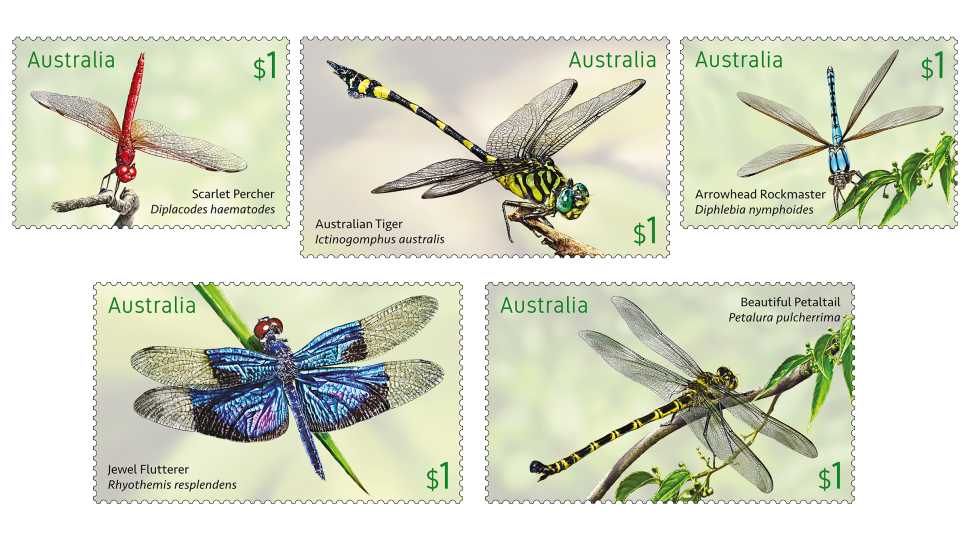
    Consideration of insect-related ecosystem services has largely focussed on terrestrial taxa while those inhabiting freshwater have been neglected. However, freshwater insects are fundamental to processes such as decomposition and nutrient cycling. In Scotland, freshwater ecosystems cover around 2% of the land area with our lochs and rivers containing 90% of the UK’s surface freshwater. Freshwater insects can be extremely abundant and species rich. However, around 25% of freshwater invertebrate species are under threat of extinction worldwide including several Scottish species such as the Northern summer mayfly (Siphlonurus alternatus). A decline or loss of specific species and overall species richness is likely to lead to adverse effects on the delivery of services. The breakdown and decomposition of organic matter in freshwater systems is strongly dependent on specific insect groups and their abundance. Their feeding activities therefore contribute to nutrient flows and cycling. Filter-feeders such as blackflies (Diptera) improve water quality by removing microscopic particles, such as cellular algae. Net-spinning caddisfly larvae contribute to the stability of fine-gravel due to the binding of grains by silk strands. Burrowing species aerate and rework sediments further influencing biogeochemical processes. Contribution to the diets of fish is arguably the most economically important ecosystem service provided by freshwater insects and around two-thirds of their predators are fish species. However, they are important prey for a wide range of other invertebrates, reptiles, amphibians, mammals (e.g. bats) and birds. Freshwater insects also contribute to the survival of species higher up the food chain. For example, to fish-eating otters. The adult stages of many freshwater insects, particularly damselflies and dragonflies, consume vast quantities of midges and mosquitoes that are otherwise a nuisance to humans. Hoverflies with aquatic larvae (e.g. Eristalis species) are important pollinators. In the absence of freshwater insects, few other service providers could replicate the same level and degree of service. The most serious consequences for freshwater habitats would be a build-up of organic matter or a decline in fish size or populations with repercussions further up the food chain.

    Consideration of insect-related ecosystem services has largely focussed on terrestrial taxa while those inhabiting freshwater have been neglected. However, freshwater insects are fundamental to processes such as decomposition and nutrient cycling. In Scotland, freshwater ecosystems cover around 2% of the land area with our lochs and rivers containing 90% of the UK’s surface freshwater. Freshwater insects can be extremely abundant and species rich. However, around 25% of freshwater invertebrate species are under threat of extinction worldwide including several Scottish species such as the Northern summer mayfly (Siphlonurus alternatus). A decline or loss of specific species and overall species richness is likely to lead to adverse effects on the delivery of services. The breakdown and decomposition of organic matter in freshwater systems is strongly dependent on specific insect groups and their abundance. Their feeding activities therefore contribute to nutrient flows and cycling. Filter-feeders such as blackflies (Diptera) improve water quality by removing microscopic particles, such as cellular algae. Net-spinning caddisfly larvae contribute to the stability of fine-gravel due to the binding of grains by silk strands. Burrowing species aerate and rework sediments further influencing biogeochemical processes. Contribution to the diets of fish is arguably the most economically important ecosystem service provided by freshwater insects and around two-thirds of their predators are fish species. However, they are important prey for a wide range of other invertebrates, reptiles, amphibians, mammals (e.g. bats) and birds. Freshwater insects also contribute to the survival of species higher up the food chain. For example, to fish-eating otters. The adult stages of many freshwater insects, particularly damselflies and dragonflies, consume vast quantities of midges and mosquitoes that are otherwise a nuisance to humans. Hoverflies with aquatic larvae (e.g. Eristalis species) are important pollinators. In the absence of freshwater insects, few other service providers could replicate the same level and degree of service. The most serious consequences for freshwater habitats would be a build-up of organic matter or a decline in fish size or populations with repercussions further up the food chain.

    Source: Knowledge Scotland, 8 Feb 2016
    http://www.knowledgescotland.org/briefings.php?id=394