Auteur: Henk Tennekes

  • The Battle Over the Most Used Herbicide Heats Up as Nearly 100 Scientists Weigh In

    The Battle Over the Most Used Herbicide Heats Up as Nearly 100 Scientists Weigh In

    One year ago, an agency of the World Health Organization’s International Agency for Cancer Research (IARC) declared that glyphosate (or Roundup), the world’s most widely used herbicide, probably causes cancer. Then, in the fall, the European Food Safety Agency’s (EFSA) responded with an assessment that disagreed with the WHO’s findings. In response, 94 scientists came out in support of the IARC’s original findings. This week, the group—which includes scientists from around the world—released their article in the peer-reviewed Journal of Epidemiology and Community Health saying: The most appropriate and scientifically based evaluation of the cancers reported in humans and laboratory animals as well as supportive mechanistic data is that glyphosate is a probable human carcinogen. On the basis of this conclusion and in the absence of evidence to the contrary, it is reasonable to conclude that glyphosate formulations should also be considered likely human carcinogens. And their endorsement is no small matter. In fact, as the U.S. Environmental Protection Agency (EPA) reassesses the safety of glyphosate, and the U.S. Food and Drug Administration (FDA) plans to begin testing food for its residue, this volley has important implications.

    One year ago, an agency of the World Health Organization’s International Agency for Cancer Research (IARC) declared that glyphosate (or Roundup), the world’s most widely used herbicide, probably causes cancer. Then, in the fall, the European Food Safety Agency’s (EFSA) responded with an assessment that disagreed with the WHO’s findings. In response, 94 scientists came out in support of the IARC’s original findings. This week, the group—which includes scientists from around the world—released their article in the peer-reviewed Journal of Epidemiology and Community Health saying: The most appropriate and scientifically based evaluation of the cancers reported in humans and laboratory animals as well as supportive mechanistic data is that glyphosate is a probable human carcinogen. On the basis of this conclusion and in the absence of evidence to the contrary, it is reasonable to conclude that glyphosate formulations should also be considered likely human carcinogens. And their endorsement is no small matter. In fact, as the U.S. Environmental Protection Agency (EPA) reassesses the safety of glyphosate, and the U.S. Food and Drug Administration (FDA) plans to begin testing food for its residue, this volley has important implications.

    – See more at: http://civileats.com/2016/03/10/the-battle-over-the-glyphosate-herbicide-heats-up-as-nearly-100-scientists-weigh-in/#sthash.20cvap2T.dpuf

  • The dose-response of neurotoxicity induced by organic mercury follows the Druckrey-Küpfmüller equation

    The dose-response of neurotoxicity induced by organic mercury follows the Druckrey-Küpfmüller equation

    A latency period preceding neurotoxicity is a common characteristic in the dose-response relationship induced by organic mercury. Latency periods have typically been observed with genotoxicants in carcinogenesis, with cancer being manifested a long time after the initiating event. These observations indicate that even a very small dose may cause extensive adverse effects later in life, so the toxicity of the genotoxic compound is dose and time-dependent. In children, methylmercury exposure during pregnancy (in utero) has been associated with delays in reaching developmental milestones (e.g., age at first walking) and decreases in intelligence, increasing in severity with increasing exposure. Ethylmercury exposure from thimerosal in some vaccines has been associated, in some studies, with autism and other neurological disorders in children. In this paper, we have examined whether dose-response data from in vitro and in vivo organic mercury toxicity studies fit the Druckrey-Küpfmüller equation c·tn = constant (c = exposure concentration, t = latency period), first established for genotoxic carcinogens, and whether or not irreversible effects are enhanced by time of exposure (n≥ 1), or else toxic effects are dose-dependent while time has only minor influence on the adverse outcome (n < 1). The mode of action underlying time-dependent toxicity is irreversible binding to critical receptors causing adverse and cumulative effects. The results indicate that the Druckrey-Küpfmüller equation describes well the dose-response characteristics of organic mercury induced neurotoxic effects. This amounts to a paradigm shift in chemical risk assessment of mercurial compounds and highlights that it is vital to perform toxicity testing geared to investigate time-dependent effects. A latency period preceding neurotoxicity is a common characteristic in the dose-response relationship induced by organic mercury. Latency periods have typically been observed with genotoxicants in carcinogenesis, with cancer being manifested a long time after the initiating event. These observations indicate that even a very small dose may cause extensive adverse effects later in life, so the toxicity of the genotoxic compound is dose and time-dependent. In children, methylmercury exposure during pregnancy (in utero) has been associated with delays in reaching developmental milestones (e.g., age at first walking) and decreases in intelligence, increasing in severity with increasing exposure. Ethylmercury exposure from thimerosal in some vaccines has been associated, in some studies, with autism and other neurological disorders in children. In this paper, we have examined whether dose-response data from in vitro and in vivo organic mercury toxicity studies fit the Druckrey-Küpfmüller equation c·tn = constant (c = exposure concentration, t = latency period), first established for genotoxic carcinogens, and whether or not irreversible effects are enhanced by time of exposure (n≥ 1), or else toxic effects are dose-dependent while time has only minor influence on the adverse outcome (n < 1). The mode of action underlying time-dependent toxicity is irreversible binding to critical receptors causing adverse and cumulative effects. The results indicate that the Druckrey-Küpfmüller equation describes well the dose-response characteristics of organic mercury induced neurotoxic effects. This amounts to a paradigm shift in chemical risk assessment of mercurial compounds and highlights that it is vital to perform toxicity testing geared to investigate time-dependent effects.
    Source:
    J. Pletz, F. Sánchez-Bayo, H. A. Tennekes (2016) Dose-response analysis indicating time-dependent neurotoxicity caused by organic and inorganic mercury—Implications for toxic effects in the developing brain. Toxicology 347, 1–5
    http://www.sciencedirect.com/science/article/pii/S0300483X16300178

  • Glasgow has more or less exterminated the lovely house sparrow in the last 40 years

    Glasgow has more or less exterminated the lovely house sparrow in the last 40 years

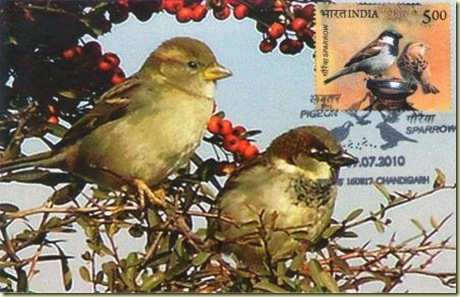
    The house sparrow (Passer domesticus) has experienced a decline of up to 98% in the Glasgow area over the past 40 years. The small bird’s numbers have declined across the UK by about 70% since the late 1970s, and is categorised on the IUCN red list as having a “decreasing population”. RSPB Scotland and University of Glasgow researchers believe that changing urban landscapes and insufficient food are among the causes. The population is particularly suffering in city centres such as Edinburgh and London where it fell by 60% between 1994 and 2004.

    The house sparrow (Passer domesticus) has experienced a decline of up to 98% in the Glasgow area over the past 40 years. The small bird’s numbers have declined across the UK by about 70% since the late 1970s, and is categorised on the IUCN red list as having a “decreasing population”. RSPB Scotland and University of Glasgow researchers believe that changing urban landscapes and insufficient food are among the causes. The population is particularly suffering in city centres such as Edinburgh and London where it fell by 60% between 1994 and 2004.

    Source: The Sunday Times, 6 March 2016
    http://www.thesundaytimes.co.uk/sto/news/uk_news/scotland/article1675815.ece?CMP=OTH-gnws-standard-2016_03_06

  • Call of the curlew heralds a worrying decline

    Call of the curlew heralds a worrying decline

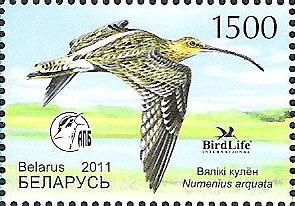
    ONE of the many pleasures of living in the Yorkshire Dales area is the arrival of Europe’s largest wader bird, the curlew. This exotic-looking visitor is one of the most recognised birds in UK, found in upland and coastal habitats. The curlew’s most distinctive feature is the long down-curving bill (the first part of its Latin name ‘Numenius Arquata’ translates as crescent moon), that it uses to probe the ground for worms and insects. Before you see your first curlew of the season, you will probably hear their distinctive bleating call that gives the bird its common name. The Yorkshire Dales and surrounding areas is home to around 4,000 breeding pairs. This accounts for about six per cent of the total 68,000 pairs breeding in the UK each summer. It came as a shock then, to discover that the curlew has recently been identified as one of the UK’s most rapidly declining breeding bird species. The British Trust for Ornithology have launched a Curlew Appeal to identify the causes of these declines.

    ONE of the many pleasures of living in the Yorkshire Dales area is the arrival of Europe’s largest wader bird, the curlew. This exotic-looking visitor is one of the most recognised birds in UK, found in upland and coastal habitats. The curlew’s most distinctive feature is the long down-curving bill (the first part of its Latin name ‘Numenius Arquata’ translates as crescent moon), that it uses to probe the ground for worms and insects. Before you see your first curlew of the season, you will probably hear their distinctive bleating call that gives the bird its common name. The Yorkshire Dales and surrounding areas is home to around 4,000 breeding pairs. This accounts for about six per cent of the total 68,000 pairs breeding in the UK each summer. It came as a shock then, to discover that the curlew has recently been identified as one of the UK’s most rapidly declining breeding bird species. The British Trust for Ornithology have launched a Curlew Appeal to identify the causes of these declines.

    Read more: http://www.yorkshirepost.co.uk/news/opinion/yp-letters-call-of-the-curlew-heralds-a-worrying-decline-1-7767746#ixzz42FzuE6Ie

  • Der Bestand der Nachtigallen in Potsdam geht kontinuierlich zurück

    Der Bestand der Nachtigallen in Potsdam geht kontinuierlich zurück

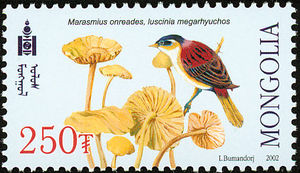
    Der Bestand der Potsdamer Nachtigallen (Luscinia megarhynchos) im Stadtgebiet geht kontinuierlich zurück. Das stellt die Fachgruppe Ornithologie des NABU Kreisverbandes Potsdam fest. Die Daten der Nachtigallenzählungen umfassen die Jahre 1965/1966, 2003, 2010 und 2015. Besonders die Erfassungen der beliebten Sänger in den letzten drei Zählungen sind gut vergleichbar und zeichnen diesen Negativtrend deutlich ab. So sind 2003 – 378, 2010 – 368 und 2015 – 313 Reviere dieser relativ leicht zu erfassenden Vogelart ermittelt worden.

    Der Bestand der Potsdamer Nachtigallen (Luscinia megarhynchos) im Stadtgebiet geht kontinuierlich zurück. Das stellt die Fachgruppe Ornithologie des NABU Kreisverbandes Potsdam fest. Die Daten der Nachtigallenzählungen umfassen die Jahre 1965/1966, 2003, 2010 und 2015. Besonders die Erfassungen der beliebten Sänger in den letzten drei Zählungen sind gut vergleichbar und zeichnen diesen Negativtrend deutlich ab. So sind 2003 – 378, 2010 – 368 und 2015 – 313 Reviere dieser relativ leicht zu erfassenden Vogelart ermittelt worden.

    Quelle: Märkische Allgemeine, 03.03.2016
    http://www.maz-online.de/Lokales/Potsdam/NABU-bangt-um-die-Nachtigall-in-Potsdam

  • Großtrappen brauchen sehr viele Insekten für die ersten Lebenswochen ihrer Jungtiere. Doch sie finden einfach zu wenige

    Großtrappen brauchen sehr viele Insekten für die ersten Lebenswochen ihrer Jungtiere. Doch sie finden einfach zu wenige

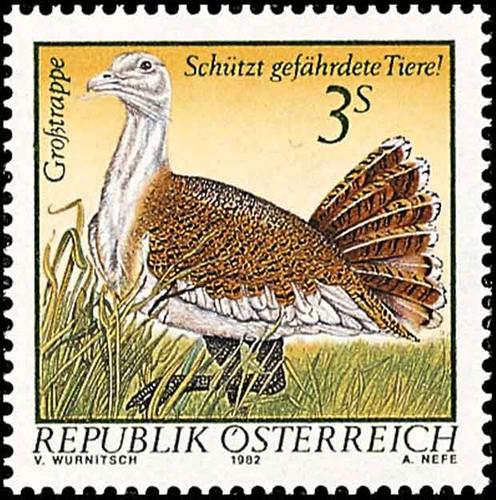
    Gleich hinter dem Dörfchen Baitz stehen an allen Wegen sehr gut sichtbar die leuchtend gelben Schilder: „Naturschutzgebiet“. Durchfahrt verboten, denn hier leben ganz, ganz seltene Vögel: Großtrappen (Otis tarda) – immerhin die größten flugfähigen Vögel Europas, die vor 20 Jahren in Deutschland fast ausgestorben waren. Mitte der 90er-Jahre, als auch in Brandenburg der Tiefpunkt für diese Population erreicht war, wurden nur noch 57 Tiere gezählt. „Aktuell sind es 232“, sagt Steffen Bohl, der Chef des Naturparks Hoher Fläming. „Das ist die höchste Zahl der vergangenen zwei Jahrzehnte. Aber die Trappen sind trotzdem noch vom Aussterben bedroht, denn erst bei mehr als 1000 Tieren würde die Population als stabil gelten.“ Dass der seltene Vogel überlebt hat, liegt allein am Menschen. Aber er ist auch Schuld daran, dass er fast ausgestorben ist. „Im 17. und 18. Jahrhundert zahlte der Staat noch Abschussprämien, weil Großtrappen überall verbreitet waren und als Landplage galten“, erzählt Bohl. Der Bestand sank aber immer weiter, 1939 wurden noch 3 400 Tiere in der Mark Brandenburg gezählt. Der Grund für den massiven Rückgang war die Intensivierung der Landwirtschaft und der Einsatz von Dünger und Pflanzenschutzmitteln, sagt Bohl. „Durch die Pestizide sank die Zahl der Insekten dramatisch.“ Die Trappen brauchen aber sehr viele Insekten für die ersten Lebenswochen ihrer Jungtiere. Doch sie fanden einfach zu wenige. Genau wie andere Vögel, etwa Feldlerche, Raubwürger oder Neuntöter. Bohl erklärt, dass wissenschaftliche Untersuchungen ergeben haben, dass auf den intensiv genutzten Futterwiesen der modernen Landwirtschaft zehn Mal weniger Insekten leben als auf einer Naturwiese.

    Gleich hinter dem Dörfchen Baitz stehen an allen Wegen sehr gut sichtbar die leuchtend gelben Schilder: „Naturschutzgebiet“. Durchfahrt verboten, denn hier leben ganz, ganz seltene Vögel: Großtrappen (Otis tarda) – immerhin die größten flugfähigen Vögel Europas, die vor 20 Jahren in Deutschland fast ausgestorben waren. Mitte der 90er-Jahre, als auch in Brandenburg der Tiefpunkt für diese Population erreicht war, wurden nur noch 57 Tiere gezählt. „Aktuell sind es 232“, sagt Steffen Bohl, der Chef des Naturparks Hoher Fläming. „Das ist die höchste Zahl der vergangenen zwei Jahrzehnte. Aber die Trappen sind trotzdem noch vom Aussterben bedroht, denn erst bei mehr als 1000 Tieren würde die Population als stabil gelten.“ Dass der seltene Vogel überlebt hat, liegt allein am Menschen. Aber er ist auch Schuld daran, dass er fast ausgestorben ist. „Im 17. und 18. Jahrhundert zahlte der Staat noch Abschussprämien, weil Großtrappen überall verbreitet waren und als Landplage galten“, erzählt Bohl. Der Bestand sank aber immer weiter, 1939 wurden noch 3 400 Tiere in der Mark Brandenburg gezählt. Der Grund für den massiven Rückgang war die Intensivierung der Landwirtschaft und der Einsatz von Dünger und Pflanzenschutzmitteln, sagt Bohl. „Durch die Pestizide sank die Zahl der Insekten dramatisch.“ Die Trappen brauchen aber sehr viele Insekten für die ersten Lebenswochen ihrer Jungtiere. Doch sie fanden einfach zu wenige. Genau wie andere Vögel, etwa Feldlerche, Raubwürger oder Neuntöter. Bohl erklärt, dass wissenschaftliche Untersuchungen ergeben haben, dass auf den intensiv genutzten Futterwiesen der modernen Landwirtschaft zehn Mal weniger Insekten leben als auf einer Naturwiese.

    Quelle: Berliner Zeitung, 03.03.2016
    http://www.berliner-zeitung.de/berlin/brandenburg/grosstrappen-ruesten-sich-zur-balz-23663710

  • 30 Prozent der 48.000 deutschen Tierarten sind vom Aussterben bedroht

    30 Prozent der 48.000 deutschen Tierarten sind vom Aussterben bedroht

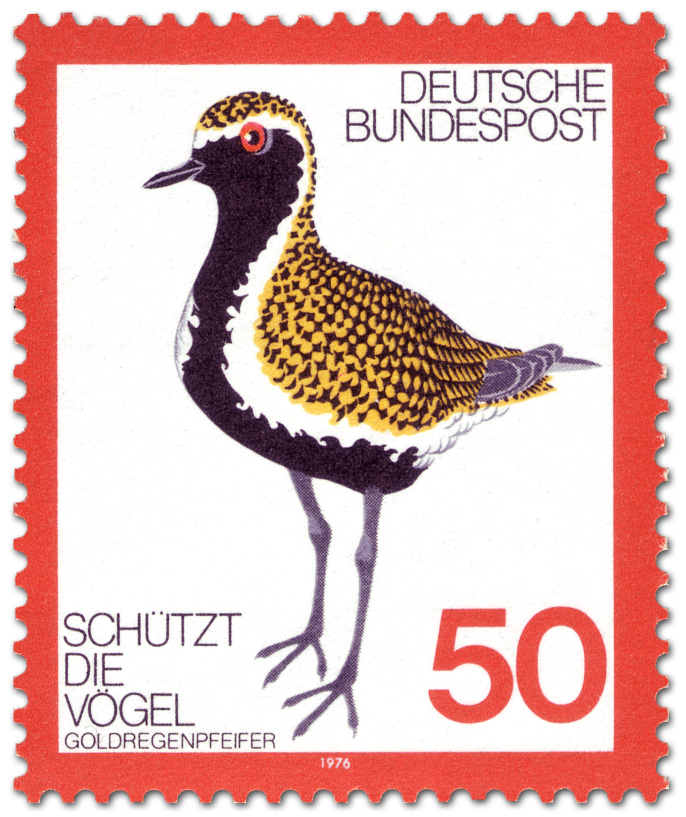
    Allein in Deutschland gibt es nach Angaben des Bundesamts für Naturschutz (BfN) mindestens 48.000 Tierarten. “Bei etwa 30 Prozent davon ist der Bestand bedroht, sechs Prozent sind bereits ausgestorben oder verschollen”, sagt Diana Pretzell, Leiterin Naturschutz Deutschland beim WWF. Neben großen Vertretern wie Wolf, Luchs, Seeadler oder Uhu stehen auch viele kleine Nager wie etwa Feldhamster, Vögel wie Kiebitz, Rotkopfwürger und Goldregenpfeifer sowie viele Fische, unter anderem Chiemsee-Renke und Ammersee-Kilch auf der sogenannten Roten Liste. Dabei handelt es sich um ein wissenschaftliches Gutachten, das in vielen Ländern in regelmäßigen Abständen verfasst wird, um “das aktuelle Ausmaß der Gefährdung der biologischen Vielfalt zu dokumentieren”, so das BfN, das die Roten Listen für Deutschland alle zehn Jahre aktualisiert. Weltweit stehen 22.413 Tiere und Pflanzen auf Roten Listen, knapp ein Drittel aller bekannten Arten.

    Allein in Deutschland gibt es nach Angaben des Bundesamts für Naturschutz (BfN) mindestens 48.000 Tierarten. “Bei etwa 30 Prozent davon ist der Bestand bedroht, sechs Prozent sind bereits ausgestorben oder verschollen”, sagt Diana Pretzell, Leiterin Naturschutz Deutschland beim WWF. Neben großen Vertretern wie Wolf, Luchs, Seeadler oder Uhu stehen auch viele kleine Nager wie etwa Feldhamster, Vögel wie Kiebitz, Rotkopfwürger und Goldregenpfeifer sowie viele Fische, unter anderem Chiemsee-Renke und Ammersee-Kilch auf der sogenannten Roten Liste. Dabei handelt es sich um ein wissenschaftliches Gutachten, das in vielen Ländern in regelmäßigen Abständen verfasst wird, um “das aktuelle Ausmaß der Gefährdung der biologischen Vielfalt zu dokumentieren”, so das BfN, das die Roten Listen für Deutschland alle zehn Jahre aktualisiert. Weltweit stehen 22.413 Tiere und Pflanzen auf Roten Listen, knapp ein Drittel aller bekannten Arten.

    Quelle: Berliner Morgenpost, 02.03.2016
    http://www.morgenpost.de/ratgeber/article207114153/Rote-Liste-14-000-Tierarten-in-Deutschland-sind-bedroht.html

  • Concerns over use of glyphosate-based herbicides and risks associated with exposures: a consensus statement

    Concerns over use of glyphosate-based herbicides and risks associated with exposures: a consensus statement

    The broad-spectrum herbicide glyphosate (common trade name “Roundup”) was first sold to farmers in 1974. Since the late 1970s, the volume of glyphosate-based herbicides (GBHs) applied has increased approximately 100-fold. Further increases in the volume applied are likely due to more and higher rates of application in response to the widespread emergence of glyphosate-resistant weeds and new, pre-harvest, dessicant use patterns. GBHs were developed to replace or reduce reliance on herbicides causing well-documented problems associated with drift and crop damage, slipping efficacy, and human health risks. Initial industry toxicity testing suggested that GBHs posed relatively low risks to non-target species, including mammals, leading regulatory authorities worldwide to set high acceptable exposure limits. To accommodate changes in GBH use patterns associated with genetically engineered, herbicide-tolerant crops, regulators have dramatically increased tolerance levels in maize, oilseed (soybeans and canola), and alfalfa crops and related livestock feeds. Animal and epidemiology studies published in the last decade, however, point to the need for a fresh look at glyphosate toxicity. Furthermore, the World Health Organization’s International Agency for Research on Cancer recently concluded that glyphosate is “probably carcinogenic to humans.” In response to changing GBH use patterns and advances in scientific understanding of their potential hazards, we have produced a Statement of Concern drawing on emerging science relevant to the safety of GBHs. Our Statement of Concern considers current published literature describing GBH uses, mechanisms of action, toxicity in laboratory animals, and epidemiological studies. It also examines the derivation of current human safety standards. We conclude that: (1) GBHs are the most heavily applied herbicide in the world and usage continues to rise; (2) Worldwide, GBHs often contaminate drinking water sources, precipitation, and air, especially in agricultural regions; (3) The half-life of glyphosate in water and soil is longer than previously recognized; (4) Glyphosate and its metabolites are widely present in the global soybean supply; (5) Human exposures to GBHs are rising; (6) Glyphosate is now authoritatively classified as a probable human carcinogen; (7) Regulatory estimates of tolerable daily intakes for glyphosate in the United States and European Union are based on outdated science. We offer a series of recommendations related to the need for new investments in epidemiological studies, biomonitoring, and toxicology studies that draw on the principles of endocrinology to determine whether the effects of GBHs are due to endocrine disrupting activities. We suggest that common commercial formulations of GBHs should be prioritized for inclusion in government-led toxicology testing programs such as the U.S. National Toxicology Program, as well as for biomonitoring as conducted by the U.S. Centers for Disease Control and Prevention.

    The broad-spectrum herbicide glyphosate (common trade name “Roundup”) was first sold to farmers in 1974. Since the late 1970s, the volume of glyphosate-based herbicides (GBHs) applied has increased approximately 100-fold. Further increases in the volume applied are likely due to more and higher rates of application in response to the widespread emergence of glyphosate-resistant weeds and new, pre-harvest, dessicant use patterns. GBHs were developed to replace or reduce reliance on herbicides causing well-documented problems associated with drift and crop damage, slipping efficacy, and human health risks. Initial industry toxicity testing suggested that GBHs posed relatively low risks to non-target species, including mammals, leading regulatory authorities worldwide to set high acceptable exposure limits. To accommodate changes in GBH use patterns associated with genetically engineered, herbicide-tolerant crops, regulators have dramatically increased tolerance levels in maize, oilseed (soybeans and canola), and alfalfa crops and related livestock feeds. Animal and epidemiology studies published in the last decade, however, point to the need for a fresh look at glyphosate toxicity. Furthermore, the World Health Organization’s International Agency for Research on Cancer recently concluded that glyphosate is “probably carcinogenic to humans.” In response to changing GBH use patterns and advances in scientific understanding of their potential hazards, we have produced a Statement of Concern drawing on emerging science relevant to the safety of GBHs. Our Statement of Concern considers current published literature describing GBH uses, mechanisms of action, toxicity in laboratory animals, and epidemiological studies. It also examines the derivation of current human safety standards. We conclude that: (1) GBHs are the most heavily applied herbicide in the world and usage continues to rise; (2) Worldwide, GBHs often contaminate drinking water sources, precipitation, and air, especially in agricultural regions; (3) The half-life of glyphosate in water and soil is longer than previously recognized; (4) Glyphosate and its metabolites are widely present in the global soybean supply; (5) Human exposures to GBHs are rising; (6) Glyphosate is now authoritatively classified as a probable human carcinogen; (7) Regulatory estimates of tolerable daily intakes for glyphosate in the United States and European Union are based on outdated science. We offer a series of recommendations related to the need for new investments in epidemiological studies, biomonitoring, and toxicology studies that draw on the principles of endocrinology to determine whether the effects of GBHs are due to endocrine disrupting activities. We suggest that common commercial formulations of GBHs should be prioritized for inclusion in government-led toxicology testing programs such as the U.S. National Toxicology Program, as well as for biomonitoring as conducted by the U.S. Centers for Disease Control and Prevention.

    Source: John Peterson Myers et al. Environmental Health 2016 15:19
    DOI: 10.1186/s12940-016-0117-0
    http://ehjournal.biomedcentral.com/articles/10.1186/s12940-016-0117-0

  • Bats initiate vital agroecological interactions in corn

    Bats initiate vital agroecological interactions in corn

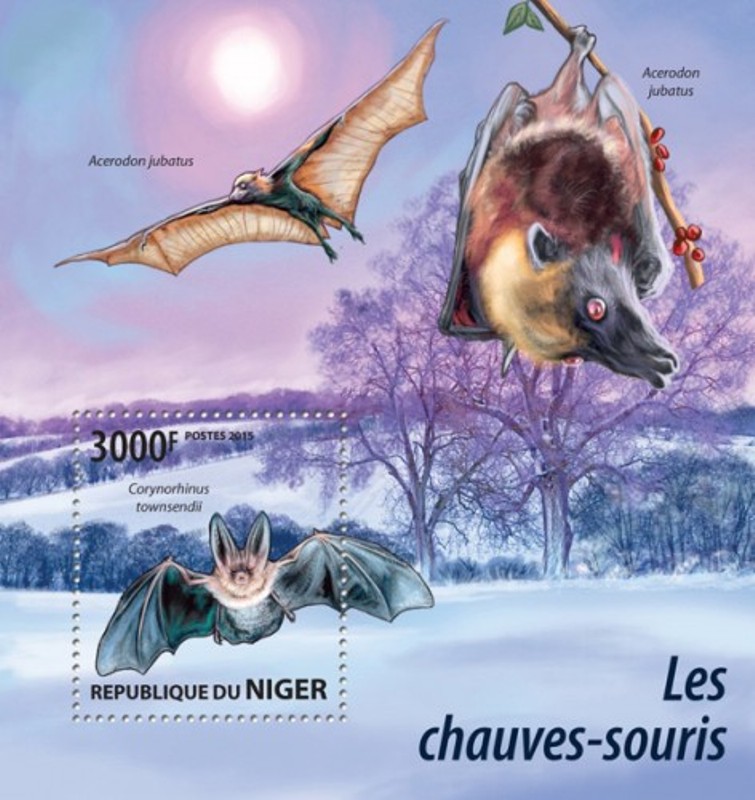
    In agroecosystems worldwide, bats are voracious predators of crop pests and may provide services to farmers worth billions of U.S. dollars. However, such valuations make untested assumptions about the ecological effect of bats in agroecosystems. Specifically, estimates of the value of pest suppression services assume bats consume sufficient numbers of crop pests to affect impact pest reproduction and subsequent damage to crops. Corn is an essential crop for farmers, and is grown on more than 150 million hectares worldwide. Using large exclosures in corn fields, we show that bats exert sufficient pressure on crop pests to suppress larval densities and damage in this cosmopolitan crop. In addition, we show that bats suppress pest-associated fungal growth and mycotoxin in corn. We estimate the suppression of herbivory by insectivorous bats is worth more than 1 billion USD globally on this crop alone, and bats may further benefit farmers by indirectly suppressing pest-associated fungal growth and toxic compounds on corn. Bats face a variety of threats globally, but their relevance as predators of insects in ubiquitous corn-dominated landscapes underlines the economic and ecological importance of conserving biodiversity.

    In agroecosystems worldwide, bats are voracious predators of crop pests and may provide services to farmers worth billions of U.S. dollars. However, such valuations make untested assumptions about the ecological effect of bats in agroecosystems. Specifically, estimates of the value of pest suppression services assume bats consume sufficient numbers of crop pests to affect impact pest reproduction and subsequent damage to crops. Corn is an essential crop for farmers, and is grown on more than 150 million hectares worldwide. Using large exclosures in corn fields, we show that bats exert sufficient pressure on crop pests to suppress larval densities and damage in this cosmopolitan crop. In addition, we show that bats suppress pest-associated fungal growth and mycotoxin in corn. We estimate the suppression of herbivory by insectivorous bats is worth more than 1 billion USD globally on this crop alone, and bats may further benefit farmers by indirectly suppressing pest-associated fungal growth and toxic compounds on corn. Bats face a variety of threats globally, but their relevance as predators of insects in ubiquitous corn-dominated landscapes underlines the economic and ecological importance of conserving biodiversity.

    Source:
    Josiah J. Maine and Justin G. Boyles, PNAS
    www.pnas.org/cgi/doi/10.1073/pnas.1505413112

  • Neonicotinoïden en de insectenmoord – we laten het gewoon gebeuren

    Neonicotinoïden en de insectenmoord – we laten het gewoon gebeuren

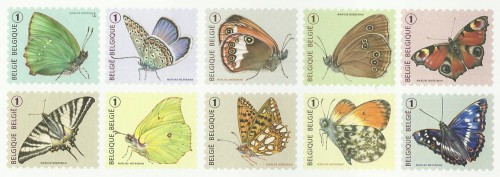
    Het is dramatisch gesteld met veel bijen, hommels en andere bestuivers. Talrijke soorten staan op het punt te verdwijnen. Dat brengt ook de voedselproductie en de werkgelegenheid in gevaar, waarschuwen de Verenigde Naties in een gisteren verschenen rapport. De conclusies stemmen niet vrolijk. Vooral ongewervelde bestuivers, zoals bijen, vlinders en kevers, hebben het moeilijk; twee op de vijf soorten worden met uitsterven bedreigd. Ook de gewervelde soorten, waaronder vogels en vleermuizen, verkeren in nood; van één op de zes lijken de dagen geteld. Dat kan desastreuze gevolgen hebben voor de landbouw, want de meeste vruchten komen niet tot ontwikkeling als een gewas onbestoven blijft. Appels, bessen, koffiebonen, niets groeit meer als de bestuivers wegvallen. De opstellers van het rapport schatten dat de wereldvoedselproductie voor 214 à 526 miljard euro afhankelijk is van de fladderende zaadverslepers.

    Het is dramatisch gesteld met veel bijen, hommels en andere bestuivers. Talrijke soorten staan op het punt te verdwijnen. Dat brengt ook de voedselproductie en de werkgelegenheid in gevaar, waarschuwen de Verenigde Naties in een gisteren verschenen rapport. De conclusies stemmen niet vrolijk. Vooral ongewervelde bestuivers, zoals bijen, vlinders en kevers, hebben het moeilijk; twee op de vijf soorten worden met uitsterven bedreigd. Ook de gewervelde soorten, waaronder vogels en vleermuizen, verkeren in nood; van één op de zes lijken de dagen geteld. Dat kan desastreuze gevolgen hebben voor de landbouw, want de meeste vruchten komen niet tot ontwikkeling als een gewas onbestoven blijft. Appels, bessen, koffiebonen, niets groeit meer als de bestuivers wegvallen. De opstellers van het rapport schatten dat de wereldvoedselproductie voor 214 à 526 miljard euro afhankelijk is van de fladderende zaadverslepers.

    Bron: Trouw, 27-02-16
    http://www.trouw.nl/tr/nl/4332/Groen/article/detail/4253069/2016/02/27/Bijen-en-andere-bestuivers-raken-in-het-nauw.dhtml