Auteur: Henk Tennekes

  • Small Copper slumps as butterflies struggle

    Small Copper slumps as butterflies struggle

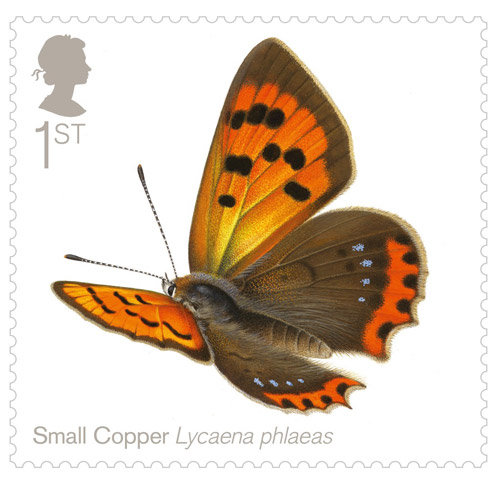
    One of the UK’s most widespread butterflies, the Small Copper, has suffered its worst year on record and is now in a state of significant decline, a study has revealed. The Small Copper saw numbers fall by almost a quarter last year compared to 2014, the annual UK Butterfly Monitoring Scheme (UKBMS) led by Butterfly Conservation and the Centre for Ecology & Hydrology (CEH) revealed. Found across the UK, the Small Copper, an occasional garden visitor, has seen its numbers tumble. Heath Fritillary, one of the UK’s scarcest species suffered its worst year on record with numbers down 16% compared to 2014. The rare British race of the Swallowtail, arguably the UK’s most striking butterfly, suffered the largest decline of any species with numbers down 65% compared to 2014. Widespread butterflies also experienced a poor year with garden visitors the Peacock and Small Tortoiseshell down 21% and 44% respectively. The Wall continued its on-going slump with numbers down 44% compared to 2014 and the Grayling declined by 38%. Dr Tom Brereton, Head of Monitoring at Butterfly Conservation, said: “In recent years it has become apparent that some of our most familiar and cherished butterflies are declining substantially. Sadly, our latest results show that the diminutive but stunning Small Copper can be added to this list.”

    One of the UK’s most widespread butterflies, the Small Copper, has suffered its worst year on record and is now in a state of significant decline, a study has revealed. The Small Copper saw numbers fall by almost a quarter last year compared to 2014, the annual UK Butterfly Monitoring Scheme (UKBMS) led by Butterfly Conservation and the Centre for Ecology & Hydrology (CEH) revealed. Found across the UK, the Small Copper, an occasional garden visitor, has seen its numbers tumble. Heath Fritillary, one of the UK’s scarcest species suffered its worst year on record with numbers down 16% compared to 2014. The rare British race of the Swallowtail, arguably the UK’s most striking butterfly, suffered the largest decline of any species with numbers down 65% compared to 2014. Widespread butterflies also experienced a poor year with garden visitors the Peacock and Small Tortoiseshell down 21% and 44% respectively. The Wall continued its on-going slump with numbers down 44% compared to 2014 and the Grayling declined by 38%. Dr Tom Brereton, Head of Monitoring at Butterfly Conservation, said: “In recent years it has become apparent that some of our most familiar and cherished butterflies are declining substantially. Sadly, our latest results show that the diminutive but stunning Small Copper can be added to this list.”

    Source: Rochdale Online, 21 March 2016
    http://www.rochdaleonline.co.uk/news-features/2/news-headlines/101864/small-copper-slumps-as-butterflies-struggle

  • Monarch Butterflies May Be Doomed

    Monarch Butterflies May Be Doomed

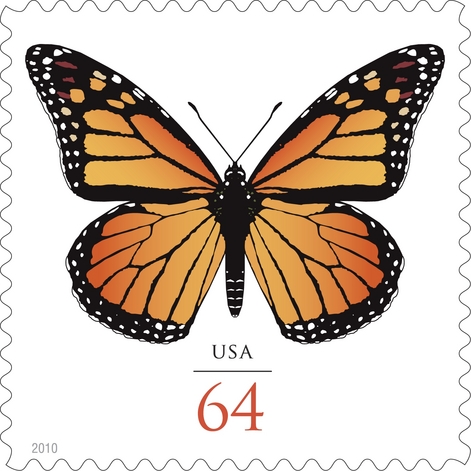
    A new scientific study is warning that dramatic long-term declines in the population of eastern monarch butterflies could doom the species to extinction, and a Connecticut expert said Monday that surveys in the state back up those findings.
    “Last year, we saw zero monarch butterflies,” Jay Kaplan, director of the Roaring Brook Nature Center in Canton, said of an annual butterfly survey done in the Farmington River Valley. “It was the first time since we started doing the count [more than 20 years ago] that we had zero monarchs.” The eastern monarch butterfly population in North America plunged by 84 percent between the winter of 1996-97 and the winter of 2014-15, according to the study published in the journal Scientific Reports. The research by a team from the Scripps Institution of Oceanography and the U.S. Geological Survey indicated there is now a “substantial probability” that the eastern monarch is on the road to extinction over the next 20 years unless the population decline can be reversed.

    A new scientific study is warning that dramatic long-term declines in the population of eastern monarch butterflies (Danaus plexippus) could doom the species to extinction, and a Connecticut expert said Monday that surveys in the state back up those findings.
    “Last year, we saw zero monarch butterflies,” Jay Kaplan, director of the Roaring Brook Nature Center in Canton, said of an annual butterfly survey done in the Farmington River Valley. “It was the first time since we started doing the count [more than 20 years ago] that we had zero monarchs.” The eastern monarch butterfly population in North America plunged by 84 percent between the winter of 1996-97 and the winter of 2014-15, according to the study published in the journal Scientific Reports. The research by a team from the Scripps Institution of Oceanography and the U.S. Geological Survey indicated there is now a “substantial probability” that the eastern monarch is on the road to extinction over the next 20 years unless the population decline can be reversed.

    Source: Hartford Courant, March 21, 2016
    http://www.courant.com/news/connecticut/hc-monarch-butterfly-extinction-risk-20160321-story.html

  • The neonicotinoids will be banned in France from September, 2018

    THE neonicotinoid insecticide family, a product thought to be behind the collapse of bee populations, will be banned in France from September, 2018. MPs voted through an amendment banning the insecticide as part of a debate on the law for the reclamation of biodiversity. The original amendment had sought to ban the products at the start of January 2017, but after discussions among MPs who raised concerns about the impact on farmers, a delay of 18 months was granted as a compromise. Furthermore the bill gives the environment ministry the power to issue further bans on similar substitute products, on the advice of health body the Agence nationale de sécurité sanitaire (Anses). “We have reversed the mechanics: the ban on neonicotinoids has become the rule and their use the exception,” said MP and former ecology minister Delphine Batho. The measure must still be confirmed by the Senate in a debate likely to be held before the summer. The ban includes the use of seeds treated with the chemical.

    THE neonicotinoid insecticide family, a product thought to be behind the collapse of bee populations, will be banned in France from September, 2018. MPs voted through an amendment banning the insecticide as part of a debate on the law for the reclamation of biodiversity. The original amendment had sought to ban the products at the start of January 2017, but after discussions among MPs who raised concerns about the impact on farmers, a delay of 18 months was granted as a compromise. Furthermore the bill gives the environment ministry the power to issue further bans on similar substitute products, on the advice of health body the Agence nationale de sécurité sanitaire (Anses). “We have reversed the mechanics: the ban on neonicotinoids has become the rule and their use the exception,” said MP and former ecology minister Delphine Batho. The measure must still be confirmed by the Senate in a debate likely to be held before the summer. The ban includes the use of seeds treated with the chemical.

    During the two-day debate the Agricultural Minister Stéphane Le Foll took the rare step of addressing the National Assembly, asking that they avoid an outright ban on all pesticides.

    Such a steps would create “distortions between French agriculture and the rest of Europe” he said, adding that no credible alternatives had been found.

    The head of the national union of beekeepers said that since the introduction of neonicotinoids to France in 1994, more than 300,000 bee colonies had died off.

    Honey production in France reached an all-time low in 2014 when just 10,000 tonnes was made, compared to 32,000 in 1995.

    However last year beekeepers reported the first rise in production following the instigation of a three-year €40million bee plan in 2013.

    The insecticides were originally introduced because they were less harmful to mammals and birds, however their effect on insects has had a knock-on effect on pollinators and subsequently the wider environment. – See more at: http://www.connexionfrance.com/neonicotinoids-ban-France-view-article.html#sthash.mXnxIa6E.dpuf

  • Frans parlement wil verbod neonicotinoïden

    Frans parlement wil verbod neonicotinoïden

    De Franse ‘Tweede Kamer’ (Assemblee nationale) wil dat neonicotinoïden vanaf 1 september 2018 worden verboden. “Daarmee willen we een sterk signaal afgeven aan de chemische ondernemingen, de landbouw en de regering”, aldus Jean-Paul Chanteguet, voorzitter van de kamercommissie voor duurzame ontwikkeling. Chanteguet had met een aantal andere Kamerleden een amendement ingediend op de Wet op de Biodiversiteit. Oorspronkelijk stelden zij voor het verbod al op 1 januari 2017 in te laten gaan, maar dat is in de discussie verschoven naar een datum ná de oogst van 2018. De Assemblee nationale wil de bestrijdingsmiddelen verbieden, omdat die verantwoordelijk worden geacht voor het verdwijnen van de bijen. Wel moet er nog een uitvoeringsmaatregel komen met ‘concrete antwoorden voor boeren die worden geconfronteerd met het plotseling verschijnen van plagen die hun oogsten in gevaar kunnen brengen’. In dat kader wordt, na advies van de dienst voor de gezondheid en veiligheid van voedsel Anses, een lijst met alternatieve bestrijdingsmogelijkheden gepubliceerd. Het plan gaat nu naar de Franse Senaat, waarna het voor een eindstemming terugkomt bij de Assemblee.

    De Franse ‘Tweede Kamer’ (Assemblee nationale) wil dat neonicotinoïden vanaf 1 september 2018 worden verboden. “Daarmee willen we een sterk signaal afgeven aan de chemische ondernemingen, de landbouw en de regering”, aldus Jean-Paul Chanteguet, voorzitter van de kamercommissie voor duurzame ontwikkeling. Chanteguet had met een aantal andere Kamerleden een amendement ingediend op de Wet op de Biodiversiteit. Oorspronkelijk stelden zij voor het verbod al op 1 januari 2017 in te laten gaan, maar dat is in de discussie verschoven naar een datum ná de oogst van 2018. De Assemblee nationale wil de bestrijdingsmiddelen verbieden, omdat die verantwoordelijk worden geacht voor het verdwijnen van de bijen. Wel moet er nog een uitvoeringsmaatregel komen met ‘concrete antwoorden voor boeren die worden geconfronteerd met het plotseling verschijnen van plagen die hun oogsten in gevaar kunnen brengen’. In dat kader wordt, na advies van de dienst voor de gezondheid en veiligheid van voedsel Anses, een lijst met alternatieve bestrijdingsmogelijkheden gepubliceerd. Het plan gaat nu naar de Franse Senaat, waarna het voor een eindstemming terugkomt bij de Assemblee.

    Bron: Groenten en Fruit, 18-03-16
    http://www.gfactueel.nl/Home/Nieuws/2016/3/Frans-parlement-wil-verbod-neonicotinoiden-2777699W/

  • Der Haussperling ist in München fast verschwunden

    Der Haussperling ist in München fast verschwunden

    Der unscheinbare Haussperling (Passer domesticus), jedem bekannt als Spatz, hat sich aus vielen deutschen Großstädten und Stadtzentren zurückgezogen. Nach Angaben von Naturschützern werden Spatzen in bayerischen Großstädten immer seltener. Zum Weltspatzentag, dem 20. März macht der Landesbund für Vogelschutz (LBV) auf den Rückgang der früheren “Allerweltsvögel” aufmerksam. Nicht nur Vogelarten auf der Roten Liste seien stark bedroht, so der LBV. Bekannte Vögel wie der Spatz müssten geschützt werden, sonst gehe es ihnen immer schlechter. Besonders in München seien die Vögel weniger geworden, meint Sylvia Weber vom Vogelschutz LBV. Inzwischen seien sie dort eine gefährdete Art. Dieselbe Entwicklung wie in der Landeshauptstadt München zeichnet sich auch in anderen großen Städten, wie Nürnberg ab.

    Der unscheinbare Haussperling (Passer domesticus), jedem bekannt als Spatz, hat sich aus vielen deutschen Großstädten und Stadtzentren zurückgezogen. Nach Angaben von Naturschützern werden Spatzen in bayerischen Großstädten immer seltener. Zum Weltspatzentag, dem 20. März macht der Landesbund für Vogelschutz (LBV) auf den Rückgang der früheren “Allerweltsvögel” aufmerksam. Nicht nur Vogelarten auf der Roten Liste seien stark bedroht, so der LBV. Bekannte Vögel wie der Spatz müssten geschützt werden, sonst gehe es ihnen immer schlechter. Besonders in München seien die Vögel weniger geworden, meint Sylvia Weber vom Vogelschutz LBV. Inzwischen seien sie dort eine gefährdete Art. Dieselbe Entwicklung wie in der Landeshauptstadt München zeichnet sich auch in anderen großen Städten, wie Nürnberg ab.

    Quellen: Wochenblatt, 17.03.2016
    http://www.wochenblatt.de/nachrichten/erding/regionales/Der-Haussperling-ist-in-Muenchen-fast-verschwunden-Spatz-wo-bist-du-;art1150,358656
    Bayerischer Rundfunk, 18.03.2016
    http://www.br.de/nachrichten/mittelfranken/inhalt/spatzen-rueckgang-naturschutz-100.html

  • Two-Thirds of British Butterfly Species Are in ‘Severe’ Decline

    Two-Thirds of British Butterfly Species Are in ‘Severe’ Decline

    Butterfly experts are calling on Britain’s gardeners to help slow the decline in numbers of the country’s most common butterflies. According to wildlife charity Butterfly Conservation, 44 out of the country’s 58 butterfly species have seen a drop in their populations, leaving some species at risk of extinction in the U.K. Common butterflies of the general countryside as well as specialist butterflies that require particular habitats have declined. The charity launched a Garden Butterfly Survey at the beginning of March, asking participants to count the number of butterflies they observe each month, in a bid to raise awareness and monitor butterfly populations. Richard Fox, head of recording at Butterfly Conservation, tells Newsweek that the dramatic decrease in the number of garden butterflies is “severe and statistically significant.”

    Butterfly experts are calling on Britain’s gardeners to help slow the decline in numbers of the country’s most common butterflies. According to wildlife charity Butterfly Conservation, 44 out of the country’s 58 butterfly species have seen a drop in their populations, leaving some species at risk of extinction in the U.K. Common butterflies of the general countryside as well as specialist butterflies that require particular habitats have declined. The charity launched a Garden Butterfly Survey at the beginning of March, asking participants to count the number of butterflies they observe each month, in a bid to raise awareness and monitor butterfly populations. Richard Fox, head of recording at Butterfly Conservation, tells Newsweek that the dramatic decrease in the number of garden butterflies is “severe and statistically significant.”

    “Butterflies can act as the ‘canary in the coalmine’ for thousands of other insect species that are largely unknown and unloved by the public,” he says. “Butterflies provide vital functions, such as pollination, on which humans rely.”

    Fox hopes that the new Garden Butterfly Survey will help wildlife experts understand why butterflies are struggling to survive. Currently, there are 59 butterfly species that either live in or migrate to the U.K. for breeding purposes all year round. Butterfly Conservation analyzes long-term trends for 58 of these 59 species. (One species, the Cryptic Wood White, is only found in Northern Ireland.)
    Source: Newsweek, March 14, 2016
    http://europe.newsweek.com/british-butterfly-species-severe-decline-436469?rm=eu

  • Bumblebees exposed to thiamethoxam have difficulties to develop the skills they need to collect nectar and pollen

    Bumblebees exposed to thiamethoxam have difficulties to develop the skills they need to collect nectar and pollen

    Exposure to even small amounts of pesticides is preventing bumblebees from efficiently extracting pollen from their favourite wildflowers, says a new study, raising concerns that the chemicals are impairing the insects’ ability to learn.
    And scientists warn that could affect the ability of the bees to pollinate both crops and wild plants, which can ultimately harm the food supply. The findings, contained in a study co-authored in Canada and the U.K., show that bumblebees exposed to a realistic level of a neonicotinoid insecticide called thiamethoxam, collected more pollen, but took longer to do so than control bees. The study, published Monday in Functional Ecology, found that low exposure to the crop chemical can hinder the ability of bumblebees to develop the skills they need to collect nectar and pollen. While several studies have been conducted on the effects of pesticides on the honeybee population, these findings are the first to explore how the chemicals may affect the ability of bumblebees to forage from common wildflowers. The pesticides confuse the insects, changing their foraging behaviour and floral preferences and hindering the development of the skills needed to extract nectar and pollen, says University of Guelph professor and senior author Nigel Raine.

    Exposure to even small amounts of pesticides is preventing bumblebees from efficiently extracting pollen from their favourite wildflowers, says a new study, raising concerns that the chemicals are impairing the insects’ ability to learn.
    And scientists warn that could affect the ability of the bees to pollinate both crops and wild plants, which can ultimately harm the food supply. The findings, contained in a study co-authored in Canada and the U.K., show that bumblebees exposed to a realistic level of a neonicotinoid insecticide called thiamethoxam, collected more pollen, but took longer to do so than control bees. The study, published Monday in Functional Ecology, found that low exposure to the crop chemical can hinder the ability of bumblebees to develop the skills they need to collect nectar and pollen. While several studies have been conducted on the effects of pesticides on the honeybee population, these findings are the first to explore how the chemicals may affect the ability of bumblebees to forage from common wildflowers. The pesticides confuse the insects, changing their foraging behaviour and floral preferences and hindering the development of the skills needed to extract nectar and pollen, says University of Guelph professor and senior author Nigel Raine.

    Source: CTV News, March 14, 2016
    http://www.ctvnews.ca/sci-tech/study-raises-concerns-over-pesticide-effects-on-ability-of-bumblebees-to-learn-1.2816817

  • Auf nordrhein-westfälischen Äckern und Wiesen findet ein Massaker statt

    Auf nordrhein-westfälischen Äckern und Wiesen findet ein Massaker statt

    Je effektiver die Bauern arbeiten, desto mehr wilde Tiere und Pflanzen werden ausgerottet. Das ist die bittere Bilanz von Naturschützern am Tag des Artenschutzes (03.03.2016). Auf nordrhein-westfälischen Äckern und Wiesen findet ein Massaker statt. Die wilden Tiere und Pflanzen, die hier eigentlich zuhause sind, schwinden rapide. “Während wir darüber sprechen, stirbt gerade der Feldhamster aus”, sagt Peter Schütz vom Landesamt für Natur (LANUV). Mehrere Vogelarten der offenen Feldflur sind auch bald ganz verschwunden. Und einst auf dem Land häufige Vögel wie Feldlerche, Kiebitz und Rebhuhn, Pflanzen wie Ackerrittersporn und Adonisröschen sind selten geworden. “45 Prozent der Arten in NRW sind vom Aussterben bedroht” oder bereits ausgestorben, schreibt das Umweltministerium. Die meisten auf den landwirtschaftlich genutzten Flächen. Auch der Flächenverbrauch von zehn Hektar pro Tag durch Bebauung und Braunkohletagebau sei ein wichtiger Grund für das Massensterben, meint Peter Schütz. Der andere aber sei die Intensivierung der Landwirtschaft. Etwa der Einsatz von Spritzmitteln, die so wirksam sind wie nie zuvor: Das Unkrautvernichtungsmittel Glyphosat für “saubere Ackerflächen”, dessen Abbauprodukte “en masse” überall in der Natur zu finden seien. Und die Insektenvernichtungsmittel Neonicotinoide, mit denen “sogenannte Schädlings-Populationen beinahe vollständig vernichtet” werden. Mit Wildkräutern und kleinen Insekten wird aber auch die Nahrung von Wildbienen und Vögeln vernichtet.

    Je effektiver die Bauern arbeiten, desto mehr wilde Tiere und Pflanzen werden ausgerottet. Das ist die bittere Bilanz von Naturschützern am Tag des Artenschutzes (03.03.2016). Auf nordrhein-westfälischen Äckern und Wiesen findet ein Massaker statt. Die wilden Tiere und Pflanzen, die hier eigentlich zuhause sind, schwinden rapide. “Während wir darüber sprechen, stirbt gerade der Feldhamster aus”, sagt Peter Schütz vom Landesamt für Natur (LANUV). Mehrere Vogelarten der offenen Feldflur sind auch bald ganz verschwunden. Und einst auf dem Land häufige Vögel wie Feldlerche, Kiebitz und Rebhuhn, Pflanzen wie Ackerrittersporn und Adonisröschen sind selten geworden. “45 Prozent der Arten in NRW sind vom Aussterben bedroht” oder bereits ausgestorben, schreibt das Umweltministerium. Die meisten auf den landwirtschaftlich genutzten Flächen. Auch der Flächenverbrauch von zehn Hektar pro Tag durch Bebauung und Braunkohletagebau sei ein wichtiger Grund für das Massensterben, meint Peter Schütz. Der andere aber sei die Intensivierung der Landwirtschaft. Etwa der Einsatz von Spritzmitteln, die so wirksam sind wie nie zuvor: Das Unkrautvernichtungsmittel Glyphosat für “saubere Ackerflächen”, dessen Abbauprodukte “en masse” überall in der Natur zu finden seien. Und die Insektenvernichtungsmittel Neonicotinoide, mit denen “sogenannte Schädlings-Populationen beinahe vollständig vernichtet” werden. Mit Wildkräutern und kleinen Insekten wird aber auch die Nahrung von Wildbienen und Vögeln vernichtet.

    Quelle: WDR, 03.03.16
    http://www1.wdr.de/wissen/natur/artenschutz-aussterben-landwirtschaft-100.html

  • Belastung der Oberflächengewässer in Nordrhein-Westfalen mit Neonicotinoiden

    Belastung der Oberflächengewässer in Nordrhein-Westfalen mit Neonicotinoiden

    Für die Bestandsaufnahme (ECHO-Messprogramm) wurden Proben aus folgenden Bereichen gezogen:
    Oberflächenwasser (68 Proben) Erft (1), Emscher (2), Lippe(2), Rhein (9), Ruhr (4), Rur (3), Schwalm (2), Sieg (1), Wupper (1), Dortmund-Ems-Kanal (1), Kleingewässer Eifel (14), Kleingewässer Kreis Kleve (20), Kleingewässer Münsterland (8). Die sechs Einzelstoffe Acetamiprid, Clothianidin, Imidacloprid, Nitenpyram,Thiacloprid, Thiamethoxam der untersuchten Stoffklasse der Neonicotinoide treten in der aquatischen Umwelt in Nordrhein-Westfalen nicht ubiquitär auf, sondern gelangen lokal durch Abschwemmung, Abdrift oder Direkteintrag bei Ausbringung von Insektiziden in Gewässer. Die Konzentrationen der Stoffe bewegten sich für Oberflächenwasser zwischen Werten kleiner 0,005 µg/l (Untere Anwendungsgrenze des Analysenverfahrens) und einem Höchstwert für Clothianidin von 1,1 µg/l. Die Stoffe Acetamiprid und Nitenpyram konnten in keiner Probe nachgewiesen werden. Am häufigsten trat Imidacloprid mit bis zu 0,15 µg/l in Oberflächenwasser auf, während Clothianidin, Thiacloprid, Thiamethoxam nur in untergeordnetem Maße vorkamen. Eine signifikante Belastung des Grundwassers mit Neonicotinoiden konnte anhand der 97
    untersuchten Proben nicht festgestellt werden. Lediglich in zwei Proben und ausschließlich
    für den Stoff Clothianidin fanden sich Konzentrationen bis maximal 0,012 µg/l.

    Für die Bestandsaufnahme (ECHO-Messprogramm) wurden Proben aus folgenden Bereichen gezogen:
    Oberflächenwasser (68 Proben) Erft (1), Emscher (2), Lippe(2), Rhein (9), Ruhr (4), Rur (3), Schwalm (2), Sieg (1), Wupper (1), Dortmund-Ems-Kanal (1), Kleingewässer Eifel (14), Kleingewässer Kreis Kleve (20), Kleingewässer Münsterland (8). Die sechs Einzelstoffe Acetamiprid, Clothianidin, Imidacloprid, Nitenpyram,Thiacloprid, Thiamethoxam der untersuchten Stoffklasse der Neonicotinoide treten in der aquatischen Umwelt in Nordrhein-Westfalen nicht ubiquitär auf, sondern gelangen lokal durch Abschwemmung, Abdrift oder Direkteintrag bei Ausbringung von Insektiziden in Gewässer. Die Konzentrationen der Stoffe bewegten sich für Oberflächenwasser zwischen Werten kleiner 0,005 µg/l (Untere Anwendungsgrenze des Analysenverfahrens) und einem Höchstwert für Clothianidin von 1,1 µg/l. Die Stoffe Acetamiprid und Nitenpyram konnten in keiner Probe nachgewiesen werden. Am häufigsten trat Imidacloprid mit bis zu 0,15 µg/l in Oberflächenwasser auf, während Clothianidin, Thiacloprid, Thiamethoxam nur in untergeordnetem Maße vorkamen. Eine signifikante Belastung des Grundwassers mit Neonicotinoiden konnte anhand der 97
    untersuchten Proben nicht festgestellt werden. Lediglich in zwei Proben und ausschließlich
    für den Stoff Clothianidin fanden sich Konzentrationen bis maximal 0,012 µg/l.

    Quelle: LANUV NRW. ECHO-Stoffbericht Neonicotinoide, März 2015.

  • Vielfalt der Schmetterlingsarten in Bayern bedroht

    Vielfalt der Schmetterlingsarten in Bayern bedroht

    Immer weniger Schmetterlingsarten sind in Bayern heimisch. Das geht aus einer Arbeit bayerischer Forscher hervor, die für die Zoologische Sammlung München alle Schmetterlingsarten, die in Bayern verbreitet sind oder einmal verbreitet waren, in einer Liste zusammengetragen haben. Danach sind heutzutage in Bayern nur noch 2781 von einstmals 3243 Schmetterlingsarten übrig, die in den vergangenen 250 Jahren in Bayern registriert wurden. „Wir haben einen signifikanten Artenschwund“, sagt Andreas Segerer, Schmetterlingsforscher der Zoologischen Sammlung, der gemeinsam mit dem Fachamateur Alfred Haslberger die Liste zusammengestellt hat. Seit 1971 sei der Rückgang besonders stark. Die Bestände werden immer kleiner, auch die der eigentlich häufigen „Allerweltsschmetterlinge“ wie dem Kohlweißling oder dem Tagpfauenauge. „Wo früher zehn Tagpfauenaugen herumgeschwirrt sind, ist heute noch eines übrig“, sagt Segerer. Die Population sei seit Mitte des 20. Jahrhunderts um 90 Prozent zurückgegangen. allem die intensive Landwirtschaft bedroht nach Ansicht der Forscher die Schmetterlinge. „Solange sich daran nichts ändert, wird der Verlust an der Biodiversität der Schmetterlinge zwangsläufig weitergehen“, sagt Segerer.

    Immer weniger Schmetterlingsarten sind in Bayern heimisch. Das geht aus einer Arbeit bayerischer Forscher hervor, die für die Zoologische Sammlung München alle Schmetterlingsarten, die in Bayern verbreitet sind oder einmal verbreitet waren, in einer Liste zusammengetragen haben. Danach sind heutzutage in Bayern nur noch 2781 von einstmals 3243 Schmetterlingsarten übrig, die in den vergangenen 250 Jahren in Bayern registriert wurden. „Wir haben einen signifikanten Artenschwund“, sagt Andreas Segerer, Schmetterlingsforscher der Zoologischen Sammlung, der gemeinsam mit dem Fachamateur Alfred Haslberger die Liste zusammengestellt hat. Seit 1971 sei der Rückgang besonders stark. Die Bestände werden immer kleiner, auch die der eigentlich häufigen „Allerweltsschmetterlinge“ wie dem Kohlweißling oder dem Tagpfauenauge. „Wo früher zehn Tagpfauenaugen herumgeschwirrt sind, ist heute noch eines übrig“, sagt Segerer. Die Population sei seit Mitte des 20. Jahrhunderts um 90 Prozent zurückgegangen. allem die intensive Landwirtschaft bedroht nach Ansicht der Forscher die Schmetterlinge. „Solange sich daran nichts ändert, wird der Verlust an der Biodiversität der Schmetterlinge zwangsläufig weitergehen“, sagt Segerer.

    Quelle: Merkur, 14.03.2016
    http://www.merkur.de/bayern/forscher-vielfalt-schmetterlingsarten-bayern-bedroht-6197717.html