Auteur: Henk Tennekes

  • The Importance of Insects in Ecosystems

    The Importance of Insects in Ecosystems

    Many insects are considered to be pests by humans. However, insects are also very important for numerous reasons. Insects can be found in every environment on Earth. While a select few insects, such as the Arctic Wooly Bear Moth, live in the harsh Arctic climate, the majority of insects are found in the warm and moist tropics. Insects have adapted to a broad range of habitats, successfully finding their own niche, because they will eat almost any substance that has nutritional value. Insects are crucial components of many ecosystems, where they perform many important functions. They aerate the soil, pollinate blossoms, and control insect and plant pests. Many insects, especially beetles, are scavengers, feeding on dead animals and fallen trees, thereby recycling nutrients back into the soil. As decomposers, insects help create top soil, the nutrient-rich layer of soil that helps plants grow. Burrowing bugs, such as ants and beetles, dig tunnels that provide channels for water, benefiting plants. Bees, wasps, butterflies, and ants pollinate flowering plants. Gardeners love the big-eyed bug and praying mantis because they control the size of certain insect populations, such as aphids and caterpillars, which feed on new plant growth. Finally, all insects fertilize the soil with the nutrients from their droppings. Bees are important pollinators of flowering plants.

    Economic Importance
    Insects have tremendous economic importance. Some insects produce useful substances, such as honey, wax, lacquer, and silk. Honeybees have been raised by humans for thousands of years for honey. The silkworm greatly affected human history. When the Chinese used worms to develop silk, the silk trade connected China to the rest of the world. Adult insects, such as crickets, as well as insect larvae, are also commonly used as fishing bait.

    Insects as Food
    Insects, of course, are not just eaten by people. Insects are the sole food source for many amphibians, reptiles, birds, and mammals, making their roles in food chains and food webs extremely important. It is possible that food webs could collapse if insect populations decline.

    In some parts of the world, insects are used for food by humans. Insects are a rich source of protein, vitamins, and minerals, and are prized as delicacies in many third-world countries. In fact, it is difficult to find an insect that is not eaten in one form or another by people. Among the most popular are cicadas, locusts, mantises, grubs, caterpillars, crickets, ants, and wasps. Many people support this idea to provide a source of protein in human nutrition. From South America to Japan, people eat roasted insects, like grasshoppers or beetles.

    Insects in Medicine
    Insects have also been used in medicine. In the past, fly larvae (maggots) were used to treat wounds to prevent or stop gangrene. Gangrene is caused by infection of dead flesh. Maggots only eat dead flesh, so when they are placed on the dead flesh of humans, they actually clean the wound and can prevent infection. Some hospitals still use this type of treatment.

    Source:
    CK-12, April 2016
    http://www.ck12.org/life-science/Importance-of-Insects-in-Life-Science/lesson/Importance-of-Insects-MS-LS/

  • Why Is the USDA Silencing Its Own Scientists’ Warnings About the Dangerous Effects of Pesticides?

    Why Is the USDA Silencing Its Own Scientists’ Warnings About the Dangerous Effects of Pesticides?

    Evidence has been mounting that the U.S. Department of Agriculture has been silencing its own bee scientists who have raised the alarm about the deadly impact that pesticides, particularly neonicotinoids, have on bees. Last month, for example, the Washington Post reported the story of Jonathan Lindgren, a USDA bee scientist, who filed a whistleblower suit alleging that he was disciplined to suppress his research. In 2014, Dr. Jeffery Pettis, another USDA bee scientist and beekeeping advocate, was demoted, leading several beekeeping and environmental organizations to express concern that the agency has actively suppressed bee science that would negatively impact agrochemical companies like Bayer and Syngenta. In the spring of 2014, ten USDA scientists took action, filing a petition calling on the USDA to stop ordering its own researchers to “retract studies, water down findings, remove their name from authorship and endure long indefinite delays in approving publication of papers that may be controversial.”
    I am grateful to Steve Volk for investigating the role of the U.S. Department of Agriculture in the dramatic decline of honeybees. He is right that the USDA “muzzled” Jonathan Lundgren for shedding light on the deadly effects of pesticides on honeybees. I am also not surprised that the USDA demoted another bee scientist, Jeffery Pettis, for telling Congress that pesticides are more hazardous to honeybees than Varroa mites.

    My confidence that Volk is right comes from experience. I worked at the U.S. Environmental Protection Agency for 25 years. I spent most of that time at the Office of Pesticide Programs. I was astonished by EPA’s nasty habit of covering up for the industry and its friends in Congress and the White House. My memos reminded senior managers that the EPA was fighting the wrong battles. I objected most strenuously to the EPA approval of neurotoxins in nylon microcapsules that decimated honeybees. EPA officials branded me “not a team player.”

    The widespread use of deadly neurotoxins was in full swing as early as in the 1970s. In addition to killing bees and other beneficial insects, the encapsulated parathion caused various degrees of neurological damage, and quite possibly, death to small and large mammals, terrestrial and water invertebrates, and birds—even at rates of just a pound of poison per acre. The gizzards of most birds would grind down and rupture the nerve poison microcapsules, causing crippling disease or death.

    Some EPA ecologists also protested the use of nerve poisons in farming. They knew that bees would continue to die from the encapsulated parathion because the “registrant,” the chemical company that owned the encapsulated parathion, had persuaded the EPA to approve the spraying of the company’s product during the spring bloom, when all pollinating insects would be out foraging for nectar and pollen. The ecologists also warned the killing of pollinators would be environmentally disastrous and would have adverse effects in food production. After all, honeybees pollinate enough fruits and vegetable making up about a third of what we eat.

    The Carter EPA ignored the ecologists. Instead, it permitted the selling of the time-release parathion gas for use on an even wider array of produce, from artichokes, cabbages and potatoes to wheat, soybeans, apples and pears. The move dramatically raised the chemical exposure of both bees and the American people.

    The evidence could not have been clearer. In 1979, an EPA scientist discovered how to stain parathion microcapsules so they could be identified in honey and pollen. Sure enough, on testing on a bee colony on the field, he found microcapsules in the queen bee’s gut and honey.

    Predictably, this scientist’s discovery and talent went nowhere. He neither published his research nor continued with his honeybee investigations. Instead, he was forced to become a paper pusher at EPA headquarters while the agency’s top pesticide managers made sure that his laboratory would no longer be used for research threatening to industry.

    As with so many EPA moves, this was done to keep bad news about nerve gas pesticides secret. It was evident to me that the EPA was not protecting our health but the profits of the industry—neurotoxins or no neurotoxins.

    Forty years after EPA first began approving neurotoxins enclosed in microscopic spheres, the same lethal tradition remains in place with the neonicotinoids. These German-made neurotoxins disrupt the immune system of animals. Farmers have been buying them since 2003 to “treat” corn and other major crop seeds. Plants (such as corn) grown from these soaked seeds become toxic at fantastically small amounts to any insect touching or eating them.

    Like the microencapsulated parathion, neonicotinoids kill outright or cripple the honeybees. Poisoned worker bees neglect to take care the eggs and feed the larvae. A bee’s navigational abilities break down. The result, according to Vera Krischik, professor of entomology at the University of Minnesota, is that honeybees “can’t remember who they are or where to go.”

    This cause and effect between the nicotine-based insecticides and the near obliteration of honeybees explains the fury of the USDA. Imagine Americans discovering we are killing honeybees with neurotoxins. Even USDA scientists are raising red flags.

    Like the EPA, the USDA cannot afford to offend the lords of agribusiness. But fortunately, USDA bee scientists are finally siding with honeybees, the integrity of science and the survival of our food and agriculture.

    It’s obvious to me we need to protect Jonathan Lundgren, Jeffery Pettis and other whistleblowers throughout the government. They are our first line of defense against unscrupulous companies and purchased politicians who lose no sleep over the poisoning of honeybees and countless other animals.
    Source:
    Evaggelos Vallianatos / AlterNet April 12, 2016
    http://www.alternet.org/environment/why-usda-silencing-its-own-scientists-warnings-about-dangerous-effects-pesticides

  • The Historic Decline of the Grey Partridge (Perdix perdix)

    The Historic Decline of the Grey Partridge (Perdix perdix)

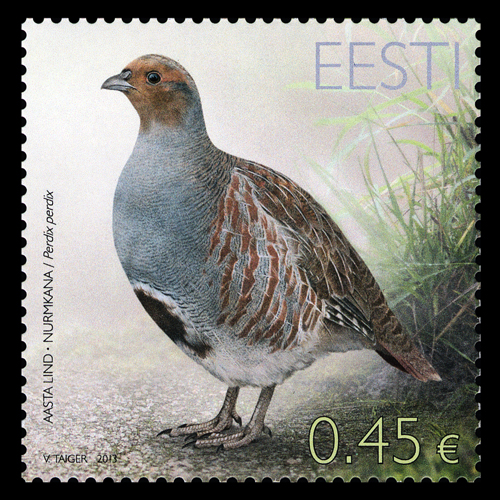
    The Grey Partridge (Perdix perdix) was once the most widespread and heavily exploited game bird in the UK; its historic fondness for grassy steppe habitats allowing it to adapt readily to cultivated ecosystems. Indeed, during the 18th and 19th century, aided by an increase in arable farming, land enclosure and widespread predator control the partridge population expanded considerably. So much so that between 1870 and 1930, upwards of two million Grey Partridge were shot in the UK each year. The latter representing a number that may, at first, sound unsustainable but one that had little impact on the overall population of P.perdix at the time- a testament to the health of the UK population in the last century. Like many farmland bird species, the Grey Partridge has not fared well in modern times – the population high prior to 1930 now, sadly, a thing of the past. This species has declined across the length and breadth of Europe, showing a decrease in population size ranging from 1% to 80% between 1990 and 2000 with the UK showcasing one of the most pronounced downward trends. The decline of P.perdix appears to have taken place in three distinct stages; a stable period characterized by high hunting bags, often 100 partridge per square kilometer between 1793 and 1950 followed by a rapid decline between 1950 and 1970. The latter made apparent by a sharp decrease in the size of hunting bags. The third and final stage, from 1970 until the present day, shows a slower, gradual decline in partridge numbers across much of the UK. For once, the reasons for this decline appear clear and much research has been carried out on the subject, some of which I will attempt to summarize here.

    The Initial Decline (1950-1970)

    The initial population crash, the one that took place in the UK between 1950-70 has been largely attributed to a rapid decrease in chick survival rate – something observed right across Europe during the first years of partridge decline. This apparent increase in mortality coincided with an increase in the use of pesticides to prevent agricultural crop damage, among these; herbicides, insecticides and fungicides. Whereas prior to 1950 only 7% of crops were sprayed in this manner, by 1965 more than 90% were exposed to pesticides – coinciding perfectly with the drop in partridge numbers. Such chemicals may affect birds in a number of ways, firstly through direct poisoning of the partridge themselves though little evidence exists to support this theory and instead the indirect implications of pesticide use are thought to have played a bigger role. Such pesticides have been shown to directly affect adult partridge through the removal of preferred food sources, among these; chickweed and black bindweed, and the removal of insect prey on which partridge chicks depend. A number of studies have found a direct link between pesticide use and chick food availability – supporting the conclusions of Potts and others. As it stands, pesticides and their associated impact on the food chain in farmland ecosystems may well be the driving factor behind the decline of the Grey Partridge in the UK.

    Habitat loss is also cited as a major factor in the pre-1970 decline of Grey Partridge in the UK. During these initial crashes, habitat quality in agricultural ecosystems began to deteriorate; hedgerows and unmanaged areas largely removed as farming practices intensified. This removed vital breeding habitat for Grey Partridge who depend on such cover for protection from predators. Of course, the removal of such habitats also removed yet another valuable food source and thus can be closely linked with previous talk of chick mortality. In short, the way we managed our farmland prior to 1970 was irrefutably to blame for the decline of P.perdix. But what about post-1970?

    The Continued Decline (1970-present)

    Whereas pesticides and habitat alteration and the resulting decrease in chick survival rate were surely to blame for declines prior to 1970, studies have shown these are not responsible for the continued decline in modern times. Instead it is believed that a decline in nesting success is to blame for this sustained downward trend, increased predation to blame for a rise in both the mortality of incubating hens and the eggs themselves. This increase coinciding with a decrease in gamekeeping operations and thus, predator control since the 1970s – the resurgence of corvids, mustelids and foxes likely limiting partridge breeding success in many areas. It therefore stands to reason that Grey Partridge do indeed benefit from gamekeeping operations and the subsequent predator control that takes place – something not to dissimilar to the situation with breeding waders on driven grouse shoots. One study in particular showed a 3.5 fold increase in Partridge numbers on a site where predators where intensively managed – concluding that control of natural predators is a viable conservation tool alongside habitat restoration and reduced pesticide use.

    Whereas the game shooting industry does have to potential to benefit P.perix it should be noted that shooting operations may also have factored into the decline of the species. The release of both Ring-Necked Pheasant and Red-Legged Partridge – now a very common practice – can be detrimental to partridge stocks. Pheasants and Grey Partridge share a common parasite, the caecal nematode, which while having little effect on pheasants has been shown to reduce the body condition of partridge -likely resulting in reduced breeding success. The continued release of these two species also leads to many wild Grey Partridge getting caught up in shooting drives and can lead to unsustainable levels of adult mortality. As a result of this, partridge declines have been more pronounced on estates that rear and release these species. Finally, shooting has in fact lead to the localized extinction of many Grey Partridge populations and threatens many more. It should be noted however, that banning the shooting of Grey Partridge could be counter productive and may not actually help halt the decline. The impacts of shooting and the benefits of predator control balancing each other out somewhat in certain locations.
    Source:
    James Common on 4th April 2016 in Bird Conservation, Ecology
    https://www.conservationjobs.co.uk/articles/the-historic-decline-of-the-grey-partridge-perdix-perdix/

  • Pestizide töten Vögel

    Pestizide töten Vögel

    Sie sind nicht das Ziel der landwirtschaftlichen Spritzmittelausbringungen, trotzdem leiden auch Wildvögel unter den Auswirkungen des Gifteinsatzes. Quasi ein Kollateralschaden im Kampf gegen Pflanzenschädlinge. Ackerbauliche Flächen werden in Deutschland größtenteils als Monokulturen betrieben. Hektargroße Flächen, auf denen nur eine einzige Pflanzenart wächst. Aber so schön fürs Auge auch – beispielsweise – die riesigen Rapsfelder sind, diese Monokulturen sind sehr anfällig für Schädlinge. Damit die Pflanzen trotzdem ungestört gedeihen, werden auf den Flächen mehrfach im Jahr Pestizide versprüht: Insektizide gegen Fraßschädlinge (wie Insekten), Herbizide gegen Unkraut, Fungizide gegen Pilzbefall. Mehr als 90 Prozent der deutschen Ackerbauern arbeiten so. Die Spritzmittel sind effektiv – sehr effektiv. Peter Berthold, früherer Direktor der Vogelwarte Radolfzell am Bodensee, erinnert sich: “Wenn man früher im Auto gefahren ist, vor allem in warmen Nächten, dann hat man so viele Insekteneinschläge gehabt, dass man mehrfach in der Nacht an eine Tankstelle musste. Nicht um zu tanken, sondern um die Windschutzscheibe zu reinigen.” Heute hingegen sehe er immer weniger Insekten. Doch diese Insekten sind eine der Hauptnahrungsquellen der meisten Vögel.

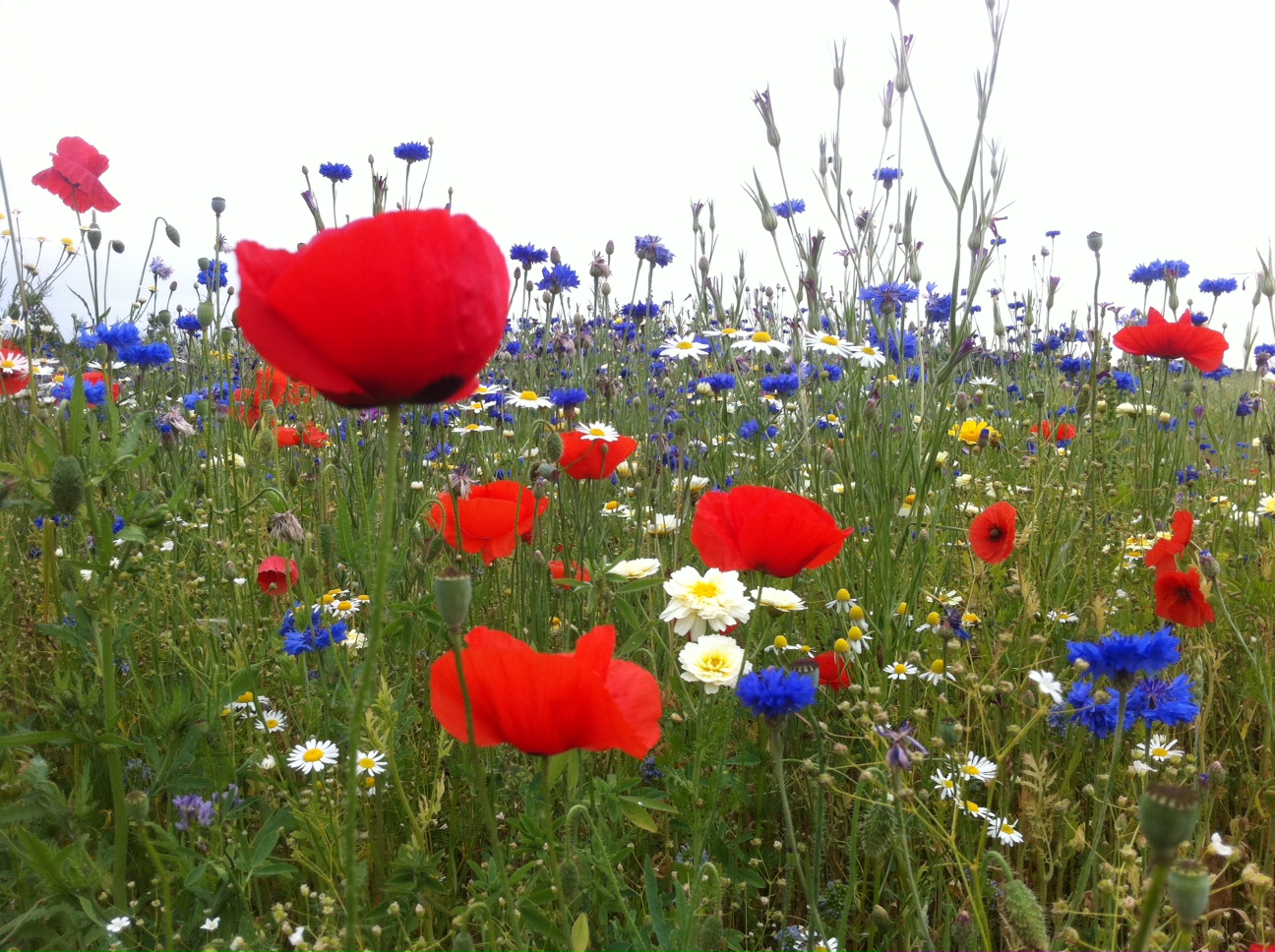
    Ebenso Wildkräuter, die durch den konsequenten Einsatz von Herbiziden aus den Äckern und deren Umfeld fast vollständig verschwunden sind. “Die Spritzmittel vernichten beispielsweise im Weizenfeld alle zweikeimblättrigen Pflanzen”, erläutert Berthold, “also die Mohnblumen, die Kornblumen, die Kornraden, die Stiefmütterchen und ungefähr 200 weitere Arten. Und die haben alle früher Samen gebildet, sodass allein in den Weizenfeldern in den 1950er-Jahren noch bis zu einer Million Tonnen Sämereien von diesen Wildkräutern produziert worden sind.” Samen, die ebenfalls eine wichtige Nahrungsquelle für viele Vogelarten waren.

    Das mangelnde Futterangebot wirkt sich in einem drastischen Rückgang der Wildvogelpopulationen aus. Einer Studie britischer Forscher aus dem Jahr 2014 zufolge hat die Zahl der Vögel in Europa in den vergangenen 30 Jahren um mehr als 420 Millionen abgenommen.

    Quelle: ARD (NDR), 14.04.16
    http://www.daserste.de/information/wissen-kultur/w-wie-wissen/singvoegel-102.html

  • Zwei Angehörige der Chemie-Industrie unter den Experten des Hauptberichts zum Thema Blütenbestäubung

    Zwei Angehörige der Chemie-Industrie unter den Experten des Hauptberichts zum Thema Blütenbestäubung

    Es hat den Anschein, als ob Wissenschaftler aus der Kohle-Industrie die Federführung für einige Kapitel des jüngsten Berichts des Weltklimarates (IPCC) übernommen hatten… Nicht einmal vier Jahre nach seiner Gründung und während seines 4. Plenums, welches vom 22. bis 28. Februar in Kuala Lumpur (Malaysia) stattfindet, sieht sich auch der Welt-biodiversitätsrat, kurz IPBES (Intergovernmental Panel on Biodiversity and Ecosystem Services / Zwischen-staatliches Gremium zur wissenschaftlichen Politikberatung zu den Themen biologische Vielfalt und Ökosystemleistungen) mit einem solchen Verdacht von Seiten der wissenschaftlichen Gemeinschaft konfrontiert.

    Im Jahr 2012 unter dem Dach der Vereinten Nationen und in Anlehnung an den Weltklimarat (IPCC) gegründet, ist das IPBES-Gremium dabei, seinen Bericht zum Thema Blüten-bestäubung zum Abschluss zu bringen und zu verabschieden. Für zwei der wichtigsten Kapitel sind jedoch auch Wissenschaftler verantwortlich, die für BAYER und SYNGENTA, den beiden größten Herstellern von Insektiziden, den sogenannten Neonikotinoiden, tätig sind. Diese Insektizide stehen unter dringendem Verdacht, für das Sterben von Bienen, Hummeln, Schmetterlingen etc. verantwortlich zu sein. Dieser erste IPBES-Bericht ist jedoch von grundlegender Beeutung: Wie auch die Berichte des Weltklimarates zum Klimawandel soll er als Grundlage für politisches Handeln im Hinblick auf den Schutz von Blütenbestäubern dienen.

    Einige Tage vor Beginn des Plenumstreffens in Kuala Lumpur protestierten Mitglieder der wissenschaftlichen Gemeinschaft beim IPBES-Sekretariat und wiesen auf Interessens-konflikte innerhalb der von diesem Gremium ins Leben gerufenen Arbeitsgruppe hin. In einem an die französische Biologin Anne Larigauderie, Leiterin des IPBES-Sekretariats, gerichteten Brief, welcher dieser Zeitung vorliegt, äußert Klaus-Werner Wenzel, Medizinprofessor am Universitätsklinikum Charité in Berlin, dass er „schockiert von einem offensichtlichen Interessenskonflikt bei Mitgliedern einer wichtigen Expertengruppe“ sei.
    „Allseits bekanntes Problem“
    Der deutsche Professor nennt Christian Maus, ein Hauptautor (lead author) des Kapitels über die „Biologische Vielfalt von Blütenbestäubern“, der bei BAYER in Lohn steht, sowie Helen Thompson, Autorin in dem Kapitels zu den “Ursachen des Bestäuber-Sterbens” welche im Namen der britischen Food and Environment Research Agency (FERA) eine Bewertung der Risiken von Pestiziden erstellt hatte, und dann Anstellte bei SYNGENTA geworden ist.

    Laut einem auf das Thema Bestäubung spezialisierten französischen Forscher, der nicht in die Arbeit des IPBES involviert ist, existiert „ein allseits erkanntes Problem, welches seit dem ersten diesbezüglichen Appel in der Zeitschrift NATURE noch nicht von IPBES gelöst wurde.“ Bereits im Dezember 2014 veröffentlichten drei Forscher – Axel Hochkirch (Universität Trier, Deutschland), Philip McGowan (Newcastle University, Großbritannien) und Jeroen van der Sluijs (Universität Bergen, Norwegen) – einen Artikel in jener Wissenschaftszeitschrift, in darauf hingewiesen wurde, dass „sich zwei Vertreter der agrochemischen Industrie unter den Verfassern des IPBES-Berichts zum Thema Bestäubung befinden”, allerdings ohne deren Identitäten offen zu legen.

    „Um seine Glaubwürdigkeit nicht zu verlieren, muss der Weltbiodiversitätsrat IPBES von all seinen Experten die Offenlegung ihrer gesamten Finanzquellen, ihrer Tätigkeiten und anderer potentieller Interessenskonflikte verlangen“ forderten die drei Forscher. „In Anbetracht der Rolle, die die Agrochemie beim Thema Bestäuber-Sterben spielt, sind wir der Meinung, dass Wissenschaftler, die von Unternehmen aus diesem Bereich finanziert werden, weder Haupt- noch Mitautoren von Kapiteln eines solchen Bewertungsberichts sein sollten.“ An gleicher Stelle hatte das IPBES-Sekretariat einige Wochen darauf geantwortet, dass „die Wissenschaftler der [betroffenen] Agrochemie-Unternehmen aufgrund ihrer Fähigkeit, einen objektiven Beitrag als unabhängige Wissenschaftler zu leisten, ausgewählt worden waren.“
    Ein Fragebogen zur Offenlegung von Interessen und Bindungen
    Hierauf angesprochen äußerte Frau Thompson, dass die Frage nach ihrer Mitarbeit am Bericht zum Thema Blütenbestäubung eher dem Weltbiodiversitätsrat gestellt werden müsse: „Denn IPBES hat mich um meine Mitwirkung gebeten und war dabei voll über meinen Status als von der Industrie angestellte Wissenschaftlerin informiert“, so ihre Aussage. Der Vizepräsident von IPBES , Robert Watson, beschwichtigt, dass „lediglich zwei von fast 80 Forschern, die an diesem Bericht mitwirkten, für die Industrie arbeiteten“.

    Nach uns vorliegenden Informationen gibt es jedoch auch bei anderen Autoren aus Universitäten oder bei Mitgliedern öffentlicher Forschungsinstitutionen Interessenskonflikte mit Agrochemie-Firmen. „Alle ausgewählten Experten müssen einen Fragebogen ausfüllen, in dem sie ihre Interessensbindungen offenzulegen haben“ sagt Robert Watson und fügt hinzu, dass diese Erklärungen durchweg nicht der Öffentlichkeit zugängig gemacht werden.

    Außerdem meint Watson, dass die Gestaltung des Berichts auf Verlangen der Mitglieds-staaten unbeteiligten Wissenschaftlern vorgelegt worden war. Für ihn scheint die Sache somit in Ordnung zu sein. Zwei von Le Monde befragte Wissenschaftler, die an der Abfassung des Berichts mitgewirkt haben, teilen diesen Optimismus jedoch nicht. Beide sprechen von „verwunderlichen“ Abschnitten in der ihnen vorgelegten vorläufigen Fassung des Berichts. „Selbstverständlich können wir Kommentare abgeben, jedoch zu einem bereits fertigen Text“, sagt einer der beiden. „Zum Beispiel wird die Beweiskraft in einigen Passagen einfach von der Anzahl der veröffentlichten Studien abgeleitet, ohne der Qualität dieser Studien und der Art und Weise Rechnung zu tragen, wie sich der gegenwärtige Kenntnisstand entwickelt hat,.”
    „Weitreichende Auswirkungen“
    Wie werden die Experten des Weltbiodiversitätsrats ausgewählt? Im Dezember 2014 kritisierten Axel Hochkirch und seine Mitautoren in ihrem von NATURE veröffentlichten Artikel „das Fehlen expliziter Regeln bei der Ernennung und Auswahl der Experten“. Die Forscher werden von den Mitgliedsstaaten und den „Interessensgruppen“ namentlich vorgeschlagen. Dann entscheidet das Multidisziplinäre Expertengremium (MEP), eines der zentralen IPBES-Organe, wer an dem Gutachten mitwirken soll.

    Aktuell hat sich der Konflikt nicht zuletzt deshalb ausgeweitet, weil Frau Thompson kürzlich zu einer lebhaften Debatte in der Presse jenseits des Ärmelkanals beigetragen hatte. Im Jahr 2013 hatte sie als Angestellte der britischen Regierung eine Studie angefertigt, welche suggerierte, dass Neonikotinoid-haltige Pestizide für Hummeln kein Risiko darstellen. Diese Studie wurde nie formell veröffentlicht, jedoch wurde sie von Großbritannien dazu benutzt, um bei der E.U. in Brüssel jegliche Restriktionen gegen diese Substanzen zu bekämpfen. Der Biologe Dave Goulson (University of Sussex) hat im Frühjahr 2015 in der Zeitschrift PEERJ eine Reanalyse der Grunddaten dieses Experiments veröffentlicht, welche das Gegenteil nämlich “schwerwiegende Auswirkungen“ von Neonikotinoid-haltigen Pestiziden auf Hummeln belegte… Dieser Reanalyse ist nicht widersprochen worden.

    In solche Kontroversen war der bei BAYER arbeitende und von der IPBES ausgewählte Herr Maus zwar nicht verwickelt, aber als einer der Hauptautoren des Kapitels “über die biologische Vielfalt von Blütenbestäubern” hat er niemals zuvor Arbeiten zu diesem Thema veröffentlicht.

    Quelle:
    LE MONDE | 23.02.2016 um 11:42 Uhr • Aktualisiert am 23.02.2016 um 15:24 Uhr |
    Von Stéphane Foucart
  • PvdA wil dat provincie Zuid-Holland kijkt naar het risico van bloemrijke akkerranden

    PvdA wil dat provincie Zuid-Holland kijkt naar het risico van bloemrijke akkerranden

    De PvdA in Zuid-Holland vraagt de provincie goed te kijken naar subsidievoorwaarden op bloemrijke akkerranden. Recent onderzoek van de Universiteit van Sussex duidt op de vondst van bestrijdingsmiddelen in stuifmeel van wilde bloemen. Dat levert een onbedoeld risico op voor bestuivers. Deze bijengevoelige stoffen bevinden zich in de bodem onder akkerranden, door eerder gebruik van gecoat zaad van hoofdteelten. De PvdA wil gecoat bloemenzaad verbieden. Ook vraagt de PvdA om onderzoek naar de effecten van bloemrijke akkerranden op biodiversiteit en natuur in Nederland. Grote delen van Zuid-Holland zijn verontreinigd geraakt met het insecticide imidacloprid, dat via de wortels van wilde bloemen wordt opgenomen waardoor het stuifmeel giftig wordt voor bestuivende insecten.
    Gebruikte bron: Groente en Fruit, 12 april 2016
    http://www.gfactueel.nl/Home/Nieuws/2016/4/PvdA-wil-dat-provincie-kijkt-naar-risico-bloemrijke-akkerrand-2788597W/

  • Parkinson’s ‘cluster’ in a farming region of north-west Victoria prompts calls for further pesticide research

    Parkinson’s ‘cluster’ in a farming region of north-west Victoria prompts calls for further pesticide research

    Australia’s federal pesticide regulator has backed calls from researchers for further study into a potential link between the use of pesticides and increased risk of Parkinson’s disease. Australian Pesticides and Veterinary Medicines Authority (APVMA) spokeswoman Dr Raj Bhula told SBS the organisation believed further research was justified, but said there was not any: “clear-cut evidence that links the two together”. The call comes following the discovery of a Parkinson’s disease cluster in a barley, chickpea and lentil farming region of north-west Victoria. Researchers from Monash University and the Florey Institute of Neuroscience and Mental Health found elevated rates of the disease in four neighbouring council areas. In Buloke, the prevalence was 78 per cent higher than the Victorian average. It was 76 per cent higher in Horsham, 57 per cent higher in Northern Grampians and 34 per cent higher in Yarriambiack. The study’s co-author Darshini Ayton says the results came as a surprise. “We were quite shocked that this cluster existed … we didn’t expect to find a cluster of four LGAs neighbouring each other with significantly higher rates of Parkinson’s disease,” she said.
    The research team cross-referenced data on Parkinson’s drug consumption in each council area, controlling for age, with Bureau of Statistics data on agricultural output. Ms Ayton said the research did not prove pesticides used in pulse production caused Parkinson’s disease, but did suggest a correlation.
    Source: SBS, 11 April 2016
    http://www.sbs.com.au/news/article/2016/04/11/parkinsons-cluster-prompts-calls-further-pesticide-research

  • Canberra’s scarlet robin may be facing extinction within 30 years

    Canberra’s scarlet robin may be facing extinction within 30 years

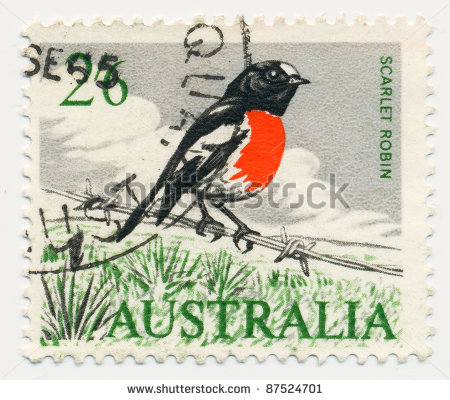
    Canberra’s iconic scarlet robin (Petroica boodang) is at risk of extinction if action is not taken. The tiny insect-feeding, shrub-dwelling bird was listed as vulnerable in the ACT last year. But Dr Annie Lane, ACT conservator for flora and fauna, said the population had continued to decline. “It’s a steady decline and if we don’t arrest that decline, in 30 years we may not be seeing that species any longer,” she told ABC Canberra. “That’s an alarming thought.” They were once a common sight, but loss and degradation of woodland and dry eucalypt forest habitats have impacted their foraging and breeding. Dr Lane said nest predation was also a problem. “Particularly the pied currawong; this bird does cause an impact on the reproductive success of this species,” she said. “Noisy minors are very aggressive birds as well.” Dr Lane said Canberrans, particularly those living near nature reserves, could help the robin by providing more ground cover and shrubbery in their gardens. “Not just for their nesting but also for their foraging,” she said. “Ground vegetation encourages the insects, the bugs [that the robins eat].” The ACT Government has launched a draft action plan to stop the scarlet robin’s decline and support a wild breeding population. “We’re calling on the community to help us with observations of this species,” Dr Lane said. “So we understand better when they actually leave low altitudes and when they leave high altitudes; where are their main foraging habitats and where are their critical nesting sites as well.”
    Source: ABC Canberra, April 7, 2016
    http://www.abc.net.au/news/2016-04-07/scarlet-robin-facing-extinction-in-canberra/7306650

  • De ontwrichting van het ecosysteem door systemische insecticiden brengt duurzame landbouw in gevaar

    De ontwrichting van het ecosysteem door systemische insecticiden brengt duurzame landbouw in gevaar

    Na een decennium van intensief onderzoek naar bijensterfte, krijgen we duidelijkheid over het ooit onscherpe beeld van de rol die parasieten, pathogenen, pesticiden, gebrek aan voedsel, en anderen stressoren speelden in de problematiek. Enerzijds is het duidelijk dat al deze factoren bijdragen bij aan de waargenomen problemen. Aan de andere kant is het nu ook duidelijk geworden dat de neonicotinoïden (en insecticiden zoals fipronil en misschien andere die nog niet zijn geïdentificeerd) een cruciale bevorderende rol spelen bij de ziekteverwekkers en parasitaire infecties die tot bijenvolksterfte leiden. Met andere woorden, deze systemische insecticiden zijn de uiteindelijke oorzaak van de complexe aantasting van de gezondheid van honingbijen. Omdat de cascade van effecten die door neonicotinoïden op gang worden gebracht via onomkeerbare biologische processen verlopen die niet met het blote oog waarneembaar zijn tot intrede van de dood (door ziekten), heeft het een lange tijd geduurd om de mechanismen te ontrafelen die betrokken zijn bij chronische vergiftiging met deze insecticiden. Wat met honingbijen en hommels gebeurt kan echter ook gebeuren met andere bestuivers zoals onze vlinders en zweefvliegen, en waarschijnlijk ook met roofinsecten en sluipwespen, aangezien ze allemaal worden blootgesteld aan subletale doses van neonicotinoïden in het cultuurlandschap. De impact die deze systemische insecticiden hebben op het ecosysteem, dat gedragen wordt door talrijke insectensoorten, kan de duurzaamheid van onze agrarische productie dus in gevaar brengen.
    Bron:
    Francisco Sánchez-Bayo & Nicolas Desneux (2015) Neonicotinoids and the prevalence of parasites and disease in bees, Bee World, 92:2, 34-40

  • Maryland is de eerste Amerikaanse staat die neonicotinoiden verbiedt, andere staten zullen volgen

    Maryland is de eerste Amerikaanse staat die neonicotinoiden verbiedt, andere staten zullen volgen

    De Amerikaanse staat Maryland is de eerste van de Verenigde Staten die de voor bijen en andere insecten gevaarlijke en dodelijke stof neonicotinoïden gaat verbieden. Gouverneur Larry Hogan zal naar verwachting nog in april zijn handtekening zetten onder nieuwe wetgeving die in 2018 in werking zal treden. Met de nieuwe wetgeving kunnen enkel nog boeren en professionele ongediertebestrijders nog de schadelijke pesticide verkrijgen en in veel beperktere mate. Thans zijn de schadelijke pesticiden ook gewoon over de toonbank verkrijgbaar voor particulieren. Het verbod op verkoop aan particulieren is naar verwachting van bijendeskundigen een grote stap in de bescherming van de bedreigde bijenpopulatie. Deze voeden zich namelijk vooral in de tuinen van particulieren die deze helaas voor de bijen rijkelijk besproeien met giftige en dodelijke pesticiden. Het verbod geldt overigens niet alleen voor de verkoop van de pesticiden, maar ook voor planten die gekweekt zijn van zaden die neonicotinoiden bevatten. Ook deze planten zijn namelijk schadelijk voor insecten en bijen. Naast Maryland zijn nog 12 andere Amerikaanse staten doende wetgeving te maken en te implementeren ter bescherming van de bijen.
    Bron: Piep Vandaag, 6 april 2016
    https://www.piepvandaag.nl/maryland-neonicotinoiden-verbiedt/