Auteur: Henk Tennekes

  • Kommission legt wissenschaftliche Kriterien für die Bestimmung endokriner Disruptoren vor

    Kommission legt wissenschaftliche Kriterien für die Bestimmung endokriner Disruptoren vor

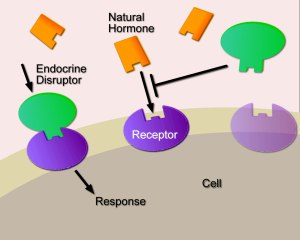
    Die Europäische Kommission hat jetzt Kriterien zur Bestimmung endokriner Disruptoren im Zusammenhang mit Pflanzenschutzmitteln und Biozidprodukten vorgelegt. Die Kommission schlägt dem Europäischen Parlament und dem Rat vor, bei der Identifizierung von endokrinen Disruptoren einen soliden wissenschaftsgestützten Ansatz zugrunde zu legen und der Definition der WHO zu folgen. Endokrine Disruptoren sind – sowohl natürlich vorkommende als auch chemische – Stoffe, die die Funktion des Hormonsystems stören und dadurch schädigende Wirkung bei Menschen oder Tieren hervorrufen können. Die Kommission stellt heute Entwürfe für zwei Rechtsakte vor, in denen wissenschaftliche Kriterien festgelegt sind, die in den Bereichen Pflanzenschutzmittel und Biozide eine genauere Identifizierung chemischer Stoffe ermöglichen, bei denen es sich um endokrine Disruptoren handelt.

    Das heute vorgelegte Paket umfasst:
    – eine Mitteilung, die einen Überblick über den komplexen wissenschaftlichen und rechtlichen Kontext liefert,
    – einen Folgenabschätzungsbericht, in dem der Stand der Wissenschaft in Bezug auf verschiedene Kriterien zur Identifizierung endokriner Disruptoren sowie mögliche Auswirkungen dargestellt werden
    – und Entwürfe für zwei Rechtsakte – einen, der sich auf die Vorschriften über Biozidprodukte bezieht, und einen, der die Vorschriften über Pflanzenschutzmittel betrifft –, in denen die Kriterien zur Bestimmung endokriner Disruptoren aufgeführt sind.

    Der Präsident der Europäischen Kommission, Jean-Claude Juncker, erklärte dazu:
    „Endokrine Disruptoren können schwerwiegende Auswirkungen auf Gesundheit und Umwelt haben und wenngleich viele Stoffe, die sie enthalten, aufgrund der geltenden Vorschriften über Pestizide und Biozide bereits verboten sind, müssen wir wachsam bleiben. Die Kommission ist entschlossen, das höchstmögliche Schutzniveau sowohl für die menschliche Gesundheit als auch für die Umwelt sicherzustellen. Deshalb legen wir heute strenge – auf wissenschaftliche Daten gestützte – Kriterien für endokrine Disruptoren vor, die das EU-Rechtssystem zum weltweit ersten machen, in dem solche wissenschaftlichen Kriterien rechtlich verankert sind.“

    Der für Arbeitsplätze, Wachstum, Investitionen und Wettbewerbsfähigkeit zuständige Vizepräsident Jyrki Katainen sagte: „Die heute vorgestellten wissenschaftlichen Kriterien für endokrine Disruptoren werden dazu beitragen, die Exposition gegenüber endokrinen Disruptoren zu minimieren und sie werden helfen, Rechtssicherheit zu schaffen. In der heute veröffentlichten Mitteilung wird erläutert, welche Faktoren wir in diesem Prozess geprüft haben. Sie beschreibt, was für die Festlegung der wissenschaftlichen Kriterien relevant ist, und stellt dar, welche Implikationen die Festlegung dieser Kriterien hat – für die beiden unmittelbar betroffenen Rechtsake und für EU-Rechtsvorschriften und Aktivitäten in anderen Bereichen.

    Der für Gesundheit und Lebensmittelsicherheit zuständige EU-Kommissar Vytenis Andriukaitis erläuterte: „Die wissenschaftlichen Kriterien, die die Kommission heute vorlegt, garantieren, dass das hohe Schutzniveau für die menschliche Gesundheit und die Umwelt, das in unseren Vorschriften über Pflanzenschutzmittel und Biozidprodukte verankert ist, aufrechterhalten wird. Die EU-Vorschriften über Pflanzenschutzmittel und Biozide zählen aufgrund der Zulassungspflicht, der umfassenden Datenanforderungen und des gefahrenbasierten Ansatzes bei der Bewertung zu den strengsten weltweit. Die Kommission bekräftigt heute, dass sie entschlossen ist, die Gesundheit der Menschen in der Europäischen Union zu schützen.“

    Die von der Kommission vorgeschlagenen wissenschaftlichen Kriterien stützen sich auf die Definition endokriner Disruptoren durch die Weltgesundheitsorganisation (WHO), über die ein breiter Konsens besteht.

    Die WHO definiert einen Stoff als endokrinen Disruptor, wenn
    – er schädigende Wirkung für die menschliche Gesundheit hat,
    – er eine endokrine Wirkungsweise aufweist
    – und wenn eine Kausalbeziehung zwischen der schädigenden Wirkung und der endokrinen Wirkungsweise besteht.

    In den vorgelegten Kriterien ist auch festgehalten, wie die Bestimmung eines endokrinen Disruptors erfolgen sollte, nämlich
    – unter Heranziehung aller relevanten wissenschaftlichen Erkenntnisse,
    – mit einer Gewichtung der Erkenntnisse nach ihrer Beweiskraft („Weight-of-evidence“-Ansatz)
    – und mit einer robusten systematischen Überprüfung.

    Die Mitteilung der Kommission zu den beiden Rechtsakten liefert einen Überblick über den komplexen wissenschaftlichen und rechtlichen Kontext und beschreibt, wie in den letzten Jahren ein wissenschaftlicher Konsens über die Definition endokriner Disruptoren gewachsen ist. All das hat die Kommission bei ihrer Entscheidung berücksichtigt. Neben den Kriterien werden in der Mitteilung eine Reihe von Maßnahmen aufgeführt, die die Kommission intensivieren wird, um die Exposition gegenüber endokrinen Disruptoren kurzfristig (Forschung und internationale Zusammenarbeit), mittelfristig (Testverfahren) und langfristig (Rechtsetzung) auf ein Minimum zu senken.

    Um rasches Handeln zu gewährleisten, wird die Kommission zudem heute die Europäische Behörde für Lebensmittelsicherheit und die Europäische Chemikalienagentur bitten, dass sie beginnen zu prüfen, ob einzelne zugelassene Stoffe, bei denen es Indizien dafür gibt, dass sie endokrine Disruptoren sind, nach den heute vorgelegten Kriterien als endokrine Disruptoren identifiziert werden können. Das wird auch dazu beitragen, die beiden Agenturen in die Lage zu versetzen, die heute von der Kommission vorgestellten Kriterien gemäß den geltenden gesetzlichen Verfahren anzuwenden, sobald sie in Kraft sind. Die beiden im Entwurf vorgelegten Rechtsakte, in denen die Kriterien festgelegt sind, müssen nun von der Kommission nach den vorgeschriebenen Verfahren verabschiedet werden. Nach der Verordnung über Pflanzenschutzmittel werden die Mitgliedstaaten über den Entwurf des Rechtsaktes, in dem die Kriterien festgelegt sind, abstimmen. Der Entwurf des Rechtsaktes zu Biozidprodukten wird entsprechend der Biozid-Verordnung vor der Verabschiedung durch die Kommission in einer Gruppe von Sachverständigen der Mitgliedstaaten erörtert.

    An beiden Verfahren sind das Europäische Parlament und der Rat beteiligt. Um die Kohärenz der beiden Rechtsakte zu gewährleisten, legt die Kommission dem Europäischen Parlament und dem Rat zwecks Wahrnehmung ihrer Funktionen die beiden Texte parallel vor.

    Die Kommission schlägt auch vor, die Ausnahmegründe in der Verordnung über Pflanzenschutzmittel anzupassen, um den jüngsten wissenschaftlichen Erkenntnissen Rechnung zu tragen. Der „gefahrenbasierte“ Ansatz der Pflanzenschutzverordnung wird aufrechterhalten, was bedeutet, dass Stoffe aufgrund der Gefährlichkeit verboten werden, ohne Berücksichtigung der Exposition. Die Gründe für mögliche Ausnahmen sind indessen angepasst worden, sodass sie sich auf wissenschaftliche Daten stützen und die verfügbaren wissenschaftlichen Erkenntnisse, einschließlich Daten über Exposition und Risiko, bestmöglich genutzt werden.
    Quelle:
    GABOT, 16.06.2016
    http://www.gabot.de/index.php/News-Details/52/0/?&tx_ttnews%5Btt_news%5D=250088&cHash=c8a0c6151e23aa901f597dfcb2ef12d3
  • Wave of criticism greets endocrine disruptor criteria

    Wave of criticism greets endocrine disruptor criteria

    Industry association PlasticsEurope has joined MEPs, health campaigners and other industry groups in criticising long-overdue criteria to define endocrine disrupting chemicals (EDCs) which the European Commission published this week. While the comments themselves differed, there was agreement that the criteria, required to determine what substances should be banned as hormone-shifting endocrine disruptors under European Union biocides and pesticides regulations, were not in line with the legislation. The criteria, which were revealed in two draft regulatory acts, are based on the World Health Organisation’s (WHO) definition of EDCs so – much to industry’s dismay – do not include potency as a deciding factor. But, unlike the WHO definition, the criteria stipulate there must be an adverse effect on human health with a causal link to the endocrine mode of action, using a weight of evidence approach to assess biological plausibility.

    This brought criticism from MEPs and non-governmental organisations, which say most EDCs will slip through the net. Endocrine Society president Henry Kronenberg argued: “The European Commission has set the bar so high that it will be challenging for chemicals to meet the standard, even when there is scientific evidence of harm.”

    The European Parliament’s environment, public health and food safety committee, trounced the criteria on 16 June, with Dutch pro-animal rights MEP Anja Hazekamp calling them “a rather distorted definition of the World Health Organisation” and Italian socialist MEP Nicola Caputo stating that they were “a lot more rigid than the WHO definition”.

    EU health and food safety commissioner Vytenis Andriukaitis rejected accusations from MEPs at the 16 June meeting that the proposed criteria would shift EU biocides and pesticides regulation from a hazard to a risk based system. He stressed: “If a substance is identified as a hazard it will be banned unless derogations apply.”

    The proposed derogations based on negligible “risk” rather than “exposure” as in the two mother regulations similarly came under fire from MEPs, who accuse the Commission of trying to change the legislation unlawfully.

    Source: PRW Plastics & Rubber Weekly, 17 June 2016
    http://www.prw.com/article/20160617/PRW/160619864/wave-of-criticism-greets-endocrine-disruptor-criteria

  • Commission presents scientific criteria to identify endocrine disruptors in the pesticides and biocides areas

    Commission presents scientific criteria to identify endocrine disruptors in the pesticides and biocides areas

    Today the European Commission presents criteria to identify endocrine disruptors in the field of plant protection products and biocides. The Commission proposes to the Council and the European Parliament to adopt a strong science-based approach to the identification of endocrine disruptors and to endorse the WHO definition. Endocrine disruptors are substances, both natural and chemical, that can alter the functions of the hormonal system and consequently cause adverse effects on people or animals. Today, the European Commission presents two draft legal acts with scientific criteria that will allow for a more accurate identification of chemical substances which are endocrine disruptors, in the plant protection products and biocides areas.
    Today’s package includes:
    – A Communication providing an overview of the scientific and regulatory context;
    – an Impact Assessment Report which presents the state of science regarding different criteria to identify endocrine disruptors, and provides information on possible consequences;
    – and two draft legal acts – one under the Biocidal Products legislation, the other under the Plant Protection Products legislation – which set the criteria to identify endocrine disruptors.
    The President of the European Commission Jean-Claude Juncker said: “Endocrine disruptors can have serious health and environmental impacts and even if many substances containing them are already banned as a result of existing legislation on pesticides and biocides, we have to remain vigilant. The Commission is committed to ensuring the highest level of protection of both human health and the environment, which is why we are today putting forward strict criteria for endocrine disrupters – based on science – making the EU regulatory system the first worldwide to define such scientific criteria in legislation.”
    The Vice-President for Jobs, Growth, Investment and Competitiveness Jyrki Katainen declared: “The scientific criteria for endocrine disruptors presented today will contribute to the objectives of minimising exposure to endocrine disruptors and to bringing legal certainty. Today’s Communication outlines the issues we have considered in this process, it defines the scope of what is relevant to determining the scientific criteria, and sets out the implications of setting these criteria – for the two pieces of legislation directly concerned and for other parts of the EU regulatory framework and actions.”
    Commissioner for Health and Food Safety, Vytenis Andriukaitis, said: “The scientific criteria that the Commission is presenting today guarantee that the high level of protection of human health and of the environment set in our legislation on plant protection and biocidal products is maintained. The plant protection products and biocides’ legislation are among the strictest in the world because of their prior approval system, their extensive data requirements, and their hazard approach for decision making. The Commission reinforces today its commitment to protect health of people in European Union.”
    The scientific criteria endorsed by the Commission today are based on the World Health Organisation’s (WHO) definition of an endocrine disruptor, for which there is a wide consensus.
    The WHO defines a substance as an endocrine disruptor if:
    – it has an adverse effect on human health;
    – it has an endocrine mode of action;
    – and if there is a causal link between the adverse effect and the mode of action.
    The criteria endorsed today also specify how the identification of an endocrine disruptor should be carried out:
    – by making use of all relevant scientific evidence;
    – using a weight of an evidence-based approach;
    – and applying a robust systematic review.
    The Commission Communication which accompanies the two acts provides an overview of the complex scientific and regulatory context around endocrine disruptors and describes how a scientific consensus on the definition has grown over the last years, all of which has been taken into account by the Commission in arriving at its decision. Looking beyond the criteria, the Communication sets out a number of actions where the Commission will increase its efforts to minimise exposure to endocrine disruptors, in the short-term (research and international cooperation), mid-term (test methods) and long-term (regulatory).
    To ensure that swift action is taken, today the Commission is also asking the European Food Safety Authority and the European Chemicals Agency to begin looking at whether approved individual substances that show indications of being endocrine disruptors can be identified as endocrine disruptors according to the criteria in the draft texts presented today. This will also help to ensure that the two regulatory Agencies are ready to apply the criteria as presented today by the Commission, and in accordance with the applicable regulatory procedures, once the criteria enter into force.
    The two draft legal acts containing the criteria now need to be adopted by the Commission under the relevant procedures. In the context of the Plant Protection Products Regulation, the draft legal text specifying the criteria will be voted by Member States. In the context of the Biocidal Products Regulation, the draft measure will be discussed in a group of experts of Member States prior to adoption by the Commission.
    Both measures involve the European Parliament and the Council. In order to ensure coherence between the two acts, the Commission will present both texts simultaneously to the European Parliament and the Council for them to exercise their functions.
    The Commission is also proposing to adjust the ground for possible derogations under the plant protection products legislation in order to take into account the latest scientific knowledge. The ‘hazard-based’ approach of the Pesticides Regulation will be maintained, meaning that substances are banned on the basis of hazard without taking account of the exposure. However, the grounds for possible derogations have been adjusted so they are based on scientific knowledge and make the best use of available scientific evidence including information related to exposure and risk.

    Endocrine-disrupting chemical substances are substances that alter the functions of the hormonal system and consequently cause adverse effects to human health. As scientific awareness of endocrine disruptors grew, the Commission responded with a “Strategy for endocrine disruptors” in 1999.
    Under EU legislation on chemicals endocrine disruption is often considered specifically (Plant Protection Products, Biocidal Products, REACH, water quality legislation), or addressed through general risk assessment methodology, thus insuring a high level of protection for consumers and the environment.
    Many chemicals used in plant protection products or biocidal products have already been banned because of their adverse effects. This testifies to the EU’s commitment to protect citizens from risks resulting from unsafe chemical substances.
    Source: European Commission – Press release 15 June 2016
    http://europa.eu/rapid/press-release_IP-16-2152_en.htm

  • Native bees in an agricultural landscape in northeastern Colorado are exposed to multiple pesticides

    Native bees in an agricultural landscape in northeastern Colorado are exposed to multiple pesticides

    To determine the exposure of native bees to pesticides, bees were collected from an existing research area in northeastern Colorado in both grasslands (2013–2014) and wheat fields (2014). Traps were deployed bi-monthly during the summer at each land cover type and all bees, regardless of species, were composited as whole samples and analyzed for 136 current-use pesticides and degradates. This reconnaissance approach provides a sampling of all species and represents overall pesticide exposure (internal and external). Nineteen pesticides and degradates were detected in 54 composite samples collected. Compounds detected in > 2% of the samples included: insecticides thiamethoxam (46%), bifenthrin (28%), clothianidin (24%), chlorpyrifos (17%), imidacloprid (13%), fipronil desulfinyl (7%; degradate); fungicides azoxystrobin (17%), pyraclostrobin (11%), fluxapyroxad (9%), and propiconazole (9%); herbicides atrazine (19%) and metolachlor (9%). Concentrations ranged from 1 to 310 ng/g for individual pesticides. Pesticides were detected in samples collected from both grasslands and wheat fields; the location of the sample and the surrounding land cover at the 1000 m radius influenced the pesticides detected but because of a small number of temporally comparable samples, correlations between pesticide concentration and land cover were not significant. The results show native bees collected in an agricultural landscape are exposed to multiple pesticides.
    Source:
    M.L. Hladik et al. / Science of the Total Environment 542 (2016) 469–477

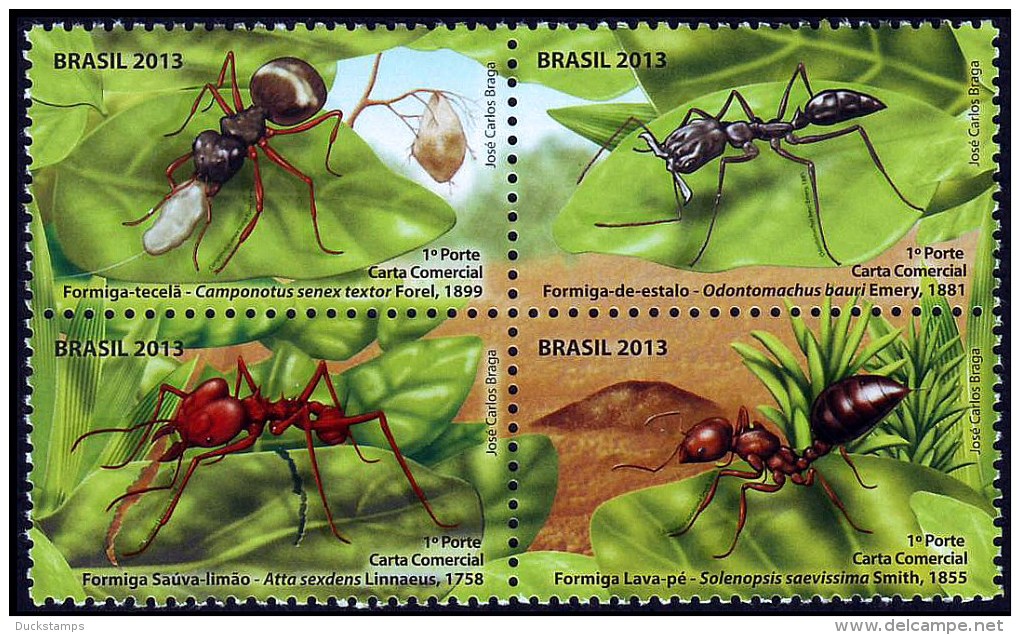
  • A sublethal imidacloprid concentration alters foraging and competition behaviour of ants

    A sublethal imidacloprid concentration alters foraging and competition behaviour of ants

    Neonicotinoid pesticides, such as the widely used compound imidacloprid, are suspected to impair cognitive capacity, behaviour, and fitness of a number of non-target species. We tested whether sublethal imidacloprid concentrations alter the foraging and aggression behaviour of two European ant species. Even though the nestmate-recruitment of Lasius niger was not affected by pesticide exposure, these ants required more time to become active and the number of foraging workers was lower than in sub-colonies not exposed to imidacloprid. In interspecific confrontations, imidacloprid increased the aggressiveness of a usually subordinate species (Lasius flavus) enormously (3.7-fold increase in average number of aggressive encounters), whereas they did not affect a subdominant species (L. niger) that severely (1.2-fold increase in average number of aggressive encounters). The high frequency of aggressive encounters of L. flavus vs. non-exposed L. niger workers, reduced their survival probability significantly down to 60 %. The observed behavioural alterations of the two ant species have the potential to impair their viability and co-occurrence with behaviourally dominate species due to a decreased exploitative competition and a reduced chance to locate and use resources before competitors. As competition is considered key in structuring ant communities, changes in aggressiveness are likely to alter established dominance hierarchies and thereby the dynamic and structure of ant communities.
    Source:
    Sarina Thiel, Heinz-R. Köhler. Ecotoxicology May 2016, Volume 25, Issue 4, pp 814-823
    First online: 27 February 2016
    http://link.springer.com/article/10.1007/s10646-016-1638-6

  • Exposure to neonicotinoids in early life may interfere with brain development

    Exposure to neonicotinoids in early life may interfere with brain development

    There is a growing concern that exposure to environmental chemicals in early life may interfere with brain development. In particular, neonicotinoid pesticides have drawn considerable attention. As a pesticide class, neonicotinoids are designed to overstimulate insect nicotinic acetylcholine receptors (nAChRs). These pesticides were previously thought to be relatively harmless to mammalian species because of their low binding affinities to mammalian nAChRs. However, recent in vivo and in vitro studies have reported that neonicotinoids possess sufficient binding affinity and agonistic potential for mammalian nAChRs to exert nicotine-like effects that are stronger than originally believed. Neonicotinoids such as acetamiprid, imidacloprid, and clothianidin can bind to the α4 and β2 subunits of mammalian nAChRs. The α4β2 nAChRs are present in various brain regions such as the amygdala, hypothalamus, substantia nigra, ventral tegmental area, raphe nuclei, hippocampus, and medial habenula, and regulate the development and functions of these regions. These brain regions are involved in the regulation of socio-sexual behaviors, anxiety, depression, memory, and learning . Therefore, perinatal exposure to neonicotinoids is thought to impair specific behaviors by affecting the formation of neuronal circuits, including circuits involving these areas.
    In the present study, we evaluated the developmental neurotoxicity of acetamiprid (ACE), one of the most widely used neonicotinoids, in C57BL/6J mice whose mothers were administered ACE via gavage at doses of either 0 mg/kg (control group), 1.0 mg/kg (low-dose group), or 10.0 mg/kg (high-dose group) from gestational day 6 to lactation day 21. The results of a battery of behavior tests for socio-sexual and anxiety-related behaviors, the numbers of vasopressin-immunoreactive cells in the paraventricular nucleus of the hypothalamus, and testosterone levels were used as endpoints. In addition, behavioral flexibility in mice was assessed in a group-housed environment using the IntelliCage, a fully automated mouse behavioral analysis system. In adult male mice exposed to ACE at both low and high doses, a significant reduction of anxiety level was found in the light-dark transition test. Males in the low-dose group also showed a significant increase in sexual and aggressive behaviors. In contrast, neither the anxiety levels nor the sexual behaviors of females were altered. No reductions in the testosterone level, the number of vasopressin-immunoreactive cells, or behavioral flexibility were detected in either sex. These results suggest the possibility that in utero and lactational ACE exposure interferes with the development of the neural circuits required for executing socio-sexual and anxiety-related behaviors in male mice specifically.
    Source:
    Sano K et al. Front. Neurosci., 03 June 2016 | http://dx.doi.org/10.3389/fnins.2016.00228
    http://journal.frontiersin.org/article/10.3389/fnins.2016.00228/full

  • Scherpe aantalsdaling onder karakteristieke broedvogels van het Drentse agrarische gebied

    Scherpe aantalsdaling onder karakteristieke broedvogels van het Drentse agrarische gebied

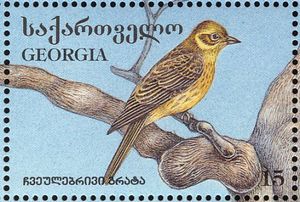
    Sinds 2009 worden er in Drenthe systematisch broedvogels in agrarische gebieden geteld, volgens de punttelmethode. Hiervoor is een meetnet van honderden telpunten neergelegd waarvan een steeds groter deel jaarlijks door vrijwilligers van Werkgroep Grauwe Kiekendief wordt geteld. Naast de tellingen door de vrijwilligers vindt elke drie jaar, in opdracht van provincie Drenthe, een herhalingstelling plaats op ongeveer 150 telpunten. Voor soorten als Fazant (Phasianus colchicus), Gele Kwikstaart (Motacilla flava), Geelgors (Emberiza citrinella) en Graspieper (Anthus pratensis) laten de resultaten van de punttellingen door de jaren heen voor het aantal broedparen een afname van betekenis zien. De Graspieper in het Drentse agrarisch gebied lijkt zelfs een vrije val te maken.
    Bron: Nature Today, 15-6-16
    https://www.naturetoday.com/intl/nl/nature-reports/message/?msg=22779

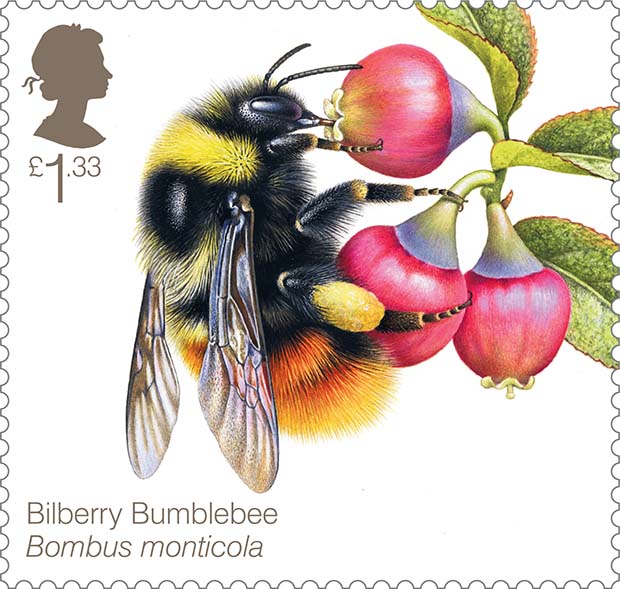
  • Field-realistic neonicotinoid exposure can have impacts on both foraging ability and homing success of bumblebees

    Field-realistic neonicotinoid exposure can have impacts on both foraging ability and homing success of bumblebees

    The ability to forage and return home is essential to the success of bees as both foragers and pollinators. Pesticide exposure may cause behavioural changes that interfere with these processes, with consequences for colony persistence and delivery of pollination services. We investigated the impact of chronic exposure (5–43 days) to field-realistic levels of a neonicotinoid insecticide (2·4 ppb thiamethoxam) on foraging ability, homing success and colony size using radio frequency identification (RFID) technology in free-flying bumblebee colonies. Individual foragers from pesticide-exposed colonies carried out longer foraging bouts than untreated controls (68 vs. 55 min). Pesticide-exposed bees also brought back pollen less frequently than controls indicating reduced foraging performance. This study shows that field-realistic neonicotinoid exposure can have impacts on both foraging ability and homing success of bumblebees, with implications for the success of bumblebee colonies in agricultural landscapes and their ability to deliver crucial pollination services.
    Source:
    Dara A. Stanley, Avery L. Russell, Sarah J. Morrison, Catherine Rogers, Nigel E. Raine (2016)
    Journal Applied Ecology
    DOI: 10.1111/1365-2664.12689
    First published: 30 May 2016
    http://onlinelibrary.wiley.com/doi/10.1111/1365-2664.12689/full

  • Molecular Effects of Neonicotinoids in Honey Bees

    Molecular Effects of Neonicotinoids in Honey Bees

    Neonicotinoids are implicated in the decline of bee populations. As agonists of nicotinic acetylcholine receptors, they disturb acetylcholine receptor signaling leading to neurotoxicity. Several behavioral studies showed the link between neonicotinoid exposure and adverse effects on foraging activity and reproduction. However, molecular effects underlying these effects are poorly understood. Here we elucidated molecular effects at environmental realistic levels of three neonicotinoids and nicotine, and compared laboratory studies to field exposures with acetamiprid. We assessed transcriptional alterations of eight selected genes in caged honey bees exposed to different concentrations of the neonicotinoids acetamiprid, clothianidin, imidacloporid, and thiamethoxam, as well as nicotine. We determined transcripts of several targets, including nicotinic acetylcholine receptor α 1 and α 2 subunit, the multifunctional gene vitellogenin, immune system genes apidaecin and defensin-1, stress-related gene catalase and two genes linked to memory formation, pka and creb. Vitellogenin showed a strong increase upon neonicotinoid exposures in the laboratory and field, while creb and pka transcripts were down-regulated. The induction of vitellogenin suggests adverse effects on foraging activity, whereas creb and pka down-regulation may be implicated in decreased long-term memory formation. Transcriptional alterations occurred at environmental concentrations and provide an explanation for the molecular basis of observed adverse effects of neonicotinoids to bees.

    Source:
    Verena Christen, Fabian Mittner, and Karl Fent
    Environ. Sci. Technol., 2016, 50 (7), pp 4071–4081
    DOI: 10.1021/acs.est.6b00678
    Publication Date (Web): March 18, 2016

  • The neonicotinoids thiacloprid, imidacloprid, and clothianidin affect the immunocompetence of honey bees

    The neonicotinoids thiacloprid, imidacloprid, and clothianidin affect the immunocompetence of honey bees

    A strong immune defense is vital for honey bee health and colony survival. This defense can be weakened by environmental factors that may render honey bees more vulnerable to parasites and pathogens. Honey bees are frequently exposed to neonicotinoid pesticides, which are being discussed as one of the stress factors that may lead to colony failure. We investigated the sublethal effects of the neonicotinoids thiacloprid, imidacloprid, and clothianidin on individual immunity, by studying three major aspects of immunocompetence in worker bees: total hemocyte number, encapsulation response, and antimicrobial activity of the hemolymph. In laboratory experiments, we found a strong impact of all three neonicotinoids. Thiacloprid (24 h oral exposure, 200 μg/l or 2000 μg/l) and imidacloprid (1 μg/l or 10 μg/l) reduced hemocyte density, encapsulation response, and antimicrobial activity even at field realistic concentrations. Clothianidin had an effect on these immune parameters only at higher than field realistic concentrations (50–200 μg/l). These results suggest that neonicotinoids affect the individual immunocompetence of honey bees, possibly leading to an impaired disease resistance capacity.

    Source:
    Annely Brandt, Anna Gorenflo, Reinhold Siede, Marina Meixner, Ralph Büchler
    Journal of Insect Physiology, Volume 86, March 2016, Pages 40–47
    http://www.sciencedirect.com/science/article/pii/S0022191016300014