Neonics have been found to affect mammalian nicotinic acetylcholine receptors nAChRs in a way that is similar to the effects of nicotine. These receptors are of critical importance to human brain function, especially during development and for memory, cognition, and behavior. A distinct aspect of neonic toxicity is the ability to bind to the most prominent subtype of nAChRs in mammals, the α4β2, which is found in the highest density in the thalamus. Alteration of the density of this neuroreceptor subtype has been found to play a role in several central nervous system disorders, including Alzheimer’s disease, Parkinson’s disease, schizophrenia, and depression. In the developing brain, this subtype is involved in neural proliferation, apoptosis, migration, differentiation, synapse formation, and neural circuit formation.
This is the first systematic review of the literature on human health effects of neonicotinoids to the authors’ knowledge. As reviewed here, four studies reported low rates of adverse health effects from acute neonic exposure. Even the most severe outcomes, including two fatalities, may have been mediated by other factors (age, underlying health conditions, undetected coexposures). The acute poisoning studies did, however, elucidate clinical findings important for the diagnosis and treatment of acute neonic exposures, including a better understanding of neonic toxicokinetics in humans. The other four studies reported associations between chronic neonic exposure and adverse developmental outcomes or a symptom cluster including neurological effects. The findings of animal studies support the biological plausibility for such associations. Although the studies in this review represent an important contribution to the literature, particularly given the lack of any general population chronic exposure studies prior to 2014, there remains a paucity of data on neonic exposure and human health. Given the widespread use of neonics in agriculture and household products and its increasing detection in U.S. food and water, more studies on the human health effects of chronic (non-acute) neonic exposure are needed.
Source:
Cimino, A., Boyles, A., Thayer, K., & Perry, M. J. (2016). Effects of Neonicotinoid Pesticide Exposure on Human Health: A Systematic Review.. Environmental Health Perspectives, (). http://dx.doi.org/10.1289/EHP515
Auteur: Henk Tennekes
-

More studies on the human health effects of chronic neonic exposure are needed
-
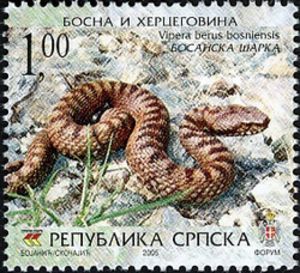
De Adder wordt ernstig bedreigd op de Veluwe
De werkgroep Anura en lepidosauria vraagt aandacht voor de wegkwijnende Adder (Vipera berus) op de Veluwe. Deze staat onder druk in de regio waar ooit het bolwerk van de landelijke populaties lag. Verspreid komt de adder op de Noord,Midden, West en Oost Veluwe nog in schommelende dichtheden voor. Speciale inventarisaties de afgelopen decennia laten een flinke daling zien. Nog stabiele gebieden zijn de centraal gelegen populaties op de Kroondomeinen, nabij Radio Kootwijk en Kootwijkerzand/Stroe. Regionaal zagen we op locaties vroeger regelmatig adders hazelwormen of ringslangen, deze zijn nu grotendeels verdwenen. Op het menu van de adder staan voornamelijk gewervelde dieren. De adder staat daardoor hoog in de voedselketen en is een belangrijke verdelger van plaagdieren, zoals konijnen en muizen.
Bronnen:
Veluweland, 18-08-2015
http://veluweland.nl/deel-je-nieuws-artikel/adder-ernstig-bedreigd-op-de-veluwe-waarnemingen-gezocht-spoed-17660
Wikipedia
https://nl.wikipedia.org/wiki/Adder -
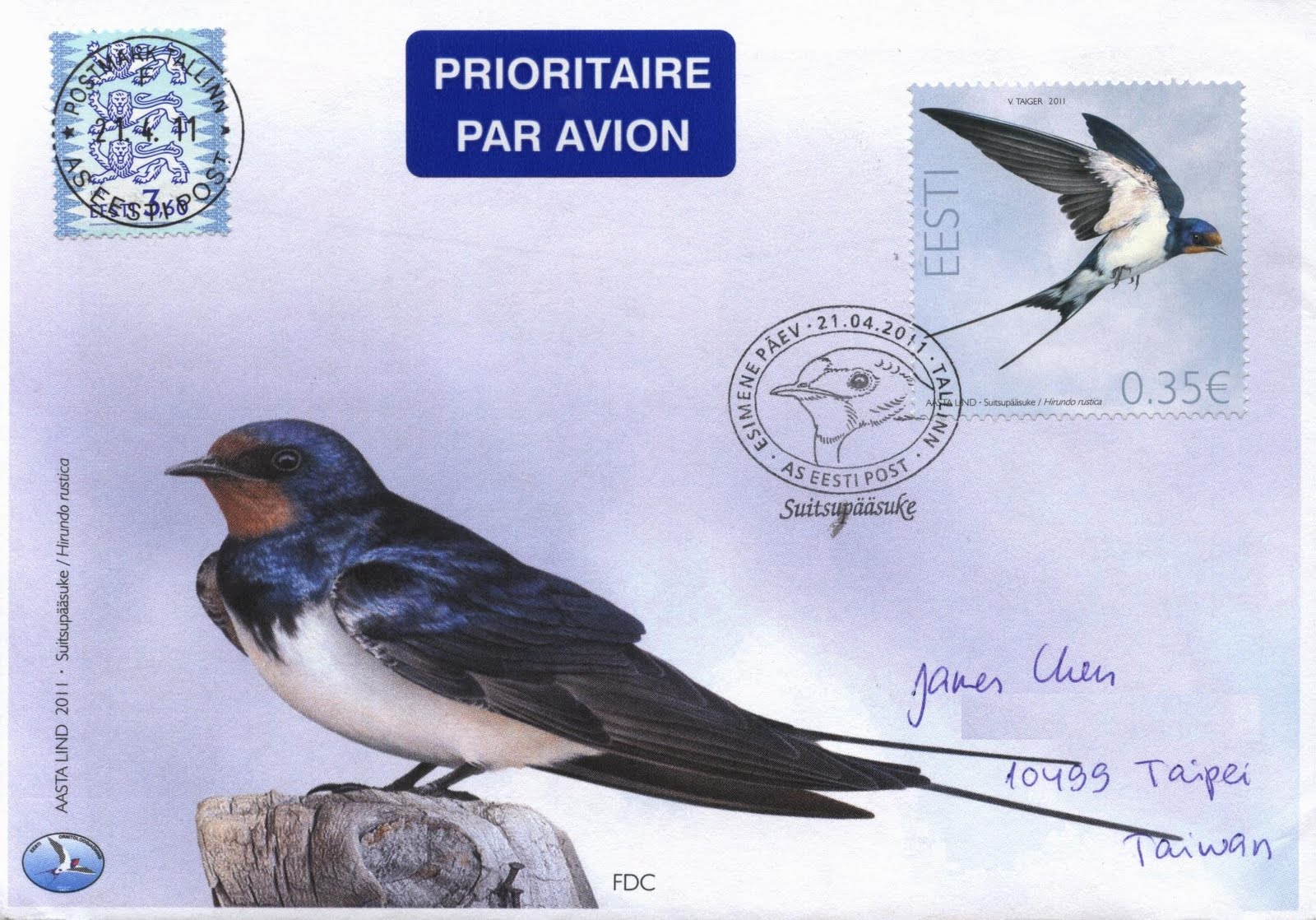
Schwalben machen sich in den Dörfern rar
“Wo sind die Schwalben geblieben?” Günther Oppermann (84) ist traurig und ratlos zugleich, wenn er von seinem Wohnhaus gegenüber dem Altlangsower Pfarrhaus zum ehemaligen Pflückerhaus in seinem Garten geht. Das stallähnliche Gebäude, das an die Zeit erinnert, da dort Gänse gemästet wurden, war alljährlich Brutstätte für Rauchschwalben. Vor vier Jahren, als Oppermann schon einmal in der MOZ vom Rückzug der Vögel aus dem Oderbruch berichtet hatte, “wohnten” noch drei Rauchschwalbenpaare im Pflückerhaus, die es bis auf zwei Bruten jährlich brachten. Die erste Brut bescherte meist fünf Küken, die zweite drei bis vier. Und alle wurden satt und flügge. Im vergangenen Jahr war nur noch ein Paar gekommen und hatte Mitte Mai noch fünf Junge, eine zweite Brut blieb aus. Jetzt blieb das Pflückerhaus leer. Vor zwei Wochen las Oppermann eine tote Schwalbe auf. Nur eine einsame Schwalbe segelte noch durch den Garten. “Die Fensterscheiben des Pflückerhauses sind sonst immer ganz bekleckert. Das war stets das Zeichen für ein lebendiges Schwalbenhaus”, zeigt er bedauernd auf die nahezu sauberen Scheiben.
Der ehemalige Sportlehrer ist Hobby-Ornithologe und hat 54 Jahre lang als ehrenamtlicher Vogelberinger für die Vogelwarte “Hiddensee” gearbeitet. Seit er 1973 nach Frankfurt und von dort vor 20 Jahren ins Oderbruch, nach Altlangsow, gezogen war, beobachtet er die Entwicklung der Vogelwelt, macht Aufzeichnungen und notiert die Veränderungen. Somit kann er zwar ein ganz gutes Bild vom Rückgang der Artenvielfalt zeichnen. Aber das Ausbleiben der Schwalben ist für ihn ein so großer Einschnitt, dass er nach Erklärungen sucht. Denn so viel habe sich in der Umwelt nicht geändert, weiß er. Die moderne Landwirtschaft setzt seit vielen Jahren ihre Mittel ein. Die Nistmöglichkeiten haben sich nicht geändert. Sollte es am fehlenden Nahrungsangebot liegen? Wurden zu viele Insekten totgespritzt?
Quelle: Märkische Online Zeitung, 14.07.16
http://www.moz.de/artikel-ansicht/dg/0/1/1499003 -
Der schleichende Tod der Insekten
Johannes Steidle ist tief besorgt: „Bei unseren Untersuchungen im Freiland haben wir in diesem Jahr bisher nur beängstigend wenige Insekten gefunden“, berichtet der Biologe, der am Institut für Zoologie der Universität Hohenheim das Fachgebiet Tierökologie leitet. Heuschrecken beispielsweise haben die Hohenheimer Ökologen bisher kaum entdeckt. Aber auch andere Insekten machen sich ungewöhnlich rar: „Wenn ich durch den Hohenheimer Park gehe, komme ich mir vor wie auf einer nächtlich leeren Autobahn: Wo sind die Insekten?“, fragt sich Steidle.
Zum Teil mag das am Wetter liegen. „Witterungsbedingt ist durch die vielen Niederschläge und die kühlen Temperaturen im Frühjahr bei vielen Insekten – und vor allem bei Heuschrecken – die Entwicklung um zwei bis vier Wochen oder noch länger verzögert“, bestätigt der Heuschreckenexperte Peter Detzel von der Stuttgarter Gruppe für ökologische Gutachten. Aber allein auf das Wetter will der Ökologe die aktuelle Entwicklung keineswegs schieben: Auf unseren „klinisch reinen“ landwirtschaftlichen Nutzflächen hätten Bienen, Schmetterlinge und andere Insekten ja kaum eine Überlebenschance, meint er.
Die beiden Stuttgarter Fachleute bestätigen damit die Beobachtungen, die viele Naturliebhaber in den vergangenen Jahren immer öfter gemacht haben – und das unabhängig von jährlichen Witterungsschwankungen: Es gibt immer weniger Insekten. Für jedermann offenkundig wird dieser Trend bei einer Überlandfahrt mit dem Auto: Heute kleben weit weniger Insekten an der Windschutzscheibe als noch vor wenigen Jahren. Auch kann man sich nur wehmütig daran erinnern, wie viele Tiere früher in der Nacht um eine Laterne geflattert sind. Die für viele Insekten ungünstige Witterung in diesem Frühjahr könnte diesen Trend noch verstärkt haben. Für Johannes Steidle ist dies allerdings wie ein Blick in die Zukunft: „In zehn Jahren wird es wohl auch bei besten klimatischen Voraussetzungen nur noch so wenige Insekten geben wie in diesem Jahr.“
Diese zunehmend Besorgnis erregende Entwicklung lässt sich auch mit Zahlen belegen. Das wurde bei dem öffentlichen Fachgespräch „Ursachen und Auswirkungen des Biodiversitätsverlustes bei Insekten“ deutlich, das der Umweltausschuss des Deutschen Bundestages im vergangenen Januar veranstaltete. Dabei berichtete Josef Tumbrinck vom Naturschutzbund Nabu über die nach seinen Worten „ganz dramatische Entwicklung“ in Nordrhein-Westfalen. Dort wurden über 30 Jahre hinweg in immer derselben Art und Weise bestimmte Fallen aufgestellt und die Art sowie die Masse der damit eingesammelten fliegenden Insekten bestimmt. Sein Fazit für ein Naturschutzgebiet bei Krefeld: „Das ganze Jahr über fliegt dort fast nichts mehr.“ Und im Wahnbachtal bei Bonn haben die Ökologen an sechs Standorten von 1989 bis 2014 die Schmetterlinge untersucht. In dieser Zeit ging die Artenzahl um 22 Prozent und die Individuenzahl um 56 Prozent zurück. Bei den Schwebfliegen war der Rückgang noch deutlich dramatischer: 27 Prozent der Arten und 84 Prozent der Individuen.
Die Gründe für den schleichenden Tod der Insekten sind vielfältig. Immer wieder wird als mögliche Ursache die Klimaerwärmung diskutiert. Doch egal ob warme oder kalte Jahre, die Arten- und Individuenzahlen seien „immer im Keller“, wie es Tumbrinck formuliert. Viel bedeutender ist dagegen die Zerstörung von Lebensräumen. Dies trifft vor allem diejenigen Arten, die an ihre Umwelt hohe Ansprüche stellen, beispielsweise an Futterpflanzen oder Geländestrukturen. Damit hängt zusammen, dass viele dieser Lebensräume immer kleiner werden und inzwischen wie Inseln in einer intensiv genutzten – und damit für viele Insekten weitgehend nutzlosen – Agrarlandschaft liegen.
Nicht weniger Sorgen bereitet den Ökologen die zunehmende Verbreitung von Giften in der Umwelt. Hier stehen die Pflanzenschutzmittel an erster Stelle, wobei vor allem die Stoffklasse der Neonicotinoide, kurz Neonics, eine wichtige Rolle spielen dürfte. So wurde bei der Bundestagsanhörung erneut klar, dass der Rückgang von Arten und Individuen bei vielen Insektengruppen mit dem zunehmenden Gebrauch von Agrargiften zusammenfällt. Das hat – neben den ethischen und naturschützerischen Aspekten – auch handfeste wirtschaftliche Folgen: Die Zahl der Pflanzen-Bestäuber geht dramatisch zurück.
All dies hat auch die 140 Teilnehmer der „Konferenz der Arten“, die Anfang Juli von der Leibniz-Gemeinschaft in Berlin organisiert worden war, zu einer aufrüttelnden Abschlusserklärung veranlasst. Dort heißt es: „Massives Artensterben sogar in ausgewiesenen Schutzgebieten weist auf die Fernwirkung von Insektiziden, Schadstoffen und Landnutzungsänderungen hin.“
Quelle: Stuttgarter Zeitung, 15.07.16
http://www.stuttgarter-zeitung.de/inhalt.umwelt-der-schleichende-tod-der-insekten.71466990-aef7-4931-9e58-35ef1b890b74.html -
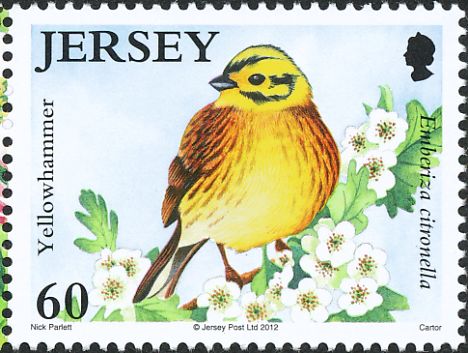
Welsh Yellowhammers in long-term decline
Since 1994, Yellowhammer (Emberiza citrinella) numbers have declined by 57% in Wales. The Yellowhammer is often thought of as a bird of arable farmland, with declines linked to agricultural intensification in this habitat specifically. However, the decline monitored by Breeding Bird Survey volunteers in Wales suggests the problem is a wider issue, as shown in the latest Breeding Bird Survey report. The move towards more efficient grass-based livestock rearing and the resultant loss of potentially seed-rich arable and fodder crops, that provide a critical source of seeds during the winter months for Welsh Yellowhammers, is thought to be a driver behind the decline. There is also additional pressure on breeding Yellowhammers in Wales because the high level of grazing in the country results in fewer unimproved, unfertilised and uncut field margins. Combined with increased herbicide spraying, this is reducing the availability of the invertebrate prey the Yellowhammers need to feed their young – thus reducing their overall breeding success. Added to this is the reduction in nest site availability due to the loss and degradation of farmland margins and hedgerows.
Source: Surfbirds.com, 13 July 2016
http://www.surfbirds.com/community-blogs/blog/2016/07/13/welsh-yellowhammers-in-long-term-decline/ -
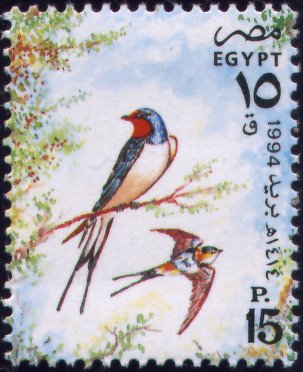
The disappearance of Canada’s aerial insect eaters
Forty years ago, swallows were a common sight in the summer, darting between the beams of old barns or swooping low over the waters of a creek. These swift aerial acrobats seemed to be everywhere — perched on telephone lines by the dozen awaiting the fall migration, or whirling and diving around old wooden bridges in pursuit of airborne insects. Now, these birds have seemingly disappeared from midair, entirely abandoning large swathes of their former Canadian range. Some, like the bank swallow, have seen their numbers plummet by 98 per cent since 1970. The swallows’ disappearance is part of a larger trend affecting birds known as aerial insectivores, which spend much of their lives on the wing in a constant search for airborne insects to dine on. This group, which includes chimney swifts, purple martins, and whippoorwills, has plunged by 70 per cent in population in Canada, according to a 2012 report by the North American Bird Conservation Initiative. Many birds in this category are now listed as threatened in Canada. “Algonquin Park used to have barn swallows nesting on every bridge,” says Michael Runtz, a naturalist and instructor at Carleton University. “They were abundant, nesting everywhere…they’re all gone now.”
Myles Falconer is a biologist at Bird Studies Canada, a not-for-profit organization dedicated to the study of Canadian bird populations. He’s studied bank swallows since 2010, and penned a 2014 report on the birds for the federal Committee on the Status of Endangered Wildlife in Canada. Forty years ago, these tenacious burrowing birds numbered over 70 million individuals. Now, a scant 1.4 million remain — a survival rate of two per cent. Despite this decades-long decline, they were only designated as threatened in 2013, after COSEWIC researchers watched a third of the population disappear in under a decade.
Falconer says this is the case for many aerial insectivores, which have been neglected in most scientific studies because of how large their colonies appear.“They’re widespread and common still, and they’re so widespread and common that nobody has done any really intensive work on them, he says.
“There’s still thousands of bank swallows, so it’s difficult to see a difference between thousands and hundreds of thousands.”
Despite this apparent abundance, another 3.65 per cent of the population is lost each year. And although a federal bank swallow recovery strategy is in the works, Falconer says it will only attempt to halt the population decline. It’s unlikely the bank swallows will ever be able to rebound to their 1970 numbers.
Source: Rabble blogs, March 25, 2016
http://rabble.ca/blogs/bloggers/jenhalsall/2016/03/hard-to-swallow-mysterious-disappearance-canadas-aerial-insect-eat -
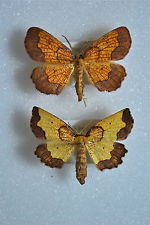
The dark bordered beauty moth is heading towards extinction
The tiny, rare insect is now found only on Strensall Common, an area of protected lowland heath near York, having been lost from Newham Bog in Northumberland. But scientists have found that even in its last stronghold numbers have plunged by over 90% in the last seven years, with only 50-100 thought to remain. The centimetre-wide moths rely on the creeping willow bush to feed their caterpillars but an accidental heath fire destroyed a key area of the bushes in 2009.
Another factor is likely to be increased grazing by sheep. This is intended to preserve the heathland by preventing the growth of trees and tall shrubs but appears to have unwittingly damaged the fortunes of a rare species that the heath management is ultimately designed to protect.
Female dark bordered beauty moths prefer to lay their eggs on large, robust creeping willows in July, so the shortening or loss of the plants by grazing means there are fewer good sites for egg laying and a subsequent decline in moth numbers. The sheep may even be eating the moth eggs as they graze, as the eggs stay on the plant until late spring before they hatch.
“The dark bordered beauty is a very special and charismatic moth, which has been observed and admired at Strensall Common for well over a century,” said Terry Crawford, at York University and one of the research team.
“It has long been part of the natural history heritage of England and of Yorkshire,” he said. “Because of the loss of populations elsewhere in England, the loss of the population at Strensall Common would mean extinction of the moth in England as a whole.” The moth is known at three sites in Scotland.
Source: The Guardian, 23 June, 2016
https://www.theguardian.com/environment/2016/jun/23/rare-dark-bordered-beauty-moth-faces-extinction-at-last-site-england-york -
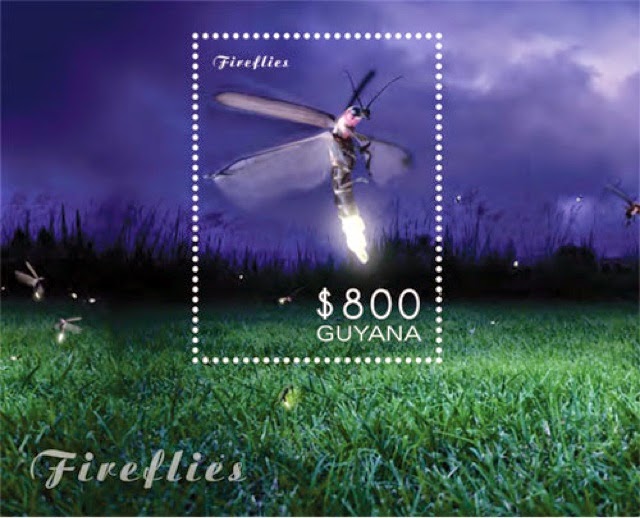
Firefly Populations Are Blinking Out
Blink and you’ll miss them this summer. Around the world, people are reporting that local firefly populations are shrinking or even disappearing. The insect’s dilemma first came to the world’s attention at the 2010 International Firefly Symposium, where researchers from 13 nations presented evidence of firefly population declines and declared “an urgent need for conservation of their habitats.” Since then, additional conferences and several scientific papers have documented regional firefly disappearances, and at least two citizen-science projects are attempting to document the phenomenon, but the full scope of the problem remains to be uncovered, says firefly researcher Ben Pfeiffer, founder of Firefly.org, a website about the decline of the insects, also called lightning bugs.
“It’s worrying,” said Pfeiffer. “When people see a habitat that’s got three, four, five different species of firefly flashing, each with a different flash pattern, it’s an amazing thing. It changes their lives, but few people get to see that anymore.”
The exact extent of the decline is unknown, but early indications suggest that lightning bug populations have shrunk in many places and disappeared from others. “Everyone is reporting declines,” said Eric Lee-Mäder, codirector of the pollinator program for the Xerces Society for Invertebrate Conservation.
The causes, however, appear to be clearer: a combination of habitat degradation and loss, light pollution, destruction of water tables, and pesticides, Pfeiffer said.
“You can wipe fireflies out really easily,” he added. “It’s not hard. You’ve got a one-acre plot, and you put a house there. Good-bye, fireflies. They’ll never be there again.”
The loss of fireflies, which are beetles, can have multiple effects on their ecosystems. For one thing, some firefly species—there are at least 170 in the U.S.—play a role in pollination. They’re not as essential as bees, but they help pollinate milkweed, goldenrod, wild sunflowers, and other species.
More important, however, firefly larvae are voracious predators that live in the ground and eat slugs, snails, worms, aphids, and other problem critters that would otherwise grow out of control. “I call them nature’s pest control,” Pfeiffer said. (On the other side of the dinner table, fireflies are important food sources for species such as bats and spiders.)
The insects play a role in human health as well. Two of the enzymes fireflies use to create their bioluminescent flashes—luciferin and luciferase—are used to track the growth of cancer tumors, among other things. Fireflies have also been used to help detect bacteria in food products.
Source: Take Part, July 7, 2016
http://www.takepart.com/article/2016/07/07/firefly-populations-are-blinking-out -
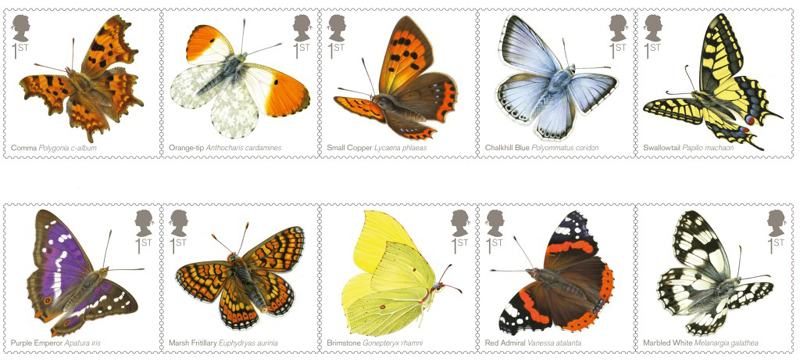
Butterflies Are Vanishing Around the World
You do not need to be a naturalist to love butterflies. Dolly Parton sings about them. So does Miley Cyrus. Tracy Morgan says he used to be an angry young man in a cocoon, but “now I’m a beautiful black butterfly.” And the poet Robert Frost once celebrated the “blue-butterfly” days of spring. But hold the lyrics. The butterflies are vanishing, according to an article in this week’s edition of the journal Science, and it’s happening even in protected areas. In a reserve in Germany’s Bavaria region, for instance, a study early this year found that just 71 butterfly species survive where there were 117 in the 19th century. That’s a 40 percent decline. In the Netherlands and England’s Suffolk County, researchers have found that 25 to 42 percent of resident breeding species are extinct. “There is evidence for similar declines,” writes Oxford University lepidopterist Jeremy A. Thomas, “in North America, Japan, and hotspots of butterfly endemism such as Brazil, South Africa, and Australia.” Charismatic species such as the Indo-Pacific birdwings, with their six-inch wingspan, are among the victims.
Thomas acknowledges that the decline in butterflies is not exceptional. Bumblebees, dragonflies, moths, and ladybirds (or ladybugs, in this country) may be even worse off because of environmental damage inflicted by humans. Those insect groups really matter in the sense that they have ecological value for pollination and predator control. Butterflies, on the other hand, are mostly just pretty to look at.
But their very uselessness, their pointless beauty, is the one thing that has made butterflies seem so important. I’ve always figured William Blake had butterflies in mind when he wrote that beautiful little poem: “He who binds to himself a joy / Does the winged life destroy / But he who kisses the joy as it flies / Lives in eternity’s sun rise.”
And the idea that we are destroying butterflies—not just individual butterflies but vast swaths of species—resonates ominously.
The main thing killing the butterflies, according to Thomas, is our continually intensifying use of the land, especially for agriculture. Adult butterflies are often generalists flitting from plant to plant, but their young typically depend on just one or two plant species for food and habitat. These native plant species are being shoved aside to make room for crops, plantations of exotic trees, suburban lawns, and urban development. The decline of milkweed in North America is the most notorious example. For monarch butterflies, the herbicide-induced loss of the plant that harbors their eggs and feeds their young has been a major factor in the population crash from a billion in 1990 to just 33 million today.
Unlike monarchs, about 80 percent of butterfly species are confined to narrow home ranges that can be as little as an acre, and they’re unlikely to migrate across even a half-mile of inhospitable ground to find another suitable habitat. So a neighborhood of meticulously maintained lawns, or a single highway, can be fatal for a species. Some butterfly species also have complex relationships with local ant species. The alcon blue butterfly is a classic example. Its caterpillar emits a chemical signal that tricks local ants into carrying it back to their nest, where it is safe from being jabbed by parasitic wasps. Inside the nest, it refines its signal to induce the ants to feed and tend it.
These kind of complicated relationships are easily jeopardized by change. For instance, when farmers in Europe abandon the marginal hillside fields where they used to intermittently graze livestock, that land becomes scrubbier and less grassy. That’s good news for many large mammals and a factor in Europe’s current rewilding. But it’s bad news for the butterflies that depended on those grasslands. Thomas lists pollution, drainage schemes, and climate change among the other landscape-scale factors threatening butterflies.
It is, however, possible to restore butterfly populations, with a little effort. By paying closer attention to the nuances of species ecology, protected areas in the United Kingdom have brought back four of six nationally threatened butterfly species. For example, the iconic large blue butterfly went extinct there in 1979, just about the time Thomas discovered that its life cycle requires it to feed on the grubs of a particular red ant species. By importing butterfly stock from Sweden and focusing on those red ants, conservationists have established a population of about 10,000 butterflies back on old haunts.
People can make that kind of difference for butterflies everywhere. The best way to start is by scaling back that big, useless green lawn. (Morgan, comedian and self-declared butterfly, could set a great example with the enormous lawn at his new house in New Jersey.) If you have the money, hire a landscaper specializing in butterfly gardens. Or go to local gardening-for-butterflies lectures and pick up the plants they recommend for your neighborhood. (Here’s a list for the U.S. mid-Atlantic region. The Xerces Society is also a good source for information. )
People clearly care about butterflies. Thomas notes that volunteers in Britain have walked about 466,000 miles monitoring butterfly populations over the past 40 years. That’s like walking to the moon and back counting butterflies.
Time for the rest of us to take the first step.
Source: Take Part, July 14, 2016
http://www.takepart.com/article/2016/07/14/butterflies-are-vanishing-around-world -
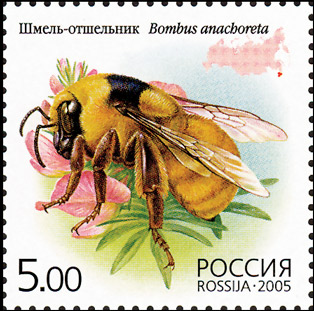
Neonicotinoids were found to contaminate conservation strips meant to conserve pollinators
Worldwide pollinator declines are attributed to a number of factors, including pesticide exposures. Neonicotinoid insecticides specifically have been detected in surface waters, non-target vegetation, and bee products, but the risks posed by environmental exposures are still not well understood. Pollinator strips were tested for clothianidin contamination in plant tissues, and the risks to honey bees assessed. An enzyme-linked immunosorbent assay (ELISA) quantified clothianidin in leaf, nectar, honey, and bee bread at organic and seed-treated farms. Total glycogen, lipids, and protein from honey bee workers were quantified. The proportion of plants testing positive for clothianidin were the same between treatments. Leaf tissue and honey had similar concentrations of clothianidin between organic and seed-treated farms. Honey (mean±SE: 6.61 ± 0.88 ppb clothianidin per hive) had seven times greater concentrations than nectar collected by bees (0.94 ± 0.09 ppb). Bee bread collected from organic sites (25.8 ± 3.0 ppb) had significantly less clothianidin than those at seed treated locations (41.6 ± 2.9 ppb). Increasing concentrations of clothianidin in bee bread were correlated with decreased glycogen, lipid, and protein in workers. This study shows that small, isolated areas set aside for conservation do not provide spatial or temporal relief from neonicotinoid exposures in agricultural regions where their use is largely prophylactic.
Source: Christina L. Mogren & Jonathan G. Lundgren, Neonicotinoid-contaminated pollinator strips adjacent to cropland reduce honey bee nutritional status. Scientific Reports 6, Article number: 29608 (2016) doi:10.1038/srep29608