Auteur: Henk Tennekes

  • In Deutschland gibt es immer weniger Insekten

    In Deutschland gibt es immer weniger Insekten

    In Deutschland gibt es immer weniger Bienen, immer weniger Hummeln, immer weniger Schmetterlinge. Überhaupt gibt es immer weniger Insekten! Das haben Forscher aus Krefeld herausgefunden. Das ist eine Stadt im Bundesland Nordrhein-Westfalen. 25 Jahre lang haben die Forscher an bestimmten Orten Insekten gesammelt, ihre Art bestimmt und die Tiere gewogen. Das Ergebnis der Forscher: In dieser Zeit stellten sie einen Rückgang an Insekten von bis zu 80 Prozent fest. Gesammelt haben die Forscher vor allem in Nordrhein-Westfalen. Aber ihre Messungen lassen sich wohl auf ganz Deutschland übertragen, sagen Fachleute.
    Insekten sind für uns Menschen wichtig. Gibt es keine Insekten mehr, ist es schwieriger, dass Äpfel wachsen, Kirschen, Erdbeeren und Gemüse. Denn in der Natur werden viele Nutzpflanzen von Insekten bestäubt, zum Beispiel von Schmetterlingen, Bienen und Schwebfliegen.
    Das funktioniert so: Die Tiere ernähren sich von einer zuckrigen Flüssigkeit am Boden der Blüte, dem Nektar. Sammeln sie diesen ein, kommen sie auch mit dem Staubbeutel der Blüten in Berührung. Dort befinden sich Pollen. Diese bleiben an den Insekten haften – und düsen mit ihnen zur nächsten Blüte. Dort landet der Pollen dann auf einem bestimmten Pflanzenteil, dem Stempel. So wird die Blüte bestäubt. Es kann eine Frucht entstehen, etwa eine Erdbeere. Gleichzeitig sind Insekten auch eine Nahrungsquelle für andere Tiere.
    Doch warum werden die Insekten immer weniger? Die Forscher vermuten, dass es mehrere Gründe gibt. “Eines der größten Probleme ist der Verlust des Lebensraums”, erklärt die Expertin Elisabeth Kühn. Ackerflächen werden zum Beispiel immer größer. Andererseits wachsen dort aber oft keine Pflanzen, von denen sich die Insekten ernähren könnten – zum Beispiel Wildblumen oder blühende Kräuter. “Viele Insekten leben zudem viel isolierter als früher”, sagt die Fachfrau. Das bedeutet, man findet die Tiere etwa nur noch in abgegrenzten Naturschutzgebieten. Gibt es dort dann ein Problem, kann das die ganze Art betreffen. “Zum Beispiel, wenn eine Krankheit auftritt”, erklärt Elisabeth Kühn.
    Andererseits machen wohl auch bestimmte Giftstoffe den Insekten zu schaffen. Man nennt sie Insektizide. Diese werden auch auf die Pflanzen gesprüht, um Schädlinge abzuhalten.
    Forscher in ganz Deutschland machen sich darüber Gedanken, wie man den Insekten helfen kann.

    Es werden nicht nur weniger Insekten. Es gibt auch immer weniger Arten, sagen Fachleute. Das hat unter anderem etwas mit der Landwirtschaft zu tun. Auf vielen Feldern werden Monokulturen angebaut. Das bedeutet: Auf einer Bodenfläche wird immer die gleiche Pflanzenart angebaut. Es wächst dort zum Beispiel nur noch Mais. Dann finden etwa Bienen und Schmetterlinge keinen Nektar mehr.
    Bei Rapsfeldern dagegen gibt es zwar Nektar-Angebote. Allerdings bräuchten viele Insekten auch Orte in der Nähe, in denen sie ihre Eier ablegen können, sagt der Experte Josef Tumbrinck. Viele Wildbienen legen ihre Eier im Boden ab, erklärt er. Diese Flächen müssten unbewachsen sein und von der Sonne beschienen. Solche Flächen gebe es bei Monokulturen seltener.
    Zudem werden viele Wiesen und Felder zusätzlich gedüngt. Man streut also besondere Stoffe aus. Sie sollen die Pflanzen schnell wachsen lassen. Denn die Bauern wollen viel Futter für ihre Tiere.
    Aber nicht alle Pflanzen mögen den Dünger, etwa viele Wildblumen. Sie können auf so einer Wiese nicht mehr wachsen. Das ist schlecht für die Insekten: Viele ernähren sich von speziellen Pflanzen. Gibt es diese nicht mehr, haben die Insekten nichts mehr zu futtern.
    Der Rückgang der Insekten hat auch Folgen für andere Tiere wie Frösche, Fische und Spinnen. Besonders aber für viele Vögel. Bei den Rebhühnern zum Beispiel bekommen vor allem die Jungen ein Problem: In den ersten Wochen nach dem Schlüpfen ernähren sie sich beispielsweise von Käfern und von Raupen von Schmetterlingen. Erst als Erwachsene fressen sie Körner, Samen und Pflanzenteile.
    Quelle: TLZ, 05.10.16
    http://www.tlz.de/kinder/detail/-/specific/Weniger-Lebensraum-und-Gifte-Insekten-fehlt-es-an-Nahrung-865840270
  • A parasite is killing Darwin’s finches on the Galápagos Islands

    A parasite is killing Darwin’s finches on the Galápagos Islands

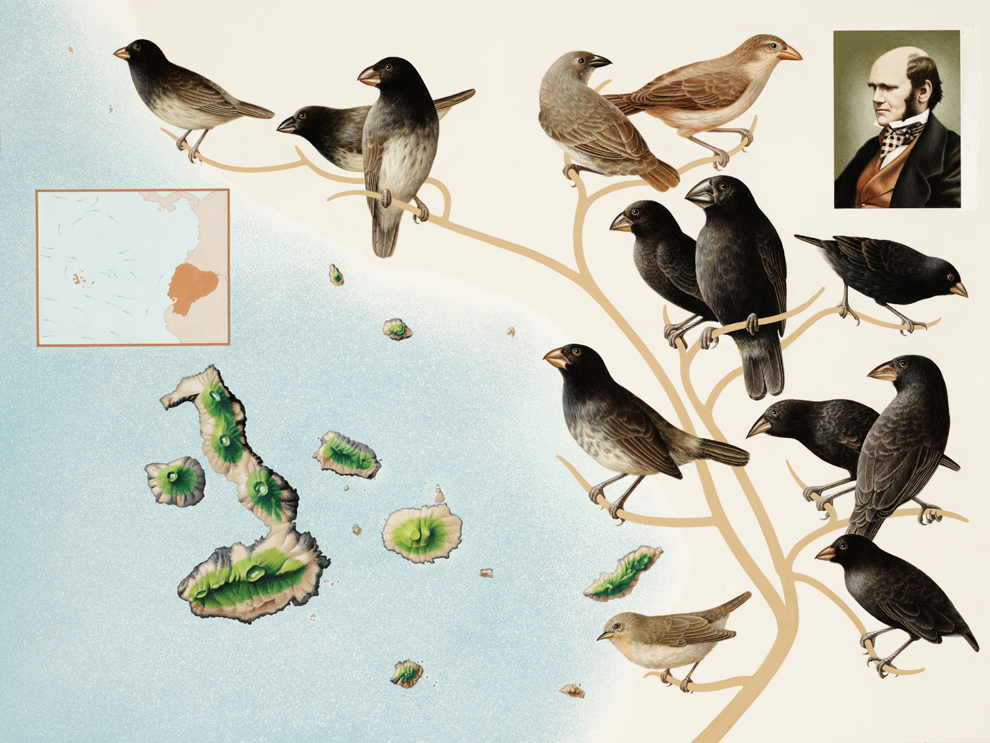
    After almost two decades of observing Galápagos finches, Flinders University bird expert Professor Sonia Kleindorfer and Macquarie University biological sciences researcher Dr Rachael Dudaniec have released a new paper summarising the impacts of the lethal introduced fly parasite Philornis downsi in the Pacific Ocean islands. “The parasite, which was accidentally introduced into the Galápagos Islands circa 1960s, is now prevalent and increasing in number and the host finches are dying, with many threatened and locally extinct populations,” says Professor Kleindorfer, who leads Flinders’ Research Centre for Climate Adaptation and Animal Behaviour. The long-term study by the Australian scientists has focused on the relationship between the invasive parasite and Darwin’s finches, and documents how it changed the evolutionary trajectory of these species in their struggle to co-evolve or perish in an epic battle of nature. The parasitic fly, which may have been introduced by humans, is estimated to kill just over half of Darwin’s finch nestlings by consuming the blood and tissues of the developing birds.

    The geographically remote Galápagos Islands became naturalist Charles Darwin’s ‘cradle of evolutionary thought’ after his 1835 visit. The Darwinian theory of evolution and natural selection was inspired by studying the migratory finches, mockingbirds, tortoises and other animals on the islands.
    The paper acknowledged the assistance of the Galápagos National Park, Charles Darwin Foundation (which supports the Philornis downsi Action Plan), Charles Darwin Research Station, Australian Research Council, Rufford Small Grant Foundation, Mohamed bin Zayed Species Conservation Fund, Max Planck Institute for Ornithology, Royal Society for the Protection of Birds Birdfair, Earthwatch Institute, Galápagos Conservation Fund, Australian Federation of University Women (SA) and field volunteers.
    Source:
    InDaily Adelaide’s independent news, October 5, 2016
    http://indaily.com.au/news/science-and-tech/2016/10/05/animal-scientists-find-trouble-in-darwins-paradise/

  • Thiacloprid affects trophic interaction between gammarids and mayflies

    Thiacloprid affects trophic interaction between gammarids and mayflies

    Neonicotinoid insecticides like thiacloprid enter agricultural surface waters, where they may affect predator-prey-interactions, which are of central importance for ecosystems as well as the functions these systems provide. The effects of field relevant thiacloprid concentrations on the leaf consumption of Gammarus fossarum (Amphipoda) were assessed over 96 h (n = 13-17) in conjunction with its predation on Baetis rhodani (Ephemeroptera) nymphs. The predation by Gammarus increased significantly at 0.50-1.00 microgram/L. Simultaneously, its leaf consumption decreased with increasing thiacloprid concentration. As a consequence of the increased predation at 1.00 microgram/L, gammarids’ dry weight rose significantly by 15% compared to the control. At 4.00 microgram/L, the reduced leaf consumption was not compensated by an increase in predation causing a significantly reduced dry weight of Gammarus (approx. 20%). These results may finally suggest that thiacloprid adversely affects trophic interactions, potentially translating into alterations in ecosystem functions, like leaf litter breakdown and aquatic terrestrial subsidies.
    Source:
    D. Englert, M. Bundschuh, R. Schulz. Environmental Pollution 167 (2012) 41-46

  • U.S. Fish and Wildlife Service gave seven species of yellow-faced bees that are native to Hawaii islands an endangered status

    U.S. Fish and Wildlife Service gave seven species of yellow-faced bees that are native to Hawaii islands an endangered status

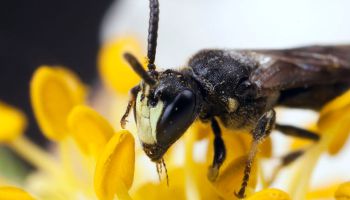
    On Friday, the U.S. Fish and Wildlife Service gave seven species of yellow-faced bees that are native to Hawaii islands an endangered status. The Xerces Society, the conservation group that advocated for the bees’ new designation, said that these are the first bees in the country to be included in the endangered species list. Once among the most populous species of insects in Hawaii, the yellow-faced bees experienced a sharp drop in number over the past century. The population decline is blamed on humans destroying bee habitats and using crop dusting that are toxic to the pollinators.
    – See more at: http://www.techtimes.com/articles/180771/20161004/bees-among-49-plant-and-animal-species-in-hawaii-added-to-endangered-species-list.htm#sthash.HXcltMFi.dpuf

  • Lightning-fast little blue heron could disappear in a flash

    Lightning-fast little blue heron could disappear in a flash

    A slender shorebird stood motionless in the shallow reflecting water. Its dark blues and purples seemed to emerge from the grasses themselves. Slowly, the neck and head began to sway slightly. The scene was hypnotic. A lightning flash of action broke the spell. The dagger-like bill of the little blue heron (Egretta caerulea) had snatched an unsuspecting fish. After a vigorous shake, the bird gulped down its dinner. The frenzy of action lasted just a few seconds. Little blues prefer shallow, quiet waters for hunting. The water can be saline like the marsh I was standing in or fresh. Besides marshes, little blues can be found in ponds, streams, drainage ditches, canals, tidal flats and flooded fields.

    In addition to small fish, little blue herons eat small crabs, grasshoppers, dragonflies and the like.

    A perfect fit for its name, the little blue heron stands just 2 feet tall. The body, wings and tail are a uniform slate blue. Even the bill is blue at its base before it turns black at the tip. In the perfect light of this afternoon, the slender neck and head were purple-brown. Yellow eyes provided spots of visual variety. The relatively long legs were greenish.

    Juvenile little blues start with nearly all white coloration; only outer primary feathers are a dusky gray. As youngsters, they closely resemble snowy egrets without the yellow feet. As little blues molt into adults, the whites are gradually replaced by blue, giving the intermediate birds a piebald look.

    As adults, snowy egrets often aggressively chase off their adult cousins. Being white, though, the young little blues mix easily with feeding flocks of great white egrets, snowies and ibises. The flock, especially the bigger birds, make the juvenile little blues less subject to predation. Snowies chase them off only after they have assumed their adult coloration. Not surprisingly, little blues generally become solitary feeders, often standing alone as I had just witnessed.

    The Little Blue Heron is a common but inconspicuous resident of marshes and estuaries in the Southeast. They stalk shallow waters for small fish and amphibians, adopting a quiet, methodical approach that can make these gorgeous herons surprisingly easy to overlook at first glance.

    Little blue heron nests are built in rookeries, often with other waterbirds like ibises, herons and pelicans. The little blue’s nest is constructed largely by females in short trees or shrubs, often on small islands to protect them from land-based predators. The breeding pair produces a single brood annually, usually three or four chicks. If food is scarce, larger nestlings may kill their siblings to assure adequate food for themselves.

    After breeding, birds may continue to move north during our summers. At one time, the northern limit of the little blue heron’s range seemed to be the Chesapeake Bay. Now, even as its numbers continue to decline, the bird is recorded regularly as far north as the Canadian Maritimes as climate change and limited habitat force the birds into new territory.

    The birds retreat to their winter habitat in the fall and are rarely seen in the Chesapeake watershed after the first week of October.

    Little blues have declined by an estimated 55 percent since 1966, according to the authoritative North American Breeding Bird Survey. The bird appears on the 2016 State of North American Birds’ Watch List. The North American Waterbird Conservation Plan now lists the little blue heron as a species of High Concern.

    The biggest threats to the species are the loss of appropriate habitat and the human impacts on local water dynamics.

    Like other waterbirds, little blues are vulnerable to contamination by pesticides and heavy metals. The species that make up the little blue’s diet ingest these contaminants and concentrate them up the food chain to the birds. Poisoned birds may die outright or fail to reproduce effectively.

    Encroaching human developments can be especially disruptive. If disturbed, they may abandon their nests, even with chicks in them. Protecting habitat and improving water quality are essential for the species’ long-term survival.

    The breathtaking marshes before me are becoming increasingly scarce. Sea-level rise is inexorably flooding these sites. Human developments, forever pressing in on the edge of water bodies, squeeze these habitat zones into oblivion.

    More than little blues are at stake. The abundant biota of these unique systems are threatened, too. And as I stood looking across the indescribable beauty of the marsh, I knew that an essential part of me was at risk as well. Some part of our humanity persists because of these wild places. Let’s be selfish and save the little blues and their irreplaceable habitats.
    Source: Bay Journal, September 30, 2016
    http://www.bayjournal.com/article/lightning_fast_little_blue_heron_could_disappear_in_a_flash_without_help
    The Cornell Lab of Ornithology
    https://www.allaboutbirds.org/guide/Little_Blue_Heron/lifehistory

  • Myanmar’s precious peacocks are fast disappearing

    Myanmar’s precious peacocks are fast disappearing

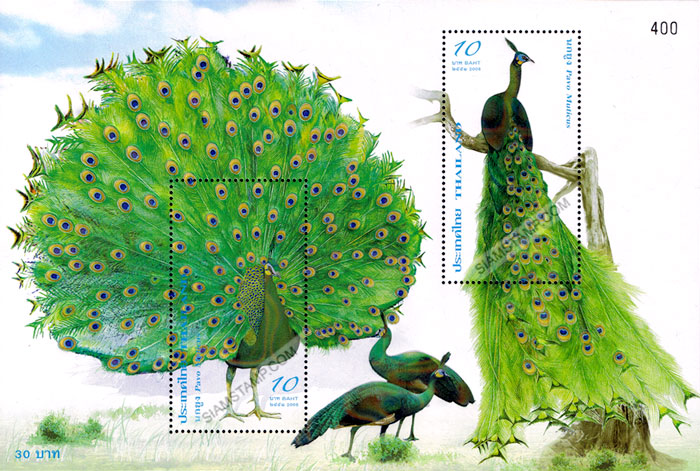
    Embraced by kings and freedom fighters alike, Myanmar’s peacocks have long been a national symbol of pride and resistance – but they are becoming ever harder to spot in the wild. Decades ago the birds, with their bright green plumage and famously ostentatious male tail feathers, were ubiquitous. For Myanmar, the declining peacock population is more than just a conservation tragedy – it’s a blow to the national psyche. The bird occupies a lofty place in the country’s culture. For decades it was the official symbol of Myanmar’s last kings, the Konbaung dynasty. Their monarchs wore peacock insignia on their robes and famously sat atop the Peacock Throne until their rule was toppled by British colonialists. During his fight against the British in the early 20th century, independence hero Aung San – the father of democracy icon Aung San Suu Kyi – created a magazine named the Fighting Peacock. Years later, Suu Kyi and her National League for Democracy adopted the same bird as their party emblem in their long years of struggle against military rule.

    Whenever protests broke out on the streets of Yangon, peacock flags could be seen fluttering above the crowds. Now elevated to the role of Foreign Minister and State Counsellor since her party swept to victory in last year’s elections, Suu Kyi delivers press conferences besides visiting dignitaries in front of an embroidered peacock wall hanging. But some worry the birds will soon only be visible inside history books and political rallies unless action is taken.

    Having once ranged from India to Indonesia, the green peafowl, as it is officially known, is in severe decline. The International Union for Conservation of Nature currently lists the species as endangered on their red list. “It has undergone a serious decline and the only sizeable remaining populations are found in dry forests in Cambodia, Myanmar and west-central Vietnam,” the IUCN says, adding pockets still persist in northern Thailand, southern Laos, China’s Yunnan province and on Indonesia’s Java island.

    It is believed to be extinct in Bangladesh, peninsula Thailand and India – with the exception of a few individuals occasionally encountered in India’s far northeastern Manipur state bordering Myanmar.

    The Ministry of Environmental Conservation and Forestry in Naypyidaw says the birds are protected under the Wildlife Act of Myanmar, which prohibits their capture or killing.

    Greater public awareness of the peacock’s plight, particularly in rural areas, will be critical in bringing Myanmar’s unofficial national animal back from the brink, says U Thet Zaw Naing. “The most important thing is to educate the people about how these peacocks are precious for the people and how Myanamar should be proud to have peacocks,” he said.

    Peafowl are omnivores and eat most plant parts, flower petals, seed heads, insects and other arthropods, reptiles, and amphibians. Wild peafowl look for their food scratching around in leaf litter either early in the morning or at dusk. They retreat to the shade and security of the woods for the hottest portion of the day. These birds are not picky and will eat almost anything they can fit in their beak and digest. They actively hunt insects like ants, crickets and termites; millipedes; and other arthropods and small mammals.

    Read more at http://www.star2.com/living/animals/2016/09/30/myanmars-precious-peacocks-fast-disappearing/#xQ1CUqHevlhJ5LQe.99
    Additional source: Wikipedia
    https://en.wikipedia.org/wiki/Peafowl

  • Es gibt zu viele Pestizide in den Schweizer Gewässern

    Es gibt zu viele Pestizide in den Schweizer Gewässern

    Nur einem Viertel unserer Fliessgewässer geht es gut bis sehr gut. In der Mehrzahl der Bäche und Flüsse leiden die Fische. Wir beklagen es seit Jahren: Im Mittelland haben wir rund zwei Drittel der Salmonidenbestände verloren. Unwiederbringlich? Die NAWA-Untersuchungen ergeben ein unterschiedliches Bild des ökologischen Zustands der Schweizer Fliessgewässer: Die Belastung mit Nährstoffen hat abgenommen, die Belastung durch Mikroverunreinigungen wächst und die biologische Gewässerqualität ist mehrheitlich ungenügend. Die Nationale Beobachtung Oberflächengewässerqualität (NAWA) ist ein gemeinsames Monitoringprogramm von Bund und Kantonen. Der vorliegende Bericht präsentiert die Ergebnisse der Erhebungen zwischen 2011 und 2014 an den rund 100 Messstellen an mittelgrossen und grossen Fliessgewässern. Die aufgezeigten Defizite belegen, dass die Gewässer nicht überall in der Lage sind, ihre für Mensch und Ökosysteme wichtigen Funktionen zu erfüllen.

    Nachdem wir Fischer Ende der 1960er-Jahre die erste Volksinitiative gegen die Gewässerverschmutzung lanciert hatten, ging es vorwärts mit dem Bau und Ausbau von Kläranlagen.
    Franziska Schwarz, Bafu-Vizedirektorin, formuliert die positive Seite im Vorwort zum NAWA-Bericht wie folgt: «Sommer für Sommer baden wir alle mit grösstem Vergnügen in unseren Flüssen und Seen. Und die Qualität unseres Trinkwassers ist derart gut, dass im Vergleich zum Mineralwasser qualitativ kein Unterschied auszumachen ist. Die Schweizerische Gewässerschutzpolitik ist unbestritten eine Er­folgs­geschichte.»
    Aber dann relativiert sie: «Wissenschaftliche Studien lassen Zweifel aufkommen. Sie belegen, dass durch menschliche Aktivitäten eine grosse Anzahl von Stoffen als Mikroverunreinigungen in die Gewässer gelangt. Stoffe, die bereits in kleinen Mengen Flora und Fauna beeinträchtigen können. Gerade deshalb stellen sie eine grosse He­rausforderung für den Gewässerschutz dar. Wichtigste Quellen dieser Stoffe sind die Landwirtschaft und die Abwasserreinigungsanlagen. Viele ARAs sollen deshalb künftig technisch aufgerüstet werden. Darüberhinaus wirkt sich seit Jahrzehnten auch die Wasserkraftnutzung negativ auf den Lebensraum Gewässer aus. Verbauungen und künstliche Hindernisse haben zudem zur Folge, dass die heutige Struktur unserer Gewässer vielerorts kaum mehr etwas mit ihrem natürlichen Zustand zu tun hat. Die stofflichen und strukturellen Beeinträchtigungen zeigen negative Folgen für die Lebewesen in den Gewässern: Arten verschwinden, Fische verweiblichen oder sind in ihren angestammten Lebensräumen nicht mehr auffindbar.»

    Die Lebensbedingungen für die Fische sind nicht überall gut: nur knapp ein Drittel der NAWA-Messstellen erhielten eine gute oder sehr gute Bewertung. Je nach Bioindikatoren zeigten sich aber sehr unterschiedliche Resultate des biologischen Zustands (siehe Grafik). Gemäss den Indikatoren Makrozoobenthos (Wirbellose) und Makrophyten (Wasserpflanzen) wurden knapp zwei Drittel der Messstandorte positiv bewertet. Somit war gemessen an den biologischen Parametern die Funktionsfähigkeit der Gewässer an mindestens 30 Prozent der rund 100 NAWA-Messstellen ungenügend.

    Tendenziell am stärksten beeinträchtigt ist der Zustand der Mittellandgewässer. Dies erstaunt nicht, befinden sich doch die anthropogen am stärksten beeinflussten Regionen der Schweiz im Mittelland. Insgesamt zeigten die Bewertungen der NAWA-Messstellen, dass sich der Zustand besonders dann verschlechtert, wenn der Abwasseranteil eines Gewässers hoch, sein Einzugsgebiet stark besiedelt und durch eine intensive Landwirtschaft geprägt oder die Strukturvielfalt ungenügend ist. Gerade für die Fische mit ihren hohen Ansprüchen an die Qualität des Lebensraums spielen jedoch auch Defizite in der Durchgängigkeit oder Vernetzung der Gewässer sowie Abflussschwankungen und Veränderungen im Geschiebetransport eine mindestens ebenso grosse Rolle.
    Quelle: Petri-Heil, 03.10.16
    http://www.petri-heil.ch/wie-schlecht-geht-es-unseren-fischen/

  • Hundreds of whitefish found dead in Yellowstone River

    Hundreds of whitefish found dead in Yellowstone River

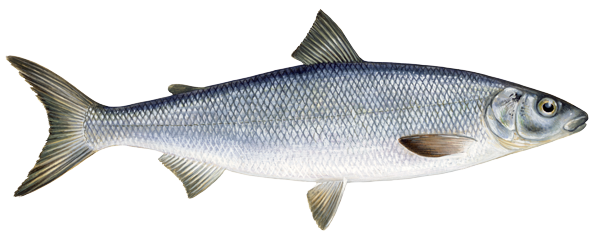
    State wildlife officials found hundreds of dead whitefish in the Yellowstone River above Livingston on Friday, confirming reports of a large-scale fish kill. Montana Fish, Wildlife and Parks said in a news release that staff found 382 dead whitefish on the east bank of the river during a float from the Loch Leven Fishing Access Site to Pine Creek Fishing Access Site. “We consider this to be a significant event,” FWP regional supervisor Sam Sheppard said in the release of August 12. “Whitefish play an important role in the ecosystem and can be an indicator of overall river health.” However, since Aug. 12, the Montana Department of Fish, Wildlife and Parks has counted 4,000 dead mountain whitefish, along with smaller numbers of rainbow trout, Yellowstone cutthroat, longnose suckers, sculpin and longnose dace. The agency estimate that tens of thousands of fish may be dead. The culprit is a microscopic, capsule-shaped parasite called Tetracapsuloides bryosalmonae. The disease, Proliferative Kidney Disease (PKD), has been killing farmed trout for decades. In the last 20 years, it has taken an increasing toll on wild trout populations in Austria, Germany and Switzerland. It has also killed salmon in Norway and Arctic char in Iceland. There are fewer long-term records about outbreaks in North America. But there have been incidents in two isolated locations in central Montana. Recent small outbreaks have also occurred in Washington, Oregon and Idaho, according to Montana park officials. The magnitude of this kill, they say, is unprecedented for the region, “unlike anything our fish health specialists have seen,” the agency posted in a web bulletin. The Yellowstone fish kill comes at the height of the fishing season. Local guides are taking a hit from the closure, and nobody is happy when there are thousands of dead fish floating in the river. The agency is focused on removing dead fish, trying to prevent the spread of the disease.
    Sources: Bozeman Daily Chronicle, August 12, 2016
    http://www.bozemandailychronicle.com/news/environment/hundreds-of-whitefish-found-dead-in-yellowstone-river/article_d78fc580-618e-57e9-b255-f495cd92227e.html
    Inside Climate News, September 2, 2016
    https://insideclimatenews.org/news/01092016/yellowstone-river-fish-dying-kill-tied-global-warming-climate-change-parasite-montana

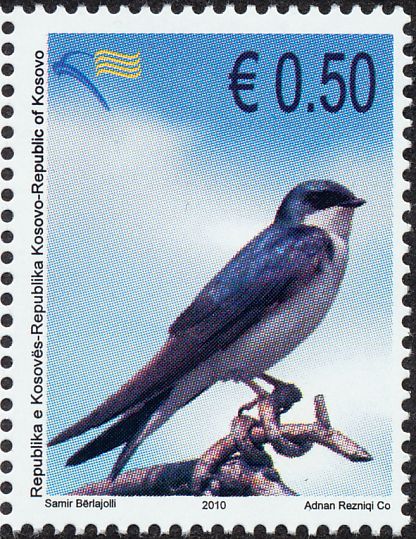
  • Tree Swallow foraging responses to agricultural land use and abundance of insect prey

    Tree Swallow foraging responses to agricultural land use and abundance of insect prey

    Throughout North America, many species of aerial insectivorous birds have exhibited steep declines. The timing of these declines coincides with changes in agriculture, perhaps signaling a causal link. Increased agrochemical use, wetland drainage, and cropping intensity may indirectly influence insectivores by reducing the abundance of insect prey. Our objective was to determine whether changes in insect abundance and biomass on agricultural landscapes in the Canadian Prairies influence the foraging behaviour of breeding Tree Swallows (Tachycineta bicolor (Vieillot, 1808)). Swallows were studied at five sites with varying levels of agricultural intensity in Saskatchewan, where insect abundance and biomass were monitored daily with passive aerial samplers. Radio-frequency identification (RFID) technology was employed at Tree Swallow nest boxes to investigate adult foraging behaviour. Foraging rates (number of nest visits/h) were slightly higher on agricultural sites than at grassland sites, and were positively related to daily insect biomass and nestling age. Tree Swallows, especially males, breeding at agricultural sites spent more time away from the nest box, presumably foraging, resulting in reduced nest attentiveness. RFID technology provides an effective technique to measure behaviour in birds and these findings suggest mechanisms by which prey abundance and agricultural land use may affect declining aerial insectivorous bird populations.

    Source: R.L. Stanton, C.A. Morrissey, and R.G. Clark. Canadian Journal of Zoology, 2016, 94(9): 637-642

  • Increasing neonicotinoid use and the declining butterfly fauna of lowland California

    Increasing neonicotinoid use and the declining butterfly fauna of lowland California

    The butterfly fauna of lowland Northern California has exhibited a marked decline in recent years that previous studies have attributed in part to altered climatic conditions and changes in land use. Here we ask if a shift in insecticide use towards neonicotinoids is associated with butterfly declines at four sites in the region that have been monitored for four decades. A negative association between butterfly populations and increasing neonicotinoid application is detectable while controlling for land use and other factors, and appears to be more severe for smaller-bodied species. These results suggest that neonicotinoids could influence non-target insect populations occurring in proximity to application locations, and highlight the need for mechanistic work to complement long term observational data.
    Source:
    Matthew L. Forister, et al. (2016) Submitted to Biology Letters