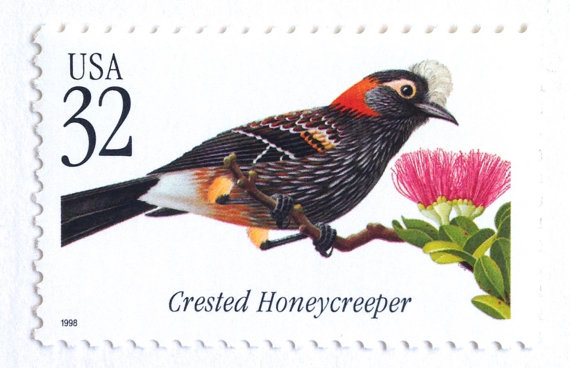
From ocean beach to mountain top, Hawaii was once full of birds, but populations went into decline beginning in the late 19th century. While ornithologists were cautiously optimistic that native birds might be able to recover, a new report suggests some of Hawaii’s most famous native birds may be on the verge of extinction—and a harbinger for worse things to come. The rare Hawaiian honeycreepers are among the most varied bird families around, a consequence of what’s called adaptive radiation, the same process that produced Darwin’s famously diverse finches. Although they once roamed from coast to coast on the islands, Hawaiian honeycreepers are now largely confined to mountain landscapes, where cold temperatures keep mosquitoes and the diseases they carry—notably, non-native avian malaria and avian poxvirus—at bay.
Source:
Auteur: Henk Tennekes
-
Hawaii’s Honeycreepers Are in Serious Trouble
-
Kauai Island forest birds at tipping point toward extinction
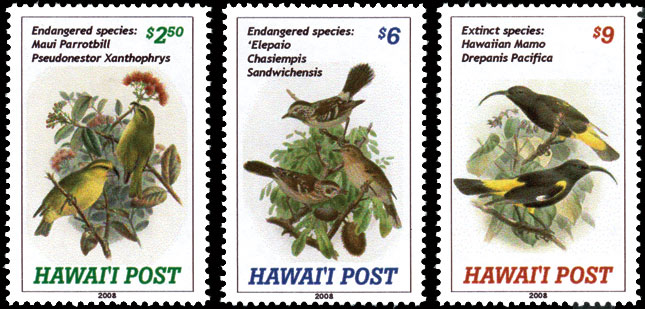
A new study documents the dramatic decline of most native forest birds on Kauai Island, with the implication that several species face extinction in coming decades if current rates of decline continue. On Kauai Island, researchers have conducted forest bird surveys at high elevation sites over the last 30 years to understand population changes over time. An analysis of the population trends indicate that six of eight native species are rapidly declining across their range, a seventh is declining at the edges of its range, and the eighth is already so rare that long-term trends are difficult to determine.
Introduced diseases, like avian malaria, are spread by mosquitoes and have decimated low-elevation populations of most native Hawaiian birds. At high elevations, temperatures have remained too cool for the mosquitoes to develop, providing a disease-free sanctuary for these sensitive birds.The rapid bird population declines documented in this new study indicate that it is likely that disease is invading Kauai’s mountain forests, and along with habitat degradation and non-native predators, can result in the collapse of these bird communities. “The best hope for saving these species from extinction is an immediate and multi-pronged effort to combat the threats of mosquito-borne diseases and introduced predators and to protect and restore these birds’ habitat,” said Lisa Crampton, ecologist with the Hawaii Division of Forestry and Wildlife and the University of Hawai‘i at Mānoa.
The journal article “Collapsing avian community on a Hawaiian island” was published today in Science Advances with lead author Eben Paxton, Richard Camp and Marcos Gorresen of the Hawai‘i Cooperative Studies Unit at the University of Hawai‘i at Hilo, Lisa Crampton of Hawaii Division of Forestry and Wildlife and Pacific Cooperative Studies Unit at University of Hawai‘i Mānoa, David Leonard of the U.S. Fish and Wildlife Service (formerly with Hawaii Division of Forestry and Wildlife), and Eric VanderWerf of Pacific Rim Conservation. Funding for the study was provided by the State of Hawaii Department of Forest and Wildlife and the U.S. Fish and Wildlife Service State Wildlife Grant Program.
Source: USGS, September 7, 2016
https://www.usgs.gov/news/declining-bird-community-kauai-island-reveals-threat-changing-environmental-conditions?qt-news_science_products=6#qt-news_science_products -
Pesticides may hurt many songbirds by eliminating or poisoning the insects they eat
When I started with Save Our Seine, I was surprised by an unusual topic on every board agenda: “Things we have learned from nature.” With recent news about mosquitoes, malathion, and the cosmetic use of herbicides, I would like to share things I learned from nature in 1981 that had a profound impact on me. Manitoba was in the midst of an outbreak of western equine encephalitis (WEE). Like West Nile virus, WEE is spread by infected mosquitoes. A DC-6 aircraft was brought in to quickly blanket the city with Baygon to reduce the mosquito population.
Returning home to St. Vital that day, I found thousands of insects, dead or dying, on the driveway. There were beetles and bugs, butterflies and moths, bees and flies and insects I never knew existed. I don’t recall seeing mosquitoes among the dead. I only saw the terrible ecological price of pesticides.
As an ecologist, I wanted to learn more. What presents a greater risk to human health — disease outbreaks or pesticides?
We were assured that Baygon was safe but I was not convinced. I thought back to the late 1960s — before DDT was banned. Kids would chase fogging trucks on their bikes to see who could hide in the fog the longest.
I devoured Rachel Carson’s book, Silent Spring, which is as relevant today as when it was published in 1962. The names of the pesticides have changed but the underlying ecological principles remain true.
Pesticides are powerful poisons. A few parts per million can have vast impacts on living things. Pesticides attack the fundamental body systems and processes shared by creatures from insects to humans. Some pesticides may be less harmful to humans than others but none are truly safe.
Although we talk about “fogging for mosquitoes,” malathion can kill any insect it touches — including beneficial ones. In 2010, malathion was found in 40 per cent of rain gauges tested in south Winnipeg. One-quarter contained levels high enough to harm aquatic species.
Regulations require no-spray buffer strips beside waterways to prevent pesticides from entering rivers, lakes, or wetlands. In cities, this protection is undermined by storm drain pipes that quickly carry pesticide-laden runoff to rivers from well beyond the buffer strip.
Before deciding if we truly need pesticides to control nuisance mosquitoes or dandelions, I encourage you to read Silent Spring. You will learn much from nature through a scientist with the sensitivity of a poet.
Source: Michele Kading in the Winnipeg Free Press, September 6, 2016
http://www.winnipegfreepress.com/our-communities/lance/correspondent/Things-I-learned-from-nature–and-Rachel-Carson-392475581.html
Michele Kading is a community correspondent for St. Vital and the executive director of Save Our Seine — www.saveourseine.com -

Butterflies among wildlife feeling effect of insecticides
Butterflies have joined the ranks of honeybees, bumblebees, moths and other insects that may be feeling the effects of the controversial neonicitinoid insecticides. UK researchers have found that even insects which do not pollinate oilseed rape may be harmed by the chemicals. Neonicotinoids – or neonics for short – are insecticides similar to nicotine, acting on the central nervous system to paralyse insects. One of them, imidacloprid, is the most widely used insecticide in the world. An American study found that butterfly species in California’s Central Valley have dipped since the 1990s – around the same time that neonicotinoids were introduced.
Matthew Forister of the University of Nevada and his colleagues report in Biology Letters that those two events may be linked.
They ruled out warmer summers or other possible causes, and found that butterfly species in areas with higher pesticide use experienced the steepest declines.
A team from the Centre for Ecology & Hydrology studied the fate of 62 wild bee species over 18 years – the period since the widespread use of neonicitinoids began.
They found a link between the use of the pesticides and the odds of a particular bee population going extinct, they report in the journal Nature Communications.
The decline was, on average, three times stronger among species that regularly feed on the crop such as buff-tailed bumblebee (Bombus terrestris) compared to species that forage more widely.
The scientists report that they found evidence suggesting that neonicotinoid use is linked to large-scale and long-term decline in wild bees.
Source: Pitch Care, September 2016
https://www.pitchcare.com/magazine/butterflies-among-wildlife-feeling-effect-of-insecticides.html -
Amphibiensterben: Pestizide im Visier der Forscher
Zwei Drittel aller Amphibienarten gelten bei uns als gefährdet. Und trotz der vielfältigen Bemühungen von Naturschützern gehen die Populationen weiter zurück. Woran liegt das? Umweltwissenschaftler von der Universität Koblenz-Landau haben einen Verdacht: den Pestizideinsatz in der Landwirtschaft: Das Team um den Biologen Carsten Brühl hat sieben der gängigsten Spritzmittel an jungen Grasfröschen im Labor getestet, darunter vier Mittel gegen Pilzbefall, ein Insektizid und zwei Unkrautvernichtungsmittel. Die Substanzen wurden auf das anwendungsübliche Maß verdünnt und die Tiere damit besprüht – mit fatalen Folgen: Bei sechs von sieben Pestiziden starben 40 bis 100 Prozent der Frösche binnen einer Woche. Da die Spritzmittel extrem unterschiedliche Wirkstoffe enthalten, glauben die Forscher, dass sogenannte Beistoffe für die hohe Sterberaten verantwortlich sind. Diese Stoffe sorgen dafür, dass die Pestizide besser an den Pflanzen haften bleiben und sie besser durchdringen. Für Amphibien ist genau das gefährlich, denn ihre Haut ist extrem durchlässig, ja sie atmen sogar durch die Haut.
Das Forscherteam würde gerne die Beistoffe näher analysieren. Doch das ist nicht möglich. Sie müssen von den Herstellern der Spritzmittel nicht angegeben werden, denn sie unterliegen dem Patentschutz und somit der Geheimhaltung. Die Hersteller weisen auch die Forschungsergebnisse zurück, mit dem Argument, Laborversuche ließen sich nicht auf die Bedingungen im Freiland übertragen.
Carsten Brühl hat daher in diesem Frühjahr drei ausgewachsene Erdkröten in einem Weinberg eingefangen und mit Sendern versehen. So konnte er bereits nachweisen, dass sich die Amphibien durchaus zu den Zeiten im Weinberg aufhalten, in denen gespritzt wird. Was wenig bekannt ist: Viele Amphibien verbringen einen Großteil ihres Lebens auf landwirtschaftlichen Flächen. Und auf den meisten Flächen wird gespritzt. Auf Getreidefeldern im Durchschnitt vier Mal pro Jahr, im Weinberg 17 Mal. Spitzenreiter aber sind die Obstplantagen mit bis zu 30 Anwendungen pro Jahr.
Können die am Boden lebenden Amphibien diesem Giftregen überhaupt noch entkommen? Diese Frage stellt sich auch Carsten Brühls Teamkollegin Kathrin Theißinger. Sie ist Molekularbiologin und hat die Gene von Grasfröschen aus einem Weinberg analysiert. Das Ergebnis: Im Vergleich zu Fröschen, die in einem Naturpark leben, ist das Erbgut der Weinberg-Grasfrösche extrem verarmt. Offenbar können sich die Tiere nicht mehr mit ihren Artgenossen aus den benachbarten Teichen paaren, weil sie den Weg dorthin nicht überleben.
Die Hinweise, dass Spritzmittel Amphibien gefährden, verdichten sich also. Deshalb pocht auch das Bundesumweltamt unter Berufung auf die Studienergebnisse auf eine Nachbesserung der Richtlinien für die Zulassung von Spritzmitteln. Ohnehin ist es ein Skandal, dass sie bislang bei den Umweltverträglichkeitsprüfungen nicht berücksichtigt wurden. Somit ist es auch kein Wunder mehr, dass ihre Bestände massiv schrumpfen.Kontakt:
Universität Koblenz-Landau
Dr. Carsten Brühl
Fortstraße 7, 76829 Landau
Tel. (06341) 28 03 10
E-Mail: bruehl@uni-landau.de
Quelle: ARD, 03.09.16
http://www.daserste.de/information/wissen-kultur/w-wie-wissen/artensterben-100.html -
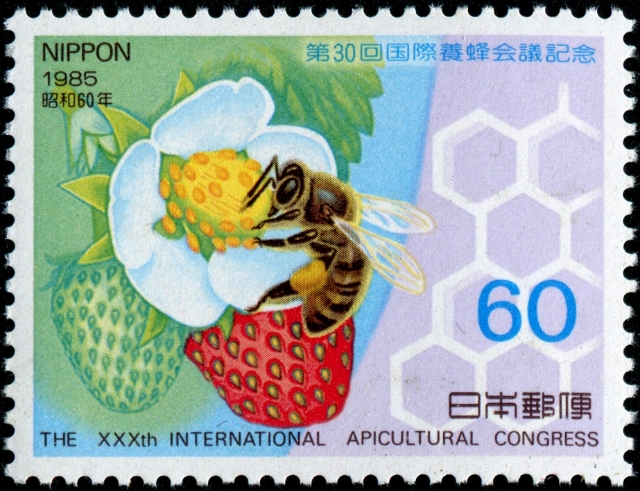
Abeilles : le pesticide fipronil altère la fertilité des mâles exposés, selon l’Inra
Les chercheurs de l’Institut national de recherche agronomique (Inra) démontrent, dans une nouvelle étude, que l’exposition des mâles d’abeille au pesticide fipronil “affecte indirectement la capacité de reproduction des reines”. Leurs résultats sont parus le 23 août dernier dans “Scientific Reports”. Pour rappel, le fipronil appartient à la famille chimique des phénylpyrazoles. Le 31 décembre 2013, la Commission européenne avait interdit pendant deux ans son usage, pour le traitement des semences de tournesol et de maïs dans l’Union européenne. Cette restriction de l’insecticide faisait suite à un avis de l’autorité européenne pour la sécurité des aliments (Efsa) qui avait identifié en mai 2013 des risques pour les abeilles exposées aux émissions de poussières issues de ces semences.
L’Efsa prévoit de réexaminer les risques du fipronil sur les abeilles et a lancé un nouvel appel à données scientifiques. L’étude de l’Inra devrait y contribuer. Les chercheurs se sont intéressés à la qualité des semences mâles (faux-bourdons), exposés quotidiennement au fipronil, via un sirop contaminé à une faible concentration environnementale de 0,1 µg/L (microgramme par litre). Ces mâles ont été élevés en conditions semi-contrôlées, de la naissance jusqu’à la maturité sexuelle.
Les chercheurs ont observé que leur fertilité était altérée en affectant la concentration, le taux de survie et le métabolisme de leurs spermatozoïdes. De jeunes reines vierges, inséminées avec le sperme de ces mâles, présenteraient également une diminution de 30% du nombre de spermatozoïdes viables qu’elles stockent pour féconder leurs œufs. Ces résultats ont été constatés après deux semaines d’élevage en laboratoire.
L’exposition des mâles au fipronil “conduit à une altération des mécanismes de sélection des meilleures semences retenues par les reines”, conclut l’Inra. “Ces troubles de la reproduction pourraient être une des causes du déclin des colonies, largement observé dans le monde ces dernières décennies”.
Source: Actu-Environnement, 06.09.2016
http://www.actu-environnement.com/ae/news/abeilles-pesticide-fipronil-altere-fertilite-males-inra-27450.php4 -
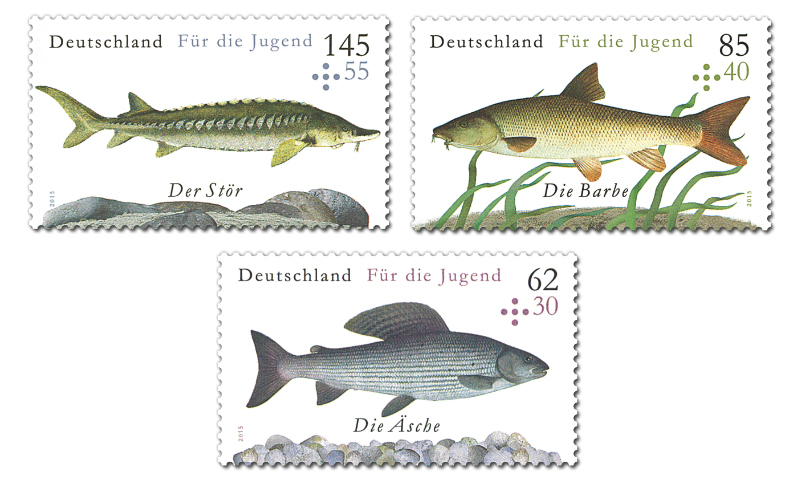
Minusrekord für Fischer am Bodensee
Norbert Knöpfler muss viel Frust aushalten, und zwar seit vielen Jahren: Wenn er morgens in Langenargen sein Boot besteigt und auf den Bodensee hinausfährt, findet er meist nur noch eine Handvoll Felchen in den Netzen. „Das lohnt sich kaum noch“, sagt der Vorsitzende des Württembergischen Fischereivereins. Die jüngst veröffentlichten Fangzahlen des vergangenen Jahres für die baden-württembergische Berufsfischerei sind in der Tat dramatisch. Allein gegenüber dem Jahr 2014 ist der Fang der wichtigen Felchen um 53 Prozent eingebrochen; sie machen zwei Drittel des Fangs aus. Bei Barsch und Seesaibling ist der Rückgang noch stärker, über alle 16 Speisefische hinweg sind es 46,5 Prozent. Bei Norbert Knöpfler waren die Zahlen sogar noch schlechter. Und im Vergleich zu früheren Jahren sieht die Bilanz geradezu katastrophal aus: Wurden 2011 knapp 300 Tonnen Felchen aus dem See geholt, waren es 2015 gerade 65 Tonnen.
Quelle: Stuttgarter Zeitung, 09.05.16
http://www.stuttgarter-zeitung.de/inhalt.streit-am-bodensee-minusrekord-fuer-fischer-am-bodensee.3c17077b-d219-41c1-8b9b-fc5a8b4a6a61.html -
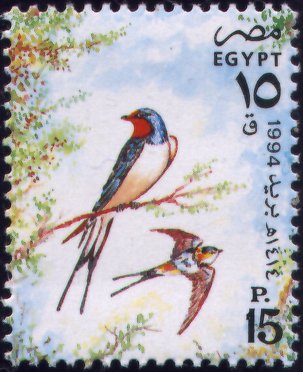
Der Bestand der Mehlschwalben in Potsdam ist dieses Jahr um rund 30 bis 40 Prozent zurückgegangen
Wer in der Nähe von Bauernhöfen, Ställen und alten Häusern aufgewachsen ist, kennt sie gut: Schwalben und ihre kugeligen Nester unter Dachgiebeln und Fenstersimsen. Nicht wenige schauen den kleinen Vögeln immer wieder fasziniert dabei zu, wie sie in halsbrecherischen Flugmanövern elegant und blitzschnell auf der Jagd nach Insekten durch den Abendhimmel schwirren. Es wird jedoch immer schwerer, Schwalben zu beobachten, denn die geschützten Tiere machen gerade schwere Zeiten durch: Insbesondere der Bestand der Mehlschwalben in Potsdam ist dieses Jahr um rund 30 bis 40 Prozent zurückgegangen. Diese Schätzung geht auf Beobachtungen von Manfred Pohl zurück, Mitglied des Potsdamer Kreisverbandes des Naturschutzbundes (Nabu) und Mitglied der örtlichen Fachgruppe Ornithologie: „Zum Beispiel gab es seit Jahren eine Mehlschwalben-Kolonie mit 10 bis 15 Nestern an der Statue am nördlichen Ende der Ricarda-Huch-Straße – die sind alle leer, ein Totalausfall.“ Ähnliche Verluste hat Pohl auch bei anderen Mehlschwalben-Nestern registriert.
Was die Ursache für diesen dramatischen Rückgang sein könnte, darüber kann Pohl nur spekulieren:
Ein Grund sei der Mangel an Futter, sprich: Insekten. Durch das immer intensivere Sprühen von Pestiziden in der Landwirtschaft finden die Vögel logischerweise auch weniger Nahrung. „Das kann man bereits an der Windschutzscheibe seines Autos sehen“, sagt Pohl. „Früher musste man die Scheibe spätestens nach hundert Kilometern von toten Insekten säubern, heute fliegen kaum noch welche gegen die Scheibe.“Zum Teil sind Schwalben aber auch schlicht unerwünscht: Bei vielen Hausbesitzern sind sie wegen des Kots, der Wände und Böden beschmutzt, unbeliebt und werden durch bauliche Maßnahmen am Nisten gehindert. Das ist problematisch, denn Schwalben sind sogenannte Kulturfolger, ihr natürlicher Lebensraum sind vom Menschen erbaute Gebäude. In Einzelfällen werden Nester sogar entfernt – was verboten ist, denn die Tiere stehen unter Schutz.
Quelle: Potsdamer Neueste Nachrichten, 05.09.2016
http://www.pnn.de/potsdam/1109949/ -

Een causaal verband tussen inenting tegen de Mexicaanse griep en het optreden van narcolepsie is zeer plausibel
In 2009 werden in Nederland jonge kinderen gevaccineerd tegen de Mexicaanse griep. In het Mexicaanse-griepvaccin zit Thiomersal, een kwikverbinding die bedoeld is om schimmels en bacteriën de nek om te draaien. Het RIVM zegt in een rapport van 2009 dat Thiomersal geen probleem is. Het gebruik van antimicrobiële middelen in multi-doses vaccins, zoals het pandemisch vaccin, is volgens het RIVM nodig, en Thiomersal zou in deze gevallen de eerste keuze vanwege de effectiviteit en ervaring van de vele jaren die er met dit middel is. Ook toediening tijdens de zwangerschap (zwangerschapsduur langer dan 13 weken) zou veilig zijn voor moeder en kind. Acht Nederlandse kinderen, onder wie zeven peuters, zijn echter na inenting met het vaccin tegen de Mexicaanse griep getroffen door de ernstige slaapziekte narcolepsie. Dat blijkt uit meldingen die zijn gedaan bij het Bijwerkingen Centrum Lareb in Den Bosch. Door de ziekte hebben de kinderen onder meer last van onbedwingbare slaapaanvallen overdag. In 2012 werd duidelijk uit Europees onderzoek dat er een verband is tussen het gebruikte vaccin Pandemrix en de chronische slaapziekte. Uit recent onderzoek van ETS Nederland bleek dat de neurotoxiciteit van organische kwikverbindingen beschreven wordt door de Druckrey-Küpfmüller vergelijking c·tn = constant (c = concentratie, t = latente periode, n is een exponent >1), net als dat voor kankerverwekkende stoffen en neonicotinoïde insecticiden het geval is.Voor dergelijke stoffen is een veilige dosis niet definieerbaar. Dat maakt een causaal verband tussen inenting tegen de Mexicaanse griep en het optreden van narcolepsie zeer plausibel.
Bronnen:
Niburu, 9 mei 2014
http://www.niburu.nl/slaapziekte-door-griepvaccin/
RIVM Thiomersal in vaccins (bijlage)
J. Pletz, F. Sánchez-Bayo, H. A. Tennekes (2016) Dose-response analysis indicating time-dependent neurotoxicity caused by organic and inorganic mercury—Implications for toxic effects in the developing brain. Toxicology 347, 1–5 (bijlage) -
Graham White’s presentation to the American Beekeepers Federation in 2014
Attached is a PDF slideshow, of the Keynote/ Powerpoint the British environmentalist and beekeeper Graham White presented in California to the American Beekeepers Federation in 2014. He also gave the same slideshow and talk to the directors of the Sierra Club – the most influential environmental NGO in the USA. This was presented as a Webcast from the Pesticide Research Institute in Berkeley to several hundred beekeepers who logged in to their website from all over the States.
Youtube: