Auteur: Henk Tennekes

  • Für NRW ist der Kampf um den Feldhamster schon verloren!

    Für NRW ist der Kampf um den Feldhamster schon verloren!

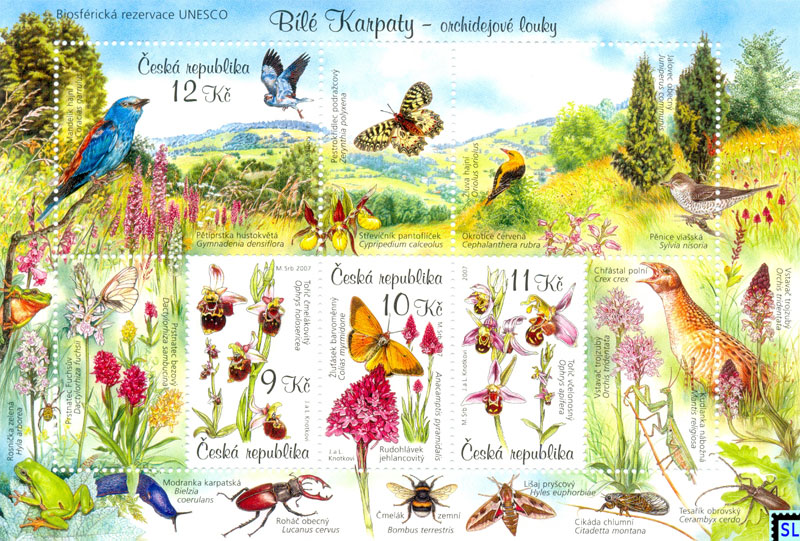
    Für Nordrhein-Westfalen gibt es traurige Gewissheit: In diesem Bundesland ist der Kampf um den Feldhamster (Cricetus cricetus) schon verloren! Vorkommen des stark bedrohten Säugetieres, das seit Jahren einen Stammplatz auf der Roten Liste hat, können nur noch in wenigen Bundesländern nachgewiesen werden. Das belegt eine Verbreitungskarte der Deutschen Wildtier Stiftung und des Forschungsinstituts Senckenberg. Die Karte zeigt, wie dramatisch der Rückgang des sympathischen Säugetieres ist.

    Die Gründe für den rasanten Rückgang der Feldhamster-Population sind vor allem im August überall gut zu beobachten. “Die Agrarlandschaft war einst ein artenreicher Lebensraum. Die zunehmend intensive Nutzung ist dagegen ein Todesurteil für die Artenvielfalt”, sagt Peer Cyriacks, Biologe der Deutschen Wildtier Stiftung.

    Ein Beispiel: Aktuell wird gerade der Winterweizen eingefahren. Für die Feldhamster ist die Ernte ein Schock: Über Nacht wurde aus ihrem wogenden Weizenfeld eine kahle Ackerwüste!

    Der Nager braucht aber nicht nur die Deckung im Feld, die ihn vor Fressfeinden wie Fuchs oder Bussard schützt – er braucht vor allem auch die Feldkörner und Samen für sein Winterlager. Denn hat er während des Winterschlafs keinen unterirdischen Nahrungs-Vorrat in seinem Bau liegen, stehen seine Überlebenschancen sehr schlecht.

    Die neue Verbreitungskarte zeigt, wie stark die Vorkommen geschrumpft sind. Manche Feldhamsterpopulationen stehen vor dem Aus, weil sie isoliert von anderen sind. In den Randgebieten bestehen isolierte Grüppchen oft nur noch aus wenigen Individuen.

    “Bei weniger als 50 Tieren auf einem Fleck gibt es für den Feldhamster keine Zukunft”, erklärt Tobias Reiners vom Forschungsinstitut Senckenberg.

    Peer Cyriacks von der Deutschen Wildtier Stiftung warnt: “Wenn nicht schnell passende Schutzmaßnahmen ergriffen werden, stirbt die Art schon bald komplett aus.”

    Quelle: Vet-Magazin, 08.08.16
    http://www.vet-magazin.com/wissenschaft/wildtierkunde/Verbreitungskarte-Feldhamster.html

  • Déclin des colonies d’abeilles et disparition des reines

    Déclin des colonies d’abeilles et disparition des reines

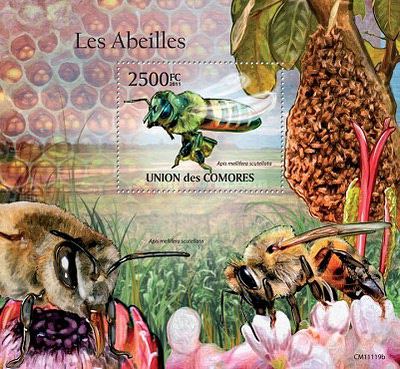
    Les chercheurs de l’Inra montrent aujourd’hui que l’exposition chronique et indirecte à une dose très faible d’un pesticide néonicotinoïde, ainsi que l’infection par un parasite commun des abeilles, affecte très fortement la survie des reines en conditions naturelles et modifie leur physiologie. L’interaction entre l’imidaclopride et Nosema cerana est encore plus néfaste sur les reines que chaque stress pris séparément. Ces résultats sont publiés le 31 août 2016 dans Scientific Reports.

    Dans la nature, les colonies d’abeilles domestiques (Apis mellifera) sont constamment exposées à des facteurs de pression multiples, entre autres insecticides et agents pathogènes, dont l’action conjointe est suspectée être en partie à la base du déclin des colonies.
    Face à la mortalité accrue des abeilles ouvrières, la fertilité de la reine est essentielle pour le renouvellement de la population et la survie de la colonie. Or, les apiculteurs constatent des mortalités anormales de reines depuis plusieurs années, au point que certains d’entre eux doivent changer systématiquement une partie importante de leur cheptel de reines afin d’éviter la perte de leurs colonies, alors qu’une reine peut normalement vivre de 4 à 5 ans.

    Les insecticides de la famille des néonicotinoïdes sont au centre de la controverse à cause de leur toxicité élevée pour des organismes non-cible comme les pollinisateurs. Jusqu’à présent la majorité des recherches ont ciblé les effets nocifs des pesticides et autres facteurs sur les ouvrières. Les chercheurs de l’Inra ont étudié le comportement de reines, exposées à un pesticide néonicotinoïde de façon indirecte et/ou à l’agent pathogène Nosema cerana.

    Ils ont ainsi élevé 4 groupes de 10 reines, et ont reconduit l’expérience pendant 2 années. En laboratoire, un groupe a été nourri par des ouvrières elles-mêmes exposées à un pesticide néonicotinoïde (imidaclopride), un deuxième a été exposé au parasite Nosema cerana, le troisième aux deux stress, le quatrième étant le groupe témoin. Ensuite, les jeunes reines ont été installées, comme le font les apiculteurs, dans de petites ruches placées dans des champs, pour qu’elles puissent sortir s’accoupler et revenir pondre leurs œufs.

    Les résultats montrent que l’exposition chronique et indirecte à une dose très faible d’un pesticide néonicotinoïde, l’imidaclopride (0,7 ppp, dose à laquelle les abeilles peuvent être confrontées dans la nature), ainsi que l’infection par un parasite commun des abeilles, Nosema cerana, affecte très fortement la survie des reines en conditions naturelles et modifie leur physiologie. L’interaction entre le pesticide et l’agent pathogène est encore plus néfaste sur les reines que chaque stress pris séparément. En effet, sur les 2 expérimentations menées, entre 90% et 100% des reines ont disparu dans un délai de 45 à 90 jours.

    Les chercheurs de l’Inra ont observé une réponse de protection contre l’action de l’imidaclopride, et notamment contre le stress oxydant du à l’interaction parasite – pesticide, à travers l’augmentation de l’activité d’enzymes spécifiques dans la tête et l’intestin des reines. Cependant, ces mécanismes de protection ne seraient pas suffisants pour éviter la mortalité prématurée des reines.

    Ces résultats pourraient expliquer la perte de la capacité de résilience de la colonie, lorsque la disparition de la reine entraîne l’arrêt de la ponte et donc la production de nouvelles ouvrières.

    Note:
    L’imidaclopride est une substance insecticide de la famille des néonicotinoïdes. Ces insecticides dits systémiques, se retrouvent aussi bien dans le nectar que dans le pollen des fleurs et se retrouvent dans les produits de la ruche. Depuis fin 2013, un moratoire européen interdit leur utilisation pour le colza, le tournesol et le coton. Il est autorisé en France en pulvérisation sur les arbres fruitiers et conifères de forêts, ainsi qu’en enrobage de graines sur le blé d’hiver, avoine, l’orge d’hiver le seigle, la betterave et le triticale.

    Référence publication:
    Dussaubat, C. et al. Combined neonicotinoid pesticide and parasite stress alter honeybee queens’ physiology and survival. Sci. Rep. 6, 31430; doi: 10.1038/srep31430 (2016)

    Contact scientifique:
    Yves LE CONTE, Directeur de l’unité “Abeilles et environnement”
    Département associé: Santé des plantes et environnement
    Centre associé: Provence-Alpes-Côte d’Azur

    Source:Techno-Science Net, 02/09/2016
    http://www.techno-science.net/?onglet=news&news=15459

  • Acute Toxicity Effects of three Pesticides and their Combinations on Bombus terrestris

    Acute Toxicity Effects of three Pesticides and their Combinations on Bombus terrestris

    Bumblebees are valuable pollinators and, like honeybees, contribute to crop production worldwide. During pollination, they come into contact with pesticides, which affect their vitality and behaviour. Moreover, the applications of pesticide mixtures in agriculture increase exposure risks to many animals, including insects. In this study, Bombus terrestris workers were fed with imidacloprid, cypermethrin and dimethoate, either as single compounds or as mixtures. Each pesticide was tested at the LD50 values found in the literature and in near concentrations to these, as well as at 1/10 of the experimentally evaluated LD50, including one to four replicates per pesticide or pesticide combination. The effect on worker mortality was documented after 24h and 48h, respectively. For these experiments, individuals from different colonies with nearly the same weights were used as subjects and were marked to trace their origin. The statistical strength of the results were verified by applying Mann-Whitney-U tests. A dramatically higher mortality rate was observed in the LD50 experiments that included combinations of the three pesticides, even at the minimal dosage of 1/10 of the full LD50 value. This study also alludes to the inherent difficulties of measuring LD50 values. LD50 values found in the present experiments were much higher than those reported in the literature. The results obtained support the hypothesis that pesticide combinations are responsible
    for higher mortality rates supposedly through synergistic effects.
    Source:
    Waibel A., Schühly W., Hernández-López J., Riessberger-Gallé U., Strobl V. & Crailsheim K. 2016: Akute Vergiftung der Hummel Bombus terrestris (Linnaeus, 1758) durch drei Pestizide und deren Kombination. – Entomologica Austriaca 23: 97–107.

  • Akute Vergiftung der Hummel Bombus terrestris durch drei Pestizide und deren Kombination

    Akute Vergiftung der Hummel Bombus terrestris durch drei Pestizide und deren Kombination

    Anhand von zuvor ausgetesteten LD50-Werten der Insektizide Imidacloprid, Cypermethrin und Dimethoat wurden Kombinations-Schemata dieser drei Stoffe erstellt und an Arbeiterinnen von Bombus terrestris verfüttert. Die eigenen LD50-Werte lagen meist deutlich über den Werten der Literatur. Alle ergebnisbringenden Durchgänge wurden mindestens einmal wiederholt und es wurden stets Kontrollgruppen mitgeführt. Bei zeitgleicher Verabreichung der Kombination aller drei Stoffe in der vollen LD50 wurde eine erhöhte Mortalität verzeichnet und selbst bei einem Zehntel der Konzentration der drei Stoffe wurden sehr hohe Mortalitätsraten dokumentiert. Dies zeigt, dass die gleichzeitige Aufnahme mehrerer Stoffe eine Effektverstärkung mit sich bringt. Bei Verhaltensbeobachtungen wurde festgestellt, dass auch geringe Dosen der Insektizide starke Auswirkungen auf die Aktivität der Tiere hatten.
    Quelle:
    Waibel A., Schühly W., Hernández-López J., Riessberger-Gallé U., Strobl V. & Crailsheim K. 2016: Akute Vergiftung der Hummel Bombus terrestris (Linnaeus, 1758) durch drei Pestizide und deren Kombination. – Entomologica Austriaca 23: 97–107.

  • The flatwoods salamander was listed as Federally Threatened by the US Fish and Wildlife Service in 1999

    The flatwoods salamander was listed as Federally Threatened by the US Fish and Wildlife Service in 1999

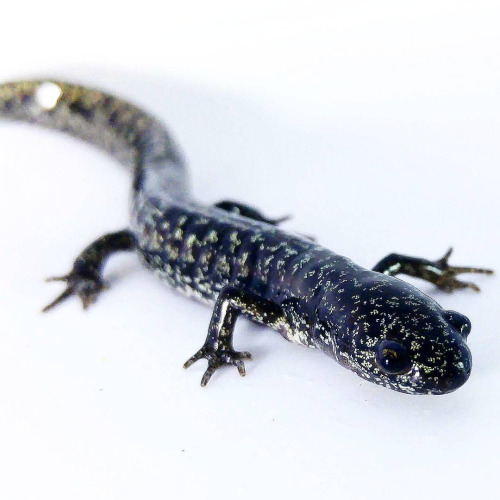
    The reticulated flatwoods salamander (Ambystoma bishopi) and frosted flatwoods salamander (Ambystoma cingulatum) are black to chocolate-black salamanders with light-gray lines and specks that form a cross-banded pattern across their backs. Both species occupy longleaf pine flatwoods in the lower southeastern coastal plain. The animals spend most of their lives underground, in crayfish burrows, root channels or burrows of their own making; they emerge in the early winter rains to breed in small, isolated seasonal wetlands.

    Once prevalent throughout Alabama, Florida and Georgia, the reticulated flatwoods salamander (Ambystoma bishopi) has not been observed in Alabama in approximately 35 years. In 2009 this species was struggling to hang on in 20 small isolated populations, and the frosted flatwoods salamander (Ambystoma cingulatum) was found in only 25 tenuous populations in Florida, Georgia and South Carolina. Since then many of these populations have declined or even disappeared.
    The Fish and Wildlife Service listed the flatwoods salamander (Ambystoma cingulatum) as a federally threatened species in 1999. As a result of a taxonomic reclassification of the species, in 2008 the Service recognized the flatwoods salamander as two distinct species. In 2009 the agency finalized its determination of endangered status for the reticulated flatwoods salamander (Ambystoma bishopi), while retaining a threatened status for the frosted flatwoods salamander (Ambystoma cingulatum). In response to a lawsuit by the Center for Biological Diversity, the Service in February 2009 designated 4,453 acres of protected critical habitat for the reticulated flatwoods salamander and 22,970 acres of protected critical habitat for the frosted flatwoods salamander.
    Source: Center for Biological Diversity, press release, August 22, 2016
    http://www.biologicaldiversity.org/news/press_releases/2016/flatwoods-salamanders-08-22-2016.html

  • The Diamondback terrapin is now classified as a species of “greatest conservation need”

    The Diamondback terrapin is now classified as a species of “greatest conservation need”

    Diamondbacks (Malaclemys terrapin) are something of a revered species in Maryland, designated not only as the state reptile but the mascot of the University of Maryland, College Park. A long lived species, the diamondback terrapin can reach ages in excess of 20 years. Their diet includes mollusks, insects, crustaceans, and small fish. Chesapeake colonists ate terrapin prepared Native-American fashion, roasted whole in live coals. Abundant and easy to catch, terrapin were so ample that landowners often fed their slaves and indentured servants a staple diet of terrapin meat. Later, in the 19th century, the turtle was appreciated as gourmet food, especially in a stew laced with cream and sherry. The turtles were among the most prized seafood catch of the Chesapeake Bay; they were regarded as so valuable that a 1797 state statute restricted the use of terrapin as a food for slaves. But the diamondback terrapin has been in decline, the commercial harvest closed by the state in 2007. No one quite knows how many terrapins remain in the Chesapeake and the coastal bays around Ocean City. But the losses have been high enough for the state to classify them as a species of “greatest conservation need.”
    Sources:
    The Baltimore Sun, August 17, 2016
    http://www.baltimoresun.com/news/opinion/editorial/bs-ed-terrapin-20160817-story.html
    Maryland government
    http://msa.maryland.gov/msa/mdmanual/01glance/symbols/html/reptile.html

  • Gopher tortoise is now listed as “threatened”

    Gopher tortoise is now listed as “threatened”

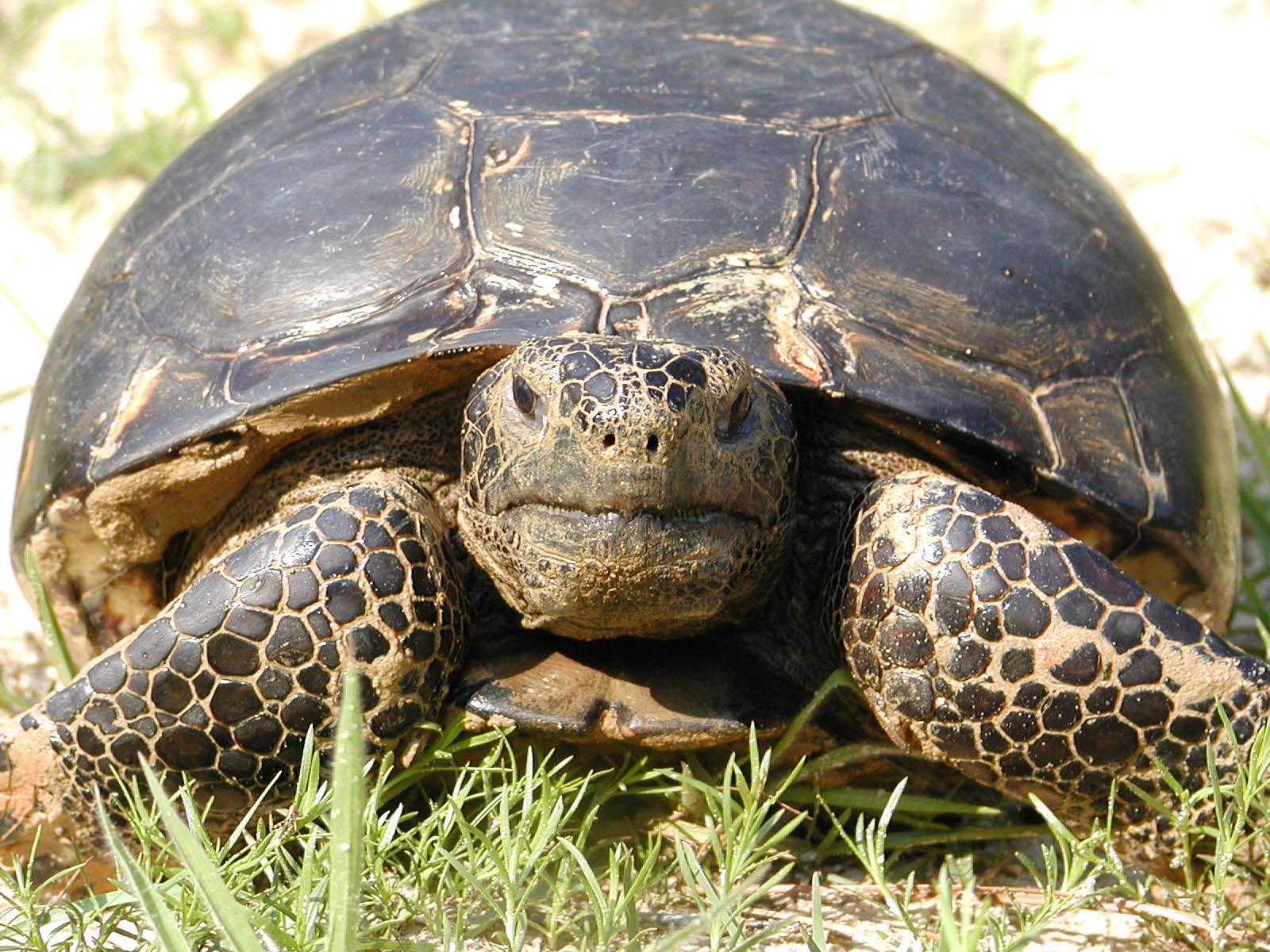
    Gopher tortoises (Gopherus polyphemus) belong to a group of land turtles that originated in North America about 60 million years ago, making the species one of the oldest living today. This plodding, methodical, armored reptile is at once eye-catching and fascinating. Pure nature lovers might even describe the sluggish critter as winsomely attractive, albeit grotesquely so. Of all Southern turtles, the familiar “gopher” is one that seldom fails to capture the attention of most observers, first-time spotters or otherwise. Designated Georgia’s State Reptile in 1989, the gopher tortoise is now officially recognized for its contributions to the ecological balance of the state’s coastal plain habitat. Now listed as “threatened,” it is considered a keystone species in the rapidly disappearing longleaf pine/ wiregrass ecosystem. A keystone species is defined as any species whose extinction would result in measurable changes to the ecosystem in which it occurs.

    Despite efforts of the Georgia Department of Natural Resources to restore longleaf pine communities in select state parks and other protected areas, the long-term future of the State Reptile is far from assured. Experiencing an 80 percent population decline over the past 100 years, the gopher tortoise has all but disappeared in portions of its native range. The largest and healthiest remaining populations are in Georgia and Florida. Remnant populations also exist in South Carolina, Alabama, Mississippi, and Louisiana.
    Source: Albany Herald, August 27, 2016
    http://www.albanyherald.com/sports/gopher-tortoise-declining-keystone-species/article_19b2716b-8262-5a42-80f5-952fa947fd59.html

  • The last bats of Gibraltar

    The last bats of Gibraltar

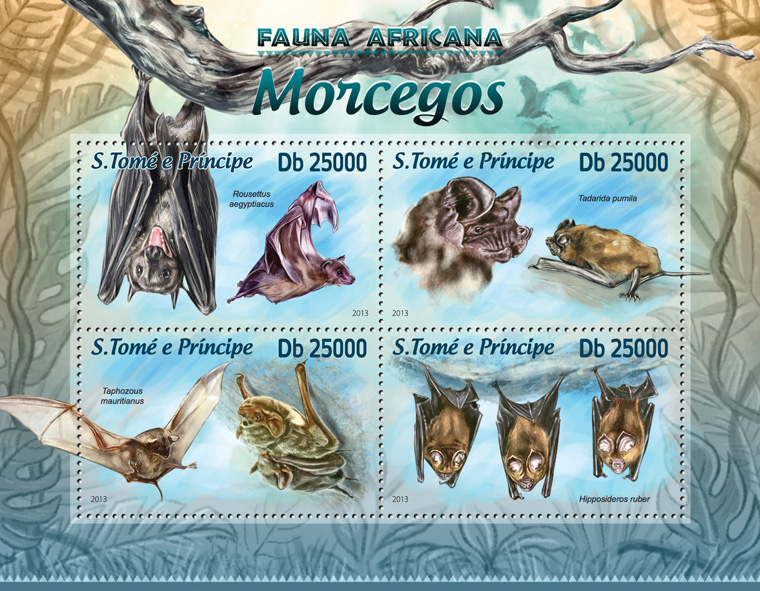
    Two decades ago, there were tens of thousands of bats on the Rock. Now, some species can be counted in the hundreds, while others have become extinct here altogether. “Nearly 99% of the entire population of bats in Gibraltar has disappeared in the last 20 years,” said Gibraltar Bats project member Stewart Finlayson. “We have started this project, we are now looking out for them and we have support from the necessary bodies to try and change it.” “We are giving this our best shot between everyone, the department of the environment have bought bat boxes and items like that which are being fitted on various sites around Gib, to try and give these animals a chance.” The problem is not unique to Gibraltar. Globally the overwhelming majority of bat species are either critically endangered or endangered.
    Source: Gibraltar Chronicle, 30 August 2016
    http://chronicle.gi/2016/08/bat-population-plummets-over-two-decades/

  • Beunruhigendes über Schwalben, Fledermäuse und Schmetterlinge

    Beunruhigendes über Schwalben, Fledermäuse und Schmetterlinge

    Sie alle sind selten geworden, im Landkreis Ebersberg. Schmetterlinge in Kirchseeons Gärten sind rar geworden. Vor einigen Jahren noch zählten Tagpfauenauge, Distelfalter, Taubenschwänzchen oder der kleinen Fuchs zu den täglichen Gartenbesuchern, heute sind sie eine Besonderheit geworden. Der Sommerflieder, auf den sich in den letzten Jahren immer wieder mehrere Exemplar niederließen, lockt nach heutigen Zählungen höchsten ein Exemplar am Tag an. Noch flattern Zitronenfalter und Kohlweißlinge in der Mehrzahl statt in der Einzahl durch die Gärten, noch.

    Eidechsen sind wie alle Amphibien eine Besonderheit geworden und selbst Nachtfalter oder Mücken, die früher die Windschutzscheiben verklebten, fehlen in der Zwischenzeit. Abgesehen von den diesjährigen Überschwemmungs-gebieten haben sie sich still und leise von uns verabschiedet. Ebenso die Fledermäuse, die vor zehn Jahren noch die Nisthilfen in den Gärten annahmen. »Selbst das Gekreisch der jungen Mauersegler ist Vergangenheit geworden« stellt Klaus Schöffel vom Bund Naturschutz fest.

    Warum? Jochen Carl, ebenfalls Bund Naturschutz, sieht den Grund »ganz klar in den chemischen Keulen.« Sie haben unter anderem den Rückgang der Insektenpopulation verursacht. Pflanzenvernichtungsmittel wie Glyphosat sind ebenso Amphibienvernichtungsmittel. Ihm ist zudem unerklärlich, »warum an vielen Laichplätzen so gut wie keine Reproduktion erfolgt.«

    Im Umfeld von Glonn, speziell um Adling, sind erschreckend wenig Schwalben zu sehen. Carl führt dies zum anderen auf die immer mehr verloren gehenden Brutplätze zurück. Er regt eine Aktion an, Nisthilfen für Mauersegler und künstliche Schwalbennester. Künstliche Schwalbennester im ländlichen Gebiet um Ebersberg? Wir haben uns daran gewöhnt, die Natur künstlich zu unterstützen. Andere Möglichkeiten wären, den verlorenen Lebensraum durch den Rückgang von Monokulturen zu kompensieren. Maisfelder an Maisfelder, in der Zwischenzeit nicht nur eine Gefahr für die Artenvielfalt, sondern auch für überschwemmte Siedlungsgebiete geworden, wie im neuen Wohngebiet Doktorbankerl in Ebersberg.

    In den privaten Gärten müsste viel mehr Wildnis zuzulassen werden, Hecken mit einem Nahrungsangebot für Vögel gepflanzt werden, Wildblumenwiesen in den Städten und Gemeinden angelegt werden. Statt Geranien vor den Rathäusern sollten die Kommunen lernen, dass auch in Siedlungsgebieten eine Vielfalt von heimischen Pflanzen und Tieren beherbergt werden könnte. Margariten, Baldrian und Wiesenschaumkraut erwecken bei den Bürgern schon rein optisch wesentlich mehr Aufmerksamkeit und lassen auch die Population von Kleintieren wieder steigen.

    Nicht nur die spektakulären Berichte von Delphinen, Eisbären, Orang-Utans oder den Dodo von Mauritius, die alle vom Aussterben bedroht sind, sollten uns Sorgen bereiten. Allein die Situation unseres Pummelchens Hummel, eng verwandt mit den Bienen, ist dramatisch geworden. Auch ihnen fehlt die Vielfalt der Wiesen und Felder, Mäuselöcher, Maulwurfshügel und Spalten auf ungepflügten Feldern, um darin ihre Nester zu bauen. Ganz einfache Dinge, die es plötzlich nicht mehr gibt.

    Quelle: Münchner Wochenanzeiger, 29.08.2016
    http://www.wochenanzeiger.de/article/180534.html

  • Paris’s house sparrow population has dropped by 50 percent since 2010

    Paris’s house sparrow population has dropped by 50 percent since 2010

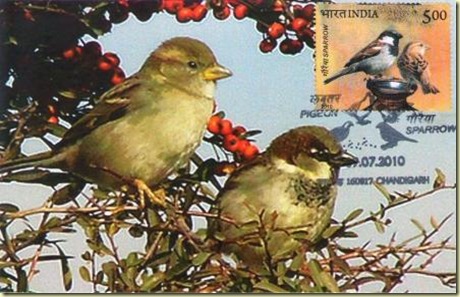
    Something is killing off Paris’s house sparrows (Passer domesticus). This common urban bird used to be so ubiquitous in the city as to scarcely draw attention, but since 2010, Paris’s house sparrow population has dropped by 50 percent. The huge drop comes some time after a similarly massive drop in London, where sparrow populations dropped by 60 percent between 1994 and 2004. While their disappearance is alarming to say the least, the reasons for Europe’s vanishing urban sparrows remain perplexingly murky. Looking a little deeper, some avian experts believe that it’s actually a dearth of available food that’s starving the sparrows out, as development and tidier management of green spaces has pushed down insect populations.

    Source: Citylab, 30 August 2016
    http://www.citylab.com/design/2016/08/paris-sparrows-gentrification/498008/