Auteur: Henk Tennekes

  • Deutschlandweit ist ein massives Vogelsterben zu beobachten

    Deutschlandweit ist ein massives Vogelsterben zu beobachten

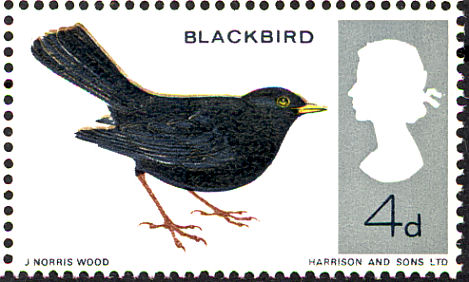
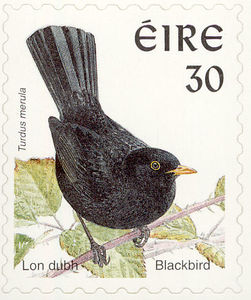
    Der Grund dafür ist ein tropisches Virus, das von Stechmücken übertragen wird. Besonders betroffen ist der Kreis Kleve. Auch Eulen und Käuze sind gefährdet. Amseln, die apathisch wirken, schwanken und wenige Tage später sterben, sind momentan keine Seltenheit: Haufenweise tote Amseln werden in Deutschland gemeldet – auch am Niederrhein und vor allem auch im Kreis Kleve ist das Phänomen zu beobachten. Der Grund für das hohe Vogelsterben ist ein tropisches Virus, das durch Stechmücken übertragen wird. Schon in den Jahren 2011 und 2012 löste das Usutu-Virus in Deutschland ein Massensterben von heimischen Vögeln aus – fast immer handelte es sich dabei um Amseln. Sie sind besonders empfänglich für das Virus. Aber auch Usutu-Fälle bei Eulen und Käuzen habe es gegeben.

    Vor gut zwei Wochen hat der Nabu erneut damit begonnen, die Meldungen von erkrankten und toten Vögeln zu sammeln: Inzwischen sind es in Deutschland 850 Usutu-Verdachtsfälle, die bei dem Naturschutzbund eingegangen sind. Dass es sich auch in diesem Jahr wieder um das Ustu-Virus handelt, konnte schon bestätigt werden. Die Meldezahlen sind bislang jedoch nur mögliche Infizierungen. Aus der Erfahrung hält der Nabu-Vogelschutzexperte, Lars Lachmann, zwei Drittel dieser Meldungen für plausible Usutu-Fälle.

    Waren es in den Anfangsjahren insbesondere die Regionen entlang des Rheins, von Freiburg bis Köln, hat sich das Virus nun weiter ausgebreitet: Die meisten Meldungen kommen jedoch aus Nordrhein Westfalen, besonders der Kreis Kleve und der Kreis Wesel sind stark betroffen.

    Es ist das erste Mal, dass das Virus in dieser Gegend auftritt. Für Lars Lachmann ist das auch der Grund dafür, dass die Vogelsterblichkeit dort besonders hoch ist. Während Amseln aus bereits befallenen Regionen eine Immunität gegen das Virus aufbauen konnten, sind die Vögel aus noch nie infizierten Gebieten anfällig. Doch: “Die Immunität ist nicht vererbbar”, erklärt Lachmann, so dass mit einer neuen Generation von Amseln auch die Zahl der Neuinfektionen wieder zunehmen wird. Darin sieht Stefanie Heese, Naturschutzreferentin der Naturstation Niederrhein des Nabu, auch die Ursache dafür, dass es in den Jahren nach 2012 kaum noch Usutu-Fälle gegeben hat. Generell lässt sich über die neuen Verbreitungsgebiete sagen, dass es sich um Gegenden handelt, in denen es zuletzt hohe spätsommerliche Temperaturen gegeben hat. Zusammen mit der Nähe zum Gewässer bilden sie ideale Bedingungen für Mücken, durch die das Virus übertragen wird.
    Quelle: RP-Online, 12.10.16
    http://www.rp-online.de/nrw/staedte/geldern/das-amselsterben-am-niederrhein-aid-1.6317541
  • Die Zahl der Brutvögel im EU-Vogelschutzgebiet Fuldatal nimmt ab

    Die Zahl der Brutvögel im EU-Vogelschutzgebiet Fuldatal nimmt ab

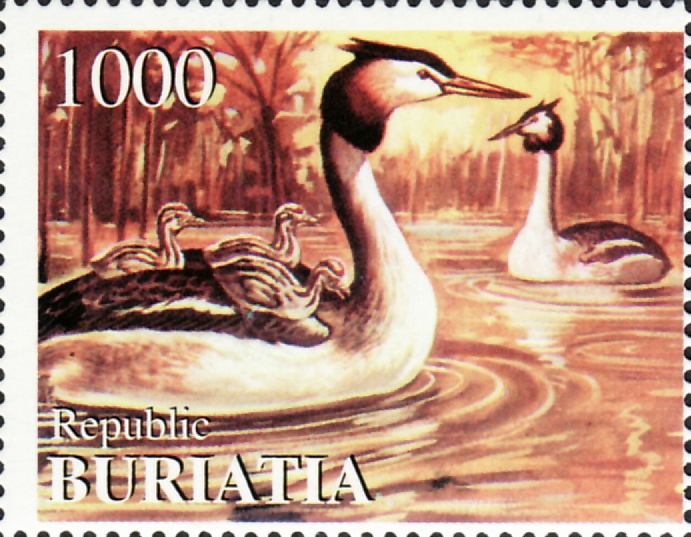
    Die Zahl der Brutvögel im Fuldatal, der Haubentaucher (Podiceps cristatus), Bekassine (Gallinago gallinago) und Flussuferläufer (Actitis hypoleucos), nimmt ab. Zurück gehen auch die Bestände von Gänsesäger (Mergus merganser) und Kormoran (Phalacrocorax carbo). Das geht aus dem jüngsten Vogelbericht über das EU-Vogelschutzgebiet Fuldatal der Hessischen Gesellschaft für Ornithologie und Naturschutz (HGON) hervor. Der Bericht wird jährlich erstellt und zeigt die Veränderungen auf. Laut Mitteilung von Arno Werner von der HGON sind die Zahlen bei den rastenden Durchzüglern wie Fischadler, Flussregenpfeifer, Kiebitz, Bekassine und Neuntöter bei jährlichen Schwankungen zumindest stabil. Er bedauert, dass es außerhalb der Naturschutzgebiete keine Regeln oder Einschränkungen gebe, weder bei der Landwirtschaft noch beim Freizeitverhalten. Sogar der zu schützende Kormoran dürfe im EU-Vogelschutzgebiet geschossen werden. Zudem brächten unabgestimmte Maßnahmen bei der Auenrenaturierung einige Arten in unnötige Bedrängnis.

    Im Fokus der Beobachtungen für das Jahr 2015 stehen die Vogelarten, die im EU-Vogelschutzgebiet Fuldatal zwischen Rotenburg und Niederaula besonders zu schützen sind. Bei diesen sogenannten Zielarten handelt es sich um elf europäische zu schützenden Vogelarten, für die Hessen eine besondere Verantwortung habe, erläutert der HGON-Experte Arno Werner. Die Auswahl erfolgte, weil ein erheblicher Teil der hessischen Population in der Fuldaaue brütet oder auf dem Zug rastet.

    Der Erhaltungszustand dieser Arten dürfe sich nicht verschlechtern, erläutert Arno Werner. Das Land Hessen habe der EU durch regelmäßige Berichte über den Zustand dieser Arten zu informieren. Die jährlich vorgenommenen Beobachtungen der Naturschutzverbände HGON und NABU sollen Aufschlüsse zu möglichen Veränderungen geben und dienen den Fachbehörden als Datengrundlage.

    Spannend ist es laut Arno Werner, wie sich Eingriffe und Veränderungen, aber auch Störungen in der Fuldaaue auf die Vogelwelt auswirkten. Solche Trendaussagen seien aber nur aussagekräftig, wenn die Beobachtungen regelmäßig nach bestimmten Kriterien erfolgten.

    Quelle: HNA, 12.10.16
    https://www.hna.de/lokales/rotenburg-bebra/rueckgang-pinguintaenzer-neuer-vogelbericht-eu-vogelschutzgebiet-fuldatal-6834017.html

  • Neonics kill insects and break the food chain – UK species now on the brink of extinction

    Neonics kill insects and break the food chain – UK species now on the brink of extinction

    High brown Fritillary butterfly – Once widespread it is now reduced to around 50 sites and threatened with extinction; Great Crested Newt – a sharp decline with only around 75,000 existing across the country; Hen Harrier – One of Britain’s most threatened birds of prey with only around 600 breeding pairs left; Hazel Dormouse – declined by one third in recent years and it is not extinct in 17 counties; Barbastelle Bat – widespread decline and fewer than 5,000 remaining; Ringed plover – only 5,600 breeding pairs remaining; Water vole – populations have dropped by 90 per cent in recent years; Hedeghogs – Declined by 97 per cent since the 1950s and now fewer than one million exist; Garden tiger month – Once widespread in Britain’s gardens populations have dropped 93 per cent in last 40 years; Ocean quahog – Mollusc which can live for 500 years at the bottom of the sea increasingly threatened.
    Source: The Telegraph, 10 October 2016
    http://www.telegraph.co.uk/news/2016/10/10/final-warning-decline-in-butterflies-raises-fears-over-pesticide/

  • Api: attenzione questi insetti sono ufficialmente a rischio estinzione

    Api: attenzione questi insetti sono ufficialmente a rischio estinzione

    Possiamo immaginare un mondo senza miele? No affatto! Eppure potrebbe accadere perchè da oggi le api sono state chiamate a rischio estinzione. E se le api venissero finalmente protette non sarebbe una splendida notizia? Questo si accadrà, ma negli Stati Uniti in quanto per la prima volta sono state dichiarate ufficialmente a rischio di estinzione. Gli apicoltori degli Stati Uniti hanno perso circa il 40% delle loro colonie di api nel solo 2015, come emerso da una recente indagine. Solo questo dato dovrebbe farci riflettere sull’effettiva situazione di pericolo delle api.

    Secondo quanto riporterebbe la rivista on line greenme, uno dei maggiori pericoli per le api è dato dall’insetticida imidacloprid, molto usato in agricoltura e considerato una minaccia per gli insetti impollinatori.

    A partire dal 31 ottobre entrerà in vigore l’Endangered Species Act che servirà a proteggere 7 specie di api delle Hawaii, già in pericolo di scomparsa. Purtroppo però uno dei punti più importanti per la difesa delle api, cioè la salvaguardia dei loro habitat naturali, non farà parte della nuova dichiarazione.
    L’impollinazione è almeno in parte responsabile di circa il 75% della produzione agricola necessaria per l’alimentazione, con un incremento del volume di produzione del 300% negli ultimi 50 anni.

    Si calcola, che il valore in dollari delle produzioni agricole dipendenti da impollinatori sia compreso tra 200 e 600 miliardi l’anno; oltre ovviamente alla produzione di miele, misurata in circa 1,6 milioni di tonnellate l’anno. L’essere umano, in sostanza, è da un sacco di tempo dipendente dalle attività delle api. Secondo la datazione di antichi reperti archeologici, lo sfruttamento delle api sarebbe iniziato addirittura 8.500 anni fa.
    Cosa possiamo fare per proteggere le api a partire dalla nostra vita quotidiana? Ecco alcuni suggerimenti utili.

    Piantare fiori in giardino e sul balcone per attirare le api
    Contribuire a creare e a proteggere gli habitat naturali delle api
    Smettere di usare pesticidi e insetticidi
    Creare petizioni per la difesa delle api rivolte alle maggiori autorità
    Aiutare le associazioni che si impegnano a proteggere le api
    Collaborare a campagne informative sulla difesa delle api in scuole e università.
    Source: Donna Glamour Magazine, 8 OTTOBRE 2016
    http://www.donnaglamour.it/api-attenzione-insetti-ufficialmente-rischio-estinzione/news-2/

  • Usutu virus now also infects birds in the Netherlands

    Usutu virus now also infects birds in the Netherlands

    Usutu virus detected for the first time in blackbirds and great grey owls in the Netherlands. Usutu virus was recently detected for the first time in the Netherlands but has been circulating in Europe for some time. To-date it has been identified in captive great grey owls (Strix nebulosa) and in living and dead blackbirds (Turdus merula). These findings have been reported by several research organisations including the DWHC and the Erasmus Medical Centre. Since August, the DWHC has received more than 40 reports of blackbird deaths in the Netherlands, with the increased death rate seen particularly in the Dutch provinces of North Brabant, Limburg and Gelderland. In addition, the University of Utrecht Veterinary School has performed post-mortem examination on several great grey owls and submitted samples from both bird species to the Erasmus MC for Usutu virus testing. Usutu virus has been responsible for die-offs in birds in several European countries and was recently detected in birds in the German region of North Rhine Westphalia on the Eastern border of the Netherlands. Increased mortality has also been reported amongst blackbirds in Belgium.

    The virus has also been detected in several live blackbirds in the Netherlands. These birds were sampled as part of a research project run by the Erasmus MC and the Dutch Centre for Avian Migration and Demography NIOO-KNAW that is investigating the prevalence of zoonotic diseases in wild birds in the Netherlands.

    The DWHC, Erasmus MC, Sovon, the Dutch Centre for Avian Migration and Demography, and the Veterinary Pathology Diagnostic Centre based at the University of Utrecht, work closely together in order to investigate unusual deaths and monitor the presence of avian disease in bird populations in the Netherlands. In order to monitor the spread of Usutu virus the public are asked to report finding dead wild birds via the website of the Dutch Field Ornithology Centre (Sovon) or the DWHC submission form (in English). In addition, bird ringers working with the Dutch Centre for Avian Migration and Demography will be sampling blackbirds caught across the country in order to track the spread of the disease.

    Usutu virus is an arbovirus that occurs in birds and in recent decades has been detected in countries across Europe including Spain, Italy, Croatia, Hungary, Austria, Switzerland, Germany and the Czech Republic.

    Usutu virus causes death in song birds and owls with a particularly high incidence reported in blackbirds, house sparrows, (Passer domesticus) and great grey owls.

    On very rare occasions Usutu virus has caused disease in humans: it is transmitted by mosquitoes, predominantly those belonging to the genus Culex. In Europe to-date there have been only five human cases of Usutu virus reported, despite large-scale outbreaks in bird populations. Three of these cases involved immune suppressed patients.

    Recommendations for handling dead birds are not affected; refer to the FAQ for advice on how to handle cadavers..

    Source: Dutch Wildlife Health Center (DWHC), 15 September 2016
    https://www.dwhc.nl/en/usutu-virus-nederland/

  • Merels in Gelderland, Noord-Brabant en Limburg leggen massaal het loodje vanwege dodelijk Usutu virus

    Merels in Gelderland, Noord-Brabant en Limburg leggen massaal het loodje vanwege dodelijk Usutu virus

    De Vogelbescherming Nederland kreeg de laatste tijd al zeer veel meldingen van dode merels binnen en was dus al bang dat het Usutu-virus ook zou gaan toeslaan in Nederland. Onderzoek aan in Nederland dood gevonden merels heeft nu definitief uitgewezen dat het om het gevreesde Usutu-virus gaat. ‘Het virus zorgde in 2012 nog bij onze Duitse buren voor een massale sterfte onder de merels en nu komen er talloze meldingen uit Gelderland, Noord-Brabant en Limburg’, aldus de Vogelbescherming. Het Usutu-virus vindt zijn oorsprong in Afrika en wordt overgebracht door muggen. Vermoedelijk is het virus via trekvogels naar Europa overgebracht, waar het 2001 voor het eerst opdook in Oostenrijk. Vanuit daar verspreidde het zich over Europa, met in 2012 een massale slachting onder de merels in Duitsland tot gevolg. Meer dan 300.000 vogels stierven. In sommige Duitse steden was de sterfte zo massaal dat de merels praktisch verdwenen waren uit de tuinen en parken. Sindsdien waart het virus nog steeds rond in Europa en de laatste jaren ook in Nordrhein-Westfalen, de Duitse deelstaat die aan Nederland grenst. Het was dus wachten tot het virus in Nederland zou opduiken.

    Mensen worden net als vogels besmet met het Usutu-virus door muggen. Vooralsnog lijkt het virus voor mensen relatief onschuldig en worden er weinig mensen echt ziek van. In het najaar van 2009 is voor de eerste keer in Italië Usutu vastgesteld bij mensen, die ook flink ziek werden. De meeste mensen merken echter niet eens dat ze het virus dragen. Alleen bij mensen met een verminderde afweer en ouderen zou de infectie kunnen opspelen en gepaard gaan met koorts, hoofdpijn en huiduitslag.

    Een merel die is besmet met het virus is vaak gemakkelijk te herkennen. Ze zien er – ook als er veel voedsel aanwezig is – ongezond en verzwakt uit. Ze zijn makkelijk te benaderen, hebben een slordig verenkleed en zijn sterk vermagerd. Verder hebben ze evenwichtsstoornissen en kunnen ze soms moeilijk vliegen. Na twee tot drie dagen zijn ze dood.

    Bron: Blik op nieuws, 21-09-16
    http://www.blikopnieuws.nl/nieuws/245249/merels-leggen-het-loodje-vanwege-dodelijk-virus.html

  • Usutu-Ausbruch führt zum Massensterben heimischer Vogelarten

    Usutu-Ausbruch führt zum Massensterben heimischer Vogelarten

    Das sogenannte Usutu-Virus hat in diesem Jahr erneut ein umfängliches Vogelsterben in Teilen Deutschlands ausgelöst. Der Naturschutzbund Deutschland (NABU) berichtet von zahlreichen Meldungen toter Vögel. Die Ergebnisse von Virenforschern hätten eine Ausweitung des Ausbruchsgebiets bestätigt. Erstmals wurde das tropische Virus im Jahr 2010 in Stechmücken in Deutschland nachgewiesen. In den Jahren 2011 und 2012 folgte ein Massensterben unter heimischen Vögeln, insbesondere unter Amseln (Turdus merula), berichtet der NABU. Anschließend hatte sich die Lage wieder beruhigt und es waren keine weiteren großen Ausbrüche zu verzeichnen. Dieses Jahr deuten die erfassten Meldungen allerdings auf eine deutliche Ausweitung der Infektionen hin. Zwar ist das Virus für Menschen ungefährlich und bislang haben sich laut Angaben des NABU in ganz Europa erst fünf Menschen nachweislich mit dem Usutu-Virus infiziert – meist Personen mit vorgeschädigtem Immunsystem. Doch die Vogelpopulation wird durch das Virus vielfach in ihrem Bestand bedroht. Insbesondere die Amselpopulation wurde im Zuge der bisherigen Ausbrüche in manchen Regionen fast vollständig eliminiert. „Nach einigen Jahren ohne größere Ausbrüche, tritt das Virus 2016 wieder vermehrt auf“, berichtet der NABU. Seit Ende Juli seien Meldungen kranker und kurze Zeit später verstorbener Amseln beim NABU eingegangen.

    Ab dem 23. September hatte der NABU zur Online-Meldung verdächtiger Vogelerkrankungen aufgerufen und in nur elf Tagen waren insgesamt 611 Meldungen eingegangen. Dies sei eine bemerkenswert große Zahl der Usutu-Verdachtsfälle im Vergleich zu etwa 400 Meldungen im Herbst 2011 beziehungsweise 1.040 Meldungen im gesamten Ausbruchsjahr 2012, berichtet der NABU. Die größte Anzahl von Meldungen kranker und toter Amseln stamme dabei diesmal aus Nordrhein-Westfalen, insbesondere vom Niederrhein und aus dem Raum Aachen. Darüber hinaus wurden beim NABU auch viele Verdachtsfälle aus den Gebieten entlang des Rheins von Freiburg bis Köln gemeldet, wo sich bereits in den Jahren 2011 und 2012 ein bekanntes Ausbruchsgebiet fand. Des Weiteren seien vermehrt Meldungen aus dem Raum Leipzig und aus Berlin sowie aus dem Norden Niedersachsens und aus Schleswig-Holstein eingegangen. Sobald die eingegangenen Meldungen ausgewertet und andere Erkrankungen als Auslöser ausgeschlossen wurden, ist die tatsächliche Verbreitung des Usutu-Virus ermittelbar, berichtet der NABU. Vom Usutu-Virus befallene Vögel wirken offensichtlich krank, werden apathisch und flüchten nicht mehr, berichtet der NABU. Meist würden die Tiere innerhalb weniger Tage sterben. Angesichts des hohen Anteils betroffener Amseln sei die Usutu-Epidemie auch als „Amselsterben“ bekannt geworden. Doch auch andere Vogelarten würden von dem Virus befallen und können daran sterben. Entgegen der Epidemie 2011/12 seien in diesem Jahr nur wenige Berichte von fast vollständigen Zusammenbrüchen lokaler Amselpopulationen zu verzeichnen. Diese stammen aus Gebieten, in denen das Virus 2011/12 noch nicht vorkam. Mit der nun einsetzenden herbstlichen Witterung und einem Rückgang der Stechmückenaktivität sei auch ein langsames Ausklingen des Ausbruchs zu erwarten.

    Quelle: Heilpraxisnet, 08.10.16
    http://www.heilpraxisnet.de/naturheilpraxis/ausbruch-gehaeuftes-vogelsterben-durch-das-usutu-virus-20161007205232

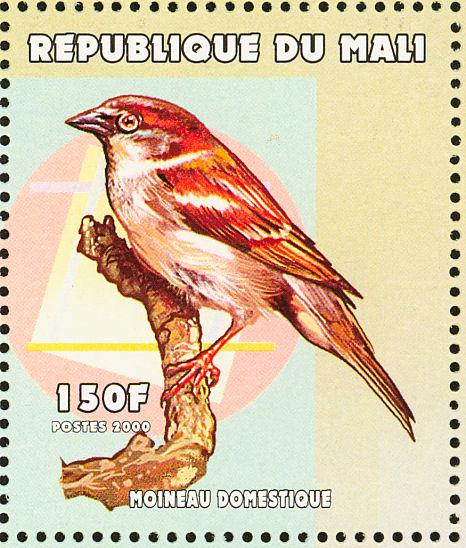
  • London’s sparrows have disappeared

    London’s sparrows have disappeared

    Paris is full of sparrows. It always has been, and the city’s most memorable singer, small but irrepressible, called herself after the French slang word for sparrow, piaf. But London isn’t. Not any more. In one of the most remarkable events in the natural world of the last few decades, only now being properly perceived, the capital’s sparrows have disappeared. At the Tower of London, in Trafalgar Square, at Piccadilly Circus, around Big Ben, outside Buckingham Palace, in St James’s Park, at any of the sights where tourists gather and where 20 years ago hungry and hopeful sparrows would pursue them, just like their plentiful Parisian cousins were doing last month, they have vanished. Across central London, in the streets, under the eaves, in the hedges, along the railway lines, in the great railway stations, in the parks and the gardens and the trees, they have melted away. There is no doubt about it: the figures are there. In November 1925, a young man of 21 went into one of central London’s greenest parks, Kensington Gardens, and counted the house sparrows (Passer domesticus): there were 2,603. The man was Max Nicholson, a passionate ornithologist and the founding father of Britain’s environmental institutions, who as a senior civil servant in 1949 brought into being the world’s first statutory conservation body, the Nature Conservancy, and subsequently ran it for 15 years. In December 1948 he repeated the survey: there were 885 birds. In November 1966 there were 642. In November 1975 there were 544. And when he counted them in February 1995, at the age of 91, there were 46, a number which almost certainly will by now have dropped even further.
    Source: The Independent, 6 October 2016
    http://www.independent.co.uk/30yearsoftheindependent/where-have-all-the-sparrows-gone-a7349336.html

  • Gastcollege van Henk Tennekes over chemische risico-analyse aan de Universiteit Utrecht

    Gastcollege van Henk Tennekes over chemische risico-analyse aan de Universiteit Utrecht

    Op uitnodiging van Prof. dr. ir. M. (Max) Rietkerk gaf de toxicoloog dr. ir. H. A. (Henk) Tennekes op 21 oktober 2016 een gastcollege aan de universiteit Utrecht voor internationale masterstudenten over chemische risico-analyse. Tennekes benaderde dosis-werkingsrelaties in eerste instantie theoretisch met analyses van de toxicodynamiek (ergokinetiek) en gaf vervolgens voorbeelden van stoffen waarvan de giftige werking door de tijd wordt versterkt en waarvoor geen veilige dosis kan worden vastgesteld, waarover hij ook een recent artikel heeft gepubliceerd in het Journal of Environmental & Analytical Toxicology (bijlage). Volgens Tennekes zijn tijd-tot-effect analyses noodzakelijk om dergelijke stoffen te identificeren en hun toepassing waar mogelijk te beperken of te verbieden. De lezing werd gegeven in het Buys Ballot gebouw zaal 020; Princetonplein 5, 3584 CC Utrecht, aanvangstijd 9 uur.
    Referentie: Tennekes HA (2016) A Critical Appraisal of the Threshold of Toxicity
    Model for Non-Carcinogens. J Environ Anal Toxicol 6: 406. doi: 10.4172/2161-
    0525.1000408

  • Long-term decline in common toads

    Long-term decline in common toads

    Benedikt Schmidt from the University of Zurich and Silviu Petrovan from Froglife used citizen science data from the U.K. and Switzerland to assess long-term national and regional trends for one of Europe’s most abundant amphibian species, the common toad. Their findings, published in PLOS ONE, show a surprisingly severe and long-term decline in both Swiss and U.K. populations, with implications for amphibian conservation. To learn more about the study and the significance of its results, I interviewed Dr. Schmidt via email.

    When did you become interested in conservation biology, and what led you to study amphibians?

    BS: Even as a boy I was interested in critters, and amphibians in particular – I feel lucky to have become a professional amphibian biologist. Witnessing amphibian habitat loss and local population extinctions and reading about the global amphibian decline led me to research the conservation biology of amphibians.

    Why did you decide to study the common toad instead of a more endangered species?

    BS: There is already a lot of research on rare species. This is good. However, we should also make sure that common species remain common as they have an important role in ecosystems. Therefore, it makes sense to study one of Europe’s commonest amphibian species. The many volunteers involved in toad patrols also show that this species has widespread public support.

    Your study relied on data from toad patrol volunteers. Could you tell us about this conservation project? What, in your opinion, are the benefits of such citizen science?

    BS: Toad patrols have been in place for decades in parts of Europe, and thousands of very dedicated volunteers go out during toad migration season every spring rescuing amphibians from road traffic. This action of removing amphibians from the danger of crossing roads is probably the first large-scale amphibian conservation measure undertaken by volunteers anywhere in the world. Saving the lives of amphibians in this way is probably the beginning of large-scale amphibian conservation action, at least in Western Europe. Our study shows that the data the toad patrollers provide can be used to identify robust long-term trends over decades and across large areas. This data simply does not exist from professional surveys; for this reason, citizen-led efforts are invaluable.

    One key finding was that the common toad population has declined continuously and rapidly in the U.K. and Switzerland every decade since the 1980s. Were you surprised by this finding? Why do you think the decline has occurred?

    BS: There have been suggestions in the past that toads are in trouble, but this is the first time we could use such massive datasets and demonstrate large-scale declines. We were surprised at the severity of the declines and also at the fact that Swiss and British declines seemed to start at the same time, around the mid-1980s. Our data cannot explain the declines, but we suspect there are multiple factors, including increased road traffic, habitat loss and degradation in farmland and the wider countryside, and potentially climate change and amphibian diseases.

    What do you see as the next steps in conservation of amphibians like the common toad? What impact do you hope your study might have?

    BS: We want to draw attention to the fact that conservation should not only focus on rare species: common species deserve more attention as they can be extremely important members of ecosystems. Now that we know toads are in serious decline, we can work to identify the exact causes and find realistic measures to protect them. For example, large populations should be recognized as important for biodiversity and should get protection in the U.K. planning system as they have in Switzerland. At popular road crossing sites we would promote measures such as road tunnels to protect migrating toads. Nature-friendly schemes, such as reduced pesticide use and agri-environment farming schemes, already include certain bird species, and should now also consider toads.

    Research Article: Petrovan SO, Schmidt BR (2016) Volunteer Conservation Action Data Reveals Large-Scale and Long-Term Negative Population Trends of a Widespread Amphibian, the Common Toad (Bufo bufo). PLoS ONE 11(10): e0161943. doi:10.1371/journal.pone.0161943

    Common Toads eat invertebrates such as insects, larvae, spiders, slugs and worms, which they catch on their sticky, prehensile tongues. Larger toads may also take slow worms, small grass snakes and harvest mice, which are swallowed alive. Toads generally hunt at night and are most active in wet weather

    Sources: PLOS Research News, 5 October 2016
    http://researchnews.plos.org/2016/10/05/unhoppy-news-long-term-decline-in-common-toads/
    Animal Corner
    https://animalcorner.co.uk/animals/common-toad/