Auteur: Henk Tennekes

  • Environmental risk factors linked to dementia

    Environmental risk factors linked to dementia

    Experts have created a shortlist of environmental factors that may contribute to our risk of developing dementia, which affects 55,000 people in Ireland. The list includes exposure to air pollution and a lack of vitamin D – but researchers caution that the evidence is not yet sufficient to draw solid conclusions. It comes as the HSE today launches a new campaign ‘Understand Together’ aimed at inspiring people to stand together with the 500,000 whose lives have been touched by dementia. A HSE spokeswoman said there are over 4,000 under-65s living with dementia and each year another 4,000 are diagnosed.
    Dementia is known to be associated with lifestyle factors such as high blood pressure in mid-life, smoking, diabetes, obesity, depression and low educational attainment, as well as genetic factors.

    These risk factors however, leave around a third of dementia risks unexplained. Research led by the University of Edinburgh sought to determine whether other issues are at play, including the environment in which we live. Dozens of previous studies have considered environmental risk factors linked to dementia. They found that a lack of vitamin D – produced by the body through exposure to sunlight – and exposure to air pollution were implicated, along with occupational exposure to some types of pesticide. Excessive levels of minerals found in drinking water may also be linked to the disease.
    Source: Irish Independent, 25 October 2016
    http://www.independent.ie/life/health-wellbeing/environment-affects-dementia-35150609.html
  • Monarch butterflies are disappearing from Texas landscape

    Monarch butterflies are disappearing from Texas landscape

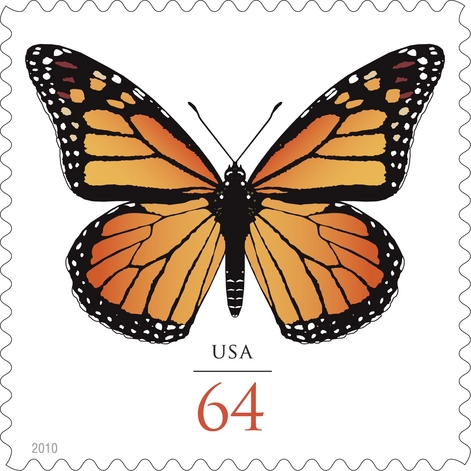
    Monarchs are going missing by the hundreds of millions. The butterflies are disappearing and habitat loss, pesticide use and extreme weather are being blamed. America’s most recognizable butterfly is being considered for Endangered Species Status because the monarch is in danger of becoming “quasi-extinct.” That means its numbers are dwindling so low there’s a possibility it may not be able to rebound. John Dromgoole, owner of The Natural Gardener, created an urban oasis to give the butterflies a way to survive their fall migration. “They’ve got food here. They’ve got habitat here. They have a place to hide,” said Dromgoole. Monarchs were named the state insect in 1995. Around that same time their numbers started to plummet.
    “Monarch butterfly populations have dropped dramatically in the last two decades,” said Katie Boyer, a monarch outreach specialist with the U.S. Fish and Wildlife Service. “I do think that we’re in a crisis.”
    The monarch advocate remembers the population peak. “Over a billion butterflies,” said Boyer.
    That high has fluttered alarmingly low, to around 33 million monarchs. More than 90 percent of the monarch population has disappeared, casting a shadow on their future. The U.S. Fish and Wildlife Service is considering whether to protect monarch butterflies (Danaus plexippus) under the Endangered Species Act. The agency must decide by June 2019 whether the butterflies will receive federal protection. “No one wants to see a day with no monarch butterflies on the landscape,” said Boyer.
    To help the monarchs rebound, the U.S. Fish and Wildlife Service, the Native Plant Society of Texas and TxDOT are planting native milkweeds and nectar plants at four new pollinator gardens between Austin and Dallas.
    Source: CBS Austin, October 25th, 2016
    http://keyetv.com/news/local/monarch-butterflies-disappearing-from-texas-landscape

  • Neonicotinoid Insecticide Exposure Reduces Bumblebee Colony Size

    Neonicotinoid Insecticide Exposure Reduces Bumblebee Colony Size

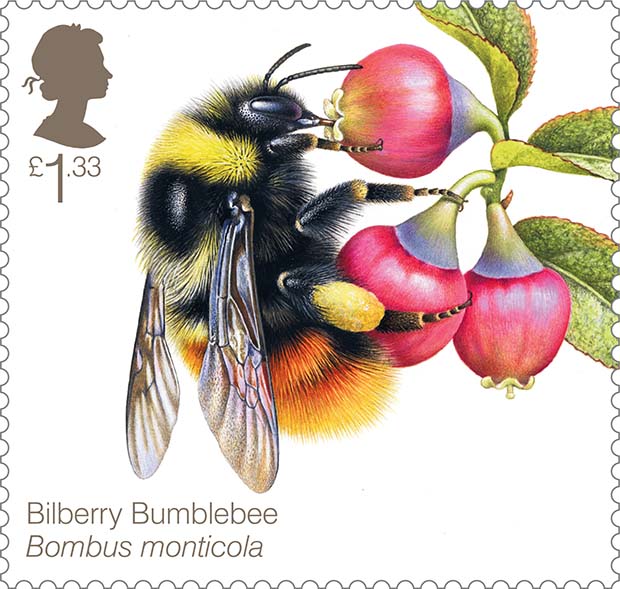
    Systemic neonicotinoid (neonic) exposure is associated with reductions in colony size and changes in foraging behavior, according to a recent field study done by a team of scientists at Imperial College London. The senior author of the study, Richard Gill, Ph.D., stated that when neonicotinoid “exposure is relatively persistent and combined with other stressors associated with land use change, they could have detrimental effects at the colony level.” The study, Impact of controlled neonicotinoid exposure on bumblebees in a realistic field setting, assesses the effect of exposure to the neonic, clothianidin, on bumblebee foraging patterns and colony size. Clothianidin was given to 20 buff-tailed bumblebee colonies for five-weeks in a sugar solution at a concentration of 5 parts per billion, an environmentally relevant level of the pesticide. A bumblebee colony census was done before and after the field experiment, where the number of eggs, larvae, pupae, and workers bees were recorded along with the wax and pollen stores in the colony. The researchers found that the clothianidin treated colonies had fewer workers, drones and reproductive female bees compared to the colonies with no exposure. These data add to the growing body of research on sub-lethal effects, which must be considered when looking at the effects of pesticides on non-target organisms.

    This study adds to the body of science that has examined the effects of neonic exposure to bee colonies under field conditions. However, neonic pesticides have long been identified as a major culprit in bee decline by independent scientists and beekeepers, yet chemical manufacturers like Bayer and Syngenta have focused on other issues such as the varroa mite. As Beyond Pesticides wrote in the 2014 issue of Pesticides and You, the issue of pollinator decline is No Longer a Big Mystery, and urgent action is needed now to protect pollinators from these toxic pesticides.

    Neonics are associated with decreased learning, foraging and navigational ability, as well as increased vulnerability to pathogens and parasites as a result of suppressed bee immune systems. In addition to toxicity to bees, pesticides like neonicotinoids have been shown to also adversely affect birds, aquatic organisms and contaminate soil and waterways, and overall biodiversity.
    Source: e News Park Forest, 24 October 2016
    https://enewspf.com/2016/10/24/neonicotinoid-insecticide-exposure-reduces-bumblebee-colony-size/

  • Potential interactions among disease, pesticides, water quality and adjacent land cover in amphibian habitats in the US

    Potential interactions among disease, pesticides, water quality and adjacent land cover in amphibian habitats in the US

    To investigate interactions among disease, pesticides, water quality, and adjacent land cover, we collected samples of water, sediment, and frog tissue from 21 sites in 7 States in the United States (US) representing a variety of amphibian habitats. All samples were analyzed for >90 pesticides and pesticide degradates, and water and frogs were screened for the amphibian chytrid fungus Batrachochytrium dendrobatidis (Bd) using molecular methods. Pesticides and pesticide degradates were detected frequently in frog breeding habitats (water and sediment) as well as in frog tissue. Fungicides occurred more frequently in water, sediment, and tissue than was expected based upon their limited use relative to herbicides or insecticides. Pesticide occurrence in water or sediment was not a strong predictor of occurrence in tissue, but pesticide concentrations in tissue were correlated positively to agricultural and urban land, and negatively to forested land in 2-km buffers around the sites. Bd was detected in water at 45% of sites, and on 34% of swabbed frogs. Bd detections in water were not associated with differences in land use around sites, but sites with detections had colder water. Frogs that tested positive for Bd were associated with sites that had higher total fungicide concentrations in water and sediment, but lower insecticide concentrations in sediments relative to frogs that were Bd negative. Bd concentrations on frog swabs were positively correlated to dissolved organic carbon, and total nitrogen and phosphorus, and negatively correlated to pH and water temperature. Data were collected from a range of locations and amphibian habitats and represent some of the first field-collected information aimed at understanding the interactions between pesticides, land use, and amphibian disease. These interactions are of particular interest to conservation efforts as many amphibians live in altered habitats and may depend on wetlands embedded in these landscapes to survive.
    Source: W.A. Battaglin et al. Science of the Total Environment 566–567 (2016) 320–332

  • Petition to give Venus Flytrap endangered species protection

    Petition to give Venus Flytrap endangered species protection

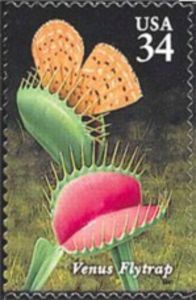
    University of Wisconsin-Madison ecologists have played a key role in a petition filed with the U.S. Fish and Wildlife Service Friday seeking emergency Endangered Species Act protection for the Venus flytrap (Dionaea muscipula). The petition was written and signed by a national group of experts in conservation and ecology, including Waller and Tom Gibson of UW-Madison. The unique carnivorous plant captures flies and captivates nature lovers, but in the wild is found only in North Carolina and South Carolina. The Venus flytrap uniquely evolved a “snap-trap contraption” that closes in about one-tenth of a second, enveloping its insect prey so rain does not wash the food away before the plant digests it. The flytrap has three hairs in each leaf, and a snap requires triggering more than one hair. “The insect has to hit one hair and then within a limited period hit another,” says Don Waller, a professor of botany and noted expert in conservation biology at UW-Madison. “Only after that double signal will the leaf close. It’s a pretty clever plant.” The plant’s home turf is around bogs near Wilmington, in coastal North Carolina. This is a long way from its closest relative, an aquatic plant in South Africa. At stake is what Waller considers one of the most marvelous examples of evolution. “Snaptraps have only evolved once in the 3.7 billion-year history of life on Earth. This species is native to just one area of North America, and represents a unique and fascinating offshoot in the tree of life. Having plants only in greenhouses is like having tigers only in zoos. It’s not the same.”
    Source: University of Wisconsin-Madison. “Botanist leads petition to give Venus Flytrap endangered species protection.” ScienceDaily, 21 October 2016.
    https://www.sciencedaily.com/releases/2016/10/161021131946.htm

  • De landbouw verpest de natuur – Frank Berendse roept de politiek op het tij te keren

    De landbouw verpest de natuur – Frank Berendse roept de politiek op het tij te keren

    „Ik begeef me met dit boek een beetje op glad ijs”, bekent Frank Berendse, in de salon van zijn fraaie huis in de bossen even buiten Wageningen. „Ik ben botanicus en vogelaar. Over de toekomstige inrichting van Nederland weet ik niet zo veel. Maar toch wilde ik dit boek schrijven. Het moest gewoon geschreven worden.” Berendse (65) was tot voor kort hoogleraar natuurbeheer en plantenecologie aan Wageningen Universiteit. Hij heeft een vlot lezend, pamfletterig boek geschreven over landschap en natuur in Nederland. Hij beschrijft hoe belabberd de natuur ervoor staat en wijst daarbij de landbouw als boosdoener aan. „De natuur op het boerenland is dramatisch verarmd en tegelijk heeft de landbouw een desastreuze invloed op de natuur buiten het landbouwgebied gehad”, schrijft hij. „Wie op een zomeravond een mooie fietstocht wil maken over het Nederlandse platteland, is snel van zijn liefde voor het boerenbedrijf genezen. Nog steeds word je op veel plekken door de stank verdreven.” Berendse roept de politiek op het tij te keren. „Parlement, sta op! Ontwikkel een echte visie op de toekomst van het Nederlandse platteland, waar ruimte is voor schone landbouw, maar ook voor recreatie en natuur. Waar de lucht schoon is en het water in de sloten helder. Waar veldleeuwerik en nachtegaal weer zingen.”
    Frank Berendse. Wilde apen, uitg. KNNV, 96 blz, € 9,95
    Bron: NRC, 16-10-16
    https://www.nrc.nl/nieuws/2016/10/16/de-grote-pijn-in-het-agrarische-landschap-4463029-a1526870

  • South Dakota’s Pheasant Numbers At All Time Low

    South Dakota’s Pheasant Numbers At All Time Low

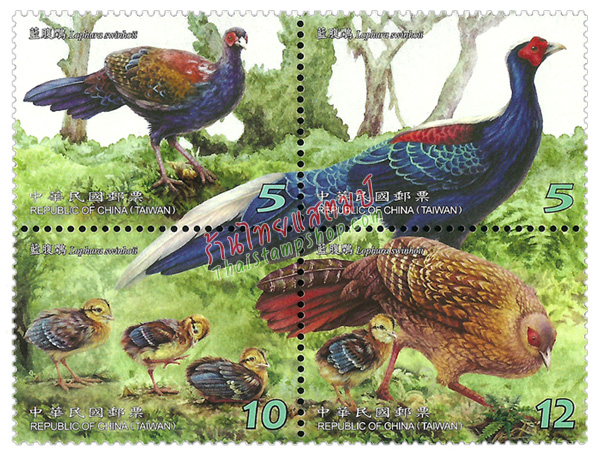
    Fields across the state were speckled with orange today as thousands of hunters enjoyed the official start of pheasant season. While it is a day to celebrate, a report says South Dakota’s pheasant (Phasianus colchicus) population may be a problem for hunters this season. “This is a big thing for all of South Dakota,” said LaRee Rumbolz, general manager of Super 8 in Mitchell. Pheasant season brings thousands of hunters from all over the country to the Mount Rushmore State. But this year, opening weekend is a little different for the Super 8. “This year, one big group that has come for years decided that last year was not good and this year then they told them it was 20 percent more down,” said Rumbolz. Game, Fish and Parks released the annual pheasant brood count last month. The survey highlighted a statewide decrease of 20 percent. Just days after the report was released, Rumbolz says more than 30 hunters called to cancel their reservations. “They are losing revenue at the gas stations, the restaurants, the grocery stores, the motels. The people aren’t just gonna come if they think there is no birds,” added Rumbolz. Common pheasants are omnivorous, feeding on foliage, seeds, grains, berries and invertebrates. Chicks mainly consume insects.
    Sources: KSFY, October 15, 2016
    http://www.ksfy.com/content/news/Low-pheasant-numbers-causing-concern–397213881.html
    NZ Birds Online
    http://nzbirdsonline.org.nz/species/common-pheasant

  • In many former ranges, the prairie chicken is gone, probably never to return

    In many former ranges, the prairie chicken is gone, probably never to return

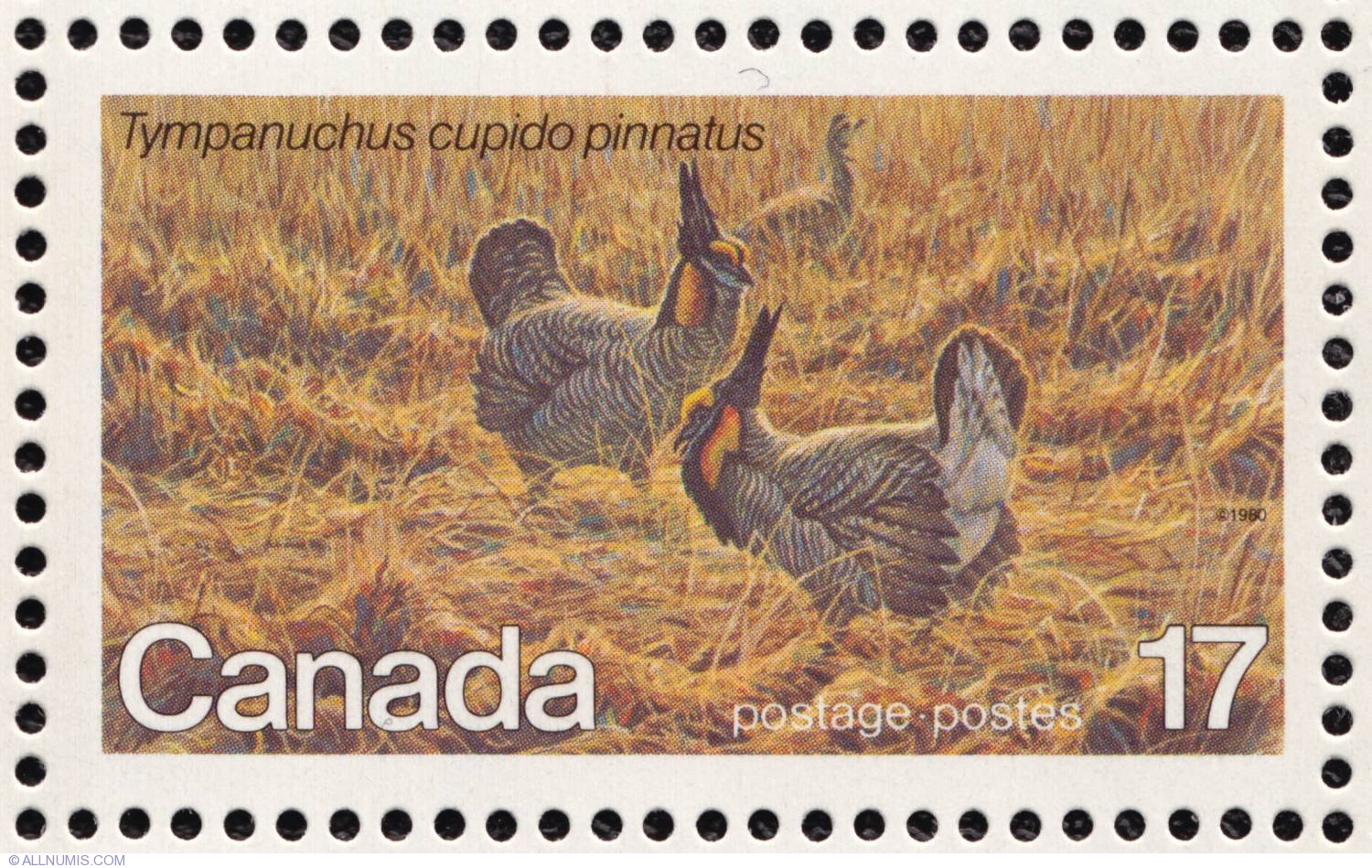
    The prairie chicken (Tympanuchus cupido) once numbered about 3 million across an area that stretches through eastern New Mexico, eastern Colorado, western Kansas, western Nebraska, northwest Oklahoma, and in parts of the Texas Panhandle and South Plains. Estimates show their population now at 30,000 to 40,000. In some places that used to be native range, estimates show a 97 percent decline. In many other former ranges, these birds are gone, probably never to return. Today, these birds currently occur in parts of only 10 states. Scientists say the prairie chicken population has dropped 80 percent nationally since 1963.

    Prairie chickens and sharptail grouse are medium to large chicken-size birds. Their diet consists of vegetation such as leafy forbs, buds, and seeds but during warmer times of the year, they eat mainly insects, especially grasshoppers.
    Source: Beatrice Daily Sun, October 19, 2016
    http://beatricedailysun.com/sports/local/prairie-chicken-and-grouse-hunting-in-nebraska/article_c30cd6a5-9726-5347-a7a1-4e466783d165.html

  • Im Großherzogtum Luxemburg sind zwei Drittel der unterirdischen Trinkwasserspeicher durch Pestizide verschmutzt

    Im Großherzogtum Luxemburg sind zwei Drittel der unterirdischen Trinkwasserspeicher durch Pestizide verschmutzt

    Luxemburg muss Fortschritte in Sachen Wassermanagement machen, so das Fazit der Debatte in der Chamber am Donnerstag. Dabei ging es nicht nur um die Geldbuße, die das Großherzogtum aus Brüssel aufgebrummt bekommen hat, sondern auch um den Umgang mit dem Juli-Hochwasser und der Verschmutzung der Flüsse, wie sie dieses Jahr auf Attert und Alzette aufgetreten ist. Die Abgeordneten diskutierte lange, welche Aufgaben Luxemburg noch bewältigen muss. Ali Kaes (CSV) strich besonders die Ressourcenverknappung hervor: «Es muss darauf geachtet werden, dass schon bei der Planung der Industriezonen Abwasserreinigungsanlagen mitbedacht werden, damit die Industrie nicht weiter die Trinkwasserreserven anzapft.» Cécile Hemmen (LSAP) kritisierte die insgesamt schlechte Qualität des Trinkwassers. Im Großherzogtum sind etwa zwei Drittel der unterirdischen Trinkwasserspeicher durch Pestizide verschmutzt. Für Carole Dieschbourg (Déi Gréng) «muss zielgerichteter, präventiver und kooperativer gearbeitet werden, um die Qualität des Trinkwassers zu sichern». Die Umweltministerin hat alle betroffenen Akteure wie Landwirte und Gemeinden dazu aufgerufen, sich gemeinsam an einen Tisch zu setzen, um Lösungen zu finden.

    Schon letztes Jahr gab das Umweltministerium knappe 80 Millionen Euro aus, um die Wasserqualität zu verbessern. Ein neues Gesetz, welches das von 2008 ersetzt, sieht weitere substanzielle Hilfen für die Einrichtung von Hochwasserschutzmaßnahmen und die Renaturierung von Flussläufen vor.
    Quelle: L’ Essentiel, 21.10.16
    http://www.lessentiel.lu/de/luxemburg/story/Luxemburgs-Problem-kommt-aus-dem-Wasserhahn-26019222

  • The times they are a changin

    The times they are a changin

    De verkoop van duurzame voeding in ons land blijft stormachtig groeien. Nam de omzet in heel 2015 toe met 16 procent, in de eerste helft van 2016 steeg de verkoop met 24 procent, blijkt uit nieuwe cijfers van marktonderzoeker IRI. Het betreft omzetcijfers van duurzame levensmiddelen als vlees, koffie, chocolade, fruit en vis in de supermarkten, verreweg de belangrijkste plek waar consumenten eten en drinken kopen. In geld gaat het om 1,3 miljard euro. Onder duurzaam vallen de producten met keurmerken als ASC en MSC (vis), Beter Leven (vlees), Fair Trade/Max Havelaar (onder meer koffie en bananen) en UTZ (koffie/chocolade). IRI verklaart de sterke groei van duurzame voeding door het aanbod. “Supermarkten kiezen er steeds vaker voor, ook gestimuleerd door diverse actiegroepen, om ‘gewone’ producten te vervangen door een duurzamer alternatief”, zegt marktonderzoeker Sjanny van Beekveld. “Maar ontegenzeggelijk zijn consumenten ook steeds meer bezig met wat we eten, dierenwelzijn en de herkomst van onze voeding.”
    De drie grootste keurmerken zijn Beter Leven, biologisch en UTZ. Deze drie zijn samen goed voor 80 procent van de totale omzet. Het Beter Leven-keurmerk verkocht in de eerste helft van 2016 voor 385 miljoen euro aan producten (39 procent meer dan in dezelfde periode van 2015), biologisch scoorde 368 miljoen euro omzet (+18 procent) en UTZ 299 miljoen euro (+14 procent).
    Bron: NOS, 22-10-2016
    http://nos.nl/artikel/2139005-verkoop-duurzaam-vlees-vis-koffie-en-fruit-groeit-stormachtig.html