Auteur: Henk Tennekes

  • The disappearance of the white bellied heron in Assam

    The disappearance of the white bellied heron in Assam

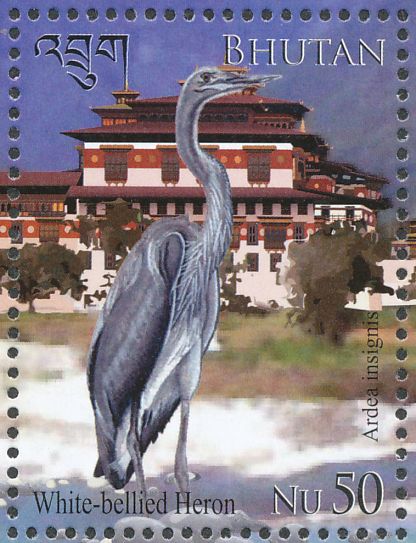
    After the Pink-headed Duck and the King Vulture, the magnifient White-bellied Heron (Ardea insignis) in Assam is all set to go the Dodo way. The absence or disappearance of the White bellied Heron is a matter of grave concern for conservationists. The White-bellied Heron is Critically Endangered in the IUCN list, with a population as low as 50–249 individuals. These birds exist in very low numbers over a large area comprising Bhutan, Yunan in China, northern Myanmar and northeast India. The species is found in the wetlands of tropical and subtropical forests in the foothills of the eastern Himalayas — in India and Myanmar. It is spotted in Bhutan’s sub-tropical areas and was also once found in Nepal. Traces of heron chicks were sighted in Zhemgang in Central Bhutan also. Herons mostly dwell in Southeast Asian countries and Bhutan shelters a little over 30 herons in the Himalayan region. Once eight nesting sites were identified amongst lofty flowing waters with pebbly substrates and Chir pine forests in Bhutan. A nesting site of this extremely rare White bellied Heron was also discovered in the Namdapha Tiger Reserve in Arunachal Pradesh. This is the first known nesting site of the WBH in India. Nest of the bird was found about 18 metres above ground on an East Indian almond (Terminalia myriocarpa) tree. In 2015, ornithologists observed the courtship of a pair of white-bellied heron.The courtship begins in the winter from January to February as the river water recedes. The birds chase after each other playfully with sticks and calling out to partners. The pair went on to build a nest at the site. This is the first nesting site of the bird to be scientificly identified in Namdapha, Arunachal Pradesh, India. Before the discovery of this site, Bhutan was (thought to be) the only country in the world to have a breeding population of the White-bellied Heron. Bhutan is home to about 10 per cent of the world’s total population of these birds.

    Source: Assam Times, 29 October 2016
    – See more at: http://www.assamtimes.org/node/17920#sthash.Jg6jYOz0.dpuf

  • 76% reduction in the UK breeding range of the hawfinch since late 1980s

    76% reduction in the UK breeding range of the hawfinch since late 1980s

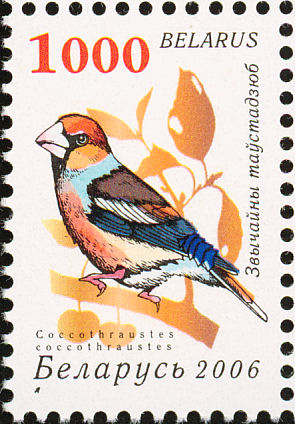
    Hawfinches (Coccothraustes coccothraustes) used to be regularly seen each winter in places with plenty of mature trees such as Studley Royal, Fountains Abbey, Woolley Woods, Bretton Country Park or Roche Abbey. A particularly good place was Duncombe Park, Helmsley where hawfinches used to be seen feeding on berries on the Yew Walk near the house. But hawfinches seem to have all but disappeared from these places with the trees around the chapel at Clumber Park, north Nottinghamshire and the nearby Rufford Country Park the nearest (fairly) reliable places to see them. There has been a national reduction in their breeding range of more than 76 per cent since the late 1980s with only between 500 and 1,000 breeding pairs left plus autumn arrivals from Europe.

    Source: Yorkshire Post, 29 October, 2016
    Read more at: http://www.yorkshirepost.co.uk/news/environment/birdwatch-hawfinch-getting-ever-harder-to-spot-as-numbers-decline-1-8205854

  • Declining bird populations on Sydney’s lower north shore

    Declining bird populations on Sydney’s lower north shore

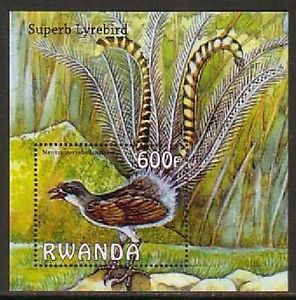
    Ornithologist Dr Andrew Huggett, of Insight Ecology, studied 25 sites across the Willoughby LGA in December 2015 and August 2016. He said the two surveys, at breeding and non-breeding periods, were undertaken in the area’s remnants of native bushland, including H.D. Robb Reserve, Explosives Reserve, Gore Hill Cemetery and three local golf clubs. “The aim was to determine what bird species occurred in their bushland, reserve and parks, but also along the Gore Hill Freeway,” he said. “Gore Hill Cemetery has a lot of old, planted English shrubs; within the western part I found a small breeding population of white-browed scrubwren. It’s surviving because of the dense nature of the hawthorn, English box and honeysuckle.” Dr Huggett said he sought to identify the key declining species in the region, eventually coming up with 12. This included the powerful owl (Ninox strenua), superb lyrebird (Menura novaehollandiae), eastern yellow robin (Eopsaltria australis) and the red-browed finch (Neochmia temporalis).
    Source: Daily Telegraph (Australia), November 4, 2016
    http://www.dailytelegraph.com.au/newslocal/north-shore/smallbird-populations-on-the-decline-on-the-north-shore/news-story/2b72eb6a3793b09eaf46c897ec8c6071

  • Negative impacts of neonicotinoids in aquatic environments are a reality

    Negative impacts of neonicotinoids in aquatic environments are a reality

    Initial assessments that considered these insecticides harmless to aquatic organisms may have led to a relaxation of monitoring efforts, resulting in the worldwide contamination of many aquatic ecosystems with neonicotinoids. The decline of many populations of invertebrates, due mostly to the widespread presence of waterborne residues and the extreme chronic toxicity of neonicotinoids, is affecting the structure and function of aquatic ecosystems. Consequently, vertebrates that depend on insects and other aquatic invertebrates as their sole or main food resource are being affected. Declines of insectivore bird species are quite evident so far, but many other terrestrial and amphibian species may be at risk.

    Solutions must be found soon if we are to save the biodiversity not only of aquatic ecosystems, but all other ecosystems linked by the food web. Since the prophylactic use of seeds treated with neonicotinoids is responsible for most of the soil and aquatic contamination, while there is evidence of little productivity gain, one obvious solution is to stop the marketing of seeds coated with these insecticides and use alternative and carefully targeted methods for pest control in agriculture, such as integrated pest management (IPM). At the same time, remediation systems based on photolytic processes and wetlands phyto-remediation should be implemented to reduce as much as possible the current contamination by these and other pollutants.
    Source:
    Francisco Sánchez-Bayo, Koichi Goka and Daisuke Hayasaka. Front. Environ. Sci., 02 November 2016 | http://dx.doi.org/10.3389/fenvs.2016.00071

  • Die Artenvielfalt hat in Deutschland weiter abgenommen. Hauptursache laut WWF: intensive Landwirtschaft

    Die Artenvielfalt hat in Deutschland weiter abgenommen. Hauptursache laut WWF: intensive Landwirtschaft

    Plötzlich sind sie nicht mehr zu sehen: der Kiebitz, die Feldlerche, das Rehkitz. Das waren einst Allerweltsarten. Heute sind sie „rar“, sagt Christoph Heinrich, Vorstand Naturschutz bei der Umweltorganisation WWF. Jüngst hat er eine Art Weltzustandsbericht vorgestellt, den Living Planet Report 2016. Weltweit haben sich die Bestände der Wildtiere innerhalb von nur vierzig Jahren, von 1970 bis 2012, mehr als halbiert. Jedes Jahr gibt es zwei Prozent weniger Tiere. Der Grund laut Report: Die Menschheit überfordert die Erde. Sie habe sich in „bedrohlicher Weise über andere Lebewesen erhoben.“ In Deutschland macht der WWF vor allem einen Schuldigen für den Artenschwund aus: die intensive Landwirtschaft. Knapp 30 Prozent der 32000 Tier, Pflanzen- und Pilz-arten, die hierzulande untersucht wurden, sind in ihrem Bestand gefährdet, knapp sechs Prozent ausgestorben. Auf den Äckern landeten zu viele Pestizide und zu viel Stickstoff-Dünger, erklärt Heinrichs Kollege Jörg-Andreas Krüger, beim WWF Spezialist für Biodiversität.
    Quelle: Schwäbische, 28.10.16
    http://www.schwaebische.de/panorama/aus-aller-welt_artikel,-Erde-im-Stress-_arid,10553688.html

  • Diese Stoffe töten eure Hirnzellen: Chlorpyrifos, Fluor, Mangan, Blei, Arsen, Quecksilber, Polychlorierte Biphenyle, Tetrachlorethen, und Alkohol

    Diese Stoffe töten eure Hirnzellen: Chlorpyrifos, Fluor, Mangan, Blei, Arsen, Quecksilber, Polychlorierte Biphenyle, Tetrachlorethen, und Alkohol

    In vielen Gegenständen, Lebensmitteln und sogar unserer Luft befinden sich Stoffe, die für unsere Gesundheit gefährlich sind. Dazu gehören Abgase, Pestizide und andere chemische Substanzen, die Krankheiten verursachen. Viele dieser Substanzen werden bis zu einem bestimmten Grenzwert jedoch als unschädlich erachtet. Das Magazin „The Atlantic“ hat mit verschiedenen Professoren und Experten gesprochen und festgestellt, welche Auswirkungen bestimmte Substanzen auf die Menschheit haben.

    David Bellinger, ein Neurologie-Professor an der Harvard Medical School, hat herausgefunden, dass genau solche Stoffe für die Entwicklung eines Kindes — bereits vor der Geburt — extrem gefährlich sein können. Besonders auf das Gehirn haben sie einen verheerenden Einfluss. Bellinger schätzt, dass das amerikanische Volk insgesamt 41 Millionen IQ-Punkte dadurch verloren hat.

    Wirtschaftsexpertin Elise Gould berechnete pro verlorenen IQ-Punkt einen finanziellen Verlust von 17.815 Dollar (16.060 Euro) im gesamten Einkommen während eines Lebens. Pro Jahr errechnete sie für die USA einen Verlust von etwa 120 Milliarden Dollar (108 Mrd Euro).

    Philippe Grandjean, ebenfalls Professor in Harvard und Philip Landrigan, Dekan für globale Gesundheit an der Mount Sinai School of Medicine in Manhattan stimmen Bellinger zu und nennen die Gifte, die den Gehirnen von vielen ungeborenen Kindern schaden eine „schleichende Pandemie.“

    Besonders arme Familien trifft diese „Pandemie“ am härtesten. Denn sie können sich einen organischen Lebensstil mit pestizidfreien Lebensmitteln oft einfach nicht leisten. Dennoch sollten vor allem Schwangere versuchen, sich mit Bio-Lebensmitteln zu ernähren, um der Entwicklung ihres Kindes nicht zu schaden, sagt Grandjean.

    Die Experten nannten zehn giftige Substanzen, denen wir ausgesetzt sind und welche für niedrigere IQs und Krankheiten wie ADHS oder Autismus verantwortlich sind. Welche das sind, zeigen wir euch hier:

    Chlorpyrifos wird als Pflanzenschutzmittel benutzt, es tötet Insekten durch einen Angriff auf das Nervensystem. Zwar ist es in Deutschland im Verzeichnis zugelassener Pflanzenschutzmittel beim Bundesamt für Verbraucherschutz und Lebensmittelsicherheit nicht zu finden, dennoch ist es in 22 EU-Mitgliedsstaaten zugelassen. Auch wenn Supermärkte, wie Aldi darauf achten, dass für die Produkte in ihrem Obst- und Gemüsesortiment das Insektizid nicht benutzt wird, ist das noch keine Garantie, dass es auch wirklich nicht auf unseren Tellern landet.

    Die positiven Auswirkungen von Fluoriden kennt jeder: in geringen Mengen beugen sie Karies vor und härten den Zahnschmelz. Dass die Salze des giftigen Gases Fluor jedoch auch negative Auswirkungen haben können, zeigt eine Studie der Harvard School of Public Health und der China Medical University in Shenyang. In China ist die Konzentration von Fluorid im Wasser so hoch, dass sie negative Auswirkungen auf den IQ von Kindern hatte.

    Mangan ist eine chemische Substanz, die häufig als Legierung benutzt wird, um Rost zu vermeiden, wie zum Beispiel in Eisen und Stahl oder etwas gebräuchlicher: in Dosen. Als Mangandioxid dient es auch als Oxidationsmittel in Batterien. Als Staub kann das ständige Einatmen von Mangan jedoch giftig sein. Vor allem Bergbauarbeiter und Arbeiter in Batteriefabriken sind dabei gefährdet. Toluol ist ein Bestandteil von Benzin. Es kann nicht nur die Atemwege schädigen, sondern in größeren Mengen auch Nieren, Nerven und Leber angreifen.

    Blei befindet sich in vielen unserer Lebensmittel und auch durch Abgase in unserer Luft. In manchen Pilzen oder in Muscheln ist der Bleigehalt beispielsweise besonders hoch. Früher war Blei sogar noch viel verbreiteter. Über Jahrzehnte befanden sich Unmengen an Blei in Spielzeugen, Benzin und Farbe. Einige Maler starben sogar an einer Bleivergiftung.

    Dass Quecksilber giftig ist, muss man eigentlich nicht noch einmal betonen. Deshalb wurde es auch schon vor einiger Zeit aus Produkten wie Thermometern verbannt. Heute befindet es sich jedoch häufig in Fischarten wie Schwertfisch, Thunfisch oder Rotbarsch. Deshalb sollte man vor allem in der Schwangerschaft auf das häufige Essen von hochbelastetem Fisch verzichten.

    Polychlorierte Biphenyle. Früher wurden diese giftigen Chlorverbindungen in alltäglichen Gegenständen wie Waschmaschinen, Leuchtstofflampen, Kondensatoren und in Lacken verwendet. Zwar sind diese bereits seit mehreren Jahrzehnten verboten, trotzdem haben sie immer noch Auswirkungen auf die menschliche Gesundheit. Vor allem durch nicht sachgemäß gelagerten Abfall gelangte der Stoff in die Umwelt, wo er noch heute Schaden anrichtet.

    Tetrachlorethen. Das Lösungsmittel wird in der Textil-, Film- und Metallindustrie als Entfettungsmittel eingesetzt. Im Alltag ist Tetrachlorethen in der chemischen Reinigung zu finden. Diese Substanz hat nicht nur negative Auswirkungen auf die Entwicklung, sondern sie ist auch krebserregend und führt zu Leber- und Nierenschäden.

    Die gefährlichen Auswirkungen von Ethanol beziehungsweise Alkohol sind eigentlich jedem klar: Rausch, Schwindel, verlangsamte Reaktionen, ein verengter Blick und noch viel mehr. Auf lange Sicht leiden vor allem die Leber und das Nervensystem unter den Folgen von starkem Alkoholkonsum. Besonders in der Schwangerschaft sollte man auf Alkohol also komplett verzichten, da er für die Entwicklung des Kindes ernsthafte Folgen haben kann.

    Arsen wird heute zum Beispiel in der Elektronik, der Schädlingsbekämpfung und der Behandlung von Krebs eingesetzt. In Zigaretten befinden sich ebenfalls kleine Mengen von Arsen. Chronische Arsenaufnahme kann zu Nieren-, Herz- und Kreislaufversagen führen. Zu den Folgen gehören auch Schäden an Haut und Blutgefäßen, sowie die Bildung von Tumoren.
    Quelle: Business Insider Deutschland, 02.11.16
    http://www.businessinsider.de/diese-stoffe-toeten-eure-hirnzellen-2016-11
  • White-nose syndrome has killed some six million bats in North America

    White-nose syndrome has killed some six million bats in North America

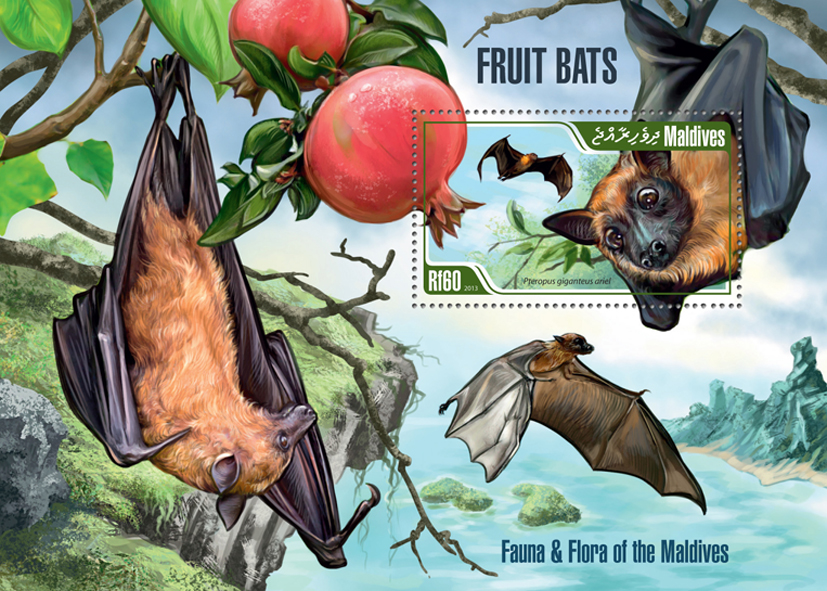
    A disease that is devastating bat populations in the Eastern United States and Canada may be spreading to Alberta and British Columbia. White-nose syndrome is believed to be caused by Pseudogymnoascus destructans, a fungus that colonizes the skin of bats during hibernation. It’s named for the white fuzz that develops on the muzzle and wings of infected animals. “The irritation caused by the fungus disturbs hibernation and results in the bats using up fat stores before food is available in spring,” says Sam Sharpe, anatomic pathologist with the University of Calgary Faculty of Veterinary Medicine (UCVM). “Eventually the bats starve to death.”

    The disease, first detected in New York State in 2006, steadily spread to the Atlantic provinces, Quebec and Ontario. Bat populations are being decimated. To date, white-nose syndrome is associated with the death of some six million bats in North America. This spring, the first case in western North America was found in a bat in Washington state. Sharpe says that means the pathogen defied predictions and apparently jumped right across the continent. “If the disease takes root and spreads as it has done in the East, this now places bats in Alberta and B.C. in direct risk of similar devastation.”

    Not much is known about how the disease spreads. It may be transferred by bat-to-bat contact, and, while it’s not a human health risk, the disease may be carried by people, such as climbers and cavers, from one hibernation site to another.

    Source: University of Calgary, November 1, 2016
    https://www.ucalgary.ca/utoday/issue/2016-11-01/alberta-bats-threatened-deadly-white-nose-syndrome-appears-be-moving-westward

  • The Amphibian and Reptile Extinction Crisis

    The Amphibian and Reptile Extinction Crisis

    Amphibians and reptiles are amazing creatures with clever adaptations that have allowed them to brave the millennia. Consider the Coachella Valley fringe-toed lizard (Uma inornata)’s scaly hind toes, which resemble snowshoes and keep the lizard from sinking into sand as it sprints away from predators; or the eastern diamondback rattlesnake (Crotalus adamanteus)’s heat-sensing pit organ, which helps it find the small, warm-blooded prey on which it feeds. Such diversity is vital to functioning ecosystems and enriches humankind’s enjoyment of the natural world. But today the world’s herpetofauna are among the most imperiled species on Earth. Ubiquitous toxins, global warming, nonnative predators, overcollection, habitat destruction and disease are key factors leading to their demise. Globally, 989 species of reptiles, or almost 20 percent of evaluated species, are endangered or vulnerable to extinction, according to the International Union for Conservation of Nature’s Red List.

    The situation is even worse for amphibians. More than 2063 species of frogs, toads and salamanders — more than 31 percent of the world’s amphibians — are at risk of dying out. And scientists lack sufficient information to even assess the status of more than 20 percent of the world’s herps. These species are slipping away faster than we can study them.

    Source: Centre for Biological Diversity
    http://www.biologicaldiversity.org/campaigns/amphibian_conservation/

  • Quail population declining in Missouri and other states

    Quail population declining in Missouri and other states

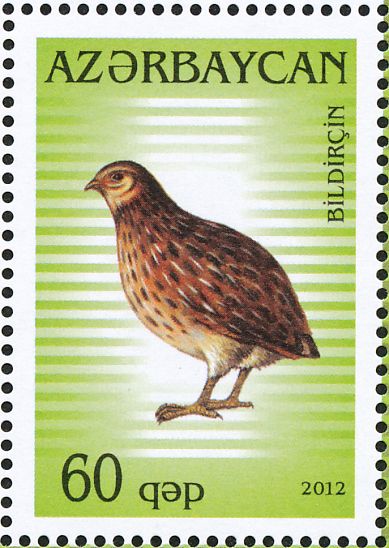
    For a quail (Coturnix coturnix), survival isn’t easy. That’s important to emphasize as we head into Missouri’s quail season, which runs from Nov. 1 through Jan. 15. The daily bag limit is eight and the possession limit is 16. It may seem ironic to discuss quail survival in the same story that talks about hunting these birds. However, quail hunting and the overall survival of the state’s quail population aren’t as closely related as some might assume. Anyone who’s followed the story of quail in Missouri knows the population of this once-popular game bird has been declining for several decades. Current surveys show bobwhite numbers aren’t exactly booming anywhere in the state. Quail decline isn’t just a Missouri problem; bobwhite (Colinus virginianus) populations are declining in a number of states. However, these studies indicate hunting pressure has a relatively small impact on overall quail population numbers. This was clear in a North Carolina study that showed a hunting mortality rate of 14 percent and an overall mortality rate of 93.9 percent. Put another way, the majority of quail don’t live longer than a year regardless if they’re hunted or not.
    Source: Springfield News-Leader, November 2, 2016
    http://www.news-leader.com/story/life/2016/11/02/quail-population-declining-missouri-and-other-states/93061376/

  • Biologists study imperiled lizard in Texas and Mexico

    Biologists study imperiled lizard in Texas and Mexico

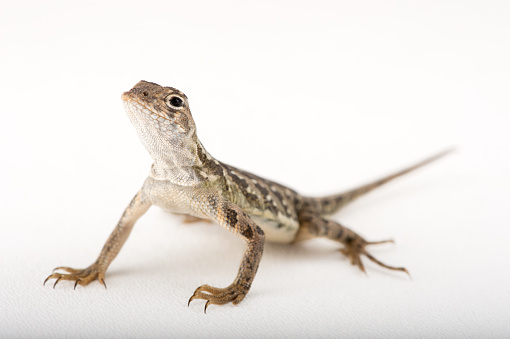
    University of Texas at Arlington biologists are studying a species of lizard found in parts of Texas and northeastern Mexico to find out why the reptile’s numbers have been dwindling dramatically. They are conducting fieldwork and genome sequencing to learn as much as possible about the spot-tailed earless lizard Holbrookia lacerata, which has experienced a steady decline in population in Central and South Texas. “We are carrying out a comprehensive study of the natural history, morphology, phylogenetics and ecological genetics of H. lacerata to provide a thorough assessment on the conservation and management priorities for this imperiled species,” said Corey Roelke, a College of Science biology lecturer and principal investigator of the project. “While the factors causing the lizard’s dwindling numbers are unknown, at least some of the decline is likely due to anthropogenic – meaning caused by human activity – habitat change,” Roelke added. “Potential threats include the use of agricultural herbicides and insecticides; loss of habitat and habitat fragmentation due to conversion of land to agriculture use or road construction.”

    Read more at: http://phys.org/news/2016-04-biologists-imperiled-lizard-texas-mexico.html#jCp