Auteur: Henk Tennekes

  • Élimination des néonicotinoïdes – Les apiculteurs du Québec appuient la proposition de l’ARLA

    Élimination des néonicotinoïdes – Les apiculteurs du Québec appuient la proposition de l’ARLA

    La Fédération des apiculteurs du Québec applaudit la position de l’Agence de réglementation de la lutte antiparasitaire (ARLA) de Santé Canada, pour laquelle l’usage actuel de l’imidaclopride « ne peut durer ». La réévaluation par le ministère fédéral de ce pesticide de la famille des néonicotinoïdes a confirmé ses effets extrêmement nocifs pour les cours d’eau et les nappes phréatiques, pour les insectes dont se nourrissent les poissons et plusieurs mammifères, et pour les abeilles et les autres pollinisateurs. Sur la base de ces résultats, Santé Canada a également entrepris des examens spéciaux de deux autres néonicotinoïdes couramment utilisés, la chothianidine et le thiaméthoxame.

    « Cela fait plusieurs années que les apiculteurs tentent de sensibiliser les décideurs aux impacts désastreux des insecticides systémiques de la classe des néonicotinoïdes sur la santé de nos abeilles », a déclaré le président de la Fédération des apiculteurs du Québec, M. Léo Buteau. La Fédération espère que l’ARLA maintiendra sa proposition au terme du processus de consultation. « Cette décision est peut-être une bonne nouvelle pour les apiculteurs et pour leurs abeilles, mais il faut rester prudents », a conclu M. Buteau, qui s’inquiète aussi du long délai de transition prévu par l’agence. « Il faudra voir aussi ce que l’industrie va proposer aux agriculteurs comme produits de remplacement. »

    SOURCE: Fédération des apiculteurs du Québec
    http://www.newswire.ca/fr/news-releases/elimination-des-neonicotinoides—les-apiculteurs-du-quebec-appuient-la-proposition-de-larla-604008626.html

  • Study Strengthens Link Between Prenatal Pesticide Exposure and Autism

    Study Strengthens Link Between Prenatal Pesticide Exposure and Autism

    Autism Spectrum Disorder (ASD) affects about 1 in 68 children in the United States, and a combination of genetic and environmental factors, along with complications during pregnancy have been associated with ASD diagnoses. A new study from the National Institute of Environmental Health Services has strengthened the link between prenatal exposure to agricultural pesticides and ASD. The study’s findings have been published in the journal Environmental Health Perspectives.

    In 2003, University of California-Davis began the Childhood Autism Risks from Genes and Environment (CHARGE) study. This ongoing study seeks to identify causes and risk factors for ASD and other developmental delays (DD). This particular facet of the study explored prenatal exposure to agricultural pesticides, which have known neurotoxic effects.

    The researchers compared addresses during pregnancy to state records of applications of organochlorines, organophosphates, pyrethroids, and carbamates within 1.25 km, 1.5 km, and 1.75 km from those addresses. About a third of the 970 study participants lived within 1.5 km (0.9 miles) of pesticide applications during pregnancy. While proximity to any of the four classes of pesticide resulted in an increased risk of a child with ASD or DD, some of the chemicals presented a greater risk at different stages during pregnancy.

    Proximity to organophosphates during prenatal development increased the risk of the child being diagnosed with ASD or DD by 60%, with exposure during the third trimester increasing the risk nearly threefold than earlier during development. However, exposure to chlorpyrifos, a subclass of organophosphates, conferred the greatest risk during the second trimester. Exposure to pyrethroids presented an increased risk before conception and during the third trimester. Prenatal exposure to carbamates resulted in an increased risk of ASD or DD, though the data did not indicate a particular time during development that was more affected by exposure. Too few volunteers in the study were exposed to organochlorines, so that data was excluded.

    The researchers corrected for child ethnicity, maternal age, prenatal vitamin use, maternal education, differences in health insurance at birth, region, and maternal birth place, in order to account for other known confounders in ASD/DD diagnoses. It is also important to note that CHARGE participants are volunteers, and the type of mother seeking to participate in such a study is likely more proactive about the child’s health in the first place, and might not be indicative of the general population. However, these findings do support previous studies that have linked pesticide exposure to ASD and DD.

    The study focused on where the pesticides were applied, not the diet of the mothers and how much or which pesticides were potentially ingested. The USDA has approved over 200 synthetic chemicals to be used in certified organic farming. Additionally, organic pesticides do not work as long and need to be reapplied more frequently than synthetics, which may pose a greater harm to the environment and also has negative effects on human health. Synthetic and organic pesticides can be washed off of produce with a commercial detergent (water alone will not work) or with a homemade mixture of white vinegar, baking soda, and water.

    Future study will explore the specific genes and biological mechanisms affected by exposure to pesticides. The researchers recommend that women who are trying to conceive or who are pregnant should avoid direct contact with pesticides as much as possible to reduce risk of the fetus developing ASD or DD.
    Source: IFL Science
    http://www.iflscience.com/health-and-medicine/study-strengthens-link-between-prenatal-pesticide-exposure-and-autism/


  • Pestizide gefährden den Ortolan in Deutschland

    Pestizide gefährden den Ortolan in Deutschland

    Kaum größer als ein Spatz, perfekt getarnt im gelblich-grünen, noch jungen Eichenlaub, schmettert ein Ortolan-Männchen sein Lied. Jene Weise, die einst Ludwig van Beethoven beim Komponieren seiner 5. Sinfonie inspiriert haben soll. In Beethovens rheinischer Heimat ist der Vogel längst ausgestorben. Wie im übrigen Westen Deutschlands. Zwei Dinge machen dem Singvogel zu schaffen: in seinem deutschen Brutgebiet nehmen ihm Monokulturen und die intensivierte Landwirtschaft jede Lebensgrundlage. Das größte Problem für den Ortolan (Emberiza hortulana) in Deutschland: auf den meisten Äckern wird Gift gespritzt – die Pestizide sollen die Erträge steigern, indem sie die Insekten töten. Die Nahrung für den Ortolan. Der europäische Bestand ist seit den 80’er Jahren um 90 Prozent eingebrochen. So geht es vielen Vögeln, die ihren Lebensraum rund um die Äcker haben. Oder hatten.
    Quelle: Deutschlandradio, 29.11.2016
    http://www.deutschlandradiokultur.de/singvogel-ortolan-in-deutschland-geschuetzt-in-frankreich.976.de.html?dram:article_id=372685

  • Neonicotinoids contaminate surface and ground waters threatening survival of invertebrates

    Neonicotinoids contaminate surface and ground waters threatening survival of invertebrates

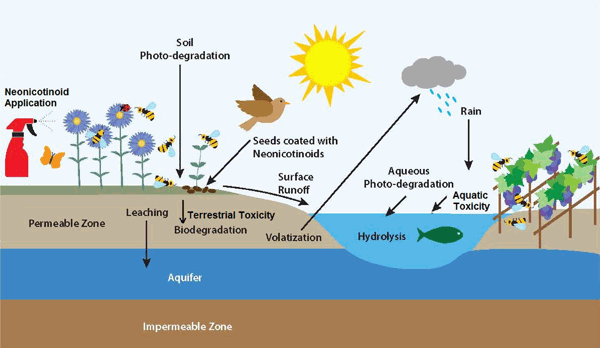
    Due to their high water solubility and diversity of application methods the movement of neonicotinoid insecticides into surface and ground waters has been of increasing concern. Neonicotinoids have been detected in 63% of the 48 streams sampled across the United States with imidacloprid the highest percentage detection frequency (df) (37% df, maximum 140 ng/L), followed by clothianidin (24% df, 66 ng/L), thiamethoxam (21% df, 190 ng/L), dinotefuran (13% df, 130 ng/L), acetamiprid (3% df, 40 ng/L) and thiacloprid (0% df) and 92% of detectable concentrations <100 ng/L (median concentration of 19 ng/L). In maize producing counties of southwestern Ontario in Canada 100% of 76 samples collected had clothianidin and 98.7% had thiamethoxam with mean concentrations of clothianidin and thiamethoxam at 2280 and 1130 ng/L, respectively (maximum 43600 and 16500 ng/L, respectively). In water from Canadian prairie wetlands of central Saskatchewan (located within a region of high neonicotinoid seed treatment use for wheat and canola) the highest detection frequency (62%) and highest concentrations of neonicotinoids (maximum 3110 ng/L, mean 76.8 ng/L) occurred in summer with clothianidin > thiamethoxam > imidacloprid >acetamiprid. Neonicotinoids have also had wide usage in other countries and have been detected in rivers around Sydney with detection of imidacloprid (93% df, mean 0.20 ng/L), thiacloprid (80% df, mean 0.15 ng/L), thiamethoxam (27% df, 0.10 ng/L), acetamiprid (73% df, 0.08 ng/L) and clothianidin (53% df, 0.06 ng/L). Testing for imidacloprid and its metabolites in wells in high usage areas of imidacloprid in California found no detectable levels (detection limit for imidacloprid and metabolites 0.05 ppb except for imidacloprid olefin at 0.1 ppb). Other areas with soil-applied neonicotinoids (thiamethoxam, clothiandin and imidacloprid) for potato production have detected thiamethoxam, clothianidin, and imidacloprid at 210 to 3340 ng/L (average 620 ng/L), 260-3340 ng/L (average 790 ng/L), 200-8930 ng/L (1590 ng/L) in ground water with the highest frequency of detection for thiamethoxam (during 2008-2012) suggesting high leaching potential.

    Source:
    Renata Raina-Fulton (2016) Neonicotinoid Insecticides:Environmental Occurrence in Soil, Water
    and Atmospheric Particles. Department of Chemistry and Biochemistry, University of Regina, Canada
    https://www.researchgate.net/profile/Renata_Raina-Fulton_bailey/publication/309174307_Neonicotinoid_Insecticides_Environmental_Occurrence_in_Soil_Water_and_Atmospheric_Particles/links/580248e008ae6c2449f7f937.pdf

  • Neonicotinoids: Systemic Insecticides and Systematic Failure

    Neonicotinoids: Systemic Insecticides and Systematic Failure

    The widespread adoption and use of neonicotinoid compounds originally considered to be environmentally benign can now potentially be considered to be an environmental catastrophe. While the generational development and production of neonicotinoids has focused on making these insecticides more potent to their target organisms at very small dosages, their adverse environmental consequences have largely remained overlooked. Imidacloprid was the first generation neonicotinoid to receive widespread attention for its environmental consequences. The third generation of neonicotinoids, dinotefuran, is several orders of magnitude more soluble in water than the first generation (imidacloprid 610 mg/L; thiamethoxam 4100 mg/L; dinotefuran 39,830 mg/L), in addition to being more potent and persistent. In 2008, the Environmental Fate and Effects Division (Environmental Risk Branch V) of the US EPA, acknowledged via a memorandum the potential risks that neonicotinoids present for non-target species such as upland game birds, endangered aquatic invertebrates in both freshwater and marine environments and secondary toxicity to fish due to alteration of food chains. There is a mounting body of evidence of adverse effects that neonicotinoids can cause in non-target species (honeybees, butterflies and moths, earthworms, bumblebees, solitary bees). In 2013, the EU placed a 2-year moratorium on the entire class (first–third generations) of neonicotinoids used in the agriculture operations that involve and attract honeybees such as seed treatment, soil application (granules) and foliar treatment on plants and cereals. This moratorium was established upon recommendation from the EU Food Safety Authority, and was based partly on body of evidence and partly under the broad umbrella policy of ‘precautionary principle’. The USA has not yet banned the use of neonicotinoids in agriculture applications. This is because the US Environmental Protection Agency (US EPA) operates under a “risk-based principles” policy: if the risk due to exposure to neonicotinoids is not clearly demonstrated, no efforts will be made to ban the use of neonicotinoids. However, on January 6, 2016, the USEPA formally acknowledged the risk that neonicotinoid exposure presents for honeybees. Through its preliminary risk assessment prepared in collaboration with the State of California’s Department of Pesticide Regulation, the US EPA has now established the threshold residual concentration of imidacloprid for honeybees at 25 parts per billion—and has stated that any exposure to imidacloprid above this limit will likely result in decrease in bee populations.

    Source: Kurwadkar, S. & Evans, A. Bull Environ Contam Toxicol (2016). doi:10.1007/s00128-016-1968-3

  • Neonicotinoid Insecticides Alter the Gene Expression Profile of Neuron-Enriched Cultures from Neonatal Rat Cerebellum

    Neonicotinoid Insecticides Alter the Gene Expression Profile of Neuron-Enriched Cultures from Neonatal Rat Cerebellum

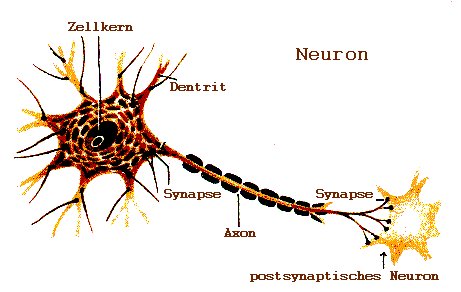
    Neonicotinoids are considered safe because of their low affinities to mammalian nicotinic acetylcholine receptors (nAChRs) relative to insect nAChRs. However, because of importance of nAChRs in mammalian brain development, there remains a need to establish the safety of chronic neonicotinoid exposures with regards to children’s health. Here we examined the effects of long-term (14 days) and low dose (1 μM) exposure of neuron-enriched cultures from neonatal rat cerebellum to nicotine and two neonicotinoids: acetamiprid and imidacloprid. Immunocytochemistry revealed no differences in the number or morphology of immature neurons or glial cells in any group versus untreated control cultures. However, a slight disturbance in Purkinje cell dendritic arborization was observed in the exposed cultures. Next we performed transcriptome analysis on total RNAs using microarrays, and identified significant differential expression (p < 0.05, q < 0.05, ≥1.5 fold) between control cultures versus nicotine-, acetamiprid-, or imidacloprid-exposed cultures in 34, 48, and 67 genes, respectively. Common to all exposed groups were nine genes essential for neurodevelopment, suggesting that chronic neonicotinoid exposure alters the transcriptome of the developing mammalian brain in a similar way to nicotine exposure. Our results highlight the need for further careful investigations into the effects of neonicotinoids in the developing mammalian brain. Source: Kimura-Kuroda J et al. (2016) Int. J. Environ. Res. Public Health 13(10), 987; doi:10.3390/ijerph13100987 http://www.mdpi.com/1660-4601/13/10/987/htm

  • Neonicotinoids face total EU ban

    Neonicotinoids face total EU ban

    After the two-year moratorium on three types of neonicotinoid pesticides, the European Food Safety Authority (EFSA) this month issued an unfavourable opinion on two of the chemicals, for uses that are still authorised. Following EFSA’s conclusions confirming the toxicity of neonicotinoids for pollinators, the European Commission issued a moratorium on three chemicals: clothianidin, imidacloprid and thiamethoxam. This moratorium expired in December 2015 and is currently being reviewed at European level. But the scope of the suspension was narrow. It only applied to the treatment of seeds or soils for crops that are attractive to bees (except greenhouse crops and winter cereals) and the spraying of crops that attract the pollinators (except post-flowering and greenhouse crops). According to a new opinion issued by EFSA, several uses of two of these chemicals (clothianidin and imidacloprid, produced by Bayer), including the treatment of winter cereals, still pose significant threats to pollinators such as bees and bumblebees. Only the report on thiametoxam is still to be delivered, and a similar conclusion is expected. The two-year European moratorium (2013-2015) is currently under review, and these latest opinions from EFSA could lead to the implementation of a total ban. France’s biodiversity bill, published in August, foresees a complete ban on neonicotinoids in September 2018, with possible derogations until 2020. The use of these chemicals is also being reconsidered on the other side of the Atlantic. Last Wednesday (23 November) Health Canada published an opinion in which it said the use of imidacloprid was not “sustainable” due to its toxicity to insects and aquatic life. The chemical’s effects on bees was the subject of a separate report.
    Source: Satellite Press Releases, November 28, 2016
    http://satprnews.com/2016/11/28/neonicotinoids-face-total-eu-ban/

  • Induction of abnormal behaviours in mice after in utero and early postnatal exposure to imidacloprid

    Induction of abnormal behaviours in mice after in utero and early postnatal exposure to imidacloprid

    Imidacloprid (IMD), a neonicotinoid insecticide, is the most widely used insecticide on the planet. The purpose of this study was to examine the behavioural and biochemical effects of chronic in utero and early postnatal IMD exposure. Our treatment regimen entailed chronic exposure whereby pregnant mice were infused with 0.5 mg/kg/day of IMD via a subcutaneous osmotic mini-pump from gestational day 3 to postnatal day 21. Beginning on postnatal day 42, the offspring were studied in a series of behavioural tests assessing locomotor activity, anxiety, social dominance and aggression, sensorimotor gating, and depression, while postmortem biochemical analyses included tests that observed sperm abnormalities, immune response abnormalities, and abnormalities in whole blood composition. A decrease in body weight, increased motor activity, enhanced social dominance, decreased depressive-like behaviours, and a decrease in visible social aggression was observed, demonstrating the induction of abnormal behaviours in mice after in utero and early postnatal exposure to IMD.
    Source:
    Andrew Patrick Burke (2016) Thesis submitted in conformity with the requirements for the degree of Master of Science. Graduate Department of Pharmaceutical Sciences, University of Toronto.

  • Das Verschwinden der Schmetterlinge

    Das Verschwinden der Schmetterlinge

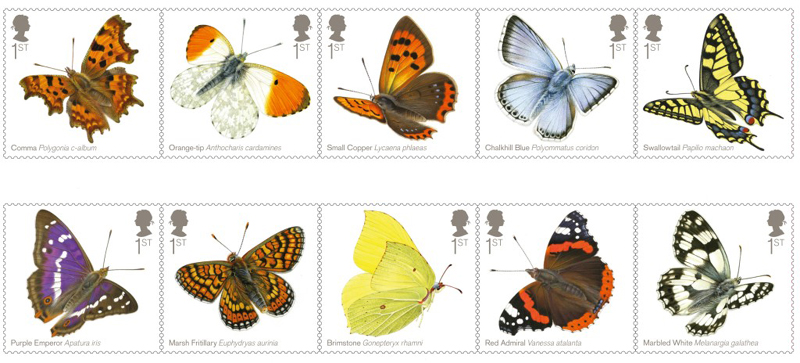
    Rund 3700 Arten von Faltern oder Schmetterlingen (Lepidoptera) gibt es in Deutschland, darunter – neben der riesigen Zahl an Nachtfaltern und Kleinschmetterlingen – etwa 180 oft farbenprächtige Tagfalter, die überwiegend tagsüber unterwegs sind. Doch die Vielfalt schwindet: In Bayern wurden seit 1766 etwa 3250 Arten nachgewiesen. “Ab 2001 fanden wir nur noch 2819 Arten. Weit mehr als 400 Spezies sind nicht mehr nachweisbar, was einem Rückgang von 13 Prozent entspricht”, sagt Jan Christian Habel von der Technischen Universität München.

    Er und seine Kollegen haben die Gegend um den Keilstein bei Regensburg untersucht, ein Naturschutzgebiet, das für seinen Reichtum an Schmetterlingen bekannt ist. Die Bestände würden kleiner: Flatterten in den 1840er Jahren noch 117 Arten von Tagfaltern und Widderchen – tagaktive Kleinschmetterlinge – am Keilberg, so waren es um 2010 nur noch 71, wie das Team im Fachblatt “Conservation Biology” berichtet. Das entspricht einem Rückgang der Artenvielfalt um 40 Prozent.

    Der Trend betreffe auch andere europäische Länder, sagt Thomas Schmitt vom Senckenberg Deutschen Entomologischen Institut (SDEI) in Müncheberg bei Berlin: “Nach einer britischen Studie sind die Bestände des Kleinen Feuerfalters (Lycaena phlaeas) dort in 100 Jahren um 96 Prozent geschrumpft. Beim Gemeinen Bläuling (Polyommatus icarus) ist die Entwicklung ähnlich.”

    Jeremy Thomas von der Universität Oxford berichtete kürzlich im Wissenschaftsblatt “Science”, in der englischen Grafschaft Sussex seien im späten 19. und im 20. Jahrhundert 42 Prozent der dort vorkommenden Arten ausgestorben.

    “Nur solche Langzeitbeobachtungen können das ganze Ausmaß der Katastrophe zeigen”, sagt Habel. “Die Beobachtung über einen Zeitraum von 200 Jahren bestätigt den allgemeinen Trend, dass gerade die spezialisierten Arten stark rückläufig sind.”

    Quelle: Spiegel Online, 28.07.2016
    http://www.spiegel.de/wissenschaft/natur/umwelt-das-verschwinden-der-schmetterlinge-a-1105108.html

  • Pflanzen und Tiere der Region Schwalm-Eder sterben aus

    Aufmerksamen Naturfreunden wird es vielleicht schon aufgefallen sein: Im Sommer fliegen weniger Schmetterlinge umher, viele heimische Vogelarten sind selten geworden und am Wegesrand gedeihen kaum noch bunte und vielfältige Pflanzen und Blumen. Beobachtungen, die Torsten Cloos, Geschäftsführer des NABU Schwalm-Eder, bestätigen kann: „Grundsätzlich ist in einigen Gebieten der Region ein intensiver Verlust der Pflanzenwelt zu verzeichnen. Mit den Pflanzen verschwinden auch wichtige Bestäuber und andere Insekten und damit letztendlich auch Vögel und kleine Säugetiere.“ Dies werde besonders bei Rebhühnern sichtbar: Noch in den 50er Jahren lebten in einer Gemarkung rund 100 Rebhühner. In den 80ern noch etwa 20. Heute seien es kaum mehr als ein bis zwei Exemplare, erklärt Naturschützer Cloos.

    Auch Wildpflanzen und -kräuter gingen verloren. Vor gut 50 Jahren waren noch etwa 40 Prozent der Ackerflächen mit vielfältigen wilden Pflanzen bedeckt, heute seien es nur noch vier Prozent, heißt es in der unabhängigen Fachzeitschrift „Nationalpark“. Stattdessen beherrschen hochgezüchtete Monokulturen, wie etwa Weizen, Weidegras oder sogenannte Energiepflanzen, unter anderem Mais und Raps, die Äcker und Felder der Region. Auch Wiesenblumen wie Arnika, Glockenblumen oder die Sumpfdotterblume machen sich rar.

    Doch woran liegt dieses heimische Artensterben? „Die Industrialisierung der Landwirtschaft in den vergangenen 50 Jahren trägt einen großen Teil dazu bei. Natürlich brauchen wir Agrarwirtschaft, um uns zu ernähren, aber das Pflanzensterben drückt sich nunmal darin aus“, erklärt Cloos. Denn früher würde weniger intensiv gedüngt und seltener Pestizide versprüht, außerdem nicht so häufig abgeernet und es habe mehr Kleinlandwirte gegeben, die die Äcker bestellten.

    „Nach und nach wurden große Flächen zusammen gelegt. Dadurch sind die wild wuchernden Grünstreifen zwischen den einzelnen Parzellen verschwunden“, wie der NABU-Experte erklärt. „Die Größe der Agrarbetriebe und die Intensität, mit der Landwirtschaft betrieben wird, führten letztendlich zum Verlust von Biodiversität“, so Cloos weiter. Zwar bemühe sich die Politik um nachhaltige Lösungsansätze, doch das Ziel der EU bis 2020 das Artensterben zu stoppen, könne laut Cloos nicht erreicht werden: „Die Maßnahmen, die die Landwirte für mehr Artenvielfalt erfüllen müssen, gelten nur etwa für die Hälfte aller Betriebe. Es gibt durchaus gute Ansätze, doch das Endergebnis wird so nicht erreicht.“

    Quelle: Lokalo 24, 23.11.16
    http://lokalo24.de/news/nabu-schlaegt-alarm-pflanzen-und-tiere-der-region-sterben-aus/725156/