Auteur: Henk Tennekes

  • De Rode Lijst van de IUCN telt nu 85.604 soorten, waarvan bijna 30% met uitsterven wordt bedreigd

    De Rode Lijst van de IUCN telt nu 85.604 soorten, waarvan bijna 30% met uitsterven wordt bedreigd

    Er is een groeiende tendens om het klimaat voor te stellen als grootste bedreiging voor de biodiversiteit, terwijl dat niet zo is. Dat schrijven wetenschappers in het vakblad Nature. Tijdens hun onderzoek bestudeerden ze de beschikbare informatie over meer dan 8.000 diersoorten. Daaruit bleek dat de belangrijkste oorzaken voor het verlies aan biodiversiteit overexploitatie en landbouw zijn. Een duurzamer grondstoffen- en landbouwbeleid kan het tij volgens de onderzoekers keren.
    Uit onderzoek blijkt dat onafhankelijk van de diersoort overexploitatie en landbouw de grootste bedreigingen zijn voor het voortbestaan van de dieren in kwestie. Onder exploitatie wordt het gebruik van grondstoffen verstaan, aan een ritme dat niet gecompenseerd kan worden door reproductie of groei. Landbouw omvat in de studie de productie van voedsel, veevoeder, aquacultuur en bosbouw. Specifiek voor de landbouwsector adviseren de onderzoekers een beleid dat bedreigde diersoorten de kans geeft om te overleven in landbouwgebied; een strenger beleid inzake gewasbescherming en het gebruik van pesticiden en insecticiden; het gebruik van kunstmest ontmoedigen; het promoten van duurzame landbouw; en het bestrijden van voedselverspilling.

    In de afgelopen 30 jaar is de populatie giraffen met maar liefst 40 procent verminderd, zo blijkt uit de nieuwe Rode Lijst van bedreigde soorten die IUCN (International Union for Conservation of Nature) gisteren presenteerde. Wetenschappers evalueerden tevens de status van ruim 700 nieuwe vogelsoorten. 11 procent daarvan werd direct als ‘bedreigd’ aangemerkt. Ook onderzochten de IUCN-experts voor het eerst de status van wilde varianten van voedselgewassen als gerst, mango en haver. De nieuwe cijfers werden bekendgemaakt tijdens de 13e VN-conferentie over biodiversiteit (CBD COP13) in Cancun, Mexico. In totaal telt de Rode Lijst nu 85.604 soorten. Daarvan worden er 24.307 met uitsterven bedreigd. Voor deze update van de Rode Lijst werden alle 11.121 vogelsoorten opnieuw onder de loep genomen. In totaal werden 742 nieuwe soorten aan de lijst toegevoegd. Dit zijn grotendeels vogels die voorheen als subsoorten werden beschouwd, maar nu (als gevolg van een taxonomische herziening) als individuele soort worden gekenmerkt. 11 procent hiervan is als bedreigd aangemerkt. Lars Soerink van Vogelbescherming Nederland: “Vogels zijn een goed bestudeerde groep en daarmee een uitstekende graadmeter voor de kwaliteit van leefgebieden op aarde. Dat er zoveel nieuwe soorten met uitsterven bedreigd worden, is een zeer zorgelijke ontwikkeling. Het toont de kwetsbaarheid van populaties wilde vogels. De rijkdom aan wilde planten en dieren staat door menselijk toedoen onder extreme druk en de noodzaak van bescherming is dan ook groot. Dramatisch is het je te realiseren dat straks een van ’s werelds populairste vogelsoorten, de grijze roodstaartpapegaai (Psittacus erithacus), alleen nog in kooitjes te zien zal zijn.” De vogel loopt het risico uit te sterven in het wild. Oorzaak is massale vangst voor de vogelhandel en ontbossing. De papegaai is een geliefd huisdier vanwege zijn vermogen om de menselijke stem na te bootsen. Een onderzoek van BirdLife International, de internationale koepel van de Vogelbescherming, ontdekte dat de populatie in sommige delen van het Afrikaans continent met maar liefst 99 procent achteruitging. Voor het eerst onderzochten de IUCN-experts de status van 233 wilde varianten van voedselgewassen. Deze varianten zijn belangrijk voor de mondiale voedselzekerheid. Henk Simons van IUCN NL: “Wilde varianten bieden genetisch materiaal dat mogelijk gunstige eigenschappen bezit. Ze kunnen bijvoorbeeld beter gedijen in droge omgevingen of zijn beter bestand tegen ziektes. Gezien het veranderende klimaat en het toenemend aantal monden dat wereldwijd gevoed moet worden is het cruciaal dat deze wilde varianten niet verloren gaan.” Voor de Kalimantan mango (Mangifera casturi), familie van onze mango (Mangifera indica) in de supermarkt, is dat al te laat: die is uitgestorven in het wild. Ook veel van andere planten, zaden en vruchten die verwant zijn aan onze voedselgewassen worden in hun voortbestaan bedreigd. Onder andere een wilde asperge (Asparagus kiusianus), zonnebloem (Helianthus anomalus) en kikkererwtsoort (Cicer bijugum) lopen gevaar door verlies van leefgebied.
    Bronnen:
    Persbericht IUCN NL en Piep Vandaag, 09.12.16
    VILT, 15.08.16
    http://www.vilt.be/landbouw-acutere-dreiging-biodiversiteit-dan-klimaat

    https://www.piepvandaag.nl/nieuwe-rode-lijst-giraffe-planten-vogelsoorten-toegevoegd/
  • “Größtes Artensterben seit Ende der Dinos”

    “Größtes Artensterben seit Ende der Dinos”

    Die aktualisierte Rote Liste der Weltnaturschutzunion (IUCN), die sie jetzt auf der UN-Artenschutzkonferenz im mexikanischen Cancún vorgestellt hat, gibt wenig Anlass zur Freude. Beispielsweise sind von rund 740 in jüngster Zeit entdeckten Vogelarten der Weltnaturschutzunion zufolge elf Prozent vom Aussterben bedroht. Viele Arten würden schon verschwinden, bevor man sie überhaupt näher beschreiben könnte, sagte IUCN-Chefin Inger Andersen. 13 der jüngst entdeckten Vogelarten seien bereits ausgestorben. Die meisten davon sind vor allem Experten ein Begriff.

    Anders sieht es bei den Afrikanischen Graupapageien (Psittacus erithacus) aus. Sie sind dank ihrer Intelligenz und Sprachbegabung bei vielen Haltern beliebt – das könnte ihnen laut IUCN zum Verhängnis werden. Denn das mache die Vögel zu attraktiven Jagdobjekten für Wilderer. “Vor allem der Handel ist ein Problem für Wildvögel, die weltweit zu beliebten Haustieren zählen”, sagt Vogelschutzexperte Lars Lachmann vom Naturschutzbund Deutschland Nabu.

    Als Ganzes ist der Viktoriasee in Afrika auf die Rote Liste gekommen. Seine gesamte Tierwelt ist gefährdet. Grund seien Überfischung, Verschmutzung durch Landwirtschaft, Pestizide und Herbizide sowie eingeschleppte Tierarten.

    Doch nicht nur Tiere sind in ihrer Existenz bedroht. Auch die Bestände der wilden Verwandten von Gerste, Hafer und Sonnenblumen gehen laut IUCN zurück. Sie seien eine wichtige Genquelle für neue Nutzpflanzen. Landwirtschaftliche Expansion lasse ihren Lebensraum schrumpfen und mache ihnen damit zu schaffen. “Wir erleben derzeit das größte globale Artensterben seit dem Ende der Dinosaurier – und der Mensch ist die Ursache”, sagt Brandes. Bevölkerungswachstum und wirtschaftlicher Wohlstand dürften nicht zulasten natürlicher Ökosysteme gehen.

    Insgesamt wurden bislang 85604 Tier- und Pflanzenarten für die Rote Liste der IUCN untersucht. 24307 davon sind bedroht. “Die aktuelle Liste zeigt vielleicht, dass das Ausmaß des Artensterbens größer ist als gedacht”, so Andersen.

    Quelle: Passauer Neue Presse, 09.12.16
    http://www.pnp.de/nachrichten/heute_in_ihrer_tageszeitung/journal/2324232_Groesstes-Artensterben-seit-Ende-der-Dinos.html

  • De matkop verdwijnt als bosvogel

    De matkop verdwijnt als bosvogel

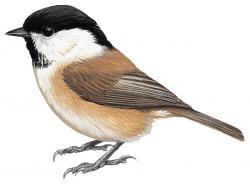
    Matkoppen Parus montanus broeden in vochtige bossen. Ze nestelen in verrot en zacht hout. In het voorjaar en vroege zomer bestaat het voedsel vooral uit insecten, insectenlarven, spinnen en andere kleine diertjes. Volgens SOVON daalde het aantal broedparen in de periode 1990-2007 significant. Op de zuidelijke zandgronden kreeg de Matkop rond 1995 een forse klap: toen verdween in een keer 40% van het broedbestand. Sindsdien vertoont de Matkop in deze gebieden een gestage achteruitgang. Het beeld in laag Nederland en op de noordelijke zandgronden (Drenthe e.o.) is iets minder dramatisch: er is geen sprake van een forse terugval in een bepaald jaar, maar wel van een gestage achteruitgang vanaf 1990. Bij de oosterburen is de ontwikkeling niet anders. In Nedersaksen is de broedvogelstand tussen 1989 en 2010 met 75% afgenomen. Deze teruggang is in heel Nedersaksen te zien, met de grootste terugval begin jaren negentig.
    Bron: Alco van Klinken, De Grauwe Gors jaargang 42 – 2015

  • Streams and waterways throughout southern Ontario are contaminated with neonicotinoids

    Streams and waterways throughout southern Ontario are contaminated with neonicotinoids

    Neonicotinoids are present in streams and waterways throughout southern Ontario. In a paper that will soon be published in the journal Chemosphere, Environment Canada scientists found that regions of the province with intensive vegetable, fruit and grape production have waterways with the highest concentrations of neonicotinoids. “At two sites in southwestern Ontario, the Canadian federal freshwater guideline value for imidacloprid (230 nanograms/litre) was exceeded in roughly 75 percent of the (water) samples collected,” the report said. Environment Canada staff tested water at 15 sites in Ontario, from 2012-2014, in an effort to monitor neonicotinoids in surface water near agricultural land. Health Canada’s Pest Management Regulatory Agency (PMRA) asked Environment Canada to collect the data because PMRA experts wanted more information on neonics.
    In late November, the PMRA announced a plan to phase out the use of imidacloprid in Canada because the insecticide is putting aquatic insects at risk and may be jeopardizing birds and other species that rely on those insects for food. Scott Kirby, PMRA director general for environmental assessment, said data from provincial and federal agencies was “pivotal” in the department’s decision to phase out imidacloprid, which was once the most popular insecticide in the world. “Those studies have measured levels of imidacloprid in aquatic systems adjacent to agricultural areas that are well above the benchmarks that we consider protective to aquatic life.” In addition to the proposed ban, Health Canada announced a special review of two other neonicotinoid insecticides: thiamethoxam, a Syngenta product, and clothianidin, a Bayer product.

    Neonics, as they are commonly known, are applied as seed treatment to almost all of the corn and canola planted in North America and a portion of soybean acres. Imidacloprid is applied to many crops, but in Canada is primarily used in fruit, vegetable, potato, tomato and greenhouse production.

    John Struger, an Environment Canada scientist and lead author of the report, said the department detected neonics at all 15 test sites in Ontario. “We were concerned, or surprised, by how widespread the occurrence of them (is),” he said. “As a class of insecticides, we did not see such widespread distribution of say the organophosphate insecticides.” The highest concentrations, in surface waters, were found in southwestern Ontario, around Leamington. The Sturgeon Creek test site had an average imidacloprid concentration of 1,390 nanograms per litre, more than five times the government threshold of 230 nanograms per litre. The same site had a maximum detection of 10,400 nanograms per litre.

    “This area of southern Ontario is also home to the largest concentration of commercial greenhouses in North America,” the report said. “In addition, 4.6 percent of the Sturgeon Creek watershed is dedicated to field tomato production.” Environment Canada also detected high levels of imidacloprid in a creek in the Niagara region, home to vineyards and orchards that rely on the insecticide.

    In other agricultural areas of Ontario, where corn and soybeans dominate, the average concentration of imidacloprid was negligible. Many sites had less than five nanograms per litre. Environment Canada also tested water samples for thiamethoxam and clothianidin, which are neonics used as seed treatments on corn and soybeans. In regions where corn and soybeans are the dominant crops, the average surface water concentrations were typically 10 to 30 nanograms per litre for thiamethoxam and clothianidin.

    Source: Producer, 8 December 2016
    http://www.producer.com/2016/12/neonics-most-widespread-in-ontarios-horticultural-regions/

  • Neonicotinoid Seed Dressings Have Negative Effect on Predatory Arthropods

    Neonicotinoid Seed Dressings Have Negative Effect on Predatory Arthropods

    Neonicotinoids—the most widely used class of insecticides—significantly reduce populations of predatory insects when used as seed coatings, according to researchers at Penn State. The team’s research challenges the previously held belief that neonicotinoid seed coatings have little to no effect on predatory insect populations. In fact, the work suggests that neonicotinoids reduce populations of insect predators as much as broadcast applications of commonly used pyrethroid insecticides.
    “Predatory insects contribute billions of dollars a year to agriculture through the elimination of crop pest insects,” said Margaret Douglas, postdoctoral researcher in entomology, Penn State. “We have found that neonicotinoid seed coatings reduce populations of these natural enemies 10 to 20 percent.”

    According to John Tooker, associate professor of entomology, Penn State, the use of neonicotinoids has risen dramatically in recent years, especially for large-acreage crop species like corn, soybeans and cotton. The insecticide is most often applied to seeds as a prophylactic coating. When the seeds are planted, the insecticide enters the soil where some of it is taken up by plant roots. The chemical then runs systemically through the plant, protecting young seedlings from insect pests.

    “Applying insecticides to seeds rather than broadcasting them across a field was thought to reduce unwanted effects on natural enemies,” said Douglas. “But we found that seeds treated with neonicotinoid insecticides reduced populations of natural enemies by 10 to 20 percent in North American and European farming systems. Surprisingly, this effect was about the same as that associated with broadcast applications of pyrethroids.”
    The team used a statistical method, called meta-analysis, to combine the results of more than 1,000 observations from 20 field studies across North America and Europe that tested the effects of seed-applied neonicotinoids on predatory insects. “Unfortunately, the available literature is difficult to interpret,” said Tooker. “Some studies show little influence of neonicotinoids presented as seed treatments on arthropod predators that are common in crop fields, whereas others show a strong influence of these seed treatments. By using a meta-analysis approach, we were able to combine the results of many studies to quantitatively reveal the overall influence of neonicotinoids on predator populations.”

    Not only did the researchers find that neonicotinoid seed coatings significantly reduced natural enemy populations, they also found that the insecticide acted more strongly on insect predators than on spiders. In other words, spiders appeared to be less susceptible to neonicotinoids than insects, which is consistent with previous research.

    Conclusions of the Penn State study: Using meta-analysis to synthesize the results from field studies in North American and Europe, we found that seed-applied neonicotinoids reduced natural-enemy populations similarly to foliar- or soil-applied pyrethroids. The negative effect of neonicotinoids on natural enemies was d = −0.30 ± 0.10 [95% CI], corresponding to a reduction of ∼16%. The patterns we observed suggest that seed-applied neonicotinoids exert their effects mainly on insect (versus arachnid) natural enemies, at least partly through toxin exposure. If restrictions on neonicotinoid use encourage substitution with pyrethroids, our results suggest that there will be little net effect on natural-enemy populations. In fact, the results of neonicotinoid restriction for natural enemies are likely to be complex, particularly because some pyrethroids can more easily be saved for those situations in which economically damaging pest populations occur. Finally, translating natural-enemy abundance into biological control function is not possible given current knowledge, and is an important area for future study.

    Sources: Douglas and Tooker (2016), PeerJ, DOI 10.7717/peerj.2776
    http://m.phys.org/news/2016-12-common-insecticides-riskier-thought-predatory.html

  • De grutto sterft uit door verontreiniging van de broedgebieden met imidacloprid

    De grutto sterft uit door verontreiniging van de broedgebieden met imidacloprid

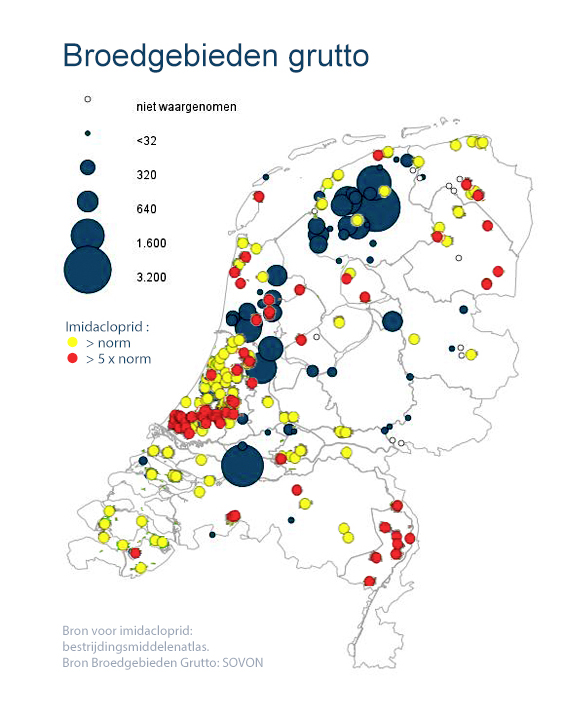
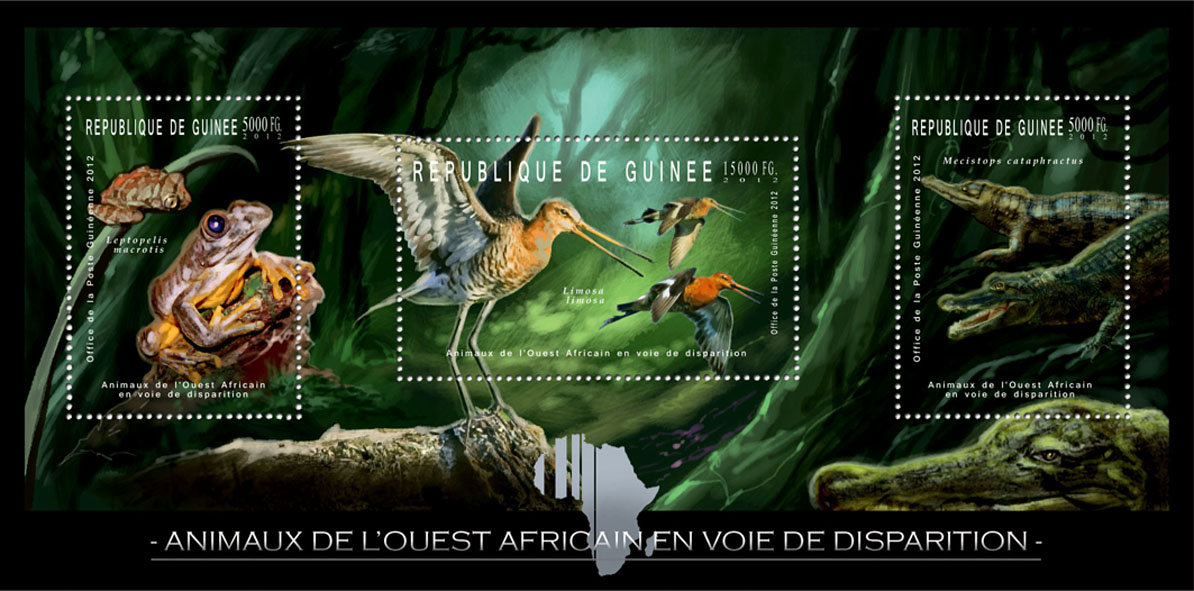
    Het gaat maar niet beter met de stand van de grutto in Nederland. Net als bij alle andere weidevogels gaat het aantal grutto’s in Nederland hard achteruit. De nationale telling leverde dit jaar 4000 jongen op, terwijl er rond de 11.000 zouden moeten vliegen om de stand van de grutto op peil te houden. Kenners beklagen zich al langer over de dalende stand van deze weidevogel. Volgens de toxicoloog Henk Tennekes is achteruitgang van de grutto een gevolg van verontreiniging van de broedgebieden met het bijengif imidacloprid.

    Gebruikte bron: AD, 27-11-16
    http://www.ad.nl/dossier-nieuws/stand-grutto-verder-verslechterd~a091fba5/

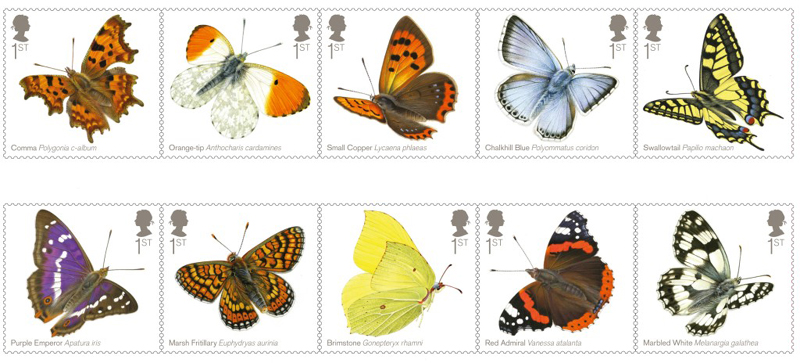
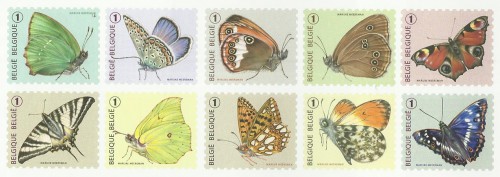
  • Vlinders worden uitgeroeid door de neonicotinoïde insecticiden

    Vlinders worden uitgeroeid door de neonicotinoïde insecticiden

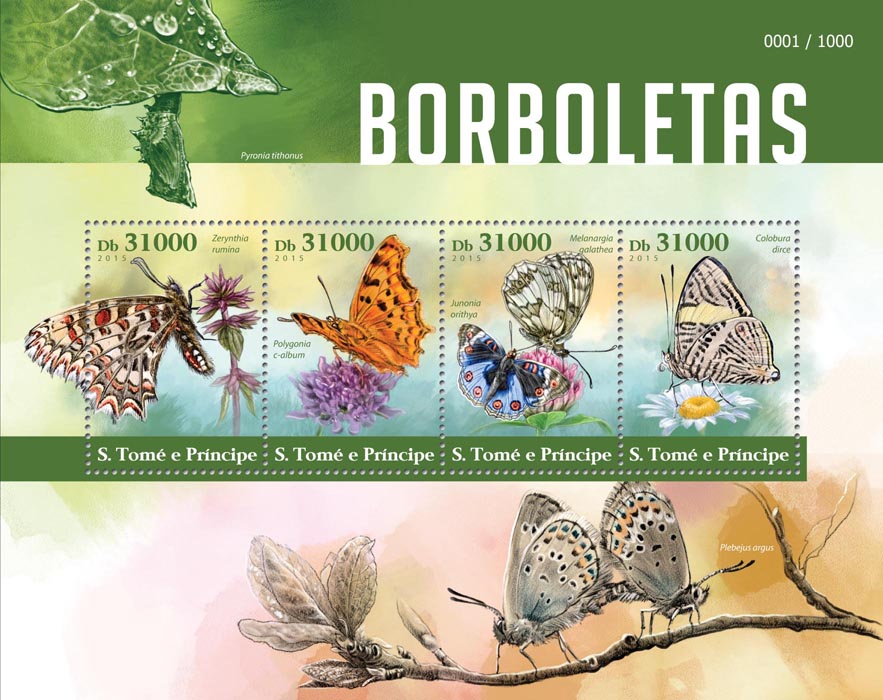
    In een recente studie gebruikten Andre Gilburn van de Universiteit van Stirling (VK) en collega’s vrijwilliger observaties tussen 1984 en 2012 om een statistisch significante correlatie te vinden tussen vlinder populaties en omgevingsfactoren, zoals temperatuur en het gebruik van neonicotinoïden. Van de onderzochte 17 soorten identificeerden de onderzoekers er 15 die met het gebruik van neonicotinoïde pesticiden achteruit gingen (Peer J. (2015) 3, e1402, http://dx.doi.org/10.7717/peerj.1402) . De auteurs stelden ook vast dat achteruitgang van vlinders vooral voorkomt in Engeland, waar intensief gebruik van neonicotinoïden wordt gemaakt, terwijl de populates in Schotland stabiel zijn gebleven, waar deze pesticiden op veel minder grote schaal worden gebruikt.

    Prof. Matthew L. Forister van de Universiteit van Nevada en collega’s uit British Columbia en Toronto (Canada) en andere Amerikaanse universiteiten onderzochten gegevens uit Californië. Dit onderzoek werd onlangs gepubliceerd door de Royal Society in Biology Letters. Het verval in vlinderpopulaties sinds de jaren 1990 bleek niet correleren met veranderingen van temperatuur of wijzigingen in het grondgebruik maar wel met het gebruik van neonicotinoïden dat begon in 1995.

    Vlindersoorten met negatieve associaties met het bestrijdingsmiddel vertoonden de sterkste dalingen, waren ook kleiner en hadden minder generaties per jaar. Daaruit kon worden afgeleid dat de (natuurlijke) biomassa op jaarbasis sterk wordt verlaagd door neonicotinoïden.

    Recent onderzoek heeft ook aangetoond dat het neonicotinoïde insecticide clothianidin een belangrijke rol speelt bij de achteruitgang van de monarch vlinder in Noord-Amerika. Het onderzoek, gepubliceerd op 3 april 2015, liet zien dat concentraties van clothianidin van 1 ppb (deel per miljard) schadelijk zijn voor de monarchrupsen. Vergelijkbare clothianidin concentraties konden worden gemeten in Asclepias (in het Engels Milkweed) monsters die de onderzoekers hadden verzameld. De Monarchrupsen eten voornamelijk van deze plant. Het onderzoek, uitgevoerd door Jacob Pecenka (South Dakota State University) en Jonathan Lundgren (USDA-ARS, North Central Agricultural Research Laboratory) in Brookings, South Dakota werd gepubliceerd in het tijdschrift Science en Nature (Springer).

    Genoemde publicaties zijn te vinden in de bijlage.

  • British and American scientists identify neonicotinoids as the main driver of butterfly decline

    British and American scientists identify neonicotinoids as the main driver of butterfly decline

    In a recent study, Andre Gilburn from the University of Stirling, UK, and colleagues used volunteer observations made between 1984 and 2012 to find statistically significant correlations between butterfly population trends and environmental factors, including temperatures and neonicotinoid use. Out of the 17 species investigated, the researchers identified 15 that appeared to decline in line with the use of neonicotinoid pesticides (Peer J. (2015) 3, e1402, http://dx.doi.org/10.7717/peerj.1402). The authors also note that butterfly declines are dominant in England, where the use of neonicotinoids is widespread, whereas populations have remained stable in Scotland where these are much less widely used.

    Prof. Matthew L. Forister of the University of Nevada and many colleagues from British Columbia and Toronto in Canada and several more southwestern US universities researched the data in “Increasing neonicotinoid use and the declining butterfly fauna of lowland California”. This paper was recently published by the Royal Society in its Biology Letters. The rich butterfly populations of Northern California made it a biodiversity hot-spot. Low altitude populations have been in decline since the late 1990s, with no correlation with either recent temperature changes or the alteration in the use of land. Neonicotinoid use however, began in 1995.

    Butterfly species with a negative association with the pesticide experienced the most severe declines, but were also smaller bodied and had fewer generations each year. If this were extended to other insects, the whole production of (natural) biomass for a year could be very much lowered by neonicotinoids.

    New research has also identified the neonicotinoid insecticide clothianidin as a likely contributor to monarch butterfly declines in North America. The research, published on April 3rd 2015, identifies concentrations of clothianidin as low as 1 part per billion as harmful to monarch butterfly caterpillars. These concentrations of clothianidin were found in the populations of milkweeds sampled by the researchers. Previously, no research had been done on neonicotinoids and butterflies and therefore this is the first report of neonicotinoids affecting monarchs or any other butterflies. The research conducted by Jacob Pecenka (South Dakota State University) and Jonathan Lundgren (USDA-ARS, North Central Agricultural Research Laboratory) in Brookings, SD was published in the journal Science and Nature (Springer).

    The relevant publications are attached.

  • Butterflies take a well-studied tumble

    Butterflies take a well-studied tumble

    Massive amounts of observation data recorded by amateurs are available for butterflies, allowing scientists to study their population dynamics and response to environmental threats. They report serious declines in many rarer species leading to an overall loss in biodiversity. As these declines reflect the impacts of land use change, climate change and pesticide use, they also provide an alarm system to warn of imminent dangers to other, less visible parts of our natural environment. Michael Gross reports.
    Pesticides used in agriculture are among the factors that may harm butterflies — in some cases even intentionally, when their caterpillars are considered pests. Neonicotinoids, systemic pesticides once introduced to limit the toxic effect to the insects that attack the actual crop plant they protect, have in recent years caused widespread concern due to their persistence in the environment, which is believed to harm non-target species like bees even at concentrations below the acute toxicity threshold. Knockon effects are even noticeable invertebrates depending on insect prey, including birds (Curr. Biol. (2014) 24, R717–R720). In a recent study, Andre Gilburn from the University of Stirling, UK, and colleagues used volunteer observations made between 1984 and 2012 to find statistically significant correlations between butterfly population trends and environmental factors, including temperatures and neonicotinoid use. Out of the 17 species investigated, the researchers identified 15 that appeared to decline in line with the use of these systemic pesticides (Peer J. (2015) 3, e1402, http://dx.doi.org/10.7717/peerj.1402). The authors also note that butterfly declines are dominant in England, where the use of neonicotinoids is widespread, whereas populations have remained stable in Scotland where these are much less widely used.
    Source: Michael Gross.Current Biology 26, R823–R837, September 26, 2016

  • Orsoyer Rheinbogen: Zehn neue Senken für die Uferschnepfe

    Orsoyer Rheinbogen: Zehn neue Senken für die Uferschnepfe

    Der Orsoyer Rheinbogen ist einer der wenigen Orte im Kreis Wesel, wo erfolgversprechend etwas gegen einen Missstand kontinentalen Ausmaßes getan werden kann: gegen den scheinbar unaufhaltsamen Rückgang der Wiesen-Watvögel. Bei Eversael brütet nicht nur der zunehmend bedrohte Kiebitz, sondern sogar noch der Rotschenkel und die Uferschnepfe: Vögel, die am Niederrhein vom Verschwinden bedroht und meistens nur von Bildern bekannt sind. Gleich mehrere Umstände machen ihnen das Leben immer schwerer: Als Zugvögel hat der Naturschutz hierzulande ihr Schicksal nur teilweise in der Hand. Auch Jagd in Südeuropa und Afrika wirkt sich auf die Bestände aus. Ein zweiter Grund zeigt sich vielen nur als fehlende Störung im Auge oder auf der Windschutzscheibe: der Schwund der Insekten und anderer Kleintiere. Die Nahrungspyramide wird von unten ausgehöhlt und es ist eine Frage der Zeit, ehe die Spitze in Schieflage gerät. Sichtbar ist dagegen die immer stärkere Nutzung der Landschaft, die mit unserem Wachstum nicht mitwachsen kann. Diesem Druck wurden neben vielem anderen auch die großen, feuchten Wiesen geopfert, die Uferschnepfe, Kiebitz und Verwandten ihre Heimat bedeuteten.

    An den letzten beiden Punkten greift die Maßnahme im Orsoyer Rheinbogen an. Auch dort ist es vielerorts zu trocken für die Watvögel geworden. Sie benötigen sowohl trockenen Boden als auch Wasser -den Boden zum Brüten, das Wasser, um an seinen seichten Ufern nach Nahrung zu suchen.

    Mit diesem Wissen hat die Biologischen Station im Kreis Wesel ein blau-grünes Mosaik geschaffen, ein Watvogelparadies aus Blänken und Wiesen. Die Kleingewässer werden auch Enten, Fröschen, Kröten und Molchen eine Heimat geben – und Libellen, Schnecken und Würmern.

    Für die Insekten und Kleintiere, und damit für alle, die von ihnen leben, wird noch etwas anderes getan. Denn die Flachland-Mähwiesen, die ebenfalls im Rahmen des Projektes im Rheinbogen entwickelt und optimiert werden, dienen nicht nur dem Schutz der Pflanzen sondern auch dem der Sechsbeiner, die sie anfliegen. Blumenwiesen sind zugleich auch Schmetterlings-, Bienen- und Libellenwiesen. So trägt über zwei Ecken die Einsaat von Salbei und Klappertopf zum Vogelschutz bei. All dies findet unter dem Projekttitel “Orsoyer Rheinbogen im Vogelschutzgebiet Unterer Niederrhein” statt. Die Mittel dafür – stattliche drei Millionen Euro – stammen zur Hälfte aus dem namensgebenden Fördertopf “LIFE” der Europäischen Union, das übrige Geld steuern das Land Nordrhein-Westfalen, der Kreis Wesel und der HIT-Umweltstiftung bei.

    Die Biologische Station im Kreis Wesel unter Projektleitung von Paul Schnitzler hat dieses Heft seit 2013 in der Hand. Innerhalb von fünf Jahren soll in diesem Rahmen die Natur-Oase Orsoyer Rheinbogen noch weiter aufgewertet werden.

    Quelle: RP Online, 12.11.16
    http://www.rp-online.de/nrw/staedte/rheinberg/orsoy-zehn-neue-senken-fuer-die-uferschnepfe-aid-1.6390164