Auteur: Henk Tennekes

  • Gift tötet Vögel

    Gift tötet Vögel

    Nur jede dritte Brut würde überhaupt zu Ende gefüttert. Woran könnte das liegen ? Denke ich an meine Kindheit, erinnere ich mich an Getreidefelder mit Klatschmohn und Kornblumen, bunte Wiesen, Kartoffelfelder voller Wildkräuter, die Natur war noch in Ordnung. Es waren noch genug Samen und Körner für die Vogelwelt vorhanden. Die Perfektion der Landwirtschaft heutzutage geht eindeutig zu Lasten unserer Tiere bzw. der Vogelwelt.

    An die vielen Schädlingsbekämpfungsmittel mag ich erst gar nicht denken, die leider auch in den heimischen Gärten zu viel eingesetzt werden. Durch diese Pestizide werden natürlich auch die Insekten vernichtet. Ich hatte im April 18 tote Meisen allein am Brangenberg. Durch die Fütterung von Raupen, die diese Mittel in sich haben, versterben die Jungvögel. Und es fehlt an Nahrung für die Jungvögel.

    Füttert man das ganze Jahr hindurch, wie von Prof. Berthold, einem bekannten Vogelkundler der Vogelwarte Radolfzell empfohlen, so hätten auch viele Jungvögel die Möglichkeit zu überleben. Grund: Ein Elternvogel fliegt sein Nest täglich etwa 400 Mal an, braucht für sich viel Energie.Die holt er sich dann an Futterstellen. Viele Altvögel verenden, weil sie einfach keine Kraft mehr haben, ihre Brut zu füttern. Und wie viele Nester werden durch zu frühen Heckenschnitt zerstört? Es kann also nicht nur am schlechten Wetter liegen.

    Quelle: WAZ, 16.12.16
    http://www.waz.de/staedte/velbert/gift-toetet-voegel-id208999331.html

  • Snake populations in the US could face extinction as a result of fungal disease

    Snake populations in the US could face extinction as a result of fungal disease

    Over the past decade, biologists in the United States have been tracking the rise of a deadly disease affecting snakes. Exactly where it came from, how it spreads and what it means for infected snake populations are all still rather mysterious. Now, a new report has revealed the disease is popping up in far more places – and in more snake species – than we thought. Snake Fungal Disease (SFD) is a skin condition that first caught scientists’ attention back in 2006, when it struck a population of timber rattlesnakes in New Hampshire, cutting their numbers dramatically. Two years later, it wreaked similar havoc on rattlers in Illinois. Since then, the number of reports has continued to rise. Just this past year has seen reports coming out of Virginia, Louisiana and Ontario – the first reported case outside the United States. The new report, put together by scientists from the US Geological Survey and colleagues, delivers the hard numbers: SFD has now been reported from at least 20 different states (plus Ontario), and it’s affected more than 30 different snake species, from rattlers to rat snakes.

    The disease has been on scientists’ radar for only a short time, so they’re still working on understanding it, but last year, the culprit was finally identified: a fungus named Ophidiomyces ophiodiicola. The disease causes blisters, ulcers, scabs and various other skin conditions in infected snakes. Most of the time, the effects seem to be fairly mild, but in some cases – for reasons that aren’t fully understood – it can be extremely dangerous.

    The New Hampshire outbreak detected in 2006 caused a 50% decline in the already-small population of local timber rattlesnakes. In Illinois, the fungus struck an endangered population of massasaugas (pygmy rattlers). A more recent case caused a decline of almost 20% in a community of Lake Erie watersnakes, a species that was only recently removed from the Threatened Species List.

    “Some snake populations in the eastern and Midwestern US could eventually face extinction as a result of SFD,” says Jeff Lorch, lead author of the new study. “[W]e still need to determine why these mild infections are becoming more severe and fatal in certain areas.

    Source: Earth Touch News, December 5, 2016
    http://www.earthtouchnews.com/discoveries/discoveries/mysterious-snake-killing-disease-is-worse-than-we-thought

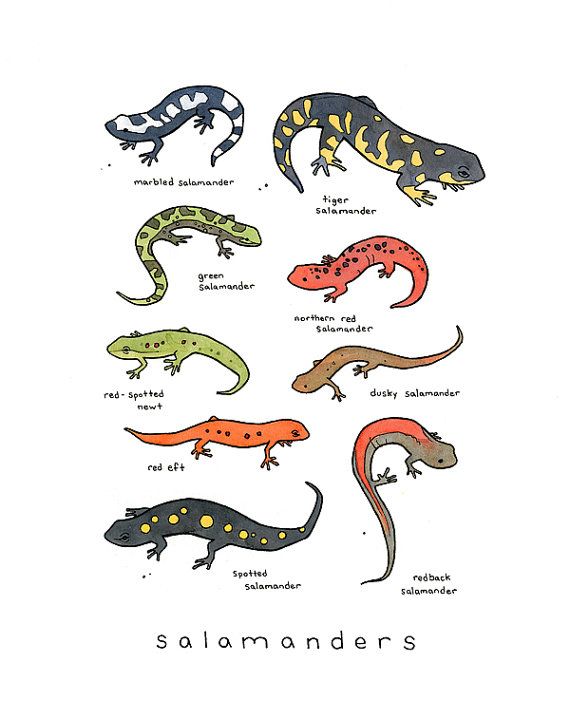
  • Salamanders of the highlands of Mexico are closer to extinction than any other on Earth

    Salamanders of the highlands of Mexico are closer to extinction than any other on Earth

    Researchers report three new species of the world’s smallest salamander from the remote mountains of Oaxaca, Mexico. They also warn that the rare creatures are already in danger of dying out. The three new species are from the enigmatic genus Thorius, the adults of which are smaller than a matchstick. They are, in fact, the smallest four-legged tailed organism on Earth, and their miniaturized bodies are highly unusual for vertebrates, with structures for feeding being among the most prominent.

    Although once extremely abundant, populations of Thorius have declined precipitously over the last 30 to 35 years, and living Thorius are now rarely found in nature. The findings underscore the large number of amphibian species that remain to be discovered and formally described, and the need to find and save them before they are lost. “Salamanders of the highlands of Mexico are closer to extinction than any other on Earth,” says David Wake, one of the coauthors of a paper about the new species in the journal PeerJ. “The main factors are habitat conversion and new infectious diseases.”

    Wake is a professor of the graduate school in the University of California, Berkeley’s department of integrative biology and a founder of AmphibiaWeb, an online compendium of information about amphibians and their conservation.

    Thorius were first discovered in the 19th century, and for the next 75 years scientists believed there was only a single species. Nine additional species were discovered between 1940 and 1960, but the adults are so small that the species were hard to tell apart.

    A breakthrough came in the 1970s, when biologists discovered that many species, while anatomically similar, could be readily told apart by using molecular techniques, which then revealed subtle anatomical features that differentiate them. Since then, many more species have been discovered and named and the three newly named species bring the current total to 29.

    The current research began in the early 1970s and involved extensive fieldwork in southern Mexico over several decades in order to sample critical populations in remote areas. A combination of sophisticated molecular analyses, including DNA sequencing; digital imaging, such as X-ray computed tomography; and statistical analysis of external and internal anatomy uncovered new species.

    They have been named Thorius pinicola (meaning “pine-dwelling minute salamander”), Thorius longicaudus (“long-tailed minute salamander”), and Thorius tlaxiacus (“heroic minute salamander”).

    “We have known about the salamanders we have described for decades, at a time when they were exceedingly common, but only recently have we obtained evidence that they are indeed new species, though now critically endangered,” Wake says. “This is a common experience with other high-altitude species in Mexico, and a biological disaster is facing us.”

    For at least the last 30 years, the number of valid named amphibian species worldwide has increased at a rate of about 3 percent per year. Whereas in 1985 biologists thought there were around 4,000 species of amphibians, today they recognize more than 7,700. More new ones are being discovered almost daily.

    Tragically, the discovery and documentation of hidden amphibian diversity coincides with the precipitous decline of amphibians globally. Many once-abundant species have gone extinct in the last 50 years, and others are likely doomed to a similar fate barring effective steps to save them.

    Of the nearly 30 species of Thorius now recognized, almost all are regarded as endangered or critically endangered by the International Union for the Conservation of Nature. Indeed, the researchers say, Thorius may be the world’s most endangered genus of amphibians. There is a realistic chance that all living species could be extinct within the next 50 years.

    Lead author is Gabriela Parra-Olea of the Institute of Biology at the Universidad Nacional Autónoma de México. Additional coauthors are from the National Laboratory of Genomics for Biodiversity in Irapuato, Mexico; Harvard University; the Museum of Natural Sciences in Spain; and the University of Texas at Austin.

    Sources: UC Berkeley & Futurity, 16 November 2016
    Original Study DOI: 10.7717/peerj.2694
    http://www.futurity.org/thorius-new-salamanders-1299022-2/

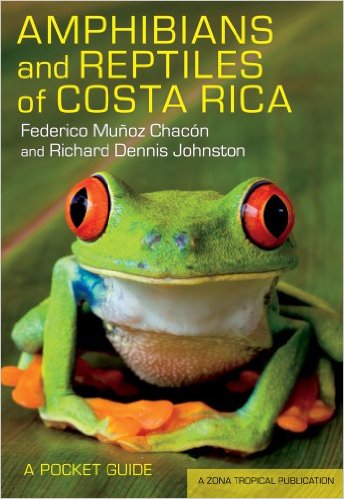
  • Silent spring in the rainforest: amphibians face extinction in biodiversity hotspot Costa Rica

    Silent spring in the rainforest: amphibians face extinction in biodiversity hotspot Costa Rica

    Bryan Pijanowski, professor of landscape ecology in the Department of Forestry and Natural Resources at Purdue University and director of the Discovery Park Center for Global Soundscapes, is the focus of an in-depth story now posted on the CNN website. John Sutter, a columnist for CNN Opinion focusing on climate change and social justice, accompanied Pijanowski and a team of researchers to the Costa Rican rainforest, where they recorded the sounds of amphibians in danger of extinction as part of the Center for Global Soundscapes’ Vanishing Soundscapes initiative. Sutter’s account of the expedition, “Listening for the amphibian apocalypse,” is available at http://www.cnn.com/2016/12/11/world/vanishing-sutter-amphibian-extinction/index.html.

    The goal of the Vanishing Soundscapes project is to record and archive sounds from threatened species and habitats throughout the world, from South America to the deserts of Mongolia. So far, Pijanowski, an ecologist by training, has collected more than 1.2 million recordings, totaling about 250,000 hours of sound.

    Some of those recordings, along with satellite imagery and instructional media, are available on the center’s website at http://centerforglobalsoundscapes.org.

    Pijanowski and his colleagues have been visiting the La Selva Biological Research Station in Costa Rica since 2008. Pijanowski tells CNN a comparison of recordings over time indicates a significant decline in amphibian species in the region, which is noted for its biodiversity.

    “I’m worried that these would potentially become acoustic fossils,” he says. “In other words, the animals that are in these files are no longer alive. And the only record that we have of some of their presence is an audio recording.”

    In addition to Costa Rica, Pijanowski and his team have also collected sounds from the Aldo Leopold Reserve in Wisconsin, the Chiricahua National Monument in Arizona, the Kuala Belalong Forest in Borneo, the Platte River in Nebraska, the Wells National Estuarine Research Reserve in Maine and Denali, Alaska.

    Source: The Purdue Exponent, 13 December 2016
    http://www.purdueexponent.org/article_1675da6c-c0e8-11e6-af4c-0b5ac5f5e5f8.html

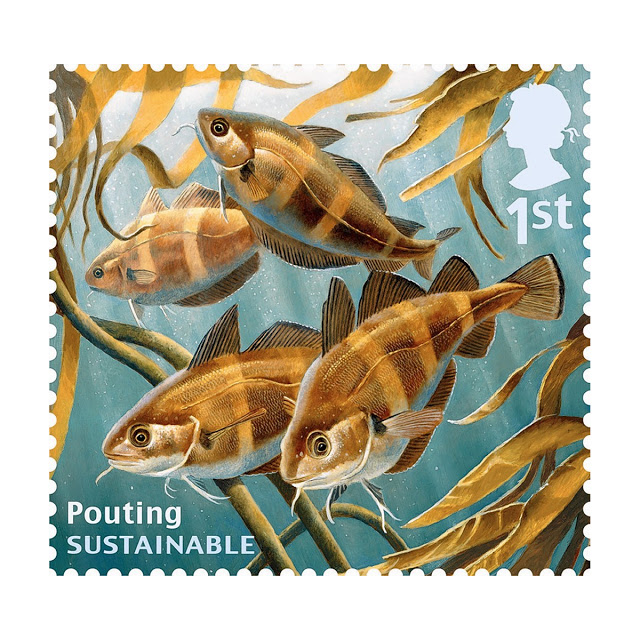
  • Rapid Decline in Fish Population Spells Environmental and Economic Disaster

    Rapid Decline in Fish Population Spells Environmental and Economic Disaster

    The World Wildlife Fund has released its 2015 Living Blue Planet Report, and it’s not looking good. The report tracks 5,829 populations of 1,234 mammal, bird, reptile, and fish species, which the Zoological Society of London then analyzed using “a marine living planet index.” The report’s most harrowing finding is that, between 1970 and 2012, the world’s marine vertebrate population declined by 49 percent. Just as troubling, however, is the rapid disappearance of their habitats. The remaining animals have fewer places to live, prosper, and breed. Chief among the decline habitats is the coral reef.

    According to the report, more than one-quarter of the world’s marine population lives in coral reefs, ecosystems that cover less than 0.1 percent of the ocean’s surface. The reefs have been in decline since the 1970s due to “increased fishing, poor water quality from coastal agriculture, deforestation, coastal development … shipping, [and] rising ocean temperatures and acidity brought on by global warming.” The WWF and ZSL project the reefs will disappear by 2050.

    Because coral reefs hold such a disproportionate number of fish, they’re crucial for marine-based economies. Part of the reason for their rapid decline, of course, is over-utilization. The report states that over 850 million people live within 65 miles of reefs and directly benefit from them. Other mutually beneficial environments, such as mangroves, are declining as well because we’ve become as reliant upon them as the fish have. Mangroves exist in 123 countries and have become essential to life and the economy: They’re used for wood, recreation and ecotourism, and harvesting fish to sell and to eat. They’re vital for fish, which use mangroves primarily as nurseries and for breeding.

    The Living Blue Planet Report should rightly shock us into action to protect fish and marine habitats while we still have them. The report underscores that people don’t just like fish, we need them. Consider the inhabitants of the Coral Triangle alone — the more than 120 million people across Indonesia, Malaysia, the Philippines, Papua New Guinea, Solomon Islands, and Timor-Leste. They export about $5.2 billion worth of fish, including $1 billion from tuna alone. Plus, they get $12 billion annually from tourism, and need the fish for protein to survive.

    The trick will be finding a way to protect various habitats. We’ve obviously taken to just killing and using them (remember that 49 percent decline from the beginning?), but have not given ample opportunity for regeneration. Humans exploitation of the environment needs to slow, and immediately, if we and the oceans are going to survive.

    Source: Inverse, September 16, 2015
    https://www.inverse.com/article/6194-rapid-decline-in-fish-population-spells-environmental-an-economic-disaster

  • Hundreds of thousands of toads have been lost from the UK countryside in the past 30 years

    Hundreds of thousands of toads have been lost from the UK countryside in the past 30 years

    The common toad is in decline across much of the UK and needs better protection, say conservationists. Data from toad patrols – volunteers who move toads across busy roads – shows the toad population has fallen by more than two-thirds since the 1980s. Once common in the British countryside, the amphibian is now on the brink of qualifying for protection as a vulnerable species, a study suggests. Silviu Petrovan, from the UK charity Froglife, said the information came from Toads on Roads – volunteer patrols established in the early 1970s to move toads over busy roads.
    “Our data shows that hundreds of thousands of toads have been lost from the UK countryside in the past 30 years,” he said. The south-east of England has suffered the greatest declines in the common toad (Bufo bufo), according to the research. Numbers have also fallen in Wales and the south-west and west of England in the past, but have stabilised in the last decade. Central and northern areas of England as well as Scotland have also experienced declines. Dr Petrovan said that conservation tends to be focussed on rare species, meaning more common species can get overlooked. We know now that a lot of the common butterfly species for instance have suffered really important declines and a lot of the farmland birds,” he said. “We didn’t actually have enough data about common amphibians and this is why this data set is particularly interesting because it’s showing that common amphibians such as common toads have suffered quite profoundly in the last three decades.”

    Froglife is calling for better protection measures for amphibians, including well designed wetland and ponds, and more toad tunnels under roads. Paul Edgar, senior amphibian and reptile specialist from government conservation agency Natural England, said the common toad was “sadly on a downward trend”. “This is partly because of habitat fragmentation and so understanding and mitigating the impacts of this issue is vital,” he said. “We need to continue to build good quality habitat links across the wider landscape if we are to offer opportunities for this species to recover.”
    A similar decline in the common toad was found in Switzerland. Dr Benedikt Schmidt from the University of Zurich said it was bad news that a once common species was becoming rare.”We don’t know what is causing the decline,” he said. “We believe it is a general deterioration of environmental quality – it could be land use, it could be mortality on the roads and it could be (in places where they are not protected) the use of pesticides.” The research is published in the journal, Public Library of Science ONE.

    Source: BBC News, 6 October 2016
    http://www.bbc.com/news/science-environment-37566337

  • Save Caribbean Wildlife

    Save Caribbean Wildlife

    The Caribbean’s island geography makes it a highly biodiverse region. It is home to approximately 6,500 plant, 150 bird, 470 reptile, 40 mammal, 170 amphibian and 65 fish species not found anywhere else in the world. The global wildlife trafficking crisis threatens many of these species, which are used, often illegally, as pets, medicine, food, jewellery, clothing, souvenirs and household decorations. For example, sea turtles are used for food, jewellery and items such as combs; birds are taken from the wild and sold as pets or their feathers incorporated into souvenirs; unique reptiles are sold as exotic pets and used for clothing; and coral is taken for use in jewellery and decor.

    Source: The Jamaica-Gleaner, 21 November 2016
    http://jamaica-gleaner.com/article/lead-stories/20161121/jetblue-us-agencies-seek-save-caribbean-wildlife

  • Our biodiversity is at risk: A look at Peterborough and the Kawarthas

    Our biodiversity is at risk: A look at Peterborough and the Kawarthas

    In her recent Environmental Protection Report entitled Small Steps Forward, the Environmental Commissioner of Ontario, Dianne Saxe, called upon the government to put words into action to monitor biodiversity, combat wildlife declines, control invasive species, and follow through on better forest fire management. The large-scale loss of biodiversity is a crisis in Ontario and around the world. Ontario’s most “at risk” species are snakes, turtles and freshwater mussels. However, many freshwater fishes, birds and mammals are also experiencing alarming declines. In addition, when you include species that may be at risk, we also find mosses, amphibians, lichens and many vascular plants. Overall, about 30 per cent of all species groups in the province are either sensitive, maybe at risk or already at risk. This year’s report highlights examples of current wildlife declines in Ontario.

    Bats

    Eight species of bats are native to Ontario. Five of these species hibernate in caves or abandoned mines, which makes them susceptible to white-nose syndrome, an aggressive fungal disease. Four of these “cave bats” – eastern small-footed myotis, northern myotis, little brown myotis (bat) and tri-colored bat – have been classified as endangered due to the disease. The big brown bat is thought to be less affected by WNS. Three other species, known collectively as “tree bats”, migrate south each winter and do not use caves or abandoned mines. Their susceptibility to WNS is unknown.

    Before WNS, the little brown myotis was the most common bat species in Ontario. Now, all known little brown hibernation sites are affected by WNS, including sites in the Bancroft area. The Ministry of Natural Resources and Forests (MNRF) has little hope that the species can recover in Ontario. Because of their classification as endangered, these bats are protected from being killed, harmed or harassed, and from having their habitats damaged or destroyed. It also means that recovery strategies must be prepared for these species.

    Currently, there is no treatment for WNS. There is, however, promising research that is being done. In research done at Georgia State University, some bats were able to survive WNS infection through exposure to a common soil bacterium, which produces compounds that inhibit the growth of the fungus. There also appear to be some small populations that are surviving, even in areas affected by WNS. However, it may be too late for Ontario’s cave bats, which have already experienced massive die-offs.

    In 2015, Ontario released a White Nose Syndrome Response Plan. It outlines a co-ordinated provincial response with respect to prevention, monitoring and research. Among the plan’s goals are to increase public awareness about WNS and to limit the inadvertent spread of the disease by human activities. The fungus can be spread by people who visit caves and abandoned mines. MNRF’s current research initiatives include developing a citizen science network to contribute to monitoring and identifying natural caves/hibernacula and maternity roosts as well as monitoring known maternity colonies and hibernacula at appropriate times of the year.

    Amphibians

    Amphibians are the most threatened group of vertebrate animals in the world, with 42 per cent of amphibian species in decline. Ontario’s amphibians are faring only slightly better. Of the 27 native species and subspecies of frogs, toads, salamanders, and newts, three are believed to be extirpated (meaning that they no longer live in the wild in Ontario), and an additional five species are listed as endangered. Over the last several decades, researchers have also observed declines (some localized) in several Ontario species, including the pickerel frog, bullfrog and western chorus frog. Fortunately, these species still seem to be doing well in the Kawarthas.

    One of the major drivers of the international amphibian decline is a chytrid fungal infection that has caused mass mortality of frogs, toads and salamanders. This fungus has not been a major threat to Ontario’s amphibians to date, though there are concerns about their potential vulnerability. In Ontario, the most significant threats are habitat loss, habitat degradation (e.g., from pollutants such as agrochemicals and road salt), habitat fragmentation, road mortality, overharvesting, invasive species, and climate change,

    Large areas of amphibian habitat, particularly woodlands and wetlands, have been destroyed or degraded by development, infrastructure, roads, forestry, aggregate extraction and mine development. There are various provincial policies that are supposed to provide a degree of protection for wetlands; however, these crucial habitats continue to decline. For example, provincially significant wetlands are not protected from agricultural drainage under the Drainage Act.

    Source: The Peterborough Examiner, November 17, 2016
    http://www.thepeterboroughexaminer.com/2016/11/17/our-biodiversity-is-at-risk-a-look-at-peterborough-and-the-kawarthas

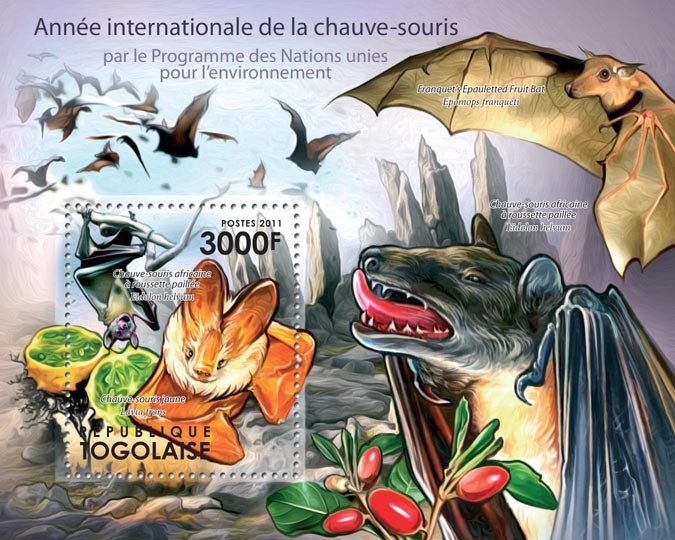
  • Groningse vleermuizen zijn spoorloos verdwenen

    Groningse vleermuizen zijn spoorloos verdwenen

    De Vleermuiswerkgroep Groningen doet verwoede pogingen om een kolonie van ongeveer tweehonderd meervleermuizen terug te vinden.Nadat de afgelopen tijd naarstig is gezocht op tal van locaties in de buurt bij meren, grotere kanalen en diepen, wordt vrijdag opnieuw gekeken. Dit keer gebeurt dat bij het Reitdiep in de late avond als de diertjes gaan vliegen. Gezocht wordt naar de grote groep vrouwtjes die twintig jaar lang verbleef in een heel gewoon huis in Appingedam. Ze zaten in een spouwmuur en kwamen binnen door een holle ruimte bij de dakpannen. Daar brachten ze hun jongen groot om vervolgens eind juni uit te vliegen. ,,Appingedam en Delfzijl lijken door hun waterrijke omgeving zeer geschikt voor vleermuizen omdat water en begroeide oevers altijd voldoende insecten aantrekken’’, vertelt coördinator Klarissa Nienhuys van de Vleermuiswerkgroep Groningen. Hoe het kan weet niemand, maar de meervleermuizenmoeders verdwenen enkele jaren geleden spoorloos. Dat is wat de werkgroep betreft erg jammer omdat de kolonie een schakel vormt tussen populaties van de Friese meren en Noord-Duitsland. Nederland kent bovendien tien procent van de wereldpopulatie. Eerdere zoekacties brachten de leden van de Vleermuiswerkgroep bij het Van Starkenborghkanaal, het Hoendiep en Damsterdiep. ,,We hebben wel kleinere groepen gevonden, maar dat was het dan wel’’, vertelt Nienhuys.

    De Vleermuiswerkgroep roept Groningers op goed op te letten. ,,Als je goede oren hebt kun je ze wel horen. Muren zijn aan de buitenkant mooi glad, maar aan de binnenkant zijn ze ruw. Vleermuizen klauteren heen en weer en krabbelen er op los. De jongen piepen als ze honger hebben. Na zonsondergang, want overdag slapen ze.’’

    Bron: Dagblad v/h Noorden, 09-06-16
    http://www.dvhn.nl/groningen/Vleermuizen-spoorloos-verdwenen-21414598.html

  • White-nose syndrome in American bats is likely to be caused by exposure to pesticides

    White-nose syndrome in American bats is likely to be caused by exposure to pesticides

    Dutch researchers have detected a cocktail of 14 different pesticides (fungicides, herbicides, insecticides) in bats. In dead individuals and manure classical insecticides such as DDT and permethrin were found, but the animals were also exposed to the neonicotinoids imidacloprid and thiamethoxam, the herbicides mecoprop and nicosulfuron, and the fungicides iprodione and propiconazole. Pesticides such as imidacloprid, propoxur, thiamethoxam, nicosulfuron and iprodione had not previously been reported to be present in bats. Permethrin – a wood preservative – was found in relatively high concentrations. The observed concentrations may not be acutely lethal to bats, but chronic effects including immune suppression, which would explain the endemic white nose syndrome that killed millions of bats in North America, can not be ruled out.

    Wood beams used in hibernation are a likely source of exposure. The wooden beams of three places of bat residence contained 19 different pesticides, nine of which were found in dead bats and bat droppings. The wood is preserved with these pesticides. It is likely that insecticides originated from contaminated insect food.

    Source: Blik op nieuws, 15-12-2016
    http://www.blikopnieuws.nl/wetenschap/248255/cocktail-van-pesticiden-gevonden-in-vleermuizen.html