Auteur: Henk Tennekes

  • Vleermuizen staan bloot aan een groot aantal bestrijdingsmidddelen

    Vleermuizen staan bloot aan een groot aantal bestrijdingsmidddelen

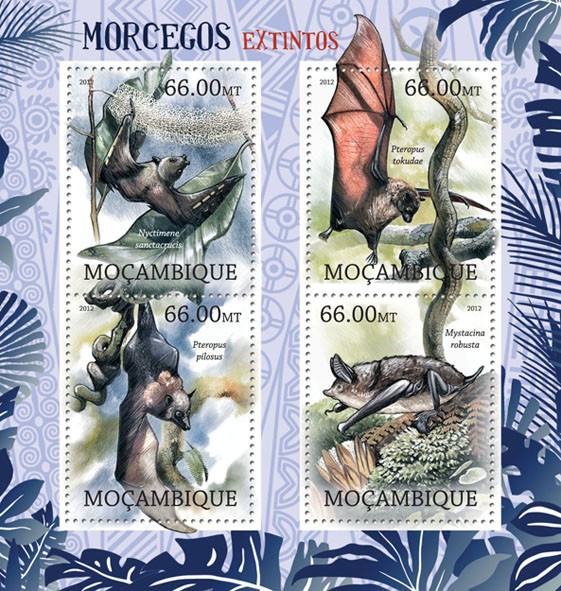
    In ingekorven vleermuizen hebben onderzoekers een cocktail van 14 verschillende pesticiden gevonden, van insecten-, schimmel- tot onkruidmiddelen. Dat blijkt uit onderzoek van Centrum voor Landbouw en Milieu (CLM). Het grootste deel komt waarschijnlijk uit houten balken waar ze in de zomer aan hangen op hun kraamverblijfplaats. Een ander deel betreft gewasbeschermings- en anti-vliegenmiddelen, die ze waarschijnlijk via het voedsel binnenkrijgen. In dode individuen en mest van de ingekorven vleermuis zijn ‘klassieke’ insecticiden zoals DDT en permethrin zijn aangetroffen, maar ook de neonicotinoïden imidacloprid en thiamethoxam, de herbiciden mecoprop en nicosulfuron, en fungiciden zoals iprodion en propiconazool. Pesticiden, zoals imidacloprid, propoxur, thiamethoxam, nicosulfuron en iprodion zijn nog niet eerder gerapporteerd in vleermuizen. In de meeste, ook recente studies, worden vooral ‘klassieke’ pesticiden gemeten die of al lange tijd niet meer zijn toegelaten als gewasbeschermingsmiddel (zoals DDT en lindaan) of alleen nog als biocide (permethrin). De gevonden concentraties zijn niet acuut dodelijk voor de vleermuizen, maar chronische effecten, bijvoorbeeld op het zenuwstelsel of de reproductie zijn niet uit te sluiten. Permethrin – een houtverduurzamingsmiddel – is in relatief hoge concentraties aangetroffen.

    De meeste pesticiden komen waarschijnlijk via het hout in vleermuizen terecht. De houten balken van drie verblijfplaatsen waar de vleermuizen verblijven bevatten 19 verschillende pesticiden, waarvan er negen in dode vleermuizen en vleermuizenmest is aangetroffen. Het hout is behandeld (‘verduurzaamd’) met deze pesticiden. Het is aannemelijk dat ook anti-vliegenmiddelen en gewasbeschermingsmiddelen in vleermuis(mest) terecht komen. De ingekorven vleermuis vangt vaak vliegen in stallen. Opvallend is dat er ook een herbicide (nicosulfuron) en een fungicide (iprodion) in de vleermuis(mest) gevonden zijn, die niet in het hout zijn aangetroffen.

    Bron: Blik op nieuw, 15-12-2016
    http://www.blikopnieuws.nl/wetenschap/248255/cocktail-van-pesticiden-gevonden-in-vleermuizen.html

  • Deutschland: Singvögel machen sich in Gärten und Parks rar

    Deutschland: Singvögel machen sich in Gärten und Parks rar

    In den winterlichen Gärten sind derzeit auffallend wenige Singvögel zu sehen. Vor allem typische Gartenvögel wie Meisen, Finken und Amseln werden vermisst, wie der Naturschutzbund Deutschland (Nabu) am Mittwoch mitteilte. Nach Ansicht der Düsseldorfer Vogelkundler ist der geringe Flugbetrieb an den Futterstellen wohl auch eine Spätfolge des verregneten Frühjahrs. Außerdem habe das Wetter zu einem Mangel an Insekten geführt: “Jungvögel, die nicht an Kälte gestorben sind, sind schlicht verhungert”, vermutet der Nabu-Vogelexperte Heinz Kowalski. Nässe und Kälte haben in diesem Frühjahr und Frühsommer zahlreiche geschlüpfte Jungvögel an Unterkühlung sterben lassen. Viele Vogelschützer, die derzeit die Nistkästen säubern, entdeckten Nester mit toten Jungvögeln oder nicht ausgebrüteten Eiern.

    Der Anstieg von Mais- und Rapsmonokulturen sowie der zunehmende Einsatz von Pestiziden gefährde die Vögel. Und zwar nicht nur in der freien Landwirtschaft, sondern zunehmend auch in den Gärten, wo nicht selten ebenfalls Pestizide eingesetzt und Staudenbeete immer öfter durch grobe Steinschüttungen ersetzt würden.

    Wichtige Erkenntnisse könnte die nächste Vogelzählung zum Jahresanfang 2017 liefern. Vom 6. bis 8. Januar 2017 ruft der NABU auf, eine Stunde lang die Vögel am Futterhäuschen, im Garten, auf dem Balkon oder im Park zu zählen und dem NABU zu melden.

    Quelle: AnTenne-GranCaNaria http://antenne-grancanaria.com/2016/12/14/deutschland-singvogel-machen-sich-in-g-rten-und-parks-rar.html

  • Greenpeace findet Pestizid Ethoxyquin im Fisch

    Greenpeace findet Pestizid Ethoxyquin im Fisch

    Bei einer Untersuchung von Fischen aus deutschen Supermärkten hat die Umweltschutzorganisation Greenpeace Rückstände des Pflanzenschutzmittels Ethoxyquin entdeckt. Wie gefährlich sind Pestizide und was haben sie im Fisch verloren? Zu den untersuchten Produkten zählen Tiefkühlprodukte, Räucherlachs und frischer Fisch aus deutschen Super- und Biomärkten. Rückstände wurden in 45 von 54 Stichproben gefunden – in 32 Fischen, zum Beispiel Lachs, Forelle, Dorade und Wolfsbarsch, lag die Menge über der für Fleisch geltenden zulässigen Höchstmenge. Belastungen wiesen fast ausschließlich Proben aus konventioneller Fischzucht auf – Bioprodukte waren mit einer Ausnahme nicht betroffen.

    Welche Auswirkungen Ethoxyquin bei Verzehr auf den Menschen hat, konnte bisher nicht ausreichend erforscht werden. Es gibt aber einzelne Hinweise, dass Abbauprodukte von Ethoxyquin die Erbsubstanz schädigen, den Leberstoffwechsel verändern und Krebserregend wirken können. Aufgrund dieser Bedenken ist Ethoxyquin 2011 als Pflanzenschutzmittel vom Markt genommen worden – ein Verbot für Ethoxyquin als Futtermittelzusatz hat es hingegen nicht gegeben. Und auf diesem Wege kommt das Pestizid auch in den Fisch: Ethoxyquin wird Fischmehl zugesetzt, um es für den Transport haltbar zu machen. Mit diesem Fischmehl füttern Betreiber von Aquakulturen ihre Fische, in denen sich das Pestizid anlagert.

    Gesetzeswidrig ist die Chemikalie nicht – zumindest nicht, wenn sie im Fisch zutage kommt. Der Grund: Für Fisch hat die Europäische Union bislang keine gesetzlichen Höchstmengen für Ethoxyquin-Rückstände festgelegt. Greenpeace fordert nun ein EU-weites Verbot von Ethoxyquin sowie den Verkauf von Produkten zu stoppen, die einen Ethoxyquingehalt von mehr als 50 Mikrogramm pro Kilogramm aufweisen.

    Bis es soweit ist, rät Greenpeace-Experte für Fischerei, Thilo Maack, dem Verbraucher, Fisch selten und bewusst zu essen und dabei auf Fisch aus konventioneller Aquakultur zu verzichten. Stattdessen solle man auf Wildfische ausweichen, deren Bestände nicht überfischt sind. Welche Fische das sind, kann man dem Fisch-Einkaufsratgeber entnehmen, den Greenpeace als App und Broschüre zur Verfügung stellt.

    Quellen: Onmeda
    http://www.onmeda.de/magazin/pestizide-im-fisch.html

    Weiland, M.: Greenpeace-Untersuchung: Pestizid Ethoxyquin in Speisefischen. Vorsorge ist besser. Online-Publikation von Greenpeace e.V.: www.greenpeace.de (Stand: 14.12.2016)

    Online-Informationen der European Food Safety Athoritiy (Efsa): www,efsa.europa.eu (18.11.2015)

    Stand: 14. Dezember 2016

  • The Unique Island Marble Butterflies on San Juan Island Are Close to Extinction

    The Unique Island Marble Butterflies on San Juan Island Are Close to Extinction

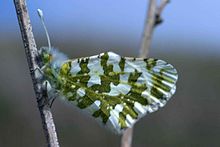
    Since 2014, biologist Jenny Shrum has been working under the guidance of the island marble butterfly team to restore San Juan Island’s population of the butterflies, an insect that scientists believed had gone extinct back in 1908, and which is now a candidate species for protection under the Endangered Species Act. There’s only one population in the world, and they flutter about the tumble mustards and pepper plants on the island’s harsh, windswept, ocean-beaten coastal prairie.

    Shrum tells us the number of island marbles (Euchloe ausonides insulana)—probably well under 500, though there’s no way of assessing an exact number—is totally unstable: “One bad year, one wicked storm—all it takes is one event and the butterfly is kaput,” she says. If the US Fish and Wildlife Service places the marble on the endangered or threatened species list, however—and they still have to go through a rigorous, research-intensive process that is open for public comment in order to do so—then it will be protected.

    In order to understand why anyone would want to protect the butterfly, one must try to understand the butterfly itself.

    The students’ task for the day is to absorb Shrum’s lecture from the perspective of personas related to the butterfly, and then to write a poem about the experience from that perspective. One of us is a mustard plant, the butterfly’s home and food source. Another one of us is a deer, which eats the mustard plants that sometimes have butterfly eggs on them. And another is a caterpillar-munching bird.
    I’m supposed to play the role of the lepidopterist, a butterfly collector, but I can’t figure out why I’d want to collect, study, and inspect this butterfly at all. With the exception of its fuzzy wuzzy widdle face, the butterfly is unremarkable. A fleck of barely animated lichen with a two-inch wingspan. You might confuse 10 of them for a ripped-up note tossed into a field.

    And in the hut, the students and I aren’t even looking at actual butterflies—we’re looking at inch-long cocoons stuck to long wooden dowels that Shrum props up just so in store-bought mesh containers. Shrum rears the butterflies in these containers and releases them every April. Last spring, she and the team released 105 butterflies, about 30 more than the previous year.

    In the wild, the caterpillar spins its cocoon and then lashes itself to its host plant with ropes of silk. But in captivity, Shrum uses dowels to approximate plant stalks. Sometimes, though, the caterpillars do a bad job of securing themselves to the dowel. In those cases, Shrum ties the cocoon to the dowel with a tiny red thread. She goes through all this trouble for a good reason. If the cocoon isn’t positioned correctly when the butterfly is ready to emerge, then the creature’s wings might rip or get damaged in some way.

    The butterfly won’t necessarily die if that happens, but “a butterfly without wings is just butter,” Shrum says.

    The science joke gets a chuckle in the room, but when Shrum explains how the butterfly’s life cycle perfectly aligns with life cycle of its host plant, the students grow quiet. Wonder fills the room. Ears perk up and pens press to scrap paper.

    If you wanted to convince a crowd of skeptics that a benevolent god exists, you might begin by describing the close relationship between the island marble and the mustard plant. When the butterfly’s eggs begin to hatch on the mustard’s bud, the plant just so happens to be growing the right kind of petals for the little hyphen-sized caterpillar to eat. As the caterpillar continues to grow into a thing that can eat more complex food, so the plant begins to grow more complex stuff—flower, fruit, and stalks—as if in response to its needs.

    These island marbles are interesting and mysterious, but more importantly, their decline may exacerbate the alarming diminishment of coastal prairies, their natural and only habitat.

    But are those reasons enough to spend any amount of federal dollars to pull this bug back from the brink? Oceans are acidifying, arctic sea ice is melting, and carbon levels in the air have risen to irreparably high levels. One can easily imagine a Trump administration gutting the funding needed to tackle these issues. And yet bright, talented biologists are spending their time tying cocoons to dowels to save a single species of butterfly from extinction. How could they possibly care?

    Shrum is the first to admit that the restoration process can be brutal and ethically complex. Even something as simple as constructing a temporary deer fence to protect the area where the butterflies breed causes some damage. Mowing the perimeter kills snakes, and the fence posts provide perches for birds to wreak havoc on insects that live in the surrounding grasses, and possibly even the island marbles themselves. The choice to preserve one animal means potentially killing others.

    The weekend after the class in the hut, I sat down with Shrum in the laboratory’s dining hall. She rolled up on a bicycle, wearing more or less the same outdoorsy gear I’d seen her wear the week before. Her bright eyes made me think she saw the world more clearly than I did.

    Trump had been elected president a few days earlier, so we prefaced our discussion with a 15-minute existential freak-out session, but her chipper nature and earnest spirit returned as we began talking butterflies.

    At the most basic level, Shrum says, she works for the National Park Service, and their mission is to preserve “natural and cultural resources… for the enjoyment, education, and inspiration of this and future generations.” The butterflies live on park land, and Shrum says doing what they can to protect the butterflies and their habitat falls within the scope of that mission.

    But in real terms, would pulling the island marble Jenga block from San Juan Island’s coastal prairies result in a major ecological collapse in the region? If we step on this butterfly, will Donald Trump really be president forever, as Ray Bradbury’s short story “A Sound of Thunder” forewarns? I mean, we didn’t even know the things existed for a hundred years.

    “Just because we didn’t know the marble existed for a while doesn’t mean it didn’t,” Shrum says. Unless it got blown in from elsewhere, it was probably still on San Juan doing its thing in the invasive mustards and the native peppers, filling the bellies of baby birds or spicing up a deer’s salad with protein.

    The larger, more philosophical reasons for this sort of conservation work are important to consider, too. According to Elizabeth Kolbert’s Pulitzer Prize–winning natural history The Sixth Extinction, we’re currently living in and contributing to a wave of mass extinction that this planet hasn’t seen since the loss of the dinosaurs 65 million years ago. Only this time, as Noam Chomsky reminds us, we’re the asteroid. Maintaining and increasing biodiversity, Shrum tells me, is key to stabilizing ecosystems that grow increasingly fragile or more volatile with every new extinction.

    Shrum also conceives of animals and plants as a chain of keys that open locked doors. Behind those doors could be any number of solutions to the problems that face us.

    “You don’t necessarily know which door each key will open,” she says, “but you shouldn’t just chuck keys or let them fall out of your pocket, because god forbid you’d actually need it.”

    Jeff Bradley, the mammalogy collection manager at the Burke Museum, says that scientists now have the analytical power to try thousands of keys on thousands of locks all at once, which is even more reason to try to preserve species.

    Bradley mentions the importance of the tiny bioluminescent jellyfish Aequorea victoria, which float in the waters outside UW’s Friday Harbor Laboratories. In 2008, Osamu Shimomura won a Nobel Prize in chemistry for synthesizing the protein that makes the jelly glow. Scientists now use this “green fluorescent protein” to see inside living cells. If those little jellyfish were endangered before he did that, and if we let their light blink out because we couldn’t think of an immediate use for them, then we might know less about how cancer spreads and how genes express themselves.

    Matthew Shepherd, communications director and former conservationist at the Xerces Society, the Oregon-based group that petitioned the USFWS to list the island marble as a threatened or endangered species, argues that “every animal has a right to survival.” Quoting E.O. Wilson, he says, “Insects are the little things that run the world,” adding, “96 percent of our songbirds in North America feed their young on insects.” He insists, “We shouldn’t just be trying to tie some economic value or human benefit to conservation,” there is value in admitting that we don’t totally understand the complexities of nature.

    And, of course, there is that group of wowed poets crowded together in a little hut. The restoration effort served those students as a site of artistic inquiry, a place to learn and to consider life outside their own heads. Clare Jacobsmeyer’s poetic response to Shrum’s lecture (and to our subsequent walk through the prairie) recalls Shepherd’s point about the problem of reducing the natural world to its market value: “How much grass is here? / The same as fish in the sea? / Too many to know / Accurately? And if I count, / Will the magic be lost on me?”

    Nature seems to respond to Jacobsmeyer’s string of questions in a stanza from Cierra Purdom’s poem: “Deep burgundy branch / with berries, the whitest white— / contrast is the world’s / own way of pointing to two / beautiful things in one wink.” Nature’s magic rests not in a cold accounting of its individual life-forms, these students seem to be saying, but in the way those life-forms interact with each other to create something larger than themselves. Like beauty. Or chaos. Or an ecosystem.

    But it’s true: None of the people with whom I spoke could draw a direct line from a recently restored species to a tangible human benefit. USFWS communications manager Taylor Goforth argued for the symbolic importance of the American bald eagle, the cultural importance of returning bull trout back to native streams, and the good god glory of Yellowstone. The reintroduction of wolves in that park, Shrum enthusiastically points out, significantly and surprisingly revitalized that landscape.

    But no one could say, “Thank god we saved that fuckin’ condor, ‘cause we just figured out its feathers cure cancer.”

    Shrum couldn’t tell me precisely how important the island marble might be for us, or how integral it is to the larger world. She really doesn’t know. But that lack of knowledge won’t stop her and the rest of the island marble crew from trying to rescue this butterfly from the void. In fact, it seems to propel them forward.

    This mode of scientific inquiry encourages people to cultivate a positive relationship with the Unknown, despite our knee-jerk fear of it. Poets know something about this mind-set, too. John Keats calls it “Negative Capability,” an attitude he perceived in writers such as Shakespeare, which he defines as a person’s capability of “being in uncertainties, mysteries, doubts, without any irritable reaching after fact and reason.”

    We don’t know if protecting the island marble is a good thing or a bad thing or a neutral thing for us or for a planet that, frankly, doesn’t need us. But for these scientists, conservationists, and poets, this Unknown is the very condition that makes their work possible, the world into which they imagine white-and-green butterflies proliferating by the sea
    Source: The Stranger, December 6, 2016
    http://www.thestranger.com/features/2016/12/06/24730138/hello-lets-talk-about-butterflies
  • Wildlife is on the decline in the Staffordshire Moorlands

    Wildlife is on the decline in the Staffordshire Moorlands

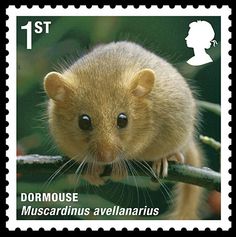
    New figures have emerged in a report by conservationists and nature experts which shows that wildlife in Staffordshire is declining at a rapid rate. The report is the first so-called ‘stocktake’ of animals and wildlife county-wide. The report by Staffordshire Wildlife Trust assessed species across farmland, freshwater, grassland, wetland, moorland, woodland, and low-land heathland. The figures showed that many species are in decline, from small rodents to insects. These include the hazel dormouse (Muscardinus avellanarius), water vole, and numerous butterfly species. Campaigners are now calling for more to be done to protect the county’s wildlife. In particular for the Staffordshire Moorlands, the following is being called for by the Trust: Prevent the decline of Moorland waders. The area is currently a stronghold for nationally declining wader species. Protect water voles. The Cecilly Brook in Cheadle supports a healthy and important population of water voles (Arvicola amphibius). Increase the area of important habitats. Continue to identify opportunities for habitat creation as part of quarry restoration.

    Source: Leek Post and Times, December 07, 2016
    Read more at http://www.leek-news.co.uk/wildlife-is-on-the-decline-in-the-staffordshire-moorlands/story-29961317-detail/story.html#3bZitO7YhUFzU46G.99

  • Scientists warn of the ‘dire threat to human welfare’ if bee and butterfly numbers continue to decline

    Scientists warn of the ‘dire threat to human welfare’ if bee and butterfly numbers continue to decline

    ABOUT 1.4 billion jobs and three-quarters of all crops depend on pollinators, researchers said this week, warning of a dire threat to human welfare if the falls in bee and butterfly numbers are not halted. “World food supplies and jobs are at risk unless urgent action is taken to stop global declines of pollinators,” said a statement from the University of Reading, whose researchers took part in the global review. Animal pollination directly affects about three-quarters of important crop types, including most fruits, seeds and nuts and high-value products such as coffee, cocoa and oilseed rape. Pollinators added some $314-772 billion (222-545 billion euros) to crop output per year, said the team who conducted the comprehensive research. “Agriculture employs 1.4 billion people, approximately one-third of the world’s economically active labour force,” said the review published in the journal Nature. “This is particularly important to the world’s poorest rural communities, 70 per cent of whom rely on agriculture as the main source of income and employment.” Most pollinators are insects such as bees, butterflies, moths, wasps and beetles, but others include birds, bats and lizards while some crops are pollinated by wind. The team said crops which depend on animal pollinators are crucial for balanced human diets, providing micronutrients such as vitamins A and C, calcium, fluoride and folic acid. “Pollinator losses could therefore result in a substantial rise in the global rate of preventable diseases,” the researchers wrote. “This could result in about 1.4 million additional deaths per year and approximately 29 million lost years of healthy life,” the researchers wrote. Wild plants are also at risk — more than 90 per cent of tropical flowering plant species rely on animal pollination, said the team. Almost one in five vertebrate pollinators, mostly birds and bats, are threatened with extinction. And among bees — the most numerous pollinators by far — about nine per cent were catalogued as threatened, with a similar percentage for butterflies. The true number for bees may be much higher, given the lack of data on many species, said the report. There are some 20,000 species of bees responsible for fertilising more than 90 per cent of the world’s 107 major crops. Bee populations have been hit in Europe, North America and elsewhere by a mysterious phenomenon called “colony collapse disorder”, which has been blamed on mites, a virus or fungus, pesticides, or a combination of factors. The authors of the review called for measures to protect pollinators against farming’s worst side-effects. These could include using natural pest predators instead of pesticides, planting strips of flowers between crops, rotating crops to include flowering plants, and restoring native wildflower habitats to house pollinator communities. Man-made infrastructure such as power lines, railway banks and even motorways could be adapted to provide flowering and nesting spots for pollinators, the team wrote.

    Source: News.com.au, 30 November 2016
    http://www.news.com.au/technology/science/animals/scientists-warn-of-the-dire-threat-to-human-welfare-if-bee-and-butterfly-numbers-continue-to-decline/news-story/d4ff2c4c21df23529ea916d11f972792

  • Overijsselse Statenfracties willen snel maatregelen om omwonenden lelieteelt beter te beschermen

    Overijsselse Statenfracties willen snel maatregelen om omwonenden lelieteelt beter te beschermen

    Het Rijk moet snel maatregelen nemen om mensen te beschermen tegen de schadelijke effecten van de lelieteelt. Dat vinden de Partij van de Arbeid en GroenLinks in Overijssel. Beide partijen vragen de provincie om zich hier bij het Rijk voor in te zetten. Alleen de PVV stemde tegen het voorstel. In Overijssel worden vooral in het Vechtdal bij Hardenberg lelies geteeld. Op de akkers worden bestrijdingsmiddelen gebruikt, waarbij onduidelijkheid is over de gezondheidsrisico’s voor omwonenden. PvdA en GroenLinks wijzen in de discussie op een rapport van de Gezondheidsraad die onvolkomenheden ziet in de toelatingsprocedure van bestrijdingsmiddelen. Zo wordt onvoldoende gekeken naar wat de gezondheidseffecten zijn voor kinderen. Het Rijk beloofde twee jaar geleden een blootstellingsonderzoek, maar de uitkomsten van dat onderzoek zijn nog steeds niet bekend. PvdA en GroenLinks vinden dat het de hoogste tijd is voor duidelijkheid. Naast een blootstellingsonderzoek voor omwonenden, willen PvdA en GroenLinks dat wordt onderzocht wat de effecten zijn van bestrijdingsmiddelen op nabijgelegen kwetsbare natuur. Ook in Overijssel vindt lelieteelt plaats in de buurt van beschermde Natura 2000-gebieden. PvdA en GroenLinks doen tot slot een oproep aan boeren om terughoudend en voorzichtig om te gaan met het gebruik van bestrijdingsmiddelen in de omgeving van woonhuizen en kwetsbare natuur.
    Bron: RTV Oost, 07.12.16
    http://www.rtvoost.nl/nieuws/default.aspx?nid=258647&cat=1

  • Druck der Schweizer Landwirtschaft auf die Umwelt hat nicht abgenommen

    Druck der Schweizer Landwirtschaft auf die Umwelt hat nicht abgenommen

    Der Bundesrat kritisiert die Schweizer Landwirtschaft: Sie müsse mehr tun, um die Umweltbelastung zu reduzieren. Der veröffentlichte Bericht stellt der Schweizer Landwirtschaft ein schlechtes Zeugnis aus. Gab es noch merkbare Verbesserungen des durch die Landwirtschaft beeinflussten Umweltzustands zwischen 1990 und 2000, stagniert die Umweltbelastung seither auf hohem Niveau.Ungebremster Artenschwund im Schweizer Kulturland, Gewässer voller Pestizide und ein exorbitanter Import von Futtermitteln und damit Nährstoffen, die die gesamte Schweiz überdüngen: Der veröffentlichte Bericht zeichnet ein erschreckendes Bild. Der Bundesrat befürchtet sogar, dass der Druck auf die Ökosysteme durch die Landwirtschaft weiter zunehmen wird.

    Zur Erreichung der gesetzlich verankerten Umweltziele in der Landwirtschaft fordern die Naturschutzorganisation Pro Natura konsequente Schritte. Besonders gefordert sind wichtige landwirtschaftliche Branchenverbände. «Das stete Beschönigen der zum Teil gravierenden Umweltbelastungen des Landwirtschaftssektors durch die Branchenverbände schadet nicht nur der Glaubwürdigkeit der Landwirtschaft. Diese Haltung steht auch einer Lösung der Probleme im Weg», sagt Marcel Liner, Verantwortlicher für Landwirtschaftspolitik bei Pro Natura.

    Politisch und ökologisch quer in der Land(wirt)schaft steht dagegen die Volksinitiative «für Ernährungssicherheit» des Bauernverbands, die eine weitere Intensivierung der Schweizer Landwirtschaft will. Die Initiative würde die vom Bundesrat dargelegten Probleme sogar noch verschärfen. Nicht umsonst lehnen Bundesrat, die Wirtschaftskommission des Ständerats, Umweltorganisationen und die Wirtschaftsverbände dieses Begehren klar ab.

    Gleichzeitig geben Schweizer Steuerzahlerinnen und Steuerzahler jährlich 2.8 Milliarden Franken allein für Landwirtschaftssubventionen aus. «Bei einem der höchsten Stützungsgrade der Welt sollte die Landwirtschaft die Umwelt schonen und nicht zerstören», sagt Daniela Hoffmann, Landwirtschaftsexpertin beim WWF Schweiz. «Erst wenn die Umweltziele Landwirtschaft erreicht sind, darf die Schweizer Landwirtschaft ihren grünen Mantel zu recht tragen».

    Der Umweltverbände WWF und Pro Natura fordert eine Agrarpolitik, die sich klar an den Umweltzielen orientiert. Werden die Umweltziele weiterhin verfehlt, gefährdet das den Bestand der Produktions- und Lebensgrundlagen wie beispielsweise sauberem Trinkwasser und fruchtbaren Böden. Kurzfristig muss die ausreichende Finanzierung der Biodiversitätsförderung und eine konsequente Reduktion von Pestiziden und des Nährstoffüberschusses im Zentrum stehen.

    Quelle: Naturschutz.ch, 08.12.16
    http://naturschutz.ch/news/druck-der-landwirtschaft-auf-die-umwelt-hat-nicht-abgenommen/110738

  • Hunt is on for native forest ringlet butterfly in New Zealand

    Hunt is on for native forest ringlet butterfly in New Zealand

    A nationwide hunt has begun to save a rare native New Zealand butterfly with no close relatives.The hunt is the first step in a long term project headed by Moths and Butterflies of New Zealand Trust to improve the native forest ringlet butterflys’ (Aphantopus hyperantus) bleak future. Steve Wheatley, a senior conservation specialist from Butterfly Conservation in England, has been brought halfway across the world to tour New Zealand gathering records about past and present locations of the butterfly.

    The distinctive orange, black, white and yellow butterfly was once found throughout New Zealand’s forests, but has now declined to a few remote areas.It tends to live and fly high in forest glades, from near sea-level to the tree line. Females can be seen on or near grass-like plants, where they lay their eggs. There is no definite cause behind the butterfly’s decline, but Jacqui Knight, secretary of the Monarch Butterfly NZ Trust, said that once they can establish areas where the butterfly has left they can draw conclusions. “We can correlate that information against other plants that have disappeared or against wasps that are appearing and then work out why butterfly numbers have fallen,” Knight said. “If we can find out why they’re retreating there’s a good chance we can save them.”

    Dr Peter Maddison, former president of Forest & Bird, said declining numbers of forest ringlets was first observed during the 1990s. “It is thought that wasps were likely to be involved. But without knowing specifically what is happening, we cannot address the cause,” Maddison said.

    Knight said all New Zealanders can help the search by contacting the trust if they spot the ringlet butterfly. “Not many people know it exists. Trampers in the bush might see them and not even realise. We’re hoping if people are more aware of what they’re looking for we’ll have a better chance of finding them. “I’ve still never seen one, but I would like to.”

    Source: Stuff, 5 Decembe 2016
    http://www.stuff.co.nz/auckland/local-news/87194069/hunt-is-on-for-native-forest-ringlet-butterfly

  • Grey Parrot fading from Africa’s rainforests

    Grey Parrot fading from Africa’s rainforests

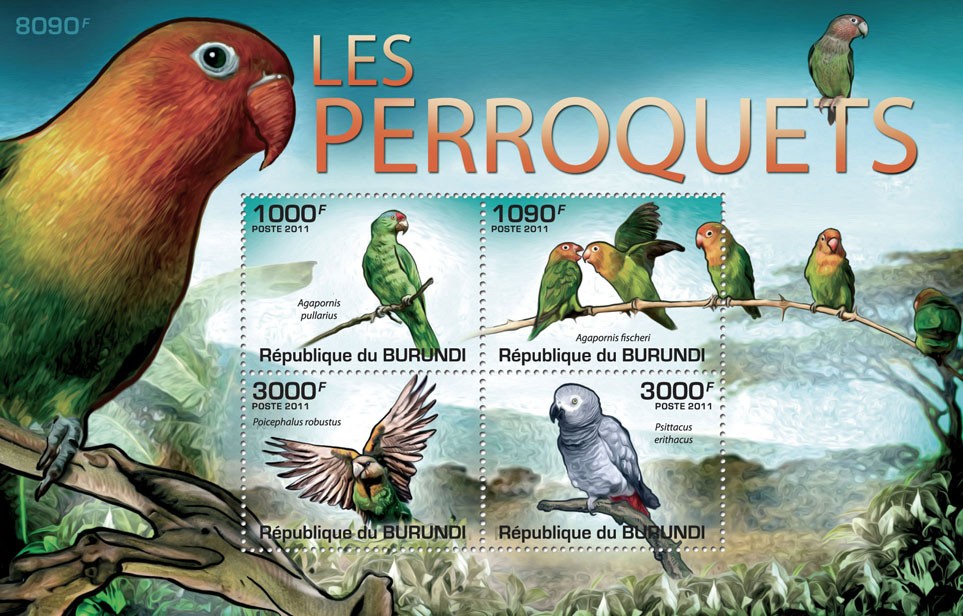
    When a team of researchers travelled around Ghana to conduct a Grey Parrot (Psittacus erithacus) census, they encountered a very pronounced generation gap. “The older people we surveyed remember the Grey Parrot well”, says Stuart Marsden, Professor of Conservation Ecology at Manchester Metropolitan University, and one of the leaders of the study. “The species used to roost in large trees in their thousands. They remember them being common sights around the villages, as pests who would eat their fruit. Living alongside the Grey Parrot was simply a fixture of being a Ghanaian.” But times change. “What’s worrying is how few of the young people in Ghana we interviewed even knew or cared about the species”, says Marsden. “Once you get to a certain age, people haven’t even heard of the Grey Parrot. It echoes the Java Sparrow situation in Java. The Grey Parrot should be Ghana’s national bird. Instead, it has all but disappeared.” While many young Ghanaians may not have seen a Grey Parrot, the chances are good that if you’ve ever walked into a pet store, you have. You might even have held one on your arm – or held a conversation with it. The Grey Parrot is an intelligent, gregarious bird, and an excellent mimic of the human voice. These qualities make the Grey an endearing companion; it has become one of the most popular pet birds in Europe, North America and the Middle East. However, this popularity has come at a terrible price. Every year, trappers pluck tens of thousands of Greys from Africa’s rainforests to meet international demand, a practice that occurs throughout its range and has been ongoing for decades. The exact method used to capture the bird varies from region to region, but commonly involves trappers climbing the tall trees it prefers to nest in and taking fledglings directly from the nest. Elsewhere, trappers take advantage of the bird’s social nature, throwing nets over them when they congregate at drinking or mineral lick sites.

    The effect these wide scale captures are having on the continent’s Grey Parrot population is easy to imagine, but difficult to quantify. Firstly, as one of the world’s most illegally trafficked birds, is difficult to know exactly how many birds are being extracted from the wild each year. The Convention on International Trade in Endangered Species of Wild Flora and Fauna (CITES) reported that imports from range countries totalled 847,525 between 1980-2014, but the true figure is likely in excess of a million. Even official figures don’t factor in that wild-caught Grey Parrots, contrary to their popular image as hand-tame companion birds, are extremely sensitive to being handled; a huge number of captured birds die from stress. As an example, in the late 1990s and early 2000s Cameroon reported an annual quota of 10,000 birds captured in the wild in that country alone. However, research estimates that as many as 90% of birds caught perished before they reached the airport. This would mean the true figure of Greys captured in Cameroon each year was closer to 100,000.

    There is another obstacle to determining the threat status of the Grey Parrot. While it’s relatively easy to track the population trend of a bird that is endemic to a small area or island, the Grey Parrot’s range spans nearly three million km2, from Côte d’Ivoire and Ghana in West Africa, to the Congo Basin, and east to Uganda and Kenya. The species has a very variable population size across its range, making it difficult to quantify how much danger it truly is in. “In Ghana, the decline in Grey Parrots has been devastating. But in other parts, like Gabon, it probably is still quite numerous”, says Marsden. “The further west away from the heart of the Congo Basin, the bigger the problems seem to be.” Compounding the issue, very little is known about the Grey Parrot’s historical population sizes. Although Grey Parrots have been harvested from Africa since the late 19th Century, and there are local anecdotes that tell of their noticable decline, without tangible, baseline historical data to compare with current population trends, it becomes difficult properly to pin down the true extent of the problem. However, in the quest to determine the Grey Parrot’s status, Marsden got lucky. “We found a report by Gottlieb Dändliker, a consultant for CITES, who put together a fantastic report about the trade and ecology of the species in Ghana in the early 1990s. It included metrics which we could repeat today – such as roost surveys and encounter rates.”

    The discovery of this unpublished, but technically meticulous report provided a unique opportunity to measure the degree of decline in Ghana over the past 20-25 years. “This kind of data is something that’s absent from so many species in the world”, says Marsden. “If more people set up these databases for common birds today, we would thank them so much in 50 years’ time.” Dändliker travelled around Ghana in 24 days, between December 1991 and January 1992, identifying 60 Grey Parrot roosts or roost areas, some of which contained hundreds of birds.

    This survey was conducted at a time when Ghana boasted an estimated Grey Parrot population of 30,000-80,000 birds – a figure that was likely already a shadow of the numbers seen just a few decades before, when the parrot was abundant. The follow-up project, which was co-supervised by Marsden and Dr Nathaniel Annorbah, both of Manchester Metropolitan University, and BirdLife International’s Dr Nigel Collar, attempted to replicate Dändliker’s roost counts as closely as possible.

    Of the 60, the team were able to visit 42 of the roost areas identified by Dändliker. Their findings, or lack thereof, told the story of a dramatic decline. No active roosts were found, and locations that in 1992 hosted roosts of 700-1,200 Grey the decline of Grey Parrots in Ghana is certainly more than 90%, and may be as high as 99%.

    The data provide, for the first time, quantitative evidence of the devastating effect decades of trapping and trade have had on populations of the Grey Parrot. Armed with this information, the Red List team were able to determine that the declines met the threshold required for the species to be uplisted to Endangered. The Timneh Parrot Psittacus timneh, a newly recognised species that until 2012 was considered a subspecies of the Grey, has also been uplisted to Endangered, as it faces the same threats. Because it has a much smaller range, and is concentrated in countries such as Sierra Leone and Liberia, that have been ravaged by war and Ebola, Marsden feels the Timneh should be the focus of future studies. “I would put the Timneh far above the Grey in terms of extinction risk”, says Marsden. “It’s really only reasonably common in a handful of places, such as the Gola Forest in Liberia. We need to assess which areas have, or don’t have viable populations.”

    The Gola Forest’s newly declared status as a National Park should do much to secure the future of this Timneh stronghold. But elsewhere, habitat loss is another pressure to the Grey’s survival. Marsden notes that the Ghana he visited had experienced noticeable landscape changes from the one Dändliker described in 1992. “With your normal threatened bird, the first port of call is usually land use change”, says Marsden. “But as soon as trade comes into it, it’s easy to forget a little bit about the concurrent changes to habitat. Yes, the trade has been devastating. But at the same time, a lot of forest coverage has completely disappeared.”

    Greys prefer tall trees for roosting and nesting, and many of these have disappeared from Ghana altogether. The cause is a mix of forestry policy and a law that says that big trees remain owned by the government, even if on privately owned lands. So farmers have been cutting down big trees so logging companies won’t arrive to do damage. “Even if there had been no trade, tree loss would have caused a decline anyway”, says Marsden. “But it’s a complex situation. The problems the species face seem to be different in each country.” In Kenya for example, the species is now absent from many forests where it was once locally common. Kakamega Forest, which now harbours the country’s largest population, likely has less than ten mature Greys remaining. The species is faring better in the Congo Basin, but with thousands of birds being trapped annually in the region, the Grey’s presence could eventually fade there, too. Already, the large flocks that previously occurred around DR Congo’s capital, Kinshasa are now reportedly gone.

    In response, CITES member states have now voted to increase the protection of both the Grey and the Timneh to the highest possible level, Appendix 1, which outlaws all international trade. However, Marsden feels this alone will not allow the Grey to bounce back: “We can’t just say that because CITES has banned trade, everything’s going to be okay. It’s not – trade control is far from effective in many parts of its range.”

    In response, the Ghana Wildlife Society (GWS, BirdLife Partner) is looking to engage with authorities to protect their remaining Grey population. “Our intention is to work on preventing any underhand trade, get access to the dealers, and engage communities to conserve the remaining roosts” says Japheth Roberts, Research Coordinator, GWS.

    For now, conservation groups must continue to work to conserve these species’ remaining strongholds in Africa’s countryside. However, Marsden ends our discussion with a surprising tale of the Grey’s resilience: the species has now started moving into busy cities such as Kampala and Accra. It would be ironic, and perhaps a little tragic, if future generations of Ghanaians knew the Grey only as an urban bird.

    Source: Birdlife, 8 Dec 2016
    http://www.birdlife.org/worldwide/news/grey-parrot-fading-africas-rainforests