Auteur: Henk Tennekes

  • In agrarische opleidingen is de aandacht voor biologische landbouw bedroevend slecht

    In agrarische opleidingen is de aandacht voor biologische landbouw bedroevend slecht

    Terwijl de afzet van biologische producten explosieve groeicijfers laat zien en het aantal biologische bedrijven groeit, is er in het groene onderwijs nog altijd weinig aandacht voor de sector. Dat moet anders, zegt Bionext, de ketenorganisatie van de biologische landbouw, na een verkenning op basis van gesprekken met docenten uit het onderwijs en ondernemers uit de sector. “In veel opleidingen blijkt de ruimte voor biologisch nog heel beperkt. Er wordt weinig aandacht aan besteed, of de informatie is niet onbevooroordeeld. Dat maakt het voor studenten lastig om kansen te zien die biologisch biedt.”

    Die witte vlek in het onderwijs (vmbo, mbo en hbo) begint meer en meer een probleem te worden nu de sector groeit (Bionext: in 2016 circa 300 omschakelaars) en vergrijst. Er is daarom behoefte aan meer instroom van nieuwe deskundige krachten, zowel op de primaire bedrijven als in de dienstverlening. Bovendien melden zich steeds meer leerlingen in het groene onderwijs, die afkomstig zijn van een biologisch bedrijf. Daar ontdekken ze dat het onderwijsprogramma voornamelijk georiënteerd is op de gangbare landbouw.

    Behoudens de Warmonderhof in Dronten (mbo biologisch en biologisch dynamisch) is de aandacht voor de biologische landbouw gering. Om daar verandering in te brengen heeft Bionext het initiatief genomen om een netwerk op te richten waarin ze met docenten en bestuurders wil bewerkstelligen dat er in het groene onderwijs meer aandacht komt voor de biologische landbouw.

    De brancheorganisatie zet niet in op de ontwikkeling van aparte opleidingen, ze bepleit dat in het bestaande onderwijs meer aandacht komt voor de biologische landbouw. Alle leerlingen van agrarische opleidingen moeten hier zo in aanraking komen. En voor leerlingen die zich willen verdiepen, moeten in bestaande opleidingen modules (keuzedelen) worden ingebouwd met biologische landbouw als thema, aansluitend bij de nieuwe onderwijsopzet in het mbo (herziene kwalificatiestructuur) of minoren in het hbo.

    Opteren voor aparte opleidingen is eigenlijk trekken aan een dood paard. De opleidingen zouden klein worden en daar heeft het groene mbo er al te veel van. Bovendien zou bij de beoordeling voor een vereiste hbo-accreditatie een nieuwe opleiding sneuvelen bij de toetsing op de zogeheten macrodoelmatigheid, zegt projectmedewerker Udo Teunis van Bionext. “En je zet het biologische onderwijs daarmee apart. Het is maar de vraag of je dat moet willen.”

    Bionext wil dat niet. Integratie van de biologische landbouw in het reguliere onderwijs leidt tot kennisuitwisseling die beide sectoren verrijkt, zeker nu duurzaamheid in de gangbare landbouw en daarmee ook in het onderwijs een belangrijk thema aan het worden is. De inpassing draagt zo ook bij aan de acceptatie van de biologische sector in de gangbare landbouw. Want daar heeft het lang aan ontbroken, en dat is ook een van de oorzaken dat de sector in het groene onderwijs tot dusver zo weinig aan bod is gekomen, zegt regiodirecteur Meindert Jan Oostland van Terra, de groene school voor vmbo en mbo in Drenthe en Groningen.

    Terra is mede-initiatiefnemer van het netwerk en bood vorige week in Meppel onderdak aan de eerste bijeenkomst van het initiatief. In het auditorium van het mbo troffen Bionext en docenten uit vmbo, mbo en hbo elkaar. Er werd gebrainstormd en geïnventariseerd, met het doel om een bodem te leggen voor initiatieven. En er kwamen ideeën, zeggen Teunis en Miriam van Bree, manager kennis & innovatie van Bionext. “De mensen zijn enthousiast. Ze willen meepraten, helpen ontwikkelen. Daar kunnen andere docenten overigens nog bij aansluiten; het is netwerk is in ontwikkeling.”

    Verklaring voor de geestdrift is ook het gezamenlijk belang dat de biosector en de onderwijsinstellingen hebben; beide hebben er baat bij dat er meer leerlingen instromen in het groene onderwijs, dat voor de opdracht staat om meer arbeidskrachten af te leveren.

    Onder de aanwezigen in Meppel was Ali-Jetske Hoogland, docent van Van Hall Larenstein. Zij bereidt de opleiding biologische melkveehouderij voor, die met ingang van het volgende studiejaar van start gaat in Leeuwarden. Daarmee zet de hbo-instelling wel een aparte opleiding op poten voor de biologische landbouw. Er wordt begonnen met een tweejarige hbo-opleiding, een zogeheten associate degree. Het is de opmaat tot een bacheloropleiding biologische landbouw die Van Hall Larenstein aan het optuigen is in Leeuwarden, vertelt Hoogland. Met de vierjarige opleiding zoekt de hbo-instelling ook de verbreding voor de hele biologische landbouw. De hogeschool ziet dat er veel behoefte aan is. Voor de tweejarige AD-opleiding biologische melkveehouderij verwacht ze bij de start een instroom van 15 tot 25 leerlingen.

    Ook Hoogland, zelf afkomstig van een biologisch melkveebedrijf, schetst het beeld van een inhaalslag. “Ik heb zelf aan Van Hall Larenstein gestudeerd. Toen was er één module biologische landbouw. We zijn nu twintig jaar verder en er is qua aanbod nog niets veranderd.”

    Als de accreditatie rond is en het curriculum klaar, begint de hogeschool met de bacheloropleiding. Daarin zullen studenten naast kennisonderricht over specifieke thema’s van de biologische landbouw, worden geschoold in de hbo-competenties als (praktijkgericht) onderzoek. Maar in het onderwijs zal ook aandacht zijn voor andere kenmerken, zoals beroepshouding. In de biologische landbouw moet je creatief zijn en anders durven denken, zegt Hoogland. “Je moet durven pionieren.”

    Bron: Boerderij, 29-12-16
    http://www.boerderij.nl/Home/Achtergrond/2016/12/Bionext-meer-aandacht-voor-biologisch-in-onderwijs-75021E/

  • Agrar- und Chemiefirmen geben Millionen aus, um ihre Interessen durchzusetzen

    Agrar- und Chemiefirmen geben Millionen aus, um ihre Interessen durchzusetzen

    Die deutsche Chemieindustrie ist mit über 190 Milliarden Euro Umsatz im Jahr 2015 die größte in Europa. BASF und Bayer gehören zu den fünf weltgrößten Herstellern von Agrarchemikalien. Die Branche weiß ihre Interessen in Brüssel und Berlin zu vertreten. Der „European Chemical Industry Council“, ihr europäischer Spitzenverband, gibt mit Abstand das meiste Geld für Lobbytätigkeit in Brüssel aus. Im Jahr 2015 waren es 10,2 Millionen Euro. Die Verbandsfunktionäre und -funktionärinnen hatten 37 Treffen mit der EU-Kommission und verfügten über 25 Zugangspässe, die einen Aufenthalt im Europäischen Parlament ohne Einladung und Voranmeldung ermöglichen. Zum Vergleich: Die nach ihnen aktivste Lobbyorganisation, die vereinigten Industrie- und Handelskammern, gaben 2015 rund 7,6 Millionen Euro aus, trafen sich 33-mal mit hohen Kommissionsbeamten und -beamtinnen und kamen auf elf Zugangspässe für das Europäische Parlament.

    Bei den Verhandlungen um das transatlantische Freihandelsabkommen TTIP überraschte das Ausmaß der Lobbytätigkeit selbst die Fachleute des Corporate Europe Observatory. Die Anti-Lobby-Organisation veröffentlichte die genaue Analyse der Kontakte mit der EU-Kommission in den TTIP-Vorverhandlungen. Daraus geht hervor, dass die Agrarchemie- und Biotechindustrie mehr Kontakte mit der EU-Handelskommission hatte als die Lobbyisten und Lobbyistinnen der Pharma- und Autoindustrie und des Finanzsektors zusammen.

    Auch in Deutschland wirkt der Einfluss der Industrie in die Büros der Bundesbehörden. Der Interessenskonflikt scheint hier die Regel. Beim Bundesinstitut für Risikobewertung (BfR) in Berlin ist ein Expertengremium für gentechnisch veränderte Lebens- und Futtermittel angesiedelt. Zehn der zunächst vierzehn, nun zwölf Wissenschaftlerinnen und Wissenschaftler arbeiteten auch für die Industrie. Obwohl dieser Missstand seit 2012 bekannt ist, haben nur vier Expertinnen und Experten das Gremium verlassen. Auch die gesetzlich vorgeschriebene Offenlegung ihrer Industrietätigkeit war unvollständig, weil die Expertinnen und Experten nicht alle ihre Jobs bei biotechnischen Firmen angaben.

    Wie wirkt sich dieser Interessenkonflikt auf Entscheidungen aus? Inzwischen ist es bereits in die USA vorgedrungen, wie industriefreundlich das Expertengremium des BfR entscheidet. So wurde die neue Methode der Genschere (CRISPR/Cas9) nicht als Gentechnik klassifiziert. Pflanzen mit manipulierten CRISPR/Cas9-Genen können daher einfach zugelassen werden, besonders dann, wenn sie auch durch konventionelle Züchtung hätten entstehen können. Dabei sind Gefahren und Auswirkungen dieser neuen Gentechnikverfahren wegen mangelnder Grundlagenforschung kaum bekannt. Auch schneidet die Genschere nicht so genau, wie von der Industrie behauptet werde, sagen Kritiker: Die Fehlerquote liege bei 25 Prozent.

    Die meisten Rechtsgutachten widersprechen der Einschätzung des BfR, dieses „Genome Editing“ sei rechtlich nicht als gentechnisches Verfahren mit entsprechenden Nachweis- und Kennzeichnungspflichten zu verstehen. Frankreich will das vom Europäischen Gerichtshof klären lassen, während Schweden und Argentinien die laxe Haltung der Deutschen übernommen haben; das Bundeskabinett folgt der Einschätzung des BfR-Expertengremiums. Eine 2016 im Bundestag eingebrachte Novelle des Gentechnikgesetzes entspricht weitgehend dem Wunsch der Industrie, die neuen Technologien unkompliziert zuzulassen. In letzter Minute wurde eine weitreichende Passage geändert: Nun kann die Bundesregierung von Fall zu Fall selbst entscheiden, ob sie solche per „Genome Editing“ programmierten CRISPR-Pflanzen entweder nach dem „Vorsorgeprinzip“ mit Zulassungsverfahren und Risikobewertung oder nach dem „Innovationsprinzip“ ohne viele weitere Formalitäten freigibt. Das Innovationsprinzip bewertet die Auswirkungen auf ein gutes Innovationsklima in Deutschland, eine Forderung insbesondere des Verbandes der Chemischen Industrie (VCI).

    Die Hersteller der Pestizide – also die Antragsteller – dürfen bei der Zulassung eines neuen Pestizids selber entscheiden, in welchem EU-Land die Prüfung stattfinden soll. Deswegen fiel wohl auch die Entscheidung auf Deutschland, als es um die wichtigste EU-Wiederzulassung der letzten Jahre ging: die von Glyphosat. Wenn die Industrie ein Zulassungsverfahren für Pestizide in der EU startet, bestimmt sie selbst die Vorauswahl der wissenschaftlichen Studien dafür. Diese Aufgabe übernahm die „Glyphosate Task Force“ (GTF), ein Zusammenschluss der Glyphosathersteller unter der Federführung des Saatgutkonzerns Monsanto.

    Betreut wird die GTF von der Kommunikationsagentur Genius. Sie wiederum arbeitet als Gutachter für Bundeseinrichtungen, etwa für das Büro für Technikfolgen-Abschätzung (TAB) beim Bundestag oder für das Umweltbundesamt. Aber sie ist auch als PR-Agentur für die Gen- und Biotechnologie-Industrie tätig. So leitet ein Seniorberater von Genius eine Arbeitsgruppe von BIO Deutschland, dem Lobbyverband der deutschen Gen- und Biotechindustrie. Diese Arbeitsgruppe versammelt die mehr als 40 Pressestellen der beteiligten Unternehmen, um gemeinsam „das Bild der Biotechnologie in der Öffentlichkeit zu verbessern“, wie es auf ihrer Website heißt.

    Bei der Glyphosat-Risikobewertung des BfR wurden alle unabhängigen Untersuchungen, die von öffentlichen Institutionen und ohne Industriegelder durchgeführt wurden, von der Evaluierung ausgeschlossen; keine einzige wurde als Studie betrachtet. Wie sehr wiederum die Bewertungen von Studien voneinander abweichen können, wurde deutlich, als die Krebsagentur der Weltgesundheitsorganisation (WHO) Glyphosat als „wahrscheinlich krebserzeugend für den Menschen“ einstufte. Die Öffentlichkeit und die Fachwelt hinterfragten die Einschätzung der Risikobewertung in Deutschland. Denn im Gegensatz zum BfR nutzt die WHO öffentlich geförderte Studien, und sie besteht auf dem Zugang zu den Rohdaten der Studien, um die Ergebnisse zu überprüfen.

    Für mehr Transparenz bei der Zulassung von Glyphosat hat der Europäische Gerichtshof im November 2016 gesorgt. Er urteilte, gespritzte Agrarchemie sei als Emission zu betrachten. Damit unterliege auch deren Zulassung strengeren Transparenzvorschriften als zuvor. Der Zugang zu bisher verschlossenen „Grauen Studien“ wird nun auch für unabhängige Stellen möglich.
    Quelle: TAZ (Aus Le Monde diplomatique), 30.12.16
    https://www.taz.de/Aus-Le-Monde-diplomatique/!5369648/

  • More than 20000 dead sea creatures wash ashore in Nova Scotia

    More than 20000 dead sea creatures wash ashore in Nova Scotia

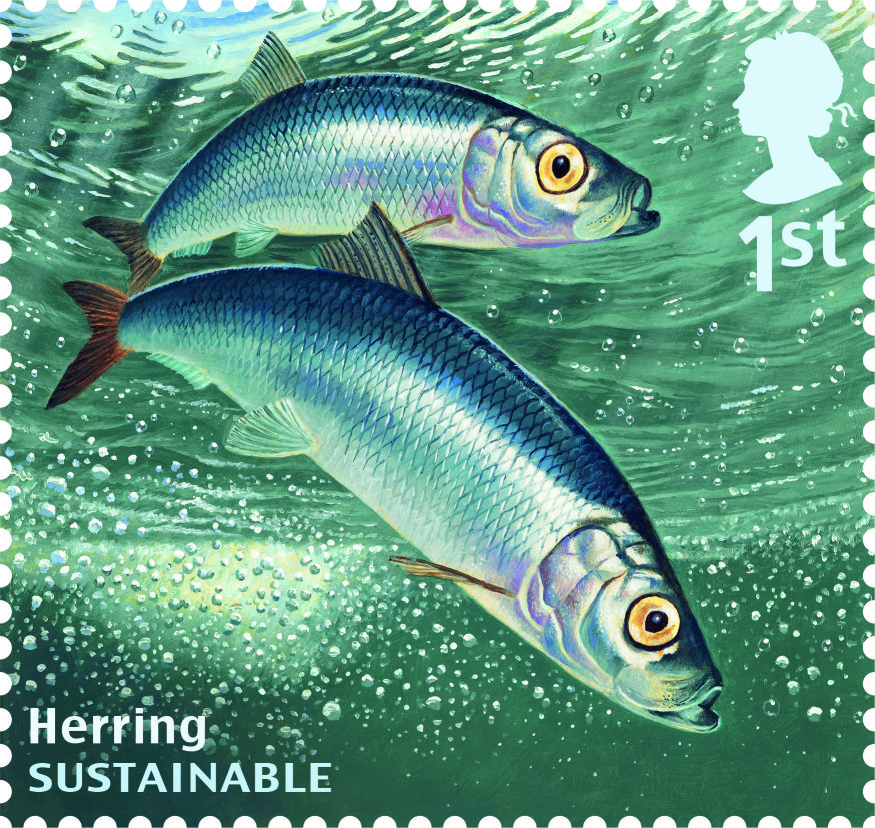
    “Dead or dying herring found on shore should not be collected, consumed or used by the public for any reason, as a variety of factors could affect the food safety of fish, such as toxins, diseases or environmental contaminants”, warned the Canadian Food Inspection Agency and the Department of Fisheries and Oceans in a statement. Officials are now testing for pesticide content and checking water oxygen levels, in hopes of getting to the bottom of the situation. Scientists still don’t know what’s killing large numbers of fish and other sea creatures washing up in a remote area of western Nova Scotia but they do have a few theories. He went on to say they are going back over everything to ensure they have explored every option. None of the dead fish and sea creatures are safe to eat, authorities said. Consumers should only purchase from licensed fish sellers. Marine ecologist Kent Smedbol told Canadian television that storm runoff, human-made pollutant, agricultural runoff, or a recently new tidal turbine are all possible explanations. “That would indicate that the die off was unlikely due to an environmental event, because you would expect more broad-scale die offs across species particularly in the benthos, animals on the bottom”, Smedbol said.

    This isn’t the first time dead fish and other marine life have mysteriously washed ashore – in March sea creatures covered miles of Florida’s Atlantic Coast. In China, an estimated 35 tons of fish died at Hongcheng Lake in May.

    Source: HSUNEWS, 1 January 2017
    http://hsunews.com/2017/01/01/more-than-20000-dead-sea-creatures-wash-ashore-in-nova/

  • Scientists Loved and Loathed by an Agrochemical Giant –  “It’s totally corrupted this field”

    Scientists Loved and Loathed by an Agrochemical Giant – “It’s totally corrupted this field”

    In Britain, Syngenta has built a network of academics and regulators, even recruiting the leading government scientist on the bee issue. In the United States, Syngenta pays academics like James W. Simpkins of West Virginia University, whose work has helped validate the safety of its products. Not only has Dr. Simpkins’s research been funded by Syngenta, he is also a $250-an-hour consultant for the company. And he partnered with a Syngenta executive in a consulting venture, emails obtained by The New York Times show. Dr. Simpkins did not comment. A spokesman for West Virginia University said his consulting work “was based on his 42 years of experience with reproductive neuroendocrinology.”

    Scientists who cross agrochemical companies can find themselves at odds with the industry for years. One such scientist is Angelika Hilbeck, a researcher at the Swiss Federal Institute of Technology in Zurich. The industry has long since challenged her research, and she has been outspoken in challenging them back. Going back to the 1990s, her research has found that genetically modified corn — designed to kill bugs that eat the plant — could harm beneficial insects as well. Back then, Syngenta had not yet been formed, but she said one of its predecessor companies, Ciba-Geigy, tried to stifle her research by citing a confidentiality agreement signed by her then employer, Agroscope.

    Angelika Hilbeck worked for Agroscope, a Swiss agricultural research center, in the 1990s, when she began to examine genetically modified corn. The corn was designed to kill insect larvae that fed on it, but Dr. Hilbeck found it was also toxic to an insect called the lacewing, a useful bug that eats other pests.

    Ciba-Geigy, a predecessor of Syngenta, had a confidentiality agreement with Agroscope, and insisted she keep the research secret, she said. Confidentiality agreements are not unusual for Agroscope. In one such agreement obtained by The Times, the agency agreed to return or destroy corporate documents it received as part of a research project.

    Dr. Hilbeck said she refused to back down and eventually published her work. Her contract at Agroscope was not renewed. An Agroscope spokeswoman said the episode took place too long ago to comment on.

    Dr. Hilbeck continued as a university researcher and was succeeded at Agroscope by Jörg Romeis, a scientist who had worked at Bayer and has since co-authored research with employees from Syngenta, DuPont and other companies. He has spent much of his career attempting to debunk Dr. Hilbeck’s work. He followed her lacewing studies by co-authoring his own, finding that genetically modified crops were not harmful to the lacewing.

    Next, after Dr. Hilbeck co-authored a paper outlining a model for assessing the unintended risks of such crops, Dr. Romeis was lead author of an alternative approach with a Syngenta scientist among his co-authors.

    Then, in 2009, Dr. Hilbeck co-authored a paper looking at risks to ladybug larvae from modified crops. Dr. Romeis followed by co-authoring a study that found “no adverse effects” to ladybird larvae. In subsequent publications, he referred to work by Dr. Hilbeck and others as “bad science” and a “myth.”

    “They were my little stalkers,” Dr. Hilbeck said. “Whatever I did, they did.” In an interview, Dr. Romeis, who now leads Agroscope’s biosafety research group, said, “Her work does not affect our mission in any way,” adding that the idea of researching the effects of genetically modified crops was “not patented by her.”

    Refereeing a scientific dispute is difficult. But Dr. Romeis and his collaborators do seem preoccupied with Dr. Hilbeck’s work, judging from a review of email traffic between Agroscope and the U.S.D.A. obtained by The Times following a Freedom of Information Act request. In 2014, as Dr. Romeis was developing a paper assailing Dr. Hilbeck’s work, one U.S.D.A. scientist, Steven E. Naranjo, joked in a message to Dr. Romeis: “Joerg, its generous of you to see that Hilbeck gets published once in a while”

    Dr. Hilbeck is used to looking over her shoulder. “We shouldn’t be running into all kinds of obstacles and face all this comprehensive mobbing just doing what we’re supposed to do,” she said. “It’s totally corrupted this field.”

    Confidentiality agreements have become routine. The United States Department of Agriculture turned over 43 confidentiality agreements reached with Syngenta, Bayer and Monsanto since the beginning of 2010 following a Freedom of Information Act request. Agroscope turned over an additional five with Swiss agrochemical companies.

    Many of the agreements highlight how regulators are often more like collaborators than watchdogs, exploring joint research and patent deals that they agree to keep secret.

    One agreement between the U.S.D.A. and Syngenta, which came with a five-year nondisclosure term, covered everything from “research and development activities” to “manufacturing processes” and “financial and marketing information related to crop protection and seed technologies.” In another agreement, a government scientist was barred even from disclosing sensitive information she heard at a symposium run by Monsanto. The Agriculture Department, in a statement, said that without such agreements and partnerships, “many technological solutions would not make it to the public,” adding that research findings were released “objectively without inappropriate influence from internal or external partners.” Luke Gibbs, a spokesman for Syngenta, which is now being acquired by the China National Chemical Corporation, said in a statement, “We are proud of the collaborations and partnerships we have built.”

    “All researchers we partner with are free to express their views publicly in regard to our products and approaches,” he said. “Syngenta does not pressure academics to draw conclusions and allows unfettered and independent submission of any papers generated from commissioned research.” If some scientists struggle to reconcile themselves with taking corporate money, others embrace complex business relationships.

    James W. Simpkins, a professor at West Virginia University and the director of its Center for Basic and Translational Stroke Research, is one of the many outside academics that Syngenta turns to for research. He has focused on the Syngenta product atrazine — the second most popular weed killer in America, widely used on lawns and crops — often co-authoring research with Syngenta scientists.

    Atrazine, banned in the European Union, has also been controversial in America. Most notably, Syngenta embarked on a campaign to discredit Tyrone B. Hayes, a professor it once funded at the University of California, Berkeley, until Dr. Hayes found that atrazine changes the sex of frogs.

    Dr. Simpkins has had a different relationship with the company. In 2003, he appeared before American regulators on Syngenta’s behalf, saying that “we can identify no biologically plausible mechanism by which atrazine leads to an increase in prostate cancer.” Dr. Simpkins was also lead author of a 2011 study finding no support that atrazine causes breast cancer. And last year, he was part of a small team of Syngenta-backed scientists that fought California’s move to require atrazine be sold with a warning label. He also recently edited a series of papers on atrazine for Syngenta, garnering praise from a senior researcher at the company, Charles Breckenridge, who wrote in an email that the “papers tell a simple, yet compelling story.”

    The depth of the financial intertwining of Dr. Simpkins and Syngenta was laid out in nearly 2,000 pages of email traffic, obtained by The Times following a Freedom of Information Act request. Not only does Dr. Simpkins receive research grants, but the company also pays him $250-an-hour as a consultant for his work on expert panels, studies and manuscripts, records show. Syngenta even asked Dr. Simpkins to contribute to Dr. Breckenridge’s annual performance review.

    Asking outsiders to contribute to corporate reviews is not unusual. However, Dr. Simpkins is also described in the emails as a partner in a venture set up by Dr. Breckenridge called Quality Scientific Solutions to consult on pesticides and other issues. West Virginia University’s website says that “Research conducted at W.V.U. is data-driven, objective and independent” and “not influenced by any political agenda, business priority” or “funding source.” And John A. Bolt, a spokesman for the university, said all of Dr. Simpkins’s Syngenta-related research had been conducted before Dr. Simpkins arrived at West Virginia in 2012. But a review of Dr. Simpkins’s published work shows that he co-authored favorable atrazine studies with Syngenta scientists in 2014 and 2015, and listed his university affiliation. Mr. Bolt said Dr. Simpkins only “served as an expert adviser” in the studies.

    In 2014, Syngenta made a $30,000 donation to the university’s foundation. Mr. Bolt said that donation was made “in general support of the research activities of Dr. James W. Simpkins.” None of the money, Mr. Bolt said, was “used to support research related to Syngenta.” Dr. Simpkins’s collaborations with Dr. Breckenridge appear to be expansive. In an email to Dr. Simpkins last year, Dr. Breckenridge sent him a study on the Mediterranean Diet and suggested they use a multilevel marketing company to help them sell a product of their own. “If we could come up with a better Snake Oil,” he wrote to Dr. Simpkins, “we would have access to a massive marketing force.”

    Source: The New York Times, 31 December 2016
    http://www.nytimes.com/2016/12/31/business/scientists-loved-and-loathed-by-syngenta-an-agrochemical-giant.html?_r=0

  • With corporate funding of research, “There’s no scientist who comes out of this unscathed.” – Dr. James Cresswell’s story

    With corporate funding of research, “There’s no scientist who comes out of this unscathed.” – Dr. James Cresswell’s story

    The bee findings were not what Syngenta expected to hear. The pesticide giant had commissioned James Cresswell, an expert in flowers and bees at the University of Exeter in England, to study why many of the world’s bee colonies were dying. Companies like Syngenta have long blamed a tiny bug called a varroa mite, rather than their own pesticides, for the bee decline. Dr. Cresswell has also been skeptical of concerns raised about those pesticides, and even the extent of bee deaths. But his initial research in 2012 undercut concerns about varroa mites as well. So the company, based in Switzerland, began pressing him to consider new data and a different approach. Looking back at his interactions with the company, Dr. Cresswell said in a recent interview that “Syngenta clearly has got an agenda.” In an email, he summed up that agenda: “It’s the varroa, stupid.”

    For Dr. Cresswell, a Birkenstock-wearing 54-year-old, the foray into corporate-backed research threw him into personal crisis. Some of his colleagues ostracized him. He found his principles tested. Even his wife and children had their doubts. “The last thing I wanted to do was get in bed with Syngenta,” Dr. Cresswell said. “I’m no fan of intensive agriculture.” But turning away research funding is difficult. The British government ranks universities on how useful their work is to industry and society, tying government grants to their assessments. “I was pressured enormously by my university to take that money,” he said. “It’s like being a traveling salesman and having the best possible sales market and telling your boss, ‘I’m not going to sell there.’ You can’t really do that.” The issue soon came up at Dr. Cresswell’s dinner table. “Me and my mum were like, ‘Oh, you’re taking money,’” his daughter Fay, now a 21-year-old university student, recalled of the conversation that took place. “We didn’t have an argument, but it did get quite heated. We just said, ‘Don’t.’”

    A review of Syngenta’s strategy shows that Dr. Cresswell’s experience fits in with practices used by American competitors like Monsanto and across the agrochemical industry. Scientists deliver outcomes favorable to companies, while university research departments court corporate support. Universities and regulators sacrifice full autonomy by signing confidentiality agreements. And academics sometimes double as paid consultants.

    For James Cresswell, taking money from Syngenta was not an easy decision. Dr. Cresswell has been a researcher at the University of Exeter in England’s southwest for a quarter-century, mostly exploring the esoterica of flower reproduction in papers with titles like “Conifer ovulate cones accumulate pollen principally by simple impaction.” He was not used to making headlines. But about a half-decade ago, he became interested in the debate over neonicotinoids, a nicotine-derived class of pesticide, and their effects on bee health. Many studies linked the chemicals to a mysterious collapse of bee colonies that was in the news. Other studies, many backed by industry, pointed to the varroa mite, and some saw both factors at play. Dr. Cresswell’s initial research led him to believe that concerns about the pesticides were overblown. In 2012, Syngenta offered to fund further research. While many academics resisted efforts by The Times to examine their communications with Syngenta, Dr. Cresswell did not challenge a records request submitted to his university. And he spoke with candor.

    Dr. Cresswell and Syngenta agreed on a list of eight potential causes of bee deaths to be studied. They discussed how to structure grant payments. They reviewed research assistant candidates. Dr. Cresswell sought permission from Syngenta to pursue new insights he gained, asking at one point, “Please can you confirm that you are happy with the direction our current work is taking?” But he also pushed back at times. An email from Syngenta to the university said that Dr. Cresswell “will have final editorial control,” but Dr. Cresswell, in another email, expressed concern that a proposed confidentiality clause “grants Syngenta the right to suppress the results,” adding, “I am not happy to work under a gagging clause.” He says the term of the clause was reduced to only a few months.

    Neonicotinoids are now subject to a moratorium in the European Union. A recent study by Britain’s Centre for Ecology & Hydrology attributed a population loss of at least 20 percent of many kinds of wild bees to the pesticides. Syngenta and its competitors argue that the real culprit is a disease called varroosis, which is spread by varroa mites. The Bayer Bee Care Center in Germany includes menacing sculptures of the little pest.

    But Dr. Cresswell’s initial research for Syngenta did not support the varroosis claims. “We are finding it pretty unlikely that varoosis is responsible for honey bee declines,” he wrote to Syngenta in 2012. An executive wrote back, suggesting that Dr. Cresswell look more narrowly at “loss data” of beehives rather than at broader bee stock trends, “As this may give a different answer!”

    For the next several weeks, the company repeatedly asked Dr. Cresswell to refocus his examination to look at varroa. In another email, the executive told Dr. Cresswell, “it would also be good to also look at varroa as a potential uptick factor” in specific countries where it could have exacerbated bee losses. In the same email, part of a chain with the subject line “Varoosis report,” he also asked Dr. Cresswell to look at changes in Europe, rather than worldwide. Dr. Cresswell agreed and said, “I have some other angles to look at the varoosis issue further.”

    By changing parameters, varroa mites did become a significant factor. “We’re coming to the view that varoosis is potent regarding colony loss at widespread scale,” Dr. Cresswell wrote in January 2013. A later email included scoring that bore that out. Mr. Gibbs of Syngenta said, “We discussed and defined the direction of the research in partnership with the researcher with the aim of ensuring that it was focused and relevant.” He added, “We did not undermine Dr. Cresswell’s independence, dictate his approach to assessing the eight factors agreed upon with him, or restrict any of the conclusions he subsequently drew.”

    That said, Syngenta was a client and Dr. Cresswell was providing a service. Looking back, Dr. Cresswell said that while he still thought concerns about the pesticides were overblown, aspects of his project were inevitably influenced by the nature of the relationship. “You can write it up as, Syngenta had an effect on me,” he said. “I can’t actually deny that they didn’t. It wasn’t conniving on my part, but absolutely they influenced what I ended up doing on the project.”

    For Dr. Cresswell, the affiliation with Syngenta became a burden. Environmentalists saw him as an adversary, and his industry connection came to define him in newspaper articles. When he was called to testify before Parliament, Dave Goulson, a biology professor at the University of Sussex, sat next to him. Dr. Goulson likened taking money from agrochemical companies to taking money from the tobacco industry, which long denied that cigarettes were addictive. Some people thrive on controversy. Dr. Cresswell does not. “It hurt me more than I was willing to admit at the time,” he said. “Everything happened so fast.” He had a breakdown. He said that he began to feel “I was virtually incompetent,” adding that he would put his head on his desk and think his work was a mess. He ended up leaving his job for several months. While he presented his research publicly, it was never published.

    In an interview, Dr. Goulson said, “I’ve known James for a very long time and always thought he was a good guy. “You can’t win,” Dr. Goulson added. “If you are funded by industry, people are suspicious of your research. If you’re not funded, you’re accused of being a tree-hugging greenie activist. There’s no scientist who comes out of this unscathed.”

    Today, Dr. Cresswell has returned to less controversial areas of bee research. He said he respects scientists he met from Syngenta, but views collaboration with industry as a Faustian bargain. He called Syngenta “a kind of devil.”

    “What I didn’t realize is that supping with them would actually have a broader impact on how the world sees me as a scientist,” he said. “That was my misjudgment.”

    Source: The New York Times, 31 December 2016
    http://www.nytimes.com/2016/12/31/business/scientists-loved-and-loathed-by-syngenta-an-agrochemical-giant.html?_r=0

  • Alarmsignal aus der Feldflur: Feldlerchen-Brutbestand rund um Büscherheide bricht ein

    Alarmsignal aus der Feldflur: Feldlerchen-Brutbestand rund um Büscherheide bricht ein

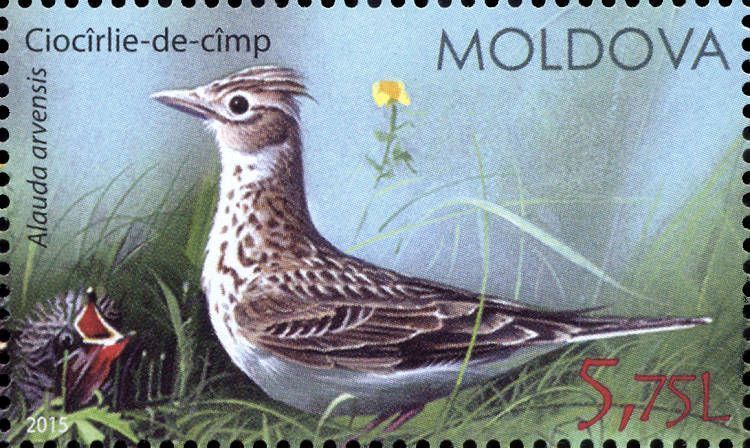
    Wer kennt ihn nicht, den unermüdlich und in großer Höhe über den Feldern singenden Vogel? Die Feldlerche (Alauda arvensis), deren Gesang Generationen erfreute, zählte noch um 1990 zu den charakteristischen Vogelarten der heimischen Region. Doch ist es damit bald vorbei? Untersuchungsergebnisse der Stiftung für Ornithologie und Naturschutz (SON) lassen diese Frage nicht gänzlich übertrieben erscheinen. Mitarbeiter der SON hatten 2016 eine rund 7000 Hektar umfassende Probefläche im Bereich der Ortschaft Büscherheide, die gleichermaßen Flächen der Gemeinde Bad Essen und der Stadt Melle umfasst, auf den Besatz von Feldlerchen-Revieren untersucht. Aufgrund eines aufwendigen Auswertungsverfahrens liegen die Ergebnisse dieser Bestandserfassung erst jetzt vor: Lediglich 62 Reviere konnten von der SON ermittelt werden. „1990 siedelten auf der gleichen Fläche noch 297 Feldlerchen-Paare. Das entspricht einem Bestandsrückgang von 79,1 Prozent. Er fällt damit erschreckend umfassender aus als der Rückgang, den die SON 2014 für eine weitere Feldvogelart – den Kiebitz (Vanellus vanellus) – dokumentiert hat. “Er nahm zwischen den 1990er Jahren und 2014 um 42 Prozent ab“, berichtete Florian Seifert, Vorstandsmitglied der Stiftung.

    Lesen Sie mehr auf: http://www.noz.de/lokales/bad-essen/artikel/827003/feldlerchen-brutbestand-rund-um-buescherheide-bricht-ein#gallery&0&0&827003

  • Starling flocks are disappearing, Christmas Bird Count numbers show

    Starling flocks are disappearing, Christmas Bird Count numbers show

    Birders across the city reported seeing fewer starlings — and pretty much every other bird — during the 96th Christmas Bird Count. Dozens of bird lovers flocked together across the city on Boxing Day for the annual tally put on by the Hamilton Naturalists’ Club, and noticed a consistent decrease in populations all around. “We might have close to the 30,000 we had last year as this trend continues, perhaps even less,” said Rob Porter, head of field events with the Hamilton Naturalists’ Club and Digital Naturalist. The bird count provides data from thousands of groups worldwide, informing future studies and research for the National Audobon Society in the U.S., and Bird Studies Canada.
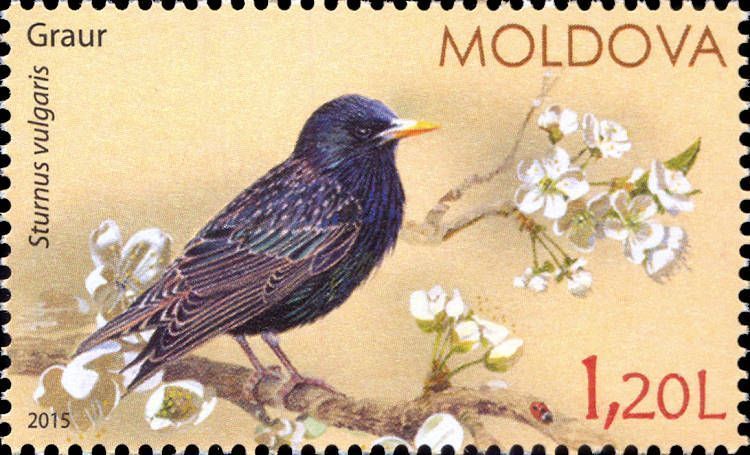
    “It’s a single snapshot in a single day of a single year,” said Porter. “But there has definitely been a trend in fewer species every year for a while now.” This year, the big surprise was a serious decline in Hamilton’s starling (Sturnus vulgaris) population. The invasive species, which in the 1980s or 90s used to be tens of thousands strong here, has been in serious decline. “The flocks aren’t really around anymore,” said Porter, though the answer why is unclear. “Is it indicative of predators balancing things off finally, or is there something they’re eating that isn’t good for them? Certainly we’re seeing magnitudes less.”

    Source: CBC, 27 December 2016
    http://www.cbc.ca/news/canada/hamilton/starling-flocks-are-disappearing-christmas-bird-count-numbers-show-1.3913382

  • Broschüre “Biologische Landwirtschaft”, 2016

    Broschüre “Biologische Landwirtschaft”, 2016

    Die seit 2000 als Bundesministerium für Land- und Forstwirtschaft, Umwelt und Wasserwirtschaft (abgekürzt BMLFUW, klangvoll Ministerium für ein lebenswertes Österreich) bezeichnete österreichische Verwaltungseinrichtung des Bundes ist vor allem zuständig für Agrarpolitik, Forstpolitik, Jagd, Fischerei, Weinrecht, Wasserrecht sowie den Umwelt- und Tierschutz. Damit umfasst es die Aufgaben eines Landwirtschaftsministeriums und eines Umweltministeriums. Das BMLFUW veröffentlichte im Jahr 2016 wieder die Broschüre “Biologische Landwirtschaft in Österreich”. Die vorliegende Broschüre erklärt unter anderem, wie die biologische Landwirtschaft funktioniert, was sie auszeichnet, wie man Bioprodukte erkennt und wie diese kontrolliert werden. Zusätzlich erhalten Sie Hilfestellung bei der Suche nach einem Biobauern in Ihrer Nähe.
    Die Intensivierung der Landwirtschaft, insbesondere in den vergangenen Jahrzehnten, hat Folgen. Sie brachte erhebliche Beeinträchtigungen der Ökosysteme mit sich. Boden, Wasser, Luft, Pflanze und Tier und nicht zuletzt der Mensch sind davon betroffen. Beispiele sind die zunehmende Erosion der Böden, die erhöhten Nährstoffeinträge in Gewässer und Grundwasser, der Artenrückgang bei Pflanzen und Tieren in unserer Umwelt und die Belastung der Lebensmittel mit Schadstoffen.
    Quellen:
    Wikipedia
    https://de.wikipedia.org/wiki/Bundesministerium_f%C3%BCr_Land-_und_Forstwirtschaft,_Umwelt_und_Wasserwirtschaft
    Ministerium für ein lebenswertes Österreich
    https://www.bmlfuw.gv.at/land/bio-lw/Bio_Broschuere.html
    Biologische Landwirtschaft in Österreich
    www.bio-austria.at

  • Onder de nieuwe Wet Natuurbescherming verliezen 30 van 40 soorten orchideeën hun wettelijke bescherming

    Onder de nieuwe Wet Natuurbescherming verliezen 30 van 40 soorten orchideeën hun wettelijke bescherming

    In de afgelopen 40 jaar zijn vrijwel alle orchideeënsoorten in Nederland achteruitgegaan en op de Rode Lijst met bedreigde soorten terechtgekomen. De kwetsbaarheid van orchideeën kan verklaard worden door de hoge eisen die zij stellen aan hun groeiplaats. Vanwege hun kwetsbaarheid zijn veel soorten orchideeën al sinds lange tijd wettelijke beschermd. Onder de huidige Flora en Faunawet genieten ruim 40 soorten wettelijke bescherming. Onder de nieuwe Wet Natuurbescherming vanaf 1 januari 2017 blijven er nog maar een tiental over: Groene nachtorchis, Bruinrode wespenorchis, Geelgroene wespenorchis, Dennenorchis, Honingorchis, Bokkenorchis, Groenknolorchis, Vliegenorchis, Bergnachtorchis en Zomerschroeforchis. Over het algemeen zijn dit zeldzame tot zeer zeldzame soorten die in hoofdzaak in beschermde natuurgebieden voorkomen. De overige ruim 30 soorten Nederlandse orchideeën, waaronder een aantal zeer zeldzame en ernstig bedreigde, zijn straks vogelvrij. Als met inwerking treden van de nieuwe Wet Natuurbescherming de Bijenorchis en andere orchideeën hun beschermde status verliezen, vrezen FLORON en de Werkgroep Europese Orchideeën (WEO) voor een achteruitgang van deze soorten buiten de beschermde natuurgebieden. Groenbeheerders hoeven dan geen rekening meer te houden met de aanwezigheid van orchideeën.

    Bron: Nature Today, 21-06-16
    https://www.naturetoday.com/intl/nl/nature-reports/message/?msg=22865

    Tekst: Leonie Tijsma, FLORON; Joop ten Dam, Werkgroep Europese Orchideeën (WEO)

  • Eine Welt ohne Insekten wäre dem Untergang geweiht

    Eine Welt ohne Insekten wäre dem Untergang geweiht

    Zu einer ganz besonderen Bescherung rät der NABU allen Naturfreunden rund um den Jahreswechsel: Sie sollen sich informieren, was sie im kommenden Jahr im eigenen Wirkungsbereich – im Garten, Kleingarten, Park, auf dem Schulhof, dem Vereins- oder Betriebsgelände – für Insekten tun können. Zahlreiche Anregungen dazu habe der NABU in einem neuen, umfangreichen Info-Paket zusammengestellt, teilt Bezirksgeschäftsführer Rüdiger Wohlers mit.

    Nicht ohne Grund: „Die Bestände vieler Insektenarten gehen auch in Deutschland seit Jahren dramatisch zurück“, betont der Naturschützer. Das sei nicht nur ein Alarmsignal, das sei ein Zeichen für eine verheerende Entwicklung, die der Menschheit eines Tages das Aus bescheren könne. „Denn ohne Insekten können wir nicht überleben!“ Insekten sorgten für die Bestäubung der Wild- und Kulturpflanzen, ohne Insekten wachsen die Hungersnöte, ohne Insekten brechen Nahrungsketten zusammen, denn Vögel und Säugetiere seien direkt auf diese Kleinlebewesen angewiesen.

    Gleichzeitig weist der Naturschützer darauf hin, dass jeder feststellen könne, wie stark die Gesamtheit des Insektenaufkommens abgenommen hat: „Wer noch vor wenigen Jahren im Sommer eine Autofahrt über längere Strecken unternahm, musste die Windschutzscheibe immer wieder von toten Insekten reinigen – das ist seit Jahren nicht mehr so!“

    Die Ursachen für den dramatischen Rückgang vieler Insektenarten seien vielfältig, betont der NABU-Geschäftsführer: „Intensivlandwirtschaft mit Maiswüsten, Grünlandverlust, Pestizideinsatz, Flächenverbrauch und andere Faktoren, sicher auch bereits der Klimawandel und natürlich der Verlust besonders hochwertiger Lebensräume wie Moore, Trockenstandorte und Feldgehölze sowie totholzreiche Wälder spielen allesamt eine Rolle.“

    Daher sei jeder Einzelne gefordert, etwas zum Insektenschutz beizutragen: beispielsweise für Insekten wichtige Nahrungs- und Entwicklungspflanzen aussäen und setzen, Insektenhotels für Hautflügler bauen, Schutzmaßnahmen für Schmetterlinge im Garten treffen. Dafür brauche man keinen großen garten – auch ein Balkonkasten oder wenige Quadratmeter Grün könnten dafür schon genutzt werden, damit Insekten eine neue Heimat finden.

    Das Info-Paket enthält eine 30-seitige Bauplansammlung für Insekten-Nisthilfen aller Art, die Broschüre Bienen-Hummeln-Hornissen sowie eine Anleitung zum Schmetterlings-Gartenjahr. Anzufordern ist sie gegen Einsenden von 10 Euro bei NABU, Stichwort „Insektenpaket plus“, Schlosswall 15, 26122 Oldenburg.

    Quelle: Mittelbayerische, 28.12.16
    http://www.mittelbayerische.de/region/neumarkt/gemeinden/neumarkt/nabu-insekten-brauchen-dringend-hilfe-22797-art1469001.html