Auteur: Henk Tennekes

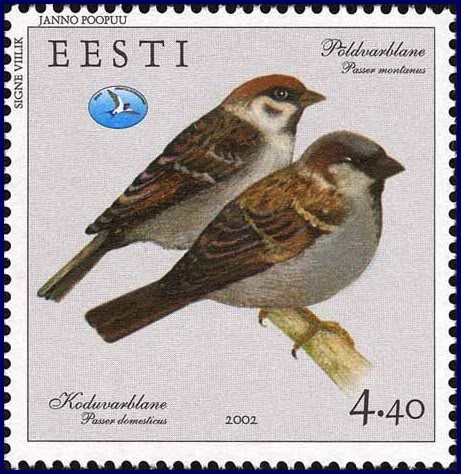
  • The current design of Delhi parks leads to bird decline

    The current design of Delhi parks leads to bird decline

    Parks in Delhi are being planted almost exclusively with Ashoka trees and palm species. These are not suitable for most birds. By redesigning the parks we can bring back many bird species that are not seen frequently. A combination of native trees, bushes, climbers and local grass varieties can immensely help this process. Habitat ecology should be adopted by making even small green patches interactive. A complete overhaul of horticultural practices is needed.
    Of the total world bird species of 9956, India harbours around 1200-1300 of them. As a mega diversity centre India has a great responsibility in maintaining this diversity. It might come as a surprise that Delhi has nearly 250-300 species of birds. Sadly, the situation for birds in the Capital is deteriorating. There has been much concern regarding the dwindling number of sparrows in the national capital. So much so, that the house sparrow has been accorded the status of the State bird of Delhi. However, the fact is that many other birds that were regularly seen in Delhi are no longer found here. The Yellow vented bulbul and the White vented bulbul are no longer seen in Delhi. Bushes and creepers that are ideal nesting sites for them are not seen in any parks. Bush birds have to hide their nests in thick foliage so that prey birds do not notice them. Similarly ground nesting birds like partridges and peacocks need ground cover to conceal their eggs. But when the undergrowth is cleared and planted with exotic grass that is mowed regularly, the ground nesting birds are threatened. Nectar-feeding birds do not find nectar yielding flowers. Fruit and fig-feeding birds are also at great risk. Insects are found among wild grasses and reeds. In their absence birds like sparrows that are insect-eaters are at a disadvantage. Kingfishers need water bodies and perches to hunt fish. Water bodies in many parks have all been drained and planted with grasses. Instead fountains are installed that only waste water and are ideal grounds for breeding of mosquitoes. All birds need proper feeding, roosting and nesting habitats. These are to be provided by the natural and/or the built-up space in a city. The ridge and the parks and gardens of Delhi play a vital role in supporting bird diversity. Water bodies for water birds are equally important.

    Source: The Statesman, January 2017
    http://www.thestatesman.com/cities/where-have-all-the-birds-gone-1483597479.html

  • Pesticide residues in grey partridge eggs in French cereal ecosystems

    Pesticide residues in grey partridge eggs in French cereal ecosystems

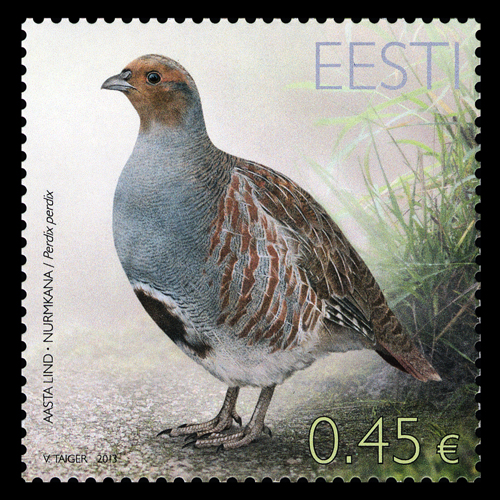
    The contamination of the eggs of farmland birds by currently used plant protection products (PPPs) is poorly documented despite a potential to adversely impact their breeding performance. In this context, 139 eggs of 52 grey partridge Perdix perdix clutches, collected on 12 intensively cultivated farmlands in France in 2010–2011, were analysed. Given the great diversity of pesticides applied on agricultural fields, we used exploratory GC/MS-MS and LC/MS-MS screenings measuring ca. 500 compounds. The limit of quantification was 0.01 mg/kg, a statutory reference. A total of 15 different compounds were detected in 24 egg clutches. Nine of them have been used by farmers to protect crops against fungi (difenoconazole, tebuconazole, cyproconazole, fenpropidin and prochloraz), insects (lambda-cyhalothrin and thiamethoxam/ clothianidin) and weeds (bromoxynil and diflufenican). Some old PPPs were also detected (fipronil(+sulfone), HCH (α,β,δ isomers), diphenylamine, heptachlor(+epoxyde), DDT(Σ isomers)), as well as PCBs(153, 180). Concentrations ranged between <0.01 and 0.05 mg/kg but reached 0.067 (thiamethoxam/clothianidin), 0.11 (heptachlor + epoxyde) and 0.34 (fenpropidin) mg/kg in some cases. These results testify an actual exposure of females and/or their eggs to PPPs in operational conditions, as well as to organochlorine pollutants or their residues, banned in France since several years if not several decades, that persistently contaminate the environment. Routes of exposure, probability to detect a contamination in the eggs, and effects on egg/embryo characteristics are discussed with regard to the scientific literature. Source: E Bro et al. Environ Sci Pollut Res Int. 2016; 23: 9559–9573. Published online 2016 Feb 3. doi: 10.1007/s11356-016-6093-7 https://www.ncbi.nlm.nih.gov/pmc/articles/PMC4871908/

  • Field evidence of bird poisonings by imidacloprid-treated seeds

    Field evidence of bird poisonings by imidacloprid-treated seeds

    The large-scale use of neonicotinoid insecticides has raised growing concerns about their potential adverse effects on farmland birds, and more generally on biodiversity. Imidacloprid, the first neonicotinoid commercialized, has been identified as posing a risk for seed-eating birds, when it is used as seed treatment of some crops, since the consumption of a few dressed-seeds could cause mortality. But evidence of direct effects in the field is lacking. Here, we reviewed the 103 wildlife mortality incidents reported by the French SAGIR Network from 1995 to 2014, for which toxicological analyses detected imidacloprid residues. One hundred and one incidents totalling at least 734 dead animals were consistent with an agricultural use of neonicotinoids as a seed treatment. Grey partridges (Perdix perdix) and pigeons (Columba palumbus, Columba livia and Columba oenas) were the main species found dead. More than 70% of incidents occurred during autumn cereal sowings. Furthermore, since there is no biomarker for diagnosing neonicotinoid poisonings, we developed a diagnostic approach to estimate the degree of certainty that these mortalities were due to imidacloprid poisoning. By this way, the probability that mortality was due to poisoning by imidacloprid- treated seeds was ranked as at least likely in 70% of incidents. As a result, this work provides clear evidence to risk-managers that lethal effects, due to the consumption of imidacloprid-treated seeds by birds, regularly occur in the field. This in turn raises the question of the effectiveness of the two main factors (seed burying and imidacloprid-treated seeds avoidance) that are supposed to make the risk to birds negligible. Risk factors and the relevance of mitigation measures are discussed.

    Source:
    Florian Millot et al. Environ Sci Pollut Res DOI 10.1007/s11356-016-8272-y

  • The bird flu virus isn’t targeting humans – yet

    The bird flu virus isn’t targeting humans – yet

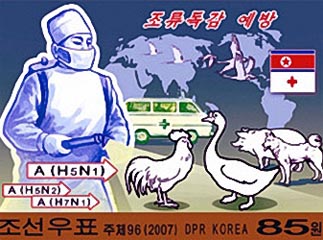
    Bird flu is back, and is spreading quickly. But don’t worry, the virus isn’t targeting humans – yet. The H5N8 strain of bird flu reached Europe in October 2016, and since then has been detected in at least 14 countries including France, Denmark and Germany. In Germany alone, authorities have recorded more than 30 separate incidents of bird flu, leading to the cull of tens of thousands of domesticated chickens, ducks and geese, among others. In the wild, more than 500 birds are known to have been infected as well. Wild ducks in Ireland and England, and an outbreak that killed 2,000 ducks in a French farm, are a few of the most recent cases sadly confirming that the outbreak has not ended in 2016 – on the contrary, it continues spreading.

    Experts are desperately looking for the origin of the virus – without any official conclusion until now. Some argue that the natural migratory patterns of wild birds are to blame, while others insist industrial livestock farming and international trade are primarily responsible.
    European Union and national authorities have adopted urgent protective measures for strict “biosecurity” in farms. But despite the efforts, new cases continue appearing daily. In the worst-case scenario – a rare one, at that – a species jump could lead to the virus affecting humans.

    With viruses, identifying the origin is the first step in controlling the spread. But it is exactly at this point where experts disagree. Vectors – that is, how the virus is transmitted – remain under discussion. “Judging by history, it is most likely to spread through the poultry industry,” Ariel Brunner, senior head of policy at BirdLife International, told DW. “But for the moment, we don’t know.” Indeed, according to a statement from a scientific task force that includes the United Nations Environment Program/Convention on Migratory Species and the Food and Agriculture Organization (FAO), bird flu outbreaks are usually associated with the poultry trade and intensive domestic poultry production. Lars Lachmann, a bird protection expert with the German Nature and Biodiversity Conservation Union (NABU), also points to industrial agriculture. Transmission most likely expanded via poultry from Asia to somewhere in Europe, and from there across cities and countries, he said.
    But the German National Institute for Animal Health disagrees, and maintains that infected wild birds migrating from Asia to Europe are to blame, Franz Conraths – head of the Institute of Epidemiology at the Friedrich Loeffler Institute – told DW. The first known victim of the ongoing outbreak was a wild swan in Hungary, found one week before the first outbreak in a farm. Although this would confirm Conraths’ hypothesis, Lachmann argues this might have been a coincidence, since it can take up to two weeks to detect the flu in domesticated ducks and geese.

    While there is no definitive conclusion, for Brunner it is hard to believe an ill bird would be able to fly the long distances on migratory routes – yet a chicken put on a plane in China and delivered to Nigeria can spread the virus in few days, he pointed out. In any case, wild birds are at risk.
    Although a prolonged outbreak on poultry farms can have catastrophic economic consequences, mainly for poultry farmers, damage for biodiversity could reach even more frightening proportions. Migratory birds travel unfathomable distances in their search for ideal conditions. “If it affects common species, that will be part of the natural cycle – but if it hits species already threatened by habitat destruction or hunting, it will be much more problematic,” Brunner said.
    Nearly a third of wild European birds species are in decline. Habitat loss, industrial agriculture including pesticides, and climate change are among factors already adding pressure to wild bird populations – viral outbreaks come on top of this.

    Even more dramatically, Brunner pointed out that a random mutation could cause the virus to jump the species barrier as part of the natural process, infecting humans – as has happened in the past, for example with swine flu. While the vectors remain unknown, the bird flu keeps spreading throughout Europe. The European Commission and national authorities have adopted urgent protective measures in an attempt to improve biosecurity, and strict emergency measures have been implemented in affected countries. In Germany, for instance, animals in poultry farms must stay indoors to avoid contact with wild birds. Thousands have been culled. Although keeping the animals indoors is not a problem for industrial farms, it is for small and sustainability-oriented farms where animals are supposed to move freely. Lachmann and his colleagues have supported the idea of keeping animals indoors – but only in high-risk areas, and for the minimum required time. “Since we believe the transmission from wild birds is a less probable option, we agree on this measure,” he said.

    All experts agree now that the most important thing would be to prevent a future outbreak. For Brunner, that means by better controlling hygiene on farms, particularly industrial ones. “These huge concentrations of species are the perfect breeding ground for diseases: The birds have lower immune systems than wild ones, and have no natural predators,” he explained. But until the origin of the virus has been identified, it seems impossible to wipe out the virus. Lachmann says continuing to ignore the role of the poultry trade in the spread is a mistake. Meanwhile, Conraths believes farmers should strengthen their protective measures to keep the animals far from wild birds – and wait it out. “I am afraid we will have to live with situations like this,” he said. “If the hypothesis is true and the virus travels with wild birds, we will have to adapt – this is a natural phenomenon.”

    Source: Deutsche Welle, 4 Jan 2017
    http://www.dw.com/en/bird-flu-will-continue-to-flare-into-2017/a-36979225

  • Naturschützer fürchten Frühling ohne Schmetterlinge

    Naturschützer fürchten Frühling ohne Schmetterlinge

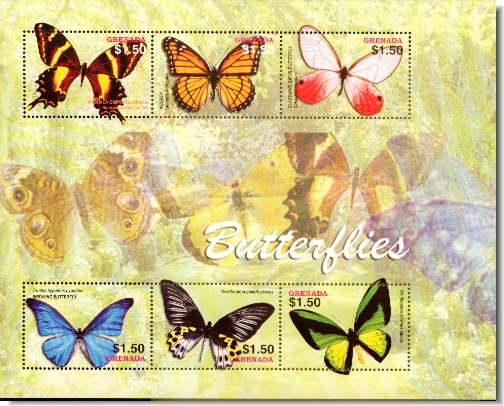
    Wenn Frank Baum aus Staufen in seinen Garten ging, fehlte es ihm an bunter Gesellschaft. Die Schmetterlinge machten sich rar. Den kleinen Fuchs oder das Tagpfauenauge suchte der Biochemiker vergeblich. Jetzt hat Baum sich zusammen mit anderen Naturschützern an die Landesregierung gewandt, um etwas gegen das Insektensterben zu unternehmen. Sie wollen erreichen, dass bestimmte Pflanzenschutzmittel dauerhaft verboten werden. Ansonsten befürchten sie einen Frühling ohne Schmetterlinge.

    Die Worte von Winfried Kretschmann machten Frank Baum Hoffnung. Der Ministerpräsident sprach im November auf dem Parteitag der Grünen über das Insektensterben. Das Thema ist bekannt, auch auf hoher politischer Ebene. Eine Lösung ist noch nicht in Sicht. Frank Baum ist Mitglied des Freiburger Entomologischen Arbeitskreises, die Insektenforscher haben sich in einem offenen Brief an Teile der Landesregierung gewandt.

    Sie wollen erreichen, dass die mögliche Wiederzulassung von drei sogenannten Neonikotinoiden verhindert wird. Das sind Pflanzenschutzmittel und “für Insekten sind sie hochgradig toxisch”, so Baum. 2008 löste der Einsatz der Stoffe in der Rheinebene wohl ein Bienensterben aus. Von 2013 bis 2015 verhängte die EU-Kommission ein Moratorium. Doch auch wenn sie in der Zeit nicht genutzt wurden: die Stoffe sind langlebig.

    Baum spürt die Folgen nicht nur in seinen Garten. Dieses Jahr wollte ein Fernsehteam mit ihm als Experten über besondere Käferarten drehen. “Das ist mir nicht gelungen, ich hab die Arten nicht gefunden”, berichtet er. Weder am Ölberg in Ehrenkirchen noch am Schlossberg in Staufen habe er welche entdeckt. In der vom Weinbau geprägten Umgebung werden zwar keine Neonikotinoide eingesetzt, die Maisfelder der Rheinebene, wo die Pestizide vorkamen, sind aber nicht weit. Baum hält es für möglich, dass der Wind den Stoff dorthin wehte.

    Die Unterstützer des Briefes, unter anderem zählen auch die Landesverbände von BUND und NABU dazu, hoffen, dass sie bei der Landesregierung Gehör finden. Eine Reaktion gab es bisher nicht, das beunruhigt die Verfasser aber nicht. Der Brief wurde erst unmittelbar vor Weihnachten abgesendet. Baum hofft, dass die Landesregierung im Bundesrat aktiv wird.

    Zugleich weiß er, dass ihr Anliegen kein leichtes ist. “Die andere Seite ist mächtig”, sagt er. Er spricht von den Herstellern der Pflanzenschutzmittel.
    Auch wer kein Experte ist, könne das Insektensterben erkennen. Autofahrer merken, dass weniger tote Insekten an der Windschutzscheibe kleben. Verlässliche Zahlen für Baden-Württemberg gibt es noch nicht. In Nordrhein-Westfalen gab es jedoch eine Langzeitstudie. Das Ergebnis zeigte, dass dort seit 1989 die reine Biomasse an Insekten um 80 Prozent schrumpfte.

    Für das Insektensterben gebe es aber mehrere Gründe, das wird auch in dem Brief an die Landesregierung betont. Alexandra-Maria Klein, Professorin für Naturschutz und Landschaftsökologie an der Universität Freiburg erläuterte etwa jüngst gegenüber der BZ, dass Pestizide sicher eine Rolle spielen. Doch es fehle der wissenschaftliche Beweis, wie genau sie auf die Insekten in der Natur wirken.

    Die Intensivierung der Landwirtschaft ist auch einer der möglichen Gründe für den Rückgang der Insekten. Gerade Obstbauern sind jedoch auf Insekten angewiesen. “Viele landwirtschaftliche Nutzpflanzen müssen bestäubt werden”, erläutert Baum.

    Das Insektensterben wirkt sich auch auf das Ökosystem aus. Baum sah dieses Jahr nicht nur weniger Schmetterlinge, sondern auch weniger Vögel. Ein möglicher Grund: Die Insekten, die ihnen als Nahrung dienen, sind gestorben. Insekten sind aber auch als Zersetzer wichtig, zur Erhaltung der Bodenqualität, außerdem fressen sie Schädlinge.

    “Die Insektenwelt ist schon jetzt so weitgehend dezimiert, dass es wahrscheinlich Jahre, wenn nicht Jahrzehnte brauchen wird, bis ihre Vielfalt wieder einigermaßen hergestellt ist”, heißt es in dem Brief.

    Die Entscheidung über das Verbot der Pflanzenschutzmittel fällt in Brüssel. Ein Verfahren der Europäische Kommission, das prüft, ob die Neonikotinoide wieder zugelassen werden, beginnt in diesem Januar. Die genaue Wirkung sei für die europäische Behörde nicht ausreichend untersucht, berichtet Baum: “Es kann sein, dass die Kommission sagt, dass wir immer noch nicht genug wissen, um die Stoffe zuzulassen”, fährt er fort. Das wäre für ihn und seine Kollegen ein Erfolg.
    Die Forderung des offenen Briefs zielt aber auf ein permanentes Verbot. “Wir haben versucht, nochmal auf das bekannte Problem hinzuweisen”, betont Baum. Vergleichbare Aktionen wie der Brief plane der Arbeitskreis für die nahe Zukunft nicht. “Aber wir werden dranbleiben, indem wir beobachten, wie es draußen aussieht”, verspricht Baum.

    Das geschieht auf einer Trockenaue bei Grißheim. In den 90er Jahren zählte man hier mehr als 2300 Käferarten. Über zehn Personen haben damals daran in Zusammenarbeit mit dem Regierungspräsidium Freiburg und der Landesanstalt für Umweltschutz gearbeitet. Wie viele Arten es heute sind, kann Baum nicht sagen.

    Zwei ehrenamtliche Fachleute kümmern sich noch um das Gebiet. Sie seien zu dem Ergebnis gekommen, dass der Bestand stetig abnehme. “Weitergehende gründliche Untersuchungen müssen erfolgen”, fordert Baum. In dem Brief wird eine bundesweite Überwachung von Insektengruppen angeregt. Zudem sollen auch die Rückstände der Pflanzenschutzmittel in Böden, Gewässern, Insekten und Pflanzen untersucht werden. Außerdem wird ein Forschungszentrum gefordert, das Ursachen des Insektensterbens betrachtet.
    Quelle: Badische Zeitung, 04.01.2017
    http://www.badische-zeitung.de/kreis-breisgau-hochschwarzwald/naturschuetzer-fuerchten-fruehling-ohne-schmetterlinge–131968960.html
  • Meisen sind akut gefährdet

    Meisen sind akut gefährdet

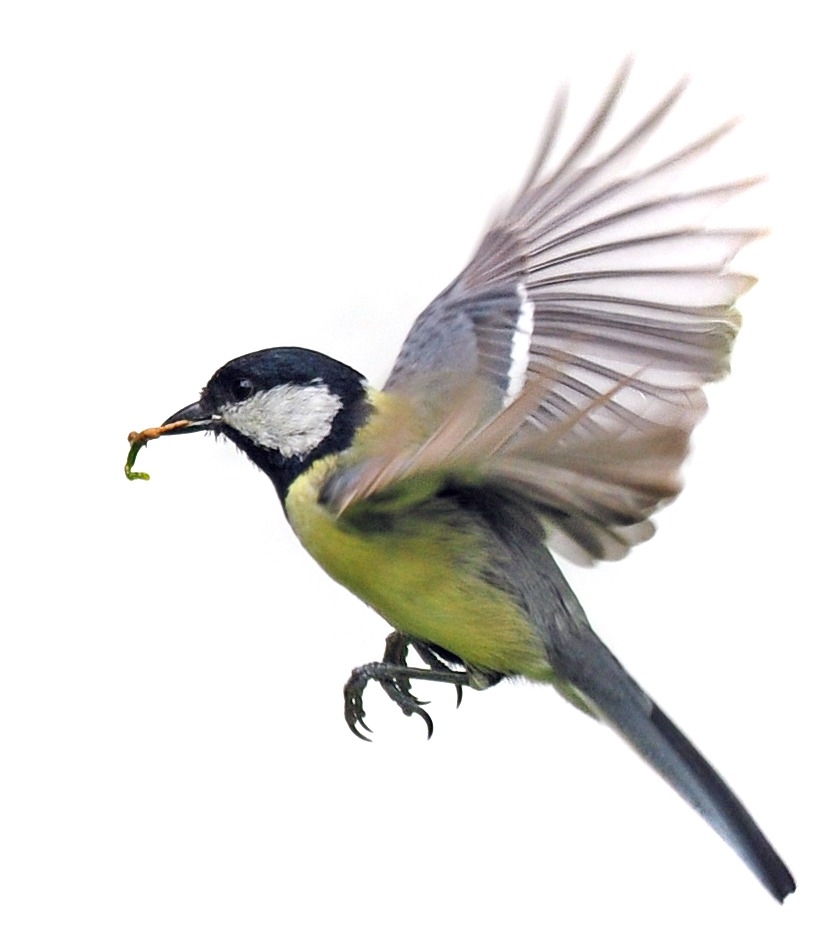
    Naturschützer Reinhard Vohwinkel schlägt Alarm: Viele Vogelarten könnten verschwinden. Die Vogelhäuschen bleiben leer. Das Futter wird feucht und schimmelt. Wo früher um diese Jahreszeit auch schon mal um die letzten Körner gestritten wurde, ist es in diesem Jahr beunruhigend still geworden. Bereits in den vergangenen Wochen hatten Naturschützer lautstark Alarm geschlagen. Über die Gründe wurde gerätselt: Optimisten waren davon ausgegangen, dass viele Vögel bei der milden Witterung in den Wäldern ausreichend Nahrung finden und zusätzliche Futterstellen verschmähen würden. Dass die Zahl der gefiederten Gäste an Fütterhäuschen stark schwanke, sei im Winder normal.

    Einer, der diese optimistische Ansicht absolut nicht teilt, ist der Ornithologe Reinhart Vohwinkel. Er hat die Vogelpopulation im Kreis Mettmann und im Düsseldorfer Süden seit Jahren im Blick und sagt: “Wenn wir noch ein oder zwei Jahre ein derart verregnetes Frühjahr haben, kann es gut sein, dass es bald keine Meisen mehr gibt.” Er selbst kenne ein solches Phänomen bislang nur aus der Literatur, und dort auch nur von Mehlschwalben. Dass nun jedoch nahezu alle Höhlenbrüter davon betroffen sind, ist aus seiner Sicht ein Anlass zu großer Sorge.

    Gründe für das massenhafte Vogelsterben im Frühjahr habe es viele gegeben. Betroffen gewesen seien vor allem die Jungvögel, von denen viele im Nest verhungert seien. “Bei den Meisen werden 80 Prozent nicht älter als ein Jahr”, weiß Vohwinkel. Im Klartext heißt das: Wenn derart viele Jungvögel sterben, kann das schnell bedrohlich für die Erhaltung der ganzen Art werden. Und so schnell lasse sich die dramatische Entwicklung auch nicht mehr aufhalten. Denn im kommenden Frühjahr werden nun viel weniger Vögel brüten als üblich, was dazu führt, dass die Lage weiterhin kritisch bleibt. Von diesem Phänomen betroffen sind längst nicht nur die Meisen, sondern auch Gimpel, Grünfinken und viele andere Singvögel.

    Möglicherweise wird also das Vogelkonzert im Frühjahr vielerorts ausbleiben oder nicht so vielstimmig ausfallen, wie wir es gewohnt sind. “Vielleicht braucht man mal so eine Erfahrung”, hofft Vohwinkel darauf, dass in Sachen Klimawandel ein Umdenken einsetzt. Hinzu komme das Problem der Pestizide in der Landwirtschaft, das seit langem dafür verantwortlich gemacht wird, dass es weniger Insekten gibt und Vögel ihren Nachwuchs auch bei besseren klimatischen Bedingungen kaum noch ernähren können. Wem nun in den Sinn kommt, dass man auf all das nur bedingt Einfluss nehmen kann, dem sei gesagt: Es gibt so manches, dass man im eigenen Garten tun kann, um den Gefiederten zu helfen. Weniger aufgeräumte Gärten, schützende Hecken oder Nistkästen: All das würde helfen, um den gefiederten Wegbegleitern das Leben leichter zu machen.

    Quelle: RP, 04.01.17
    http://www.rp-online.de/nrw/staedte/duesseldorf/meisen-sind-akut-gefaehrdet-aid-1.6501779

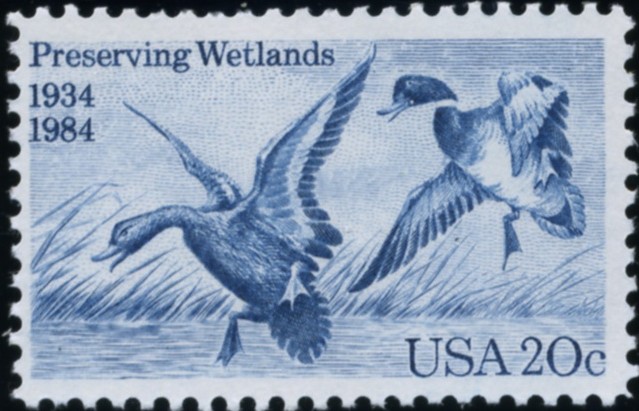
  • Wetlands: Crucial to the environment, but treated as wastelands

    Wetlands: Crucial to the environment, but treated as wastelands

    Wetlands constitute an important natural resource that is overlooked by many of us. When people think of wetlands, they tend to picture unpleasant landscapes, mosquitoes and strange smells, but they don’t see the handful of benefits these habitats provide for the ecosystem as a whole. These natural benefits often are translated into economic goods. When we look into all of the great things wetlands do for us, it is hard to deny that we can’t do without them. Wetlands play a key role in regulating water quality and availability in certain areas. When heavy rains occur, wetlands slow down the flow of water; during this process, water replenishes groundwater systems, sediments drop out of the water and surrounding plants absorb many excess nutrients. Wetlands are so effective at regulating water quality that, in some cases, they can replace water treatment plants. That in itself can save billions of dollars around the country. Even further, the act of slowing water flow helps mitigate flood damage. By acting as a natural buffer, wetlands typically store about 1 million gallons of potential floodwater, which will reduce property damage for people who live downstream.

    In 2010, $34 billion was spent in the United States on repairing damage caused by floods. With stronger wetland habitats, that number could have been much smaller. Without question, wetlands are a landscape feature every property should be fighting for.

    Another important role wetlands play is ensuring the health of our national fisheries. About 75 percent of commercially available harvested fish and shellfish spend a portion of their life cycle within wetland habitats. Young fish and crabs rely on clean wetlands for food and shelter. Healthy fish and shellfish are crucial for the continuation of the seafood industry. In 2014, the United States’ fish and shellfish catch was worth about $5.4 billion, according to a report by the National Oceanic and Atmospheric Administration.

    Wetlands provide us with places for numerous recreational activities — fishing, hiking, hunting, kayaking and photography among them. The outdoors industry contributes nearly $108 billion to the economy. This includes equipment for hiking and camping, fishing gear and cameras for photography. Recreational fishing alone brings in an estimated $37 billion, which includes money spent on equipment, fishing trips and licenses. These recreational pursuits also mean job security for many people within these industries.

    Wildlife, like waterfowl, attracts many hunters, birdwatchers and photographers to wetlands. Egrets, swans, herons, geese and many other birds spend a lot of time in and around wetlands, as well as many other bird species that utilize them for nesting. Without these areas, we could see a decline in populations of fish and birds, which are a vital part of the outdoor industry.

    Unfortunately, in the last century we have lost more than 50 percent of our national wetlands, and that number continues to rise every year. Some of the main culprits of wetland loss are agricultural projects, as well as urban development. Excess nutrients from wastewater and fertilizers deprive wetlands of oxygen that’s needed to keep them alive. This creates dead zones in the habitat, rendering the once-helpful area useless.

    Public perception about wetlands also leads to the continued mistreatment of them. If we continue to treat wetlands as wastelands, then we will continue to pollute them — or destroy them — for our needs. There have been many cases where we have tried to recreate natural wetlands that we have destroyed, but have found they are not nearly as effective as a natural wetland.

    The importance of these habitats is especially true for those of us who live on Delmarva, which is surrounded by wetlands. A large portion of our economy in this area relies on healthy wetlands for our seafood industry and recreation. As people of Delmarva, we should be familiar with all of the great things wetland habitats do for us. Local policymakers should be working to ensure the value of wetlands is considered when making land-use decisions, and that wetlands are protected from projects that do not provide benefits to society as a whole.

    Educating the public about the importance of these habitats will also help people’s attitude toward them as well. Stronger environmental education starting in grade school, as well as on-the-job training for careers that involve interacting with the natural environment, will help. It is important to conserve what is left of our natural wetlands to help nurture a happy and healthy environment. It doesn’t hurt to know our country would be saving billions of dollars in the process.

    Source: Delmarva Now, December 28, 2016. The author, Zack White, is an intern with Maryland Coastal Bays Program and senior at Salisbury University
    http://www.delmarvanow.com/story/opinion/columnists/2016/12/28/wetlands-seafood-tourism-outdoors-flood-control/95808730/

  • Bird flu strain jumping from cat to human

    Bird flu strain jumping from cat to human

    A veterinarian appears to have been infected with a strain of avian flu known as H7N2 that spread among more than 100 cats housed at New York City animal shelters. If confirmed, this would be the first known transmission of this bird flu strain from cat to human, officials said. New York City health officials said the vet has recovered from a mild illness, and there’s no sign that the flu has spread to shelter workers or those who’ve adopted cats. Still, the city’s top health official is calling for caution. “Our investigation confirms that the risk to human health from H7N2 is low, but we are urging New Yorkers who have adopted cats from a shelter or rescue group within the past three weeks to be alert for symptoms in their pets,” city Health Commissioner Dr. Mary Bassett said in a health department news release. “We are contacting people who may have been exposed and offering testing as appropriate,” she said.

    According to officials, the outbreak of H7N2 struck cats that lived at Animal Care Centers of NYC shelters. H7N2 is a subtype of influenza A virus, also known as avian or bird flu. More than 160 employees and volunteers were tested, and only the veterinanian, who worked with sick cats, appears to have been infected, officials said. The vet’s case has yet to be definitively confirmed. Officials said they’ve contacted more than 80 percent of people who adopted cats from the animal shelter, and there’s no sign that any of these people have been infected.

    There have only been two previous documented cases of transmission of the avian flu subtype to humans in the United States, and neither was linked to cats or to other humans, city health officials said. For now, the city’s health department is urging people to avoid close facial contact and nuzzling with ill cats. One cat diagnosed with the avian flu died, while the others are expected to get better. Adoptions of cats have been halted for the time being, and the sick cats will be quarantined. Officials said no other shelter animals have been infected. For the time being, officials are urging New York City residents to not drop off cats at the Animal Care Centers of NYC shelters.

    Source: KTBS, December 2016
    http://www.ktbs.com/story/34125929/bird-flu-strain-may-have-jumped-from-cat-to-human#

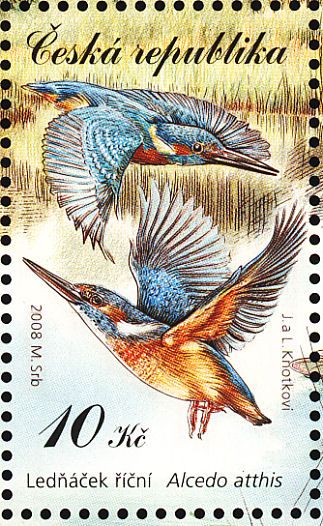
  • Eisvögel:  in weiten Teilen Europas ist schon seit längerem ein Rückgang festzustellen

    Eisvögel: in weiten Teilen Europas ist schon seit längerem ein Rückgang festzustellen

    Er war „Vogel des Jahres“ 2009, allerdings auch schon 1973: Der Eisvogel (Alcedo atthis). Der Vogel baut seine Nisthöhle an den Ufern von Gewässern. Frühestens Anfang März legt das Weibchen sechs bis sieben weiß glänzende Eier, aus denen nach etwa 20 Tagen die Jungen schlüpfen. Nach der Aufzucht durch beide Elterntiere verlassen die Jungen nach weiteren etwa vier Wochen das Nest. Zwei Jahresbruten sind beim Eisvogel üblich. Der Eisvogel ernährt sich von Fischen, Wasserinsekten und deren Larven, Kleinkrebsen und Kaulquappen. Er kann Fische bis neun Zentimeter Länge mit einer maximalen Rückenhöhe von zwei Zentimeter verschlingen. Bei langgestreckten, dünnen Arten verschiebt sich die Höchstgrenze auf zwölf Zentimeter Körperlänge. Der kleine Prachtkerl mit dem fantastisch bunten Gefieder „eignet sich hervorragend als Indikator für gesunde und fischreiche Gewässer“. Das sagt Friedrich Wilhelm Petrasch, Nabu-Mitglied und guter Kenner der heimischen Vogelwelt. Mehrere Exemplare dürften entlang der Lenne auf Altenaer Gebiet heimisch sein. „Das spricht für den Fluss“, so Petrasch. In stark industrialisierten, dicht bevölkerten Regionen ist der Eisvogel mittlerweile eine ausgesprochene Seltenheit. Der Eisvogel hat den lateinischen Namen Alcedo atthis. Die meisten der 90 Eisvogelarten brüten in den Tropen der „Alten Welt“. Wie viele der Tiere in Altena heimisch sind, das mag Petrasch nicht abschätzen. Der Naturschutzbund berichtet aber, dass der europäische Gesamtbestand auf etwa 120 000 Brutpaare geschätzt wird; davon brüten bis zu 7000 in Deutschland. In weiten Teilen Europas ist schon seit längerem ein Rückgang festzustellen. Strenge Winter zählen zu den Faktoren, die bei den Eisvögeln größere Bestandsschwankungen verursachen.

    Quellen:
    Come on.de,30.12.16
    https://www.come-on.de/lennetal/altena/eisvoegel-lenne-flinker-fischer-prachtvollem-federkleid-7181014.html
    Wikipedia
    https://de.wikipedia.org/wiki/Eisvogel

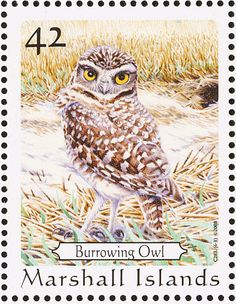
  • Burrowing owl population sees decline in Berkeley area

    Burrowing owl population sees decline in Berkeley area

    Fewer burrowing owls are returning to the Berkeley area as their population continues to dwindle, not only in California but across North America. Burrowing owls are small birds that live in burrows created by other animals. As a result of habitat loss in recent years, the California population of burrowing owls has declined, according to Scott Artis, the executive director of the Urban Bird Foundation. We’re going to wake up one day and see that we don’t have burrowing owls anymore,” he said. “(The cause is) really this loss of habitat. … That can mean the physical loss of land itself or … invasive weed species that can infiltrate grasslands.” A 28 percent decrease in the burrowing owl (Athene cunicularia) population was observed across the San Francisco Bay-Delta region since 1993, in addition to the 50 percent decrease that occurred in the area from the 1980s to 1993, Artis said. Despite these declines, burrowing owls are listed only as a species of special concern in California, rather than as endangered or threatened. The Western burrow owl is endangered in Canada, it’s threatened in Mexico,” Artis said. “(A species of special concern) is a pre-threatened designation. … It’s that step before they would be upgraded to threatened.” One such development that has displaced burrowing owls is the Tom Bates Regional Sports Complex, according to Della Dash, a volunteer for the Golden Gate Audubon Society, or GGAS, docent program. In order to minimize the environmental impact of the complex’s development, a mitigation site was created in Albany to set aside a different place for the owls to inhabit, Dash said. It is only now — eight years later — that an owl has been spotted using the site. Despite the GGA’s efforts, the number of owls spotted along the Berkeley Shoreline — an area that includes the Tom Bates Regional Sports Complex, Cesar Chavez Park and the McLaughlin Eastshore State Park — has dropped from six in 2012 to two in 2015.
    Source: The Daily Californian, December 29, 2016
    http://www.dailycal.org/2016/12/29/burrowing-owl-population-sees-decline-berkeley-area/