Auteur: Henk Tennekes

  • Galmende ‘koekoek’ is steeds minder vaak te horen

    Galmende ‘koekoek’ is steeds minder vaak te horen

    Iedereen kent de roep van de koekoek (Cuculus canorus), maar slechts weinig mensen hebben de ‘vogel die zijn eigen jongen niet grootbrengt’ ooit in het echt gezien. Het aantal koekoeken neemt al decennialang af. De koekoek is tegenwoordig een schaarse broedvogel met naar schatting tussen de 6.000 en 8.000 vrouwtjes. Er zijn slechts enkele gebieden waar het aantal koekoeken stabiel is gebleven, of zelfs sinds de eeuwwisseling is toegenomen. De koekoek is nagenoeg uitsluitend een insecteneter. Hij eet voornamelijk rupsen, waaronder behaarde die door andere vogels niet worden opgegeten. Verder veel kevers, ook de larven hiervan, krekels, sprinkhanen, oorwormen en libellen. Vrouwtjes eten regelmatig zangvogeleitjes. Kleinere reptielen, zoals slangen en hagedissen worden niet versmaad. De jonge dieren worden door hun waardvogel gevoerd met een uitgebreide variatie voer. Henk Sierdsema van Sovon Vogelonderzoek: “De koekoek is een insecteneter, net als de vogels in wiens nest hij zijn ei legt. Het lijkt er op dat deze waardvogels het ook zwaar hebben. Kijk naar de veldleeuwerik. Die is zo goed als verdwenen. Zeker in gebieden waar veel intensieve landbouw is. Daar worden meer bestrijdingsmiddelen gebruikt en dat betekent weer dat er minder insecten zijn. De koekoek is dus een graadmeter voor de kwaliteit van de leefomgeving.”

    Bronnen:
    Nature Today, 17-1-17
    https://www.naturetoday.com/intl/nl/nature-reports/message/?msg=23210
    Wikipedia
    https://nl.wikipedia.org/wiki/Koekoek_(vogel)
    Eindhovens Dagblad, 24-1-17
    http://www.ed.nl/regio/eindhoven/het-is-vijf-voor-twaalf-voor-de-koekoek-1.6844171
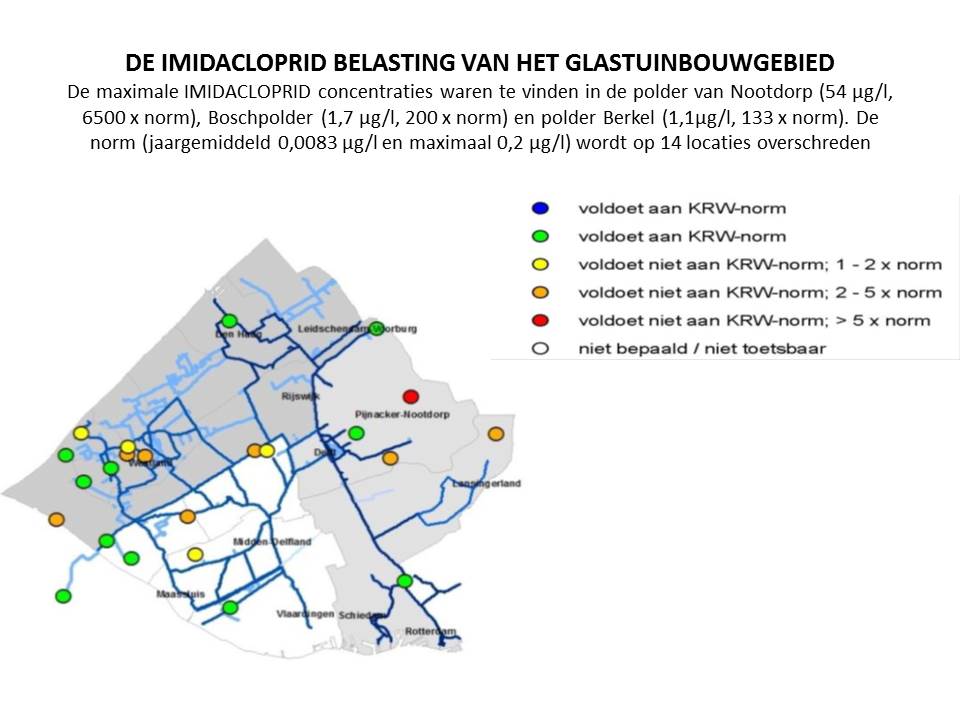
  • LTO is tegen een verbod op imidacloprid voor bedekte teelten

    LTO is tegen een verbod op imidacloprid voor bedekte teelten

    LTO Nederland en LTO Glaskracht Nederland onderschrijven het grote belang van het verlagen van emissies van imidacloprid naar het oppervlaktewater. De organisaties kunnen zich dan ook vinden in het besluit van het College voor de toelating van gewasbeschermingsmiddelen en biociden (Ctgb) waarin staat dat het gebruik van imidacloprid houdende middelen in kassen alleen is toegestaan indien het restwater wordt gezuiverd voor tenminste 99,5%. Mede op verzoek vanuit LTO is aansluiting gezocht bij de Beoordelingscommissie Zuiveringsinstallaties Glastuinbouw. De technische mogelijkheden blijken ook voorhanden. LTO verwacht dat voor de nu goedgekeurde technieken verklaringen afgegeven kunnen worden dat voor imidacloprid de 99,5% zuivering wordt behaald. Naast de zuiveringseis blijft het systeem van gecontroleerde distributie van kracht.

    LTO Nederland vindt dat er op dit moment nog geen certificaat geëist kan worden als dat certificaat nog niet ontwikkeld is. Totdat borging van de werkwijze via certificering mogelijk is zal de gebruiker aannemelijk moeten maken dat bij gebruik van imidacloprid het te lozen restwater voor 99,5% wordt gezuiverd. Dit is volgens LTO Nederland goed mogelijk. Als een certificaat wel direct geëist wordt door het Ctgb betekent dit een algeheel verbod voor alle bedekte teelten.

    Een algeheel verbod draagt volgens LTO Nederland niet bij aan verduurzaming. Imidacloprid is van belang voor een schone start van de teelt en is nu nog een belangrijk middel voor bijsturing in de toepassing van geïntegreerde gewasbescherming dat uitgaat van een biologisch evenwicht. Op het moment dat imidacloprid niet meer gebruikt kan worden zal de innovatie voor duurzamere gewasbescherming geremd worden.

    LTO Nederland staat achter het voorstel van Ctgb om voor telers die geen afvalwater lozen een pilot op te starten om te zien hoe dit systeem zo geborgd kan worden dat gebruik van imidacloprid door deze telers ook verantwoord is. Dit is een belangrijke stap richting de gesloten kas. Met deze aangekondigde maatregelen wordt het gebruik van imidacloprid alleen waar nodig en onder streng gecontroleerde omstandigheden toegepast zonder risico voor mens, dier en milieu.

    Bron: LTO en Agri-Holland Nieuws, 17-01-17
    https://www.agriholland.nl/nieuws/artikel.html?id=188181

  • Die US-Behörden setzen eine Hummelart auf die Liste der bedrohten Arten

    Die US-Behörden setzen eine Hummelart auf die Liste der bedrohten Arten

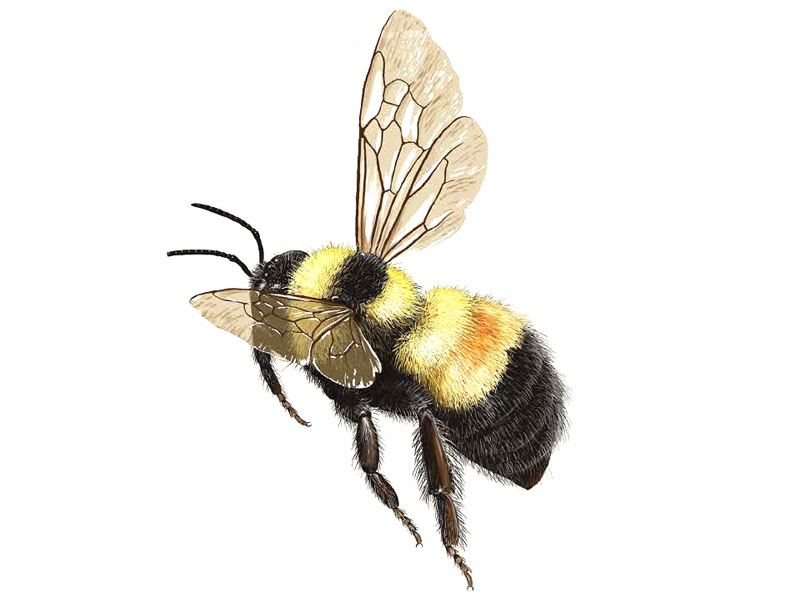
    Die US-Behörden haben zum ersten Mal eine Hummelart auf die Liste der bedrohten Tiere gesetzt. Die einstmals in Nordamerika weitverbreitete Rostbraungefleckte Hummel (Bombus affinis) sei inzwischen aus 87 Prozent ihres ursprünglichen Verbreitungsgebiets verschwunden und drohe auszusterben, begründete die US-Naturschutzbehörde USFWS die Maßnahme. Sie tritt im Februar in Kraft. Nach Angaben der Naturschutzbehörde war die Hummelart in den 1990er-Jahren noch in 28 Bundesstaaten weitverbreitet. Inzwischen sei sie nur noch in “verstreuten Populationen” in 13 Bundesstaaten und einer Provinz anzutreffen. Nach Angaben von Experten sind diese Hummeln aber wichtig, weil sie für die Agrarwirtschaft wichtiges Gemüse und Früchte bestäuben.
    Quelle: n-tv, 12.01.17
    http://www.n-tv.de/wissen/Hummel-in-den-USA-vom-Aussterben-bedroht-article19530621.html

  • Zwischenergebnis der „Stunde der Wintervögel“: die Hälfte der Kleiber und Schwanzmeisen fehlt

    Zwischenergebnis der „Stunde der Wintervögel“: die Hälfte der Kleiber und Schwanzmeisen fehlt

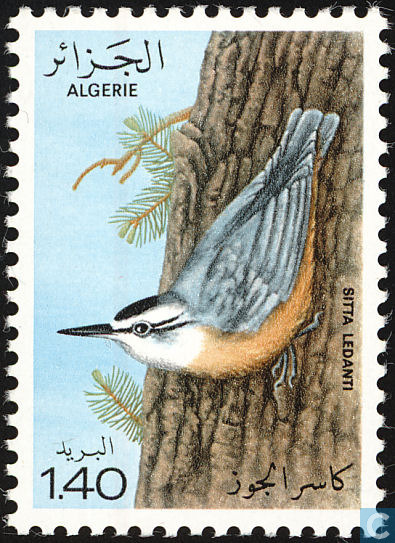
    Die siebte bundesweite „Stunde der Wintervögel“ steuert auf einen neuen Teilnahmerekord zu: Bis zum heutigen Dienstag sind bereits Meldungen von deutschlandweit mehr als 89.000 Vogelfreundinnen und Vogelfreunden aus über 58.000 Gärten beim NABU und seinem bayerischen Partner LBV eingegangen. Weniger erfreulich sind die Zählergebnisse. Wie schon im Vorfeld befürchtet, fehlt ein Teil der sonst in den Gärten zu beobachtenden Wintervögel: Statt der knapp 42 Vogelindividuen pro Garten im langjährigen Mittel wurden in diesem Jahr nur 34 Vögel pro Garten gemeldet – ein Rückgang von 20 Prozent. Besonders deutlich wird dies bei allen sechs heimischen Meisenarten: Die häufigen Kohl- und Blaumeisen sind in diesem Winter um ein Drittel weniger, die selteneren Tannen-, Hauben-, Sumpf- und Weidenmeisen jeweils nur etwa halb so oft gesehen worden wie im Vorjahr. Auch die Hälfte der Kleiber und Schwanzmeisen fehlt. Die Winterbestände der Finkenarten Kernbeißer (minus 61 Prozent zum Vorjahr) und Erlenzeisig (minus 74 Prozent) sind dagegen lediglich nach ihren Höhenflügen im vergangenen Winter auf Normalmaß geschrumpft.

    Quelle: NABU, 10.01.17
    https://www.nabu.de/news/2017/01/21802.html

  • Jan Koppert wees de weg naar agro-ecologische transitie in de landbouw

    Jan Koppert wees de weg naar agro-ecologische transitie in de landbouw

    Door het toenemende belang van voedselveiligheid en duurzame landbouw neemt ook in de buitenteelt het gebruik van biologische gewasbescherming toe. Dat stelt het Nederlandse familiebedrijf Koppert Biological Systems, dat dit jaar zijn vijftigjarig bestaan viert. Grondlegger Jan Koppert begon in 1967 met één beestje, de roofmijt, voor de bestrijding van een plaag in de komkommerteelt. In vijftig jaar is het bedrijf uitgegroeid van een klein pionierend bedrijf met vier werknemers tot een multinational met een jaaromzet van 190 miljoen euro en 1200 medewerkers in 26 landen, waaronder China, Brazilië, de VS en Rusland.

    ”Het gebruik van chemische gewasbescherming kan in de buitenteelt fors omlaag, stelt het bedrijf. ,,Wereldwijd komt er steeds meer vraag naar kwalitatief goed en veilig voedsel, ” zegt Henri Oosthoek, directeur van Koppert. “We moeten naar een land- en tuinbouw die niet met de natuur in strijd is, maar juist met de natuur samenwerkt. Met als uitkomsten meer, beter en veiliger voedsel en minder druk op het milieu. Daar proberen wij elke dag aan bij te dragen.” Koppert wil een grote rol spelen in meer duurzame landbouw, wereldwijd het debat aanjagen en daar een opinieleider in zijn.

    ,,Kunstmest en chemische gewasbescherming zijn te dominant aanwezig geweest in de afgelopen jaren, waardoor het bodemleven is aangetast. Dat moet anders en daar kunnen ook schimmels en bacteriën een grote bijdrage aan leveren,” stelt directeur Paul Koppert. ,,Micro-organismen zijn lang onderschat geweest. Ze kunnen niet alleen bescherming bieden tegen ziektes en plagen, maar ook de bodem gezonder en voedselrijker maken, zodat het gebruik van kunstmest fors kan afnemen. Dat is een belangrijke factor in de toekomstige land- en tuinbouw.

    Bron: Duurzaam Nieuws, 12-01-17
    http://www.duurzaamnieuws.nl/gebruik-pesticiden-daalt-fors-dankzij-biologische-gewasbescherming/

  • Starling flocks are disappearing, Christmas Bird Count numbers show

    Starling flocks are disappearing, Christmas Bird Count numbers show

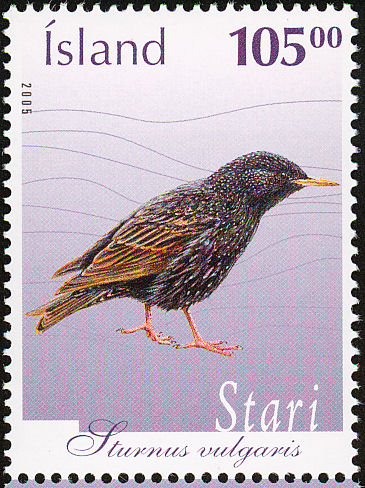
    Birders across the city reported seeing fewer starlings — and pretty much every other bird — during the 96th Christmas Bird Count. Dozens of bird lovers flocked together across the city on Boxing Day for the annual tally put on by the Hamilton Naturalists’ Club, and noticed a consistent decrease in populations all around. “We might have close to the 30,000 we had last year as this trend continues, perhaps even less,” said Rob Porter, head of field events with the Hamilton Naturalists’ Club and Digital Naturalist. “It’s a single snapshot in a single day of a single year,” said Porter. “But there has definitely been a trend in fewer species every year for a while now.” This year, the big surprise was a serious decline in Hamilton’s starling (Sturnus vulgaris) population. The invasive species, which in the 1980s or 90s used to be tens of thousands strong here, has been in serious decline. “The flocks aren’t really around anymore,” said Porter, though the answer why is unclear.
    Source: CBC, December 27, 2016
    http://www.cbc.ca/news/canada/hamilton/starling-flocks-are-disappearing-christmas-bird-count-numbers-show-1.3913382

  • Blackbirds are falling from the sky

    Blackbirds are falling from the sky

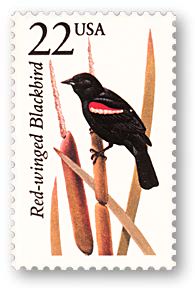
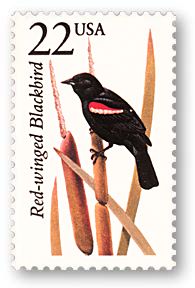
    Just before the new year, drivers on Route 22 were disturbed to see dozens of blackbirds that seemed to fall from the sky and onto the highway. Helpless and hobbled, the birds that didn’t die immediately were unable to get out of the way of oncoming traffic and dozens were killed, according to witnesses. Roughly 200 red-winged blackbirds (Agelaius phoeniceus) tumbled out of the sky in Stow Creek Township, N.J., a few days before Thanksgiving. And on New Year’s Eve 2010, about 5,000 blackbirds fell from the sky over Beebe, Ark., hitting some people.

    The red-winged blackbird is omnivorous. It feeds primarily on plant materials, including seeds from weeds and waste grain such as corn and rice, but about a quarter of its diet consists of insects and other small animals, and considerably more so during breeding season. It prefers insects, such as dragonflies, damselflies, butterflies, moths, and flies, but also consumes snails, frogs, eggs, carrion, worms, spiders, mollusks. The red-winged blackbird forages for insects by picking them from plants, or by catching them in flight. In season, it eats blueberries, blackberries, and other fruit. These birds can be lured to backyard bird feeders by bread and seed mixtures and suet. In late summer and in autumn, the red-winged blackbird will feed in open fields, mixed with grackles, cowbirds, and starlings in flocks which can number in the thousands.
    Sources: The Morning Call, January 13, 2017
    http://www.mcall.com/news/mc-birds-fall-from-sky-folo-20170103-story.html
    Wikipedia
    https://en.wikipedia.org/wiki/Red-winged_blackbird

  • Stow Creek bird deaths are probably linked to ingestion of imidacloprid-coated wheat seeds

    Stow Creek bird deaths are probably linked to ingestion of imidacloprid-coated wheat seeds

    At least 200 mostly red-winged blackbirds (Agelaius phoeniceus) died in November in the rural area near Bridgeton, New Jersey, and some were seen flying in a disoriented manner. The state is performing additional tests on the blackbirds that died to see whether the insecticide imidacloprid killed them. Several of the birds that were examined had wheat seeds in their digestive tracts. Wheat seed coated with imidacloprid is believed to have been used in the area around the time of the deaths, according to the state Department of Environmental Protection (DEP). Seeds treated with imidacloprid are supposed to be fully tilled into soil and any excess treated seed or spilled seed in areas accessible to wildlife should be quickly cleaned up or buried to prevent ingestion. “Imidacloprid can cause disorientation and gastrointestinal distress in blackbirds,” the DEP said in a statement Tuesday. While use of the coated seed is not regulated, DEP spokesman Larry Hajna said it is important that anyone using it follow the manufacturer’s instructions carefully.
    Source: Press of Atlantic City, January 4, 2017
    http://www.pressofatlanticcity.com/news/stow-creek-bird-deaths-may-be-linked-to-insecticide/article_229a2fb9-fe61-53ab-a92b-f3d9a0250091.html

  • England’s water voles in desperate decline

    England’s water voles in desperate decline

    English waterways could lose one of their most charismatic and once widespread residents as water voles succumb to the invasive American mink, records released by the Canal and River Trust show.
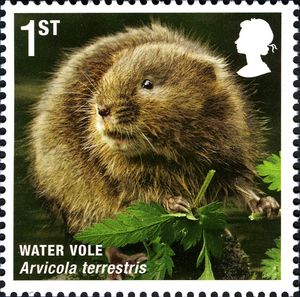
    Between 1970 and 1999, water voles were found on 269 of the 2,000 miles of waterways managed by the trust. But since the turn of the century, their range dropped by almost 50% to 141 miles. Mark Robinson, national ecologist for the Canal and River Trust, said the numbers told of a species in desperate decline. “I very rarely hear good news about water voles. Whether extinction [from England] will occur or whether we will turn the tide I don’t know, but I think it’s certainly in the balance,” he said. The introduction of the American mink, which have escaped from fur farms in Britain since the 1920s, has been the single greatest driver of decline. Mink are voracious predators and will hunt voles. “That has driven whole river systems to a complete population crash,” said Darren Tansley, a wildlife officer with Essex Wildlife Trust. “The possibility [that they will become extinct in England] is there if nothing is done to control mink.”

    The development of river banks and water pollution has added to the pressure on one of Britain’s most endangered mammals. The industrialisation of river systems during the 1970s and 1980s destroyed the banks where voles make their burrows. Tansley said although the Canal and River Trust’s numbers were based on ad hoc observations not scientific surveys, they were consistent with the observed decline in all English waterways. Water vole (Arvicola terrestris) populations are very difficult to estimate, but Tansley said the natural population of tens of millions had now almost certainly dropped below one million.

    All counties have suffered “dramatic declines”. A survey in Essex in 2006 found most main rivers “utterly devoid of water voles”. The animal is now extinct in Cornwall. Across the country water voles cling on in isolated pockets, coastal marshes and backwaters where the mink has not found its way. In Scotland water voles have fared better by behaving differently to their English cousins, often living on land and thus avoiding the mink invaders.

    Source: The Guardian, 11 May 2015
    https://www.theguardian.com/environment/2015/may/11/englands-water-voles-in-desperate-decline

  • Rusty patched bumblebee population plunged nearly 90% since the late 1990s

    Rusty patched bumblebee population plunged nearly 90% since the late 1990s

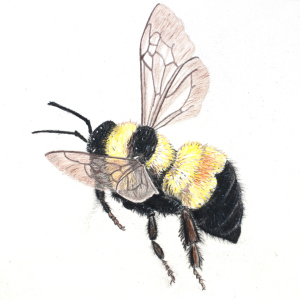
    The rusty patched bumblebee, a prized but vanishing pollinator once familiar to much of North America, was listed on Tuesday as an endangered species, becoming the first wild bee in the continental United States to gain such federal protection. One of several species facing sharp declines, the bumblebee known to scientists as Bombus affinis has plunged nearly 90% in abundance and distribution since the late 1990s, according to the US Fish and Wildlife Service. The agency listed the insect after determining it to be in danger of extinction across all or portions of its range, attributing its decline to a mix of factors, including disease, pesticides, climate change and habitat loss.

    Named for the conspicuous reddish blotch on its abdomen, the rusty patched bumblebee once flourished across 28 states, primarily in the upper Midwest and Northeast – from South Dakota to Connecticut – and in the Canadian provinces of Ontario and Quebec. Today, only a few small, scattered populations remain in 13 states and Ontario, the Fish and Wildlife Service said.

    The agency in September listed seven varieties of yellow-faced, or masked, bees in Hawaii as endangered. But Bombus affinis is the first bumblebee species to given that status, and the first wild bee of any kind to be listed in the Lower 48 states.

    Bumblebees, as distinguished from domesticated honeybees, are essential pollinators of wildflowers and about a third of all US crops, from blueberries to tomatoes, according to the Xerces Society for Invertebrate Conservation, which petitioned the government for protection of the insect. Pollination services furnished by various insects in the United States, mostly by bees, have been valued at an estimated $3bn each year. Government scientists point to a certain class of pesticides called neonicotinoids – widely used on crops, lawns, gardens and forests – as posing a particular threat to bees because they are absorbed into a plant’s entire system, including leaf tissue, nectar and pollen.
    Bumblebee populations may be especially vulnerable to pesticides applied early in the year because for one month an entire colony depends on the success of a solitary queen that emerges from winter dormancy, the wildlife service said.

    Listing under the Endangered Species Act generally restricts activities known to harm the creature in question and requires the government to prepare a recovery plan. It also raises awareness and helps focus conservation planning for the imperiled species.

    Source: The Guardian,