Auteur: Henk Tennekes

  • Frank Berendse (WUR) beschrijft de ramp op het boerenland die Henk Tennekes in 2010 voorspelde

    Frank Berendse (WUR) beschrijft de ramp op het boerenland die Henk Tennekes in 2010 voorspelde

    Op het boerenland in heel West-Europa voltrekt zich een drama waarvan het einde nog niet in zicht is. Sinds 1960 is in Nederland driekwart van de broedvogels op het boerenland verdwenen, terwijl sinds de jaren 80 op veel plekken in West-Europa de hoeveelheid insecten met 80 tot 90 procent is afgenomen. De weilanden vol pinksterbloem, veldzuring en boterbloem zijn verdwenen en in Friesland heeft men de term landschapspijn uitgevonden voor het gevoel dat veel mensen hebben bij het steeds lelijker wordende landschap. Oorzaak is de voortgaande intensivering van de landbouw met steeds grotere bedrijven, overvloedig gebruik van landbouwgif en een mestoverschot dat veel te groot is. Het is de hoogste tijd dat het landbouwbeleid in heel Europa het roer radicaal omgooit. Zodat niet alleen de natuur op het boerenland een echte toekomst krijgt, maar er ook gezond voedsel wordt geproduceerd waarmee boeren een normaal inkomen verdienen.

    Direct na de Tweede Wereldoorlog vroeg premier Schermerhorn aan Sicco Mansholt tot zijn kabinet toe te treden en de voedselvoorziening weer op gang te brengen. Dat was hard nodig: er was op dat moment nog voor slechts een week voedsel in Nederland. Het beleid van Mansholt beoogde dan ook de landbouwproductie in sneltreinvaart omhoog te brengen en de voedselprijzen te verlagen. Dat leidde in Europa tot massale financiële steun aan boeren, direct gekoppeld aan de hoeveelheid die werd geproduceerd. Maar de tijden veranderen. De overschotten die uiteindelijk het resultaat waren van dit beleid, werden doorgedraaid of gedumpt op de wereldmarkt en stelden zo ook de boeren buiten Europa voor ernstige problemen. In de eerste tijd besteedde de EU zo’n 70 procent van haar totale budget aan de steun aan boeren. Inmiddels is dat 40 procent, en als gevolg van de hoge kosten van het immigratiebeleid en het vertrek van de Britten uit de EU, zal dat percentage nog veel verder moeten dalen.

    Auteur: Frank Berendse in de Volkskrant van 31-1-17
    Frank Berendse is hoogleraar natuurbeheer aan de Wageningen Universiteit.
    http://www.volkskrant.nl/opinie/maak-kiloknaller-extreem-duur-om-landbouw-en-natuur-te-redden~a4455587/

  • Fewer birds seen in Mindoro Lake in the Philippines

    Fewer birds seen in Mindoro Lake in the Philippines

    Fewer migratory birds visited the Naujan Lake National Park in Naujan town in Oriental Mindoro province last month, a recent bird census showed. From 10,821 birds recorded in 2016, only 6,932 from 36 species were recorded during the survey held last month by the NLNP-Asian Waterbird Census (AWC) team. “The cause of this decline is not yet clear but it could be due to several factors, including the unfavorable weather conditions over the past weeks,” Don Geoff Tabaranza, project development and resource manager of the Mindoro Biodiversity Conservation Foundation Inc. (MBCFI), said in an email to the Inquirer. Tabaranza said water level during the survey on Jan. 20 was high, inundating marshes and agricultural fields.Tufted ducks (Aythya fuligula) comprised the biggest population of migratory birds in the lake, representing 70 percent of the total count during the survey, according to a report of the survey team composed. This was followed by whiskered terns (Chlidonias hybrida), at 20 percent. The team was composed of park rangers, technical personnel of the Department of Environment and Natural Resources in Mimaropa (Mindoro, Marinduque, Romblon and Palawan) region, MBCFI biologists and volunteer students. An evaluation by the International Union for the Conservation of Nature classifies tufted ducks and whiskered terns as being of “least concern,” due to these species’ large range and population sizes, and stable or fluctuating population trend. The global organization Wetlands International, on its website, said thousands of volunteers across Asia and Australasia (a region of Oceania comprising Australia, New Zealand, New Guinea and neighboring islands in the Pacific Ocean) visit wetlands in their country and count water birds every January. The AWC, it said, was initiated in 1987 in the Indian subcontinent and grew rapidly to cover Asia (from Afghanistan to Japan), Southeast Asia and Australasia. Tabaranza urged local officials to protect the 8,125-hectare Naujan Lake through monitoring by the Bantay Lawa (lake watch) to curb illegal activities in the lake and its surrounding areas. “We also encourage residents around the lake to practice sustainable agriculture and proper waste management to reduce pollution from agricultural and domestic wastes,” he said.

    Read more: http://newsinfo.inquirer.net/869241/fewer-birds-seen-in-mindoro-lake#ixzz4Y54O6wZb
    Follow us: @inquirerdotnet on Twitter | inquirerdotnet on Facebook

  • Drie belangrijke Spaanse wetlands zijn in gevaar

    Drie belangrijke Spaanse wetlands zijn in gevaar

    Spanje is het derde land met het grootste aantal wetlands van internationaal belang. Volgens de organisatie SEO/Birdlife bevinden drie van die wetlands zich in serieus gevaar en op een punt waarop geen ommekeer meer mogelijk is. De drie Spaanse wetlands die ernstig in hun voortbestaan als zodanig worden bedreigd zijn Doñana in de regio Andalusië, de Ebro-delta in Tarragona en l’Albufera in Valencia. In deze wetlands leeft 25 procent van de in Spanje bekende watervogelsoorten. Bovendien is een gebied als Doñana van onschatbare waarde voor honderdduizenden trekvogels die hier jaarlijks komen foerageren of broeden. Sinds 1900 is 64 procent van de wetlands van de planeet verdwenen. Dit percentage is 87 procent als men rekent sinds 1700.

    Bron: INSpanje, 02-02-17
    http://inspanje.nl/algemeen/9451/world-wetland-day-drie-belangrijke-spaanse-wetlands-in-gevaar/

  • Endokrine Disruptoren – Pestizidhersteller drängen die Kommission auf einen risikobasierten Ansatz

    Endokrine Disruptoren – Pestizidhersteller drängen die Kommission auf einen risikobasierten Ansatz

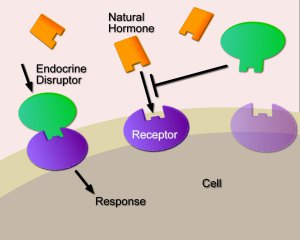
    Diethylstilbestrol oder DES. Die 1938 erstmalig synthetisierte nicht-steroidale Verbindung war das erste künstliche Estrogen und wird als endokriner Disruptor eingestuft. Von 1940 bis 1971 wurde es Millionen von schwangeren Frauen verabreicht, um Komplikationen im Schwangerschaftsverlauf zu verhindern, obwohl sich schon in den 1950er Jahren Anzeichen seiner weitgehenden Wirkungslosigkeit für diese Aufgabe häuften – mit Folgen für die behandelten Frauen. Die Substanz kam außerdem bei der Hormontherapie des Prostatakarzinoms und als Mastbeschleuniger in der Viehzucht zum Einsatz.

    In den 1990er Jahren prüfte die Europäische Kommission, ob endokrine Disruptoren ähnlich wie andere Gefahrstoffe reguliert werden sollten, unabhängig von der zu erwartenden Konzentration in der Umwelt. Dieser von Umweltwissenschaftlern favorisierte “gefährlichkeitsbasierte” Ansatz wurde unter anderem in der europäischen Stoff-Regulierung für Pflanzenschutzmittel festgeschrieben. Doch vor dem Hintergrund der Einflussnahme großer internationaler Agrarexporteure und der Pestizidhersteller drängt die Kommission auf einen stärker risikobasierten Ansatz.

    Der Streit um die Einführung wissenschaftlich gesicherter Kriterien, die definieren, was unter einem endokrinen Disruptor im regulatorischen Kontext zu verstehen ist, findet vor dem Hintergrund starker wirtschaftlicher Interessen statt. Zum Beispiel die der Pestizidhersteller.

    2009 hatte das Europäische Parlament für eine neue Pestizidregulierung gestimmt: Pestizide, die von vornherein als ED definiert würden, sollten nicht mehr auf den Markt kommen oder in Umlauf bleiben können, es sei denn, die Exposition bliebe vernachlässigbar.

    Dieser gefahrenbasierte Ansatz der Pestizidregulierung führte zu Spannungen mit internationalen Handelspartnern, die weiterhin ihre Agrarerzeugnisse in die EU exportieren wollen und nun aufgrund möglicher Rückstände dann nicht mehr zugelassener Substanzen Einbußen befürchten, allen voran die USA. Die sieht einen eklatanten Widerspruch zur dort praktizierten Risikobewertung und hat mittlerweile eine lose Gemeinschaft von mehr als 20 Ländern um sich geschart, darunter China. Auf verschiedenen Kanälen finden Versuche der Einflussnahme statt, zum Beispiel über das Komitee für technische Handelshemmnisse der Welthandelsorganisation WTO. Mittlerweile drängt die EU-Kommission in ihrem Vorschlag auf einen stärker risikobasierten Ansatz der Pestizidregulierung. Sie hat den ursprünglichen Text abgeändert: Nun sei es ausreichend, das Risiko von Fall zu Fall zu bewerten, falls Probleme nach der Markteinführung aufträten.

    Das entspricht einer Abkehr vom Vorsorgeprinzip, das eine tragende Säule der europäischen Umweltpolitik ist und nach dem Belastungen oder Schäden für Umwelt und Gesundheit von vornherein zu vermeiden oder weitestgehend zu verringern sind. Dieses Prinzip kollidiert mit den Auffassungen zur Regulierung von Chemikalien in Nordamerika: dort werden Substanzen erst dann reguliert, wenn ihre Schädlichkeit für Umwelt und Gesundheit durch wissenschaftliche Studien zweifelsfrei bewiesen werden.

    Diese unterschiedliche Sichtweise war und ist ein Streitpunkt bei den Verhandlungen zu TTIP und CETA. Kritiker befürchten die Aushebelung des Vorsorgeprinzips, das auf dem Altar des Freihandels geopfert werden soll.

    Die grundlegende Wandlung in der Philosophie der Risikobewertung von Chemikalien geht einigen EU-Parlamentariern zu weit, die damit die Befugnisse der Kommission eindeutig überschritten sehen. Fast sähe es so aus, als hätte die Kommission die Initiative ergriffen, um eine Durchführungsverordnung zu entwerfen, die mit der Absicht der gewählten Volksvertreter nichts mehr gemein hätte. Kritiker sehen in der Textänderung die Schaffung einer Hintertür, durch die hindurch mittels fortgesetzten Einsatzes von Pestiziden mit ED-Potential der Schutz von Gesundheit und Umwelt unterlaufen werden könnte. Dabei war die EU-Kommission Anfang 2013 noch auf einem anderen Weg. Die Generaldirektion Umwelt hatte gerade ihre gewählte Option vorgestellt, nach der in Frage kommende Substanzen als “verdächtigte” oder “bekannte” ED kategorisiert werden sollten – eine Option, die von wissenschaftlicher Seite befürwortet wurde. Die Industrie war strikt dagegen. Lobbyisten der US-Pestizidhersteller schlugen nun vor, diesen Vorschlag mithilfe der WTO-Regeln zu attackieren.

    Der Vorschlag der Generaldirektion Umwelt wurde im Juli 2013 begraben, doch auch der als industriefreundlich geltende Vorschlag der EU-Kommission vom Juni 2016 fand weder bei der Industrie noch bei der WTO Gefallen.

    Kurz vor Weihnachten 2016 überraschte der neue Vorschlag der EU-Kommission mit einem neuen Detail: Pestizide, die die Häutung von Insekten oder das Wachstum von Pflanzen beeinflussen, seien extra dafür konzipiert worden und sollten deshalb am Markt bleiben können. Die vorgeschlagene Ausnahmeregelung beruht auf einer alten Forderung der Hersteller von BASF, Bayer und Syngenta und beträfe 15 Insektizide und eine Handvoll Herbizide, darunter 2,4-D, insgesamt mit einer Herstellungsmenge von 8700 Tonnen pro Jahr. Kritiker bemängeln am neuen Vorschlag, dass nach wie vor eine zu hohe Beweislast eingefordert wird, um eine Chemikalie als ED identifizieren zu können: Substanzen sollen nur dann als endokrine Disruptoren eingestuft werden, wenn Beweise auf schädigende Wirkungen bei Menschen und Wildtieren vorliegen – eine beispiellose Beweislast, die höher ist als bei Chemikalien, die im Verdacht stehen, Krebs zu verursachen.

    Und nach wie vor bestehe die Kommission auf einer Änderung von “vernachlässigbarer Exposition” zu “vernachlässigbarem Risiko” – die Kommission führt wissenschaftliche Gründe ins Feld, doch die Einführung eines neuen Regulierungsprozesses ist vor allem eine politische Entscheidung. Aufgrund des Widerstands vieler Mitgliedsstaaten hat die EU-Kommission den neuen Vorschlag nicht zur Abstimmung vorgelegt. Weitere Vorschläge werden folgen.

    Quelle: TELEPOLIS, 02.02.17
    https://www.heise.de/tp/features/Endokrine-Disruptoren-3608547.html

  • Fishermen blame pollution for Lake Victoria fish decline

    Fishermen blame pollution for Lake Victoria fish decline

    Fishermen in Lake Victoria have expressed concerns over a possible extinction of the Tilapia Species due to high levels of pollution in the lake. They said that a catch on the species has been on a steady decline as various institutions around the lake continue to release untreated waste into the lake. The fishermen in Kisumu and Kendu Bay told the Standard that in the past few months, pollution on the Lake has been on an increase. They noted pollution always threaten the Tilapia species which swims to other regions in search of clean water. John Okello, a fisherman at Dunga beach said that in the recent past, their fishing ventures have resulted in very few Tilapia. He noted that despite the decline in fish stocks in Lake Victoria, Tilapia species has been the most affected with many fishermen now focusing on other species. “Most of our ventures have been futile because the lake is polluted and Tilapia prefers clean water,” said Okello. The fisherman noted that many people are being forced out of the trade because of the dwindling fish stocks. “We are going through hard times because some of us end up catching only a single fish after setting their fish traps,” he said. Charles Okello, another fisherman said that in most cases a lot of physical waste including plastics and polythene papers are normally caught up in their fishing nets. As a result, he noted, many fishermen have been forced to hike the prices of the fish they get with some going up to 1500 or more depending on their sizes. Last year, investigations by the Standard revealed that fish especially Tilapia is now being imported into the region from China as a result of the dwindling stocks

    Read more at: https://www.standardmedia.co.ke/business/article/2000229259/fishermen-blame-pollution-for-lake-victoria-fish-decline

  • So wenige Vögel wie in diesem Winter hatten wir schon lange nicht mehr

    So wenige Vögel wie in diesem Winter hatten wir schon lange nicht mehr

    Schon im Dezember gab es Hinweise darauf, dass die Anzahl der Vögel in den Gärten oder an Futterhäusern immer mehr abnimmt. Dass dort und in den Parks der Städte bisweilen Stille herrsche. Der Naturschutzbund Deutschland (Nabu) hatte die Botschaft damals versendet und gleich auch ein Angebot gemacht: Vom 6. bis 8. Januar hatten Vogelbeobachter zum siebten Mal die Möglichkeit, 60 Minuten lang die Vögel zu zählen, die sie beobachten konnten. Jetzt liegen die Ergebnisse der gemeldeten Daten der „Stunde der Wintervögel“ vor – und sie bestätigen im Februar den Trend vom Dezember.

    Das Ergebnis: 17 Prozent weniger Tiere

    „So wenige Vögel wie in diesem Winter hatten wir schon lange nicht mehr“, sagt Nabu-Bundesgeschäftsführer Leif Miller zu den vorliegenden Zahlen. In diesem Januar beobachteten die ehrenamtlichen Zähler durchschnittlich 17 Prozent weniger Tiere als in den Jahren zuvor.
    Die Zahlen seien durchaus belastbar, findet Nabu-Ornithologe Heinz Kowalski. Das ergebe sich allein durch die große Masse der zählenden Teilnehmer. Außerdem kenne die gemeldeten Arten jeder Beobachter, „da kann dann auch nichts falsch sein“.
    In 81 286 Gärten wurden fast 2,8 Millionen Vögel gezählt. Insgesamt 120 118 Vogelzähler haben mitgemacht – „ein absoluter Rekordwert“, melden der Nabu und sein bayerischer Partner, der Landesbund für Vogelschutz. Am häufigsten registriert wurde wieder der Haussperling, ein Dauerspitzenreiter in dieser Rangliste, knapp sechs Exemplare pro Garten konnten ermittelt werden, macht über 450 000 gesehene Spatzen insgesamt – sechs Prozent weniger als 2016. Von Rang fünf auf zwei flog die Amsel nach vorn, nach einer Steigerung um 20 Prozent. Aufs Podium schaffte es zudem die Kohlmeise, wenngleich ihr Bestand dieser Zählung zufolge um 34 Prozent abnahm.

    Die Situation in NRW

    In Nordrhein-Westfalen beteiligten sich 22 484 Freiwillige, verteilt auf über 15 500 Gärten, an der Zählung mit identischer Reihenfolge wie im Bund: Haussperling (minus acht Prozent) vor Amsel (plus 17 Prozent) und Kohlmeise (minus 46 Prozent). Der Haussperling hat in NRW diesmal die Kohlmeise auf Rang drei verdrängt.

    Quelle: Kölner Stadt Anzeiger, 02.02.17
    http://www.ksta.de/25662398

  • As Trump’s EPA Takes Shape, Here’s Your Pesticide Cheat Sheet

    As Trump’s EPA Takes Shape, Here’s Your Pesticide Cheat Sheet

    In the final weeks and months of the Obama administration, the Environmental Protection Agency’s Office of Pesticide Programs issued a flurry of reports on some of the country’s most widely used pesticides. Decisions made on the basis of these environmental and health assessments will likely determine the level of pesticide residue allowed on the food we eat. They will affect children’s neurological health and development, particularly in agricultural communities. They will determine how farmworkers are protected from pesticide exposures. And they will affect the fate of threatened and endangered species across the country. So, the stakes are high.

    While scores of different pesticides—herbicides, insecticides, and fungicides—are used on U.S. food crops, the five the EPA is now reviewing are the ones to watch: atrazine, chlorpyrifos, glyphosate, malathion, and the insecticides known as neonicotinoids.

    Between them, these pesticides are used throughout the United States. All but malathion and two of the five neonicotinoids now under review are used in every one of the lower 48 states. All have environmental and health effects that raise serious concerns—enough so that some are banned or severely restricted in the European Union. These pesticides are also all used on some of the most commonly eaten and popular produce, including apples, cucumbers, grapes, kale, spinach, strawberries, and tomatoes, all of which appear on the Environmental Working Group’s (EWG) 2016 “Dirty Dozen” list.

    Below we recap the state of play for each of these five pesticides.

    Atrazine

    Where it’s used: Atrazine, considered the second most widely used pesticide in the U.S., is applied mostly to corn in the Midwest and sugarcane in the South.

    Health and environmental impacts: It has been linked to adverse developmental, hormonal, and reproductive effects, and potentially to certain cancers. Atrazine easily runs off fields, contaminates groundwater, surface and rain water, and is one of the pesticides most frequently detected in U.S. Geological Survey (USGS) monitoring. “There’s a lot of atrazine in the drinking water in the Midwest,” explained EWG senior analyst Sonya Lunder.

    Legal/regulatory status: The EPA is now in the process of reregistering—or reapproving—atrazine’s use. In June 2016, the agency released a draft ecological risk assessment that concluded heavy atrazine use can pose chronic risks to birds, mammals, fish, amphibians, and aquatic invertebrates (the insects and shellfish that form the base of the food web). It also found that the herbicide is adversely impacting a wide array of plants it’s not supposed to be harming. Or, as the Center for Biological Diversity (CBD) summed it up, the “atrazine that’s released into the environment in the United States is likely harming most species of plants and animals.”

    The EPA is also now evaluating atrazine’s—and also glyphosate’s—impacts on endangered species, an action that follows a legal settlement with CBD.

    What’s next: The EPA’s Scientific Advisory board is due to review the draft ecological risk assessment sometime this year, with any new atrazine restrictions to follow. This decision, Lunder said, will be “incredibly-high profile, as it will affect a lot of people.”

    Chlorpyrifos

    Where it’s used: Chlorpyrifos is used on corn and many fruit and vegetable crops, as well as in nurseries and greenhouses all across the country. Consequently, it has been found widely in surface water.

    Health and environmental impacts: Chlorpyrifos belongs to the category of insecticides called organophosphates, which kill insects by attacking their nervous systems. But due to concerns about its neurotoxicity, especially to children for whom exposure can cause potentially irreversible changes in the brain, the EPA has been gradually restricting its use.

    However, levels of chlorpyrifos residue measured on produce regularly eaten by women and children were found by the EPA to exceed current safety levels by “up to 14,000 percent,” said Natural Resources Defense Council (NRDC) scientists Miriam Rotkin-Ellman and Veena Singla. Current research also shows “that children’s health effects are happening at lower levels than adult exposure,” added NRDC senior scientist Jennifer Sass.

    Legal/regulatory status: Chlorpyrifos is no longer allowed by homeowners, or on farms growing tomatoes—and use on apples, citrus, and nut trees has been curtailed. In October 2015, due to ongoing concerns about its neurotoxicity, the EPA proposed eliminating chlorpyrifos use on all food crops—and gathered public comment on the proposal.

    What’s next: The EPA is due to finalize this decision by March 31, 2017—a court-ordered deadline resulting from litigation by NRDC and Pesticide Action Network North America (PANNA). But especially with new leadership on the way at the agency, PANNA’s organizing director and policy advocate Paul Towers says he’s “concerned that EPA won’t actually follow the science and actually ban it.”

    Glyphosate

    Where it’s used: Glyphosate (AKA Roundup) is considered the most widely used pesticide in the U.S. and around the world. Nearly all the corn and soy grown in the U.S. is now treated with glyphosate. It’s also used on wheat, rice, and a variety of fruits and vegetables. Use has approximately doubled in the past 10 years, due largely to corn and soy genetically engineered to resist glyphosate.

    Health and environmental impacts: In 2015, the World Health Organization’s International Agency for Research on Cancer (IARC) classified glyphosate as a probable human carcinogen. Glyphosate has also been linked to hormone disruption, antibiotics resistance, and other adverse health effects, and it has been found in water sources across the U.S. Given glyphosate’s importance to the agricultural chemical industry, discussion of the herbicide’s health effects has become controversial, even contentious.

    Legal/regulatory status: The EPA is now in the process of re-approving glyphosate’s use and assessing its potential to cause cancer. In September 2016, the EPA released a report that—unlike IARC—concluded glyphosate was unlikely to be a human carcinogen.

    Adding to the debate, California has proposed adding glyphosate to the list of chemicals the state considers carcinogenic—a move that would require cancer warning labels on all glyphosate products. Monsanto, the world’s leading glyphosate producer, sued to stop this, but a California court has ruled the state can proceed.

    What’s next: An EPA Scientific Advisory Panel met in December to review this report. The EPA’s draft assessment of glyphosate, which will include that panel’s conclusion and precedes any new use restrictions, is due out in the third quarter of 2017.

    Malathion

    Where it’s used: Malathion is used on a wide variety of food crops—and livestock feed—most intensively in California’s Central Valley, Florida, parts of Kansas, and the Pacific Northwest. It’s also used to control mosquitos, such as in the recent efforts to curtail the spread of the zika virus.

    Health and environmental impacts: Like chlorpyrifos, malathion is an organophosphate and neurotoxin. Malathion can be absorbed by the skin as well as inhaled and can adversely affect the digestive, respiratory, nervous, and cardiovascular systems. Malathion has been found in surface water and can also move with air and fog.

    Legal/regulatory status: In September 2016, as part of its malathion reregistration process, the EPA released its draft human health assessment of the pesticide. The agency noted that there’s some evidence to suggest its carcinogenicity, but whether this affects people is not yet known. However, it also added that the current protections required for agricultural workers may be inadequate.

    In comments submitted to the EPA, agricultural trade associations, including CropLife America, Responsible Industry for a Sound Environment, and the California Fresh Fruit Association said the EPA’s assessment is too “conservative” or protective. But PANNA’s Towers strongly disagrees. “We’ve actually advocated for the phase-out of all organophosphates,” he told Civil Eats.

    What’s next: The EPA’s “draft interim” proposal for future malathion use is due out in the third quarter of 2017.

    Neonicotinoids

    Where they’re used: First approved for use in the U.S. in the 1990s, neonicotinoids are now considered the world’s most widely used and fastest growing type of pesticide. Use on U.S. corn and soy has increased ten-fold on the past decade. “Neocics” are also used on wheat, grapes, citrus, and nut orchards, and applied as sprays and seed treatments. The use of some neonicotinoids has doubled or tripled in less than 10 years.

    Health and environmental impacts: Neonics have been implicated in bee die-offs across the country, and while they’re not considered the sole cause of the ongoing decline in pollinators, they are understood to be a significant contributing factor. Their human health impacts have also just begun to be investigated. Researchers have also linked neonicotinoids to declines of numerous bird species.

    These are systemic pesticides, meaning that they stay with the plant as it grows and are present in pollen and other plant parts. USGS has found neonicotinoids in streams across the country, suggesting that they are moving through the environment. Dust from the pesticide seed coatings is also allowing neonicotinoids to spread in problematic ways.

    Legal/regulatory status: The EPA is now reviewing the toxicity of five different neonics. Starting this month, the EPA was due to begin releasing ecological and human health assessments for the same five, but none of the reports have been released. Meanwhile, to protect pollinators, various states including Maryland, Minnesota, and Oregon have restricted neonicotinoid use.

    What Will 2017 Bring?

    It’s not yet clear how the new administration’s rapid, large-scale promises to curtail regulations will affect these and other pesticides but it’s likely they will. When Civil Eats asked the EPA press office on January 30 about the reviews of these five important pesticides the agency provided the following, brief response: “At this time EPA has not made any changes to these chemicals’ schedules.”

    However, President Trump’s recent executive order instructing agencies to repeal two regulations for every new one enacted could affect pesticide rules, said University of Texas School of Law professor Thomas McGarity. When the EPA set pesticide “tolerances” or residue levels, those are rules that could fall victim to the order, he explained.

    However, these are big-ticket items when it comes to affecting food, drinking water, and environmental health, and advocates are already working to keep the spotlight on policies that will impact these and other pesticides.

    “These are preventable exposures, contributors of preventable and long-term harm,” said NRDC’s Sass. “These are things we can do something about because we regulate pesticides,” she says. And she acknowledges, “There are [also] things we [as individuals] can do, including buying as much pesticide-free as you can.”

    Source: Civil Eats, February 2, 2017

    As Trump’s EPA Takes Shape, Here’s Your Pesticide Cheat Sheet
  • Depleted fish stocks and a huge dead zone in the Bay of Bengal signal a tipping point

    Depleted fish stocks and a huge dead zone in the Bay of Bengal signal a tipping point

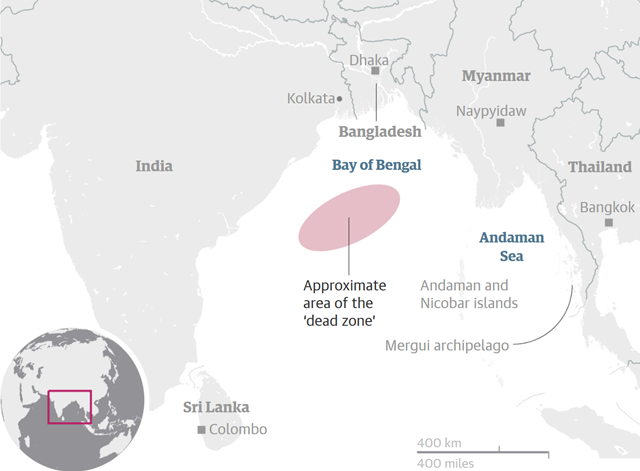
    The Bay of Bengal’s basin contains some of the most populous regions of the earth. No less than a quarter of the world’s population is concentrated in the eight countries that border the bay. Approximately 200 million people live along the Bay of Bengal’s coasts and of these a major proportion are partially or wholly dependent on its fisheries. For the majority of those who depend on it, the Bay of Bengal can provide no more than a meagre living: 61% of India’s fisherfolk already live below the poverty line. Yet the numbers dependent on fisheries are only likely to grow in years to come. In southern India drought and water scarcity have already induced tens of thousands of farmers to join the fishing fleet. Rising sea levels are also likely to drive many displaced people into the fishing industry. But the fisheries of the Bay of Bengal have been under pressure for decades and are now severely depleted. Many once-abundant species have all but disappeared. Particularly badly affected are the species at the top of the food chain. The bay was once feared by sailors for its man-eating sharks; they are now rare in these waters. Other apex predators like grouper, croaker and rays have also been badly hit. Catches now consist mainly of species like sardines, which are at the bottom of the marine food web. Good intentions have played no small part in creating the current situation. In the 1960s, western aid agencies encouraged the growth of trawling in India, so that fishermen could profit from the demand for prawns in foreign markets. This led to a “pink gold rush”, in which prawns were trawled with fine mesh nets that were dragged along the sea floor. But along with hauls of “pink gold” these nets also scooped up whole seafloor ecosystems as well as vulnerable species like turtles, dolphins, sea snakes, rays and sharks. These were once called bycatch, and were largely discarded. Today the collateral damage of the trawling industry is processed and sold to the fast-growing poultry and aquaculture industries of the region. In effect, the processes that sustain the Bay of Bengal’s fisheries are being destroyed in order to produce dirt-cheap chicken feed and fish feed. The aid that flowed in after the massive tsunami of 2004 also had certain unintended consequences. It led to the modernisation and expansion of the small-scale fisheries sector, which generated an illusory boom followed by a bust. In recent decades the governments of the nations that surround the Bay of Bengal have striven to expand and encourage their fisheries. But unfortunately these efforts have often ignored questions of long-term sustainability. Although attempts have been made to regulate fishing in the bay they have been largely ineffective.

    Source: The Guardian, 31 January 2017
    https://www.theguardian.com/environment/2017/jan/31/bay-bengal-depleted-fish-stocks-pollution-climate-change-migration

  • Population of large gulls in Scotland failed to thrive as local fish catch fell

    Population of large gulls in Scotland failed to thrive as local fish catch fell

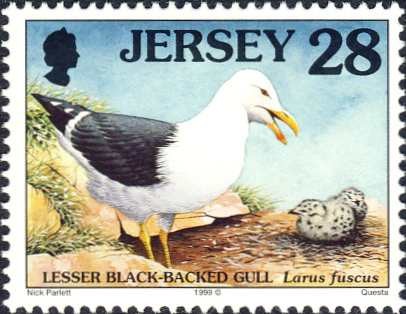
    The research, published in the British Trust for Ornithology (BTO) journal Bird Study, looked at the breeding populations of three species of large gull; Herring Gull (Larus argentatus), Great Black-backed Gull (Larus marinus) and Lesser Black-backed Gull (Larus fuscus) on the Hebridean island of Canna, and the relationship between these gull populations and the fall in the quantity of fish landed in the nearby harbour of Mallaig. Between 1985 and 2000 an annual average of 13,726 tonnes of fish was landed in Mallaig. However, between 2007 and 2014 this had fallen to 4,456 tonnes. This has apparently had a profound effect on the Canna gull population.

    The number of breeding pairs of Herring Gulls peaked at 1,525 in 1988, Great Black-backed Gulls reached 90 pairs around the same time and the highest number of Lesser Black-backed Gulls was recorded at 63 pairs. At the latest count around 130 pairs of gulls bred on Canna in total, comprising of up to 95 pairs of Herring Gulls, 18 pairs of Great Black-backed Gulls and 13 pairs of Lesser Black-backed Gulls. This population decline has also been associated with low breeding success, with only a small number of chicks successfully fledging in more recent years.

    Simon Foster, lead author on the paper, said “The Canna seabird study is one of the longest running annual studies in the world. It is an enormous privilege to be part of the team of highly skilled, dedicated volunteers who have been collecting the data for over 48 years. This has allowed us to track the changing fortunes of seabirds. The gull data are interesting — if you look over a short time period you can see large changes, however over a longer period and using anecdotal information from the 1930s it becomes apparent that Canna gulls may be returning to more normal, albeit lower levels.”

    Dr Viola Ross Smith, gull expert at the BTO, said “Breeding gulls have a bad reputation, especially in urban areas. However, it is worth remembering that all these species are classed as Birds of Conservation Concern, and the Herring Gull is on the Red List. It therefore seems important to identify the causes of population decline in rural colonies such as Canna, and find ways to conserve the birds at these sites, especially since gulls that fail to breed successfully are known to seek breeding opportunities elsewhere, including in towns and cities.”

    Story Source:

    Materials provided by Taylor & Francis Group.

    Journal Reference:

    Simon Foster, Robert L. Swann, Robert W. Furness. Can changes in fishery landings explain long-term population trends in gulls? Bird Study, 2017; 64 (1): 90 DOI: 10.1080/00063657.2016.1274287

    Taylor & Francis Group. “Gull decline on Scottish island linked to decline in fishing discards.” ScienceDaily. ScienceDaily, 1 February 2017.
    https://www.sciencedaily.com/releases/2017/02/170201092726.htm.

  • Neonics have negative effect on hibernating bumblebees

    Neonics have negative effect on hibernating bumblebees

    Using a fully crossed experiment, the influence of dietary exposure to neonicotinoid insecticides (thiamethoxam and clothianidin) and/or the prevalent bumblebee parasite Crithidia bombi on hibernation survival and hibernation weight change of Bombus terrestris bumblebee queens was investigated. Both neonicotinoid and C. bombi exposures reduced hibernation success individually, but no additive or synergistic effects between the stressors were found. Further, effects were asynchronous, with early neonicotinoid effects on hibernation mortality overriding later parasite effects under combined exposures. Neonicotinoid exposure also increased hibernation weight loss of surviving queens. Diapause periods, employed by numerous temperate organisms, are likely to be especially vulnerable to environmental stresses, besides the seasonal challenge for which these periods are an adaptation. Thus, diapause requires inclusion during the consideration of the impacts of such stresses. Accordingly, it is demonstrated here that naturally relevant exposures of pesticides and parasites have important detrimental effects on bumblebees during a critical hibernation period, with potential consequences for populations of these key wild pollinators.
    Source: Fauser A et al. Ecological Entomology (2017), DOI: 10.1111/een.12385