Auteur: Henk Tennekes

  • VN-voedselrapporteur gaat de strijd aan met pesticiden

    VN-voedselrapporteur gaat de strijd aan met pesticiden

    De huidige VN-rapporteur voor het recht op voedsel, Hilal Elver, staat minstens even kritisch tegenover het gebruik van chemische gewasbeschermingsmiddelen als haar voorganger Olivier De Schutter. Zij schreef een rapport over de ongewenste effecten van pesticiden op het milieu en de menselijke gezondheid. Het leest als een aanklacht: “Fabrikanten promoten pesticiden op een agressieve manier en argumenteren dat ze nodig zijn om een groeiende wereldbevolking van voedsel te voorzien. Daarvoor op schadelijke pesticiden rekenen, is een kortetermijnoplossing die het recht op voedsel en gezondheid van de huidige en toekomstige generaties ondermijnt. In ontwikkelingslanden vallen naar schatting ieder jaar 200.000 doden door acute vergiftiging. Voor het ecosysteem hebben pesticiden onvoorspelbare gevolgen.”
    Fabrikanten van gewasbeschermingsmiddelen schermen met de belangrijke bijdrage die ze leveren aan de voedselvoorziening voor een groeiende wereldbevolking en het duurzaam gebruik van hun middelen. Het levert hen weinig krediet op bij Hilal Elver die namens de Verenigde Naties toeziet op het recht op voedsel. Zij laat zich vlijmscherp uit over pesticiden in een rapport dat afgelopen woensdag werd voorgesteld aan de VN-Mensenrechtenraad. Daarin beschuldigt Elver de fabrikanten van agressieve en onethische marketingpraktijken, het systematisch ontkennen van de schadelijke effecten voor mens en milieu en stevig lobbywerk bij overheden.

    De VN-rapporteur vindt het gebruik van schadelijke pesticiden strijdig met het recht op voedsel en gezondheid. “Het bedrijfsleven draagt de verantwoordelijkheid om te verzekeren dat de chemicaliën die zij verkopen geen bedreiging inhouden voor deze mensenrechten. Het ontbreekt aan bewustzijn omtrent de gevaren die bepaalde pesticiden inhouden omdat de industrie erg zijn best doet om de gevaren te minimaliseren en overheden hun bevolking misleiden door te doen alsof de bestaande wetgeving voldoende bescherming biedt. Het gebruik van pesticiden gepast reguleren en schadelijke producten verbieden, is een noodzakelijke stap in de goede richting. Op lange termijn is het opgeven van het industriële landbouwmodel de meest effectieve manier om de blootstelling aan schadelijke chemische stoffen te verminderen.”

    De mondiale markt voor gewasbeschermingsmiddelen is naar schatting 50 miljard dollar waard. Er is veel geld mee verdiend, maar deze middelen lossen de honger in de wereld niet op. “Dat is een fabeltje”, zegt Hilal Elver, “want volgens Wereldvoedselorganisatie FAO zijn we vandaag al in staat om negen miljard mensen te voeden. Landbouw beent de voedselvraag wel bij. De problemen heten armoede, ongelijkheid en voedselverdeling.” De VN-rapporteur argumenteert dat veel pesticiden gebruikt worden in de teelt van landbouwgrondstoffen zoals palmolie en soja, “en dus niet om het voedsel te produceren dat mensen met honger nodig hebben”. De multinationals die de toelevering aan landbouw in handen hebben, zijn volgens Elver niet bezig met het oplossen van de wereldwijde honger. Daar is ze van overtuigd geraakt na bezoeken aan de Filippijnen, Paraguay, Marokko en Polen.

    De blootstelling aan pesticiden heeft naar verluidt een ernstige impact op de rechten van mensen. Het recht op voedsel verplicht staten er volgens Elver toe om de bevolking veilig en kwalitaitief voedsel te garanderen dat vrij is van pesticiden. De mensenrechtenstandaarden die de Verenigde Naties hanteren, verlangen van staten ook dat ze kwetsbare groepen zoals landarbeiders, arme boeren in ontwikkelingslanden, kinderen en zwangere vrouwen behoeden voor de impact van pesticiden. In het rapport wordt verwezen naar een aantal tragische incidenten zoals de 24 Peruaanse schoolkinderen die overleden omdat het erg giftige pesticide parathion verward werd met melkpoeder. In China lieten 39 kleuters het leven na het eten van voedsel dat verontreinigd bleek met TET.

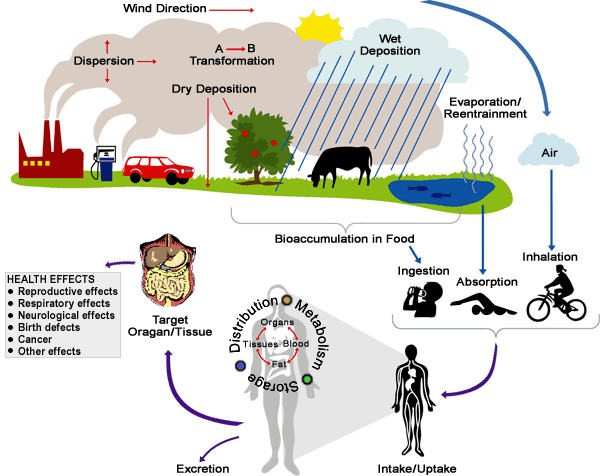
    Behalve over acute vergiftiging maakt Elver zich ook zorgen over de chronische blootstelling aan pesticiden. Precieze cijfers ontbreken maar de VN-rapporteur redeneert dat vrijwel iedereen met pesticiden in aanraking komt via residuen in voedsel, water, contact via de lucht of, in het geval van de gebruikers, rechtstreeks contact door inademing of via de huid. “Pesticiden worden zowel bij lage als hoge blootstelling in verband gebracht met gezondheidsschade, maar het verband aantonen is moeilijk omdat de meeste ziekten meer dan één oorzaak kunnen hebben. Het rapport brengt volgende ziekten in verband met pesticiden: kanker, Alzheimer, Parkinson, hormoonverstoring, ontwikkelingstoornissen, steriliteit en ook neurologische aandoeningen zoals geheugenverlies.

    Hilal Elver werd bij het schrijven van het rapport geruggensteund door Baskut Tuncak, de VN-rapporteur die zich buigt over gifstoffen. De harde taal in het rapport valt op, maar heeft een reden: “Als je hebt over pesticiden, dan krijg je te maken met de fabrikanten. De macht die het bedrijfsleven heeft over regeringen en wetenschappers is extreem groot. Van de ontwikkelingslanden heeft maar één op de drie een wettelijk kader voor gewasbeschermingsmiddelen. Bovendien is de handhaving een probleem.” In plaats van te werken aan een veiliger gebruik van bestrijdingsmiddelen bepleit de VN-rapporteur een meer radicale ommezwaai van de landbouwpraktijken. “Studies hebben aangetoond dat agro-ecologie in staat is om de wereldbevolking te voeden. Ecologische landbouw doet beroep op de biodiversiteit om landbouwgewassen te beschermen, en zet bijvoorbeeld natuurlijke vijanden in tegen schadelijke insecten.”

    Een landbouwmodel dat niet afhankelijk is van dure externe inputs zoals chemische bestrijdingsmiddelen is volgens Elver beter voor de arme, kleine boeren in ontwikkelingslanden. Qua opbrengst per hectare kan een boer die agro-ecologische landbouwpraktijken goed in de vingers heeft zelfs beter doen dan grote industriële landbouwbedrijven. Als VN-rapporteur voor het recht op voedsel is zij er stellig van overtuigd dat het zonder of met een minimaal gebruik van chemicaliën mogelijk moet zijn om gezonder en voedzamer voedsel te produceren en op lange termijn hogere opbrengsten te boeken in de landbouw, zonder de omgeving te vervuilen en natuurlijke hulpbronnen uit te putten.

    Bron: VILT, 09-03-17
    http://www.vilt.be/vn-voedselrapporteur-gaat-de-strijd-aan-met-pesticiden
  • Human health implications of organic food and organic agriculture

    Human health implications of organic food and organic agriculture

    This report reviews the existing scientific evidence regarding the impact of organic food on human health from an EU perspective and the potential contribution of organic management practices to the development of healthy food systems. Very few studies have directly addressed the effect of organic food on human health. They indicate that organic food may reduce the risk of allergic disease and obesity, but this evidence is not conclusive. Consumers of organic food tend to have healthier dietary patterns overall. Animal experiments suggest that identically composed feed from organic or conventional production has different impacts on early development and physiology, but the significance of these findings for human health is unclear. In organic agriculture, the use of pesticides is restricted. Epidemiological studies point to the negative effects of certain insecticides on children’s cognitive development at current levels of exposure. Such risks can be minimised with organic food, especially during pregnancy and in infancy, and by introducing non-pesticidal plant protection in conventional agriculture. There are few known compositional differences between organic and conventional crops. Perhaps most importantly, there are indications that organic crops have a lower cadmium content than conventional crops due to differences in fertiliser usage and soil organic matter, an issue that is highly relevant to human health. Organic milk, and probably also meat, have a higher content of omega-3 fatty acids compared to conventional products, but this is not likely to be nutritionally significant in light of other dietary sources. The prevalent use of antibiotics in conventional animal production is a key driver of antibiotic resistance. The prevention of animal disease and more restrictive use of antibiotics, as practiced in organic production, could minimise this risk, with potentially considerable benefits for public health.

    Source: European Parliament, December 2016
    PE 581.922
    ISBN 978-92-846-0395-4
    doi: 978-92-846-0395-4
    QA-06-16-362-EN-N

  • Rückgang bei Wildbienen bedroht US-Nutzpflanzenproduktion

    Rückgang bei Wildbienen bedroht US-Nutzpflanzenproduktion

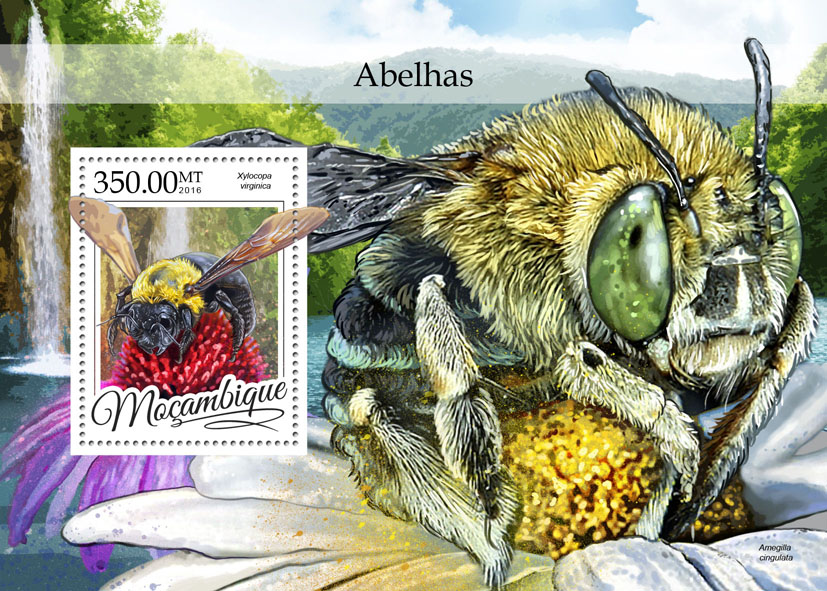
    Eine Studie hat 139 landwirtschaftlich bedeutende Regionen aufgedeckt, die einen besorgniserregenden Unterschied zwischen einer fallenden Wildbienenvielfalt und notwendiger Bestäubungsleistung aufzeigt. Das visualisierte Ergebnis in einer Karte zeigt eindrücklich die Problemzonen. Wenn der Rückgang bei den Wildbienen weiter fortschreitet, wird das US-Ernten beeinträchtigen und damit die Kosten der Landwirte treiben, äußerte sich Taylor Ricketts von der Universität Vermont beim jährlichen Treffen der American Association for the Advancement of Science (AAAS) am 19. Februar 2017. „Diese Studie liefert das erste nationale Bild der Wildbienen und ihre Auswirkungen auf die Bestäubung“, so Taylor Ricketts und fügte an, dass jedes Jahr 3 Milliarden US$ der US-Wirtschaft von der Bestäubung durch native Bestäuber wie Wildbienen abhängen.

    Die Forscher kommen in der Studie zu dem Schluss, dass in den Jahren 2008 bis 2013 der Rückgang bei den Wildbienen 23 % ausmacht. Sie zeigen ebenso, dass 39 % der US-Ackerflächen, die von Bestäubern abhängen – von Apfel-Plantagen bis hin zu Kürbis-Feldern – einem drohenden Missverhältnis zwischen steigender Nachfrage nach Bestäubung und einer fallenden Verfügbarkeit an Wildbienen ausgesetzt sein werden.

    „Wilde Bienen sind eine kostbare natürliche Ressource, die wir feiern und schützen sollten“, ist Taylor Ricketts überzeugt. „Wenn sie mit Sorgfalt verwaltet werden, können sie uns helfen, weiterhin Milliarden von US-Dollar an landwirtschaftlichem Einkommen und eine wunderbare Vielfalt nahrhafter Lebensmittel zu produzieren.“

    Die im Rahmen der Studie entstandene Karte mit 139 Problemzonen der wichtigsten landwirtschaftlichen Regionen von Kalifornien, dem pazifischen Nordwesten oder etwa der Mississippi-Talebene stellt die Regionen mit einem besonders besorgniserregenden Unterschied zwischen einer fallenden Wildbienenvielfalt und erforderlicher Bestäubungsleistung dar.

    Diese landwirtschaftlichen Gebiete haben sich entweder spezialisiert, etwa auf Mandeln, Heidelbeeren oder Äpfel und sind daher in hohem Maße von Bestäubern abhängig oder es handelt sich um Regionen mit weniger abhängigen Kulturen, etwa Sojabohnen, Raps und Baumwolle, die dort in sehr großer Anzahl wachsen.

    Pestizide, Klimawandel und Krankheiten bedrohen Wildbienen – aber ihr Rückgang kann ebenso durch die Umwandlung ihres natürlichen Lebensraums in Ackerland verursacht werden, so die Studie.

    „Die meisten Menschen denken an ein oder zwei Bienenarten, aber es gibt allein in den USA 4.000 Bienenarten“, so der Studienautor Insu Koh. „Wenn genügend Lebensraum existiert, tragen Wildbienen bereits den Hauptteil der Bestäubungsleistung einiger Kulturpflanzen. Und selbst in Kombination mit Honigbienen ergänzen Wildbienen die Bestäubung in einer Weise, die die Ernteerträge erhöht.“

    „Die gute Nachricht ist, dass wir jetzt wissen, worauf wir Erhaltungsbemühungen konzentrieren sollten und wir weitgehend wissen, welche Habitate Wildbienen benötigen, sodass es Hoffnung für den Erhalt von Wildbienen gibt“, findet Taylor Ricketts.

    Literaturstelle:
    Insu Koh, Eric V. Lonsdorf, Neal M. Williams, Claire Brittain, Rufus Isaacs, Jason Gibbs, and Taylor H. Ricketts
    Modeling the status, trends, and impacts of wild bee abundance in the United States
    PNAS 2016 113 (1) 140-145; published ahead of print December 22, 2015, doi:10.1073/pnas.1517685113
    Quelle:
    Bienen-Nachrichten.de, 08.03.17
    https://bienen-nachrichten.de/2017/r%C3%BCckgang-bei-wildbienen-bedroht-us-nutzpflanzenproduktion/132

  • Assam’s white-winged wood duck is threatened

    Assam’s white-winged wood duck is threatened

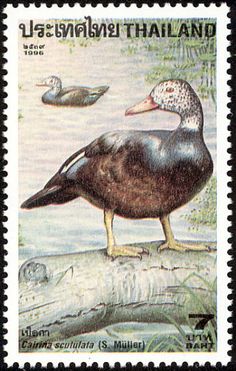
    “I am Assam’s State bird Deo hah. My current status is threatened. Please do not kill us, nor collect our ducklings or eggs” – reads a new campaign poster of wildlife NGO Aaranyak, starkly describing the current status of the State bird, the white-winged wood duck (Asarcornis scutulata). As the rhino continues to be the focus of wildlife conservation in the State, the numbers of the white-winged wood duck are dwindling slowly and silently with little or no attention coming from the State Government. The exact population of this duck in Assam and Arunachal Pradesh is not known, but according to work done by naturalist Dr Anwaruddin Choudhury and researchers of Aaranyak, its population could range between 150-400 in Assam and Arunachal Pradesh. “We had conducted an estimate in 1994-95 and had found around 450 of them only in Upper Assam. I don’t think any other estimate has been carried out after that. I feel the number has gone down, given the depletion in habitat and lack of targeted conservation efforts,” Choudhury said.

    According to Choudhury, the population of the duck is spread across the forests of Dihing-Patkai, Upper Dihing, Doomdooma RF, Dangori RF, Dibru-Saikhowa National Park, Gibbon Wildlife Sanctuary, Nameri NP and Manas NP. “The duck needs suitable habitat to breed – a pool within a forest. Hunting is not much. But yes, people collect the duckling and eggs,” he said. The International Union for Conservation of Nature (IUCN) has listed the bird as “endangered” because it “has a very small and fragmented population which is undergoing a very rapid and continuing decline as a result of the loss of and disturbance to riverine habitats”. “This species’s population is suspected to have decreased very rapidly owing to the widespread loss, degradation and disturbance of lowland riverine habitats. Resultant small and fragmented populations are susceptible to hunting – opportunistic collection of eggs and chicks – and other stochastic events,” it says. Birdlife International says the population of the forest duck is no more than 1,000 and it is decreasing. Members of Aaranyak recently initiated a survey in villages of eastern Assam with regard to awareness of the State bird of Assam among the villagers and realised that intensive awareness among the villagers was needed to conserve it. The NGO is planning a series of awareness activities among the fringe villagers in eastern Assam. “The survival of the State bird depends on how we shall be able to conserve the key habitats of the white-winged wood duck in eastern Assam that includes Doomdooma RF, Dirak RF, Philobari RF, etc., where human pressure for collection of forest products is in existence. Some villagers collect the ducklings and eggs from the key habitat of the duck without realising that its global population is less than one thousand. We have decided to create awareness among mass people using a poster recently designed by Aaranyak member Keshab Gogoi which will be distributed in villages through village level institutions,” Dr Bibhab Kumar Talukdar, secretary general and CEO of Aaranyak, said.

    Source: The Assam Tribune, March 2017
    http://www.assamtribune.com/scripts/detailsnew.asp?id=mar0617/city052

  • South Florida wading bird nesting falls to lowest level in a decade

    South Florida wading bird nesting falls to lowest level in a decade

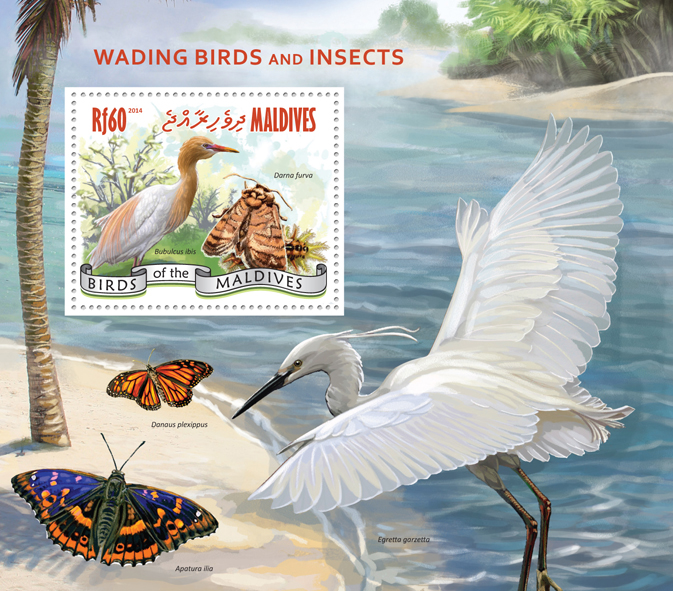
    The number of nesting wading birds in South Florida, a key measure of Everglades health, sunk to a decade-long low last year, according to a South Florida Water Management District report released this week, the latest in a 22-year tally. Just over 26,000 nesting birds were counted across the Everglades and in Lake Okeechobee last year, well below the 10-year annual average of about 42,000.

    Biologists track five different wading birds that historically nested in such vast numbers that John Audubon famously claimed they blocked the sun when they took to the air. While some — white ibises, wood storks and great egrets — show long-term increases, their colonies remain far below what they once were. “They’re telling a story. And when a decline as dramatic as this occurs, we really need to take that seriously,” said Julie Hill-Gabriel, Audubon Florida’s director of Everglades policy.

    Overall, nesting among white ibises (Eudocimus albus), the Everglades’ most common bird, dropped 45 percent last year. Wood storks (Mycteria americana) fell 38 percent, and great egrets (Ardea alba) were down 7 percent. The steepest drops were in little blue herons (Egretta caerulea), which fell 61 percent, and snowy egrets (Egretta thula), which dropped by 51 percent.

    Read more here: http://www.miamiherald.com/news/local/environment/article136905073.html#storylink=cpy

  • Het gebruik van proefdieren kan met analyses van dosis-werkingsrelaties worden teruggedrongen

    Het gebruik van proefdieren kan met analyses van dosis-werkingsrelaties worden teruggedrongen

    De uitgaven voor de ontdekking en ontwikkeling van een nieuw gewasbeschermingsmiddel liggen nu in de buurt van $ 300.000.000, terwijl op hetzelfde moment bij recent ontwikkelde producten onvoldoende informatie beschikbaar bleek te zijn voor de beoordeling van de veiligheid in het milieu. Grote informatiehiaten bestaan ​​ook bij de veiligheidsbeoordeling van een groot aantal bestaande chemische stoffen. Deze hiaten invullen met conventionele toxiciteitstudies zou zeer kostbaar zijn en tevens in strijd met de 3R-beginselen dierproeven te verfijnen (refine), verminderen (reduce) en vervangen (replace). Er is een grote behoefte ontstaan om de veiligheid te kunnen voorspellen met een minimaal gebruik van dieren. Recente inzichten in de moleculaire biologie van chemische dosis-werkingsrelaties, die de algemene toepasbaarheid van het Druckrey-Küpfmüller theorema hebben bevestigd, kunnen nu in een vroeg stadium van de productontwikkeling worden toegepast om gevaarlijke chemicaliën te identificeren (en elimineren) met behulp van korte-termijn proeven in ongewervelden. Tijd-tot-effect (TTE) benaderingen kunnen gevaarlijke chemische stoffen identificeren met cumulatieve tijdsafhankelijke toxiciteit. Deze aanpak zou de productontwikkeling verschuiven naar stoffen met strikt dosisafhankelijke toxiciteit, waarvoor drempelwaarden op betrouwbare wijze kunnen worden vastgesteld met korte termijn studies, waardoor veel dierproeven overbodig worden.

    Bron:
    Tennekes HA, Dose: Time-to-effect analyses can identify hazardous chemicals at an early stage of product development. Environ Risk Assess Remediat. 2017;1(1):65-70

  • Dose: Time-to-effect analyses can identify hazardous chemicals at an early stage of product development

    Dose: Time-to-effect analyses can identify hazardous chemicals at an early stage of product development

    Expenditure for discovery and development of a new crop protection product is now approaching the $ 300 million mark, while at the same time underpinning information gaps in environmental safety assessment. Large information gaps also exist for the safety of a vast number of existing chemicals in commerce. Addressing safety information gaps of new and existing chemicals with increased conventional toxicity testing would skyrocket costs and animal usage and contravene the 3Rs principles to refine, reduce, and replace animal testing. There is a great need to improve predictive safety assessment with minimum animal use. Recent progress in the understanding of the molecular biology of chemical dose response relationships, which has confirmed general applicability of the Druckrey-Küpfmüller theorem for receptor-mediated toxicity, can now be employed at an early stage of product development to identify (and eliminate) hazardous chemicals using short-term chronic dose response tests in invertebrates. Time-to-effect (TTE) approaches can identify hazardous chemicals with time-cumulative toxicity. This approach would shift research and development programs to chemicals with ascertained strictly dosedependent toxicity, for which no-observable-adverse-effect levels (NOAELs) can be reliably established with short-term tests, which could make a myriad of resource-intensive animal studies obsolete.

    Source: Tennekes HA, Dose: Time-to-effect analyses can identify hazardous chemicals at an early stage of product development. Environ Risk Assess Remediat. 2017;1(1):65-70

  • UN experts denounce ‘myth’ pesticides are necessary to feed the world

    UN experts denounce ‘myth’ pesticides are necessary to feed the world

    The idea that pesticides are essential to feed a fast-growing global population is a myth, according to UN food and pollution experts. A new report, being presented to the UN human rights council on Wednesday, is severely critical of the global corporations that manufacture pesticides, accusing them of the “systematic denial of harms”, “aggressive, unethical marketing tactics” and heavy lobbying of governments which has “obstructed reforms and paralysed global pesticide restrictions”. The report says pesticides have “catastrophic impacts on the environment, human health and society as a whole”, including an estimated 200,000 deaths a year from acute poisoning. Its authors said: “It is time to create a global process to transition toward safer and healthier food and agricultural production.”

    The world’s population is set to grow from 7 billion today to 9 billion in 2050. The pesticide industry argue that their products – a market worth about $50bn (£41bn) a year and growing – are vital in protecting crops and ensuring sufficient food supplies.

    “It is a myth,” said Hilal Elver, the UN’s special rapporteur on the right to food. “Using more pesticides is nothing to do with getting rid of hunger. According to the UN Food and Agriculture Organisation (FAO), we are able to feed 9 billion people today. Production is definitely increasing, but the problem is poverty, inequality and distribution.”

    Elver said many of the pesticides are used on commodity crops, such as palm oil and soy, not the food needed by the world’s hungry people: “The corporations are not dealing with world hunger, they are dealing with more agricultural activity on large scales.”

    The new report, which is co-authored by Baskut Tuncak, the UN’s special rapporteur on toxics, said: “While scientific research confirms the adverse effects of pesticides, proving a definitive link between exposure and human diseases or conditions, or harm to the ecosystem, presents a considerable challenge. This challenge has been exacerbated by a systematic denial, fuelled by the pesticide and agroindustry, of the magnitude of the damage inflicted by these chemicals, and aggressive, unethical marketing tactics.”

    Elver, who visited the Philippines, Paraguay, Morocco and Poland as part of producing the report, said: “The power of the corporations over governments and over the scientific community is extremely important. If you want to deal with pesticides, you have to deal with the companies – that is why [we use] these harsh words. They will say, of course, it is not true, but also out there is the testimony of the people.”

    She said some developed countries did have “very strong” regulations for pesticides, such as the EU, which she said based their rules on the “precautionary principle”. The EU banned the use of neonicotinoid pesticides, which harm bees, on flowering crops in 2013, a move strongly opposed by the industry. But she noted that others, such as the US, did not use the precautionary principle.

    Elver also said that while consumers in developed countries are usually better protected from pesticides, farms workers often are not. In the US, she, said, 90% of farm workers were undocumented and their consequent lack of legal protections and health insurance put them at risk from pesticide use.

    “The claim that it is a myth that farmers need pesticides to meet the challenge of feeding 7 billion people simply doesn’t stand up to scrutiny,” said a spokesman for the Crop Protection Association, which represents pesticide manufacturers in the UK. “The UN FAO is clear on this – without crop protection tools, farmers could lose as much as 80% of their harvests to damaging insects, weeds and plant disease.”

    “The plant science industry strongly agrees with the UN special rapporteurs that the right to food must extend to every global citizen, and that all citizens have a right to food that has been produced in a way that is safe for human health and for the environment,” said the spokesman. “Pesticides play a key role in ensuring we have access to a healthy, safe, affordable and reliable food supply.”

    The report found that just 35% of developing countries had a regulatory regime for pesticides and even then enforcement was problematic. It also found examples of pesticides banned from use in one country still being produced there for export.

    Advertisement

    It recommended a move towards a global treaty to govern the use of pesticides and a move to sustainable practices including natural methods of suppressing pests and crop rotation, as well as incentivising organically produced food.

    The report said: “Chronic exposure to pesticides has been linked to cancer, Alzheimer’s and Parkinson’s diseases, hormone disruption, developmental disorders and sterility.” It also highlighted the risk to children from pesticide contamination of food, citing 23 deaths in India in 2013 and 39 in China in 2014. Furthermore, the report said, recent Chinese government studies indicated that pesticide contamination meant farming could not continue on about 20% of arable land.

    “The industry frequently uses the term ‘intentional misuse’ to shift the blame on to the user for the avoidable impacts of hazardous pesticides,” the report said. “Yet clearly, the responsibility for protecting users and others throughout the pesticide life cycle and throughout the retail chain lies with the pesticide manufacturer.”

    Source: The Guardian, 7 March, 2017
    https://www.theguardian.com/environment/2017/mar/07/un-experts-denounce-myth-pesticides-are-necessary-to-feed-the-world

  • Fasan wird rar in der Landschaft um Ganderkesee

    Fasan wird rar in der Landschaft um Ganderkesee

    Fasan, Rebhuhn und Wachtel haben sich rar gemacht in Feld und Flur der Gemeinde Ganderkesee. „Den Hühnervögeln fehlt Nahrung und Deckung“, erklärt der Vorsitzende des Hegerings Ganderkesee, Jan-Bernd Meyerholz. Rebhuhn und Wachtel bevölkern seit Urzeiten die Naturräume in Mitteleuropa. Die intensive Nutzung der Landschaft in den letzten Jahrzehnten hat sie hierzulande nahezu unsichtbar gemacht. „Rebhühner kann man noch beobachten, manchmal in Fünfer- oder Sechserketten“, weiß der Hegeringleiter. Der Fasan, im Mittelalter aus Asien an die Fürstenhöfe geholt und dann ausgewildert, ist wegen der Größe, dem Flugverhalten und dem prachtvollen Gefieder häufiger zu sehen. Doch auch er braucht Hilfe. Lange habe man gerätselt, warum die Hühnervögel seltener werden, jetzt scheine klar, dass es am Deckungs- und vor allem am Nahrungsmangel liege, erklärt der Hegeringleiter. „Eine hungernde Henne wird für Krankheiten anfällig“, sagt er – und schon ist die Spirale nach unten in Gang gesetzt. Schädlingsbekämpfung in der Landwirtschaft ist ein Grund für den Schwund kreuchenden und fleuchenden Futters für die Hühnervögel. Es habe sich Vieles zum Nachteil der Artenvielfalt verändert: Alles ist aufgeräumt und sauber. Jede Fuge und Ritze ist dicht. Jeder Misthaufen ist abgedeckt, damit sich niemand vom Geruch belästigt fühlt.“ Die grassierende Geflügelpest habe nichts mit dem Schwund beim Federwild zu tun, ist Meyerholz überzeugt: „Betroffen sind die offenen Putenställe. An der Geflügelpest verendete Wildvögel sind nirgends entdeckt worden.“

    Quelle: Neue Osnabrücker Zeitung, 04.03.17
    http://www.noz.de/lokales-dk/ganderkesee/artikel/859801/fasan-wird-rar-in-der-landschaft-um-ganderkesee

  • Forscher warnen vor einer Katastrophe, die schlimmer als der Klimawandel ist

    Forscher warnen vor einer Katastrophe, die schlimmer als der Klimawandel ist

    Das Aussterben vieler Tierarten ist ein riesengroßes Problem, wissen die weltweit führenden Biologen, Ökologen und Ökonomen. Die Fakten sind erschütternd: Eine von fünf Spezies ist derzeit vom Aussterben bedroht. Und wenn wir nichts dagegen unternehmen, wird diese Zahl bis zum Ende dieses Jahrzehnts um 50 Prozent steigen — und damit unsere Ressourcen verschwinden. „Reiche westliche Länder brauchen die Ressourcen des Planeten auf und zerstören dessen Ökosysteme mit einer beispiellosen Schnelligkeit“, sagte Biologe Paul Ehrlich von der Stanford Unversity in Kalifornien. „Wir wollen Autobahnen über die Serengeti bauen, um mehr seltene Mineralien für unsere Handys zu gewinnen. Wir holen alle Fische aus dem Meer, zerstören Korallenriffe und blasen Kohlenstoffdioxid in die Atmosphäre.“ Der Ansicht ist auch der Biologe Peter Raven vom Missouri Botanical Garden. „Anfang des nächsten Jahrhunderts werden wir damit konfrontiert sein, die Hälfte unserer Tierwelt verloren zu haben. Und dennoch vertrauen wir darauf, dass sie uns versorgen kann.“ Er ist sich sicher: „Das bevorstehende Aussterben ist eine noch größere Bedrohung als der Klimawandel — mit dem einfachen Grund, dass es nicht rückgängig gemacht werden kann.“

    Quelle: Business Insider, 01.03.17
    http://www.businessinsider.de/stanford-und-cambridge-forscher-warnen-vor-einer-katastrophe-die-schlimmer-als-der-klimawandel-ist-2017-3