Auteur: Henk Tennekes

  • The Numeniini bird family faces extinction

    The Numeniini bird family faces extinction

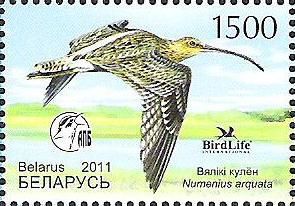
    For Numeniini, a family of birds that includes Curlews and Godwits, new research indicates that these birds are at risk. A recent study by Royal Society for the Preservation of Birds (BirdLife in the UK), British Trust for Ornithology (BTO), and the International Wader Study Group suggests they could actually be one of the most threatened families of birds on earth. The study consulted over 100 experts who assessed the threats to Numeniini throughout their migratory regions and found that seven of the thirteen species are threatened with extinction. Two species of curlews might already be extinct; the Slender-billed Curlew (Numenius tenuirostris) was last observed in 1995 and the Eskimo Curlew (Numenius borealis) has not been seen since 1963. The study calls for conservation in Numeniini habitat to prevent the extinction of the remaining 11 species.

    Numeniini travel all around the world and are found on every continent except Antarctica. They are found in a variety of habitats, from coastal habitat to grasslands where they provide important ecosystem services. One member of the family, the Bar-tailed Godwit (Limosa lapponica), holds the record for the longest non-stop migration for any species. That means no food or rest for eight days as they fly from Alaska to New Zealand. Conservation measures are needed to prevent the extinction of more Numeniini, which provide crucial ecosystem services for wetland communities where they feed during migration.

    Source: Island Conservation, 16 March 2017

    Numeniini Bird Family Unexpectedly at Risk

  • Where have the sparrows gone?

    Where have the sparrows gone?

    Where have all those chirpy little sparrows gone? Once a common sight, hopping away on the verandahs and chirping joyously from tree branches, the sight of a sparrow (Passer domesticus) has over the years become a rarity.The tentacles of development spreading with fast paced concretisation of the city have ended in choking away one of mankind’s oldest associate. As the city prepares to join the World Sparrow Day on March 20, it is left to a few individuals concerned at the fast decline in sparrow population, to bring them into focus. And as these concerned citizens point out, sparrows have disappeared from most parts of not only the city heart but also from several suburban locations. “If we don’t make efforts now to revive their numbers, soon the sight of a sparrow will be lost,” quips Rajani Vakkalanka, who founded Citizens’ Action for Local Biodiversity Awareness and Conservation (CALBAC). Supported by few like-minded individuals, she has been engaged in not only spreading awareness on sparrows, but also setting up nesting facilities in different areas. “Apart from grains, the sparrows need earthworms to feed but where are worms available in the city,” questions Rajani. Baby sparrows in particular are raised on worms and as she points out, many times chicks starve to death in nests as the mother sparrow fails to get worms.The right habitat in the open needed by these birds include thorny shrubs and pesticide free plants. The CALBAC is ready to provide neSxt boxes that can be put in balconies too. “We have these nest boxes prepared by carpenters at a cost of Rs 45 to Rs 50 and provide at the same cost,” she says.

    Source: Telangana Today, 17 March 2017
    http://telanganatoday.news/where-have-the-sparrows-gone

  • Neonikotinoide sind mitschuldig am Verschwinden der Feldvögel

    Neonikotinoide sind mitschuldig am Verschwinden der Feldvögel

    Neue wissenschaftliche Studien zeigen, dass Pestizide aus der Gruppe der Neonikotinoide nicht nur Honigbienen, sondern auch Wildbienen und Schmetterlinge gefährden. Neonikotinoide sind auch für das Vogelsterben in der europäischen industriellen Agrarlandschaft verantwortlich. Sie rauben den Singvögeln ihre Nahrung, die Insekten. Die Vögel verschwinden aus der Landschaft oder sie brüten nicht erfolgreich. Der holländische Toxikologe Dr. Henk Tennekes erkannte schon 2010 die Gefahr. Er veröffentlichte seine Forschungen in den Buch: “Desaster in the Making”. Der BUND übersetzte das Werk ins Deutsche und gab es im Eigenverlag heraus. Da Neonikotinoide gut wasserlöslich und gleichzeitig schwer abbaubar sind, reichern sie sich in Böden und Sedimenten an. Dies macht sie auch zu einer Gefahr für zahlreiche im Wasser und auf dem Boden lebende Tiere. Jüngste Untersuchungen in den Niederlan­den belegen etwa die schädigende Wirkung des Neonikotinoids Imidacloprid auf wirbellose Tiere wie Schnecken, Fische und Würmer. Mindestens 95 Prozent der Neonikotinoide, die eigentlich nur für das Bespritzen von Kulturpflanzen gedacht waren, landeten in einer weiteren Umgebung, die nicht nur auf die Felder beschränkt war, sondern darüber hinaus reichte. Dort töteten die Pestizide auch Insekten, die von den Feldvögeln als Nahrungsmittel benötigt werden – unter anderem für die Fütterung ihrer Jungvögel.

    Dabei könnte die Landwirtschaft auf bienengefährdende Beizmittel dauerhaft verzichten. Das zeigt die landwirtschaftliche Praxis in Frankreich: Auf 2,8 Millionen Hektar wird erfolgreich Mais ohne den Einsatz dieser Beizmittel angebaut. In Frankreich dürfen zudem Behörden Pestizide auf Grünflächen, in Wäldern und auf Wegen, die für die Öffentlichkeit zugänglich sind, ab 2020 nicht mehr anwenden.

    Aufgrund der Bienengefährlichkeit wurden Ende 2013 auf EU-Ebene die drei Pestizide Clothianidin, Imidacloprid und Thiamethoxam aus der Wirkstoffgruppe der Neonikotinoide für vorerst zwei Jahre teilweise verboten. Ebenso wurde das systemische Pestizid Fipronil für zwei Jahre vom Markt genommen. Gegen die Verbote haben Syngenta, BayerCropScience und die BASF (Fipronil) Klage beim Europäischen Gerichtshof eingereicht. Eine Entscheidung über die Verlängerung oder Aufhebung des Verbots steht noch aus. Derweil hat die EU-Lebensmittelbehörde EFSA, die für die Zulassung der Wirkstoffe zuständig ist, Ende August 2015 Berichte zu drei Insektiziden veröffentlicht: Demnach bergen die Stoffe aus der Neonikotinoidgruppe “hohe Risiken” für Bienen und andere nützliche Bestäuber. Der BUND fordert ein dauerhaftes Verbot aller Neonikotinoide ohne Schlupflöcher.

    Quelle: BUND, im März 2017
    https://www.bund.net/umweltgifte/pestizide/wirkstoffe-von-pestiziden/neonikotinoide/

  • Europees agentschap voor chemische stoffen (ECHA) taxeert glyfosaat als niet kankerverwekkend

    Europees agentschap voor chemische stoffen (ECHA) taxeert glyfosaat als niet kankerverwekkend

    In juni vorig jaar besloot de Europese Commissie om de markttoelating van glyfosaat tijdelijk te verlengen bij gebrek aan eensgezindheid onder de lidstaten. Sindsdien is het uitkijken naar het advies van het Europees agentschap voor chemische stoffen (ECHA) over de mogelijke gezondheidsrisico’s van de onkruidbestrijder. Het ontwerpadvies dat stelde dat glyfosaat niet kankerverwekkend, mutageen noch reproductietoxisch is, werd aan een soort van openbaar onderzoek onderworpen. Daarop heeft ECHA bijna 300 reacties ontvangen. De wetenschappers houden voet bij stuk dat hun classificatie de juiste is op basis van alle wetenschappelijke bewijzen. Wel waarschuwen ze dat contact met glyfosaat ernstige oogschade kan veroorzaken. Voor het waterleven is glyfosaat langdurig giftig.
    Verschillende pogingen van de lidstaten om het eens te geraken over de markttoelating van glyfosaat waren vorig jaar gestrand in het expertencomité. Daarop trok de Europese Commissie het dossier opnieuw naar zich toe. De tijdelijke verlenging van de productvergunning met 18 maanden kwam eigenlijk neer op tijd kopen. In Brussel wou men graag het oordeel van het Europees agentschap voor chemische stoffen afwachten (ECHA). Het ontwerpadvies was vorig jaar reeds voorhanden maar krijgt pas definitief vorm na een publieke consultatie en een evaluatie door ECHA’s eigen Risk Assessment Committee (RAC).

    RAC maakt een inschatting van de intrinsieke gevaren die uitgaan van een chemische stof. Diens classificatie houdt geen rekening met blootstelling en is dus geen risicobeoordeling. Die afweging wordt wel gemaakt wanneer de EU moet beslissen over de markttoelating van glyfosaat. Het comité van wetenschappers in de schoot van ECHA beoordeelde zowel de wetenschappelijke literatuur als de studies in opdracht van de fabrikanten van glyfosaat. Zij namen ook kennis van de wetenschappelijk relevante informatie die de publieke consultatie opleverde.

    De literatuuranalyse door RAC en het bestuderen van de (bijna 300) reacties op het ontwerpadvies hebben aan het standpunt van ECHA niets veranderd. Het Europese agentschap vond geen bewijs voor een classificatie als kankerverwekkend, mutageen of gevaarlijk voor de voortplanting. Zoals eerder al geweten was, is glyfosaat wel erg gevaarlijk voor oogschade wanneer de gebruiker daar ongelukkig mee in contact komt. Glyfosaat is ook schadelijk voor het milieu wanneer het in het oppervlaktewater terechtkomt. De actieve stof heeft namelijk een langdurig schadelijk effect op het waterleven. Daarvoor vond ECHA afdoende wetenschappelijk bewijs zodat het deze twee gevaren op het etiket vermeld wil zien.

    Het advies is nog niet publiek beschikbaar. De normale procedure is dat het online komt wanneer het na een laatste controle op de vorm, en niet meer op inhoud, verzonden wordt naar de Europese Commissie. De reacties branden nu al los gelet op het belang van het ECHA-advies voor het oordeel van de Commissie. Milieuorganisaties herinneren aan de classificatie als ‘waarschijnlijk kankerverwekkend voor de mens’ door het Internationaal Agentschap voor Kankeronderzoek (IARC). Bij milieubeschermers heerst er onbegrip omdat het advies van ECHA “in navolging van voedselveiligheidsautoriteit EFSA het wetenschappelijk bewijs negeert dat glyfosaat kanker kan veroorzaken”. Greenpeace vreest dat ECHA nu het pad effent voor een nieuwe 15-jarige markttoelating voor het veelgebruikte herbicide.

    Ook de groene Europarlementsleden die zich verzetten tegen een nieuwe markttoelating voor glyfosaat zijn niet overtuigd door de analyse van de Europese agentschappen. “Dat ECHA vandaag hetzelfde besluit neemt als EFSA, betekent dat de nood aan transparantie nog steeds groot is. Pas als onafhankelijke wetenschappers inzage krijgen in de gebruikte studies, zal voor eens en altijd de twijfel over de schadelijkheid van glyfosaat kunnen weggenomen worden”, meent Europarlementslid Bart Staes (Groen).

    Veel positiever reageren de fabrikanten van gewasbeschermingsmiddelen die tevreden zijn omdat ECHA zich heeft laten leiden door objectieve data, en niet door de maatschappelijke druk om glyfosaat te verbieden. De Glyphosate Task Force die fabrikanten verenigt, stelt vast dat autoriteiten steeds weer tot dezelfde conclusie komen: “Het wetenschappelijk bewijs dat een verlenging van de markttoelating ondersteunt, is overweldigend.” De Europese federatie van de gewasbeschermingsmiddelenindustrie (ECPA) verspreidt via Twitter het nieuws dat de wetenschap aan het langste eind trekt. En men voegt er meteen aan toe dat niets een snelle verlenging van de producttoelating nog in de weg staat.

    In eigen land juicht Phytofar toe dat de wetenschap het heeft gehaald op de bangmakerij. “De classificatie door ECHA als niet kankerverwekkend is in overeenstemming met de bestaande 90.000 pagina’s van bewijsmateriaal, 3.300 peer-reviewed studies en de adviezen van de Europese voedselveiligheidsautoriteit EFSA én Wereldgezondheidsorganisatie WHO”, zegt Veerle Van Damme namens de Belgische gewasbeschermingsmiddelenindustrie. Ze noemt met opzet ook WHO omdat tegenstanders van glyfosaat de classificatie door IARC steevast gelijkstellen met het oordeel van de Wereldgezondheidsorganisatie. In werkelijkheid is IARC één adviesorgaan van WHO, en werkt ook het Joint Meeting of Pesticide Residues (JMPR) in diens opdracht. JMPR oordeelde dat het weinig waarschijnlijk is dat mensen kanker krijgen door de blootstelling aan glyfosaatresiduen in voeding.

    Phytofar drukt de hoop uit dat de Europese Commissie rekening houdt met de stem van de wetenschap en nu snel het registratieproces start om glyfosaat opnieuw een goedkeuring van 15 jaar te verlenen. Oorspronkelijk werd dit door de Europese Commissie ook voorgesteld, lees: voordat de stof het onderwerp werd van een emotioneel en politiek debat. “Het is van primordiaal belang dat producenten én gebruikers vertrouwen hebben in het systeem dat een veilige voeding in Europa moet garanderen en dat kan alleen gebeuren op basis van objectieve criteria, niet op basis van emotie en electorale profileringsdrang”, voegt Van Damme nog toe.

    Bron: VILT, 15-03-17
    http://www.vilt.be/echa-taxeert-glyfosaat-als-niet-kankerverwekkend

  • Jede vierte Schmetterlingsart in NRW ist vom Aussterben bedroht

    Jede vierte Schmetterlingsart in NRW ist vom Aussterben bedroht

    Den Schmetterlingen in NRW geht es schlecht. “Von den 129 Tagfalterarten in NRW sind bereits 33 ausgestorben, weitere 56 Arten sind unterschiedlich stark gefährdet”, sagte der Landesvorsitzende der Umweltschutzorganisation BUND, Holger Sticht, am Mittwoch (15.03.2017). “Die Hauptursachen liegen in der industriellen Landwirtschaft. Pestizide, Überdüngung und die intensive Bodenbearbeitung vernichten die Lebensgrundlagen der Schmetterlinge”, so Sticht. In öffentlichen Parkanlagen und privaten Gärten gebe es noch viele ungenutzte Chancen, Schmetterlingen das Überleben zu ermöglichen, so der BUND-Experte. “Schmetterlingen fehlen oftmals ihre bevorzugten Futterpflanzen.” Der BUND rief Gartenbesitzer dazu auf, heimische Gewächse anzupflanzen und auf Pestizide zu verzichten. “Aber auch mit dem Einkauf von Biolebensmitteln kann jeder einen echten Beitrag zum Schmetterlingsschutz leisten”, sagte Sticht. Aktuelle Studien des Leibnitz-Zentrums für Agrarlandschaftsforschung zeigten, dass im biologischen Landbau mehr Wildkräuter auf den Feldern wüchsen, welche die Schmetterlingsvielfalt unterstützten. Dennoch stehen allein 45 Prozent der in NRW lebenden Tierarten auf der Roten Liste – eine beängstigende Zahl.

    Quelle: WDR, 15.03.17
    http://www1.wdr.de/nachrichten/schmetterlinge-bund-aussterben-100.html

  • Die Behandlung von Saatgut mit Pestiziden beeinträchtigt Bodenorganismen

    Die Behandlung von Saatgut mit Pestiziden beeinträchtigt Bodenorganismen

    Die Behandlung von Saatgut mit Pestiziden beeinträchtigt nicht nur Bienen und andere Bestäuber, sondern auch Bodenorganismen. Wie Wiener Forscher in zwei Studien zeigen, nimmt dadurch die Abbautätigkeit im Boden ab, die Aktivität von Regenwürmern geht zurück. Verstärkt werden diese negativen Folgen der Saatgut-Beizung durch Behandlung mit einem Glyphosat-Herbizid, so die Forscher in den Fachjournalen “BMC Ecology” und “Frontiers in Plant Science”. Landwirtschaftliches Saatgut ist häufig mit Pestiziden und Fungiziden behandelt, um die jungen Pflanzen vor Insektenfraß oder Pilzerkrankungen zu schützen. In Verruf geraten sind dabei Neonicotinoide, die mit dem Massensterben der Bienen in Europa in Zusammenhang gebracht werden und daher von der EU-Kommission 2013 teilweise verboten wurden. Zusätzlich zur Saatgut-Beizung werden auf den Äckern weitere Pestizide ausgebracht, etwa zur Unkrautkontrolle.

    Um die bisher Wirkungen dieser unterschiedlichen Pestizidgruppen auf Bodenorganismen zu erforschen, haben Forscher der Universität für Bodenkultur (Boku) Wien zwei Glashausversuche durchgeführt: In einem Experiment wurden in 28 Liter fassenden, mit Regenwürmern bestückten Versuchstöpfen Weizensamen, die mit Insektiziden und Fungiziden gebeizt waren, in der praxisüblichen Saatstärke angesät. Nach der Ernte wurde in einem zweiten Experiment in der selben Erde erneut gebeiztes Saatgut angesät und später noch ein Glyphosat-Herbizid ausgebracht.

    Es zeigte sich, dass verschiedene Bodenorganismen unterschiedlich reagieren: Nach einmaliger Aussaat mit gebeiztem Saatgut zeigten Springschwänze und Bodenmikroorganismen eine erhöhte Aktivität. “Die Springschwänze vermieden tiefere Bodenschichten und tummelten sich vermehrt an der Oberfläche”, sagt Johann Zaller von der Boku. Durch die Beizung würden auch Nährstoffe in den Boden kommen, die zu einer Stimulierung der Mikroorganismen führen könnten. Dennoch war die Abbautätigkeit im Boden reduziert. Regenwürmer blieben nach dem ersten Experiment unbeeinflusst.

    Nach der zweiten Aussaat von gebeiztem Saatgut ging dagegen die Aktivität der Regenwürmer zurück, während die Mikroorganismen im Boden unverändert blieb, diese hätten sich offensichtlich bereits an das neue Milieu angepasst, so Zaller. Als “vielleicht wichtigstes Ergebnis” der Studien nannte der Forscher, dass die negative Wirkung der Saatgut-Beizung speziell auf die Regenwürmer durch Glyphosat-Herbizide noch verstärkt wurde. Solche Kreuzwirkungen würden bei der Zulassung von Pestiziden nicht untersucht. Zaller: “Man konzentriert sich nur auf einzelne Wirkstoffe, wie sich mehrere davon beeinflussen, ist ein komplett weißer Fleck”.

    Der Ökologe gibt zu bedenken, dass diese Effekte von nur 18 gebeizten Weizenkörnern in relativ großen Versuchstöpfen ausgelöst wurden. Zudem würden sich die Pestizide in der Praxis durch jährliche Anwendungen im Boden ansammeln und könnten dort langfristig wirken.

    Quelle: Der Standard, 13.03.17
    http://derstandard.at/2000054072857/Wie-Saatgutbeizung-und-Pestizide-Bodenorganismen-beeinflussen

  • Kordate kleine zwaan minder gezien op winterakkers

    Kordate kleine zwaan minder gezien op winterakkers

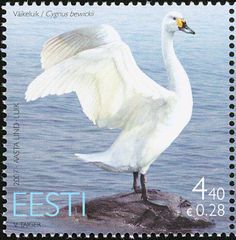
    Nog niet zo lang geleden overwinterden in Nederland 10.000 kleine zwanen, ongeveer de helft van de wereldpopulatie. Vorig jaar telden vrijwilligers tijdens de maandelijkse ganzen- en zwanentellingen 5500 kleine zwanen. Naar verwachting ligt het aantal in 2017 nog lager. Kleine zwanen fourageren vaak samen met wilde zwanen. Kleine zwanen (Cygnus columbianus bewickii) broeden op de toendra’s van Noord-Siberië en op de eilanden in de Barentszzee, waaronder Nova Zembla. Sneeuwval en vorst dwingen de witte vogels in de herfst naar het zuiden te trekken. Onderweg pleisteren ze in Polen en Duitsland op akkers en weilanden om bij te tanken. Tenslotte komen ze eind oktober aan in het Lauwersmeergebied of vliegen door naar het IJsselmeer en de Randmeren. Hun favoriete voedsel op deze grote wateren bestaat uit knolletjes van fonteinkruiden. Kleine zwanen hebben te kampen met een indirecte voedselconcurrentie van een sterk toegenomen aantal ruiende knobbelzwanen in de zomer. De knobbelzwaan (Cygnus olor) is een vertrouwde verschijning in plantsoenen en op meren. Samen met meerkoeten foerageren zij op schedefonteinkruid waardoor het aanbod aan wortelknolletjes hiervan in de herfst drastisch vermindert. Daarmee benadeelt de knobbelzwaan in de zomer indirect de kleine zwaan in de herfst en winter.

    Bronnen: Natura 2000-Beheerplan Lauwersmeer (8), maart 2016
    Hoogeveensche Courant, 05-03-17
    https://www.hoogeveenschecourant.nl/nieuws/human-interest/484234/kordate-kleine-zwaan-minder-gezien-op-winterakkers.html

  • Factory farms are a threat to puffin numbers

    Factory farms are a threat to puffin numbers

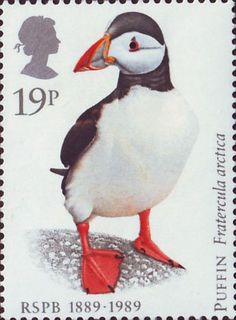
    A conservationist has called on the Scottish government to act to protect the much-loved puffin (Fratercula arctica) amid warnings that populations of the iconic bird are in terminal decline. Philip Lymbery, chief executive of Compassion in World Farming, points to a population crash of Scottish puffins due to overfishing in the North Sea. Lymbery argues that the commercial exploitation of sand eels — a cylindrical fish is are a crucial part of puffin chicks’ diets — has been driven by the rapid expansion of aquaculture, for which millions of tonnes of smaller fish are hoovered up and pulped as feed for farmed salmon. “Between two to five kilograms of wild fish are used to produce one kilogram of farmed fish. It’s a huge waste and completely unsustainable,” said Lymbery. “In Britain, I’ve seen puffins grasping bunches of small silvery thin fish in their beaks: sand eels. These little fish are rocket fuel for hungry puffin chicks, but they are in diminishing supply — and once again, industrial farming is in the frame.”

    Lymbery raises the plight of puffins and other seabirds in his book Dead Zone: Where The Wild Things Were, published this week. He points to scientific research showing that between 1994 and 2003, about 880,000 tonnes of sand eels were “sucked” out of the North Sea. The effect on puffins and other seabirds has been devastating; on the Isle of May National Nature Reserve, home to the largest colony of puffins in the North Sea, numbers declined by 30% between 2003 and 2009. On Shetland’s Fair Isle, the puffin population has more than halved to 10,000 since 1986. Lymbery said the situation for Scottish puffins is “desperate” and questions why warnings made more than a decade ago have been ignored. In 2004, the RSPB warned that industrial fishing to supply fish meal had led to the most catastrophic breeding season on record for seabirds along UK coasts.

    Lymbery is urging ministers to intervene with a “sustainable food and farm act” he hopes will reduce dependence on factory farming. He also wants consumers to dramatically reduce their consumption of factory farmed fish and meat. Trawlers harvesting sand eels to feed factory-farmed salmon deprive puffin chicks of an important component of their diets

    “We are scooping up huge quantities of sand eels to feed farmed fish. The first thing we should do is pass a law that fish can only be caught for human consumption. The government needs to encourage a move away from intensive factory farming and consumers can help by avoiding farmed fish.”

    Europe’s puffins are now classified as globally “endangered” by the International Union for Conservation of Nature Red List and are predicted to decline by nearly 80% by 2065. “In other words, when too many small fish are being hauled out of the sea,” said Lymbery. “The truth is that our wildlife is under multiple pressures and is increasingly being squeezed out of a world of ever-shrinking resources,” he continued.

    Puffins, nicknamed “clowns of the sea”, are characterised by their colourful bill, with its splashes of orange and yellow. They are one of only a few birds capable of holding several fish in their bills at one time, thanks to their coarse tongues and a series of spines on their upper palates. They can gather, on average, about 10 sand eels on a single foraging trip.

    Source: The Times, 5 March 2017
    http://www.thetimes.co.uk/edition/scotland/factory-farms-are-a-threat-to-puffin-numbers-fxh0tsrf7

  • Ontario Beekeepers’ Association Urges Federal Agency to Push Ahead with Ban on Neonicotinoids

    Ontario Beekeepers’ Association Urges Federal Agency to Push Ahead with Ban on Neonicotinoids

    Comments from the Ontario Beekeepers’ Association, to the The House of Commons Standing Committee on Agriculture and Agri-Food Hearing, on Canada’s Pest Management Regulatory Agency (PMRA) proposal to phase out the main uses of imidacloprid.

    Dear Members of the Standing Committee,

    The Ontario Beekeepers’ Association has represented Ontario beekeepers since 1881. Ontario is home to more beekeepers than any other Canadian province. Ontario is also the source of more than 65% of all the corn and soy grown in Canada. Because five million acres are planted with neonicotinoid treated corn, soy and winter wheat, the bee colonies managed by Ontario beekeepers (and their counterparts in Quebec) are uniquely exposed to neonicotinoid insecticides.

    Ontario also grows almost 37% of Canada’s fresh fruit and vegetables. Most of these farm products require insect pollinators. Therefor the health of Ontario’s bees and all insect pollinators should be of prime importance for anyone concerned about Canada’s food security.

    The broad application of neonicotinoid pesticides like Imidacloprid on most field crops including: corn, soy, winter wheat and canola, has been linked to the decline in bee populations in Ontario in places where bees come into contact with dust from planting, with pollen gathered from target and adjacent crops or from ground water that migrates, leaching excess pesticide residues in the soil.

    Health Canada’s decision to phase out Imidacloprid is the right decision given the overwhelming evidence of its harm to our environment and our food security.

    While Ontario Beekeepers applaud Health Canada for taking this action to protect our environment and preserve our food security, we still believe we can do better. To this point, we offer these recommendations on the proposed regulations:

    1. The phase out of Imidacloprid must begin by September of 2017 in time to prevent seed treatments on orders for the 2018 planting season.

    Three more years represents three planting seasons of additional exposure to
    Imidacloprid. Each season more quantities of this water soluble, persistent and highly toxic pesticide will be added to pollen and nectar sources, to our soils and to our waterways.

    As beekeepers we fear exposure of our bees and wild bees not only to the 2% that is expressed as dust at planting, or the 18% taken up in the target plant but we are also concerned about collateral damage from the 80% that persists in the soil. This residue exposes bees to these powerful neurotoxins in standing water, to translocation via ground water to the pollen and nectar other flowering plants, shrubs and trees and further exposure through migration in ground water and run off to our streams and rivers. 1

    2. Contrary to marketing by the global Agchem industry, pesticides are being oversold.

    Neonicotinoids are the most widely sold pesticides in the world today representing a multi-billion dollar market. This powerful pesticide industry will lobby for a delay in enacting this phase out in-order to protect sales of this highly profitable pesticide. Health Canada must not bend to this pressure.

    In 2014 the Ontario government enacted legislation aimed at reducing the amount of neonicotinoid seed treatments by 80% by 2017. Ontario’s policy was based on
    overwhelming science as to the harmful effects of neonicotinoids on insect pollinators and the advice of crop specialists who determined that only 20% of acreage was actually threatened by the pests targeted by the pesticides. The overuse of pesticides not only kills bees, but clearly benefits pesticide manufacturers and distributors and not farmers.

    According to the U.N. Human Rights Council: Report of the Special Rapporteur on the “right to food”

    “Pesticides, which have been aggressively promoted, are a global human rights concern, and their use can have very detrimental consequences on the enjoyment of the right to food. Without or with minimal use of toxic chemicals, it is possible to produce healthier, nutrient-rich food, with higher yields in the longer term, without polluting and exhausting environmental resources”.2

    3. Imidacloprid continues to be a serious hazard to managed bees and all insect pollinators in Ontario

    “Pesticides are stressors that have received considerable attention, and among these, no single class has received more recent attention than the neonicotinoids. These insecticides are acutely toxic to honey bees, environmentally persistent and mobile in the environment”. 3

    After hundreds of incidents of acute bee kills were documented in Ontario during the 2012 and 2013 growing seasons, PMRA concluded that the current use of
    neonicotinoids in agriculture was not sustainable.

    Since they arrived at this conclusion, we have seen no evidence that the threat to
    Ontario bees from neonicotinoids has abated.

    Beekeepers in Ontario continue to observe abnormally high bee mortality indicators including: acute bee deaths, unsustainable winter losses, loss of queens, low queen vitality, poor (spotty) brood patterns and crashing of hives in fall and early winter.

    PMRA has indicated that the use of new planting machine deflectors and polymer seed coatings have reduced the spread of dust at planting. They cite lower number of reported Incidents as proof that these measures have made the threat to bee health from neonicotinoids acceptable.

    This conclusion is flawed and does not reflect the fact that as indicated in the above sections dust is just one expression of neonicotinoid toxicity. And that crop dust research has shown that dust settles on adjacent flowering plants, shrubs and trees rendering them also toxic to bees.

    Citing reduced number of incidents as an indicator of bee health, PMRA ignores the fact that it recently changed incident reporting procedures. PMRA policy now eliminates inspection of hives with reported pesticide poisoning and does not take and analyze bees, pollen or comb samples for pesticide residue. There is now little or no incentive for beekeepers to report incidents.

    4. Health Canada must review its pollinator risk assessment model before registering any new systemic pesticides.

    While Imidacloprid and other neonicotinoids pose a serious threat to insect pollinators, new, approved systemics may be equally destructive. Several new systemic insecticides have been registered by PMRA and are currently being sold in Ontario in anticipation of restrictions on the current Class 12 neonics. Currently their use falls outside of the current Class 12 regulatory environment.

    PMRA often relies on research from the pesticide manufacturer for proof of acceptable toxicity to pollinators for approval of registrations. But studies showing negative effects from sublethal doses of new systemics puts into question the risk assessment protocols that PMRA is using to approve new systemic pesticides.

    As an example, seed dealers report that DuPont’s Lumivia seed treatment will likely replace as much as 75% of neonics on Corn in Ontario this planting season http://www.dupont.ca/en/products-and-services/crop-protection/corn-soybean-protection/products/lumivia.html.
    Yet, despite having acquired PMRA certification for use on corn in June or 2016, systemics like Lumivia may pose real risks to insect pollinators. Recent studies have shown, chlorantraniliprole the active ingredient in Lumivia, negatively effects the behaviour of bees. 4

    5. All pesticides should be used only as part of an Integrated Pest Management program

    Not all crops require pesticides. IPM encourages soil conservation and soil improvement and only the targeted use of pesticides. The current practice of the overuse of pesticides is destructive to our environment and benefits only the AgChem industry. Using pesticides in an IPM program and only when there is a demonstrated need is a reasonable policy for limiting their use.

    We hope that we have shed some additional light on an important issue that effects insect pollinators, aquatic invertebrates and threatens Canada’s food security. The Ontario Beekeepers’ Association appreciates Health Canada’s attention to this matter and looks forward to its additional reports and recommendations concerning the phase out and immediate re-assessment for pollinator safety of all neonicotinoids and the careful screening of new systemic pesticides.

    Sincerely,
    Jim Coneybeare
    President
    March 7, 2017
  • UN-Bericht prangert Pestizidgebrauch an

    UN-Bericht prangert Pestizidgebrauch an

    Die Weltbevölkerung wächst stetig, und mit ihr der Anbau und Konsum von Nutzpflanzen. Hersteller von Pestiziden bestehen darauf, dass die erhöhte Nachfrage nach Nahrungsmitteln ohne den Einsatz von Pestiziden nicht gedeckt werden kann. Mit der Vorstellung eines neuen Berichts beim letzten Menschenrechtsrat der Vereinten Nationen (UN) wird diese Aussage zunichte gemacht. Im Bericht betonen die Urheber, dass zwar Verbote und Regulationen für bestimmte gefährliche Pestizide ausgesprochen wurden, aber deren Einhaltung unvollständig überprüft wird. Besonders brisant ist zum Beispiel der regelmässige Export von verbotenen Risiko-Substanzen in Entwicklungsländer. Anstatt weitere Regulationen zu erlassen, wird daher der komplette Ausstieg aus der industriellen Landwirtschaft empfohlen. „Wir haben einen Wendepunkt in der Landwirtschaft erreicht. Das heutige, weltweit überwiegend angewendete Landwirtschaftsmodell ist äusserst problematisch. Nicht nur aufgrund der Schäden verursacht durch Pestizide, sondern auch deren Auswirkungen auf den Klimawandel und den Verlust von Biodiversität“, so José Graziano da Silvo, Generaldirektor der Ernährungs- und Landwirtschaftsorganisation der UN. Neu sollen nicht-chemische Alternativen Vorrang haben – nur in einzelnen, nachvollziehbaren Fällen soll der Einsatz chemischer Schädlingsbekämpfungsmittel erlaubt sein. Der biologische Anbau von Lebensmitteln soll durch Subventionen unterstützt werden. Wohingegen Subventionen für Pestizide – wie sie vor allem in Drittweltländern gebräuchlich sind – durch Steuern und Zölle ersetzt werden soll. Im Vordergrund sollen zudem Kampagnen rücken, welche einer grossen Masse die unerwünschten und schädlichen Ursachen von Pestiziden vor Augen führen.

    Damit Änderungen erzielt werden können, ist vor allem eines zentral: Es muss politischer Druck auf die Pestizid-Industrie ausgeübt werden. Momentan sind Pestizid-Hersteller am Hebel und können öffentliche und politische Entscheide gezielt nach ihren Interessen und Absichten steuern.

    In Europa profitieren wir und unsere Umwelt von zusätzlichen Regulationen im Umgang von Pestiziden. So ist zum Beispiel der Einsatz von Neonicotinoid-Pestiziden verboten, welche mit dem grossen Sterben einheimischer Bienenvölker in Verbindung gebracht wurden. In der Schweiz wird vor allem im Reben- und Obstanbau eine überdurchschnittlich hohe Menge an Pestiziden gesprüht. Im Getreideanbau wird dafür mehrheitlich auf den Einsatz von Pestiziden für die Bekämpfung von Insekten und Pilzen verzichtet. Im aktuellen Aktionsplan „Pflanzenschutzmittel“ evaluiert und revidiert der Bund momentane Regelungen mit dem Ziel Kulturen, Menschen und die Umwelt zu schützen. Aber wohl gemerkt ist die Schweiz einer der letzten Länder Europas, dass sich für die Reduktion von Pestiziden in der Landwirtschaft einsetzt.

    Quelle:Naturschutz.ch, 10.03.17
    http://naturschutz.ch/news/un-bericht-prangert-pestizidgebrauch-an/113252