Auteur: Henk Tennekes

  • Europese Commissie wil neonicotinoïden verbieden

    Europese Commissie wil neonicotinoïden verbieden

    De Europese Commissie stelt voor drie insecticiden definitief te verbieden in de open teelt. Het gaat om zogeheten neonicotinoïden met de werkzame stoffen imidacloprid, clothianidine en thiamethoxam. Dat blijkt uit gelekte documenten die The Guardian heeft ingezien. Als het voorstel wordt aangenomen, worden in Nederland vooral de teelten van koolzaad en mais geraakt, maar ook de teelt van bijvoorbeeld aardappelen en erwten. Producten met de werkzame stoffen imidacloprid en clothianidine worden verkocht door Bayer. Thiamethoxam is een product van Syngenta. Het gebruik van de neonicotinoïden wordt al sinds 2013 door de Commissie ingeperkt. De producten mogen in principe alleen worden toegepast in teelten die voor bijen niet aantrekkelijk zijn. Deze stap volgde op studies die wijzen op een verband tussen het gebruik van de producten en massale sterfte van honingbijen. Lidstaten van de EU mogen de producten op dit moment nog wel vergunnen voor bloeiende gewassen als de noodzaak voor een teelt overtuigend wordt aangetoond. In Nederland is een dergelijke uitzondering niet aangevraagd, aldus secretaris Jo Ottenheim van Nefyto, de Nederlandse belangenorganisatie voor fabrikanten van gewasbeschermingsmiddelen. De middelen worden in Nederland wel op veel plaatsen in de glastuinbouw toegepast. Het voorstel van de Commissie voorziet in een totaalverbod in de open teelt, terwijl het product nog wel in kassen gebruikt mag worden. Natuurbeschermingsorganisatie Greenpeace is blij met de uitspraak, maar wil ook een verbod in kassen. Volgens campagneleider Herman van Bekkem is het water in het Westland extreem vervuild omdat water uit de kassen vervuild raakt met de chemische stoffen, en normaliter wordt afgevoerd naar sloten.

    De lidstaten van de EU stemmen mogelijk in mei over het voorstel. Het is echter ook mogelijk dat een besluit wordt uitgesteld tot de Europese voedselveiligheidsautoriteit EFSA in de herfst een omvangrijke studie naar de schadelijkheid van de stoffen voor honingbijen publiceert. Eerder concludeerde de EFSA dat de stoffen giftig zijn voor honingbijen, maar dat nog te weinig data is verzameld om ook vast te stellen is of bij normaal gebruik sprake is van een serieus risico.

    Het gaat volgens de Europese belangenorganisatie voor pesticidenmakers ECPA meer om een politiek dan een wetenschappelijk gemotiveerd voorstel. De betrokken bedrijven Bayer en Syngenta houden zelf ook vol dat er geen wetenschappelijk bewijs is dat bij normaal gebruik bijenpopulaties fors afnemen. Neonicotinoïden wordt doorgaans verkocht in de vorm van zaadcoatings en zouden minder schadelijk zijn dan alternatieve middelen die worden gespoten.

    Bron: Boerderij, 24-03-17
    http://www.boerderij.nl/Akkerbouw/Nieuws/2017/3/Europese-Commissie-wil-neonicotinoiden-verbieden-111318E/
  • Growing use of soy products causes malnutrition in Latin America

    Growing use of soy products causes malnutrition in Latin America

    Our infatuation with soy is exacerbating certain health consequences, such as hunger and undernutrition, that small-scale farming communities face in Latin America, as agricultural operations seize their farmsteads. Some of our “healthy” food alternatives are uprooting indigenous communities, their cultures, traditions, food security and health. A land grab refers to a sort of land acquisition that displaces people from their lands and resources. Specifically, land grabs privatize the livelihoods of small farmers and deprive them of their right to live by limiting their ability to support themselves. The multinational corporations that partake in extractive land grabs are ultimately in control of the resources available to the surrounding region. This power concentration limits the access of the indigenous people and small-scale agriculturalists to the resources upon which they depend to live. These communities are pushed even more into the outskirts of society, worsening continual issues of political invisibility, exploitation and oppression. Here is a more tangible way to view the problem: A report on land and power inequality in Latin America disclosed that Paraguay’s economy grew significantly in 2010 as a result of its soy industry, while its national poverty level has barely decreased. Poverty is closely linked to the concentration of land ownership that has resulted from agricultural industries buying up viable farmland to grow crops for export. The health consequences of the impoverishment of these rural Paraguayans are far reaching and devastating; they include limited access to basic social and health services, low income levels that prohibit families from purchasing basic goods such as food and exposure to large-scale farming externalities, such as pesticide runoff and air pollution.

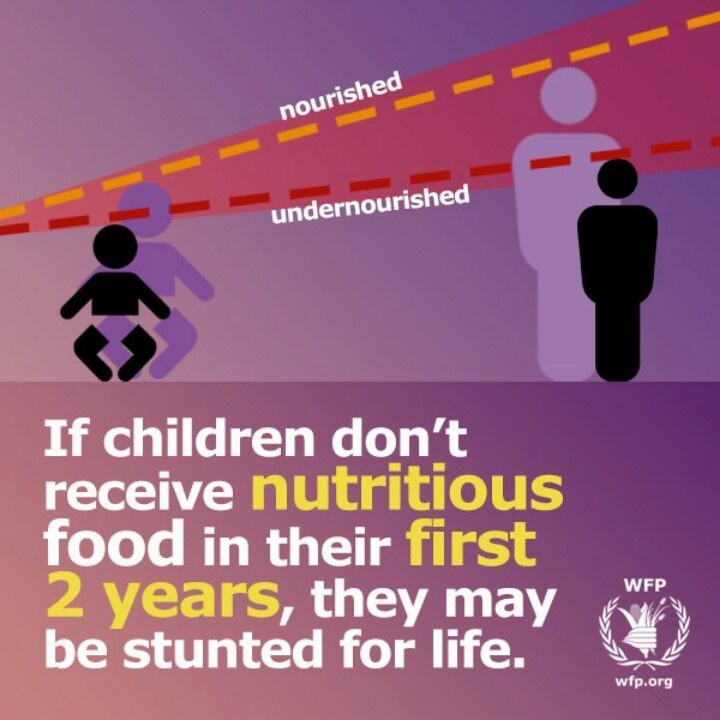
    What is happening in Paraguay is happening all over South and Central America. Interestingly, the Food and Agricultural Organization of the United States’ most recent map of world hunger in conjunction with its 2014 book on land concentration in Latin America reveals a correlation between land grabs and food security: The Latin American countries that experience the most land grabbing are also the countries with the highest levels of undernourishment. The relegation of these underserved communities throughout Latin America to unfarmable lands makes growing food unfeasible. Without a sustainable and healthy diet from family farming, displaced people suffer from malnutrition as well as heightened susceptibility to decreased birth weights, slower rates of child growth and infectious disease. Undernourishment is particularly harmful to younger children as it compromises their current and future health. Mineral and vitamin deficiencies, for example, can stunt brain development, weaken immune systems, cause blindness and sometimes lead to death. When communities lose access to both the ability to grow their own food as well as to purchase affordable, culturally appropriate, healthy foods, they lose the right to live a nourishing life.

    To realistically impact the decisions of larger corporate and government entities, we, as consumers, can use our purchasing power to shift demand away from products that rely on land grabbing for production. While the concept of purchasing our way out of a problem can be elitist and even self-fulfilling, not everyone can devote their lives to direct action and activism for every issue looming over our global society. So, one tangible way to make some sort of impact is by shopping locally. We can support local farmers through farmers markets and community-supported agriculture to ensure that our food is grown in close proximity to our home and is thus not stealing land from communities in Latin America. The second step that consumers can take to better support disadvantaged farmers is to purchase foods that are surely produced by small-holder farms, both globally and locally. This is a bit more challenging, but it can be achieved by staying informed. Seek out articles written by trusted farmer advocacy groups such as Food First, and have conversations with friends and family about the impacts that food choices have on marginalized communities. We must think critically about all foods that we purchase, including our “eco-friendly” soy milk! We need to support the folks that are invisible to governments and corporations — whose voices are suppressed and ignored, and whose right to a healthy life is under threat. It is essential that we use our resources, our judgement and our empathy to change their otherwise-predetermined fate.

    Source: The Daily Californian, March 25, 2017
    http://www.dailycal.org/2017/03/24/growing-use-soy-products-global-consequences/

  • White-nose syndrome in hibernating bats has been detected in Texas

    White-nose syndrome in hibernating bats has been detected in Texas

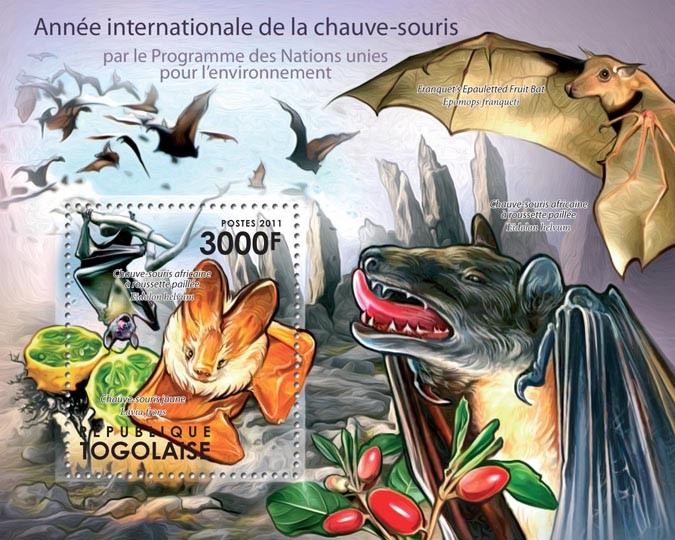
    The fungus that causes white-nose syndrome in hibernating bats has been detected on three species in the Texas counties of Childress, Collingsworth, Cottle, Hardeman, King and Scurry. The fungus was found in samples collected by a team from Texas A&M University’s Institute of Renewable Natural Resources and wildlife and fisheries sciences department, along with Bat Conservation International. The tested samples showed the fungus was present on tri-colored, cave myotis and Townsend’s big-eared bats. “White-nose syndrome, which is caused by the Pseudogymnoascus destructans fungus, has already caused catastrophic bat losses in the eastern U.S. and is projected to be in Texas within the next few years,” said Melissa Meierhofer, a research associate at the Institute of Renewable Natural Resources in College Station. “The disease was first reported in New York 10 years ago and has been spreading to other bat populations at a distance of about 100 miles per year.” Texas, with 32 bat species, has the greatest bat fauna diversity in the U.S., according to the Texas Parks and Wildlife Department. To date, bats with white-nose syndrome disease symptoms have been found in 30 U.S. states and five Canadian provinces. The fungus causing the disease has been discovered in three additional states as it makes its way across North America.

    Read more at: https://phys.org/news/2017-03-disease-deadly.html#jCp

  • Néonicotinoïdes: Bruxelles propose enfin l’interdiction

    Néonicotinoïdes: Bruxelles propose enfin l’interdiction

    La Commission européenne propose une interdiction totale des trois néonicotinoïdes sous moratoire depuis 2013, sauf pour une utilisation sous serre. Un succès pour plusieurs associations, qui demandent que l’ensemble des pesticides fassent l’objet d’un examen aussi critique. C’est peut-être le début de la fin pour ces insecticides les plus utilisés au monde, accusés de précipiter le déclin des pollinisateurs. Depuis fin 2013, trois d’entre eux parmi les cinq actuellement autorisés dans l’UE, à savoir l’imidaclopride (Gaucho) et la clothianidine (Cheyenne) de Bayer, le thiamétoxame (Cruiser) de BASF, font l’objet d’un moratoire partiel. Parmi les usages interdits par ce moratoire, initialement de deux ans, le traitement des semences et des sols pour les cultures attractives pour les abeilles (sauf cultures sous serre et céréales d’hiver), le traitement foliaire de ces cultures (hormis culture sous serre ou après floraison). Dans le cadre de ce moratoire, Bruxelles a demandé aux fabricants d’adresser de nouvelles données à l’autorité européenne de sécurité des aliments (Efsa). Ces études n’ont pas convaincu l’agence parmesane, qui, lors d’avis publiés en 2016, a estimé que des risques élevés ne pouvaient être écartés pour les pollinisateurs. C’est sur la base de ces travaux que la Commission, dans des projets de règlement émis jeudi 23 mars, propose l’interdiction pure et simple de ces trois produits, à l’exception de l’utilisation sous serre. Ces textes seront soumis au vote des représentants des Etats membres de l’UE, probablement en mai. Pour qu’ils soient adoptés, la Commission doit obtenir une majorité qualifiée, à savoir au moins 55% des Etats-membres représentant au moins 65% de la population de l’UE.

    Source: Journal de l’Environnement, le 24 mars 2017
    http://www.journaldelenvironnement.net/article/neonicotinoides-bruxelles-propose-enfin-l-interdiction,80892

  • Is it time to reassess current safety standards for glyphosate-based herbicides?

    Is it time to reassess current safety standards for glyphosate-based herbicides?

    Use of glyphosate-based herbicides (GBHs) increased ∼100-fold from 1974 to 2014. Additional increases are expected due to widespread emergence of glyphosate-resistant weeds, increased application of GBHs, and preharvest uses of GBHs as desiccants. Current safety assessments rely heavily on studies conducted over 30 years ago. We have considered information on GBH use, exposures, mechanisms of action, toxicity and epidemiology. Human exposures to glyphosate are rising, and a number of in vitro and in vivo studies challenge the basis for the current safety assessment of glyphosate and GBHs. We conclude that current safety standards for GBHs are outdated and may fail to protect public health or the environment. To improve safety standards, the following are urgently needed: (1) human biomonitoring for glyphosate and its metabolites; (2) prioritisation of glyphosate and GBHs for hazard assessments, including toxicological studies that use state-of-the-art approaches; (3) epidemiological studies, especially of occupationally exposed agricultural workers, pregnant women and their children and (4) evaluations of GBHs in commercially used formulations, recognising that herbicide mixtures likely have effects that are not predicted by studying glyphosate alone.

    Source: Vandenberg LN, Blumberg B, Antoniou MN, et al. J Epidemiol Community Health, Published Online First: March 20, 2017. doi:10.1136/jech-2016-208463

  • L’Union nationale de l’apiculture française accuse le ministère de cacher les dégâts des pesticides sur les ruches

    L’Union nationale de l’apiculture française accuse le ministère de cacher les dégâts des pesticides sur les ruches

    « Je ne crois aux statistiques que lorsque je les ai moi-même falsifiées. » L’Union nationale de l’apiculture française (UNAF) a fait sienne la boutade de Churchill et devait publier, vendredi 24 mars, une note critique sur le programme national de surveillance de la mortalité des abeilles. Conduit par les services du ministère de l’agriculture, ce programme est, selon l’UNAF, entaché de plusieurs biais et tours de passe-passe statistiques conduisant à minimiser le rôle des pesticides dans le déclin des abeilles. A l’automne 2016, le bimestriel La Santé de l’abeille publiait, sous la signature d’un expert du ministère de l’agriculture, un article concluant que seuls 13 des 195 cas de mortalités aiguës déclarés en 2015 en France étaient dus à des pesticides. Soit seulement 6,6 % des cas. Le gros des pertes était attribué à des pathogènes naturels (parasites, virus, etc.) ou des mauvaises pratiques apicoles. Frappantes, ces conclusions ont immédiatement fait l’objet d’un communiqué de presse du Réseau biodiversité pour les abeilles – créé par BASF – et ont même été citées dans une tribune du Wall Street Journal…« Très surpris de ces chiffres, nous avons demandé l’ensemble des données au ministère », indique Anne Furet, chargée de projet à l’UNAF. La réanalyse de ces données indique, selon l’UNAF, une série de failles réduisant considérablement la part des mortalités attribuables aux pesticides.

    En savoir plus sur http://www.lemonde.fr/biodiversite/article/2017/03/24/abeilles-et-pesticides-les-acrobaties-statistiques-du-ministere-de-l-agriculture_5100118_1652692.html#OI97D6oTtS7dSvTD.99

  • Het dode landschap van de rentmeesters van het CDA

    Het dode landschap van de rentmeesters van het CDA

    Als ik door Nederland fiets, wandel of rijd, word ik verdrietig van de doodsheid van het platteland. Tachtig procent van ons land bestaat uit platgewalste turbograsvlakten of bespoten veevoervelden. De bodem is vergeven van diarree van miljoenen vetgemeste dieren, de akkers van chemische plantenverdelgers. Nu het groeiseizoen begint, zie ik de wintertarwe opkomen, uit het in insecticiden gedrenkte zaaigoed. Allemaal veevoer, maar ook wat we zelf eten is doordrenkt van vergif. Ik zie tractoren rijden, met een meters brede stellage erachter, waaruit tientallen sproeiers hun vergif spuiten. Tot in de sloten vergiftigen we ons land. Geen wonder dat de vlinders, bijen en weidevogels verdwijnen. Vijftig(pluss)ers herinneren zich vast de van geplette insecten besmeurde voorruit en koplampen, na een autorit op een warme zomerdag. Verleden tijd. De veldbloemen zijn weggemest, en zonder bloemen geen insecten en dus geen vogels. Grutto, kievit, scholekster, tureluur, leeuwerik, spreeuw zitten allemaal in een vrije val. Het land is stil geworden. We willen niet anders, we kiezen partijen die niets om bloemen en vogels geven en die zelfs in de vernietiging van het landschap investeren, om nóg meer winst uit de bodem te persen. En het is een doodlopende weg, alleen goed voor enkele portemonnees die al uitpuilen. Er zijn boeren die het anders willen, maar tegen de bureaucratische bierkaai aanbotsen.

    Auteur: Koos Dijksterhuis in Trouw, 22-03-17
    https://www.trouw.nl/groen/willen-we-een-dood-of-levend-landschap-in-nederland-~a49675f8/

  • New European Report Shows Glyphosate Producers are “Buying Science”

    New European Report Shows Glyphosate Producers are “Buying Science”

    Monsanto and other glyphosate manufacturers appear to have distorted scientific evidence on the public health impacts of glyphosate in order to keep the controversial substance on the market, according to a new report released today by GLOBAL 2000 (Friends of the Earth Austria) with the support of Avaaz, BUND, Campact, CEO, GMWatch, Pesticide Action Network (PAN) Europe, PAN Germany, and Umweltinstitut München. Between 2012 and 2016, the companies sponsored a series of review articles published in scientific journals, all of which conclude that glyphosate and its commercial formulations are not harmful to health. The new report, “Buying Science,” shows that these industry-sponsored reviews of glyphosate’s carcinogenicity and genotoxicity (ability to damage DNA) contain fundamental scientific flaws, spanning from apparently calculated omissions and the introduction of irrelevant data to the violation of OECD guidance for the evaluation of rodent cancer studies. The reviews also consistently assign greater weight to unpublished industry studies than to studies that were peer-reviewed and published in scientific journals.

    Despite these major defects, regulatory authorities that conclude that glyphosate is not carcinogenic have frequently referred to the arguments provided in these industry-sponsored review articles on glyphosate. Germany’s Federal Institute for Risk Assessment (BfR), the European Food Safety Authority (EFSA), and the US Environmental Protection Agency (EPA) have all drawn on such review articles. “Glyphosate producers have used every trick in the book to enable regulatory authorities around the world to play down the alarming health effects of glyphosate. The fact that the agencies accepted their ‘assistance’ is nothing less than scandalous,” says Helmut Burtscher, one of the study’s authors.

    In contrast, the World Health Organisation’s (WHO) cancer research agency (IARC) refused to consider the unpublished industry studies summarised in industry-sponsored reviews in its assessment of glyphosate, stating that the data presented therein were insufficient and important details were lacking. IARC generally does not accept unpublished scientific evidence. The organisations presenting the report today also support the European Citizens’ Initiative (ECI) to Ban glyphosate and protect people and the environment from toxic pesticides. As part of its stated objectives, the Stop Glyphosate ECI demands that the European Commission “ensures that the scientific evaluation of pesticides for EU regulatory approval is based only on published studies, which are commissioned by competent public authorities using industry money, instead of directly by the pesticide industry.”

    “Decisions on the future of glyphosate should be guided by IARC’s independent review of the evidence,” Burtscher added.

    Source: Sustainable Pulse, 23 March 2017

    New European Report Shows Glyphosate Producers are “Buying Science”

  • Europe poised for total ban on neonicotinoids – given their persistence still a mighty close call for ecosystem integrity

    Europe poised for total ban on neonicotinoids – given their persistence still a mighty close call for ecosystem integrity

    The world’s most widely used insecticides would be banned from all fields across Europe under draft regulations from the European commission, seen by the Guardian. The documents are the first indication that the powerful commission wants a complete ban and cite “high acute risks to bees”. A ban could be in place this year if the proposals are approved by a majority of EU member states. Bees and other pollinators are vital for many food crops but have been declining for decades due to habitat loss, disease and pesticide use. The insecticides, called neonicotinoids, have been in use for over 20 years and have been linked to serious harm in bees. A fierce battle has been fought between environmental campaigners and farming and pesticides groups. The latter argue the insecticides are vital for crop protection and that opposition is to them is political.

    The EU imposed a temporary ban on the use of the three key neonicotinoids on some crops in 2013. However, the new proposals are for a complete ban on their use in fields, with the only exception being for plants entirely grown in greenhouses. The proposals could be voted on as soon as May and, if approved, would enter force within months.

    The 2013 ban went ahead after those nations opposing the measure, including the UK, failed to muster enough votes. However, since then, the UK government seems to have softened its opposition, having rejected repeated requests from British farmers for “emergency” authorisation to use the banned pesticides.

    “The amount of scientific evidence on the toxicity of these insecticides is so high that there is no way these chemicals should remain on the market,” said Martin Dermine, at Pesticide Action Network Europe, which obtained the leaked proposals and shared them with the Guardian. “PAN Europe will fight with its partners to obtain support for the proposal from a majority of member states.” A petition to ban neonicotinoids, from Avaaz, has gathered 4.4m signatures.

    There is a strong scientific consensus that bees are exposed to neonicotinoid pesticides in fields and suffer serious harm from the doses they receive. There is only a little evidence to date that this harm ultimately leads to falls in overall bee populations, though results from major field trials are expected soon. However, the European commission (EC) has decided to move towards implementing a complete ban now, based on risk assessments of the pesticides by the European Food Safety Authority (Efsa), published in 2016. Efsa considered evidence submitted by the pesticide manufacturers but the EC concluded that “high acute risks for bees” had been identified for “most crops” from imidacloprid and clothianidin, both made by Bayer. For thiamethoxam, made by Syngenta, the EC said the company’s evidence was “not sufficient to address the risks”.

    Paul de Zylva, at Friends of the Earth, said: “The science is catching up with the pesticide industry – the EU and UK government must call time on neonics. Going neonic-free puts farmers more in control of their land instead of having to defer to advice from pesticide companies.” However, Sarah Mukherjee, chief executive of the Crop Protection Association, which represents pesticide makers, said: “We are disappointed with this [EC] proposal, which seems more of a political judgement than sound science.” She said the Efsa assessments were based on what the CPA sees as unworkable guidance that did not have formal approval from EU countries: “The proposal is based on an assessment using the unapproved Bee Guidance document and perfectly illustrates the consequences of using this guidance. Most crop protection products, including those used in organic agriculture, would not pass the criteria.”

    Matt Shardlow, chief executive of the charity Buglife, welcomed the proposed ban: “Efsa confirmed over 70 high risks from neonicotinoid treated cereal seeds.” He said the pesticides can persist in soils and that the ban should also cover greenhouses as a precaution. Earlier in March, UN food and pollution experts issued a severely critical report on pesticides, arguing that it was a myth they were needed to feed the world and calling for a new global convention to control their use. “Given the failure of the pesticide industry to address, or even acknowledge, the ecological disaster caused by neonicotinoid pesticides, we agree that there is an urgent need for a new global convention,” said Shardlow.
    Source: The Guardian, 23 March 2017
    https://www.theguardian.com/environment/2017/mar/23/europe-poised-for-total-ban-on-bee-harming-pesticides?CMP=Share_iOSApp_Other

  • GLOBAL 2000 Report “Gekaufte Wissenschaft”

    GLOBAL 2000 Report “Gekaufte Wissenschaft”

    Monsanto und andere Glyphosat-Hersteller scheinen wissenschaftliche Beweise über die gesundheitlichen Auswirkungen von Glyphosat in ein anderes Licht gerückt zu haben, um die umstrittene Substanz weiter auf dem Markt zu halten, so ein neuer Bericht, den die österreichische Umweltschutzorganisation GLOBAL 2000 heute veröffentlicht – mit Unterstützung von Avaaz, BUND, Campact, CEO, GMWatch, Pesticide Action Network (PAN) Europa, PAN Deutschland und Umweltinstitut München. Zwischen 2012 und 2016 beauftragten Hersteller von Glyphosat eine Reihe von wissenschaftlichen Übersichtsarbeiten (Review Artikel), die in wissenschaftlichen Zeitschriften veröffentlicht wurden und alle zu dem selben Ergebnis kamen: Der Pestizidwirkstoff Glyphosat und und seine Formulierungen seien nicht gesundheitsschädlich. Der neue Bericht “Gekaufte Wissenschaft” zeigt, dass diese von der Industrie beauftragten Übersichtsarbeiten, welche sich überwiegend mit der Frage beschäftigen, ob Glyphosat Krebs verursacht, die DNA verändert, oder Missbildungen erzeugt, grundlegende wissenschaftliche Mängel aufweisen. Dazu zählt das scheinbar kalkulierte Weglassen von relevanten Daten bei gleichzeitiger Einführung irrelevanter Daten oder die Verletzung von OECD-Vorgaben für die Auswertung von tierexperimentellen Krebsstudien, wodurch statistisch signifikante Krebsbefunde als nicht signifikante Zufallsergebnisse dargestellt werden.
    Auch messen diese Industrie-finanzierten Übersichtsarbeiten den unveröffentlichten Studien der Hersteller durchwegs höhere Glaubwürdigkeit bei als den frei zugänglichen Studien aus der wissenschaftlichen Literatur.

    Trotz dieser grober Mängel nehmen die Krebsbewertungen von Glyphosat durch europäische und US-amerikanische Regulierungsbehörden wiederholt auf diese Industrie-finanzierten Einschätzungen Bezug. Sowohl das Bundesinstitut für Risikobewertung (BfR) als auch die Europäische Behörde für Lebensmittelsicherheit (EFSA) und die US-amerikanische Umweltschutzbehörde (EPA) haben für ihre Schlussfolgerungen, Glyphosat sei weder krebserregend, noch mutagen, noch fruchtschädigend, wiederholt auf Argumente aus diesen Artikeln zurückgegriffen.

    “Die Hersteller von Glyphosat haben große Anstrengungen unternommen, um es den Regulierungsbehörden zu ermöglichen, Hinweise auf alarmierende Risiken für die menschliche Gesundheit unter den Tisch zu kehren. Die Tatsache, dass die Behörden ihre “Hilfe” angenommen haben, ist skandalös “, erklärt Helmut Burtscher, Biochemiker bei GLOBAL 2000 und einer der Autoren der Studie.

    Im Gegensatz zu den Behörden hat die Krebsforschungsagentur (IARC) der Weltgesundheitsorganisation WHO diese Industrie-finanzierten Übersichtsarbeiten und die darin zusammengefassten unveröffentlichten Hersteller-Studien für ihre Krebsbewertung von Glyphosat nicht berücksichtigt. Die darin enthaltenen Angaben seien unzureichend und wichtige Details zu den Studien würden fehlen. Die IARC akzeptiert in der Regel keine unveröffentlichten und daher nicht überprüfbaren wissenschaftlichen Erkenntnisse.

    Die Organisationen, die den Bericht heute vorstellen, unterstützen auch die Europäische Bürgerinitiative (EBI), die ein Verbot von Glyphosat fordert – zum Schutz von Mensch und Umwelt vor toxischen Pestiziden: https://www.global2000.at/stop-glyphosat
    Ein erklärtes Ziele der “Stop Glyphosat EBI“ ist, dass die Zulassung von Pestiziden nur auf veröffentlichten Studien basiert, und diese nicht unmittelbar von der Pestizidindustrie beauftragt werden, sondern von den zuständigen Behörden, und die Hersteller die Kosten tragen.

    “Entscheidungen über die Zukunft von Glyphosat sollten sich an der unabhängigen Bewertung der Krebsgefahr durch die IARC orientieren”, fügte Burtscher abschließend hinzu.

    Die Autoren des Reports “Gekaufte Wissenschaft“, Helmut Burtscher, Peter Clausing und Claire Robinson stehen für Interviews über den Bericht und die Europäische Bürgerinitiative zur Verfügung.
    Rückfragen & Kontakt:
    Autoren des Berichts:

    Helmut Burtscher, Biochemiker, GLOBAL 2000, +43 (0) 699 14 2000 34
    helmut.burtscher@global2000.at

    Peter Clausing, Toxikologe, PAN Deutschland, +49 (0) 176 780 127 05
    pcl@jpberlin.de

    Claire Robinson, Herausgeber von GMWatch, claire@clairejr.com

    Pressekontakte:

    Michael Lachsteiner, Pressesprecher GLOBAL 2000, +43 (0) 1 81 25 730 20; +43 (0) 699 14 2000 20, michael.lachsteiner@global2000.at
    www.global2000.at

    David Schwartz, Coordinator Stop Glyphosate ECI, +32 (0) 486 07 83 42, david@wemove.eu
    www.stopglyphosate.org