Auteur: Henk Tennekes

  • Chronic exposure to neonicotinoids reduces honey bee health near corn crops

    Chronic exposure to neonicotinoids reduces honey bee health near corn crops

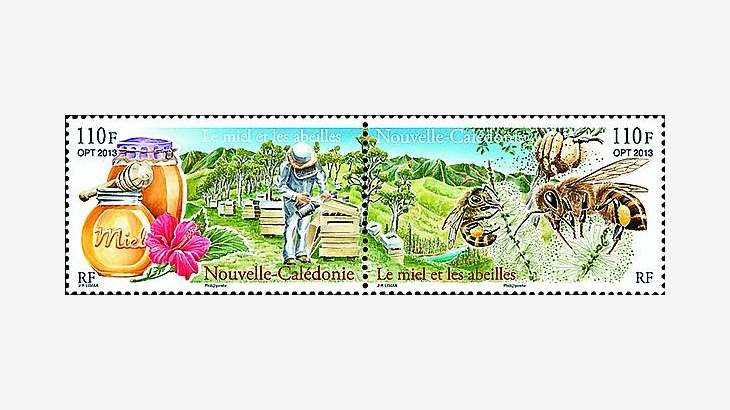
    Experiments linking neonicotinoids and declining bee health have been criticized for not simulating realistic exposure. Here we quantified the duration and magnitude of neonicotinoid exposure in Canada’s corn-growing regions and used these data to design realistic experiments to investigate the effect of such insecticides on honey bees. Colonies near corn were naturally exposed to neonicotinoids for up to 4 months—the majority of the honey bee’s active season. Realistic experiments showed that neonicotinoids increased worker mortality and were associated with declines in social immunity and increased queenlessness over time. We also discovered that the acute toxicity of neonicotinoids to honey bees doubles in the presence of a commonly encountered fungicide. Our work demonstrates that field-realistic exposure to neonicotinoids can reduce honey bee health in corn-growing regions.

    Source: Tsvetkov et al., Science 356, 1395–1397 (2017)

  • Iowa’s oak trees are sick, and some say farm chemicals are to blame

    Iowa’s oak trees are sick, and some say farm chemicals are to blame

    Iowa’s state tree is under stress. Visible damage to oak trees in recent years may be caused by farm chemicals, forestry experts say. Nearly a thousand Iowans have contacted the Iowa Department of Natural Resources this spring after noticing the leaves on their oaks appear to be eaten by insects nearly down to the veins, a problem exacerbated this year because of weather fluctuations. The good news: the trouble isn’t with insects. The bad news: There’s not much you can do about it, unless herbicide applied to corn and soybean fields is stopped, according to a DNR district forester. “If that chemical was not there, this wouldn’t happen, if you believe the research,” said Mark Vitosh, who is based in Johnson County.

    Officials with Monsanto, which makes chloroacetanilide herbicide products cited in studies, said they haven’t received any complaints and weren’t immediately familiar with research on it, so could not comment. Iowa Farm Bureau officials had no comment. University of Illinois research in 2004 found a “strong correlation” between a condition called leaf tatters and exposure to chloroacetanilide herbicides, particularly in white oaks.

    A 2008 study in Iowa by the DNR and Iowa State forestry experts reported that 11 million pounds of acetochlor and metolachlor (both in the chloroacetamide group of herbicides) was applied in Iowa in 2005 and showed similar correlations to oak leaf tatters. Tivon Feeley, forest health program leader with the DNR, said he is seeing a lot of oak tatters this year because a warm February and a very cold March slowed oak leaf development. The leaves emerged at the same time when the chemicals were at peak ambient levels.

    The number of citizen complaints this year is higher than prior years, he said, though not at a record level.

    The Iowa DNR reports the problem of oak tatters yearly to the U.S. Department of Agriculture Forest Service, which monitors issues with tree health. Officials there say they hear more reports from Iowa than other Midwest states. The USDA Forest Service lists herbicides as one cause of oak leaf tatters, along with low-temperature injury and insects. Its website specifies that little can be done to prevent additional damage, except to reduce other stresses on the tree and keep it in good health.

    Here’s how the damage occurs, according to forestry researchers: When oak leaves emerge in spring, the leaves begin to curl up. Within days, the tissue begins to disappear. The condition correlates with how much chloroacetanilide is in the air. It’s not simply drifting from the applications on fields, but also exists in the atmosphere in areas not adjacent to crop fields, even in cities and towns where tatters have been spotted on trees. “Then rains can bring it down and, sure enough, you see tatters,” Feeley said. He said it is not caused from errors in application by farmers.

    Leaf tatters most often appear in white oaks, which also include bur and swamp white, and others of Iowa’s 13 oak species. Hackberry trees can also be affected. Feeley said Illinois, Indiana, and Nebraska are seeing similar issues with tatters this year, and parts of Missouri and Minnesota.

    White oak leaves from the trees on Don Kruse’s acreage in rural Oxford which show the effects of oak leaf tatters. A tree can die if the leaves are damaged over years, but tatters may not be listed as the cause, Vitosh said. Growing secondary leaves to survive takes energy needed as defense against insects or disease. “In Iowa, we have a significant decline in white oak in the last five, six years,” he said, although he was unable to provide specific numbers. “I’m not saying it’s because of tatters, but that could be part of the problem.”

    Don Kruse of rural Oxford says oak tatters are visible in the trees on his 40 acres every year. His property is adjacent to farm fields growing corn and soybeans. “Everyone tries to slough it off as insect damage and has nothing to do with the herbicide,” he said. “I’ve been a plant enthusiast for 40 years. I know, after farmers spray chemicals, within days, the growth of a variety of trees and shrubs is stagnant, and as the days progress, you see the damage on the oak leaves.

    Source: The Des Moines Register, June 7, 2017
    http://www.desmoinesregister.com/story/news/2017/06/07/iowas-oak-trees-sick-and-some-contend-farm-chemicals-blame/346254001/

  • Vast reduction in insect numbers indicative of declining nature everywhere

    Vast reduction in insect numbers indicative of declining nature everywhere

    The vast reduction in insect numbers is indicative of generally declining nature everywhere, from birds to elephants, and wildflowers to frogs and toads. There are exceptions, especially with larger and more charismatic species, including otters and peregrine falcons. Generally, though, the trend is downwards. Because all nature is connected the declines in different groups are connected. Thus, fewer insects means fewer insect-eating birds, such as swallows, swifts and skylarks.

    A recent long-term study in the Krefeld area of Germany estimates that insects there have reduced by a staggering 80% since 1989, a mere 28 years ago. This follows decades of decline which probably started with the impacts of DDT in the middle of the 20 century, and was exacerbated by increasing use of other pesticides, even when DDT was banned. Today there are general environmental improvements (although not enough) in air and water quality, but habitat loss, the impacts of climate change and disruption of ecosystems are putting enormous pressure on populations of many species.

    This is a really important issue for humans. Much as we like to think that we can control nature, in reality nature controls us. It may appear that agriculture and nature are separated, that all the elements of food production are under our control, but they are not. From tiny creatures in the soil, to pollinators, and insects, birds and mammals which feed on the species we call pests, we need healthy and thriving natural systems running in the background. We can construct giant combine harvesters, but they will be useless if the crops fail. For some reason this issue has no political leverage, it was, for instance, ignored in the general election campaign. The time may be coming when we will no longer be able to ignore it.

    Source: Birmingham Post, 14 June 2017
    http://www.birminghampost.co.uk/lifestyle/lifestyle-opinion/vast-reduction-insect-numbers-indicative-13185845

  • Country-specific effects of neonicotinoids on honey bees and wild bees

    Country-specific effects of neonicotinoids on honey bees and wild bees

    Neonicotinoid seed dressings have caused concern world-wide. We use large field experiments to assess the effects of neonicotinoid-treated crops on three bee species across three countries (Hungary, Germany, and the United Kingdom). Winter-sown oilseed rape was grown commercially with either seed coatings containing neonicotinoids (clothianidin or thiamethoxam) or no seed treatment (control). For honey bees, we found both negative (Hungary and United Kingdom) and positive (Germany) effects during crop flowering. In Hungary, negative effects on honey bees (associated with clothianidin) persisted over winter and resulted in smaller colonies in the following spring (24% declines). In wild bees (Bombus terrestris and Osmia bicornis), reproduction was negatively correlated with neonicotinoid residues. These findings point to neonicotinoids causing a reduced capacity of bee species to establish new populations in the year following exposure.

    Source: Woodcock, B A, Bullock, J M, Shore, R F, Heard, M S, Pereira, M G, Redhead, J, Ridding, L, Dean, H, Sleep, D, Henrys, P, Peyton, J, Hulmes, S, Hulmes, L, Sárospataki, M, Saure, C, Edwards M, Genersch, E, Knäbe, S & Pywell, R F. Country-specific effects of neonicotinoid pesticides on honeybees and wild bees, Science, VOL 356, ISSUE 6345, DOI: 10.1126/science.aaa1190.
    http://science.sciencemag.org/content/356/6345/1393?ijkey=Pr5Pw.hh02FIE&keytype=ref&siteid=sci

    Lead scientist, Professor Richard Pywell, explained more about the project in a series of video clips recorded at the beginning of the experiment:
    https://www.ceh.ac.uk/our-science/projects/impacts-neonicotinoids-honeybees

  • Vogelsterben in Norddeutschland immer dramatischer

    Vogelsterben in Norddeutschland immer dramatischer

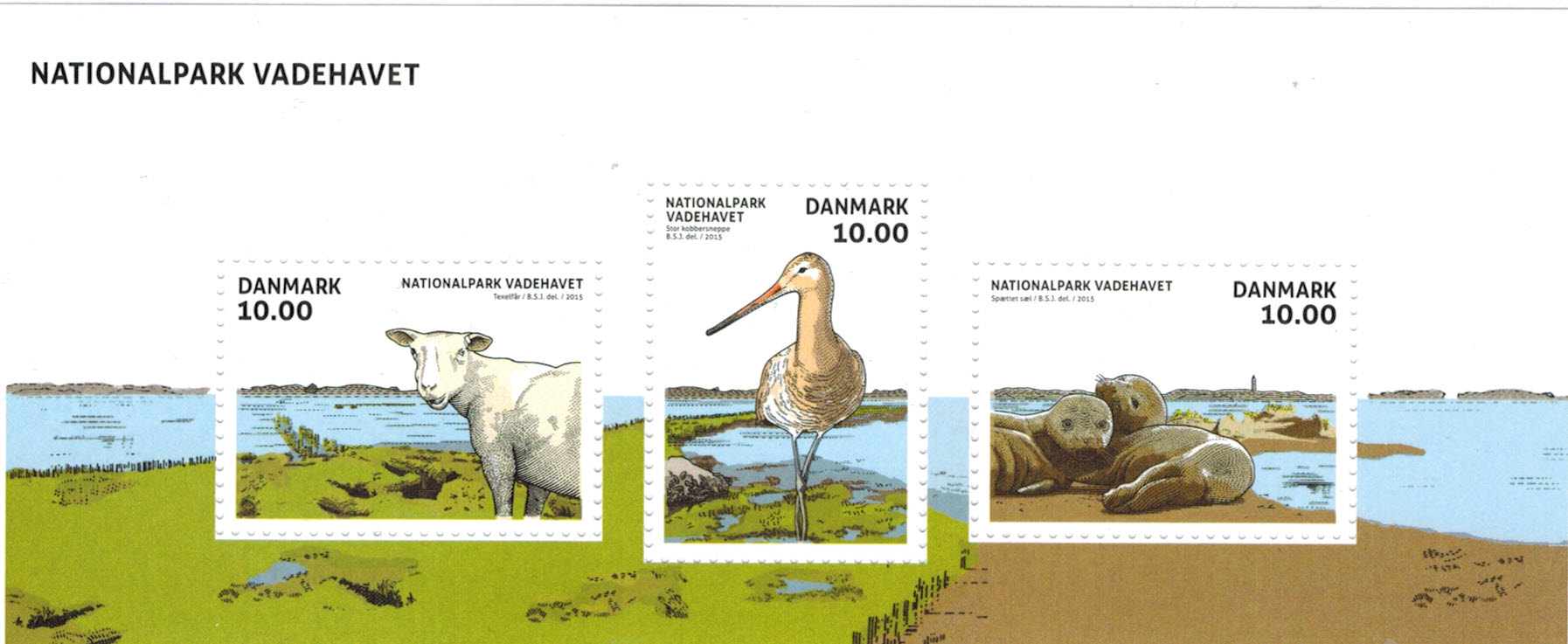
    Die Vogelbestände in Deutschland und Europa sind in den vergangenen Jahrzehnten dramatisch geschrumpft. Betroffen sind vor allem diejenigen, die in Agrarlandschaften leben, aber auch an der Nordseeküste beobachten Ornithologen seit Langem mit Sorge eine stetige Verkleinerung der Brutvogelbestände – und das nicht nur hierzulande, sondern im gesamten niederländisch-deutsch-dänischen Wattenmeer. Nach Angaben der Nationalparkverwaltung in Tönning sind die Populationen von nahezu zwei Drittel der Brutvogelarten – auch so häufiger wie Austernfischer und Rotschenkel – seit den 1990er Jahren kontinuierlich rückläufig. Schlechte Nahrungsbedingungen sehen Biologen auch als einen wesentlichen Grund für den Abwärtstrend in der Vogelwelt generell. Eine wesentliche Rolle spielt der Einsatz von Pestiziden. So hat das Umweltbundesamt vor einigen Wochen in einer Stellungnahme konstatiert, dass deren Ausbringen „zahlreiche Risiken für die Umwelt einschließlich der biologischen Vielfalt“ berge. In der Roten Liste der Brutvögel Deutschlands werden nach Regierungsangaben 13 Arten als ausgestorben oder verschollen geführt, 29 als „vom Aussterben bedroht“ und 19 als „stark gefährdet“.

    Quelle: Neue Osnabrücker Zeitung, 17.06.17
    https://www.noz.de/deutschland-welt/politik/artikel/910187/vogelsterben-in-norddeutschland-immer-dramatischer

  • Significant declines in populations of steelhead trout in the Pacific Northwest

    Significant declines in populations of steelhead trout in the Pacific Northwest

    Steelhead trout (Oncorhynchus mykiss) are entrenched in the economy, ecology, and culture of the Pacific Northwest. Declining numbers of steelhead in the rivers flowing through British Columbia, Washington state, and Oregon are troubling fishers and fisheries managers alike. A new study published today in the Canadian Journal of Fisheries and Aquatic Sciences (CJFAS) shows that survival of young steelhead trout in ocean environments has also been precipitously declining. Survival of juvenile steelhead in the ocean has recently been considered a possible factor in the decline of these fish but to date long-term survival and abundance trends among Pacific Northwest populations were largely unknown. Now, using multiple decades of data for 48 populations of wild and hatchery steelhead trout, scientists at the Washington Department of Fish and Wildlife have shown that declining survival of juvenile steelhead in the ocean is strongly coupled with significant declines in the abundance of adults.

    “We were able to compile data from multiple reports and databases to document survival in the ocean of Oregon, Washington, and BC steelhead trout and show that these trends paralleled declines in adult abundance and also differ among populations originating from different areas,” says Dr. Neala Kendall, lead author of the study. “We believe this is the first time these data have been brought together in a single study.”

    Populations with particularly concerning declines were those in the Lower Columbia River and in Puget Sound, an inlet of the Pacific Ocean and part of the Salish Sea that extends north and south of Seattle, Washington. The study found that among populations in Puget Sound, ocean survival of juvenile steelhead in the 2000s has declined by 77% on average compared to the 1980s; survival averaged 3.1% in the 1980s but dropped to 0.7% in the 2000s. The study found parallel trends in adult abundance. Specifically, numbers of adults in Puget Sound steelhead populations in the 2000s have declined by 53% on average compared to the 1980s.

    The declines in juvenile survival “likely contributed to these fishes’ low abundance,” says Kendall; abundances are so low that Puget Sound steelhead were listed for protection under the Endangered Species Act in 2007. Steelhead populations in British Columbia included in the study also have all declined in abundance and ocean survival since the 1980s. Declines in survival of juvenile steelhead in ocean environments were not as drastic for populations along the coasts of Washington and Oregon which are not listed under the Endangered Species Act.

    Survival and abundance trends, like those generated in this study, can enhance current tools being used to predict changes in steelhead populations. To best conserve steelhead in the Pacific Northwest, especially recovery efforts for Puget Sound populations, “stakeholders and concerned citizens want to better understand why these populations have been struggling and how marine survival has contributed,” Kendall says. “With this information, policymakers and managers can have different expectations about Puget Sound and Lower Columbia steelhead [compared to] fish on the coast due to their different marine survival patterns,” she adds.

    Kendall sees this study as providing further support for ongoing efforts by natural resource agencies and NGOs to improve steelhead survival and protect the habitats these juvenile trout use upon arriving in the ocean. These include reducing shoreline armoring (e.g., construction of seawalls), protecting and promoting forage fish, understanding the impacts of marine mammals, and decreasing exposure to parasites and chemical contaminants.

    The research is part of the Salish Sea Marine Survival Project, a US-Canada collaboration of more than 60 organizations conducting research to understand why salmon and steelhead are dying in the Salish Sea.

    The article, “Declining patterns of Pacific Northwest steelhead trout (Oncorhynchus mykiss) adult abundance and smolt survival in the ocean” by Neala W. Kendall, Gary W. Marston, and Matthew M. Klungle was published today in Canadian Journal of Fisheries and Aquatic Sciences.

    Read more at: https://phys.org/news/2017-06-steelhead-trout-population-declines-linked.html#jCp

  • Hen harrier plunges towards extinction in England

    Hen harrier plunges towards extinction in England

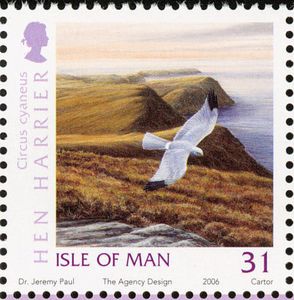
    The hen harrier (Circus cyaneus), an iconic bird of prey, is heading towards the brink of extinction in England, new figures suggest. There are just four breeding pairs left in England and numbers are declining elsewhere in the UK. Scotland is the traditional stronghold of these raptors, but numbers have fallen 9% since 2010. Numbers in England fell from twelve pairs in 2010 to just four in 2016.
    Numbers of pairs in Scotland fell from 505 to 460 over the period, while in Wales they declined from 57 to 35 breeding pairs. In Northern Ireland, pairs fell from 59 recorded in 2010 to 46 in 2016. Longer term figures highlight the dramatic decline in the UK hen harrier population over the past 12 years. The national survey in 2004 pointed to an estimated 749 pairs, meaning hen harrier numbers have fallen by 204 pairs (39%) in the succeeding years.

    The North East has emerged as the last refuge for a bird of prey on the brink of extinction as a breeding species in England. Last year there were just four territorial pairs in England – with three out of the nesting attempts being in Northumberland and the other at Geltsdale, just over the county border near Brampton in Cumbria. Two of the Northumberland nests were successful, fledging six young. The other was naturally predated. In 2015 two nests in Northumberland produced eight youngsters.

    Sources: BBC News, 28 June 2017
    http://www.bbc.com/news/science-environment-40422732
    Chronicle Live, 30 June 2017
    http://www.chroniclelive.co.uk/news/north-east-news/parts-northumberland-emerge-last-refuge-13255245

  • Huiszwaluw lijdt honger in Groningen stad door insectengebrek

    Huiszwaluw lijdt honger in Groningen stad door insectengebrek

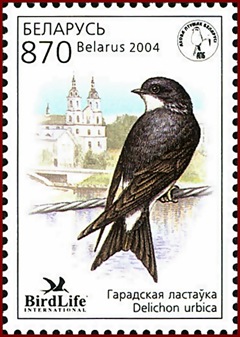
    De huiszwaluw (Delichon urbicum) in de stad heeft het zwaar dit jaar; er is te weinig voedsel beschikbaar. Zo concludeert stadsecoloog Jan Doevendans. Hij is vandaag bezig een deel van de zwaluwen te ringen, te meten en te wegen. Een hoogwerker gaat de lucht in op het Van Brakelplein in Groningen. Erbovenop staan stadsecoloog Jan Doevendans kameraad Henk de Wit en bevriend vogelkenner Andries Berghuis. Gedrieën staan ze over een van de nestkasten gebogen die bevestigd zijn aan verschillende gevels op het plein. Met de greep van een ervaren natuurdeskundige – het kopje tussen linkerwijsvinger en -middelvinger, de rest van het lijfje rust in zijn handpalm – klemt Doevendans voorzichtig een kleine zwaluw in zijn hand. De jonge vogel krijgt een ringetje om zijn rechterpoot, waarna Doevendans zijn rechtervleugel langs een meetlat legt. ,,77, Henk’’, geeft hij hardop het aantal millimeters door aan Berghuis, die net als Doevendans zelf nauwgezet alle gegevens noteert. Dan is het de beurt aan De Wit. Hij weegt elke vogel in een kokertje, gemaakt van het karton van een keukenrol. Hopla, daar gaat het beestje op zijn kop erin, waarna De Wit het kokertje op een weegschaal legt. ,,19,8’’, roept hij. Wat betekent; 19,8 gram. Doevendans schudt zijn hoofd. ,,Dit gaat niet goed, jongens. De ervaring leert dat een vogel met een vleugellengte van 73 millimeter’ tenminste 20 gram moet wegen. ,,De lengte van de vleugels zegt iets over de groei’’, legt Doevendans uit. ,,Dit gegeven, samen met het gewicht van een vogel, zegt dit iets over de conditie.’’ Daarmee is het dit seizoen niet al te best gesteld, zegt Doevendans, die al enkele lege nesten en een paar nesten met dode pullen – de jongen van een huiszwaluw – aantrof. ,,,Een drama’’, zegt hij. ,,Die beesten liggen hier gewoon dood te gaan in de kast.’’ De oorzaak van de sterfte is een gebrek aan voedsel, stelt Doevendans. Er zijn te weinig insecten. Normaal gesproken vangen twee zwaluwouders duizenden vliegen en andere insecten per dag om hun jongen mee te voeden.

    De stadsecoloog wijdt het voedseltekort aan het gebruik van neonicotinoïden, een veel gebruikt insectenbestrijdingsmiddel in de landbouw. De Europese Unie (EU) overweegt het pesticide de verbieden.

    Bron: Dagblad van het Noorden, 26-06-17
    http://www.dvhn.nl/groningen/Huiszwaluw-lijdt-honger-in-Groningen-stad-22317054.html

  • Bundesamt warnt: Agrarwende muss Vögel und Insekten retten

    Bundesamt warnt: Agrarwende muss Vögel und Insekten retten

    Die Lage für Vögel, Insekten, Pflanzen und ganze Lebensräume in Agrarlandschaften verschlechtert sich einem Bericht des Bundesamts für Naturschutz zufolge dramatisch. „Praktisch alle Tier- und Pflanzengruppen in der Agrarlandschaft sind von einem eklatanten Schwund betroffen”, teilte die Präsidentin des Bundesamts, Beate Jessel, in Berlin mit. Die Entwicklung sei „alarmierend”, es brauche dringend eine Kehrtwende in der Agrarpolitik. Der Report mache einmal mehr deutlich, dass sich Artenvielfalt in der Agrarlandschaft im rasanten Sinkflug befinde, hieß es in einer Reaktion des Naturschutzbundes (Nabu). „Pestizid-Einsatz und monotone Kulturen sorgen dafür, dass Insekten weniger werden, Vögeln Nahrung und Lebensraum fehlt.”

    Das Bundesamt für Naturschutz (BfN) hat für seinen Agrar-Report mehrere Studien zur Entwicklung der Natur in der Agrarlandschaft zusammengeführt. Besonders brisant ist die Lage demnach für Insekten und Vögel. Zum Beispiel sind demnach 41 Prozent der 560 Wildbienenarten gefährdet. Verschiedene Studien hätten zudem einen drastischen Rückgang der gesamten Insektenbiomasse nachgewiesen.

    Bei den Ackerwildkräutern sieht es ebenfalls schlecht aus: Früher verbreitete Arten wie der Acker-Rittersporn seien kaum noch zu finden, ebenso das Sommer-Adonisröschen. Der einstmals verbreitete Feldhamster sei vom Aussterben bedroht.

    Zwischen 1990 und 2013 seien die Bestände des Kiebitz um 80 Prozent zurückgegangen, die der Uferschnepfe um 61 Prozent und die der Feldlerche um 35 Prozent. Auch Wiesen, auf denen viele Pflanzen blühen, und Weiden stehen unter Druck. Grünland mit hoher biologischer Vielfalt ist in der Agrarlandschaft dem Report zufolge allein 2009 bis 2015 um 9 Prozent zurückgegangen. „Zwar scheint der Flächenverlust gestoppt, aber wir müssen eine weiter anhaltende deutliche qualitative Verschlechterung des Grünlands feststellen”, sagte Jessel. Grund sei, dass immer intensiver bewirtschaftet werde.

    „Um die Artenvielfalt zu erhalten, reichen die Reförmchen des Agrarministeriums wie zuletzt bei der Düngeverordnung nicht aus”, erklärte der Vorsitzende des Bund für Umwelt und Naturschutz Deutschland (BUND), Hubert Weiger, in einer Reaktion auf den Report. „Wir brauchen grundlegende Agrarreformen in Berlin und auch in Brüssel.” Die auf Agrochemie und auf industrieller Tierhaltung basierende Landwirtschaft sei Hauptverursacher des Artensterbens.

    Der Verlust von Insekten schade nicht nur der Landwirtschaft selbst, die auf Bestäubung angewiesen sei, heißt es in der BfN-Mitteilung. Von intensiver Bewirtschaftung sei zudem die breite Bevölkerung betroffen, wenn etwa wegen Überdüngung die Wasserqualität schlechter werde. Damit werde eine nicht naturverträgliche Landwirtschaft auch für die Volkswirtschaft auf Dauer teuer. Die Agrarpolitik der EU und ihre Umsetzung in Deutschland hätten dabei „versagt”, Artenvielfalt zu erhalten.

    Als Beispiel werden die Vorschriften für ökologische Vorrangflächen und das sogenannte Greening genannt. Die Anforderungen für den überwiegenden Teil dieser Flächen würden durch den Anbau von Zwischenfrüchten und Leguminosen erfüllt, die keinen Mehrwert für die biologische Vielfalt erbrächten, erklärte Jessel. „Gemessen an den eingesetzten Finanzmitteln – jährlich werden etwa 1,5 Milliarden Euro als Greening-Prämie für Landwirte in Deutschland vorgesehen – müssen die Vorrangflächen wie auch das Greening als solches daher als weitgehend wirkungslose und gleichzeitig zu teure Fehlentwicklung bezeichnet werden.”

    Damit nicht nur Agrar-Großbetriebe von EU-Prämien profitierten, müsse öffentliches Geld an öffentliche Leistungen gekoppelt werden, hieß es vom BUND-Vorsitzenden Weiger. Landwirte hätten über Jahrhunderte die vielfältige Kulturlandschaft und zahlreiche Arten und Lebensräume bewahrt. „Statt weiter auf die exportorientierte Landwirtschaft zu setzen, brauchen wir eine bäuerlich-ökologische Agrarwende – weg vom Weltmarkt, wieder hin zum Wochenmarkt.”

    Quelle: Frankfurter Neue Presse, 20.06.17
    http://www.fnp.de/nachrichten/panorama/Bundesamt-warnt-Agrarwende-muss-Voegel-und-Insekten-retten;art46558,2678721

  • Bestrijdingsmiddelen maken de bodem onvruchtbaar

    Bestrijdingsmiddelen maken de bodem onvruchtbaar

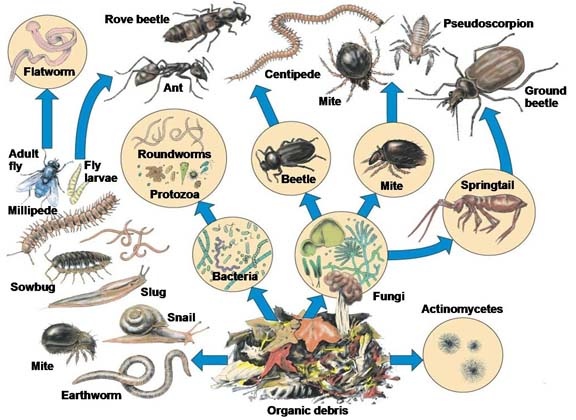
    Er zijn steeds minder wormen in Nederland en dat is een probleem. Wormen, kevers en larven zijn allemaal erg belangrijk voor de levenscyclus op aarde, maar dat komt in gevaar nu het aantal daalt. Want hoewel we wormen en andere kleine bodemdieren niet zien, gaan we ze wel degelijk missen als ze er niet meer zijn. ‘In een handje grond zit meer bodemleven dan hoeveel mensen er op aarde zijn’, legt Gerard Korthals van de Wageningen University en het NIOO (Nederlands Instituut voor Ecologie) uit. ‘Dat gaat om miljarden in aantallen. Dat doet van alles. Beesten, schimmels, aaltjes. Die zijn allemaal bezig om de voedselkringloop in de benen te houden’, vervolgt hij. De bodemdieren gaan achteruit en daarmee gaat de voedselkringloop ook achteruit. ‘Dat komt door het intensieve gebruik van de bodem zoals wij dat doen. Dan moet je denken aan het veel gebruiken van chemische middelen, bestrijdingsmiddelen, kunstmest, grond bewerken.’

    Om dat te verbeteren heeft Korthals enkele oplossingen: ‘We proberen bijvoorbeeld op kleinere schaal meer gewassen te verbouwen. Dat betekent dat je meer diversiteit hebt en het is goed op te pakken door de boer. Het maakt dan niet of je over heel veel hectares hetzelfde gewas hebt, of dat je al die hectares in stroken door elkaar heen teelt. Wij tonen steeds vaker aan dat dit ook economisch gezien rendabel is.’

    Bron: BNR Nieuws, 31-05-17
    https://www.bnr.nl/nieuws/duurzaamheid/10323835/er-zijn-steeds-minder-bodemdieren-en-dat-is-een-probleem