Auteur: Henk Tennekes

  • Distribution of glyphosate and AMPA in agricultural topsoils of the EU

    Distribution of glyphosate and AMPA in agricultural topsoils of the EU

    Approval for glyphosate-based herbicides in the European Union (EU) is under intense debate due to concern about their effects on the environment and human health. The occurrence of glyphosate residues in European water bodies is rather well documented whereas only few, fragmented and outdated information is available for European soils.We provide the first large-scale assessment of distribution (occurrence and concentrations) of glyphosate and its main metabolite aminomethylphosphonic acid (AMPA) in EU agricultural topsoils, and estimate their potential spreading by wind and water erosion. Glyphosate and/or AMPA were present in 45% of the topsoils collected, originating from eleven countries and six crop systems, with a maximum concentration of
    2 mg kg−1. Several glyphosate and AMPA hotspots were identified across the EU. Soil loss rates (obtained from recently derived European maps) were used to estimate the potential export of glyphosate and AMPA by wind and water erosion. The estimated exports, result of a conceptually simple model, clearly indicate that particulate transport can contribute to human and environmental exposure to herbicide residues. Residue threshold values in soils are urgently needed to define potential risks for soil health and off site effects related to export by wind and water erosion.

    Source: Vera Silva et al. Science of the Total Environment (2017)

  • The future for the Montagu’s Harrier looks very bleak

    The future for the Montagu’s Harrier looks very bleak

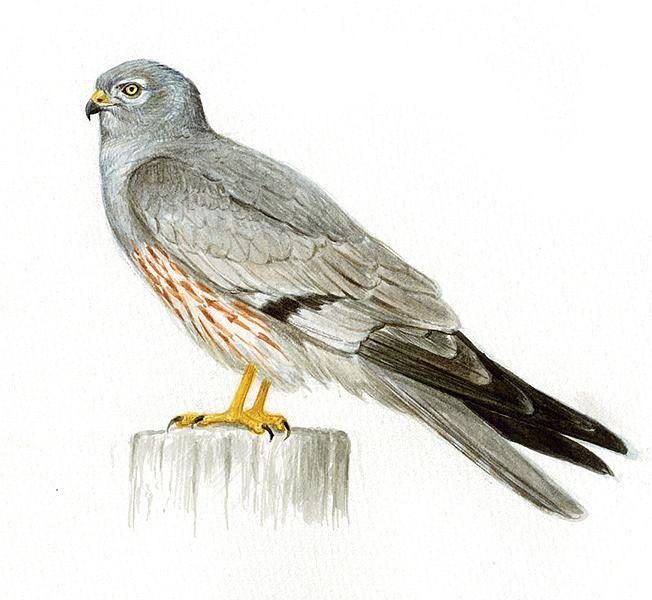
    In the course of the 20th century, the breeding population of the Montagu’s Harrier (Circus pygargus) decreased dramatically in The Netherlands. In the first half of the century, it was a fairly common and widespread breeding bird in dunes, heathland, moors and marshland. The species has disappeared from large sections of the country from the 1950s onwards, with the exception of a temporal increase in newly reclaimed polders (Southern and Eastern Flevoland). In 1950-90, the population decreased from about 250 pairs to less than 10 pairs. At present, the species is on the verge of extirpation. Food availability has decreased, resulting from detrimental changes in farming practices. The Montagu’s harrier preys on small birds, voles, shrews, rabbits, lizards and insects. In recent decades, large-scale spraying of pesticides in some African wintering areas may have added to the negative trend. The future for the Montagu’s Harrier looks very bleak indeed.

    Sources:
    Zijlstra M and Hustings F. Limosa 65 (1992): 7-18
    RSPB
    https://www.rspb.org.uk/birds-and-wildlife/bird-and-wildlife-guides/bird-a-z/m/montagusharrier/

  • EU Parlament: Anhörung zu Monsanto-Papers und Glyphosat

    EU Parlament: Anhörung zu Monsanto-Papers und Glyphosat

    Vertreter verschiedener Institutionen, Unternehmen und Behörden versammelten sich vergangene Woche zu einer von den Ausschüssen Landwirtschaft und ländliche Entwicklung (AGRI) und Umweltfragen, öffentliche Gesundheit und Lebensmittelsicherheit (ENVI) anberaumten Anhörung zu den Monsanto-Papers und Glyphosat“ im Europäischen Parlament. Da Monsanto die Einladung zur Anhörung vor Kurzem ablehnte, wurde das Diskussionsforum ohne den Agrarchemie-Konzern durchgeführt.

    Die Anhörung teilte sich in drei verschiedene Panels mit unterschiedlichen Sprechern von Forschungsinstitutionen, Nichtregierungsorganisationen (NROs) sowie öffentlichen Behörden wie beispielsweise Prof. Christopher Portier von der Universität Maastricht; Dr. José Tarazona, Leiter der Pestizid-Abteilung bei der EFSA; Carey Gillam, U.S. Right to Know; und Tim Bowmer, Vorsitzender des ECHA-Ausschusses.

    Im Rahmen der Anhörung kritisierte Prof. Portier, nebst einigen anderen Sprechern, die Europäische Behörde für Lebensmittelsicherheit (EFSA) sowie die Europäische Chemikalienagentur (ECHA) für ihren sorglosen Umgang mit dem von der Europäischen Kommmission vorgeschlagenen Wiederzulassung des Pestizids Glyphosat. Darüber hinaus drückte er seine ernsthaften Bedenken über die positive Glyphosat-Bewertung durch europäische Agenturen aus. Als Begründung dafür führt Prof. Portier an, dass die Agenturen Daten der Industrie ohne weitere Überprüfung übernommen und unabhängige Forschungsergebnisse nicht ausreichend in Betracht gezogen haben.

    Kathryn Guyton, WHO-Toxikologin bei der Internationalen Agentur für Krebsforschung (IARC), erklärte, dass zwar nur begrenzte Beweise für die Karzinogenität von Glyphosat bei Menschen gefunden wurden, bei Tieren im Zusammenhang mit Glyphosat aber ausreichende Beweise für eine Karzinogenität festgestellt worden seien. Aufgrund dieser Ergebnisse stufte die IARC die chemische Substanz Glyphosat als „wahrscheinlich krebserregend“ für Menschen ein.

    Für ihr blindes Vertrauen in die Glyphosat-Bewertungen der EFSA und der ECHA wurde die Europäische Kommission scharf kritisiert. Weiterhin forderten Lobby-Wächter die EU Agenturen dazu auf, transparenter und unabhängig von den Unternehmen zu agieren, deren Produkte sie bewerten. José Tarazona, Leiter der Pestizid-Abteilung bei der EFSA, hingegen, wies die Vorwürfe der Intransparenz entschieden von sich. Er erklärte, dass die EFSA nicht nur Ergebnisse der Industrie zur Bewertung heranzog, sondern ebenfalls Forschungsergebnisse 24 weiterer Unternehmen sowie 1.500 eigene Studien bezüglich der Toxizität der Chemikalie. Aufgrund dieser Daten stufte die Agentur Glyphosat als „nicht karzinogen“ ein. Darüber hinaus führte Tarazona an, dass alle Bewertungen der EFSA online einsehbar seien.

    Als Reaktion auf die Erklärungen der EU Agenturen EFSA und ECHA, äußerte Martin Häusling (Grüne), Mitglied des Agrar- und Umweltausschusses im Europäischen Parlament, ernsthafte Zweifel an der Unabhängigkeit der europäischen Kontrollen des Pestizids Glyphosat. Aufgrund der Tatsache, dass die Studien der Industrie, auf der die positiven Bewertungen der Chemikalie beruhen, nur unter Geheimhaltungsvereinbarungen und somit nicht öffentlich einsehbar sind, sei der Bewertungsprozess zur Glyphosat-Wiederzulassung nicht transparent. Um die Gesundheit der Menschen, die Umwelt, aber auch das Vertrauen der Konsumenten und der Bauern zu schützen, fordert Häusling eine Reform der Risikobewertungen innerhalb der EU und appelliert weiterhin an die Europäische Kommission nun entschieden zu handeln und den Wiederzulassungsprozess des Pestizids noch einmal neu aufzurollen.

    Bereits vor der Anhörung im Europäischen Parlament, bei der das Bundesinstitut für Risikobewertung (BfR) ebenso wie der Konzerngigant Monsanto trotzt Einladung nicht vertreten war, hat das Umweltinstitut München seine Konsequenzen gezogen und eine Dienstaufsichtsbeschwerde gegen den Präsidenten des BfR, Prof. Dr. Dr. Andreas Hensel, eingereicht. Grund für die Beschwerde ist ein Gutachten des Plagiatsprüfers Dr. Stefan Weber, welches bestätige, dass das BfR große Passagen seiner Bewertung von Glyphosat direkt aus dem Antrag des Produzenten des Pestizids Monsanto hat.

    Quelle: Biomarkt Info, 16.10.17
    http://bio-markt.info/kurzmeldungen/eu-parlament-anhoerung-zu-monsanto-papers-und-glyphosat.html

  • Artemis en Nefyto starten juridische procedure tegen gebruiksverbod buiten de landbouw

    Artemis en Nefyto starten juridische procedure tegen gebruiksverbod buiten de landbouw

    De overheid heeft vorig jaar een verbod ingesteld op het gebruik van gewasbeschermingsmiddelen op verhardingen en is voornemens om per 1 november 2017 dit verbod uit te breiden tot alle toepassingen buiten de landbouw. Ondanks bezwaren van Artemis en Nefyto zet de overheid dit verbod door. Genoemde organisaties vinden het verbod onrechtmatig, ongegrond en onwenselijk en hebben daarom besloten een juridische procedure tegen de Staat te starten. Het voorgenomen verbod treft het gebruik van ALLE gewasbeschermingsmiddelen buiten de landbouw en dus zowel alle chemische als alle biologische middelen.

    Artemis en Nefyto vinden dat het verbod in strijd is met de regels die gelden voor de toelating en het gebruik van gewasbeschermingsmiddelen, alsmede met de regels voor het vrije verkeer van goederen en diensten. Het gaat daarbij om het algemene principe dat de overheid het gebruik verbiedt van gewasbeschermingsmiddelen die zijn toegelaten na een strenge beoordeling door het College voor de toelating van gewasbeschermingsmiddelen en biociden (Ctgb). Met het verbod ondergraaft de overheid haar eigen nationale en Europese wettelijk kader voor de toelating van gewasbeschermingsmiddelen.

    Het gebruik van gewasbeschermingsmiddelen buiten de landbouw levert geen risico’s op voor de mens en geen onaanvaardbare risico’s voor het milieu. Bij gebruik volgens het etiket zijn toegelaten gewasbeschermingsmiddelen veilig. Er zijn geen nieuwe – op wetenschap gebaseerde – argumenten om een gebruiksverbod te rechtvaardigen. De beschikbaarheid van mechanische alternatieven voor onkruidbestrijding op verhardingen is voor de overheid een belangrijk argument voor het verbod. Maar het gebruik van gewasbeschermingsmiddelen buiten de landbouw gaat over méér dan alleen onkruidbestrijding op verhardingen en voor deze toepassingen is mechanische bestrijding niet geschikt. Artemis en Nefyto stellen dat voor alle gebieden buiten de landbouw aanvaardbare gewasbeschermingsmiddelen – zowel biologische als chemische – voorhanden moeten zijn en dat daarnaast de ontwikkeling van veelbelovende laag-risico-stoffen (“groene
    gewasbeschermingsmiddelen”) door het verbod gefrustreerd worden. Daarnaast is in een Life Cycle Analysis gebleken dat fysische en thermische onkruidbestrijding milieutechnisch ongunstiger zijn dan gebruikte gewasbeschermingsmiddelen.

    Overheid, bedrijfsleven en maatschappij streven naar vergroening van de gewasbescherming. Nederland wil daarmee Europees vooroplopen en heeft met de aanwezige innovatieve gewasbeschermingsindustrie en deskundige toeleveranciers en gebruikers een goede uitgangspositie. Als de afzetmarkt voor middelen buiten de landbouw wegvalt, zet dit ook de gewenste “vergroening” van gewasbescherming binnen de landbouw onder druk.

    Gewasbescherming is altijd nodig geweest en blijft ook altijd nodig, ook buiten de landbouw. Het aantal uitzonderingen op het gebruiksverbod op verhardingen, alsmede de uitbreiding ervan per 1 november 2017 toont dit aan. Het verbod leidt tot illegaal gebruik; een trend die momenteel al zichtbaar is. Artemis en Nefyto vinden dit een ongewenste ontwikkeling. In de aanloop naar het verbod hebben Artemis en Nefyto regelmatig, maar zonder resultaat bij de overheid aangedrongen hier van af te zien. Genoemde partijen zien zich nu genoodzaakt een juridische procedure te starten. De dagvaarding is op 12 oktober 2017 uitgebracht.

    Persbericht Artemis en Nefyto, 13 oktober 2017
    Meer informatie
    Piet Boonekamp, Artemis: 06-51328143
    Maritza van Assen, Nefyto: 06-53931774

  • Study examines pesticides’ impact on wood frogs

    Study examines pesticides’ impact on wood frogs

    Neonicotinoids are prophylactically used globally on a variety of crops, and there is concern for the potential impacts of neonicotinoids on aquatic ecosystems. The intensive use of pesticides on crops has been identified as a contributor to population declines of amphibians, but currently little is known regarding the sublethal effects of chronic neonicotinoid exposure on amphibians. The objective of the present study was to characterize the sublethal effect(s) of exposure to 3 environmentally relevant concentrations (1 μg/L, 10 μg/L, and 100 μg/L) of 2 neonicotinoids on larval wood frogs (Lithobates sylvaticus) using outdoor mesocosms. We exposed tadpoles to solutions of 2 commercial formulations containing imidacloprid and thiamethoxam, and assessed survival, growth, and development. Exposure to imidacloprid at 10 μg/L and 100 μg/L increased survival and delayed completion of metamorphosis compared with controls. Exposure to thiamethoxam did not influence amphibian responses. There was no significant effect of any treatment on body mass or size of the metamorphs. Further assessment of both direct and indirect effects on subtle sublethal endpoints, and the influence of multiple interacting stressors at various life stages,is needed to fully understand the effects of neonicotinoids on amphibians.

    Source: Robinson SA et al. Environ Toxicol Chem 2017, 36: 1101–1109.
    http://onlinelibrary.wiley.com/doi/10.1002/etc.3739/epdf

    Read more at: https://phys.org/news/2017-03-pesticides-impact-wood-frogs.html#jCp

  • Extinction worry for South Africa’s martial eagle

    Extinction worry for South Africa’s martial eagle

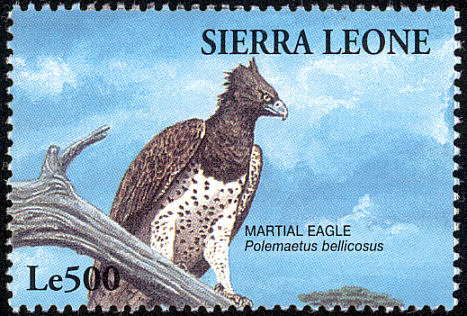
    The population of Africa’s largest eagle species is in freefall in South Africa and may be edging towards extinction, according to a new UCT study. Martial eagle (Polemaetus bellicosus) sightings have dropped by as much as 60% since the late 1980s, the study published this week in the scientific journal Bird Conservation International found. The study also highlighted a decline in Martial eagle sightings within protected areas, including the Kruger National Park and the Kalahari Gemsbok National Park.

    Dr Arjun Amar and PhD student Danië* Cloete from UCT’s FitzPatrick Institute of African Ornithology conducted the study using two Southern African Bird Atlas Project surveys carried out 20 years apart.
    Their previous research showed that comparing these surveys provided an accurate way of measuring changes in the population size of this species.

    Martial eagle total population figures are still relatively inexact, but their conservation status was uplisted in 2013 from Near Threatened to Vulnerable – which means they are recognised to be globally threatened. Martial eagles mainly prey on large birds and reptiles, and small and medium-sized mammals, but are strong enough to prey on small antelopes. They typically nest in high treetops. The study found significant declines in KwaZulu-Natal, Mpumalanga and Limpopo. Changes differed across the biomes, with the species faring worst in the Grassland, Savannah, Indian Ocean Coastal Belt and the Nama Karoo biomes.

    Source: IOL, 9 Oct 2017
    https://www.iol.co.za/capetimes/news/extinction-worry-for-africas-largest-eagle-species-11530642

  • Brüssel mahnt zur Eindämmung von Pflanzenschutzmitteln

    Brüssel mahnt zur Eindämmung von Pflanzenschutzmitteln

    Die EU-Länder müssen aus Sicht der EU-Kommission mehr tun, um den Einsatz giftiger Pflanzenschutzmittel so weit wie möglich einzudämmen. Die Umsetzung der entsprechenden Richtlinie sei ungenügend, moniert die Brüsseler Behörde. Deutschland kommt aber bei der Überprüfung vergleichsweise gut weg. Viele Menschen sorgten sich wegen Rückständen der Pestizide im Essen und in der Natur, erklärte EU-Gesundheitskommissar Vytenis Andriukaitis. Diese Sorgen nehme man ernst. Die Umsetzung der entsprechenden Richtlinie sei ungenügend, moniert die Brüsseler Behörde. Deutschland kommt aber bei der Überprüfung vergleichsweise gut weg. Viele Menschen sorgten sich wegen Rückständen der Pestizide im Essen und in der Natur, erklärte EU-Gesundheitskommissar Vytenis Andriukaitis. Diese Sorgen nehme man ernst.

    Quelle: Stuttgarter Nachrichten, 10.10.17
    http://www.stuttgarter-nachrichten.de/inhalt.eu-bruessel-mahnt-zur-eindaemmung-von-pflanzenschutzmitteln.e824a540-ee7a-43aa-9514-4cbf39d2243e.html

  • Researchers suspect that nightjars are declining in Illinois

    Researchers suspect that nightjars are declining in Illinois

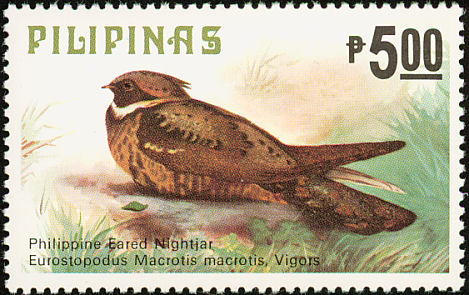
    Once common, Whip-poor-wills (Caprimulgus vociferus) and other nocturnal nightjar (Caprimulgus europaeus) species are disappearing from Illinois forests as their habitats shrink and change, according to data from the Illinois Natural History Survey (INHS), a division of the University of Illinois’ Prairie Research Institute. “Because they are nocturnal, monitoring for nightjars can be challenging, but we suspect that they are declining,” said Tara Beveroth, an INHS avian researcher. Beveroth coordinates the Monitoring of Owls and Nightjars program (MOON), which seeks to determine population trends and distribution of owls and nightjars, as well as to investigate causes of possible decline and implement best management practices to conserve them. “Whip-poor-wills have a unique, recognizable call that has been historically heard throughout Illinois,” she said. “People have noticed their absence.”

    Besides the Eastern Whip-poor-will, two other nightjar species are found in Illinois: the Chuck-will’s-widow (Antrostomus carolinensis), found mostly in southern Illinois, and the Common Nighthawk. Although the Chuck-will’s-widow has been designated as a state threatened species, populations of all three nightjar species likely suffer from habitat loss, lack of food availability, and forest composition changes.

    Nightjars are insect eaters and have historically foraged in and around oak-hickory, pine, or mixed forests. The Common Nighthawk (Chordeiles minor) can also be found in sand prairies and foraging in urban areas where they will use flat gravel roofs to nest.

    As the invasion of exotic plant species has changed forests, the number and diversity of insects have declined. Moths make up a large portion of the nightjar diet. Having an open understory to hunt for these insects is critical, especially when the birds are raising their young, which is timed with the full moon so they can see better while hunting. The native herbaceous understories, once bursting with insect life, are declining in Illinois forests.

    Adding the Chuck-will’s-widow and the Common Nighthawk to the state threatened or endangered species list along with the Eastern Whip-poor-will requires definitive data on declining numbers. Because MOON surveys are completed when most people are sleeping, finding volunteers who can consistently monitor for nightjars is a challenge. However, Beveroth hopes to see this program grow and produce data needed to benefit the nocturnal birds.

    The 10-stop roadside surveys are completed once in May and again in June; volunteers detected 123 nightjars during the 2015 survey and 98 in 2016.

    “With the addition of Chuck-will’s-widow to the Illinois Threatened Species List in 2015, continued monitoring is especially important,” Beveroth said. “The Eastern Whip-poor-will could potentially be listed in the future. While this is not something we want to see, listing provides a way to advocate for research funds to use best management practices for attempts to increase abundance of the birds in Illinois.”

    Source: Illinois National History Survey, Sept 25, 2017
    https://uofi.illinois.edu/blog/view/7447/559429

  • Negative impacts of neonicotinoids in aquatic environments are a reality

    Negative impacts of neonicotinoids in aquatic environments are a reality

    Initial assessments that considered these insecticides harmless to aquatic organisms may have led to a relaxation of monitoring efforts, resulting in the worldwide contamination of many aquatic ecosystems with neonicotinoids. The decline of many populations of invertebrates, due mostly to the widespread presence of waterborne residues and the extreme chronic toxicity of neonicotinoids, is affecting the structure and function of aquatic ecosystems. Consequently, vertebrates that depend on insects and other aquatic invertebrates as their sole or main food resource are being affected. Declines of insectivore bird species are quite evident so far, but many other terrestrial and amphibian species may be at risk.

    Solutions must be found soon if we are to save the biodiversity not only of aquatic ecosystems, but all other ecosystems linked by the food web. Since the prophylactic use of seeds treated with neonicotinoids is responsible for most of the soil and aquatic contamination, while there is evidence of little productivity gain, one obvious solution is to stop the marketing of seeds coated with these insecticides and use alternative and carefully targeted methods for pest control in agriculture, such as integrated pest management (IPM). At the same time, remediation systems based on photolytic processes and wetlands phyto-remediation should be implemented to reduce as much as possible the current contamination by these and other pollutants.

    Source: Sánchez-Bayo F et al. Front. Environ. Sci., 02 November 2016 | https://doi.org/10.3389/fenvs.2016.00071
    The article has been viewed more than 5,000 times.

  • Lethal and sublethal effects, and incomplete clearance of ingested imidacloprid in honey bees

    Lethal and sublethal effects, and incomplete clearance of ingested imidacloprid in honey bees

    A previous study reported by Cresswell et al. (2014) claimed a differential behavioural resilience between spring or summer honey bees (Apis mellifera) and bumble bees (Bombus terrestris) after exposure to syrup contaminated with 125 µg L−1 imidacloprid for 8 days. The authors of that study based their assertion on the lack of body residues and toxic effects in honey bees, whereas bumble bees showed body residues of imidacloprid and impaired locomotion during the exposure. We reproduced the experiments of Cresswell et al. (2014) using winter honey bees and our results differ completely from those reported by those authors. After exposure to syrup contaminated with 125 µg L−1 imidacloprid, honey bees experienced high mortality rates (up to 45%), had body residues of imidacloprid in the range 2.7–5.7 ng g−1 and exhibited abnormal behaviours (restless, apathetic, trembling and falling over) that were significantly different from the controls. There was incomplete clearance of the insecticide during the 10-day exposure period. Our results contrast with the findings reported in the previous study for spring or summer honey bees, but are consistent with the results reported for the other bee species.

    Source:
    Sánchez-Bayo, F., Belzunces, L. & Bonmatin, JM. Ecotoxicology (2017). https://doi.org/10.1007/s10646-017-1845-9
    https://www.researchgate.net/profile/Francisco_Sanchez-Bayo2/publication/319234924_Lethal_and_sublethal_effects_and_incomplete_clearance_of_ingested_imidacloprid_in_honey_bees_Apis_mellifera/links/599e5b00a6fdcc500350be40/Lethal-and-sublethal-effects-and-incomplete-clearance-of-ingested-imidacloprid-in-honey-bees-Apis-mellifera.pdf

    Disputed study:
    Cresswell JE, Robert F-XL, Florance H, Smirnoff N (2014) Clearance of ingested neonicotinoid pesticide (imidacloprid) in honey bees (Apis mellifera) and bumblebees (Bombus terrestris). Pest Manag Sci 70(2):332–337