Auteur: Henk Tennekes

  • Een team van imkers, boeren, verwerkers van honing en wetenschappers gaat de bijensterfte in Ontario onderzoeken

    Een team van imkers, boeren, verwerkers van honing en wetenschappers gaat de bijensterfte in Ontario onderzoeken

    De provinciale regering van Ontario, Canada, gaat onderzoek doen naar de bijensterfte in de provincie. Ze stelt een team samen van imkers, boeren, verwerkers van honing en wetenschappers. Het gezelschap richt zich vooral op het effect van neonicotinoïden, een pesticide die in Ontario veel wordt gebruikt in maïs en sojabonen. In het voorjaar van 2014 komt de werkgroep met haar eerste aanbevelingen. In Ontario zijn ongeveer drieduizend geregistreerde bijenhouders, die gezamenlijk ongeveer honderdduizend bijenvolken in Ontario houden. De productie van honing is goed voor bijna 18,5 miljoen euro.

    De provinciale regering van Ontario, Canada, gaat onderzoek doen naar de bijensterfte in de provincie. Ze stelt een team samen van imkers, boeren, verwerkers van honing en wetenschappers. Het gezelschap richt zich vooral op het effect van neonicotinoïden, een pesticide die in Ontario veel wordt gebruikt in maïs en sojabonen. In het voorjaar van 2014 komt de werkgroep met haar eerste aanbevelingen. In Ontario zijn ongeveer drieduizend geregistreerde bijenhouders, die gezamenlijk ongeveer honderdduizend bijenvolken in Ontario houden. De productie van honing is goed voor bijna 18,5 miljoen euro.

    Bron: Nieuwe Oogst, 11-07-13
    http://www.nieuweoogst.nu/scripts/edoris/edoris.dll?tem=LTO_TEXT_VIEW&doc_id=174779
  • Voor de moderne landbouw geofferd – de voorgoed verdwenen planten, vlinders en vogels van de Alblasserwaard

    Voor de moderne landbouw geofferd – de voorgoed verdwenen planten, vlinders en vogels van de Alblasserwaard

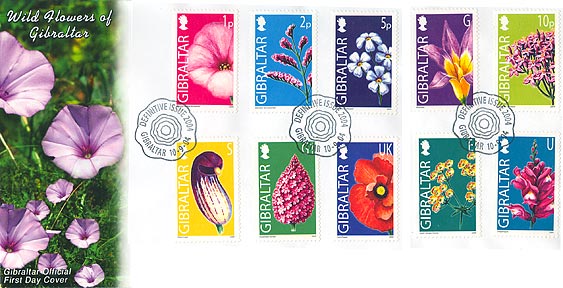
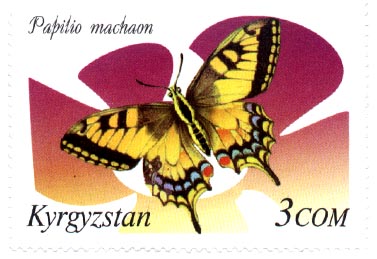
    De harlekijnsorchis (Anacamptis morio), de welriekende nachtorchis (Platanthera bifolia), de gevlekte orchis (Dactylorhiza maculata), de blauwe knoop (Succisa pratensis, synoniem: Scabiosa succisa), het moerasviooltje (Viola palustris), de melkeppe (Peucedanum palustre), de vleugeltjesbloem (Polygala vulgaris), de kievitsbloem (Fritillaria meleagris), de klokjesgentiaan (Gentiana pneumonanthe), het zomerklokje (Leucojum aestivum), de grote ratelaar (Rhinanthus angustifolius), en de spaanse ruiter (Cirsium dissectum). De oranjetip (Anthocharis cardamines), het bont zandoogje (Pararge aegeria), de grote parelmoervlinder (Argynnis aglaja) en de prachtige Koninginnepage (Papilio machaon). De Roerdomp (Botaurus stellaris), Woudaap (Ixobrychus minutus), Dodaars (Tachybaptus ruficollis), Grote Karekiet (Acrocephalus arundinaceus), Watersnip (Gallinago gallinago), Zomertaling (Anas querquedula), Graspieper (Anthus pratensis), Veldleeuwerik (Alauda arvensis), Kuifleeuwerik (Galerida cristata), Geelgors (Emberiza citrinella), Grauwe Gors (Miliaria calandra, Synoniem: Emberiza calandra), Kemphaan (Philomachus pugnax), Gekraagde Roodstaart (Phoenicurus phoenicurus) en de Roodborsttapuit (Saxicola rubicola) en het Paapje (Saxicola rubetra).

    De harlekijnsorchis (Anacamptis morio), de welriekende nachtorchis (Platanthera bifolia), de gevlekte orchis (Dactylorhiza maculata), de blauwe knoop (Succisa pratensis, synoniem: Scabiosa succisa), het moerasviooltje (Viola palustris), de melkeppe (Peucedanum palustre), de vleugeltjesbloem (Polygala vulgaris), de kievitsbloem (Fritillaria meleagris), de klokjesgentiaan (Gentiana pneumonanthe), het zomerklokje (Leucojum aestivum), de grote ratelaar (Rhinanthus angustifolius), en de spaanse ruiter (Cirsium dissectum). De oranjetip (Anthocharis cardamines), het bont zandoogje (Pararge aegeria), de grote parelmoervlinder (Argynnis aglaja) en de prachtige Koninginnepage (Papilio machaon). De Roerdomp (Botaurus stellaris), Woudaap (Ixobrychus minutus), Dodaars (Tachybaptus ruficollis), Grote Karekiet (Acrocephalus arundinaceus), Watersnip (Gallinago gallinago), Zomertaling (Anas querquedula), Graspieper (Anthus pratensis), Veldleeuwerik (Alauda arvensis), Kuifleeuwerik (Galerida cristata), Geelgors (Emberiza citrinella), Grauwe Gors (Miliaria calandra, Synoniem: Emberiza calandra), Kemphaan (Philomachus pugnax), Gekraagde Roodstaart (Phoenicurus phoenicurus) en de Roodborsttapuit (Saxicola rubicola) en het Paapje (Saxicola rubetra).

    Bron: deze website

  • Two Rare Southwest Snakes Proposed for Endangered Species Act Protection

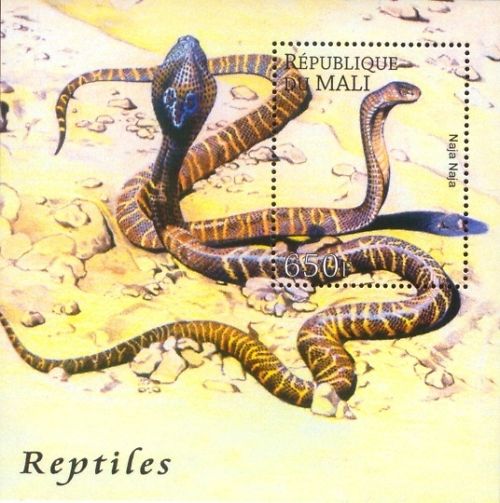
    Two Rare Southwest Snakes Proposed for Endangered Species Act Protection

    As part of a landmark agreement with the Center for Biological Diversity, the U.S. Fish and Wildlife Service today proposed Endangered Species Act protections for the Southwest’s narrow-headed garter snake (Thamnophis rufipunctatus) and northern Mexican garter snake (Thamnophis eques). In New Mexico and Arizona, the agency also proposed to protect more than 420,000 acres of critical habitat for the Mexican garter snake and more than 210,000 acres for the narrow-headed garter snake. Threatened by nonnative species and the loss and degradation of riparian habitats, these non-venomous, aquatic snakes have undergone massive declines in recent decades. “These two southwestern snakes have been in trouble for years, so I’m glad they’re finally getting the protection they desperately need to survive,” said Collette Adkins Giese, an attorney at the Center who focuses on the protection of imperiled amphibians and reptiles. “Protecting these snakes and their beleaguered habitat in the Southwest will benefit every other animal that depends on these river systems.”

    As part of a landmark agreement with the Center for Biological Diversity, the U.S. Fish and Wildlife Service today proposed Endangered Species Act protections for the Southwest’s narrow-headed garter snake (Thamnophis rufipunctatus) and northern Mexican garter snake (Thamnophis eques). In New Mexico and Arizona, the agency also proposed to protect more than 420,000 acres of critical habitat for the Mexican garter snake and more than 210,000 acres for the narrow-headed garter snake. Threatened by nonnative species and the loss and degradation of riparian habitats, these non-venomous, aquatic snakes have undergone massive declines in recent decades. “These two southwestern snakes have been in trouble for years, so I’m glad they’re finally getting the protection they desperately need to survive,” said Collette Adkins Giese, an attorney at the Center who focuses on the protection of imperiled amphibians and reptiles. “Protecting these snakes and their beleaguered habitat in the Southwest will benefit every other animal that depends on these river systems.”

    Source: e News Park Forest, 9 July 2013
    http://enewspf.com/latest-news/science/science-a-environmental/44169-two-rare-southwest-snakes-proposed-for-endangered-species-act-protection.html

  • Plants are wiped out by intensive farming

    Plants are wiped out by intensive farming

    Many of the wild flowers that brighten the Scottish countryside are disappearing because politicians and farmers are failing to protect them, a new report warns. Colourful plants such as corn marigolds, field gentians and wild pansies are in serious decline, as are the insects and birds that such plants support, including marsh fritillary butterflies, great yellow bumblebees, lapwings and curlews. The pesticides and monoculture crops favoured by large-scale industrial farmers are destroying the natural diversity of the countryside, the report said. It is demanding the reform of rural support funding to encourage farmers to help wildlife. The report on Scotland’s farmland is being published this week by conservation group Plantlife, to coincide with the Royal Highland Show at Ingliston near Edinburgh, one of the highlights of the agricultural year. The report argued that plants are being wiped out by the “simplification” of the landscape caused by intensive, specialised farming. The number of wild cornflowers has dropped by 99% over the last 40 years, it points out, and arable flowers are declining faster than any other group of plants.

    Many of the wild flowers that brighten the Scottish countryside are disappearing because politicians and farmers are failing to protect them, a new report warns. Colourful plants such as corn marigolds, field gentians and wild pansies are in serious decline, as are the insects and birds that such plants support, including marsh fritillary butterflies, great yellow bumblebees, lapwings and curlews. The pesticides and monoculture crops favoured by large-scale industrial farmers are destroying the natural diversity of the countryside, the report said. It is demanding the reform of rural support funding to encourage farmers to help wildlife. The report on Scotland’s farmland is being published this week by conservation group Plantlife, to coincide with the Royal Highland Show at Ingliston near Edinburgh, one of the highlights of the agricultural year. The report argued that plants are being wiped out by the “simplification” of the landscape caused by intensive, specialised farming. The number of wild cornflowers has dropped by 99% over the last 40 years, it points out, and arable flowers are declining faster than any other group of plants.

    The loss of plants has serious knock-on effects for insects and birds, the report said. It pointed out that flowers support an extraordinary range of insects – the bird’s foot trefoil helps 132 invertebrates, including burnet moths and small blue butterflies. Plants are also vital for pollinators such as bees and butterflies, can help clean soil and water, and reduce the risks of flooding. They are also important for birds including lapwings, numbers of which have crashed by more than 50% in the last 10 years.
    Source: Herald Scotland, 16 June 2013
    http://www.heraldscotland.com/news/environment/charity-calls-for-farmers-to-take-action-as-scots-wildflowers-vanish.21352330

  • Bullfrogs Aid Rapid Amphibian Decline with Deadly Pathogen–But Also Die

    Bullfrogs Aid Rapid Amphibian Decline with Deadly Pathogen–But Also Die

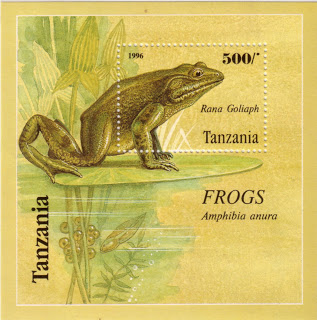
    Amphibians are rapidly declining across the globe. Frogs are disappearing from forests, salamanders from brush and newts from streams. About 40 percent of all amphibian species are declining or already extinct. In fact, a recent study revealed that Red-Listed amphibians were disappearing from habitat at a phenomenal rate of 11.6 percent per year, which means they’ll be gone from half of their habitats in about six years. This has major implications for ecosystems since amphibians act as efficient predators of insects while providing valuable nutrients to creatures further up the food chain. While there are several reasons behind this decline, the one that stands out is a fungal disease that’s spread by bullfrogs. The pathogen itself is called Batrachochytrium dendrobatidis, also known as Bd or chytrid fungus. It can kill amphibians and spread quickly through habitats. “At least so far as the chytrid fungus is involved, bullfrogs may not be the villains they are currently made out to be,” said Stephanie Gervasi, a zoology researcher in the OSU College of Science, in a news release. “The conventional wisdom is that bullfrogs, as a tolerant host, are what helped spread this fungus all over the world. But we’ve now shown they can die from it just like other amphibians.”

    Amphibians are rapidly declining across the globe. Frogs are disappearing from forests, salamanders from brush and newts from streams. About 40 percent of all amphibian species are declining or already extinct. In fact, a recent study revealed that Red-Listed amphibians were disappearing from habitat at a phenomenal rate of 11.6 percent per year, which means they’ll be gone from half of their habitats in about six years. This has major implications for ecosystems since amphibians act as efficient predators of insects while providing valuable nutrients to creatures further up the food chain. While there are several reasons behind this decline, the one that stands out is a fungal disease that’s spread by bullfrogs. The pathogen itself is called Batrachochytrium dendrobatidis, also known as Bd or chytrid fungus. It can kill amphibians and spread quickly through habitats. “At least so far as the chytrid fungus is involved, bullfrogs may not be the villains they are currently made out to be,” said Stephanie Gervasi, a zoology researcher in the OSU College of Science, in a news release. “The conventional wisdom is that bullfrogs, as a tolerant host, are what helped spread this fungus all over the world. But we’ve now shown they can die from it just like other amphibians.”

    Source:
    Science World Report, June 21, 2013
    http://www.scienceworldreport.com/articles/7675/20130621/bullfrogs-aid-rapid-amphibian-decline-deadly-pathogen-die.htm

  • Bringing back the bluebirds to the Cowichan Valley

    Bringing back the bluebirds to the Cowichan Valley

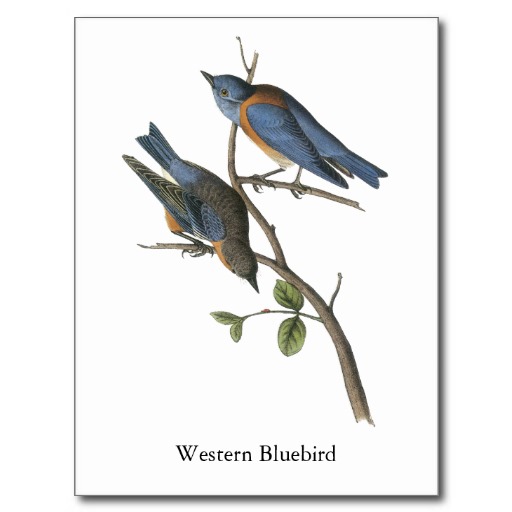
    Love is in the air at the Nature Conservancy of Canada’s (NCC’s) Cowichan Garry Oak Preserve in Duncan. Mating pairs of western bluebirds (Sialia mexicana) are making a new home in the Cowichan Valley for the first time since the species disappeared from Southern Vancouver Island and the Gulf Islands in the 1990s. The beautiful blue songbirds were a once common sight on Vancouver Island and the Gulf Islands. Known as harbingers of spring, their song would be heard as the weather turned warm and the vibrant wildflowers began to bloom in Garry oak meadows and woodlands. No nesting pairs of western bluebirds have been documented on Vancouver Island or the Gulf Islands since 1995. The bluebirds’ decline was probably due to a combination of loss of Garry oak habitat, removal of standing dead trees that provide cavities for nesting, competition for nest holes with introduced species such as European starlings and English house sparrows as well as the reduction of insect prey due to pesticides.

    Love is in the air at the Nature Conservancy of Canada’s (NCC’s) Cowichan Garry Oak Preserve in Duncan. Mating pairs of western bluebirds (Sialia mexicana) are making a new home in the Cowichan Valley for the first time since the species disappeared from Southern Vancouver Island and the Gulf Islands in the 1990s. The beautiful blue songbirds were a once common sight on Vancouver Island and the Gulf Islands. Known as harbingers of spring, their song would be heard as the weather turned warm and the vibrant wildflowers began to bloom in Garry oak meadows and woodlands. No nesting pairs of western bluebirds have been documented on Vancouver Island or the Gulf Islands since 1995. The bluebirds’ decline was probably due to a combination of loss of Garry oak habitat, removal of standing dead trees that provide cavities for nesting, competition for nest holes with introduced species such as European starlings and English house sparrows as well as the reduction of insect prey due to pesticides.

    Source:
    Nature Conservancy of Canada, March 2013
    http://www.natureconservancy.ca/en/where-we-work/british-columbia/our-work/science-and-research/bringing-back-the-bluebirds.html

  • The Hawaiian Creeper population plunged 63 percent from 2001 to 2007

    The Hawaiian Creeper population plunged 63 percent from 2001 to 2007

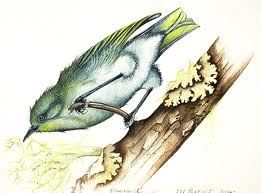
    A new study finds a dramatic decline in the already endangered Hawaiian Creeper (Oreomystis mana). Scientists at the University of Hawaii say the bird’s population plunged 63 percent from 2001 to 2007. Part of the problem is that only about a quarter of the Creepers are female, and scientists say there are not enough females to keep the species thriving. The Creepers are found in the southern portion of the Hakalau Forest National Wildlife Refuge on the island of Hawaii.The Hawaii Creeper is an important insect predator, helping to control the bug population. There may be fewer than 1,000 left on the Big Island.

    A new study finds a dramatic decline in the already endangered Hawaiian Creeper (Oreomystis mana). Scientists at the University of Hawaii say the bird’s population plunged 63 percent from 2001 to 2007. Part of the problem is that only about a quarter of the Creepers are female, and scientists say there are not enough females to keep the species thriving. The Creepers are found in the southern portion of the Hakalau Forest National Wildlife Refuge on the island of Hawaii.The Hawaii Creeper is an important insect predator, helping to control the bug population. There may be fewer than 1,000 left on the Big Island.

    Source: Hawaii News Now, July 9, 2013
    http://www.hawaiinewsnow.com/story/22797848/population-of-endangered-hawaiian-bird-plunges

  • The American kestrel population in Yukon has dropped by about 90 per cent over the past decade

    The American kestrel population in Yukon has dropped by about 90 per cent over the past decade

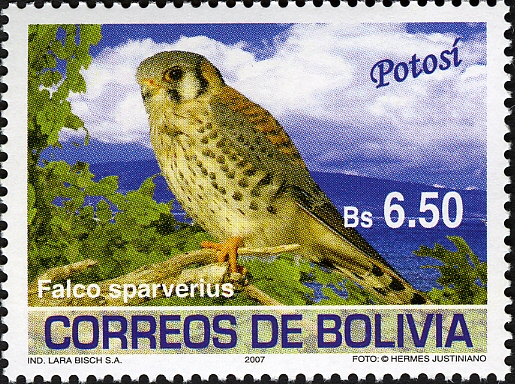
    A well-known Yukon bird biologist says kestrels, the smallest member of the falcon family in North America, are rapidly disappearing from the territory. Dave Mossop says the American kestrel (Falco sparverius) population in Yukon has dropped by about 90 per cent over the past decade. He says the decline is about 65 percent in North America overall. “This is a little bird that sits at the top of the food web in which it lives,” he said. “And so, depending as it does on the whole system below it, it becomes a wonderful indicator species of things that are changing.”

    A well-known Yukon bird biologist says kestrels, the smallest member of the falcon family in North America, are rapidly disappearing from the territory. Dave Mossop says the American kestrel (Falco sparverius) population in Yukon has dropped by about 90 per cent over the past decade. He says the decline is about 65 percent in North America overall. “This is a little bird that sits at the top of the food web in which it lives,” he said. “And so, depending as it does on the whole system below it, it becomes a wonderful indicator species of things that are changing.”

    Source: CBC News, 13 July 2013
    http://www.cbc.ca/news/canada/north/story/2013/07/13/north-yukon-kestrel-bird-decline.html

  • Impacts of Neonicotinoid Insecticides on Biodiversity

    Impacts of Neonicotinoid Insecticides on Biodiversity

    Many groups of organisms found in agricultural areas are experiencing catastrophic declines, including: birds (e.g., Nebel, S. et al. 2010. Declines of aerial insectivores in North America follow a geographic gradient. Avian Conserv. Ecol. 5(2): 1. [online]); bats (e.g., Wickramasinghe, L.P. et al. 2004. Abundance and species richness of nocturnal insects on organic and conventional farms: effects of agricultural intensification on bat foraging. Conserv. Biol. 18: 1283–1292); amphibians (e.g., Blaustein, A.R. 2011. The complexity of amphibian population declines: understanding the role of cofactors in driving amphibian losses. Ann. N. Y. Acad. Sci. 1223: 108-119); bumblebees (e.g., Cameron, S.A. et al. 2011. Patterns of widespread decline in North American bumble bees. Proc. Nat. Acad. Sci. 108(2): 662-667); butterflies (e.g., Van Dyck, H. et al. 2009. Declines in common, widespread butterflies in a landscape under intense human use. Conserv. Biol. 23(4): 957-965); moths (e.g., Conrad, K.F. et al. 2006. Rapid declines of common, widespread British moths provide evidence of an insect biodiversity crisis. Biol. Conserv. 132(3): 271-291); and carabid beetles (Brooks, D. R. et al. 2012. Large carabid beetle declines in a United Kingdom monitoring network increases evidence for a widespread loss in insect biodiversity. J. Appl. Ecol. 49(5): 1009-1019). There is an urgent need for greater understanding of the degree to which exposure to neonicotinoid insecticides may be contributing to these declines, and how exposure to these chemicals may be interacting with other negative pressures on biodiversity in agricultural areas.

    Many groups of organisms found in agricultural areas are experiencing catastrophic declines, including: birds (e.g., Nebel, S. et al. 2010. Declines of aerial insectivores in North America follow a geographic gradient. Avian Conserv. Ecol. 5(2): 1. [online]); bats (e.g., Wickramasinghe, L.P. et al. 2004. Abundance and species richness of nocturnal insects on organic and conventional farms: effects of agricultural intensification on bat foraging. Conserv. Biol. 18: 1283–1292); amphibians (e.g., Blaustein, A.R. 2011. The complexity of amphibian population declines: understanding the role of cofactors in driving amphibian losses. Ann. N. Y. Acad. Sci. 1223: 108-119); bumblebees (e.g., Cameron, S.A. et al. 2011. Patterns of widespread decline in North American bumble bees. Proc. Nat. Acad. Sci. 108(2): 662-667); butterflies (e.g., Van Dyck, H. et al. 2009. Declines in common, widespread butterflies in a landscape under intense human use. Conserv. Biol. 23(4): 957-965); moths (e.g., Conrad, K.F. et al. 2006. Rapid declines of common, widespread British moths provide evidence of an insect biodiversity crisis. Biol. Conserv. 132(3): 271-291); and carabid beetles (Brooks, D. R. et al. 2012. Large carabid beetle declines in a United Kingdom monitoring network increases evidence for a widespread loss in insect biodiversity. J. Appl. Ecol. 49(5): 1009-1019). There is an urgent need for greater understanding of the degree to which exposure to neonicotinoid insecticides may be contributing to these declines, and how exposure to these chemicals may be interacting with other negative pressures on biodiversity in agricultural areas.

    Source:
    Ottawa River Institute, Ontario, Canada, 30 June 2013
    (see attachment)

  • A case of acute inhalational intoxication with imidacloprid in India

    A case of acute inhalational intoxication with imidacloprid in India

    Imidacloprid is a neonicotinoid insecticide belonging to the chloronicotinyl nitroguanidine chemical family. It acts on the nervous system through an acetylcholine receptor blockade and is considered nontoxic to humans based on the available literature. We report a case that presented with severe gastrointestinal symptoms along with respiratory distress and neuropsychiatric features following accidental inhalational exposure to imidacloprid. Patient recovered from the effects of poisoning with supportive and symptomatic treatment. According to the best of our knowledge this is the first report of acute inhalational intoxication with imidacloprid in India.

    Imidacloprid is a neonicotinoid insecticide belonging to the chloronicotinyl nitroguanidine chemical family. It acts on the nervous system through an acetylcholine receptor blockade and is considered nontoxic to humans based on the available literature. We report a case that presented with severe gastrointestinal symptoms along with respiratory distress and neuropsychiatric features following accidental inhalational exposure to imidacloprid. Patient recovered from the effects of poisoning with supportive and symptomatic treatment. According to the best of our knowledge this is the first report of acute inhalational intoxication with imidacloprid in India.

    Source:
    Kumar A et al. Accidental human poisoning with a neonicotinoid insecticide, imidacloprid: A rare case report
    from rural India with brief review of literature, Egypt J Forensic Sci (2013), http://dx.doi.org/10.1016/j.ejfs.2013.05.002 (attached)