Auteur: Henk Tennekes

  • Ook de rode patrijs wordt slachtoffer van de neonicotinoiden

    Ook de rode patrijs wordt slachtoffer van de neonicotinoiden

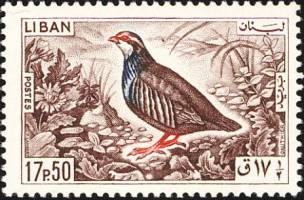
    Neonicotinoïden, de nieuwste generatie pesticiden, zijn niet alleen erg toxisch voor bijen. Een Spaanse studie, eerder dit jaar gepubliceerd in het vakblad Ecotoxicology, koppelt het gebruik van deze pesticiden aan de achteruitgang van de Rode patrijs (Alectoris rufa), een graanetende akkervogel. De Spaanse studie onderzocht het effect van behandelde zaden op de overleving en het voortplantingssucces bij de Rode patrijs. In de studie werden drie verschillende pesticiden getest: de fungiciden Thiram en Difenoconazole en het neonicotinoïde insecticide Imidacloprid. Kuikens kregen gedurende een periode van 10 dagen, behandelde granen te eten. “Tweeënveertig procent van de kuikens die met Thiram behandelde zaden gevoederd kregen stierven, voor Imidacloprid liep het sterftecijfer zelfs op tot 58 procent. Daarbovenop traden ook effecten op zoals een verlaging van de concentraties cholesterol, proteïnen, calcium en magnesium in het bloedplasma van de Rode patrijs, wat wijst op uitputting. Ook de eieren waren gemiddeld kleiner en eieren werden minder bevrucht.”

    Neonicotinoïden, de nieuwste generatie pesticiden, zijn niet alleen erg toxisch voor bijen. Een Spaanse studie, eerder dit jaar gepubliceerd in het vakblad Ecotoxicology, koppelt het gebruik van deze pesticiden aan de achteruitgang van de Rode patrijs (Alectoris rufa), een graanetende akkervogel. De Spaanse studie onderzocht het effect van behandelde zaden op de overleving en het voortplantingssucces bij de Rode patrijs. In de studie werden drie verschillende pesticiden getest: de fungiciden Thiram en Difenoconazole en het neonicotinoïde insecticide Imidacloprid. Kuikens kregen gedurende een periode van 10 dagen, behandelde granen te eten. “Tweeënveertig procent van de kuikens die met Thiram behandelde zaden gevoederd kregen stierven, voor Imidacloprid liep het sterftecijfer zelfs op tot 58 procent. Daarbovenop traden ook effecten op zoals een verlaging van de concentraties cholesterol, proteïnen, calcium en magnesium in het bloedplasma van de Rode patrijs, wat wijst op uitputting. Ook de eieren waren gemiddeld kleiner en eieren werden minder bevrucht.”

    Veel typische akkervogels, zoals de patrijs (Perdix perdix), de grauwe gors (Emberiza calandra, Synoniem: Miliaria calandra) en de ringmus (Passer montanus), zijn afhankelijk van granen, en kunnen bij het foerageren in contact komen met behandelde zaden. “De onderzochte pesticiden worden eveneens gebruikt als bladbesproeiing en volleveldbehandeling. Via lekkage in de bodem, het grondwater en het oppervlaktewater kunnen de vogels ook in aanraking komen met deze pesticiden.”

    Bron: De Morgen, 26-04-2013
    http://www.demorgen.be/dm/nl/5381/Dieren/article/detail/1622374/2013/04/26/Naast-bijen-ook-akkervogels-slachtoffer-van-nieuwste-pesticiden.dhtml
  • Uit lange termijn trends van broedvogeltellingen blijkt dat de aantallen van 2/3 van alle internationaal gemonitorde soorten in het Waddengebied afnemen

    Uit lange termijn trends van broedvogeltellingen blijkt dat de aantallen van 2/3 van alle internationaal gemonitorde soorten in het Waddengebied afnemen

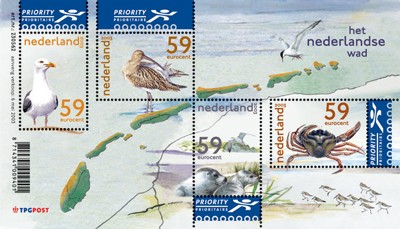
    Uit lange termijn trends van broedvogeltellingen blijkt dat de aantallen van 2/3 van alle internationaal gemonitorde soorten in het Waddengebied afnemen. De trends van de afgelopen 10 jaar tonen zelfs aan dat de achteruitgang van sommige soorten, zoals scholeksters (Haematopus ostralegus), kluten (Recurvirostra avosetta) en Noordse Stern (Sterna paradisaea) in een versnelling is geraakt. Zeldzame broedvogels, zoals kemphaan (Philomachus pugnax), bonte strandlopers (Calidris alpina) en watersnip (Gallinago gallinago) staan op de rand van verdwijnen uit het Waddengebied. Als de huidige negatieve trends doorzetten, dreigen meer broedvogels, zoals de blauwe kiekendief (Circus cyaneus), te verdwijnen.

    Uit lange termijn trends van broedvogeltellingen blijkt dat de aantallen van 2/3 van alle internationaal gemonitorde soorten in het Waddengebied afnemen. De trends van de afgelopen 10 jaar tonen zelfs aan dat de achteruitgang van sommige soorten, zoals scholeksters (Haematopus ostralegus), kluten (Recurvirostra avosetta) en Noordse Stern (Sterna paradisaea) in een versnelling is geraakt. Zeldzame broedvogels, zoals kemphaan (Philomachus pugnax), bonte strandlopers (Calidris alpina) en watersnip (Gallinago gallinago) staan op de rand van verdwijnen uit het Waddengebied. Als de huidige negatieve trends doorzetten, dreigen meer broedvogels, zoals de blauwe kiekendief (Circus cyaneus), te verdwijnen.

    Bron: Waddenzee Nieuws, 23.04.2013
    http://www.waddensea-worldheritage.org/nl/nieuws/2013-04-23-waddenzee-broedvogels-bedreigd

  • Innerhalb der letzten 20 Jahre haben sich die Bestände der europäischen Wiesenfalter halbiert – das ist das erschreckende Ergebnis einer neuen Studie der Europäischen Umweltagentur (EUA)

    Innerhalb der letzten 20 Jahre haben sich die Bestände der europäischen Wiesenfalter halbiert – das ist das erschreckende Ergebnis einer neuen Studie der Europäischen Umweltagentur (EUA)

    Bedeutendste Ursache für diesen dramatischen Artenschwund ist die starke Intensivierung der Landwirtschaft. In insgesamt 19 Staaten wurde die Entwicklung von 17 Wiesen-Schmetterlingsarten verfolgt. Seit 1990 gingen die Bestände von acht Arten zurück, darunter auch der bei uns (noch) häufige Hauhechel-Bläuling (Polyommatus icarus). Nur zwei Arten blieben stabil und eine Art, der Rote Würfel-Dickkopffalter (Spialia sertorius), konnte sich sogar ausbreiten. Für sechs Arten war die weitere Entwicklung “unsicher”.

    Bedeutendste Ursache für diesen dramatischen Artenschwund ist die starke Intensivierung der Landwirtschaft. In insgesamt 19 Staaten wurde die Entwicklung von 17 Wiesen-Schmetterlingsarten verfolgt. Seit 1990 gingen die Bestände von acht Arten zurück, darunter auch der bei uns (noch) häufige Hauhechel-Bläuling (Polyommatus icarus). Nur zwei Arten blieben stabil und eine Art, der Rote Würfel-Dickkopffalter (Spialia sertorius), konnte sich sogar ausbreiten. Für sechs Arten war die weitere Entwicklung “unsicher”.

    Grünland-Lebensräume verzeichnen in Deutschland einen dramatischen Rückgang. Mit den Wiesen und Weiden verschwinden Pflanzen- und Tierarten, die in einer ausschließlich intensiv genutzten und ausgeräumten Agrarlandschaft nicht überleben können. In der “modernen” Agrarlandschaft scheint kein Platz für eine Vielfalt an Faltern zu sein, obwohl diese als Bestäuber auch eine hohe wirtschaftliche Bedeutung haben.

    “Schmetterlinge sind an das Vorkommen ihrer Futterpflanzen gebunden, eine hohe Artenvielfalt ist ein Indikator für eine strukturreiche und blütenreiche Kulturlandschaft, erklärt Insekten-Experte Jonas Linke von der NABU-Naturschutzstation Niederrhein. Für die Falter ist eine vielfältige Kulturlandschaft mit extensiven Wiesen und Weiden Lebensgrundlage – ein Mosaik mit intensiv genutzten Flächen und strukturreichen Extensivflächen schließt sich natürlich nicht aus. “Auch am Niederrhein beobachten wir die Artenrückgange und finden vielfach nur noch häufige und anpassungsfähige Falter in den Wiesen. Deshalb ist das von der EU und dem Land NRW geförderte Projekt Grünland für Wiesenvögel so wichtig, da es sich für den Erhalt des Lebensraumes Wiese und Weide und somit auch für die Lebensgrundlage vieler Insekten einsetzt”, ist Linke überzeugt.

    Quelle: NABU Niederrhein, 24.07.2013
    http://www.nabu-naturschutzstation.de/de/aktuelles/881-tagfalter-taumelnde-bestaende

  • Researchers from both Canada and the United States are rushing to figure out why a small, brown and orange winged butterfly is dying out quickly

    Researchers from both Canada and the United States are rushing to figure out why a small, brown and orange winged butterfly is dying out quickly

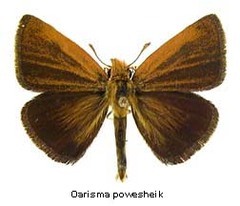
    Listed as an endangered species in Manitoba in 2012 and listed nationally as threatened, the Poweshiek skipperling (Oarisma poweshiek) butterfly population has dropped dramatically throughout North America. In Canada, it is known to only inhabit 17 fields in south-eastern Manitoba, primarily on the Nature Conservancy of Canada’s Tall Grass Prairie Natural Area. In the United States, the closest population appears only in a handful of sites in Iowa and North Dakota. Researchers from the University of Winnipeg, Minnesota Zoo and University of Michigan are now just outside of Winnipeg performing valuable research on this declining species. Since the adult butterfly is active for only two to three weeks, researchers are using this critical time to collect information on the Poweshiek skipperling’s genetics and genetic diversity to save this important butterfly from extinction. “While many people think of the panda as an endangered species, the Poweshiek skipperling is rarer and right here in our backyards,” said Cary Hamel, conservation science manager with the Nature Conservancy of Canada in Manitoba. “If we don’t figure out why the population is declining so quickly and why the butterfly is dying off, we’ll have lost another important species that used to live in the tall grass prairie. The cross-border collaboration with researchers will hopefully save this species from further decline or extinction.”

    Listed as an endangered species in Manitoba in 2012 and listed nationally as threatened, the Poweshiek skipperling (Oarisma poweshiek) butterfly population has dropped dramatically throughout North America. In Canada, it is known to only inhabit 17 fields in south-eastern Manitoba, primarily on the Nature Conservancy of Canada’s Tall Grass Prairie Natural Area. In the United States, the closest population appears only in a handful of sites in Iowa and North Dakota. Researchers from the University of Winnipeg, Minnesota Zoo and University of Michigan are now just outside of Winnipeg performing valuable research on this declining species. Since the adult butterfly is active for only two to three weeks, researchers are using this critical time to collect information on the Poweshiek skipperling’s genetics and genetic diversity to save this important butterfly from extinction. “While many people think of the panda as an endangered species, the Poweshiek skipperling is rarer and right here in our backyards,” said Cary Hamel, conservation science manager with the Nature Conservancy of Canada in Manitoba. “If we don’t figure out why the population is declining so quickly and why the butterfly is dying off, we’ll have lost another important species that used to live in the tall grass prairie. The cross-border collaboration with researchers will hopefully save this species from further decline or extinction.”

    Source: Wildlife extra, July 2013
    http://www.wildlifeextra.com/do/ecco.py/view_item?listid=1&listcatid=1&listitemid=17161#cr

  • Monsanto will Image durch taktischen Rückzug verbessern

    Monsanto will Image durch taktischen Rückzug verbessern

    Der Agrarkonzern Monsanto hat seinen Rückzug aus Europa angekündigt, zumindest was gentechnisch veränderte Pflanzen angeht. Es ist bereits die zweite Ankündigung dieser Art innerhalb von sechs Wochen. Bei näherer Betrachtung wird jedoch schnell deutlich, dass es Monsanto wohl mehr um eine Image-Kampagne geht. Dass das US-Unternehmen seine Gentechnik-Ambitionen auf dem europäischen Markt aufgibt, davon kann nicht die Rede sein. Der angekündigte Rückzug ist allenfalls taktischer Natur. Zwar sollen einige Anträge zurückgenommen werden. Doch der Anbau der Maissorte Mon810 bleibt davon unberührt. Das gilt auch für die Importzulassung der besonders umstrittenen Genmaissorte Smartstax, die Monsanto so gut wie sicher hat.

    Der Agrarkonzern Monsanto hat seinen Rückzug aus Europa angekündigt, zumindest was gentechnisch veränderte Pflanzen angeht. Es ist bereits die zweite Ankündigung dieser Art innerhalb von sechs Wochen. Bei näherer Betrachtung wird jedoch schnell deutlich, dass es Monsanto wohl mehr um eine Image-Kampagne geht. Dass das US-Unternehmen seine Gentechnik-Ambitionen auf dem europäischen Markt aufgibt, davon kann nicht die Rede sein. Der angekündigte Rückzug ist allenfalls taktischer Natur. Zwar sollen einige Anträge zurückgenommen werden. Doch der Anbau der Maissorte Mon810 bleibt davon unberührt. Das gilt auch für die Importzulassung der besonders umstrittenen Genmaissorte Smartstax, die Monsanto so gut wie sicher hat.

    Worum aber geht es dann? Monsanto betreibt Schadensbegrenzung und versucht die Gemüter zu beruhigen. Die meisten Europäer lehnen Gentechnik im Essen ab – und ebenso die fragwürdigen Methoden, mit denen der amerikanische Konzern seine Produkte am Markt durchsetzen will. Seit vergangener Woche ist bekannt, wie eng die Verflechtungen von Monsanto mit der amerikanischen Verwaltung, ehemaligen Geheimdienst-Mitarbeitern und privaten Sicherheitsfirmen sind, wie kritische Wissenschaftler und Gentechnik-Gegner unter Druck gesetzt und beobachtet werden. Der Zeitpunkt, zu dem diese Machenschaften bekannt werden, ist nicht nur für Monsanto, sondern auch für die US-Regierung denkbar ungünstig. Die Verhandlungen für ein Freihandelsabkommen zwischen den USA und Europa laufen gerade erst an. Landwirtschaft und Lebensmittel spielen dabei eine besonders heikle Rolle. Amerika erwartet in diesem Punkt ein Entgegenkommen der Europäischen Union, also lockerere Regeln. So sind gentechnisch veränderte Lebensmittel bislang in Europa weitgehend verboten, genauso wie hormonbehandeltes Fleisch. Es steht viel auf dem Spiel. Es geht darum, für US-Produzenten einen großen Markt zu erschließen.

    Wenn aber das Thema Gentechnik auf dem Acker zur Debatte steht, prallen zwischen Europa und den USA Welten aufeinander. Während US-Farmer fast nur noch gentechnisch veränderten Mais und Soja anbauen, lehnen dies die meisten Bauern in Europa ab. Im Streit um die Technologie geht es dies- und jenseits des Atlantiks nicht einfach nur um die Sache. Es tobt ein Glaubenskrieg.

    An der verfahrenen Lage trifft Monsanto eine große Mitschuld. Zwar entwickeln und verkaufen auch andere Agrarkonzerne Saatgut, so die Schweizer Syngenta und die deutschen Firmen Bayer, BASF und KWS Gentech-Pflanzen. Doch kein Konzern versucht, seine Interessen so rücksichtslos durchzusetzen wie Monsanto. Seine Kritiker wiederum lassen keine Gelegenheit aus, den Konzern zu dämonisieren.

    Monsanto muss sich vorwerfen lassen, dass sein Geschäftsmodell in erster Linie der eigenen Gewinnmaximierung dient und nicht dazu, eine wachsende Weltbevölkerung sicher zu ernähren, wie es aber das Unternehmen immer wieder verspricht. Pflanzen werden so entwickelt, dass ergänzend dazu jede Menge Pestizide zum Einsatz kommen. So verdient der Konzern gleich doppelt. Neben Saatgut ist er auch einer der führenden Hersteller von Pestiziden.

    Glyphosat, weltweit das meistverkaufte Ackergift, beschert dem Unternehmen Milliardenumsätze. Wichtiges Vehikel bei diesem Geschäftsmodell sind Patente, mit deren Hilfe andere Anbieter vom Markt gedrängt und Bauern zur Kasse gebeten werden. Den Beweis, dass sich mit Gentechnik auf dem Feld mehr und bessere Nahrungsmittel produzieren lassen, bleibt das Unternehmen hingegen bis heute schuldig.

    Monsanto muss sich auch vorwerfen lassen, dass es gesundheitliche Bedenken nicht ernst nimmt. Unabhängige Fütterungsstudien zeigen, dass etwa Gentech-Mais Tiere krank machen kann. Langzeitstudien fehlen. Solange solche Risiken nicht geklärt sind, muss die EU an ihren strengen Zulassungsregeln festhalten.

    Fest steht: die Weichen für die Zukunft der Gentechnik in Europa werden bei den Verhandlungen für das Freihandelsabkommen zwischen den USA und der EU gestellt. Wie viele neue Anträge auf Gentech-Pflanzen Monsanto zurückzieht, spielt da kaum eine Rolle. Das Abkommen könnte sich als eigentlicher Türöffner für Monsanto und die umstrittene Technologie in Europa erweisen. Klar ist, die amerikanische Seite wird in diesem Punkt Druck machen. Die EU-Verhandlungsführer müssen dagegenhalten. Zugeständnisse in Puncto Sicherheit und Verbraucherschutz darf es nicht geben.

    Quelle: Süddeutsche Zeitung, 18.07.2013
    http://www.sueddeutsche.de/wirtschaft/umstrittener-agrarkonzern-monsanto-will-image-durch-taktischen-rueckzug-verbessern-1.1725203

  • Mounting Worldwide Crisis in Agriculture

    Mounting Worldwide Crisis in Agriculture

    Chemicals have become a weapon in man’s arsenal against crop-destroying insects and weeds. Fifty million tons of toxins are applied annually to soil and crops in America alone. What these poisons are doing to the entire web of life—and to personal health—began to be known some 40 to 50 years ago. We warned at that time that unless mankind drastically changed its ways, we were heading for disaster. And now, today, as you read these words, we are in the middle of that forecasted disaster—and are witnesses of an ever-expanding crisis!

    Chemicals have become a weapon in man’s arsenal against crop-destroying insects and weeds. Fifty million tons of toxins are applied annually to soil and crops in America alone. What these poisons are doing to the entire web of life—and to personal health—began to be known some 40 to 50 years ago. We warned at that time that unless mankind drastically changed its ways, we were heading for disaster. And now, today, as you read these words, we are in the middle of that forecasted disaster—and are witnesses of an ever-expanding crisis!

    The most common pesticides 40 years ago were DDT and other chlorinated hydrocarbons. In 1972, after Rachel Carson’s book Silent Spring brought the world’s attention to DDT’s adverse environmental effects, the United States and many other nations worldwide banned the application of this compound. Because of its effectiveness in fighting diseases such as malaria, however, use of DDT persists in some countries, including China. Today, toxins from DDT and similar compounds that have replaced it are manifold, found virtually everywhere in the soil, on the soil, and in food and feed crops—from mega-farms to community landscapes, even including home lawns and flower and vegetable gardens. In many areas, organic phosphorus compounds—or organophosphates—have replaced DDT and chlorinated hydrocarbons. These were originally developed in World War II as German nerve gases. Over 30 million pounds of organophosphates are being spread unchecked as pesticides on America’s farms and gardens annually (EPA). Because these pesticides break down much more quickly than chlorinated hydrocarbons, many assume they are safer. In reality, these odorless and colorless chemicals are potentially more dangerous.
    Another major problem with using pesticides is that predators of the pest are often killed along with the target. Since these natural enemies have been partially successful in controlling the pest population, wiping them out temporarily leaves the primary offender free of important natural restraints. Under these circumstances, the pest will develop a resistance through mutation and multiply before natural enemies can multiply to control them.

    Source: Real Truth, excerpted from the book Mounting Worldwide Crisis in Agriculture by Dale L. Schurter.
    http://realtruth.org/articles/130710-002.html

  • The Breeding Bird Survey (BBS) shows that the numbers of Swifts and Linnets were halved in Scotland between 2011 and 2012

    The Breeding Bird Survey (BBS) shows that the numbers of Swifts and Linnets were halved in Scotland between 2011 and 2012

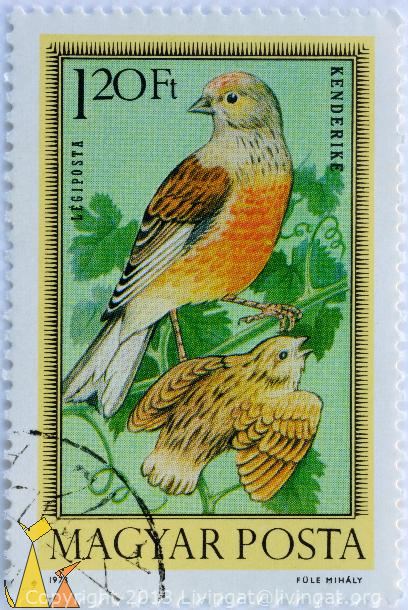
    BBS population trends are published annually for 61 bird species in Scotland, and the latest results show that 2012 was a particularly bad year for a number of migrant birds, including Whitethroat (Sylvia communis) and Swift (Apus apus). The latest figures from the Breeding Bird Survey (BBS) show that numbers of Swifts fell by 42% in Scotland between 2011 and 2012. For Swifts, the latest drop in numbers is the third annual decline in a row, and follows a 57% decline in Scotland since the mid-1990s. Linnets (Carduelis cannabina), which live on farmland, also did badly in 2012, with the population declining by nearly 50% between 2011 and 2012, taking the numbers of this small finch to their lowest level in Scotland since the survey began in 1994.

    BBS population trends are published annually for 61 bird species in Scotland, and the latest results show that 2012 was a particularly bad year for a number of migrant birds, including Whitethroat (Sylvia communis) and Swift (Apus apus). The latest figures from the Breeding Bird Survey (BBS) show that numbers of Swifts fell by 42% in Scotland between 2011 and 2012. For Swifts, the latest drop in numbers is the third annual decline in a row, and follows a 57% decline in Scotland since the mid-1990s. Linnets (Carduelis cannabina), which live on farmland, also did badly in 2012, with the population declining by nearly 50% between 2011 and 2012, taking the numbers of this small finch to their lowest level in Scotland since the survey began in 1994.

    Source: BTO, July 2013
    http://www.bto.org/news-events/press-releases/swift-screams-silenced-scotland

  • EFSA considerations on the applicability of OECD Test Guideline 453 to whole food/feed testing

    EFSA considerations on the applicability of OECD Test Guideline 453 to whole food/feed testing

    Upon request from the European Commission, the European Food Safety Authority prepared a scientific report that would aid the future establishment of protocols for chronic toxicity and/or carcinogenicity studies in rodents with whole food/feed. This scientific report provides a commentary on OECD TG 453 with considerations on its applicability to support the safety assessment of long term consumption of a given food with respect to its chronic toxicity or carcinogenicity potential. The decision to conduct chronic toxicity and/or carcinogenicity studies with whole food/feed should be taken on a case-by case basis. It should be based on the evaluation of all the available information on the whole food/feed resulting from compositional analyses and any other available nutritional and toxicological studies. The conduct of the study and its reporting should be in line with good laboratory practice standards. Preparation of appropriate test diets is a key element of the experiment with respect to characterisation of the starting material and of the diet, level of inclusion of whole food/feed, nutritional balance, processing and storage. Statistical considerations are discussed to assist in estimating the number of animals necessary to obtain a suitable sample size capable of detecting biologically relevant effects with a pre-specified power and significance level. A comprehensive set of endpoints as set out in the OECD TG 453 should be measured during and at the end of the study, as appropriate. The collection of data and reporting should ensure a thorough biological and statistical evaluation. Recommendations on the relevant issues to be considered when designing chronic toxicity and/or carcinogenicity studies in rodents with whole food/feed are provided throughout the report and summarised in the conclusions.

    Upon request from the European Commission, the European Food Safety Authority prepared a scientific report that would aid the future establishment of protocols for chronic toxicity and/or carcinogenicity studies in rodents with whole food/feed. This scientific report provides a commentary on OECD TG 453 with considerations on its applicability to support the safety assessment of long term consumption of a given food with respect to its chronic toxicity or carcinogenicity potential. The decision to conduct chronic toxicity and/or carcinogenicity studies with whole food/feed should be taken on a case-by case basis. It should be based on the evaluation of all the available information on the whole food/feed resulting from compositional analyses and any other available nutritional and toxicological studies. The conduct of the study and its reporting should be in line with good laboratory practice standards. Preparation of appropriate test diets is a key element of the experiment with respect to characterisation of the starting material and of the diet, level of inclusion of whole food/feed, nutritional balance, processing and storage. Statistical considerations are discussed to assist in estimating the number of animals necessary to obtain a suitable sample size capable of detecting biologically relevant effects with a pre-specified power and significance level. A comprehensive set of endpoints as set out in the OECD TG 453 should be measured during and at the end of the study, as appropriate. The collection of data and reporting should ensure a thorough biological and statistical evaluation. Recommendations on the relevant issues to be considered when designing chronic toxicity and/or carcinogenicity studies in rodents with whole food/feed are provided throughout the report and summarised in the conclusions.

    Source: EFSA, 31 July 2013
    http://www.efsa.europa.eu/en/efsajournal/pub/3347.htm

  • Glyphosate’s Suppression of Cytochrome P450 Enzymes and Amino Acid Biosynthesis by the Gut Microbiome

    Glyphosate’s Suppression of Cytochrome P450 Enzymes and Amino Acid Biosynthesis by the Gut Microbiome

    Glyphosate, the active ingredient in Roundup®, is the most popular herbicide used worldwide. The industry asserts it is minimally toxic to humans, but here we argue otherwise. Residues are found in the main foods of the Western diet, comprised primarily of sugar, corn, soy and wheat. Glyphosate’s inhibition of cytochrome P450 (CYP) enzymes is an overlooked component of its toxicity to mammals. CYP enzymes play crucial roles in biology, one of which is to detoxify xenobiotics. Here, we show how interference with CYP enzymes acts synergistically with disruption of the biosynthesis of aromatic amino acids by gut bacteria, as well as impairment in serum sulfate transport. We explain the documented effects of glyphosate and its ability to induce disease, and we show that glyphosate is the “textbook example” of exogenous semiotic entropy: the disruption of homeostasis by environmental toxins.

    Glyphosate, the active ingredient in Roundup®, is the most popular herbicide used worldwide. The industry asserts it is minimally toxic to humans, but here we argue otherwise. Residues are found in the main foods of the Western diet, comprised primarily of sugar, corn, soy and wheat. Glyphosate’s inhibition of cytochrome P450 (CYP) enzymes is an overlooked component of its toxicity to mammals. CYP enzymes play crucial roles in biology, one of which is to detoxify xenobiotics. Here, we show how interference with CYP enzymes acts synergistically with disruption of the biosynthesis of aromatic amino acids by gut bacteria, as well as impairment in serum sulfate transport. We explain the documented effects of glyphosate and its ability to induce disease, and we show that glyphosate is the “textbook example” of exogenous semiotic entropy: the disruption of homeostasis by environmental toxins.

    Source:
    Anthony Samsel and Stephanie Seneff (2013) Entropy 15,1-41 (attached)

  • In Sachsen sind 87 Arten und somit weit über die Hälfte der Bockkäfer gefährdet oder ausgestorben bzw. verschollen

    In Sachsen sind 87 Arten und somit weit über die Hälfte der Bockkäfer gefährdet oder ausgestorben bzw. verschollen

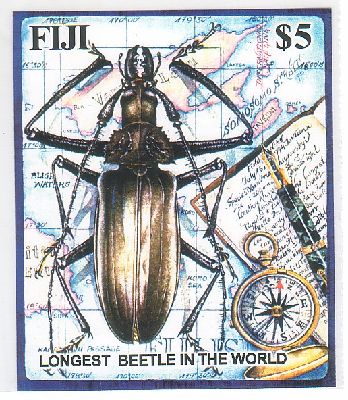
    Von den ca. 188 in Deutschland vorkommenden Bockkäferarten sind aus Sachsen ca. 159 Arten nachgewiesen. Von diesen Arten sind laut Wissensstand der Roten Liste der Bockkäfer von Sachsen aus dem Jahre 1994 136 Arten bearbeitet. Eine aktualisierte Rote Liste wird sicher folgen. Von diesen 136 Arten sind …
    9 Arten ausgestorben oder verschollen. 29 Arten vom Aussterben bedroht. 21 Arten stark gefährdet. 18 Arten gefährdet.10 Arten potentiell gefährdet. 5 Arten im Rückgang.

    Von den ca. 188 in Deutschland vorkommenden Bockkäferarten sind aus Sachsen ca. 159 Arten nachgewiesen. Von diesen Arten sind laut Wissensstand der Roten Liste der Bockkäfer von Sachsen aus dem Jahre 1994 136 Arten bearbeitet. Eine aktualisierte Rote Liste wird sicher folgen. Von diesen 136 Arten sind …
    9 Arten ausgestorben oder verschollen. 29 Arten vom Aussterben bedroht. 21 Arten stark gefährdet. 18 Arten gefährdet.10 Arten potentiell gefährdet. 5 Arten im Rückgang.

    Quelle: Insekten Sachsen – Bockkäfer (Cerambycidae), 21.07.2013
    http://www.insekten-sachsen.de/Pages/TaxonomyBrowser.aspx?id=11094