Auteur: Henk Tennekes

  • Schweizer Bäche sind hoch belastet

    Schweizer Bäche sind hoch belastet

    Beprobte Oberflächengewässer in der Schweiz enthalten über 70 pestizide Wirkstoffe. Wasserversorger fordern den Aktionsplan zur Reduzierung von Pflanzenschutzmitteln rasch umzusetzen. Insgesamt 145 verschiedene Pflanzenschutzmittelwirkstoffe fanden die Mitarbeiter der Studie „Nationale Beobachtung Oberflächengewässerqualität Spezialuntersuchungen“ (NAWA SPEZ). Dazu beprobten sie von März bis November 2017 fünf kleiner Bäche mit landwirtschaftlich genutzten Einzugsgebieten auf Belastung durch Pflanzenschutzmittel. Die Anzahl nachgewiesener Stoffe pro Standort reichte von 71 bis 89. In allen fünf Gewässern überschritten 31 Wirkstoffe die chronischen und akuten ökotoxikologischen Qualitätskriterien. Damit stellt die Studie eine hohe Belastung für Wassertiere und –pflanzen fest. Herbizide dominierten an vier Standorten, während im vom Rebbau geprägten Hoobach etwa gleich viele Fungizide wie Herbizide nachgewiesen wurden.

    Bereits 2015 zeigten sich die beprobten Gewässer hoch belastet. Die Untersuchung 2017 sollte Erkenntnisse darüber bringen, ob kleinere Gewässern in einem anderen Messjahr ähnlich Werte aufweisen. Der Schweizerische Verein des Gas- und Wasserfaches (SVGW) sieht die Ergebnisse aus 2015 bestätigt und fürchtet um die Qualität des Trinkwassers. Zwar gewinnen die Wasserversorger das Trinkwasser aus Grund- und Quellwasser. Dieses steht aber häufig durch Einsickern mit dem Oberflächenwasser in Kontakt. Der SVGW fordert daher schnell effektive Maßnahmen zu ergreifen, um die Pestizidbelastung zu reduzieren. Der Schweizer Bundesrat verabschiedete dazu bereits im September 2017 den Aktionsplan zur Risikoreduktion und nachhaltigen Anwendung von Pflanzenschutzmitteln. Darin finden sich Maßnahmen wie z.B. die Anlage von Pufferstreifen an Gewässern oder zur mechanischen Unkrautbekämpfung.

    Quelle:Top Agrar, 15.04.19
    https://www.topagrar.com/acker/news/schweizer-baeche-sind-hoch-belastet-11519366.html

  • More than 90% of soil on Swiss organic farms is contaminated with neonicotinoids

    More than 90% of soil on Swiss organic farms is contaminated with neonicotinoids

    Researchers at the University of Neuchâtel measured the concentrations of five neonicotinoid insecticides in 702 soil and plant samples from 169 cultivated fields and 62 Ecological Focus Areas (EFA) across Switzerland’s lowland areas – EFA are areas set aside to improve the environment or climate. Organic farms, EFAs and organic seeds are supposed to be free of these pesticides. However, traces of least one of the five neonicotinoids were found in 93% of organic soils and crops and in more than 80% of EFA soils and plants. In addition, 14 out of 16 organic seeds tested positive for neonicotinoids. Neonicotinoid concentrations in the soil of organic farms were much lower than those found in the soil of conventional farms.

    Researchers said their findings suggest organic farms are victims of overuse of these pesticides on conventional farms. In addition, they said that the resulting loss of biodiversity could jeopardize organic farming by eliminating natural forms of defense against pests.

    Neonicotinoids are a class of neuro-active insecticides chemically similar to nicotine developed in the 80s and 90s. They attack the nervous system causing paralysis and death. Their use has been linked to the collapse of the honey bee population.

    Source: Le News, 11 April 2019
    https://lenews.ch/2019/04/11/more-than-90-of-soil-on-swiss-organic-farms-contaminated-with-pesticides/

  • Pesticide Marketed as Safe for Bees Harms Them in Study

    Pesticide Marketed as Safe for Bees Harms Them in Study

    A pesticide used to control aphids and whiteflies called flupyradifurone, sold commercially as Sivanto, harms or even kills honey bees (Apis mellifera) when exposed to low doses in combination with a fungicide, according to the results of laboratory experiments published on April 10 in the Proceedings of the Royal Society B. The researchers find that when honey bees encounter both FPF and a commonly used fungicide, propiconazole (PRO), the effects are worse than FPF alone.

    “We demonstrate for the first time that the combination of two chemicals can cause synergistic effects on behavior of pollinators,” says coauthor Simone Tosi of the French Agency for Food, Environmental and Occupational Health and Safety.

    Bayer, the producer of FPF, says that the compound is safe for bees. Its website states that FPF “targets key damaging pests while helping safeguard beneficial insects.” While that may be the case with FPF alone and at labeled doses, the team’s experiments show that FPF and PRO together increase mortality of both bees residing in the hive and foragers. They also report that the two chemicals together boost the frequency of bees showing abnormal behaviors, such as hyperactivity and a lack of motor coordination.

    Scientists are concerned about the safety of FPF because, although it falls under a different classification of pesticide, it is similar to neonicotinoids, a class of compounds that affect the central nervous system of insects. “So it’s not being called a neonicotinoid, although the chemistry and the fact that it’s systemic, that it can get into pollen and nectar, that it’s highly water soluble, is very similar to the neonicotinoids,” says Vera Krischik, who studies bumble beesat the University of Minnesota and was not involved in the study.

    For this latest work, the team put bees in cages and exposed them to six dosage levels of FPF ranging from 375 to 12,000 ng per bee. In the trials of both FPF and PRO, they exposed bees to a single 7,000-ng dose of PRO. The researchers measured survival after up to 48 hours and observed the bees’ behavior for up to four hours. Bees exposed to FPF alone could tolerate higher doses before half of them died than when bees experienced both FPF and PRO together. For instance, forager bees could endure up to 1,869 ng of FPF until they reached the 50 percent mortality point, whereas that level dropped to 353 ng when combined with PRO.

    In the real world, bees near treated crops typically encounter levels of FPF around 750 ng on the high end and varying levels of PRO, which on its own does not affect bee survival.

    While FPF is approved in the European Union and in the US, neonicotinoids were banned in the EU in 2018. Although President Donald Trump’s administration eased restrictions on neonicotinoids’ use last year, pesticide makers have agreed to discontinue them in a voluntary ban and the Environmental Protection Agency will release official reviews for several chemicals this year.

    “With neonicotinoids being the old class of pesticides on their way out, there has been this kind of onslaught of new chemicals that are supposed to be safe replacements for neonicotinoids,” says Amro Zayed of York University who was not involved with the study. His team’s work published in Science in 2017 found similar synergistic effects of neonicotinoids and fungicides on honey bees as this latest study on FPF has found.

    In a statement sent to The Scientist, Bayer says that the findings observed in this study are “well known to us.” The company states that the “sublethal effects observed in individual bees do not necessarily cause adverse effects to honeybee colonies under realistic conditions.” The statement also points out that Bayer makes its safety studies openly available. The company experiments found the lethal dose threshold for 50 percent of exposed bees to be 1,300 ng after 24 hours and 1,200 ng after 48 hours.

    But standard protocols for risk assessment of pesticides expose bees to one stressor at a time, sources tell The Scientist. “You could have a good idea of the effect of a pesticide,” says Tosi, “but miss all the field-relevant interactions because bees in the environment are not exposed to one single pesticide at a single time.”

    Because honey bees are social, hives contain thousands of individuals. Although lethal effects could kill individual bees, sublethal effects may affect the colony on the whole. “And sometimes pesticides could not outright kill bees, but modify their behavior that makes the colony weaker,” says Zayed. The worker bees have many different roles such as feeding larvae, tending to the queen, and foraging for food, and a change in behavior could affect normal functioning of the colony.

    The authors of the study and sources who spoke to The Scientist stress that it’s the synergistic effect with the fungicide that is important for bee health. “There has been growing evidence . . . that fungicides may actually be having a much more pronounced effect than we first thought,” says Dennis vanEngelsdorp of the University of Maryland who was not involved with the study but has collaborated with Tosi on other projects. “We’re seeing that it’s the presence of fungicides . . . that may cause some of these long-term sublethal effects.”

    Reference:
    S. Tosi, J.C. Nieh, “Lethal and sublethal synergistic effects of a new systemic pesticide, flupyradifurone (Sivanto®), on honeybees,” Proc R Soc B, doi:10.1098/rspb.2019.0433, 2019.

    Source: The Scientist, 12 April 2019
    https://www.the-scientist.com/news-opinion/pesticide-marketed-as-safe-for-bees-harms-them-in-study-65734


  • Flanders stream so polluted ‘water could be used as pesticide’

    Flanders stream so polluted ‘water could be used as pesticide’

    Winding between green meadows in the west Flanders countryside, the Wulfdambeek stream is fondly remembered as a place local boys would fill up their water bottles before football games. But research from the University of Exeter has offered a sharp reminder of how intensive farming methods are changing the face of the northern European countryside in ways scientists claim are not being properly understood. The small picturesque tributary on the outskirts of the village of Ledegem, some 15 miles east of Ypres, has been described by Belgian media this week as the most polluted stream in Europe following a report published in the Science of The Total Environment journal.

    In a survey of 29 small waterways in 10 European countries, a sample from the Wulfdambeek was found to contain 70 hazardous pesticides – 38 weed killers, 10 insecticides, 21 fungal killers, one protector against herbicides and residues of acetylsalicylic acid, an aspirin used in veterinary medicine. So varied were the pollutants in the stream, and their high the concentration, that the water itself would probably work as a pesticide, said researcher Dr Jorge Casado, from the Greenpeace Research Laboratories at Exeter university. “It’s incredible,” Casado said. “The most important thing to highlight is that there is a lack of ways to assess how this mix of hazardous materials are affecting the ecosystem.”

    The local mayor, Bart Dochy, said he was shocked by the results, not least because there was evidence that fish used the waterway. “We have traps in the stream to catch rats. Just further up in the stream from where the sample was taken we caught a pike in one last week,” he said. “It was 50cm long. Okay, it is not water to drink. But it is clean enough to have fish in it.” Dochy said he would be ordering tests on the water to see if he could find out where the pollutants were coming from. “This is a pretty area – the land around is mainly agricultural. We grow vegetables – leeks, cauliflowers and brussels sprouts,” he said. “The sample was taken when there was a drought and not a lot of water in the stream. It is possible that could have influenced it.”

    Jarmo Cluyse, 21, told the Het Nieuwsblad newspaper that he used to drink water from the stream when he was young. “Rats are here, I know that, but ducks too,” he said. “Actually, we are not bothered by that stream. You see – I’m still alive.”

    Pesticides end up in streams due to spray drift or due to leaching from plants and the soil, or the runoff of rainwater. The streams in the study were chosen for sampling last summer due to the high density of industrialised livestock and arable production within their catchment areas. The research found more than 100 pesticides and 21 drugs of which a quarter are banned. Half of the streams analysed – in Austria, Belgium, Denmark, France, Germany, Italy, the Netherlands, Poland, Spain and the United Kingdom – contained at least one pesticide above permitted levels.

    Source: The Guardian, 12 April 2019
    https://www.theguardian.com/environment/2019/apr/12/flanders-stream-so-polluted-water-could-be-used-as-pesticide

  • Akker- en weidevogels lijken gedoemd te verdwijnen

    Akker- en weidevogels lijken gedoemd te verdwijnen

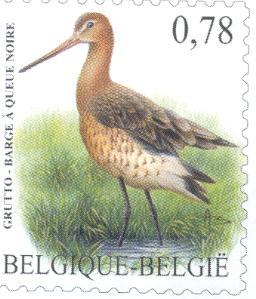
    Jaarlijks communiceert de Vlaamse Landmaatschappij over de inspanningen die landbouwers doen op vlak van agrarisch natuurbeheer. In functie van akkervogels voorzien ze bijvoorbeeld wintervoedsel en nestgelegenheid op hun percelen. Belangrijker nog dan de oppervlakte waarvoor beheerovereenkomsten afgesloten worden, is het resultaat dat daarmee geboekt wordt. Lokaal lijkt dat vruchten af te werpen, maar op Vlaams niveau blijven aan landbouw gebonden vogelsoorten als de veldleeuwerik en de grutto (Limosa limosa) verder afnemen. Aan zo’n snel tempo bovendien dat er in sommige uitgestrekte landbouwgebieden nog nauwelijks vogels te horen zijn. Natuuronderzoeksinstituut INBO schrikt zelf van de uitkomst van de tellingen door vrijwilligers van Natuurpunt.

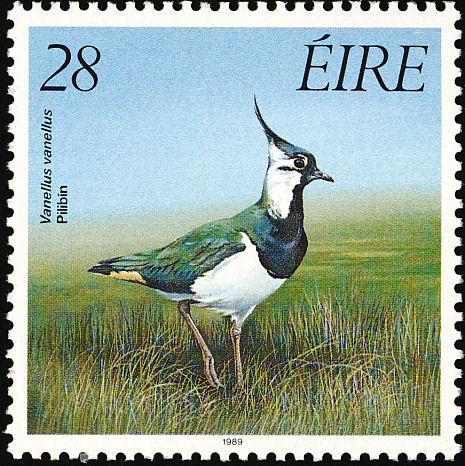
    Voor kievit (Vanellus vanellus) en patrijs (Perdix perdix) publiceerde natuuronderzoeksinstituut INBO de grafieken bij het persbericht en daarin zie je hoe snel het gaat. Sinds de start van de metingen in 2007 zijn beide soorten nog eens in aantal gehalveerd terwijl hun populatie al decennialang afneemt. “De achteruitgang van de veldleeuwerik (Alauda arvensis) trof me het meest omdat het een soort is die algemeen voorkwam in landbouwgebied”, zegt INBO-wetenschapper Glenn Vermeersch. De grootste crash van deze mooie zangvogel vond plaats van voor de tellingen door vrijwilligers van Natuurpunt in functie van het ABV-project. Het aantal broedparen in Vlaanderen is teruggelopen van 75.000 paren in de periode 1973-1977, tot circa 45.000 in 1985-1988, 10.000 in 2000-2002 en slechts 6.000 à 8.000 broedparen in 2018. “Dat is waanzinnig weinig”, zegt Vermeersch ongerust.

    Bron: VILT, 11.04.19
    http://www.vilt.be/akker–en-weidevogels-lijken-gedoemd-om-te-verdwijnen

  • KWR-studie: nieuwe gewasbeschermingsmiddelen nu al in drinkwaterbronnen

    KWR-studie: nieuwe gewasbeschermingsmiddelen nu al in drinkwaterbronnen

    Vierentwintig gewasbeschermingsmiddelen die sinds 2005 zijn toegelaten, zijn aangetroffen in het bodemwatermilieu en breken daar beperkt af. Dat blijkt uit een recente overzichtsstudie van wateronderzoeksinstituut KWR op basis van monitoringdata van drinkwaterbedrijven uit de periode 2010-2014. De vereniging van drinkwaterbedrijven Vewin noemt het zorgwekkend dat ook recent toegelaten middelen reeds in grond- en oppervlaktewater zijn teruggevonden.

    KWR heeft een landelijk overzicht gemaakt van gewasbeschermingsmiddelen en hun afbraakproducten in drinkwaterbronnen. Uit de studie blijkt dat bij innamepunten van grond en oppervlaktewaterbronnen sporen van meerdere gewasbeschermingsmiddelen zijn aangetroffen. Op veel locaties zaten daar norm-overschrijdende concentraties bij. Ook bij het merendeel van de freatische grondwaterwinningen komen sporen van gewasbeschermingsmiddelen of afbraakproducten voor.

    “Door het jarenlange en wijdverbreide gebruik van gewasbeschermingsmiddelen is een soort smoglaag van verontreinigingen in het grondwater ontstaan. Deze smoglaag geraakt op steeds grotere diepte en heeft inmiddels ruim de helft van de grondwaterwinningen bereikt. Hopelijk worden de effecten van recente maatregelen snel genoeg zichtbaar om het tij te keren”, reageert KWR-onderzoeker Arnaut van Loon.

    Dankzij de studie ontstaat er meer zicht op risico’s van gewasbeschermingsmiddelen voor de drinkwatervoorziening. In 2017 waren er ruim 850 middelen toegestaan op de Nederlandse markt, waaronder een aantal als alternatief voor inmiddels uitgesloten middelen. Inmiddels zijn de nieuwe neonicotinoïde (anti-insectenmiddelen die bijdragen aan bijensterfte) thiamethoxam (mag sinds 2019 alleen nog onder glas worden gebruikt) en de fungicide (anti-schimmel) fluopyram zelfs in norm-overschrijdende concentraties aangetroffen.

    Volgens de KWR-onderzoekers is een sterkere borging van het drinkwaterbelang in regionaal en landelijk gewasbeschermingsbeleid nodig. Het rapport stelt ook dat beschikbare gegevens beter moeten worden benut bij de toelatingsprocedure van gewasbeschermingsmiddelen. Omdat de gewasbeschermingsmiddelenmarkt doorlopend verandert, is het noodzakelijk regelmatig de inspanningen tegen het licht te houden die worden geleverd om drinkwaterbronnen langdurig veilig te stellen, aldus de onderzoekers.

    Vewin stelt dat er meer maatregelen nodig zijn om bronnen te beschermen. Ook is meer aandacht nodig voor toezicht en handhaving van bestaande maatregelen, met name gericht op de bescherming van drinkwaterbronnen.

    Bron: Water Forum, 04-04-19

    KWR-studie: nieuwe gewasbeschermingsmiddelen nu al in drinkwaterbronnen

  • Minister Schouten: ‘Gebruik gewasbeschermingsmiddelen moet radicaal anders’

    Minister Schouten: ‘Gebruik gewasbeschermingsmiddelen moet radicaal anders’

    Het gebruik van gewasbeschermingsmiddelen moet volgens minister Carola Schouten “radicaal anders”. De minister van Landbouw, Natuur en Voedselkwaliteit wil dat er drastisch minder bestrijdingsmiddelen worden gespoten. “Ik merk dat die discussie zich steeds meer verhardt, dat partijen tegen over elkaar komen te staan”, aldus Schouten. In een interview aan ZEMBLA reageert Schouten namens het kabinet voor het eerst op de resultaten van het Onderzoek Blootstelling Omwonenden (OBO) dat in opdracht van de overheid in de afgelopen jaren is uitgevoerd. Volgens het RIVM dat het onderzoek heeft gecoördineerd, kent de huidige risicobeoordeling van bestrijdingsmiddelen tekortkomingen waardoor de veiligheid van jonge kinderen niet is gegarandeerd.

    Uit het onderzoek blijkt dat bij omwonenden van bollenvelden hogere concentraties aan bestrijdingsmiddelen in de lucht en in huisstof worden aangetroffen dan mensen die verderop wonen. Volgens het RIVM overschrijden de gemeten gehalten in lucht en urine niet de bestaande risiconormen. Tegelijkertijd geeft het RIVM aan dat er relevante tekortkomingen in de huidige risicobeoordeling zitten. Zo wordt bij de berekening van veilige risicogrenzen geen rekening gehouden met de blootstelling via huisstof.

    Mark Montforts, onderzoeker bij het RIVM zegt dat de modellen voor huisstof er nog niet zijn: “Nee, op dit moment zijn die er nog niet. Wij bevelen ook aan om dat verder te nemen: ontwikkel iets voor dat huisstof en maak die risicoberekeningen. “

    Bron: Zembla 10-04-19
    https://zembla.bnnvara.nl/nieuws/minister-schouten-gebruik-gewasbeschermingsmiddelen-moet-radicaal-anders

  • More than a dozen wild bee species are declining in Northeastern U.S.

    More than a dozen wild bee species are declining in Northeastern U.S.

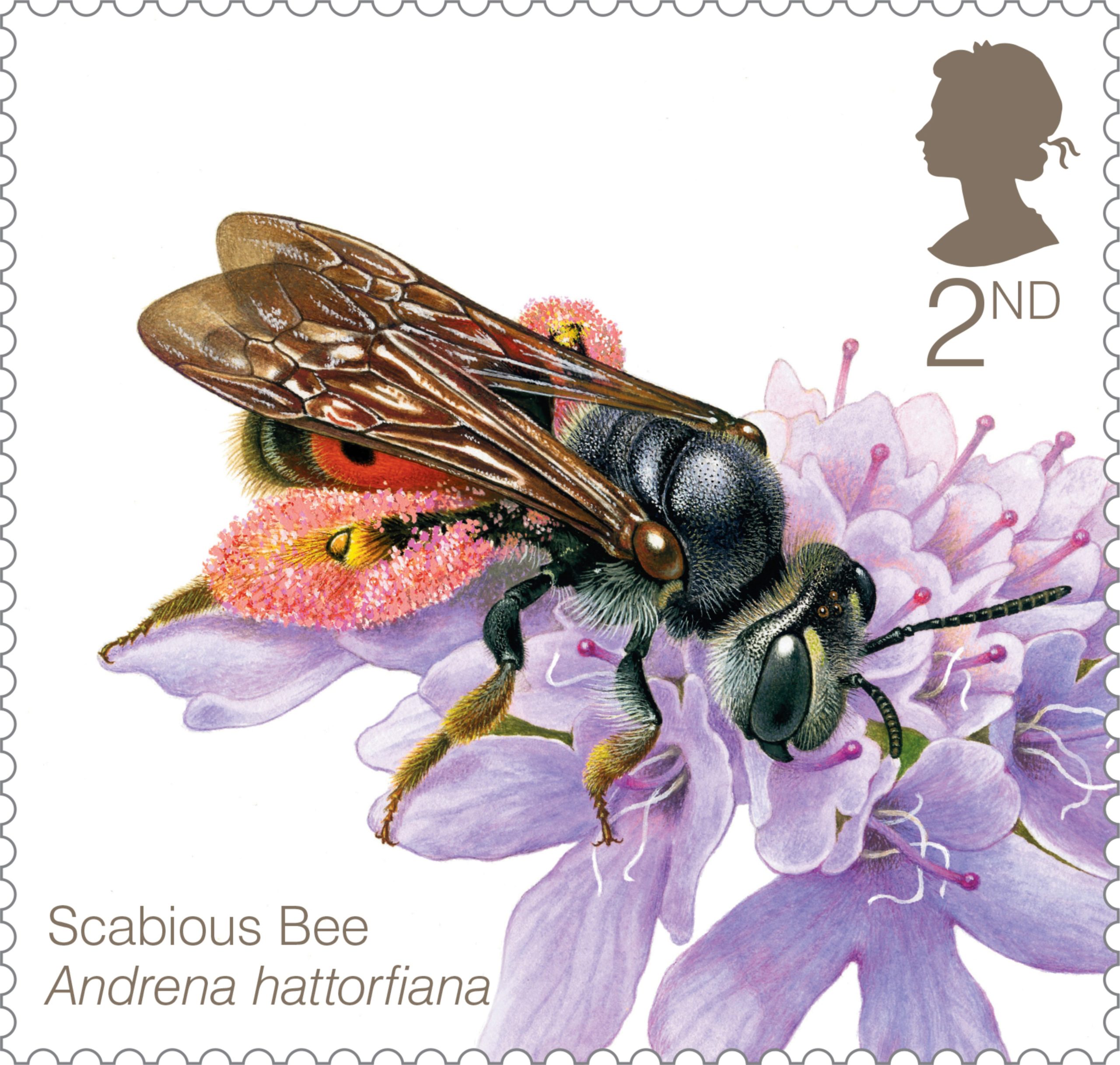
    Researchers at the University of New Hampshire have found a dramatic decline of 14 wild bee species that are, among other things, important across the Northeast for the pollination of major local crops like apples, blueberries and cranberries. “We know that wild bees are greatly at risk and not doing well worldwide,” said Sandra Rehan, assistant professor of biological sciences. “This status assessment of wild bees shines a light on the exact species in decline, beside the well-documented bumble bees. Because these species are major players in crop pollination, it raises concerns about compromising the production of key crops and the food supply in general.”

    In the study, which was recently published in the journal Insect and Conservation Diversity, researchers used local museum records to compare changes in the wild bee community in New Hampshire over the span of 125 years (1891-2016). They looked at characteristics such as habitat preferences, range, elevation, and latitude as well as social behavior. Researchers say all 14 of the species found to be in decline are native to New England but are widespread and important across the Northeast and North America. Out of those declining species, 13 are ground nesters and one is a cavity nester. Researchers also found that most of the declining species experienced significant shifts in both elevation and latitude.

    “We found that wild bee species that once greatly populated more southern areas near sea level are now in decline,” said Rehan. “While up north in more mountainous areas, like the White Mountains, those same species persist which is an indicator of how climate change is affecting certain populations, especially in the Seacoast area.”

    Of the bee species found to be in decline, 50% showed a shift of being more abundant in northern areas and in higher elevations. However, one third of the eight wild bee species that seemed to be on the increase also showed a northward migration over the 125-year period. Researchers say that with the predictions for climate change to continue, monitoring the habitat shifts in these wild bees will be important to help with appropriate landscape management, crop production and conservation policies.

    Journal Reference:
    Minna E. Mathiasson, Sandra M. Rehan. Status changes in the wild bees of north‐eastern North America over 125 years revealed through museum specimens. Insect Conservation and Diversity, 2019; DOI: 10.1111/icad.12347

    Source: Science Daily, 9 April 2019
    https://www.sciencedaily.com/releases/2019/04/190409093801.htm

  • Wiesenvögel können kaum geschützt werden in pestizidbelasteten Felder

    Wiesenvögel können kaum geschützt werden in pestizidbelasteten Felder

    In dieser Untersuchung wurde bei 24 Viehwirtschaften in der niederländischen Provinz Gelderland (15 konventionelle und 9 ökologischen Betriebe) die Belastung von Kraftfutter, Dünger und Boden mit 685 Pestiziden und antiparasitären Medikamenten untersucht. Insgesamt 116 Pestiziden wurden auf 16 konventionellen Betrieben gefunden und 71 auf 9 ökologischen Betrieben. Keine einzige Probe war frei von Pestiziden. Diese Untersuchung zeigt, dass Weidevögelgebiete großen Mengen Pestiziden, darunter viele sehr giftigen Insektiziden, Fungiziden und Herbiziden ausgesetzt sind, die die Entomofauna ernsthaft bedrohen. Die üblichen Schutzmaßnahmen für Weidevögel in mit Pestiziden kontaminierten Gebieten sind sinnlos.

    Quelle: Jelmer Buijs (Buijs Agro-Services) und Margriet Samwel-Mantingh (WECF Nederland). Forschungsbericht Buijs Agro-Services, Schuurhoven 19, 6712SM Bennekom (Beilage)

  • It is hardly possible to protect grassland birds on pesticide-contaminated soil

    It is hardly possible to protect grassland birds on pesticide-contaminated soil

    In this study the presence of 664 pesticides and 21 anti-parasitic drugs was investigated in concentrated feed, manure and soil on 24 Gelderland livestock farms (15 conventional and 9 organic). In the three substrates, 134 different fungicides, herbicides, insecticides and biocides were found in ecologically relevant concentrations. No sample was free of pesticides. A total of 116 different pesticides was found on 16 conventional farms and 71 on 9 organic farms. This study makes it plausible that it is pointless seeking for protection of meadow birds on land that is exposed to pesticides, including many highly toxic insecticides which seriously threaten the entomofauna.

    Source: Jelmer Buijs (Buijs Agro-Services) and Margriet Samwel-Mantingh (WECF Nederland). Research Report Buijs Agro-Services, Schuurhoven 19, 6712SM Bennekom (attached)