In this research study, time-dependent sorption behavior of Dinetofuran (DNT), imidacloprid (IMD) and thiamethoxam (THM) in vineyard soil was studied. Sorption kinetics studies were conducted over a period of 96 hours with sampling duration varying from 0, 2, 4, 8, 12, 24, 60 and 96 hours. All three neonicotinoids exhibited very low sorption potential for the soil investigated. Overall percent sorption for all three neonicotinoids was below 20.04 ± 2.03% with highest percent sorption being observed for IMD followed by DNT and THM. All three neonicotinoids are highly soluble with solubility increasing with IMD < THM < DNT. Although, DNT has the highest solubility among all three neonicotinoids investigated, it exhibited higher percent sorption compared to THM, indicating factors other than solubility influenced the sorption kinetics. Low sorption potential of neonicotinoids indicates greater leaching potential with regard to groundwater and surface water contamination.
In this research study, time-dependent sorption behavior of Dinetofuran (DNT), imidacloprid (IMD) and thiamethoxam (THM) in vineyard soil was studied. Sorption kinetics studies were conducted over a period of 96 hours with sampling duration varying from 0, 2, 4, 8, 12, 24, 60 and 96 hours. All three neonicotinoids exhibited very low sorption potential for the soil investigated. Overall percent sorption for all three neonicotinoids was below 20.04 ± 2.03% with highest percent sorption being observed for IMD followed by DNT and THM. All three neonicotinoids are highly soluble with solubility increasing with IMD < THM < DNT. Although, DNT has the highest solubility among all three neonicotinoids investigated, it exhibited higher percent sorption compared to THM, indicating factors other than solubility influenced the sorption kinetics. Low sorption potential of neonicotinoids indicates greater leaching potential with regard to groundwater and surface water contamination.
Source: Sudarshan T. Kurwadkar et al. Journal of Environmental Science and Health, Part B: Pesticides, Food Contaminants, and Agricultural Wastes, Volume 48, Issue 4, 2013
http://www.tandfonline.com/doi/full/10.1080/03601234.2013.742412#.VGNabfmG-s0
Auteur: Henk Tennekes
-

Time dependent sorption behavior of dinotefuran, imidacloprid and thiamethoxam
-

Evaluation of leaching potential of three systemic neonicotinoid insecticides in vineyard soil
In this study, the leaching behavior of Dinotefuran (DNT), imidacloprid (IMD), and thiamethoxam (THM) was investigated in soils collected from an active AgriLife Research Extension Center (AREC) vineyard. A series of column experiments were conducted to evaluate the leaching potential of insecticides under two experimental scenarios: a) individual pulse mode, and b) mixed pulse mode. In both scenarios, the breakthrough pattern of the insecticides in the mostly acidic to neutral vineyard soil clearly demonstrates medium to high leachability. Of the three insecticides studied for leaching, DNT has exhibited high leaching potential and exited the column with fewer pore volumes, whereas IMD was retained for longer, indicating lower leachability. Relative differences in leaching behavior of neonicotinoids could be attributed to their solubility with the leaching pattern IMD < THM < DNT showing strong correlation with increasing aqueous solubility 610 mg/L < 4100 mg/L < 39,830 mg/L. Triplicate column study experiments were conducted to evaluate the consistency of the breakthrough pattern of these insecticides. The repeatability of the breakthrough curves shows that both DNT and IMD are reproducible between runs, whereas, THM shows some inconsistency. Leaching behavior of neonicotinoid insecticides based on the leachability indices such as groundwater ubiquity score, relative leaching potential, and partitioning between different environmental matrices through a fugacity-based equilibrium criterion model clearly indicates that DNT may pose a greater threat to aquatic resources compared to IMD and THM. In this study, the leaching behavior of Dinotefuran (DNT), imidacloprid (IMD), and thiamethoxam (THM) was investigated in soils collected from an active AgriLife Research Extension Center (AREC) vineyard. A series of column experiments were conducted to evaluate the leaching potential of insecticides under two experimental scenarios: a) individual pulse mode, and b) mixed pulse mode. In both scenarios, the breakthrough pattern of the insecticides in the mostly acidic to neutral vineyard soil clearly demonstrates medium to high leachability. Of the three insecticides studied for leaching, DNT has exhibited high leaching potential and exited the column with fewer pore volumes, whereas IMD was retained for longer, indicating lower leachability. Relative differences in leaching behavior of neonicotinoids could be attributed to their solubility with the leaching pattern IMD < THM < DNT showing strong correlation with increasing aqueous solubility 610 mg/L < 4100 mg/L < 39,830 mg/L. Triplicate column study experiments were conducted to evaluate the consistency of the breakthrough pattern of these insecticides. The repeatability of the breakthrough curves shows that both DNT and IMD are reproducible between runs, whereas, THM shows some inconsistency. Leaching behavior of neonicotinoid insecticides based on the leachability indices such as groundwater ubiquity score, relative leaching potential, and partitioning between different environmental matrices through a fugacity-based equilibrium criterion model clearly indicates that DNT may pose a greater threat to aquatic resources compared to IMD and THM.
Source: Sudarshan Kurwadkar et al. Journal of Contaminant Hydrology, Volume 170, 1 December 2014, Pages 86–94
http://www.sciencedirect.com/science/article/pii/S0169772214001600 -
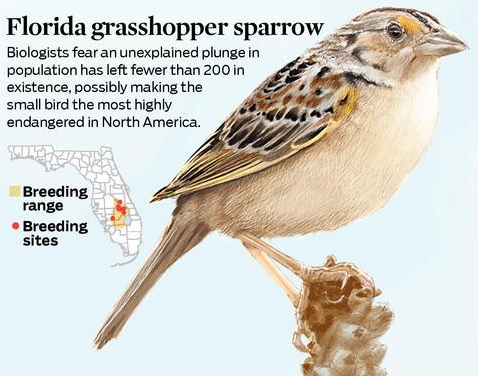
The plight of the Florida grasshopper sparrow
In a desperate bid to save a nearly extinct species, the U.S. Fish and Wildlife Service announced Thursday that it is launching a captive breeding program for Florida’s grasshopper sparrow (Ammodramus savannarum floridanus). If they do nothing, experts predict the sparrow will go extinct in three to five years, just like its cousin, the dusky seaside sparrow (Ammodramus maritimus nigrescens). The dusky disappeared from the Earth in 1987 when the last survivor died at Disney World. If the Florida grasshopper sparrow vanishes, it would be the first bird species to go extinct in the United States since then, according to the Cornell Laboratory of Ornithology.”Captive breeding is labor intensive and challenging. It is generally done as a last resort and there are no guarantees. But we have to try,” said Larry Williams, the head of the U.S. Fish and Wildlife Service office in Vero Beach. “This is an emergency and the situation for this species is dire. This is literally a race against time.” Biologists estimate that fewer than 200 of the tiny birds remain. State and federal biologists plan to spend the next three months hunting for sparrow eggs, hoping to collect up to 20 to take to the Rare Species Conservatory Foundation in Loxahatchee. The eggs would be placed in incubators until they hatch.
In a desperate bid to save a nearly extinct species, the U.S. Fish and Wildlife Service announced Thursday that it is launching a captive breeding program for Florida’s grasshopper sparrow (Ammodramus savannarum floridanus). If they do nothing, experts predict the sparrow will go extinct in three to five years, just like its cousin, the dusky seaside sparrow (Ammodramus maritimus nigrescens). The dusky disappeared from the Earth in 1987 when the last survivor died at Disney World. If the Florida grasshopper sparrow vanishes, it would be the first bird species to go extinct in the United States since then, according to the Cornell Laboratory of Ornithology.”Captive breeding is labor intensive and challenging. It is generally done as a last resort and there are no guarantees. But we have to try,” said Larry Williams, the head of the U.S. Fish and Wildlife Service office in Vero Beach. “This is an emergency and the situation for this species is dire. This is literally a race against time.” Biologists estimate that fewer than 200 of the tiny birds remain. State and federal biologists plan to spend the next three months hunting for sparrow eggs, hoping to collect up to 20 to take to the Rare Species Conservatory Foundation in Loxahatchee. The eggs would be placed in incubators until they hatch.
Biologists hope any hatchlings will emerge in 11 to 13 days. They will receive round-the-clock care in hopes they will grow up and breed further in captivity. The cost of starting the program, estimated at $68,000, is being covered by grants, said Ken Warren, a spokesman for the Fish and Wildlife Service.The ultimate goal is to release some back into the wild, perhaps in two to three years, Williams said. But biologist Paul R. Reillo, president of the Rare Species Conservatory Foundation, said getting captive-raised birds ready for release could take a long time.
Florida grasshopper sparrows are about 5 inches long, with flat heads, short tails and black and gray feathers that help them hide their nests amid the low shrubs and saw palmetto of the state’s grassy prairies.
They are generally heard more than seen, with a call that consists of two or three weak notes followed by an insectlike buzz —- hence their name. Biologists hope to follow the sound of their songs to track down their nests.
“We know it’s going to be hard,” Williams said. “They’re small birds living in dense vegetation and they’re secretive by nature.”
The bird was first described in 1902 by U.S. Army surgeon Maj. Edgar A. Mearns, when their population was widespread across south-central Florida. By the 1970s, so many of the prairies that form their habitat had been ditched and drained and converted to pastures or sod production that the sparrow population plummeted.
They were added to the federal endangered species list in 1986, when an estimated 1,000 remained on public preserves at the Three Lakes Wildlife Management Area in Osceola County, the Avon Park Air Force Range in Highlands and Polk counties and the Kissimmee Prairie Preserve State Park in Okeechobee County.
In the past decade, Williams said, state and federal biologists have worked hard to restore lost habitat and to guard against losing any. Yet the most recent bird counts found the population now remains only in Osceola and Okeechobee counties, and may number fewer than 200. So far, no one knows why.
Captive breeding is a last-ditch effort to save a species. There are some major success stories, such as with whooping cranes and California condors, Warren said.
But using captive breeding to save the dusky seaside sparrow failed because officials started it too late. They found only males in the wild.
More recently, a captive breeding project to save the endangered Key Largo wood rat failed because the captive-bred rats did not know how to avoid predators in the wild and wound up being eaten. One, wearing a small radio-collar for tracking, was swallowed by a python, the first to be found in the Keys.
Still, federal officials said they had no choice but to give captive breeding a try and hope it works.
“We’re trying to prevent a unique part of Florida’s landscape from vanishing,” Williams said.
Meanwhile, he said, they’re also keeping an eye on another one of the dusky sparrow’s cousins that’s on the endangered list, the Cape Sable seaside sparrow (Ammodramus maritimus mirabilis). There were 6,000 living in the Everglades in 1992, but by 2009 the number had dropped to 3,000.
Source: Tampa Bay Times, 12 November 2014
http://www.tampabay.com/blogs/state/the-plight-of-the-florida-grasshopper-sparrow/2205926 -
The horrendous effects of pesticides on invertebrates
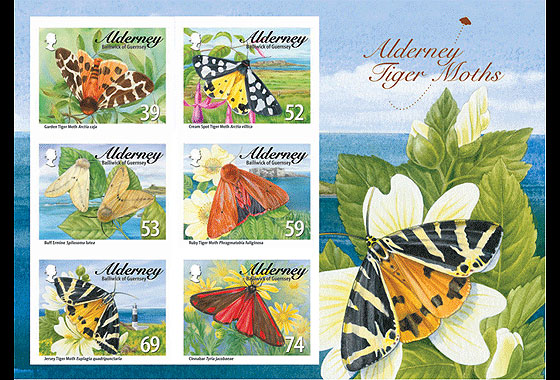
Nature magazine brings a chilling article on the horrendous effects of agricultural chemicals in pesticides on invertebrates and the soil. The key words: even at ‘safe’ levels. The results were drawn from several studies in different continents and reveal that in polluted areas, up to forty-two per cent of species were lost as a result of harmful chemicals. “Pesticides spark broad biodiversity loss”, written by Sharon Oosthoek, tells a sorry tale of the effects of pesticides on biodiversity. The conclusion is that the use of pesticides has caused a sharp decline in the biodiversity of invertebrates living in streams. Studies carried out in Germany and France in Europe and in Australia showed a dramatic decline in species such as mayflies and dragonflies. Quoting he study published in the Proceedings of the National Academy of Sciences, Sharon Oosthoek went on to state some shocking details: the studies were carried out in 23 streams in Germany, 16 in France and 24 in Australia, classifying them in three categories: uncontaminated, slightly contaminated and highly contaminated. In the last category, there were up to 42% fewer species than those found in the uncontaminated group of streams in Europe, while the figure in Australia was a decrease of 27%. More seriously still, the article goes on to claim, the decrease in biodiversity occurred even at levels which scientists state to be “environmentally protective”.
Nature magazine brings a chilling article on the horrendous effects of agricultural chemicals in pesticides on invertebrates and the soil. The key words: even at ‘safe’ levels. The results were drawn from several studies in different continents and reveal that in polluted areas, up to forty-two per cent of species were lost as a result of harmful chemicals. “Pesticides spark broad biodiversity loss”, written by Sharon Oosthoek, tells a sorry tale of the effects of pesticides on biodiversity. The conclusion is that the use of pesticides has caused a sharp decline in the biodiversity of invertebrates living in streams. Studies carried out in Germany and France in Europe and in Australia showed a dramatic decline in species such as mayflies and dragonflies. Quoting he study published in the Proceedings of the National Academy of Sciences, Sharon Oosthoek went on to state some shocking details: the studies were carried out in 23 streams in Germany, 16 in France and 24 in Australia, classifying them in three categories: uncontaminated, slightly contaminated and highly contaminated. In the last category, there were up to 42% fewer species than those found in the uncontaminated group of streams in Europe, while the figure in Australia was a decrease of 27%. More seriously still, the article goes on to claim, the decrease in biodiversity occurred even at levels which scientists state to be “environmentally protective”.
Source: Pravda, 19.06.2013
http://english.pravda.ru/science/earth/19-06-2013/124877-pesticides_biodiversity-0/ -
De visstand in de Waddenzee is de afgelopen 50 jaar drastisch gedaald
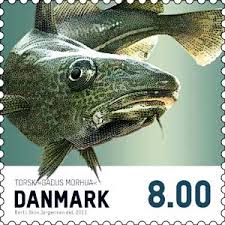
Dat blijkt uit langdurig onderzoek van het Nederlands Instituut voor Onderzoek der Zee (NIOZ). De gegevens zijn verzameld door dagelijks de vangst van een zogenoemde komfuik in het Marsdiep bij Texel bij te houden. De fuik ligt van maart tot oktober in het water en wordt sinds 1960 geleegd door onderzoekers van het NIOZ. Zo is de palingstand in de Waddenzee fors gedaald: in 1965 werden er 24 palingen per dag gevangen, nu zit nog maar een paling in tien dagen in de fuik. En zalm, die in de Waddenzee van de jaren 60 veel voorkwam, is helemaal verdwenen, net als de rog. Maritiem onderzoeker Wouter van der Heij van de Waddenvereniging zegt dat het referentiekader voor schippers ook is verschoven: “Wat een visser nu een goede vangst noemt, zou in 1965 als een magere opbrengst zijn beschouwd.”
Dat blijkt uit langdurig onderzoek van het Nederlands Instituut voor Onderzoek der Zee (NIOZ). De gegevens zijn verzameld door dagelijks de vangst van een zogenoemde komfuik in het Marsdiep bij Texel bij te houden. De fuik ligt van maart tot oktober in het water en wordt sinds 1960 geleegd door onderzoekers van het NIOZ. Zo is de palingstand in de Waddenzee fors gedaald: in 1965 werden er 24 palingen per dag gevangen, nu zit nog maar een paling in tien dagen in de fuik. En zalm, die in de Waddenzee van de jaren 60 veel voorkwam, is helemaal verdwenen, net als de rog. Maritiem onderzoeker Wouter van der Heij van de Waddenvereniging zegt dat het referentiekader voor schippers ook is verschoven: “Wat een visser nu een goede vangst noemt, zou in 1965 als een magere opbrengst zijn beschouwd.”
Bron: De Hengelsport Site, 10-04-14
http://www.dehengelsportsite.nl/?p=1832 -
De ongewervelde dieren gaan catastrofaal achteruit
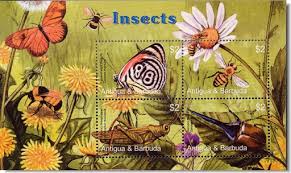
Terwijl de wereldbevolking gedurende de voorbije veertig jaar bijna verdubbeld is, blijft het aantal insecten, slakken, wormen en schaaldieren afnemen. Dat meldt ABC Science. Onrustwekkend, meent een internationaal team van onderzoekers, dat berekende dat de populatie ongewervelden met 45 procent inkromp. Mochten deze beestjes ooit uitsterven, zouden de meesten onder ons daar wellicht niet van wakker liggen. Toch hebben ongewervelden wel degelijk hun nut voor de Aarde: ze bestuiven gewassen, houden ziekten onder controle, filteren het water en voegen voedingsstoffen toe aan de grond. Een internationaal wetenschapsteam, waarbij onderzoekers van University College in Londen en Stanford University in Californië, onderwierp een resem wetenschappelijke artikelen aan een analyse die verscheen in het vakblad Science. De wetenschappers kwamen tot de vaststelling dat ongewervelden eenzelfde achteruitgang doormaken als grotere landdieren. “Dat was een schok”, zegt Ben Collen van University College, “want we gingen er altijd van uit dat ongewervelden veerkrachtiger waren.” De voorbije vijf eeuwen verdwenen 322 soorten gewervelde dieren op het land. De overblijvende populaties zijn met 25 procent geslonken. Bij de ongewervelden werden nu gelijkaardige verliezen vastgesteld.
Terwijl de wereldbevolking gedurende de voorbije veertig jaar bijna verdubbeld is, blijft het aantal insecten, slakken, wormen en schaaldieren afnemen. Dat meldt ABC Science. Onrustwekkend, meent een internationaal team van onderzoekers, dat berekende dat de populatie ongewervelden met 45 procent inkromp. Mochten deze beestjes ooit uitsterven, zouden de meesten onder ons daar wellicht niet van wakker liggen. Toch hebben ongewervelden wel degelijk hun nut voor de Aarde: ze bestuiven gewassen, houden ziekten onder controle, filteren het water en voegen voedingsstoffen toe aan de grond. Een internationaal wetenschapsteam, waarbij onderzoekers van University College in Londen en Stanford University in Californië, onderwierp een resem wetenschappelijke artikelen aan een analyse die verscheen in het vakblad Science. De wetenschappers kwamen tot de vaststelling dat ongewervelden eenzelfde achteruitgang doormaken als grotere landdieren. “Dat was een schok”, zegt Ben Collen van University College, “want we gingen er altijd van uit dat ongewervelden veerkrachtiger waren.” De voorbije vijf eeuwen verdwenen 322 soorten gewervelde dieren op het land. De overblijvende populaties zijn met 25 procent geslonken. Bij de ongewervelden werden nu gelijkaardige verliezen vastgesteld.
Bron: HLN, 25-07-14
http://www.hln.be/hln/nl/2764/milieu/article/detail/1963099/2014/07/25/Honderden-dieren-verdwijnen-terwijl-de-wereldbevolking-zich-vermenigvuldigt.dhtml -
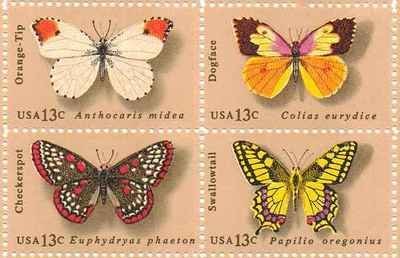
Het einde van de monarchvlinder is nabij
Het gaat niet goed met de monarchvlinder. De afgelopen 20 jaar is het aantal monarchvlinders drastisch gedaald. Door een daling in de populatie van maar liefst 90% wordt het voortbestaan van de soort nu ernstig bedreigd. Volgens wetenschappers ligt de oorzaak hiervan in de landbouw. De Danaus Plexippus, ook wel de monarchvlinder genoemd, is een dagactieve vlinder en behoort tot een van de bekendste vlindersoorten die voorkomen in Noord-Amerika. De soort staat bekend om haar trekgedrag. Jaarlijks trekken de vlinders van Mexico naar het noorden van Amerika om hier voor nakomelingen te zorgen. Deze nakomelingen vliegen vervolgens in de herfst weer terug naar het warme zuiden. Tijdens de trek zijn de vlinders soms met miljoenen tegelijk te aanschouwen op een rustplek. Dit is een van de meest indrukwekkende migraties ter wereld. Door de enorme toename van genetisch gemodificeerde gewassen, zoals soja en mais, worden bestrijdingsmiddelen gebruikt waar deze gewassen resistent voor zijn, maar die de natuurlijke planten doden waar de monarchvlinder van leeft. Dit is niet alleen desastreus voor de vlindersoort maar ook voor het gehele ecosysteem waar dit insect deel van uitmaakt. Ook voor de mens heeft dit nadelige gevolgen omdat de monarchvlinder net als de bij een belangrijke rol speelt bij de bestuiving van gewassen.
Het gaat niet goed met de monarchvlinder. De afgelopen 20 jaar is het aantal monarchvlinders drastisch gedaald. Door een daling in de populatie van maar liefst 90% wordt het voortbestaan van de soort nu ernstig bedreigd. Volgens wetenschappers ligt de oorzaak hiervan in de landbouw. De Danaus Plexippus, ook wel de monarchvlinder genoemd, is een dagactieve vlinder en behoort tot een van de bekendste vlindersoorten die voorkomen in Noord-Amerika. De soort staat bekend om haar trekgedrag. Jaarlijks trekken de vlinders van Mexico naar het noorden van Amerika om hier voor nakomelingen te zorgen. Deze nakomelingen vliegen vervolgens in de herfst weer terug naar het warme zuiden. Tijdens de trek zijn de vlinders soms met miljoenen tegelijk te aanschouwen op een rustplek. Dit is een van de meest indrukwekkende migraties ter wereld. Door de enorme toename van genetisch gemodificeerde gewassen, zoals soja en mais, worden bestrijdingsmiddelen gebruikt waar deze gewassen resistent voor zijn, maar die de natuurlijke planten doden waar de monarchvlinder van leeft. Dit is niet alleen desastreus voor de vlindersoort maar ook voor het gehele ecosysteem waar dit insect deel van uitmaakt. Ook voor de mens heeft dit nadelige gevolgen omdat de monarchvlinder net als de bij een belangrijke rol speelt bij de bestuiving van gewassen.
Bron: Piep Vandaag, 16-10-2014
http://www.piepvandaag.nl/voortbestaan-monarchvlinder-bedreigd/ -
Neonicotinoid clothianidin adversely affects insect immunity and promotes replication of a viral pathogen in honey bees
Honey bees are exposed to a wealth of synergistically interacting stress factors, which may induce colony losses often associated with high infection levels of pathogens. Neonicotinoid insecticides have been reported to enhance the impact of pathogens, but the underlying immune alteration is still obscure. In this study we describe the molecular mechanism through which clothianidin adversely affects the insect immune response and promotes replication of a viral pathogen in honey bees bearing covert infections. Our results shed light on a further level of regulation of the immune response in insects and have implications for bee conservation.
Honey bees are exposed to a wealth of synergistically interacting stress factors, which may induce colony losses often associated with high infection levels of pathogens. Neonicotinoid insecticides have been reported to enhance the impact of pathogens, but the underlying immune alteration is still obscure. In this study we describe the molecular mechanism through which clothianidin adversely affects the insect immune response and promotes replication of a viral pathogen in honey bees bearing covert infections. Our results shed light on a further level of regulation of the immune response in insects and have implications for bee conservation.
Large-scale losses of honey bee colonies represent a poorly understood problem of global importance. Both biotic and abiotic factors are involved in this phenomenon that is often associated with high loads of parasites and pathogens. A stronger impact of pathogens in honey bees exposed to neonicotinoid insecticides has been reported, but the causal link between insecticide exposure and the possible immune alteration of honey bees remains elusive. Here, we demonstrate that the neonicotinoid insecticide clothianidin negatively modulates NF-κB immune signaling in insects and adversely affects honey bee antiviral defenses controlled by this transcription factor. We have identified in insects a negative modulator of NF-κB activation, which is a leucine-rich repeat protein. Exposure to clothianidin, by enhancing the transcription of the gene encoding this inhibitor, reduces immune defenses and promotes the replication of the deformed wing virus in honey bees bearing covert infections. This honey bee immunosuppression is similarly induced by a different neonicotinoid, imidacloprid, but not by the organophosphate chlorpyriphos, which does not affect NF-κB signaling. The occurrence at sublethal doses of this insecticide-induced viral proliferation suggests that the studied neonicotinoids might have a negative effect at the field level. Our experiments uncover a further level of regulation of the immune response in insects and set the stage for studies on neural modulation of immunity in animals. Furthermore, this study has implications for the conservation of bees, as it will contribute to the definition of more appropriate guidelines for testing chronic or sublethal effects of pesticides used in agriculture.
Source:
Di Prisco G et al. PNAS November 12, 2013 vol. 110 no. 46 18466-18471 -

Genetically engineered crops, glyphosate and the deterioration of health in the United States of America
A huge increase in the incidence and prevalence of chronic diseases has been reported in the United States (US) over the last 20 years. Similar increases have been seen globally. In the present study, US government databases were searched for GE crop data, glyphosate application data and disease epidemiological data. Correlation analyses were then performed on a total of 22 diseases in these time-series data sets. The Pearson correlation coefficients are highly significant (< 10-5) between glyphosate applications and hypertension (R = 0.923), stroke (R = 0.925), diabetes prevalence (R = 0.971), diabetes incidence (R = 0.935), obesity (R = 0.962), lipoprotein metabolism disorder (R = 0.973), Alzheimer’s (R = 0.917), senile dementia (R = 0.994), Parkinson's (R = 0.875), multiple sclerosis (R = 0.828), autism (R = 0.989), inflammatory bowel disease (R = 0.938), intestinal infections (R = 0.974), end stage renal disease (R = 0.975), acute kidney failure (R = 0.978), cancers of the thyroid (R = 0.988), liver (R = 0.960), bladder (R = 0.981), pancreas (R = 0.918), kidney (R = 0.973) and myeloid leukaemia (R = 0.878). A huge increase in the incidence and prevalence of chronic diseases has been reported in the United States (US) over the last 20 years. Similar increases have been seen globally. In the present study, US government databases were searched for GE crop data, glyphosate application data and disease epidemiological data. Correlation analyses were then performed on a total of 22 diseases in these time-series data sets. The Pearson correlation coefficients are highly significant (< 10-5) between glyphosate applications and hypertension (R = 0.923), stroke (R = 0.925), diabetes prevalence (R = 0.971), diabetes incidence (R = 0.935), obesity (R = 0.962), lipoprotein metabolism disorder (R = 0.973), Alzheimer’s (R = 0.917), senile dementia (R = 0.994), Parkinson's (R = 0.875), multiple sclerosis (R = 0.828), autism (R = 0.989), inflammatory bowel disease (R = 0.938), intestinal infections (R = 0.974), end stage renal disease (R = 0.975), acute kidney failure (R = 0.978), cancers of the thyroid (R = 0.988), liver (R = 0.960), bladder (R = 0.981), pancreas (R = 0.918), kidney (R = 0.973) and myeloid leukaemia (R = 0.878).
The Pearson correlation coefficients are highly significant (< 10-4) between the percentage of GE corn and soy planted in the US and hypertension (R = 0.961), stroke (R = 0.983), diabetes prevalence (R = 0.983), diabetes incidence (R = 0.955), obesity (R = 0.962), lipoprotein metabolism disorder (R = 0.955), Alzheimer’s (R = 0.937), Parkinson's (R = 0.952), multiple sclerosis (R = 0.876), hepatitis C (R = 0.946), end stage renal disease (R = 0.958), acute kidney failure (R = 0.967), cancers of the thyroid (R = 0.938), liver (R = 0.911), bladder (R = 0.945), pancreas (R = 0.841), kidney (R = 0.940) and myeloid leukaemia (R = 0.889). The significance and strength of the correlations show that the effects of glyphosate and GE crops on human health should be further investigated. Reference: Nancy L. Swanson, Andre Leu, Jon Abrahamson and Bradley Wallet. Journal of Organic Systems, 9(2), 2014 -

Bayer introduces flupyradifurone as alternative to imidacloprid
Bayer CropScience will introduce soon a new class of chemistry that will be an alternative to imidacloprid, the company’s embattled systemic insecticide that has been implicated in honey bee deaths. The new active ingredient is flupyradifurone. It is a systemic from the butenolide chemical class and is active on sucking insect pests. it will be registered in 2015 and marketed by Bayer under the trade name Sivanto™ as a “bee friendly” product with no bloom (application) restrictions.
Bayer CropScience will introduce soon a new class of chemistry that will be an alternative to imidacloprid, the company’s embattled systemic insecticide that has been implicated in honey bee deaths. The new active ingredient is flupyradifurone. It is a systemic from the butenolide chemical class and is active on sucking insect pests. it will be registered in 2015 and marketed by Bayer under the trade name Sivanto™ as a “bee friendly” product with no bloom (application) restrictions.
Source: Agronews, 18 December 2013
http://news.agropages.com/News/NewsDetail—11228.htm