Auteur: Henk Tennekes

  • Het regent vleermuizen in Australië

    In Casino, een plaats in het Australische New South Wales, zijn zeker 5000 vleermuizen uit de lucht komen vallen. Inmiddels is de stank van de kadavers niet meer te harden. Ook wordt er gevreesd dat de overal verspreid liggende lijken ziektes kunnen veroorzaken. Er worden intussen al zo’n 450 vleermuizen verzorgd door dierenartsen.​ Mensen wordt afgeraden de dieren op te pakken, omdat ze kunnen bijten. Sommige dieren kunnen ook drager zijn van een virus.

    In Casino, een plaats in het Australische New South Wales, zijn zeker 5000 vleermuizen uit de lucht komen vallen. Inmiddels is de stank van de kadavers niet meer te harden. Ook wordt er gevreesd dat de overal verspreid liggende lijken ziektes kunnen veroorzaken. Er worden intussen al zo’n 450 vleermuizen verzorgd door dierenartsen.​ Mensen wordt afgeraden de dieren op te pakken, omdat ze kunnen bijten. Sommige dieren kunnen ook drager zijn van een virus.

    Bron: Metro, 18-11-14
    http://www.metronieuws.nl/koffiepauze/het-regent-vleermuizen-in-australie/SrZnkr!qFicAbahdX31o/

  • Van de 76.199 diersoorten die op aarde leven worden er meer dan 22.000 met uitsterven bedreigd

    Van de 76.199 diersoorten die op aarde leven worden er meer dan 22.000 met uitsterven bedreigd

    Dat blijkt uit de nieuwste lijst van ’s werelds meest bedreigde diersoorten. Vooral vlinders, slangen en een hele hoop exotische vissen moeten vrezen voor hun leven. Volgens de 50ste ‘Red List’, een lijst die jaarlijks door de International Union for the Conservation of Nature (IUCN) wordt opgesteld, zijn er 22.413 diersoorten met uitsterven bedreigd. “Telkens we onze Red List updaten, merken we dat onze planeet steeds meer van haar ongelooflijke diversiteit verliest”, zegt Julia Marton-Lefevre, directeur-generaal van de UICN, in de Britse krant The Independent.

    Dat blijkt uit de nieuwste lijst van ’s werelds meest bedreigde diersoorten. Vooral vlinders, slangen en een hele hoop exotische vissen moeten vrezen voor hun leven. Volgens de 50ste ‘Red List’, een lijst die jaarlijks door de International Union for the Conservation of Nature (IUCN) wordt opgesteld, zijn er 22.413 diersoorten met uitsterven bedreigd. “Telkens we onze Red List updaten, merken we dat onze planeet steeds meer van haar ongelooflijke diversiteit verliest”, zegt Julia Marton-Lefevre, directeur-generaal van de UICN, in de Britse krant The Independent.

    Bron: De Morgen, 18-11-14
    http://www.demorgen.be/wetenschap/meer-dan-22-000-diersoorten-met-uitsterven-bedreigd-a2124151/

  • Freshwater species have suffered a 76 per cent decline since 1970, an average loss almost double that of land and marine species

    Freshwater species have suffered a 76 per cent decline since 1970, an average loss almost double that of land and marine species

    According to the Living Planet Report report, populations of fish, birds, mammals, amphibians and reptiles have declined by 52 per cent since 1970. Freshwater species have suffered a 76 per cent decline, an average loss almost double that of land and marine species. “Biodiversity is a crucial part of the systems that sustain life on Earth – and the barometer of what we are doing to this planet, our only home. We urgently need bold global action in all sectors of society to build a more sustainable future,” said WWF International Director General Marco Lambertini. Biodiversity declines in Africa highlight the intense pressure felt by tropical species. For the thousands of species tracked by the report, the tropics showed a 56 per cent loss across populations compared to 36 per cent in temperate zones. “The unique nature and natural resources of Africa are under more pressure than ever before. Life-sustaining ecosystems are rapidly degrading, thus compromising the future security, health and well-being of millions of African people, with the poor heavily and disproportionately bearing the brunt of these losses,” said Fred Kumah, Director of Africa at WWF International.

    According to the Living Planet Report report, populations of fish, birds, mammals, amphibians and reptiles have declined by 52 per cent since 1970. Freshwater species have suffered a 76 per cent decline, an average loss almost double that of land and marine species. “Biodiversity is a crucial part of the systems that sustain life on Earth – and the barometer of what we are doing to this planet, our only home. We urgently need bold global action in all sectors of society to build a more sustainable future,” said WWF International Director General Marco Lambertini. Biodiversity declines in Africa highlight the intense pressure felt by tropical species. For the thousands of species tracked by the report, the tropics showed a 56 per cent loss across populations compared to 36 per cent in temperate zones. “The unique nature and natural resources of Africa are under more pressure than ever before. Life-sustaining ecosystems are rapidly degrading, thus compromising the future security, health and well-being of millions of African people, with the poor heavily and disproportionately bearing the brunt of these losses,” said Fred Kumah, Director of Africa at WWF International.

    Source: WWF Mozambique, 16 October 2014
    http://www.wwf.org.mz/?1520/Africa-provides-answers-to-environmental-problems-as-biodiversity-declines

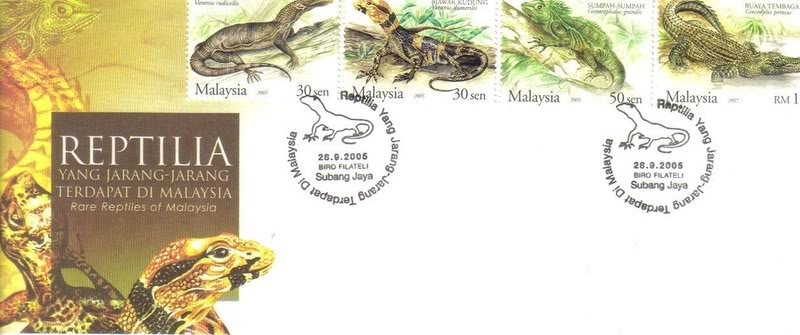
  • The world’s reptiles — turtles, snakes, lizards, alligators and crocodiles — are in trouble

    The world’s reptiles — turtles, snakes, lizards, alligators and crocodiles — are in trouble

    The International Union for Conservation of Nature, which publishes an annual global roster of threatened and endangered species called the Red List, considers some 664 species of reptiles — representing more than 20 percent of known reptile species worldwide — as endangered or facing extinction. Meanwhile, the U.S. Fish & Wildlife Service considers about 10 percent of American reptiles threatened or endangered. The non-profit Center for Biological Diversity (CBD) considers reptiles “amazing creatures” with clever adaptations that have helped them survive for millions of years. CBD also points out that reptiles are valuable indicators of wider ecological health. “Because many reptile species are long-lived and relatively slow-moving, they suffer from disturbances like habitat loss or pollution for extended periods,” the group reports, adding that a diverse community of reptiles living in a given area is evidence of a healthy ecosystem that can support the plant and animal life they and other species need for food and cover.

    The International Union for Conservation of Nature, which publishes an annual global roster of threatened and endangered species called the Red List, considers some 664 species of reptiles — representing more than 20 percent of known reptile species worldwide — as endangered or facing extinction. Meanwhile, the U.S. Fish & Wildlife Service considers about 10 percent of American reptiles threatened or endangered. The non-profit Center for Biological Diversity (CBD) considers reptiles “amazing creatures” with clever adaptations that have helped them survive for millions of years. CBD also points out that reptiles are valuable indicators of wider ecological health. “Because many reptile species are long-lived and relatively slow-moving, they suffer from disturbances like habitat loss or pollution for extended periods,” the group reports, adding that a diverse community of reptiles living in a given area is evidence of a healthy ecosystem that can support the plant and animal life they and other species need for food and cover.

    Source: Las Vegas Tribune, July 2, 2014
    http://lasvegastribune.net/worlds-reptiles-trouble/

  • Serious population decline of the red knot occurred in the 2000s

    Serious population decline of the red knot occurred in the 2000s

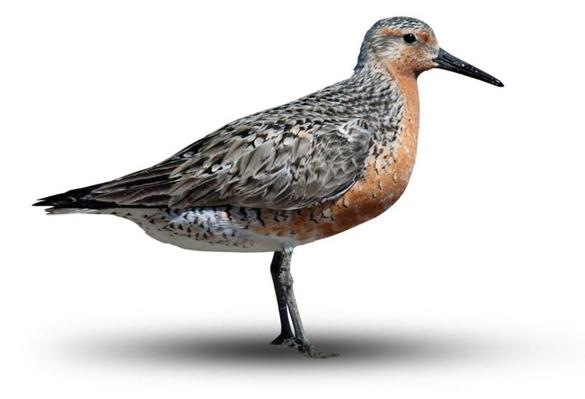
    The rufa red knot (Calidris canutus) is truly a master of long-distance aviation. On wingspans of 20 inches, some knots fly more than 9,300 miles from south to north every spring and repeat the trip in reverse every autumn, making this bird one of the longest-distance migrants in the animal kingdom. Surveys of wintering knots along the coasts of southern Chile and Argentina and during spring migration in Delaware Bay on the U.S. coast indicate that a serious population decline occurred in the 2000s. The knot’s unique and impressive life history depends on suitable habitat, food and weather conditions at far-flung sites across the Western Hemisphere, from the extreme south of Tierra del Fuego to the far north of the central Canadian Arctic. Knots need to encounter these favorable habitat, food and weather conditions within narrow seasonal windows as the birds hopscotch along migration stopovers between wintering and breeding areas. For example, the knot population decline that occurred in the 2000s was caused primarily by reduced food availability from increased harvests of horseshoe crabs, exacerbated by small changes in the timing that knots arrived at the Delaware Bay. Horseshoe crab harvests are now managed with explicit goals to stabilize and recover knot populations.

    The rufa red knot (Calidris canutus) is truly a master of long-distance aviation. On wingspans of 20 inches, some knots fly more than 9,300 miles from south to north every spring and repeat the trip in reverse every autumn, making this bird one of the longest-distance migrants in the animal kingdom. Surveys of wintering knots along the coasts of southern Chile and Argentina and during spring migration in Delaware Bay on the U.S. coast indicate that a serious population decline occurred in the 2000s. The knot’s unique and impressive life history depends on suitable habitat, food and weather conditions at far-flung sites across the Western Hemisphere, from the extreme south of Tierra del Fuego to the far north of the central Canadian Arctic. Knots need to encounter these favorable habitat, food and weather conditions within narrow seasonal windows as the birds hopscotch along migration stopovers between wintering and breeding areas. For example, the knot population decline that occurred in the 2000s was caused primarily by reduced food availability from increased harvests of horseshoe crabs, exacerbated by small changes in the timing that knots arrived at the Delaware Bay. Horseshoe crab harvests are now managed with explicit goals to stabilize and recover knot populations.

    Source: USFWS
    http://www.fws.gov/northeast/redknot/

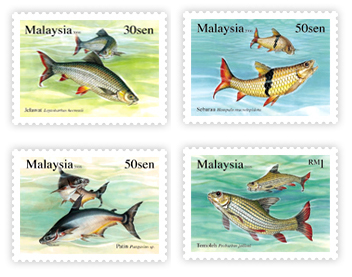
  • Predatory Fish Have Declined by Two Thirds in the 20th Century

    Predatory Fish Have Declined by Two Thirds in the 20th Century

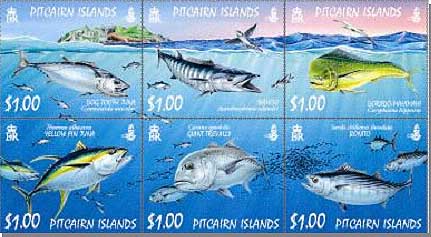
    The removal of top predators has been called “humankind’s most pervasive influence on nature,” and it is as detrimental in the sea as it is on land. Consumers prefer predatory fish like grouper, tuna, swordfish and sharks to species lower on the food chain such as anchovies and sardines, providing strong incentives for fishermen to catch the bigger fish. Going after the more valuable predators first, fishing them until there aren’t enough left to support a fishery and then moving on to species lower in the food chain, a pattern sometimes observed in global fisheries, has been called “fishing down the food web.” New research by the team that coined the term attempts to determine how severely predatory fish populations have declined worldwide since the start of industrial fishing. Scientists analyzed more than 200 published food-web (interacting food chains) models from all over the world, which included more than 3,000 ocean species. Their results show that in the 20th century humans reduced the biomass of predatory fishes by more than two thirds and that most of this alarming decline has occurred since the 1970s.

    The removal of top predators has been called “humankind’s most pervasive influence on nature,” and it is as detrimental in the sea as it is on land. Consumers prefer predatory fish like grouper, tuna, swordfish and sharks to species lower on the food chain such as anchovies and sardines, providing strong incentives for fishermen to catch the bigger fish. Going after the more valuable predators first, fishing them until there aren’t enough left to support a fishery and then moving on to species lower in the food chain, a pattern sometimes observed in global fisheries, has been called “fishing down the food web.” New research by the team that coined the term attempts to determine how severely predatory fish populations have declined worldwide since the start of industrial fishing. Scientists analyzed more than 200 published food-web (interacting food chains) models from all over the world, which included more than 3,000 ocean species. Their results show that in the 20th century humans reduced the biomass of predatory fishes by more than two thirds and that most of this alarming decline has occurred since the 1970s.

    Many of these predatory fish species are known to be in trouble. The International Union for Conservation of Nature Red List of Threatened Species considers 12 percent of grouper, 11 percent of tuna and billfish and 24 percent of shark and ray species to be threatened with extinction. These population declines have implications far beyond a sustainable supply of fish that consumers like to eat. Predators keep prey populations in balance, and the loss of predators can cause trophic (nutritional) cascades through food webs that affect entire ocean ecosystems. For example, kelp forests, home to many unique and economically important species, have been destroyed by a growing population of herbivorous sea urchins that resulted from the loss of urchin predators like sea otters. “Predators are important for maintaining healthy ecosystems,” says professor Villy Christensen, lead author of the new research paper. “Also, where we have had collapses of the larger fish, it has taken many decades for them to rebuild.”

    Source: Scientific American, October 20, 2014
    Predatory Fish Have Declined by Two Thirds in the 20th Century
  • In California, Washington, Oregon and Idaho, salmon are extinct in nearly 40 percent of the rivers they were known to inhabit

    In California, Washington, Oregon and Idaho, salmon are extinct in nearly 40 percent of the rivers they were known to inhabit

    The rivers and streams of the Paci­fic Northwest used to be so full of wild salmon that fishermen liked to say they could cross the waterways on the fish’s backs. If salmon were the only means of crossing the rivers, those fishermen would be out of luck today. In California, Washington, Oregon and Idaho, salmon are extinct in nearly 40 percent of the rivers they were known to inhabit — at least 106 major stocks gone forever [source: Northwest Power & Conservation Council]. Around the world, the story is much the same: Global Atlantic salmon catches fell 80 percent from 1970 to 2000. In the United Kingdom, one-third of the salmon population is endangered according to the WWF, and in California and Oregon, the Pacific Fishery Management Council recently announced the strictest salmon fishing quotas in the region’s history due to the animal’s rapid decline [source: Young, Environment News Service]. The downward spiral of the salmon population is troubling for several reasons. This fish is far more than just a tasty source of omega-3s. Salmon are what’s known as a keystone species — like the engine in your car, their physical presence compared to the whole is rather small, but their importance to its functioning is vital. Not only are the fish a main source of sustenance for a variety of predators (more than 137 species), but their decomposing carcasses are a significant source of nutrients and fertilizer for trees [source: Hunt]. When the salmon go, the surrounding ecosystem likely won’t be far behind.

    The rivers and streams of the Paci­fic Northwest used to be so full of wild salmon that fishermen liked to say they could cross the waterways on the fish’s backs. If salmon were the only means of crossing the rivers, those fishermen would be out of luck today. In California, Washington, Oregon and Idaho, salmon are extinct in nearly 40 percent of the rivers they were known to inhabit — at least 106 major stocks gone forever [source: Northwest Power & Conservation Council]. Around the world, the story is much the same: Global Atlantic salmon catches fell 80 percent from 1970 to 2000. In the United Kingdom, one-third of the salmon population is endangered according to the WWF, and in California and Oregon, the Pacific Fishery Management Council recently announced the strictest salmon fishing quotas in the region’s history due to the animal’s rapid decline [source: Young, Environment News Service]. The downward spiral of the salmon population is troubling for several reasons. This fish is far more than just a tasty source of omega-3s. Salmon are what’s known as a keystone species — like the engine in your car, their physical presence compared to the whole is rather small, but their importance to its functioning is vital. Not only are the fish a main source of sustenance for a variety of predators (more than 137 species), but their decomposing carcasses are a significant source of nutrients and fertilizer for trees [source: Hunt]. When the salmon go, the surrounding ecosystem likely won’t be far behind.

    Source: How stuff works, November 2014
    http://adventure.howstuffworks.com/outdoor-activities/fishing/fish-conservation/fish-populations/salmon-population.htm

  • Neonicotinoid contamination of global surfacewaters and associated risk to aquatic invertebrates: A review

    Neonicotinoid contamination of global surfacewaters and associated risk to aquatic invertebrates: A review

    Neonicotinoids, broad-spectrum systemic insecticides, are the fastest growing class of insecticides worldwide and are now registered for use on hundreds of field crops in over 120 different countries. The environmental profile of this class of pesticides indicate that they are persistent, have high leaching and runoff potential, and are highly toxic to a wide range of invertebrates. Therefore, neonicotinoids represent a significant risk to surface waters and the diverse aquatic and terrestrial fauna that these ecosystems support. This review synthesizes the current state of knowledge on the reported concentrations of neonicotinoids in surface waters from 29 studies in 9 countries world-wide in tandem with published data on their acute and chronic toxicity to 49 species of aquatic insects and crustaceans spanning 12 invertebrate orders. Strong evidence exists that water-borne neonicotinoid exposures are frequent, long-term and at levels (geometric means = 0.13 μg/L (averages) and 0.63 μg/L (maxima)) which commonly exceed several existing water quality guidelines.

    Neonicotinoids, broad-spectrum systemic insecticides, are the fastest growing class of insecticides worldwide and are now registered for use on hundreds of field crops in over 120 different countries. The environmental profile of this class of pesticides indicate that they are persistent, have high leaching and runoff potential, and are highly toxic to a wide range of invertebrates. Therefore, neonicotinoids represent a significant risk to surface waters and the diverse aquatic and terrestrial fauna that these ecosystems support. This review synthesizes the current state of knowledge on the reported concentrations of neonicotinoids in surface waters from 29 studies in 9 countries world-wide in tandem with published data on their acute and chronic toxicity to 49 species of aquatic insects and crustaceans spanning 12 invertebrate orders. Strong evidence exists that water-borne neonicotinoid exposures are frequent, long-term and at levels (geometric means = 0.13 μg/L (averages) and 0.63 μg/L (maxima)) which commonly exceed several existing water quality guidelines.

    Imidacloprid is by far the most widely studied neonicotinoid (66% of the 214 toxicity tests reviewed) with differences in sensitivity among aquatic invertebrate species ranging several orders of magnitude; other neonicotinoids display analogous modes of action and similar toxicities, although comparative data are limited. Of the species evaluated, insects belonging to the orders Ephemeroptera, Trichoptera and Diptera appear to be the most sensitive, while those of Crustacea (although not universally so) are less sensitive. In particular, the standard test species Daphnia magna appears to be very tolerant, with 24–96 hour LC50 values exceeding 100,000 μg/L (geometric mean N 44,000 μg/L), which is at least 2–3 orders of magnitude higher than the geometric mean of all other invertebrate species tested. Overall, neonicotinoids can exert adverse effects on survival, growth, emergence, mobility, and behavior of many sensitive aquatic invertebrate taxa at concentrations at or below 1 μg/L under acute exposure and 0.1 μg/L for chronic exposure. Using probabilistic approaches (species sensitivity distributions), we recommend here that ecological thresholds for neonicotinoid water concentrations need to be below 0.2 μg/L (shortterm acute) or 0.035 μg/L (long-term chronic) to avoid lasting effects on aquatic invertebrate communities. The application of safety factors may still be warranted considering potential issues of slow recovery, additive or synergistic effects and multiple stressors that can occur in the field. Our analysis revealed that 81% (22/27) and 74% (14/19) of global surface water studies reporting maximum and average individual neonicotinoid concentrations respectively, exceeded these thresholds of 0.2 and 0.035 μg/L. Therefore, it appears that environmentally relevant concentrations of neonicotinoids in surface waters worldwide are well within the range where both short- and long-termimpacts on aquatic invertebrate species are possible over broad spatial scales.
    Source: Morissey C et al. Environment International 74 (2015) 291–303

  • Henk Tennekes vertelt over zijn werk over neonicotinoïden tijdens afsluiting project de Honingbank in Den Haag

    Henk Tennekes vertelt over zijn werk over neonicotinoïden tijdens afsluiting project de Honingbank in Den Haag

    De Honingbank is een kunstproject dat is bedacht door het Franse collectief Parti Poétique (‘Poetische Partij’) en in samenwerking met Stroom Den Haag werd ontwikkeld. Dit project bood een instrument om bijen te sparen: De Bijenspaarrekening. Stroom heeft ervoor gekozen met de Honing Bank te stoppen, waarvoor de organisatorische, financiële en praktische belasting die het project vereist, de belangrijkste redenen zijn. Op vrijdag 14 november 2014 werd het Honing Bank project feestelijk afgesloten. Tijdens deze bijeenkomst vertelde toxicoloog Henk Tennekes over zijn onderzoek naar neonicotinoiden dat hij heeft gedaan m.b.v. een extra bijdrage die de Honing Bank via crowdfunding binnenhaalde.

    De Honingbank is een kunstproject dat is bedacht door het Franse collectief Parti Poétique (‘Poetische Partij’) en in samenwerking met Stroom Den Haag werd ontwikkeld. Dit project bood een instrument om bijen te sparen: De Bijenspaarrekening. Stroom heeft ervoor gekozen met de Honing Bank te stoppen, waarvoor de organisatorische, financiële en praktische belasting die het project vereist, de belangrijkste redenen zijn. Op vrijdag 14 november 2014 werd het Honing Bank project feestelijk afgesloten. Tijdens deze bijeenkomst vertelde toxicoloog Henk Tennekes over zijn onderzoek naar neonicotinoiden dat hij heeft gedaan m.b.v. een extra bijdrage die de Honing Bank via crowdfunding binnenhaalde.

  • Miskenning van het aerotoxisch syndroom door de KLM oogst heftige kritiek van gerenommeerde neurologen

    Miskenning van het aerotoxisch syndroom door de KLM oogst heftige kritiek van gerenommeerde neurologen

    Een Boeing 737 gezagvoerder van KLM heeft verleden jaar zijn werkgever aangeklaagd na ‘chronische vergiftiging’ in de cockpit. De KLM-vlieger meldde zich van tijd tot tijd ziek. De klachten kwamen steeds terug als hij weer aan het werk ging. In 2011 werd hij opgenomen in het ziekenhuis. De advocaat van de man vermoedt dat er sprake is van ernstige ziekteverschijnselen door giftige lucht in de cabine en cockpit. De werkgever van de piloot stelde dat er geen bewijs is voor de relatie tussen de lichamelijk ongemakken en de mogelijkheid van giftige dampen in het vliegtuig en maande de piloot vergeefs weer aan het werk te gaan. Sinds vorige maand krijgt hij geen salaris meer. De discussie rond de mogelijkheid van aerotoxisch syndroom wordt door KLM afgehouden aangezien er nog steeds geen bewijs is. De maatschappij meldt structureel dat er geen officiële gevallen bekend zijn van aerotoxisch syndroom binnen de bemanning. Wel is er een werkgroep binnen de maatschappij die onderzoek doet naar de mogelijke gevolgen voor het vliegend personeel van de lucht die via de motoren van de vliegtuigen de cabine in komt. Een recente publicatie van deze werkgroep in het vaktijdschrift Neurotoxicology waarin het aerotoxisch syndroom wordt ontkend leidde tot heftige kritiek van gerenommeerde neurologen (bijlage).

    Een Boeing 737 gezagvoerder van KLM heeft verleden jaar zijn werkgever aangeklaagd na ‘chronische vergiftiging’ in de cockpit. De KLM-vlieger meldde zich van tijd tot tijd ziek. De klachten kwamen steeds terug als hij weer aan het werk ging. In 2011 werd hij opgenomen in het ziekenhuis. De advocaat van de man vermoedt dat er sprake is van ernstige ziekteverschijnselen door giftige lucht in de cabine en cockpit. De werkgever van de piloot stelde dat er geen bewijs is voor de relatie tussen de lichamelijk ongemakken en de mogelijkheid van giftige dampen in het vliegtuig en maande de piloot vergeefs weer aan het werk te gaan. Sinds vorige maand krijgt hij geen salaris meer. De discussie rond de mogelijkheid van aerotoxisch syndroom wordt door KLM afgehouden aangezien er nog steeds geen bewijs is. De maatschappij meldt structureel dat er geen officiële gevallen bekend zijn van aerotoxisch syndroom binnen de bemanning. Wel is er een werkgroep binnen de maatschappij die onderzoek doet naar de mogelijke gevolgen voor het vliegend personeel van de lucht die via de motoren van de vliegtuigen de cabine in komt. Een recente publicatie van deze werkgroep in het vaktijdschrift Neurotoxicology waarin het aerotoxisch syndroom wordt ontkend leidde tot heftige kritiek van gerenommeerde neurologen (bijlage).

    Directeur van de reisorganisatie TUI en luchtvaartmaatschappij ArkeFly, Steven van der Heijden, sluit de mogelijkheid van het falen van piloten als gevolg van het inademen van hoge concentraties van oliedamp niet uit. Dit liet hij in mei weten in het VARA tv-programma Zembla. Van der Heijden kiest hier mee een andere benadering van het probleem dan zijn collega directieleden bij KLM.

    In Groot Brittannië stierven begin 2013 en eind 2012 de piloten Richard Westgate en Karen Lysakowska, beide 43 jaar, nadat ze geruime tijd ziek waren geweest. De twee persoonlijke drama’s stonden op zich los van elkaar, behalve dat beide gelouterde piloten waren bij BA en voor hun dood claimden dat ze ziek waren geworden door het inademen van giftige gassen in de cockpit.

    Het tv-programa Zembla meldde drie jaar geleden dat door olielekkage in de motor passagiers en bemanning van vliegtuigen gifstoffen inademen. Kamerleden reageerden destijds geschrokken, maar volgens toenmalig minister van Verkeer Camiel Eurlings (CDA) was er geen reden tot zorg.

    Neuroloog bij het Medisch Spectrum Twente in Enschede Gerard Hageman zegt dat die ontkenning een miskenning van het probleem is. Hageman onderzocht de afgelopen twee jaar 35 piloten die, volgens hem, kampen met neurologische klachten.

    De nieuwe Boeing 787 Dreamliner wordt gezien als eerste in een nieuwe generatie vliegtuigen waarbij de lucht niet langer vanaf de motoren via de airconditioning de cabine in wordt geleid. Het toestel zorgt dat er geschoonde lucht de cabine in wordt gelaten. ArkeFly is de eerste maatschappij in Nederland die, in 2014, met de Boeing 787 ging vliegen. KLM volgt een jaar later.
    Bron: Luchtvaartnieuws, 13-08-13
    http://www.luchtvaartnieuws.nl/nieuws/categorie/2/airlines/captain-klaagt-klm-aan-vanwege-aerotoxic-syndroom