Auteur: Henk Tennekes

  • The Steep Decline of Atlantic Coast Swallows

    The Steep Decline of Atlantic Coast Swallows

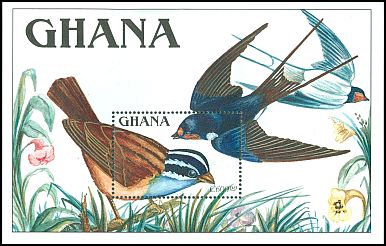
    There are four species of swallows found in Maritime Canada: bank swallow (Riparia riparia), barn swallow (Hirundo rustica), cliff swallow (Petrochelidon pyrrhonota) and tree swallow (Tachycineta bicolor). Population trends for these species and other aerial insectivores (birds that feed almost exclusively on flying insects while in flight) show rapid declines in the last 40 years. These declines are greater than any other group of birds in North America and are particularly severe in northeastern North America.The total population size of each species is unknown, but over the last 40 years there have been significant population declines and these declines are greatest in the Maritimes. It is estimated that bank swallow population in Canada has declined by 98%, with 31% lost in the last 10 years. The rate of decline is similar for the barn swallow, with a loss of 75% of the population, including 30% in just the last 10 years.

    There are four species of swallows found in Maritime Canada: bank swallow (Riparia riparia), barn swallow (Hirundo rustica), cliff swallow (Petrochelidon pyrrhonota) and tree swallow (Tachycineta bicolor). Population trends for these species and other aerial insectivores (birds that feed almost exclusively on flying insects while in flight) show rapid declines in the last 40 years. These declines are greater than any other group of birds in North America and are particularly severe in northeastern North America.The total population size of each species is unknown, but over the last 40 years there have been significant population declines and these declines are greatest in the Maritimes. It is estimated that bank swallow population in Canada has declined by 98%, with 31% lost in the last 10 years. The rate of decline is similar for the barn swallow, with a loss of 75% of the population, including 30% in just the last 10 years.

    Source: Wildlife Preservation Canada
    http://wildlifepreservation.ca/east-coast-swallows-2/

  • Reflections on Christmas Day – The Vital Legacy of John Muir (1838-1914)

    Reflections on Christmas Day – The Vital Legacy of John Muir (1838-1914)

    Humanity is the product of the same processes as all other species that have dwelt on Earth, with our well-being inextricably tied to the health of the biosphere. Contemporary science has confirmed nature’s myriad links, but as early as 1911 John Muir poetically expressed ecology’s central insight. “When we try to pick out anything by itself,” Muir wrote in My First Summer in the Sierra, “we find it hitched to everything else in the Universe.” The twin ideas of evolutionary kinship and ecological connectivity are profoundly disruptive to the delusion of human exceptionalism, that somehow the rules don’t apply to us, that our cleverness is boundless, even to the point of transcending biological limits. One hundred years after his death, John Muir’s legacy could not be more vital. Inspired by the love he felt for the wild world, today’s vision for the future of conservation—and the future of the Earth—is one of planetary rewilding, where a scaled-back human civilization is embedded in a matrix of wildness, and where at least half of the globe is left to nature. It is a vision both idealistic and achievable: Broad swaths of green and blue— beautiful, untrammeled, evolution-supporting lands and waters encircling the Earth, where wild life and people flourish together.

    Humanity is the product of the same processes as all other species that have dwelt on Earth, with our well-being inextricably tied to the health of the biosphere. Contemporary science has confirmed nature’s myriad links, but as early as 1911 John Muir poetically expressed ecology’s central insight. “When we try to pick out anything by itself,” Muir wrote in My First Summer in the Sierra, “we find it hitched to everything else in the Universe.” The twin ideas of evolutionary kinship and ecological connectivity are profoundly disruptive to the delusion of human exceptionalism, that somehow the rules don’t apply to us, that our cleverness is boundless, even to the point of transcending biological limits. One hundred years after his death, John Muir’s legacy could not be more vital. Inspired by the love he felt for the wild world, today’s vision for the future of conservation—and the future of the Earth—is one of planetary rewilding, where a scaled-back human civilization is embedded in a matrix of wildness, and where at least half of the globe is left to nature. It is a vision both idealistic and achievable: Broad swaths of green and blue— beautiful, untrammeled, evolution-supporting lands and waters encircling the Earth, where wild life and people flourish together.

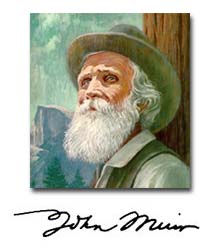
    John Muir (April 21, 1838 – December 24, 1914) was a Scottish-American naturalist, author, and early advocate of preservation of wilderness in the United States. His letters, essays, and books telling of his adventures in nature, especially in the Sierra Nevada mountains of California, have been read by millions. His activism helped to preserve the Yosemite Valley, Sequoia National Park and other wilderness areas. The Sierra Club, which he founded, is a prominent American conservation organization. The 211-mile (340 km) John Muir Trail, a hiking trail in the Sierra Nevada, was named in his honor.
    Sources:
    Tom Butler and Eileen Crist. John Muir’s Last Stand
    Wikipedia
    http://en.wikipedia.org/wiki/John_Muir

  • Another insectivorous bird facing extinction in the US

    Another insectivorous bird facing extinction in the US

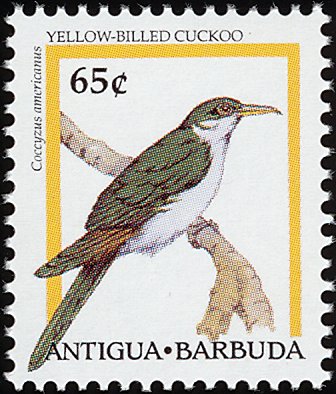
    When they’re not dining on the population explosions of caterpillars, they eat other insects, frogs, lizards, crickets, cicadas and other streamside dwellers. They’ve almost vanished from the Southwest — including Arizona. So the U.S. Fish and Wildlife Service wants to list the wide-ranging, quickly-disappearing, stream-loving western yellow-billed cuckcoo (Coccyzus americanus) as an endangered species — likely adding one more layer of protection for — and restrictions on — streams in Rim Country. The federal government has proposed listing 80 protected streamside areas as critical habitat for the robin-sized bird, including Tonto Creek, the Verde River and other small streams like the East Verde, Fossil Creek and other Rim Country streams. Population surveys suggest the Western Cuckcoo continues to decline by about 1.5 percent annually. The estimated 15,000 breeding pairs in California in the late 19th century had declined to about 30 pairs by 1986. The thousands of pairs in Arizona had declined to 200 pairs in the same period. Biologists aren’t sure how many pairs remain in the southwest now.

    When they’re not dining on the population explosions of caterpillars, they eat other insects, frogs, lizards, crickets, cicadas and other streamside dwellers. They’ve almost vanished from the Southwest — including Arizona. So the U.S. Fish and Wildlife Service wants to list the wide-ranging, quickly-disappearing, stream-loving western yellow-billed cuckcoo (Coccyzus americanus) as an endangered species — likely adding one more layer of protection for — and restrictions on — streams in Rim Country. The federal government has proposed listing 80 protected streamside areas as critical habitat for the robin-sized bird, including Tonto Creek, the Verde River and other small streams like the East Verde, Fossil Creek and other Rim Country streams. Population surveys suggest the Western Cuckcoo continues to decline by about 1.5 percent annually. The estimated 15,000 breeding pairs in California in the late 19th century had declined to about 30 pairs by 1986. The thousands of pairs in Arizona had declined to 200 pairs in the same period. Biologists aren’t sure how many pairs remain in the southwest now.

    Source: Payson Roundup, December 25, 2014
    http://www.paysonroundup.com/news/2014/dec/22/another-endangered-streamside-bird/

  • Neonicotinoïden verhogen de vatbaarheid van insecten voor infectieziekten

    Neonicotinoïden verhogen de vatbaarheid van insecten voor infectieziekten

    Net als zoogdieren hebben ook insecten een aangeboren immuunsysteem dat in staat is veroorzakers van infecties te herkennen. Een team van Italiaanse onderzoekers, onder leiding van Francesco Pennachio van de Universiteit van Napels heeft nu ontdekt dat een bepaalde groep insecticiden – neonicotinoïden – veranderingen in het immuunsysteem van insecten veroorzaakt. Insecten zijn hierdoor extra kwetsbaar. Door het blokkeren van een regulator van het aangeboren immuunsysteem, NF-kB (een bepaald eiwit) kwamen onderzoekers erachter dat neonicotinoïden het immuunsysteem beïnvloeden. Dat is te lezen in het blad Proceedings of the National Academy of Sciences. De methode werd eerst op fruitvliegjes getest en daarna op bijen. Uit het onderzoek bleek dat bijen die geen neonicotinoïden kregen, bestand waren tegen een infectie. Bijen die wel werden blootgesteld, vertoonden wel reacties. Hoe groter de dosis neonicotinoïden, hoe groter de kans op infectie en hoe groter de kans dat het beestje dus sterft.

    Net als zoogdieren hebben ook insecten een aangeboren immuunsysteem dat in staat is veroorzakers van infecties te herkennen. Een team van Italiaanse onderzoekers, onder leiding van Francesco Pennachio van de Universiteit van Napels heeft nu ontdekt dat een bepaalde groep insecticiden – neonicotinoïden – veranderingen in het immuunsysteem van insecten veroorzaakt. Insecten zijn hierdoor extra kwetsbaar. Door het blokkeren van een regulator van het aangeboren immuunsysteem, NF-kB (een bepaald eiwit) kwamen onderzoekers erachter dat neonicotinoïden het immuunsysteem beïnvloeden. Dat is te lezen in het blad Proceedings of the National Academy of Sciences. De methode werd eerst op fruitvliegjes getest en daarna op bijen. Uit het onderzoek bleek dat bijen die geen neonicotinoïden kregen, bestand waren tegen een infectie. Bijen die wel werden blootgesteld, vertoonden wel reacties. Hoe groter de dosis neonicotinoïden, hoe groter de kans op infectie en hoe groter de kans dat het beestje dus sterft.

    Begin vorige maand verscheen ook al een studie die suggereerde dat insecticiden van invloed zijn op individuele bijen en uiteindelijk op de hele kolonie. De onderzoekers toonden tijdens dat onderzoek aan dat langdurige blootstelling aan een heel lage dosis neonicotinoïden al verstrekkende gevolgen heeft voor bijen. Uiteindelijk stierf de hele kolonie uit. In Nederland komt dit neonicotinoïdenniveau volop voor in de land-en tuinbouwgebieden. De Europese Unie wil het gebruik van deze pesticiden nu gaan verbieden.

    Bron: Scientias, 7-11-14

    Nieuw onderzoek toont oorzaak bijensterfte aan

  • Impact of a widely used insecticide on soil microorganisms – nitrifying and N2-fixing bacteria are sensitive to imidacloprid

    Impact of a widely used insecticide on soil microorganisms – nitrifying and N2-fixing bacteria are sensitive to imidacloprid

    Imidacloprid is one of the most commonly used insecticides in agricultural practice, and its application poses a potential risk for soil microorganisms. The objective of this study was to assess whether changes in the structure of the soil microbial community after imidacloprid application at the field rate (FR, 1 mg/kg soil) and 10 times the FR (10 × FR, 10 mg/kg soil) may also have an impact on biochemical and microbial soil functioning. The obtained data showed a negative effect by imidacloprid applied at the FR dosage for substrate-induced respiration (SIR), the number of total bacteria, dehydrogenase (DHA), both phosphatases (PHOS-H and PHOS-OH), and urease (URE) at the beginning of the experiment. In 10 × FR treated soil, decreased activity of SIR, DHA, PHOS-OH and PHOS-H was observed over the experimental period. Nitrifying and N2-fixing bacteria were the most sensitive to imidacloprid. The concentration of NO3− decreased in both imidacloprid-treated soils, whereas the concentration of NH4+ in soil with 10 × FR was higher than in the control. Analysis of the bacterial growth strategy revealed that imidacloprid affected the r- or K-type bacterial classes as indicated also by the decreased eco-physiological (EP) index. Imidacloprid affected the physiological state of culturable bacteria and caused a reduction in the rate of colony formation as well as a prolonged time for growth. Principal component analysis showed that imidacloprid application significantly shifted the measured parameters, and the application of imidacloprid may pose a potential risk to the biochemical and microbial activity of soils.

    Imidacloprid is one of the most commonly used insecticides in agricultural practice, and its application poses a potential risk for soil microorganisms. The objective of this study was to assess whether changes in the structure of the soil microbial community after imidacloprid application at the field rate (FR, 1 mg/kg soil) and 10 times the FR (10 × FR, 10 mg/kg soil) may also have an impact on biochemical and microbial soil functioning. The obtained data showed a negative effect by imidacloprid applied at the FR dosage for substrate-induced respiration (SIR), the number of total bacteria, dehydrogenase (DHA), both phosphatases (PHOS-H and PHOS-OH), and urease (URE) at the beginning of the experiment. In 10 × FR treated soil, decreased activity of SIR, DHA, PHOS-OH and PHOS-H was observed over the experimental period. Nitrifying and N2-fixing bacteria were the most sensitive to imidacloprid. The concentration of NO3− decreased in both imidacloprid-treated soils, whereas the concentration of NH4+ in soil with 10 × FR was higher than in the control. Analysis of the bacterial growth strategy revealed that imidacloprid affected the r- or K-type bacterial classes as indicated also by the decreased eco-physiological (EP) index. Imidacloprid affected the physiological state of culturable bacteria and caused a reduction in the rate of colony formation as well as a prolonged time for growth. Principal component analysis showed that imidacloprid application significantly shifted the measured parameters, and the application of imidacloprid may pose a potential risk to the biochemical and microbial activity of soils.

    Source:
    Mariusz Cycoń & Zofia Piotrowska-Seget. Biochemical and microbial soil functioning after application of the insecticide imidacloprid. Journal of Environmental Sciences. Available online 11 November 2014. doi:10.1016/j.jes.2014.05.034
    http://www.sciencedirect.com/science/article/pii/S1001074214002010

  • Wetenschappers willen bestrijdingsmiddel met neonicotinoïden verbieden

    Wetenschappers willen bestrijdingsmiddel met neonicotinoïden verbieden

    Met een afgestemde campagne probeerde een groep wetenschappers een verbod op neonicotinoïden af te dwingen. Dat is een populaire klasse bestrijdingsmiddelen die in verband worden gebracht met de verhoogde sterfte van bijen en andere insecten sinds het begin van deze eeuw. Dat blijkt uit een gelekt document dat verslag doet van twee ontmoetingen tussen de wetenschappers in 2010. Het document bewijst dat deze onderzoekers eerder activisten zijn dan wetenschappers, stelt David Zaruk, een Brusselse risicoanalist gespecialiseerd in milieuproblematiek. Hij ontdekte het document op de website van een van de betrokkenen.

    Met een afgestemde campagne probeerde een groep wetenschappers een verbod op neonicotinoïden af te dwingen. Dat is een populaire klasse bestrijdingsmiddelen die in verband worden gebracht met de verhoogde sterfte van bijen en andere insecten sinds het begin van deze eeuw. Dat blijkt uit een gelekt document dat verslag doet van twee ontmoetingen tussen de wetenschappers in 2010. Het document bewijst dat deze onderzoekers eerder activisten zijn dan wetenschappers, stelt David Zaruk, een Brusselse risicoanalist gespecialiseerd in milieuproblematiek. Hij ontdekte het document op de website van een van de betrokkenen.

    ‘Door er van uit te gaan dat neonicotinoïden schuldig zijn aan de achteruitgang van de natuur, corrumperen ze de normale manier van wetenschappelijk werken. Voor de groep lag de uitkomst vast en zochten ze er vervolgens bewijzen bij. Met de oproep tot een verbod, begeven ze zich bovendien op het terrein van de politiek.’

    Het document beschrijft een vierjarige strategie om een verbod op de pesticiden af te dwingen. Op de eerste bijeenkomst, op 14 juni 2010 in Zwitserland, zijn vier wetenschappers aanwezig, onder wie Maarten Bijleveld van Lexmond, oprichter van de Nederlandse tak van het Wereld Natuur Fonds en Piet Wit, voorzitter van de Commission on Ecosystem Management van de IUCN, de grootste milieuorganisatie ter wereld die vooral bekend is van het opstellen van de rode lijst van bedreigde diersoorten.

    In het document staat dat de vier wetenschappers het plan hebben ‘zo overtuigend mogelijk het effect van neonicotinoïden aan te tonen op insecten, vogels, andere dieren, het functioneren van ecosystemen en het leven van mensen’ en dit te beschrijven in meerdere publicaties in toonaangevende wetenschappelijke tijdschriften. Door de publicaties simultaan aan te bieden, hopen ze een zo groot mogelijke invloed uit te oefenen. Bovendien moeten de publicaties worden begeleid worden door een artikel dat ‘oproept tot een moratorium op het gebruik en de verkoop van neonicotinoïden’. Na publicatie kan er ‘direct een campagne worden opgezet door het Wereld Natuur Fonds’, waardoor politici veel sneller niet meer om een verbod heen kunnen.

    Als vehikel voor hun campagne stellen de vier een ‘Taske Force on Systemic Pesticides’ aan, die als adviesorgaan functioneert van de IUCN. Een van de coördinatoren van de taskforce is Jeroen van der Sluijs, voormalig universitair hoofddocent nieuwe risico’s aan de Universiteit Utrecht en nu verbonden aan de Universiteit van Bergen in Noorwegen. Samen met elf andere Europese wetenschappers is hij aanwezig bij de tweede bijeenkomst van 28 tot 30 juni 2010 in Parijs, waar de inhoud van de artikelen wordt besproken.

    Volgens Van der Sluijs was er van een campagne geen sprake, was zijn taskforce volledig onafhankelijk en staat de uiteindelijke analyse los van de afspraken die de vier op de eerste meeting maakte. Hij stelt dat de IUCN het klimaatpanel IPCC tot voorbeeld heeft genomen nam en geen beleid wil voorschrijven.

    Toxicoloog Henk Tennekes, ook aanwezig op de tweede bijeenkomst, ziet dat anders. Op zijn website is het document aangetroffen.’Ik voelde me als burger verplicht wat te doen. Als we de neonicotinoïden niet verbieden, staan we aan de vooravond van een ecologische catastrofe. Hele ecosystemen zullen instorten door het uitsterven van insecten. Natuurlijk was het een campagneplan en de deelnemers wisten dat’, zegt hij. ‘Ik snap dat sommigen dit een onwetenschappelijke manier van werken vinden, maar ik vind het in deze situatie goed te verdedigen.’

    Het effect van de campagne was in eerste instantie kleiner dan de wetenschappers hoopten. De taskforce publiceerde dit jaar een serie artikelen in een weinig indrukwekkend tijdschrift, terwijl een tijdelijk verbod op de neonicotinoïden in Europa al was ingegaan. Dat moratorium eindigt echter reeds volgend jaar. Bij een herevaluatie ervan kunnen de publicaties wel van betekenis zijn. Ook in de Verenigde Staten, waar nog geen verbod is, worden de artikelen opgepikt door anti-pesticidenactiegroepen.

    Het debat over de oorzaak van de sterfte van bijen en andere insecten wordt al jaren hard tegen hard gespeeld, ook in Nederland. Afgelopen jaar sleepte Tennekes Tjeerd Blacquière, bijenonderzoeker bij Plant Research International, een bedrijf gelieerd aan Wageningen Universiteit, voor de LOWI, de wetenschappelijke integriteitscommissie van het KNAW, omdat Blacquière in een overzichtsartikel te selectief zou hebben geciteerd uit eerdere literatuur en daarmee de rol van neonicotinoïden kleiner zou hebben gemaakt. De klacht werd ongegrond verklaard. ‘Ik denk dat deze groep tegen schuldig aanschurkt als ze voor de integriteitscommissie zou moeten komen’, zegt Blacquière.

    Bron: De Volkskrant, 22 december 2014
    http://www.volkskrant.nl/wetenschap/wetenschappers-willen-bestrijdingsmiddel-met-neonicotinoiden-verbieden~a3816478/?akamaiType=FULL&__gda__=st=1419325125~exp=1419325135~acl=%2fwetenschap%2fwetenschappers-willen-bestrijdingsmiddel-met-neonicotinoiden-verbieden~a3816478%2f%3fakamaiType%3dFULL%26__gda__%3d%2a~hmac=82cf0a32907758595a8566408ca011d0c3205633e93b91416cee16a5237c0fd8
  • How pesticides (neonicotinoids) change navigation, recruitment, and learning behavior of bees

    How pesticides (neonicotinoids) change navigation, recruitment, and learning behavior of bees

    Navigation in honeybees is studied with the help of a special radar that allows to trace the flights of individual bees over kilometers. In a typical experiment, the bees were trained to a feeder or they follow a dancing bee. Then we equipped one bee with a radar transponder and released it at a site within the range of the explored area. First, the animal performs a straight flight that would have brought it back from the feeder to the hive (vector flight) would it not have been transported to a different site. In the case of the dance follower, the bee performs the vector information transmitted in the dance, as described by Karl von Frisch and followers. Then the bee loops around (search flight), followed by a straight return flight to the hive (homing flight). We carried out the experiments in an area where the skyline of the horizon or a beacon at the hive did not guide the bees’ navigation. Thus, the bees referred only to the pattern of landmarks on the ground. We show that the memory structure used by the bees can be best conceptualized as a cognitive map storing the geometric relations of landmarks and important locations. Sublethal doses of neonicotinoids interfere selectively with the homing flight component based on this cognitive map memory, reducing the probability of successful returns to the hive. Chronic exposure to the neonicotinoid Thiacloprid reduces the attractiveness of a feeding site and the rate of recruitment.

    Navigation in honeybees is studied with the help of a special radar that allows to trace the flights of individual bees over kilometers. In a typical experiment, the bees were trained to a feeder or they follow a dancing bee. Then we equipped one bee with a radar transponder and released it at a site within the range of the explored area. First, the animal performs a straight flight that would have brought it back from the feeder to the hive (vector flight) would it not have been transported to a different site. In the case of the dance follower, the bee performs the vector information transmitted in the dance, as described by Karl von Frisch and followers. Then the bee loops around (search flight), followed by a straight return flight to the hive (homing flight). We carried out the experiments in an area where the skyline of the horizon or a beacon at the hive did not guide the bees’ navigation. Thus, the bees referred only to the pattern of landmarks on the ground. We show that the memory structure used by the bees can be best conceptualized as a cognitive map storing the geometric relations of landmarks and important locations. Sublethal doses of neonicotinoids interfere selectively with the homing flight component based on this cognitive map memory, reducing the probability of successful returns to the hive. Chronic exposure to the neonicotinoid Thiacloprid reduces the attractiveness of a feeding site and the rate of recruitment.

    Source:
    Randolf Menzel. Wie Pestizide (Neonicotinoide) die Navigation, die Tanz-Kommunikation und das Lernverhaltenvon Bienen verändern. Rundgespräche der Kommission für Ökologie, Bd. 43 »Soziale Insekten in einer sich wandelnden Welt«, S. 75-83. 2014 by Verlag Dr. Friedrich Pfeil, München – ISSN 0938-5851 – ISBN 978-3-89937-179-6

  • Randolf Menzel – Wie Pestizide (Neonicotinoide) die Navigation, die Tanz-Kommunikation und das Lernverhalten von Bienen verändern

    Randolf Menzel – Wie Pestizide (Neonicotinoide) die Navigation, die Tanz-Kommunikation und das Lernverhalten von Bienen verändern

    Wir verwenden ein spezielles Radargerät, um den Flug von einzelnen Bienen über Kilometer zu verfolgen. Das Design der Versuche zum Studium ihrer Navigationsleistungen besteht darin, Bienen nach einer Dressur auf einer Futterstelle oder nach dem Verfolgen einer Tänzerin am Stockausgang mit einem Transponder auszustatten und an einer anderen Stelle innerhalb ihres explorierten Areals freizulassen. Sie führen dann zuerst einen Vektorflug durch, der sie entweder zum Stock zurück gebracht hätte (wären sie nicht versetzt worden) oder zu der im Tanz angegebenen Futterstelle. Danach führen sie einen Suchflug durch, von dem sie auf direktem Flug zum Stock zurückkehren. Die Experimente sind so angelegt, dass die Bienen sich dabei nicht nach einem Horizontprofil oder einer Landmarke in der Nähe des Stockes, sondern ausschließlich nach der Bodenstruktur orientieren können. Wir weisen nach, dass das Navigationsgedächtnis der Bienen am besten als eine kognitive Karte beschrieben werden kann. Subletale Dosen von Neonicotinoiden stören selektiv die Heimflugphase, die auf der Verwendung dieses kartenartigen Gedächtnisses beruht, sodass die Tiere dann nicht mehr sicher zum Stock zurückfinden. Eine chronische Aufnahme von Thiacloprid reduziert die Sammelaktivität und die Tanzkommunikation.

    Wir verwenden ein spezielles Radargerät, um den Flug von einzelnen Bienen über Kilometer zu verfolgen. Das Design der Versuche zum Studium ihrer Navigationsleistungen besteht darin, Bienen nach einer Dressur auf einer Futterstelle oder nach dem Verfolgen einer Tänzerin am Stockausgang mit einem Transponder auszustatten und an einer anderen Stelle innerhalb ihres explorierten Areals freizulassen. Sie führen dann zuerst einen Vektorflug durch, der sie entweder zum Stock zurück gebracht hätte (wären sie nicht versetzt worden) oder zu der im Tanz angegebenen Futterstelle. Danach führen sie einen Suchflug durch, von dem sie auf direktem Flug zum Stock zurückkehren. Die Experimente sind so angelegt, dass die Bienen sich dabei nicht nach einem Horizontprofil oder einer Landmarke in der Nähe des Stockes, sondern ausschließlich nach der Bodenstruktur orientieren können. Wir weisen nach, dass das Navigationsgedächtnis der Bienen am besten als eine kognitive Karte beschrieben werden kann. Subletale Dosen von Neonicotinoiden stören selektiv die Heimflugphase, die auf der Verwendung dieses kartenartigen Gedächtnisses beruht, sodass die Tiere dann nicht mehr sicher zum Stock zurückfinden. Eine chronische Aufnahme von Thiacloprid reduziert die Sammelaktivität und die Tanzkommunikation.

    Quelle: Randolf Menzel. Wie Pestizide (Neonicotinoide) die Navigation, die Tanz-Kommunikation und das Lernverhaltenvon Bienen verändern. Rundgespräche der Kommission für Ökologie, Bd. 43 »Soziale Insekten in einer sich wandelnden Welt«, S. 75-83. 2014 by Verlag Dr. Friedrich Pfeil, München – ISSN 0938-5851 – ISBN 978-3-89937-179-6

  • Ongefundeerde hetze tegen IUCN Task Force on Systemic Pesticides

    Ongefundeerde hetze tegen IUCN Task Force on Systemic Pesticides

    Een onderzoek dat eind juni werd gepubliceerd en concludeerde dat neonicotinoïde gewasbeschermingsmiddelen schadelijk zijn voor bijen blijkt nu vervalst, zo schrijft The Times. Een bericht op de blog van een medewerker suggereert dat de onderzoekers hun conclusies bij voorbaat hadden opgesteld, en dat ze met hun publicaties een wereldwijd verbod op neonicotinoïden wilden bekomen. Eén van de betrokken onderzoekers bevestigt dat het bericht juist is, maar ontkent dat het onderzoek bevooroordeeld was. De gewasbeschermingsmiddelenindustrie hoopt dat beleidsmakers het onderzoek nu met de nodige voorzichtigheid zullen behandelen. Tegelijkertijd hopen landbouwers dat de huidige (tijdelijke) ban op neonicotinoïden, volgend jaar niet door de evaluatie geraakt.

    Een onderzoek dat eind juni werd gepubliceerd en concludeerde dat neonicotinoïde gewasbeschermingsmiddelen schadelijk zijn voor bijen blijkt nu vervalst, zo schrijft The Times. Een bericht op de blog van een medewerker suggereert dat de onderzoekers hun conclusies bij voorbaat hadden opgesteld, en dat ze met hun publicaties een wereldwijd verbod op neonicotinoïden wilden bekomen. Eén van de betrokken onderzoekers bevestigt dat het bericht juist is, maar ontkent dat het onderzoek bevooroordeeld was. De gewasbeschermingsmiddelenindustrie hoopt dat beleidsmakers het onderzoek nu met de nodige voorzichtigheid zullen behandelen. Tegelijkertijd hopen landbouwers dat de huidige (tijdelijke) ban op neonicotinoïden, volgend jaar niet door de evaluatie geraakt.

    De Task Force on Systemic Pesticides, een groep wetenschappers die ’s werelds grootste natuurorganisatie IUCN adviseert, publiceerde in juni een rapport dat concludeerde dat neonicotinoïden “significante schade aanbrengen aan een brede waaier van ongewervelde dieren en dat ze een bepalende factor zijn in de achteruitgang van bijen.” Dit rapport werd gebruikt om de regelgevende instanties te vragen om “een wereldwijde afbouw van neonicotinoïden te plannen”, maar hun onderzoek wordt nu in vraag gesteld.

    Eén van de medewerkers postte op zijn blog namelijk een privébericht dat suggereert dat de onderzoekers al bij voorbaat hun conclusie hadden vastgelegd. In het bericht, dat dateert van 15 juni 2010, is te lezen hoe vier onderzoekers beslissen enkele auteurs te selecteren om vier papers te schrijven en die publicaties op elkaar af te stemmen om zo “de nodige beleidswijzigingen te bekomen om de pesticiden te bannen”. Een eerste paper moest de impact van neonicotinoïden op bijen “zo overtuigend mogelijk” beschrijven, en een tweede publicatie moet hierop verder bouwen en om een verbod vragen.

    Onder de betrokken onderzoekers bevinden zich Maarten Bijleveld van Lexmond, voorzitter van de Task Force on Systemic Pesticides, en Piet Wit, voorzitter van de commissie management van ecosystemen en de Internationale Unie voor Natuurbescherming (IUCN), een invloedrijk netwerk van onderzoekers en milieugroepen. Wit zei dat het gelekte bericht accuraat was, maar hij ontkende dat de onderzoekers hun conclusies hadden geformuleerd voor het onderzoek werd uitgevoerd. Bijleveld van Lexmond, een oprichter van WWF Nederland, zei dat de Task Force onafhankelijk en onbevooroordeeld was.

    “Het werk van de Task Force wordt regelmatig aangehaald door activisten als sterk onafhankelijk onderzoek, uitgevoerd met een uitermate wetenschappelijke striktheid”, reageert Nick von Westenholz van sectorvereniging CPA die de belangen van Bayer en Syngenta, producenten van neonicotinoïden, verdedigt. “Uit dit document maak ik echter op dat de wetenschappers eerst hun onderzoeksresultaten hebben vastgelegd en dan pas het onderzoek in functie daarvan hebben uitgevoerd. Dat gaat duidelijk in tegen die claims over objectiviteit. Ik hoop dat de beleidsmakers hun studies met voorzichtigheid benaderen.”

    De EU voerde vorig jaar in december een tijdelijk, tweejarig verbod in op neonicotinoïdes, nadat de EFSA had vastgesteld dat het gebruik ervan schadelijk was voor bijen. Het Britse departement voor Milieu, voedsel en landbouw was tegen het verbod gekant wegens onvoldoende bewijs. Heel wat landbouwers zien die tijdelijke ban als oorzaak voor de grote schade aan koolzaad vorige winter, en hopen dan ook dat het verbod na de geplande evaluatie volgend jaar zal worden opgeheven. Die evaluatie zal bestaan uit veldtesten en zal in het Verenigd Koninkrijk door het Centrum voor Ecologie en Hydrologie overzien worden.

    Bron: VILT, 09-12-14
    http://www.vilt.be/onderzoek-naar-neonicotinoiden-bleek-opgezet-spel

  • Neonicotinoid-Contaminated Puddles of Water Represent a Risk of Intoxication for Honey Bees

    Neonicotinoid-Contaminated Puddles of Water Represent a Risk of Intoxication for Honey Bees

    In recent years, populations of honey bees and other pollinators have been reported to be in decline worldwide. A number of stressors have been identified as potential contributing factors, including the extensive prophylactic use of neonicotinoid insecticides, which are highly toxic to bees, in agriculture. While multiple routes of exposure to these systemic insecticides have been documented for honey bees, contamination from puddle water has not been investigated. In this study, we used a multi-residue method based on LC-MS/MS to analyze samples of puddle water taken in the field during the planting of treated corn and one month later. If honey bees were to collect and drink water from these puddles, our results showed that they would be exposed to various agricultural pesticides. All water samples collected from corn fields were contaminated with at least one neonicotinoid compound, although most contained more than one systemic insecticide. Concentrations of neonicotinoids were higher in early spring, indicating that emission and drifting of contaminated dust during sowing raises contamination levels of puddles. Although the overall average acute risk of drinking water from puddles was relatively low, concentrations of neonicotinoids ranged from 0.01 to 63 µg/L and were sufficient to potentially elicit a wide array of sublethal effects in individuals and colony alike. Our results also suggest that risk assessment of honey bee water resources underestimates the foragers’ exposure and consequently miscalculates the risk. In fact, our data shows that honey bees and native pollinators are facing unprecedented cumulative exposure to these insecticides from combined residues in pollen, nectar and water. These findings not only document the impact of this route of exposure for honey bees, they also have implications for the cultivation of a wide variety of crops for which the extensive use of neonicotinoids is currently promoted.

    In recent years, populations of honey bees and other pollinators have been reported to be in decline worldwide. A number of stressors have been identified as potential contributing factors, including the extensive prophylactic use of neonicotinoid insecticides, which are highly toxic to bees, in agriculture. While multiple routes of exposure to these systemic insecticides have been documented for honey bees, contamination from puddle water has not been investigated. In this study, we used a multi-residue method based on LC-MS/MS to analyze samples of puddle water taken in the field during the planting of treated corn and one month later. If honey bees were to collect and drink water from these puddles, our results showed that they would be exposed to various agricultural pesticides. All water samples collected from corn fields were contaminated with at least one neonicotinoid compound, although most contained more than one systemic insecticide. Concentrations of neonicotinoids were higher in early spring, indicating that emission and drifting of contaminated dust during sowing raises contamination levels of puddles. Although the overall average acute risk of drinking water from puddles was relatively low, concentrations of neonicotinoids ranged from 0.01 to 63 µg/L and were sufficient to potentially elicit a wide array of sublethal effects in individuals and colony alike. Our results also suggest that risk assessment of honey bee water resources underestimates the foragers’ exposure and consequently miscalculates the risk. In fact, our data shows that honey bees and native pollinators are facing unprecedented cumulative exposure to these insecticides from combined residues in pollen, nectar and water. These findings not only document the impact of this route of exposure for honey bees, they also have implications for the cultivation of a wide variety of crops for which the extensive use of neonicotinoids is currently promoted.

    Source:
    Samson-Robert O, Labrie G, Chagnon M, Fournier V (2014) Neonicotinoid-Contaminated Puddles of Water Represent a Risk of Intoxication for Honey Bees. PLoS ONE 9(12): e108443. doi:10.1371/journal.pone.0108443