Auteur: Henk Tennekes

  • Pathology reports on the first cows fed with Bt176 maize (1997–2002)

    Pathology reports on the first cows fed with Bt176 maize (1997–2002)

    On an independent modern farm followed by certified veterinarians, dairy cows (mean of 62 per year) were maintained in optimized milk production for 3 years each. From 1997 to 2002, just after the commercial release of the first GMO (genetically modified organism) in Europe, genetically modified (GM) Bt176 maize grown on the farm was progressively introduced in controlled diets. The results are described in the following account, which has an historical value as it is the longest and first on-farm observation of mammals, performed by an experienced farmer and veterinarians, during a period of unusual pathological problems in cows receiving a GMO-rich diet. Thus it was not designed as a scientific experiment. Over the years, and coinciding with regular increases in GMO content of the diet (0–40%), the proportion of healthy cows with high milk yield diminished from 70% (normal rate) to only 40%. At the peak of mortalities in 2002, 10% of the cows died, preceded by a long-lasting paresis syndrome without hypocalcemia or fever, but with kidney biochemical failure and mucosa or epithelial problems. No microbial origin was identified, though intensively investigated. The GM maize, subsequently withdrawn from the market, was at the time the only intended managerial change for the cows. It is proposed that it provoked long-term toxic effects on mammals, which are not observable in most common conditions of intensive farming with high and rapid animal turnover and with no specific labels on GM feed (identifying amount and precise identity of GMO content). More long-term assessments during GMO feeding trials should be performed.

    On an independent modern farm followed by certified veterinarians, dairy cows (mean of 62 per year) were maintained in optimized milk production for 3 years each. From 1997 to 2002, just after the commercial release of the first GMO (genetically modified organism) in Europe, genetically modified (GM) Bt176 maize grown on the farm was progressively introduced in controlled diets. The results are described in the following account, which has an historical value as it is the longest and first on-farm observation of mammals, performed by an experienced farmer and veterinarians, during a period of unusual pathological problems in cows receiving a GMO-rich diet. Thus it was not designed as a scientific experiment. Over the years, and coinciding with regular increases in GMO content of the diet (0–40%), the proportion of healthy cows with high milk yield diminished from 70% (normal rate) to only 40%. At the peak of mortalities in 2002, 10% of the cows died, preceded by a long-lasting paresis syndrome without hypocalcemia or fever, but with kidney biochemical failure and mucosa or epithelial problems. No microbial origin was identified, though intensively investigated. The GM maize, subsequently withdrawn from the market, was at the time the only intended managerial change for the cows. It is proposed that it provoked long-term toxic effects on mammals, which are not observable in most common conditions of intensive farming with high and rapid animal turnover and with no specific labels on GM feed (identifying amount and precise identity of GMO content). More long-term assessments during GMO feeding trials should be performed.

    Source:
    Gottfried Glöckner and Gilles-Éric Séralini
    Scholarly Journal of Agricultural Science Vol. 6(1), pp. 1-8 January 2016
    Available online at http:// www.scholarly-journals.com/SJAS
  • US EPA Codifies New Changes to FIFRA Minimum Risk Pesticide Requirements

    US EPA Codifies New Changes to FIFRA Minimum Risk Pesticide Requirements

    On December 28, 2015, the U.S. Environmental Protection Agency (EPA) finalized important changes to the “minimum risk” pesticide exemption under the Federal Insecticide, Fungicide, and Rodenticide Act (FIFRA). See EPA, “Pesticides; Revisions to Minimum Risk Exemption,” 80 Fed. Reg. 80653 (Dec. 28, 2015). EPA’s new rule goes into effect February 26, 2016, with the exception of the deadline for compliance with new labeling requirements for minimum risk products, which is February 26, 2019. EPA’s action follows changes proposed in December 2012 and marks the first set of revisions to EPA’s minimum risk pesticide regulations since the Agency originally promulgated them in 1996. As briefly summarized below, the changes include more detailed EPA listings of the active and inert ingredients that may be used in minimum risk pesticides. Although EPA has not added or subtracted any ingredients from its lists of eligible minimum risk product ingredients, in its survey of personal insect repellent products currently distributed as minimum risk pesticides, it found that nearly half contain ingredients not permitted by its regulations. Based on this analysis, EPA suggests that the more detailed listings included in its newly codified provisions may require manufacturers who currently distribute pesticides under the minimum risk exemption to reformulate their products to achieve compliance.

    On December 28, 2015, the U.S. Environmental Protection Agency (EPA) finalized important changes to the “minimum risk” pesticide exemption under the Federal Insecticide, Fungicide, and Rodenticide Act (FIFRA). See EPA, “Pesticides; Revisions to Minimum Risk Exemption,” 80 Fed. Reg. 80653 (Dec. 28, 2015). EPA’s new rule goes into effect February 26, 2016, with the exception of the deadline for compliance with new labeling requirements for minimum risk products, which is February 26, 2019. EPA’s action follows changes proposed in December 2012 and marks the first set of revisions to EPA’s minimum risk pesticide regulations since the Agency originally promulgated them in 1996. As briefly summarized below, the changes include more detailed EPA listings of the active and inert ingredients that may be used in minimum risk pesticides. Although EPA has not added or subtracted any ingredients from its lists of eligible minimum risk product ingredients, in its survey of personal insect repellent products currently distributed as minimum risk pesticides, it found that nearly half contain ingredients not permitted by its regulations. Based on this analysis, EPA suggests that the more detailed listings included in its newly codified provisions may require manufacturers who currently distribute pesticides under the minimum risk exemption to reformulate their products to achieve compliance.

    Background

    EPA first promulgated 40 CFR Section 152.25(f) in 1996, using its authority under FIFRA Section 25(b) to exempt from FIFRA’s registration requirements pesticide products that contain specific active and inert ingredients that EPA determined pose minimum risk to humans and the environment. As explained in EPA’s 2012 proposal, determining whether an ingredient on a pesticide label is the same substance referred to in EPA’s regulations has proven time-consuming and confusing over the years — particularly given the numerous chemical, common, or Latin names that may be associated with a particular substance.

    By EPA’s analysis, nearly half of the subset of 135 personal insect repellent products currently distributed as minimum risk pesticides and reviewed by the Agency contain ingredients not permitted by EPA’s regulations. According to EPA’s extrapolation, this figure underestimates the overall non-compliance rate with the ingredient criteria of the exemption. Moreover, EPA has acknowledged that products that may be exempt from Federal registration as minimum risk pesticides under FIFRA Section 25(b) still face state registration requirements in approximately 37 states and the District of Columbia. EPA has explained that the confusion surrounding which ingredients are permitted in minimum risk pesticide products has also led to inconsistent and ineffective enforcement.

    EPA’s Revised Regulations

    The key changes in EPA’s newly revised regulations at 40 CFR Section 152.25(f) are:

    (1) Redesign of the list of eligible minimum risk active ingredients

    EPA has replaced the prior list of active ingredients found at 40 CFR Section 152.25(f) with a table that shows for each permitted active ingredient:

    A specified label display name (the common chemical name that would be required to be used on labels of any products containing these ingredients);

    A specific chemical name (as determined by the Chemical Abstract Services or CAS);

    Any specifications associated with a substance (as originally included in the Agency’s 1996 regulations);

    The associated CAS Registration Number.

    (2) Codification of the list of permitted inert ingredients

    EPA has now codified its list of permitted inert ingredients in a separate table at 40 CFR Section 152.25(f)(2) (previously, permitted inert ingredients were found in “List 4A” and by reference to other EPA regulations). In the preamble to its final regulations, EPA acknowledges that codification of this list means that future changes must be made by notice and comment rulemaking. According to the Agency, it is examining ways to make the process of adding or removing an ingredient “as streamlined as possible,” and it anticipates developing guidance that will describe the process and types of information EPA will need to support such requests

    – See more at: http://www.natlawreview.com/article/epa-codifies-new-changes-to-fifra-minimum-risk-pesticide-requirements#sthash.MPDMKOME.dpuf

  • In den letzten 20 Jahren hat sich die Zahl der Brutpaare des Raufusskauzes im französisch-schweizerischen Jura halbiert

    In den letzten 20 Jahren hat sich die Zahl der Brutpaare des Raufusskauzes im französisch-schweizerischen Jura halbiert

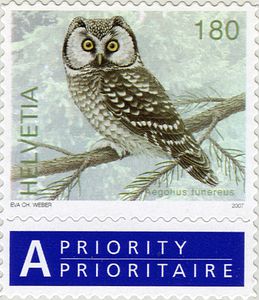
    Der nur etwa 25 Zentimeter kleine Raufusskauz (Aegolius funereus) besiedelt in Mitteleuropa hauptsächlich kühle Waldgebiete – in der Schweiz den Jurabogen und die Alpen. Seit dreissig Jahren überwachen Vogelkundler im waadtländischen Jura und im Departement Doubs (F) auf einer Fläche von 125 Quadratkilometern mehr als 600 Raufusskauz-Nester, davon 176 in Spechthöhlen und 425 in Nistkästen. In dieser Zeit nahm dort die Zahl der bebrüteten Nester signifikant ab, der Mittelwert liegt nun bei knapp über zehn Nestern. Über den gesamten Zeitraum variierte die Zahl der Bruten zwischen zwei und 57 mit einem Mittelwert von zwanzig. Die Erhebung führten ehrenamtliche Vogelkundler aus Baulmes VD und Umgebung durch. «Wenn diese Entwicklung so weitergeht, könnte die Art zwischen 2025 und 2035 aus dem Juramassiv verschwunden sein», schreibt der jurassische Ornithologe Pierre-Alain Ravussin in der Fachzeitschrift «Nos Oiseaux».

    Der nur etwa 25 Zentimeter kleine Raufusskauz (Aegolius funereus) besiedelt in Mitteleuropa hauptsächlich kühle Waldgebiete – in der Schweiz den Jurabogen und die Alpen. Seit dreissig Jahren überwachen Vogelkundler im waadtländischen Jura und im Departement Doubs (F) auf einer Fläche von 125 Quadratkilometern mehr als 600 Raufusskauz-Nester, davon 176 in Spechthöhlen und 425 in Nistkästen. In dieser Zeit nahm dort die Zahl der bebrüteten Nester signifikant ab, der Mittelwert liegt nun bei knapp über zehn Nestern. Über den gesamten Zeitraum variierte die Zahl der Bruten zwischen zwei und 57 mit einem Mittelwert von zwanzig. Die Erhebung führten ehrenamtliche Vogelkundler aus Baulmes VD und Umgebung durch. «Wenn diese Entwicklung so weitergeht, könnte die Art zwischen 2025 und 2035 aus dem Juramassiv verschwunden sein», schreibt der jurassische Ornithologe Pierre-Alain Ravussin in der Fachzeitschrift «Nos Oiseaux».

    Quelle: Tierwelt, 18.10.15
    http://www.tierwelt.ch/?rub=4495&id=41699

  • Decades of bat observations reveal uptick in new causes of mass mortality

    Decades of bat observations reveal uptick in new causes of mass mortality

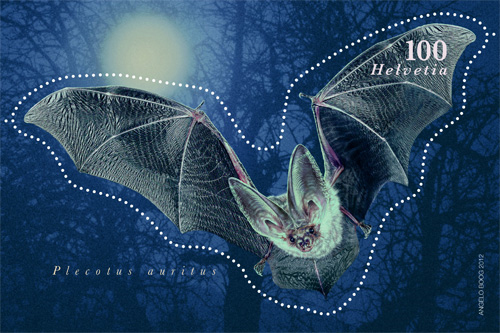
    Reports of bat deaths worldwide due to human causes largely unique to the 21st century are markedly rising, according to a new USGS-led analysis published in Mammal Review. Collisions with wind turbines worldwide and the disease white-nose syndrome in North America lead the reported causes of mass death in bats since the onset of the 21st century. These new threats now surpass all prior known causes of bat mortality, natural or attributed to humans. A comprehensive study reveals trends in the occurrence and causes of multiple mortality events in bats as reported globally for the past 200 years, shedding new light on the possible factors underlying population declines. “Many of the 1,300 species of bats on Earth are already considered threatened or declining. Bats require high survival to ensure stable or growing populations,” said Tom O’Shea, a USGS emeritus research scientist and the study’s lead author. “The new trends in reported human-related mortality may not be sustainable.”

    Reports of bat deaths worldwide due to human causes largely unique to the 21st century are markedly rising, according to a new USGS-led analysis published in Mammal Review. Collisions with wind turbines worldwide and the disease white-nose syndrome in North America lead the reported causes of mass death in bats since the onset of the 21st century. These new threats now surpass all prior known causes of bat mortality, natural or attributed to humans. A comprehensive study reveals trends in the occurrence and causes of multiple mortality events in bats as reported globally for the past 200 years, shedding new light on the possible factors underlying population declines. “Many of the 1,300 species of bats on Earth are already considered threatened or declining. Bats require high survival to ensure stable or growing populations,” said Tom O’Shea, a USGS emeritus research scientist and the study’s lead author. “The new trends in reported human-related mortality may not be sustainable.”

    Bats are long-lived, slow-breeding mammals that play vital roles in most of Earth’s ecosystems. Bats are important pollinators and seed dispersers in tropical regions, and serve as the main predators of night flying insects in most parts of the world. Insect-eating bats are estimated to save farmers billions of dollars each year by providing natural pest control.
    The researchers combed the scientific literature dating from 1790 to 2015 in search of annual mortality events involving more than 10 bats per event. They then divided these ‘multiple mortality events’ into nine different categories, spanning a variety of both natural and human causes. In the end, they found and categorized a total of 1,180 mortality events from all over the world, representing more than 200 years of recorded history.
    Prior to the year 2000, intentional killing by humans caused the greatest proportion of mortality events in bats globally; the reasons varied with region, but bats were hunted for human consumption, killed as pests, to control vampire bats, and to protect fruit crops. Although the proportion of intentional killing reports declined in recent times, such acts continue in some parts of the world.
    Since the dawn of the 21st century, however, collisions with wind turbines worldwide and white-nose syndrome in North America are the primary reported causes of mass mortality in bats. In additions, storms, floods, drought, and other weather-related factors also historically caused mass mortality, and could increase in the future due to climate change.
    Surprisingly, the authors did not find convincing evidence that bats regularly die in large proportion due to infectious diseases caused by viruses or bacteria. This finding comes at a time when increasing evidence points to bats as natural reservoirs of several viruses that cause disease in humans. Despite often being more social than other animals, bats may somehow avoid deaths from diseases that sweep through dense populations.
    The authors conclude that bats globally could benefit from policy, education, and conservation actions targeting human-caused mortality. “Determining the most important causes of bat mortality is a first step toward trying to reduce our impact on their populations,” said David Hayman, another author of the study and senior lecturer at Massey University in New Zealand.
    Explore further: Bats important to survival of rare frog, other species
    More information: Thomas J. O’Shea et al. Multiple mortality events in bats: a global review, Mammal Review (2016). DOI: 10.1111/mam.12064
    Provided by: United States Geological Survey

    Read more at: http://phys.org/news/2016-01-global-analysis-reveals-populations-decline.html#jCp

  • Biological Monitoring of Human Exposure to Neonicotinoids Using Urine Samples, and Neonicotinoid Excretion Kinetics

    Biological Monitoring of Human Exposure to Neonicotinoids Using Urine Samples, and Neonicotinoid Excretion Kinetics

    It has been suggested that several neonicotinoids cause neurodevelopmental toxicity in mammals. The aim was to establish the relationship between oral intake and urinary excretion of neonicotinoids by humans to facilitate biological monitoring, and to estimate dietary neonicotinoid intakes by Japanese adults. Deuterium-labeled neonicotinoid (acetamiprid, clothianidin, dinotefuran, and imidacloprid) microdoses were orally ingested by nine healthy adults, and 24 h pooled urine samples were collected for 4 consecutive days after dosing. The excretion kinetics were modeled using one- and two-compartment models, then validated in a non-deuterium-labeled neonicotinoid microdose study involving 12 healthy adults. Increased urinary concentrations of labeled neonicotinoids were observed after dosing. Clothianidin was recovered unchanged within 3 days, and most dinotefuran was recovered unchanged within 1 day. Around 10% of the imidacloprid dose was excreted unchanged. Most of the acetamiprid was metabolized to desmethyl-acetamiprid. Spot urine samples from 373 Japanese adults were analyzed for neonicotinoids, and daily intakes were estimated. The estimated average daily intake of these neonicotinoids was 0.53–3.66 μg/day. The highest intake of any of the neonicotinoids in the study population was 64.5 μg/day for dinotefuran, and this was <1% of the acceptable daily intake. It has been suggested that several neonicotinoids cause neurodevelopmental toxicity in mammals. The aim was to establish the relationship between oral intake and urinary excretion of neonicotinoids by humans to facilitate biological monitoring, and to estimate dietary neonicotinoid intakes by Japanese adults. Deuterium-labeled neonicotinoid (acetamiprid, clothianidin, dinotefuran, and imidacloprid) microdoses were orally ingested by nine healthy adults, and 24 h pooled urine samples were collected for 4 consecutive days after dosing. The excretion kinetics were modeled using one- and two-compartment models, then validated in a non-deuterium-labeled neonicotinoid microdose study involving 12 healthy adults. Increased urinary concentrations of labeled neonicotinoids were observed after dosing. Clothianidin was recovered unchanged within 3 days, and most dinotefuran was recovered unchanged within 1 day. Around 10% of the imidacloprid dose was excreted unchanged. Most of the acetamiprid was metabolized to desmethyl-acetamiprid. Spot urine samples from 373 Japanese adults were analyzed for neonicotinoids, and daily intakes were estimated. The estimated average daily intake of these neonicotinoids was 0.53–3.66 μg/day. The highest intake of any of the neonicotinoids in the study population was 64.5 μg/day for dinotefuran, and this was <1% of the acceptable daily intake.
    Source:
    Harada KH, Tanaka K, Sakamoto H, et al. Biological Monitoring of Human Exposure to Neonicotinoids Using Urine Samples, and Neonicotinoid Excretion Kinetics. Matsuo K, ed. PLoS ONE. 2016;11(1):e0146335. doi:10.1371/journal.pone.0146335
    http://www.ncbi.nlm.nih.gov/pmc/articles/PMC4701477/

  • Replacing imidacloprid by another neonicotinoid does not reduce the environmental impact on mayfly nymphs

    Replacing imidacloprid by another neonicotinoid does not reduce the environmental impact on mayfly nymphs

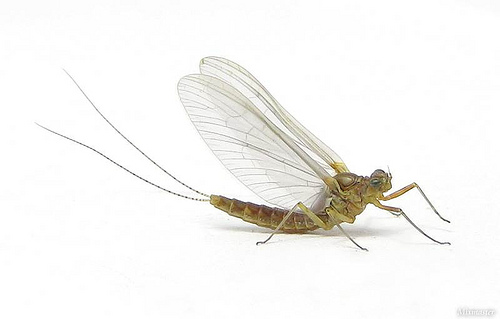
    Mayfly nymphs are among the most sensitive taxa to neonicotinoids. The present study presents the acute and chronic toxicity of 3 neonicotinoids (imidacloprid, thiacloprid, and thiamethoxam) to a mayfly species (Cloeon dipterum) and some notes on the seasonality of the toxicity of imidacloprid to C. dipterum and 5 other invertebrate species. Imidacloprid and thiamethoxam showed equal acute and chronic toxicity to a winter generation of C. dipterum, whereas thiacloprid was approximately twice as toxic. The acute and chronic toxicity of imidacloprid was much higher for the C. dipterum summer generation than for the winter one. The acute toxicity differs by a factor of 20 for the 96-h 50% effective concentration (EC50) and by a factor of 5.4 for the chronic 28-d EC50. Temperature had only a slight effect on the sensitivity of C. dipterum to imidacloprid because we only found a factor of 1.7 difference in the 96-h EC50 between tests performed at 10 8C and 18 8C. The difference in sensitivity between summer and overwintering generations was also found for 3 other insect species. The results indicate that if the use and environmental fate of the 3 neonicotinoids are comparable, replacing imidacloprid by another neonicotinoid might not reduce the environmental impact on the mayfly nymph C. dipterum. The results also show the importance of reporting which generation is tested because sensitivity values of insects in the summer might be underestimated by the experiments performed with neonicotinoids and an overwintering population.

    Mayfly nymphs are among the most sensitive taxa to neonicotinoids. The present study presents the acute and chronic toxicity of 3 neonicotinoids (imidacloprid, thiacloprid, and thiamethoxam) to a mayfly species (Cloeon dipterum) and some notes on the seasonality of the toxicity of imidacloprid to C. dipterum and 5 other invertebrate species. Imidacloprid and thiamethoxam showed equal acute and chronic toxicity to a winter generation of C. dipterum, whereas thiacloprid was approximately twice as toxic. The acute and chronic toxicity of imidacloprid was much higher for the C. dipterum summer generation than for the winter one. The acute toxicity differs by a factor of 20 for the 96-h 50% effective concentration (EC50) and by a factor of 5.4 for the chronic 28-d EC50. Temperature had only a slight effect on the sensitivity of C. dipterum to imidacloprid because we only found a factor of 1.7 difference in the 96-h EC50 between tests performed at 10 8C and 18 8C. The difference in sensitivity between summer and overwintering generations was also found for 3 other insect species. The results indicate that if the use and environmental fate of the 3 neonicotinoids are comparable, replacing imidacloprid by another neonicotinoid might not reduce the environmental impact on the mayfly nymph C. dipterum. The results also show the importance of reporting which generation is tested because sensitivity values of insects in the summer might be underestimated by the experiments performed with neonicotinoids and an overwintering population.

    Source: Paul J. van den Brink et al. Environ Toxicol Chem 2016;35:128–133

  • Hoeveel natuur moet op het Nederlandse platteland nog worden ingeleverd voor een verbod op de neonicotinoÏden?

    Hoeveel natuur moet op het Nederlandse platteland nog worden ingeleverd voor een verbod op de neonicotinoÏden?

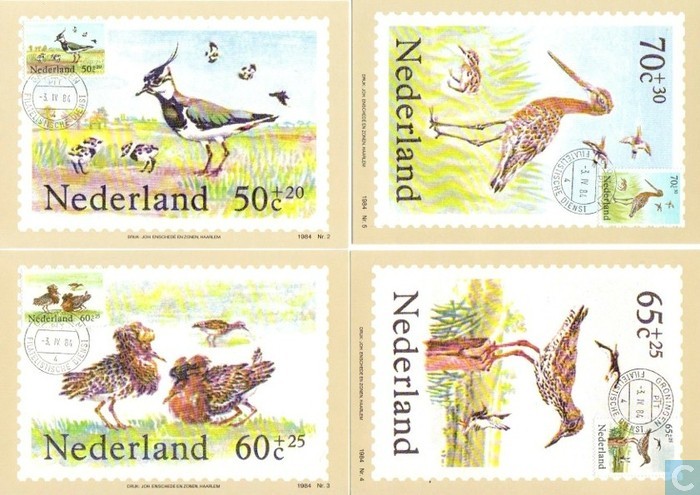
    Met de natuur in Nederland gaat het vooral op het platteland dramatisch slecht. Dat staat in het Living Planet Report – Natuur in Nederland van het Wereld Natuur Fonds (WNF). Op het platteland zijn dierpopulaties sinds 1990 met 40 procent gedaald. Dat is vooral toe te schrijven aan de grootschalige en intensieve landbouw. Zware bemesting en pesticidengebruik, het voortdurend maaien van de monotone weilanden, stikstof uit de veehouderij en het droogmalen van polders zijn funest voor vogels en vlinders. Weilanden met diverse plantsoorten en natuurlijke plekken voor dieren om nesten te bouwen en te schuilen zijn schaars. De vogelstand in het agrarisch landschap is sinds 1960 al met ruwweg tweederde afgenomen. Weidevogels als de grutto, de tureluur en de scholekster hebben het erg zwaar. Boerenlandvogels, zoals de veldleeuwerik en patrijs, vinden te weinig voedsel door rijkelijk gebruik van bestrijdingsmiddelen. Vlinders komen op het platteland alleen nog voor in kleine versnipperde randen van weilanden, erven, bermen en op dijken. In open natuurgebieden, zoals heide en duinen, zijn populaties diersoorten sinds 1990 met gemiddeld 50 procent gedaald. Ook hier is de intensieve landbouw een belangrijke oorzaak. Door vermesting en verzuring groeien heidevelden en duinen dicht met grassen en struiken. Vogels en vlinders die afhankelijk zijn van het open landschap verdwijnen. Zo is de heivlinder sinds 1990 sterk achteruitgegaan. Vogelsoorten als de tapuit en wulp nemen af. Ook reptielen verdwijnen in heidevelden en duinen. Hoewel de aandacht voor stadsnatuur toeneemt, profiteren broedvogels en dagvlinders daar nog niet van. Die populaties zijn de afgelopen twintig jaar met gemiddeld 30 procent afgenomen. De huismus en de spreeuw doen het slecht. Amfibieën deden het jarenlang erg goed, maar nemen sinds 2008 af. Dit komt voornamelijk door de vuursalamander die vrijwel uit Nederland is verdwenen.

    Met de natuur in Nederland gaat het vooral op het platteland dramatisch slecht. Dat staat in het Living Planet Report – Natuur in Nederland van het Wereld Natuur Fonds (WNF). Op het platteland zijn dierpopulaties sinds 1990 met 40 procent gedaald. Dat is vooral toe te schrijven aan de grootschalige en intensieve landbouw. Zware bemesting en pesticidengebruik, het voortdurend maaien van de monotone weilanden, stikstof uit de veehouderij en het droogmalen van polders zijn funest voor vogels en vlinders. Weilanden met diverse plantsoorten en natuurlijke plekken voor dieren om nesten te bouwen en te schuilen zijn schaars. De vogelstand in het agrarisch landschap is sinds 1960 al met ruwweg tweederde afgenomen. Weidevogels als de grutto, de tureluur en de scholekster hebben het erg zwaar. Boerenlandvogels, zoals de veldleeuwerik en patrijs, vinden te weinig voedsel door rijkelijk gebruik van bestrijdingsmiddelen. Vlinders komen op het platteland alleen nog voor in kleine versnipperde randen van weilanden, erven, bermen en op dijken. In open natuurgebieden, zoals heide en duinen, zijn populaties diersoorten sinds 1990 met gemiddeld 50 procent gedaald. Ook hier is de intensieve landbouw een belangrijke oorzaak. Door vermesting en verzuring groeien heidevelden en duinen dicht met grassen en struiken. Vogels en vlinders die afhankelijk zijn van het open landschap verdwijnen. Zo is de heivlinder sinds 1990 sterk achteruitgegaan. Vogelsoorten als de tapuit en wulp nemen af. Ook reptielen verdwijnen in heidevelden en duinen. Hoewel de aandacht voor stadsnatuur toeneemt, profiteren broedvogels en dagvlinders daar nog niet van. Die populaties zijn de afgelopen twintig jaar met gemiddeld 30 procent afgenomen. De huismus en de spreeuw doen het slecht. Amfibieën deden het jarenlang erg goed, maar nemen sinds 2008 af. Dit komt voornamelijk door de vuursalamander die vrijwel uit Nederland is verdwenen.

    Bron: Vogelbescherming, 29-10-15
    http://www.vogelbescherming.nl/actueel/nieuws/nieuwsbericht/q/ne_id/1746
    Download het rapport:
    http://www.vogelbescherming.nl/index.cfm?act=files.download&ui=FDD77EEE-D8FB-DEFB-F0C8DF3F557E29D5

  • Het rapen van kievitseieren kunnen de Friezen voorlopig wel vergeten

    Het rapen van kievitseieren kunnen de Friezen voorlopig wel vergeten

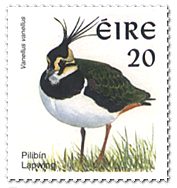
    Onderzoek door vogelonderzoekbureau Sovon toont aan dat de stand van de kievit in Fryslân ongunstig is. In officiële termen: de kievit bevindt zich in een ongunstige staat van instandhouding. Sovon onderzocht verschillende zaken die van invloed zijn op de kievitstand. Hierbij gaat het onder andere om het aantal kieviten dat broedt, de beschikbare habitat (leefgebied) en de verspreiding. Daarnaast is onder meer gekeken naar het nestsucces, kans op herleg en de overleving van kuikens. De vogelonderzoekers concluderen dat de stand van de kievit in de periode 2003-2014 gemiddeld met 2,8 % per jaar achteruit ging. En dat het leefgebied en de verspreiding van de vogel afneemt. Dit onderzoek werd in opdracht van de provincie Fryslân verricht en was nodig naar aanleiding van de uitspraak van de Raad van State begin 2015. Het college van gedeputeerde staten neemt begin 2016 officieel een besluit op bezwaar in het kader van deze uitspraak. Ze betrekt daarbij het Sovon-rapport. In deze uitspraak werd de ontheffing die de provincie afgaf voor het rapen van kievitseieren in de periode 2013-2015 beoordeeld. De Raad vond dat eerst voldoende onderbouwd moest worden hoe het met de kievitstand gaat. Volgens de RvS heeft het Friese college van Gedeputeerde staten bij het verlenen van een ontheffing niet voldoende onderzocht of de Friese kievitenpopulatie zich in een “gunstige staat van instandhouding bevindt”.

    Onderzoek door vogelonderzoekbureau Sovon toont aan dat de stand van de kievit in Fryslân ongunstig is. In officiële termen: de kievit bevindt zich in een ongunstige staat van instandhouding. Sovon onderzocht verschillende zaken die van invloed zijn op de kievitstand. Hierbij gaat het onder andere om het aantal kieviten dat broedt, de beschikbare habitat (leefgebied) en de verspreiding. Daarnaast is onder meer gekeken naar het nestsucces, kans op herleg en de overleving van kuikens. De vogelonderzoekers concluderen dat de stand van de kievit in de periode 2003-2014 gemiddeld met 2,8 % per jaar achteruit ging. En dat het leefgebied en de verspreiding van de vogel afneemt. Dit onderzoek werd in opdracht van de provincie Fryslân verricht en was nodig naar aanleiding van de uitspraak van de Raad van State begin 2015. Het college van gedeputeerde staten neemt begin 2016 officieel een besluit op bezwaar in het kader van deze uitspraak. Ze betrekt daarbij het Sovon-rapport. In deze uitspraak werd de ontheffing die de provincie afgaf voor het rapen van kievitseieren in de periode 2013-2015 beoordeeld. De Raad vond dat eerst voldoende onderbouwd moest worden hoe het met de kievitstand gaat. Volgens de RvS heeft het Friese college van Gedeputeerde staten bij het verlenen van een ontheffing niet voldoende onderzocht of de Friese kievitenpopulatie zich in een “gunstige staat van instandhouding bevindt”.

    Bronnen:
    RTV Noord-Oost Friesland, 18-12-15

    Sovon-onderzoek laat lage kievitstand zien


    Nu.nl
    http://www.nu.nl/binnenland/3972297/rapen-kievitseieren-in-friesland-verboden.html

  • Lingener Imker verzeichnen dramatischen Insekten-Rückgang

    Lingener Imker verzeichnen dramatischen Insekten-Rückgang

    Der Imkerverein Lingen hat bei seiner Generalversammlung verdiente Imker ausgezeichnet. Darüber hinaus zeigten sich die Imker besorgt über die Auswirkungen der Veränderungen der Landschaft auf die Imkerei. Den Beobachtungen der Imker zufolge nimmt seit den 1950er Jahren die Zahl der Hummeln, Wildbienen und Schmetterlinge dramatisch ab. Das zeige, dass unsere Landschaft sich dramatisch verändert habe, heißt es in einer Pressemitteilung der Imker. Es gebe nicht mehr grün blühende Wiesen, Ackerflächen mit Wildblumen umrankt, Kornblumen, Kleearten und Wildkräuter, Wald und Moore. Alles sei hauptsächlich in Agrarlandschaft umgewandelt. Viele nützliche Insekten ernähren sich nach Angaben der Imker heute von ganz anderen Pflanzen als noch vor 50 Jahren. Denn die Blüten, die sie eigentlich bevorzugen, gebe es heute gar nicht mehr. Der Einsatz von Insektiziden im deutschen Rapsanbau hat sich den Lingenern zufolge vervierfacht. Dennoch hätten es die Imker erreicht, das die Bienen auch weiter in unserer Landschaft bestäubend tätig sind. Dieses Wissen müsse an die jungen Imker weiter gereicht werden, hieß es.

    Der Imkerverein Lingen hat bei seiner Generalversammlung verdiente Imker ausgezeichnet. Darüber hinaus zeigten sich die Imker besorgt über die Auswirkungen der Veränderungen der Landschaft auf die Imkerei. Den Beobachtungen der Imker zufolge nimmt seit den 1950er Jahren die Zahl der Hummeln, Wildbienen und Schmetterlinge dramatisch ab. Das zeige, dass unsere Landschaft sich dramatisch verändert habe, heißt es in einer Pressemitteilung der Imker. Es gebe nicht mehr grün blühende Wiesen, Ackerflächen mit Wildblumen umrankt, Kornblumen, Kleearten und Wildkräuter, Wald und Moore. Alles sei hauptsächlich in Agrarlandschaft umgewandelt. Viele nützliche Insekten ernähren sich nach Angaben der Imker heute von ganz anderen Pflanzen als noch vor 50 Jahren. Denn die Blüten, die sie eigentlich bevorzugen, gebe es heute gar nicht mehr. Der Einsatz von Insektiziden im deutschen Rapsanbau hat sich den Lingenern zufolge vervierfacht. Dennoch hätten es die Imker erreicht, das die Bienen auch weiter in unserer Landschaft bestäubend tätig sind. Dieses Wissen müsse an die jungen Imker weiter gereicht werden, hieß es.

    Lesen Sie mehr auf: http://www.noz.de/lokales/lingen/artikel/660485/lingener-imker-verzeichnen-dramatischen-insekten-ruckgang

  • Fast die Hälfte aller 13 Reptilienarten sind extrem selten

    Fast die Hälfte aller 13 Reptilienarten sind extrem selten

    Rund 600.000 Einzeldatensätze für 33 heimische sowie 14 eingeschleppte Amphibien- und Reptilienarten, die einen bundesweiten Überblick über deren Verbreitung vermitteln. Das ist das Ergebnis eines Projektes, das die Deutsche Gesellschaft für Herpetologie und Terrarienkunde (DGHT) im Auftrag des Bundesamtes für Naturschutz durchgeführt hat. Daraus entstanden ist der erste Online-Atlas der Amphibien und Reptilien für Deutschland, der ab sofort auf der Website www.feldherpetologie.de/atlas abrufbar ist. Der Online-Atlas liefert nun – 18 Jahre nach dem Standardwerk der Amphibien und Reptilien Deutschlands von Rainer Günther – einen umfassenden Datenfundus für eine zukünftige Revision der Roten Listen der Amphibien und Reptilien Deutschlands und zeigt, welche Arten am häufigsten und welche besonders selten sind. Zu den sehr häufigen Arten zählen bei den Amphibien die Erdkröte und der Grasfrosch, bei den Reptilien Blindschleiche, Waldeidechse und Zauneidechse. Sehr selten ist bei den Amphibien der Alpensalamander, der seinem Namen entsprechend tatsächlich nur im Alpengebiet vorkommt. Bei den Reptilien sind fast die Hälfte der 13 Arten extrem selten, beispielsweise die Europäische Sumpfschildkröte, die Würfelnatter und die Aspisviper.

    Rund 600.000 Einzeldatensätze für 33 heimische sowie 14 eingeschleppte Amphibien- und Reptilienarten, die einen bundesweiten Überblick über deren Verbreitung vermitteln. Das ist das Ergebnis eines Projektes, das die Deutsche Gesellschaft für Herpetologie und Terrarienkunde (DGHT) im Auftrag des Bundesamtes für Naturschutz durchgeführt hat. Daraus entstanden ist der erste Online-Atlas der Amphibien und Reptilien für Deutschland, der ab sofort auf der Website www.feldherpetologie.de/atlas abrufbar ist. Der Online-Atlas liefert nun – 18 Jahre nach dem Standardwerk der Amphibien und Reptilien Deutschlands von Rainer Günther – einen umfassenden Datenfundus für eine zukünftige Revision der Roten Listen der Amphibien und Reptilien Deutschlands und zeigt, welche Arten am häufigsten und welche besonders selten sind. Zu den sehr häufigen Arten zählen bei den Amphibien die Erdkröte und der Grasfrosch, bei den Reptilien Blindschleiche, Waldeidechse und Zauneidechse. Sehr selten ist bei den Amphibien der Alpensalamander, der seinem Namen entsprechend tatsächlich nur im Alpengebiet vorkommt. Bei den Reptilien sind fast die Hälfte der 13 Arten extrem selten, beispielsweise die Europäische Sumpfschildkröte, die Würfelnatter und die Aspisviper.

    „Bestandsrückgänge, die mit einer Intensivierung der Landwirtschaft und einer Rekultivierung von Sekundärlebensräumen zusammenhängen, sind insbesondere bei der Knoblauchkröte und der Geburtshelferkröte zu verzeichnen. Bei den Reptilien sind die Bestände der Kreuzotter seit einiger Zeit stark rückläufig. Grund dafür sind vor allem Aufforstungen, Abtorfungen und Entwässerungen in Moorlebensräumen sowie eine zunehmende Fragmentierung ehemals zusammenhängender Waldgebiete“, bilanzierte Dr. Ulrich Schulte im Auftrag der Arbeitsgemeinschaft Feldherpetologie und Artenschutz der DGHT.
    Der Online-Atlas ist erreichbar unter www.feldherpetologie.de/atlas. Die Informationen dort sind unter Angabe folgender Quelle weiter nutzbar:

    DGHT e.V. (Hrsg. 2014): Verbreitungsatlas der Amphibien und Reptilien Deutschlands, auf Grundlage der Daten der Länderfachbehörden, Facharbeitskreise und NABU Landesfachausschüsse der Bundesländer sowie des Bundesamtes für Naturschutz.

    Quelle: Scharf Links, 29.08.15
    http://www.scharf-links.de/42.0.html?&tx_ttnews%5Btt_news%5D=52812&cHash=d7e4f881e5