Auteur: Henk Tennekes

  • Bacteriën als bodyguards voor planten – Goede wortelbacteriën kunnen voorkomen dat gewassen ziek worden

    Bacteriën als bodyguards voor planten – Goede wortelbacteriën kunnen voorkomen dat gewassen ziek worden

    Bruinrot is een gemene plantenziekte, veroorzaakt door de bodembacterie Ralstonia. Aardappelen en bananen krijgen er vieze, donkerbruine plekken van; tomaten worden week en gelig. Als deze planten door die bodembacterie dreigen te gaan rotten, spoelen de Chinese boeren de bodem schoon met water en methylbromide. Maar dit gif doodt ál het bodemleven. De Chinese overheid zoekt daarom naar milieuvriendelijker bestrijdingsmethodes. Die wens bracht ecoloog Alexandre Jousset, gastdocent op de Landbouwfaculteit van Nanjing (Zuid-China), een paar jaar geleden op een nieuw idee: hij wilde tomatenplanten gaan beschermen door de wortels te gaan voorzien van ‘goede’ wortelbacteriën. Probiotica dus. Jousset en collega’s van de universiteiten van Utrecht, Nanjing en York besloten uit te zoeken hoe om tomatenwortels een bacteriebuffer is te bouwen die Ralstonia onder de duim kan houden. Daartoe gingen ze tomatenplanten kweken in gesteriliseerde grond. Aan die grond voegden ze systematisch kunstmest, ‘goede’ bodembacteriën en Ralstonia toe. Deze herfst publiceerden ze het resultaat in Nature Communications: één aan de wortel toegevoegde bacteriesoort beschermde de tomatenplant nauwelijks. Maar met vijf goede bodembacteriën rond de wortel bleef de plant, óók als ze flink Ralstonia toevoegden, stevige rode tomaten geven.

    Bruinrot is een gemene plantenziekte, veroorzaakt door de bodembacterie Ralstonia. Aardappelen en bananen krijgen er vieze, donkerbruine plekken van; tomaten worden week en gelig. Als deze planten door die bodembacterie dreigen te gaan rotten, spoelen de Chinese boeren de bodem schoon met water en methylbromide. Maar dit gif doodt ál het bodemleven. De Chinese overheid zoekt daarom naar milieuvriendelijker bestrijdingsmethodes. Die wens bracht ecoloog Alexandre Jousset, gastdocent op de Landbouwfaculteit van Nanjing (Zuid-China), een paar jaar geleden op een nieuw idee: hij wilde tomatenplanten gaan beschermen door de wortels te gaan voorzien van ‘goede’ wortelbacteriën. Probiotica dus. Jousset en collega’s van de universiteiten van Utrecht, Nanjing en York besloten uit te zoeken hoe om tomatenwortels een bacteriebuffer is te bouwen die Ralstonia onder de duim kan houden. Daartoe gingen ze tomatenplanten kweken in gesteriliseerde grond. Aan die grond voegden ze systematisch kunstmest, ‘goede’ bodembacteriën en Ralstonia toe. Deze herfst publiceerden ze het resultaat in Nature Communications: één aan de wortel toegevoegde bacteriesoort beschermde de tomatenplant nauwelijks. Maar met vijf goede bodembacteriën rond de wortel bleef de plant, óók als ze flink Ralstonia toevoegden, stevige rode tomaten geven.

    Het geheim van dit sterke verdedigingsteam, volgens de Nature-publicatie? Samen eten ze hetzelfde als de ziekteverwekker: de ene goede bacterie eet zijn suiker op, de volgende zijn aminozuren (bouwstenen van eiwitten), en weer een volgende zijn organische zuren. „De teamleden moeten niet dezelfde voedingsstoffen lekker vinden”, zegt Jousset. „Want dan concurreren ze elkaar dood en wint Ralstonia.”

    De proef van Jousset illustreert de toegenomen belangstelling voor de goede micro-organismen rond de wortel. Een beetje tuincentrum heeft tegenwoordig een aparte plank voor bodemverbeteraars. Zoals Gazon AZ van Ecostyle, een met wortelbacteriën verrijkte kokosvezel. Of ‘wortelactivator’ RhizaMax, met schimmels erin. Ook de multinationals investeren. Zo startten zaad- en chemieconcern Monsanto en biotechnologiebedrijf Novozyme in 2013 AgBio, een bedrijf voor agrarische wortelorganismen. Afgelopen seizoen heeft het in de VS en Canada 500.000 veldproeven gedaan met 2.000 verschillende bacterie- en schimmelsoorten.

    Bodemleven rijker dan darmkanaal

    Met de steeds goedkoper wordende chemische technieken zoals sequencing (het in kaart brengen van DNA), is steeds beter in de bodem te zien wat zich zoal rond een wortel afspeelt. En dan blijkt het microleven op en rond wortels van nature nog veel rijker dan dat in onze darmen. In een gezonde darm leven zo’n 10.000 bacteriesoorten. Een gram gezonde bodem kan wel 30.000 soorten bevatten, naast nog duizenden schimmel- en kleine diersoorten (zie kader).

    De verhouding tussen micro-organismen en planten is innig, bleek nog in december. In Science beschreven plantkundigen een gen dat planten ontvankelijk maakt voor nuttige wortelschimmels. Uiteenlopende planten van levermossen tot rijst bezitten het gen – zo belangrijk is die schimmelsymbiose voor planten.

    Dit microleven blijkt een belangrijke rol te spelen in de weerbaarheid van planten tegen ziektes. Genesteld in de kleine poriën van zand, klei of wortel, helpen bodembacteriën en -schimmels planten met voedingsstoffen en bescherming. Zo is al van een paar bacteriën aangetoond dat ze, in de buurt van een ziekteverwekker, signaalstoffen gaan afgeven die de plant aanzetten tot een verdedigingsreactie. Andere bacteriën maken antibiotica tegen een ziekteverwekker, of ze beschermen de plant door gewoon ruimte in te nemen.

    Honderden laboratoria zoeken nu wereldwijd naar goede soorten. In Nederland loopt onder andere het door STW-NWO gefinancierde Back2Roots. De door dit programma betaalde onderzoekers gaan bijvoorbeeld naar Peru. Daar bekijken ze welke bacteriesoorten de wilde aardappel in de bodem aantrekt om zichzelf te beschermen tegen ziekteverwekkers.

    Pius Floris, directeur van het Nederlandse bedrijf Plant Health Cure, is adviseur van Back2Roots. Hij was in 1995 een van de eersten in Europa die micro-organismen ging leveren voor boomgaarden. Twintig jaar later adviseert hij ook akkerbouwers en golfbaanbeheerders en levert zijn bedrijf jaarlijks een paar ton bacteriën en schimmels. Zijn bodemverbeteraars bevatten zes bacteriesoorten.

    De ene bacterie maakt de fosfaten in de grond vrij, vertelt Floris; de volgende bindt atmosferische stikstof, en weer een andere produceert antibiotica of de wortelgroeibevorderende stof indolylboterzuur. Dat zo’n team kan werken, blijkt uit door de EU gefinancierde veldproeven in een geërodeerd, onvruchtbaar geworden landbouwgebied nabij León. Die proeven doet Floris samen met onder meer de Universidad de Valladolid.

    Drie typen proefvelden onderzoeken de partners: twee waarbij haver, wikke en andere gewassen organische mest en een aantal goede schimmels en bacteriën krijgen, en eentje waarbij ze alleen de gebruikelijke hoeveelheid kunstmest krijgen. De eerste twee velden leverden afgelopen zomer opvallend veel meer haver en wikke op, vertelt Flores. De planten zien er beter uit. En ook gaan de wortels dieper, zodat ze in staat zijn grondwater op te nemen en irrigatie niet nodig is. Dit onderzoek is nog niet gepubliceerd in een peer reviewed artikel.

    Wisselende behoefte aan diversiteit

    In monoculturen, behandeld met kunstmest en bestrijdingsmiddelen, is de diversiteit aan micro-organismen veel lager dan in biologisch beheerde akkers of natuurlijke graslanden, zo leren de eerste vergelijkende studies van het bacterieel DNA. Ook het gebruikelijke diepe ploegen vermindert het bodemleven. Maar wellicht hebben cultuurplanten niet zo’n enorme diversiteit nodig om beschermd te worden, en is al veel gewonnen met een paar soorten. „Daarom onderzochten we voor die Nature-publicatie ook hoeveel soorten nu minimaal nodig zijn om de tomaat te beschermen tegen bruinrot”, vertelt Jousset.

    Aan de tomaten en bacteriën die de Utrechtse en Chinese onderzoekers testen wordt geen extra bacterievoedsel toegevoegd. De bodemverbeteraars in de handel bevatten dat vaak wel, omdat moderne akkers en boomgaarden vaak arm zijn aan organische stof. Jousset kan zich voorstellen dat zijn team bacteriën, eenmaal in de handel, ook extra voedsel meekrijgt.

    In bodemverbeteraars gaat nu wereldwijd 1,5 miljard euro per jaar om, tegen ruim 200 miljard in kunstmest en bestrijdingsmiddelen. Ecoloog Jousset zou het toejuichen als die verhouding verschoof richting de bodemverbeteraars. Maar volgens Flores moet daartoe de regelgeving in de EU worden aangepast. Bodemverbeteraars mogen nu alleen nog vage claims opvoeren zoals ‘helpt het bodemleven’, of ‘beschermt de plant’. Specifieke claims die kunnen concurreren met die van bestrijdingsmiddelen, zoals ‘beschermt tomatenplanten tegen bruinrot’, moeten met dure studies worden onderbouwd – trajecten die de grote bedrijven gemakkelijker kunnen ingaan dan de kleine bedrijven. Floris: „Zo blijven onze producten in de alternatieve hoek geplaatst worden”
    Bron: NRC, 9 januari 2016
    http://www.nrc.nl/handelsblad/2016/01/09/bacterien-als-bodyguards-voor-planten-1569852
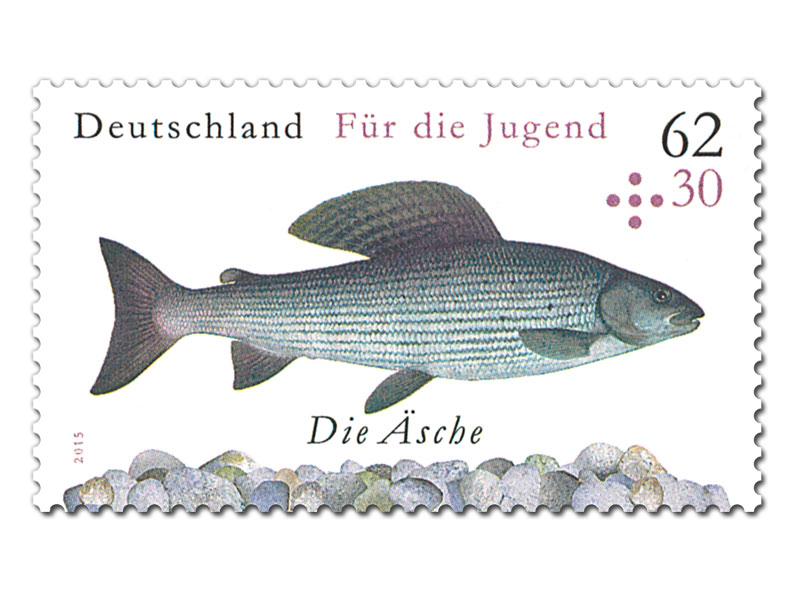
  • Immer weniger Forellen in Berner Flüssen

    Immer weniger Forellen in Berner Flüssen

    In Berner Flüssen und Bächen tummeln sich immer weniger Fische. So hat die Zahl der gefangenen Bachforellen und Äschen in den vergangenen 25 Jahren um über die Hälfte abgenommen, wie aus einer Auswertung der Fangstatistik des kantonalen Fischereiinspektorates hervorgeht. Seit 1989 müssen die Angler im Kanton Bern ihre Fänge in einer Statistik eintragen. Die zwei Millionen erfassten Einträge bis Ende 2013 wurden nun erstmals vertieft analysiert. Fazit: Art und Fangort der Fische haben sich in einen den vergangenen 25 Jahren stark verändert. Insgesamt ging der Fischfang in Flüssen, Bächen und Stauseen im Vergleich der Perioden 1989-1997 und 2006-2013 um 22 Prozent zurück.

    In Berner Flüssen und Bächen tummeln sich immer weniger Fische. So hat die Zahl der gefangenen Bachforellen und Äschen in den vergangenen 25 Jahren um über die Hälfte abgenommen, wie aus einer Auswertung der Fangstatistik des kantonalen Fischereiinspektorates hervorgeht. Seit 1989 müssen die Angler im Kanton Bern ihre Fänge in einer Statistik eintragen. Die zwei Millionen erfassten Einträge bis Ende 2013 wurden nun erstmals vertieft analysiert. Fazit: Art und Fangort der Fische haben sich in einen den vergangenen 25 Jahren stark verändert. Insgesamt ging der Fischfang in Flüssen, Bächen und Stauseen im Vergleich der Perioden 1989-1997 und 2006-2013 um 22 Prozent zurück.

    Quelle: Der Bund, 07.01.16
    http://www.derbund.ch/bern/kanton/immer-weniger-forellen-in-berner-fluessen/story/25029287

  • What are the implications of suddenly losing billions of insects across an entire farm landscape?

    What are the implications of suddenly losing billions of insects across an entire farm landscape?

    Insecticides can be an important tool for producers to use in times of emergency to prevent a pest from economically damaging crops. To understand the broad implications of current insect management practices let’s focus for a moment on one insecticide application method in one crop: foliar sprays in oilseed sunflowers. Sunflowers are an “entomophilous” (insect loving) crop, offering a multitude of resources to a diverse assortment of insects. This diversity and abundance of critters visiting a sunflower include a number of pests that often are the targets of insecticidal sprays. In a recent study of South Dakota sunflower fields, foliar insect densities were found to be more than 290,000 individuals per acre, not including any surface-dwelling or below-ground organisms. If a producer decides to use an insecticide spray on a 100-acre sunflower field, this will end more than 29 million many-legged lives. What are the implications of suddenly losing billions of insects across an entire farm landscape?

    Insecticides can be an important tool for producers to use in times of emergency to prevent a pest from economically damaging crops. To understand the broad implications of current insect management practices let’s focus for a moment on one insecticide application method in one crop: foliar sprays in oilseed sunflowers. Sunflowers are an “entomophilous” (insect loving) crop, offering a multitude of resources to a diverse assortment of insects. This diversity and abundance of critters visiting a sunflower include a number of pests that often are the targets of insecticidal sprays. In a recent study of South Dakota sunflower fields, foliar insect densities were found to be more than 290,000 individuals per acre, not including any surface-dwelling or below-ground organisms. If a producer decides to use an insecticide spray on a 100-acre sunflower field, this will end more than 29 million many-legged lives. What are the implications of suddenly losing billions of insects across an entire farm landscape?

    The most obvious change in a sprayed habitat is fewer insects consuming plant tissue, weed seeds, fungus, decaying plant matter and other insects. We also should not overlook the fact that these creepy-crawlies are an important food source for higher organisms. Birds, reptiles, mammals, fish and even certain plants utilize insects as a portion of their diets. For example, Chinese ring-necked pheasant chicks obtain the bulk of their nutrients by consuming protein-rich insects. When a source of food for countless organisms which also is an important environmental regulator is disrupted by human decisions such as spraying for insects, the structure of the entire plant and animal community is brought out of stability. An unstable habitat with low diversity often is prone to pest outbreaks controlled only through the use of further inputs. This phenomenon is known as the “pesticide treadmill.” Before making the decision to use a product designed to kill for control of insects, we owe it to ourselves and the other organisms that share our planet to pursue education on economic thresholds and alternative integrated pest management strategies. As stewards of the land, let’s invest our time and energy in strategizing how to create opportunity for life to flourish rather than to stifle it.

    Source: Tri-State Neighbour, 7 January 2016
    http://www.tristateneighbor.com/news/opinion/opinion-one-insecticide-spray-one-enormous-consequence/article_68285a9a-b2fe-11e5-9f74-b7fbdc5002bc.html

  • Pestizid-Cocktail in einem Bach im Kanton Thurgau

    Pestizid-Cocktail in einem Bach im Kanton Thurgau

    Es ist ein regelrechter Pestizid-Cocktail: 21 Spritzmittel hat die «Rundschau» in einem Bach im Kanton Thurgau gemessen. Drei Giftstoffe liegen ein Mehrfaches über dem Grenzwert der Gewässerschutz-Verordnung. «Das ist ein bemerkenswert hoher Wert», sagt Christian Stamm vom Wasserforschungsinstitut Eawag zu der Pestizid-Konzentration im Eschelisbach bei Güttingen (TG). Die «Rundschau» hat Ende Juli dort Stichproben genommen und diese von einem Vertrauenslabor in Deutschland untersuchen lassen. Insgesamt lassen sich 21 Spritzmittel nachweisen. Gemäss Gewässerschutzverordnung gilt pro Giftstoff ein Grenzwert von 0.1 Mikrogramm pro Liter. Drei Stoffe liegen deutlich darüber: Azoxystrobin mit 2,4 Mikrogramm und Azoxystrobinsäure mit 4.6 Mikrogramm. Mit 9.4 Mikrogramm überschreitet die gefundene Menge des Fungizids Fluopyram den Grenzwert um das mehr als 90fache. «Die Stichprobe passt ins Bild, das wir mit unseren Studien breit abgestützt sehen», so Christian Stamm vom Wasserforschungsinstitut Eawag. In Bächen und Flüssen in intensiv landwirtschaftlich genutztem Gebiet würden zum Teil bis zu 50 Giftstoffe nachgewiesen. «Wir haben ein Problem in unseren Gewässern, und man müsste Massnahmen treffen, um solche Konzentrationen zu vermeiden.»

    Es ist ein regelrechter Pestizid-Cocktail: 21 Spritzmittel hat die «Rundschau» in einem Bach im Kanton Thurgau gemessen. Drei Giftstoffe liegen ein Mehrfaches über dem Grenzwert der Gewässerschutz-Verordnung. «Das ist ein bemerkenswert hoher Wert», sagt Christian Stamm vom Wasserforschungsinstitut Eawag zu der Pestizid-Konzentration im Eschelisbach bei Güttingen (TG). Die «Rundschau» hat Ende Juli dort Stichproben genommen und diese von einem Vertrauenslabor in Deutschland untersuchen lassen. Insgesamt lassen sich 21 Spritzmittel nachweisen. Gemäss Gewässerschutzverordnung gilt pro Giftstoff ein Grenzwert von 0.1 Mikrogramm pro Liter. Drei Stoffe liegen deutlich darüber: Azoxystrobin mit 2,4 Mikrogramm und Azoxystrobinsäure mit 4.6 Mikrogramm. Mit 9.4 Mikrogramm überschreitet die gefundene Menge des Fungizids Fluopyram den Grenzwert um das mehr als 90fache. «Die Stichprobe passt ins Bild, das wir mit unseren Studien breit abgestützt sehen», so Christian Stamm vom Wasserforschungsinstitut Eawag. In Bächen und Flüssen in intensiv landwirtschaftlich genutztem Gebiet würden zum Teil bis zu 50 Giftstoffe nachgewiesen. «Wir haben ein Problem in unseren Gewässern, und man müsste Massnahmen treffen, um solche Konzentrationen zu vermeiden.»

    Quelle: Schweizer Fernsehen DRS, 14.10.2015
    http://www.srf.ch/news/schweiz/pestizid-cocktail-im-bach

  • US EPA claims 25 parts per billion of imidacloprid in nectar has no ill effects on bees

    US EPA claims 25 parts per billion of imidacloprid in nectar has no ill effects on bees

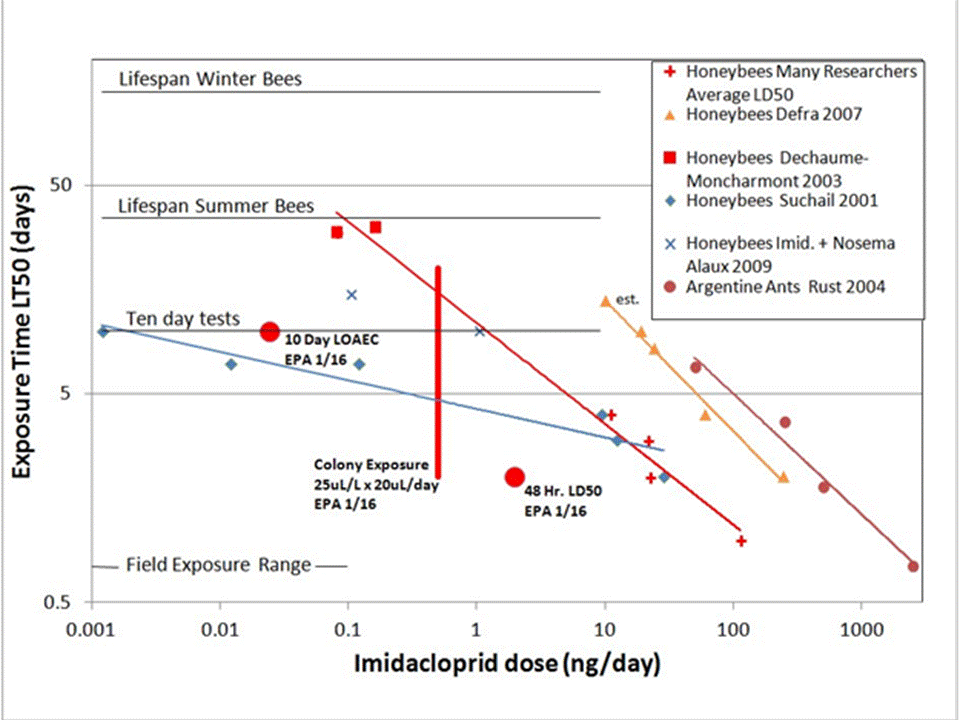
    In its first scientific risk assessment of the much-debated class of pesticides called neonicotinoids and how they affect bees on a chronic long-term basis, the EPA found in some cases the chemical didn’t harm bees or their hives but in other cases it posed a significant risk. It mostly depended on the crop, a nuanced answer that neither clears the way for an outright ban nor is a blanket go-ahead for continued use. Before acting, EPA said it needed more specific and targeted research and this is the first of four planned assessments of risk of specific neonicotinoids. It will be announced Wednesday, but The Associated Press obtained the summary earlier and the chief pesticide official explained the results in an interview. The study was done by the EPA and California’s environmental agency, with a similar one done by Canada being released Wednesday at the same time. EPA analysis of detailed tests found a clear level of concentration of the pesticide imidacloprid, the most common neonicotinoid, in which things start to go awry. If nectar brought back to the hive from worker bees had more than 25 parts per billion of the chemical, “there’s a significant effect,” namely fewer bees, less honey and “a less robust hive,” said Jim Jones, EPA’s assistant administrator for chemical safety and pollution prevention. But if the nectar chemical level was below 25 parts per billion, it was as if there were no imidacloprid at all, with no ill effects, Jones said.

    In its first scientific risk assessment of the much-debated class of pesticides called neonicotinoids and how they affect bees on a chronic long-term basis, the EPA found in some cases the chemical didn’t harm bees or their hives but in other cases it posed a significant risk. It mostly depended on the crop, a nuanced answer that neither clears the way for an outright ban nor is a blanket go-ahead for continued use. Before acting, EPA said it needed more specific and targeted research and this is the first of four planned assessments of risk of specific neonicotinoids. It will be announced Wednesday, but The Associated Press obtained the summary earlier and the chief pesticide official explained the results in an interview. The study was done by the EPA and California’s environmental agency, with a similar one done by Canada being released Wednesday at the same time. EPA analysis of detailed tests found a clear level of concentration of the pesticide imidacloprid, the most common neonicotinoid, in which things start to go awry. If nectar brought back to the hive from worker bees had more than 25 parts per billion of the chemical, “there’s a significant effect,” namely fewer bees, less honey and “a less robust hive,” said Jim Jones, EPA’s assistant administrator for chemical safety and pollution prevention. But if the nectar chemical level was below 25 parts per billion, it was as if there were no imidacloprid at all, with no ill effects, Jones said.

    Read more: http://www.dailymail.co.uk/wires/ap/article-3386715/EPA-says-pesticide-harms-bees-cases.html#ixzz3wSYfzV2x
    Follow us: @MailOnline on Twitter | DailyMail on Facebook

  • Why the world’s vultures are vanishing

    Why the world’s vultures are vanishing

    AFRICA is losing its vultures. Of its 11 species of the bird, 6 are at risk of extinction and 4 are critically endangered, according to a recent report by BirdLife International, a nature conservation partnership. Since the 1990s, the population of South Asia’s vulture species has collapsed by more than 99%. In 2003 scientists identified diclofenac, an anti-inflammatory drug used to treat livestock, as the main cause for this decline. Vultures living on the carcasses of animals recently treated with the drug died from severe kidney failure within weeks of ingesting it. This created two main problems. The first is connected to vultures’ place in the ecosystem. As their numbers declined, a host of other disease-ridden animals—in particular rabied dogs—came to feed off the carcasses instead. And there was another problem. India’s community of Parsees, who not cremate nor bury their dead, but rather lay them out on towers known as dokhmas for vultures to eat, found that this traditional was imperilled. In 2006 the governments of India, Pakistan and Nepal introduced a ban on the manufacture of the drug that has since seen vulture numbers in the region stabilise, though they remain vulnerable.

    AFRICA is losing its vultures. Of its 11 species of the bird, 6 are at risk of extinction and 4 are critically endangered, according to a recent report by BirdLife International, a nature conservation partnership. Since the 1990s, the population of South Asia’s vulture species has collapsed by more than 99%. In 2003 scientists identified diclofenac, an anti-inflammatory drug used to treat livestock, as the main cause for this decline. Vultures living on the carcasses of animals recently treated with the drug died from severe kidney failure within weeks of ingesting it. This created two main problems. The first is connected to vultures’ place in the ecosystem. As their numbers declined, a host of other disease-ridden animals—in particular rabied dogs—came to feed off the carcasses instead. And there was another problem. India’s community of Parsees, who not cremate nor bury their dead, but rather lay them out on towers known as dokhmas for vultures to eat, found that this traditional was imperilled. In 2006 the governments of India, Pakistan and Nepal introduced a ban on the manufacture of the drug that has since seen vulture numbers in the region stabilise, though they remain vulnerable.

    Source: The Economist, 5 January 2016
    http://www.economist.com/blogs/economist-explains/2016/01/economist-explains-1

  • New evidence of damage caused to bees by pesticide use, researchers claim

    New evidence of damage caused to bees by pesticide use, researchers claim

    Scientists at Sussex University claim new research shows the impact on bees of neonicotinoid pesticides is even greater than originally feared. The researchers, at Sussex University, say they have discovered that bees are exposed to a chemical cocktail when feeding from wildflowers growing next to neonicotinoid treated crops in UK farmland. The scientists claim these chemical cocktails could make the impact of neonicotinoids up to 1,000 times more potent than previously thought. The Sussex University research, supported by the Soil Association – the organic food and farming organisation – says that pollinators consuming pollen from these crops or from nearby wildflowers will ingest a cocktail of fungicides and insecticides. It goes on: “A prior study suggests these fungicides could act synergistically, making the insecticides up to 1,000 times more deadly than they are on their own.”

    Scientists at Sussex University claim new research shows the impact on bees of neonicotinoid pesticides is even greater than originally feared. The researchers, at Sussex University, say they have discovered that bees are exposed to a chemical cocktail when feeding from wildflowers growing next to neonicotinoid treated crops in UK farmland. The scientists claim these chemical cocktails could make the impact of neonicotinoids up to 1,000 times more potent than previously thought. The Sussex University research, supported by the Soil Association – the organic food and farming organisation – says that pollinators consuming pollen from these crops or from nearby wildflowers will ingest a cocktail of fungicides and insecticides. It goes on: “A prior study suggests these fungicides could act synergistically, making the insecticides up to 1,000 times more deadly than they are on their own.”

    The UK government’s devised a pollinator strategy focused on creating ‘safe havens’ for bees by increasing flower habitats next to fields. Yet researchers from Sussex say their research shows these flowers may be laden with dangerous chemicals

    Peter Melchett, Policy Director of the Soil Association said: “These findings are shocking. Neonicotinoids are supposedly highly targeted insecticides yet the researchers have found that they are turning up in the pollen of poppies, blackberries and hawthorn blossom in hedges, at levels that on their own are enough to cause harm to bees.

    Worse still, they are present along with a whole cocktail of chemicals, some of which could increase the toxicity of neonicotinoids up to 1000 times.

    “The UK government must act. Until now, the government’s main solution to the bee crisis is to pay farmers a small chunk of the £900 million Common Agricultural Policy (CAP) money, available to help wildlife, to create flower rich habitat next to crops. Yet this research suggests that these supposedly safe havens for bees are actually potentially dangerous chemical cocktail bars.

    “These flower margins must be protected with a full ban on neonicotinoids; the current EU ban is only partial, and in the UK mainly applies to just one crop– oilseed rape. Neonicotinoids are still used on other crops, for example on over 25% of all UK cereals. Neonicotinoids will be poisoning the field margins of many of these crops.

    We also want to see the government finally setting out a strategy for reducing pesticide use in farmland – as is required by EU law. This has always been the gaping hole in the government’s strategy to save our bees”.

    Dave Goulson, Professor of Biology at the University of Sussex, and one of the authors of the paper, said: “It is clear that insects visiting wildflowers in field margins are chronically exposed to a cocktail of chemicals. The effects that this has on their health have never been studied, and there is an urgent need to do so. In the meantime, the precautionary principle would suggest that we should take steps to reduce this exposure as much as possible.”

    Dr Christopher Connolly, School of Medicine, University of Dundee, who was not involved in the research, commented: “Validating semi-field studies on neonicotinoids (artificial provision of pesticide) requires confirmation that bees do actually get exposed to these levels of pesticide in the field where multiple sources of pollen and nectar exist.

    “This study provides such a bridge to validate previous studies. Furthermore, of the 20 pesticides examined, most OSR pollen samples contained 7-12 different pesticides, whilst pollen gathered by honeybees and bumblebees contained 2-10 pesticides. This does not represent the full pesticide load, only a reflection on the few examined.

    “Pesticide levels in pollen gathered in urban areas were much lower, but still contaminated, demonstrating both the value of the urban environment and need to minimise garden pesticide use. Studies like this should help governments realise the potential importance of gathering this information.”

    Read more: http://www.westernmorningnews.co.uk/New-evidence-damage-caused-bees-pesticide-use/story-28466503-detail/story.html#ixzz3wNqqchVX
    Follow us: @WMNNews on Twitter | westernmorningnews on Facebook

  • Monsanto to be put on trial for crimes against nature and humanity, and ecocide, in The Hague, Netherlands

    Monsanto to be put on trial for crimes against nature and humanity, and ecocide, in The Hague, Netherlands

    Non-governmental organizations (NGOs) from around the world announced on December at COP21 in Paris on December 3 2015 that they will put Monsanto on trial for crimes against nature and humanity, and ecocide, in The Hague, Netherlands, next year on World Food Day, October 16, 2016. There are 10 initiators (including environmental lawyers) 23 supporting organizations and hundreds of signatories. This International Criminal Court, established in 2002 in The Hague, has determined that prosecuting ecocide as a criminal offense is the only way to guarantee the rights of humans to a healthy environment and the right of nature to be protected.
    The tribunal’s website says, “According to its critics, Monsanto is able to ignore the human and environmental damage caused by its products and maintain its devastating activities through a strategy of systemic concealment: by lobbying regulatory agencies and governments, by resorting to lying and corruption, by financing fraudulent scientific studies, by pressuring independent scientists, by manipulating the press and media, etc. One of initiators is Prof Gilles-Eric Séralini of Committee for Research and Information on Genetic Engineering (CRIIGEN ).

    Non-governmental organizations (NGOs) from around the world announced on December at COP21 in Paris on December 3 2015 that they will put Monsanto on trial for crimes against nature and humanity, and ecocide, in The Hague, Netherlands, next year on World Food Day, October 16, 2016. There are 10 initiators (including environmental lawyers) 23 supporting organizations and hundreds of signatories. This International Criminal Court, established in 2002 in The Hague, has determined that prosecuting ecocide as a criminal offense is the only way to guarantee the rights of humans to a healthy environment and the right of nature to be protected.
    The tribunal’s website says, “According to its critics, Monsanto is able to ignore the human and environmental damage caused by its products and maintain its devastating activities through a strategy of systemic concealment: by lobbying regulatory agencies and governments, by resorting to lying and corruption, by financing fraudulent scientific studies, by pressuring independent scientists, by manipulating the press and media, etc. One of initiators is Prof Gilles-Eric Séralini of Committee for Research and Information on Genetic Engineering (CRIIGEN ).

    Source: Personal communication with Rosemary Mason, Esq.

  • A tiny tree frog provides clues to environmental changes that threaten all amphibians

    A tiny tree frog provides clues to environmental changes that threaten all amphibians

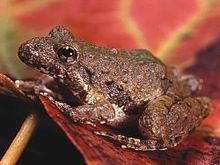
    One of the most threatened species is the Blanchard’s cricket frog (Acris crepitans blanchardi), a tiny tree frog of ponds and bogs in the Midwest that was once widely found in northern Ohio, Wisconsin and Michigan. The frog has suffered huge population losses and now remains only in pockets of its former territory. A team of researchers at Case Western Reserve University and the Holden Arboretum recently published findings that the cricket frog’s decline can be traced to man-made changes in the environment that may be damaging the frog’s immune system. The study is scheduled to appear in next month’s issue of the journal Biological Conservation. Blanchard’s cricket frogs “have nearly gone extinct in their northern range, so we’re almost forensically trying to understand what happened,” said Mike Benard, a biology professor at Case. “This study suggests that changes we are making to the environment have the potential to make animals more susceptible to diseases and therefore may lead to population declines.” The Blanchard’s cricket frog is considered the most-aquatic of the tree frogs in North America, which makes it extremely vulnerable to polluted water and other man-made changes to their environment. The Case/Holden researchers found that changes in habitat produced differences in the cricket frog’s immune defense system. Frogs from disturbed sites such as residential or agricultural land, for instance, were more susceptible to infections and diseases than frogs from more natural habitats. “We’re seeing a lot of disease-related declines among amphibians, not to mention other groups of animals, such as bats plagued with white-nose syndrome and bees suffering from colony collapse disorder,” said Katherine Krynak, a postdoctoral scholar in biology at Case and leader of the study. “This research shows that land use — farming or treating lawns with herbicides, pesticides and fertilizers — can influence traits that protect animals from disease,” Krynak said.

    One of the most threatened species is the Blanchard’s cricket frog (Acris crepitans blanchardi), a tiny tree frog of ponds and bogs in the Midwest that was once widely found in northern Ohio, Wisconsin and Michigan. The frog has suffered huge population losses and now remains only in pockets of its former territory. A team of researchers at Case Western Reserve University and the Holden Arboretum recently published findings that the cricket frog’s decline can be traced to man-made changes in the environment that may be damaging the frog’s immune system. The study is scheduled to appear in next month’s issue of the journal Biological Conservation. Blanchard’s cricket frogs “have nearly gone extinct in their northern range, so we’re almost forensically trying to understand what happened,” said Mike Benard, a biology professor at Case. “This study suggests that changes we are making to the environment have the potential to make animals more susceptible to diseases and therefore may lead to population declines.” The Blanchard’s cricket frog is considered the most-aquatic of the tree frogs in North America, which makes it extremely vulnerable to polluted water and other man-made changes to their environment. The Case/Holden researchers found that changes in habitat produced differences in the cricket frog’s immune defense system. Frogs from disturbed sites such as residential or agricultural land, for instance, were more susceptible to infections and diseases than frogs from more natural habitats. “We’re seeing a lot of disease-related declines among amphibians, not to mention other groups of animals, such as bats plagued with white-nose syndrome and bees suffering from colony collapse disorder,” said Katherine Krynak, a postdoctoral scholar in biology at Case and leader of the study. “This research shows that land use — farming or treating lawns with herbicides, pesticides and fertilizers — can influence traits that protect animals from disease,” Krynak said.

    Frogs used in the study were obtained from natural ponds surrounded by forest or prairie, and compared to frogs from more disturbed ponds in residential neighborhoods, near farms, athletic fields, parking lots and golf courses.

    The researchers found measurable differences in skin bacteria between frogs that live in natural areas and ponds surrounded by residential and farm land.

    “What we’re seeing is the bacteria on the skin can vary markedly, depending on what people are doing to the environment that the frogs are living in,” said David Burke, a scientist and research chair at Holden Arboretum in Kirtland.

    Krynak said the research team will continue to study whether the findings with cricket frogs are similar to the environmental impacts on other amphibians, and also how the changes will impact generations of frogs to come.

    “Not only may the environment be altering traits now, but it may be dampening the ability of a population to adapt in the future,” Krynak said.

    Source: Cleveland.com, December 21, 2015
    http://www.cleveland.com/metro/index.ssf/2015/12/a_tiny_tree_frog_provides_clue.html

  • Animals on the Brink: 2015’s Newly Endangered Species

    Animals on the Brink: 2015’s Newly Endangered Species

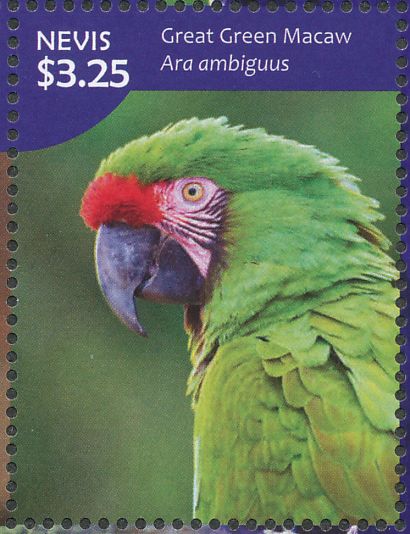
    Here are just a few of the animals that were deemed endangered in 2015. The International Union for Conservation of Nature reclassified the Geometric Tortoise (Psammobates geometricus) as “critically endangered” in 2015. The IUCN cataloged the Splendid Toadfish (Sanopus splendidus) as endangered this year. The U.S. Fish and Wildlife Service listed both the great green macaw (Ara ambiguus) and the military macaw as endangered in an announcement made in October. The USFWS declared the Mexican Wolf (Canis lupus baileyi) as an endangered species earlier this year. The USFWS announced it was adding the Honduran hummingbird (Amazilia luciae) to the endangered species list this year. The USFWS placed several species of sawfish to the endangered species list this year. The USFWS announced in September that the Slevin’s skink (Emoia slevini) would be added to the endangered species list. The IUCN declared the New Zealand Sea Lion (Phocarctos hookeri) to be endangered primarily due to “fishing-related mortality.” The IUCN raised the status of the White Headed Vulture (Trigonoceps occipitalis) from threatened to critically endangered in 2015. The IUCN listed the bokiboky (Mungotictis decemlineata) as endangered this year. The IUCN flagged the Steppe Eagle (Aquila nipalensis) as endangered this year. The IUCN deemed the Ishikawa’s Frog (Odorrana ishikawae) as an endangered species this year. The IUCN classified the the ayumodoki or Kissing Loach (Parabotia curtus), as critically endangered this year. The IUCN once feared the Mahé Boulder Cricket (Phalangacris alluaudi) to be extinct, but after a recent rediscovery, it reclassified it as critically endangered. The IUCN added the Giri Butri Cave Crab (Karstama emdi) to its critically endangered list.

    Here are just a few of the animals that were deemed endangered in 2015. The International Union for Conservation of Nature reclassified the Geometric Tortoise (Psammobates geometricus) as “critically endangered” in 2015. The IUCN cataloged the Splendid Toadfish (Sanopus splendidus) as endangered this year. The U.S. Fish and Wildlife Service listed both the great green macaw (Ara ambiguus) and the military macaw as endangered in an announcement made in October. The USFWS declared the Mexican Wolf (Canis lupus baileyi) as an endangered species earlier this year. The USFWS announced it was adding the Honduran hummingbird (Amazilia luciae) to the endangered species list this year. The USFWS placed several species of sawfish to the endangered species list this year. The USFWS announced in September that the Slevin’s skink (Emoia slevini) would be added to the endangered species list. The IUCN declared the New Zealand Sea Lion (Phocarctos hookeri) to be endangered primarily due to “fishing-related mortality.” The IUCN raised the status of the White Headed Vulture (Trigonoceps occipitalis) from threatened to critically endangered in 2015. The IUCN listed the bokiboky (Mungotictis decemlineata) as endangered this year. The IUCN flagged the Steppe Eagle (Aquila nipalensis) as endangered this year. The IUCN deemed the Ishikawa’s Frog (Odorrana ishikawae) as an endangered species this year. The IUCN classified the the ayumodoki or Kissing Loach (Parabotia curtus), as critically endangered this year. The IUCN once feared the Mahé Boulder Cricket (Phalangacris alluaudi) to be extinct, but after a recent rediscovery, it reclassified it as critically endangered. The IUCN added the Giri Butri Cave Crab (Karstama emdi) to its critically endangered list.

    Source: The Weather Channel, December 27, 2015
    http://www.weather.com/science/nature/news/animals-endangered