Auteur: Henk Tennekes

  • Exposure to Pesticides Is A Risk Factor For Attention Deficit Hyperactivity Disorder (ADHD)

    Exposure to Pesticides Is A Risk Factor For Attention Deficit Hyperactivity Disorder (ADHD)

    A commonly used pesticide may alter the development of the brain’s dopamine system — responsible for emotional expression and cognitive function — and increase the risk of attention deficit hyperactivity disorder in children, according to a new Rutgers study. The research published Wednesday in the Journal of the Federation of American Societies for Experimental Biology (FASEB), by Rutgers scientists and colleagues from Emory University, the University of Rochester Medical Center, and Wake Forest University discovered that mice exposed to the pyrethroid pesticide deltamethrin in utero and through lactation exhibited several features of ADHD, including dysfunctional dopamine signaling in the brain, hyperactivity, working memory, attention deficits and impulsive-like behavior. These findings provide strong evidence, using data from animal models and humans, that exposure to pyrethroid pesticides, including deltamethrin, may be a risk factor for ADHD, says lead author Jason Richardson, associate professor in the Department and Environmental and Occupational Medicine at Rutgers Robert Wood Johnson Medical School and a member of the Environmental and Occupational Health Sciences Institute (EOHSI). “Although we can’t change genetic susceptibility to ADHD, there may be modifiable environmental factors, including exposures to pesticides that we should be examining in more detail,” says Richardson.

    A commonly used pesticide may alter the development of the brain’s dopamine system — responsible for emotional expression and cognitive function — and increase the risk of attention deficit hyperactivity disorder in children, according to a new Rutgers study. The research published Wednesday in the Journal of the Federation of American Societies for Experimental Biology (FASEB), by Rutgers scientists and colleagues from Emory University, the University of Rochester Medical Center, and Wake Forest University discovered that mice exposed to the pyrethroid pesticide deltamethrin in utero and through lactation exhibited several features of ADHD, including dysfunctional dopamine signaling in the brain, hyperactivity, working memory, attention deficits and impulsive-like behavior. These findings provide strong evidence, using data from animal models and humans, that exposure to pyrethroid pesticides, including deltamethrin, may be a risk factor for ADHD, says lead author Jason Richardson, associate professor in the Department and Environmental and Occupational Medicine at Rutgers Robert Wood Johnson Medical School and a member of the Environmental and Occupational Health Sciences Institute (EOHSI). “Although we can’t change genetic susceptibility to ADHD, there may be modifiable environmental factors, including exposures to pesticides that we should be examining in more detail,” says Richardson.

    Attention deficit hyperactivity disorder most often affects children, with an estimated 11 percent of children between the ages of 4-17- about 6.4 million — diagnosed as of 2011. Boys are three to four times more likely to be diagnosed than girls. While early symptoms, including an inability to sit still, pay attention and follow directions, begin between the ages of 3 to 6, diagnosis is usually made after the child starts attending school full time.

    Importantly, in this study, the male mice were affected more than the female mice, similar to what is observed in children with ADHD. The ADHD-like behaviors persisted in the mice through adulthood, even though the pesticide, considered to be less toxic and used on golf courses, in the home, and on gardens, lawns and vegetable crops, was no longer detected in their system.

    There is strong scientific evidence that genetics plays a role in susceptibility to the disorder, but no specific gene has been found that causes ADHD and scientists believe that environmental factors may also contribute to the development of the behavioral condition.

    Using data from the Centers for Disease Control, National Health and Nutrition Examination Survey (NHANES) the study analyzed health care questionnaires and urine samples of 2,123 children and adolescents. Researchers asked parents whether a physician had ever diagnosed their child with ADHD and cross-referenced each child’s prescription drug history to determine if any of the most common ADHD medications had been prescribed. Children with higher pyrethroid pesticide metabolite levels in their urine were more than twice as likely to be diagnosed with ADHD.

    Young children and pregnant women may be more susceptible to pesticide exposure because their bodies do not metabolize the chemicals as quickly. This is why, Richardson says, human studies need to be conducted to determine how exposure affects the developing fetus and young children.

    “We need to make sure these pesticides are being used correctly and not unduly expose those who may be at a higher risk,” Richardson says.

    Story Source:
    Rutgers University. “Common pesticide may increase risk of ADHD.” ScienceDaily. ScienceDaily, 29 January 2015.
    The above post is reprinted from materials provided by Rutgers University.

    Journal Reference:

    J. R. Richardson, M. M. Taylor, S. L. Shalat, T. S. Guillot, W. M. Caudle, M. M. Hossain, T. A. Mathews, S. R. Jones, D. A. Cory-Slechta, G. W. Miller. Developmental pesticide exposure reproduces features of attention deficit hyperactivity disorder. The FASEB Journal, 2015; DOI: 10.1096/fj.14-260901

  • Are Bee Diseases Linked to Pesticides? — A Brief Review of Immune Suppression by Neonicotinoid Insecticides

    Are Bee Diseases Linked to Pesticides? — A Brief Review of Immune Suppression by Neonicotinoid Insecticides

    Outbreaks of infectious diseases in honey bees, fish, amphibians, bats and birds in the past two decades have coincided with the increasing use of systemic insecticides, notably the neonicotinoids and fipronil. A link between insecticides and such diseases is hypothesised. Firstly, the disease outbreaks started in countries and regions where systemic insecticides were used for the first time, and later they spread to other countries. Secondly, recent evidence of immune suppression in bees and fish caused by neonicotinoids has provided an important clue to understand the sub-lethal impact of these insecticides not only on these organisms, but probably on other wildlife affected by emerging infectious diseases. The negative impacts of pesticides, in particular insecticides, on bees and other pollinators have never been disputed. Insecticides can directly kill these vital insects, whereas herbicides reduce the diversity of their food resources, thus indirectly affecting their survival and reproduction. At sub-lethal level (bLD50), neurotoxic insecticide molecules are known to influence the cognitive abilities of bees, impairing their performance and ultimately impacting on the viability of the colonies. In addition, widespread systemic insecticides appear to have introduced indirect side effects on both honey bees and wild bumblebees, by deeply affecting their health. Immune suppression of the natural defences by neonicotinoid and phenyl-pyrazole (fipronil) insecticides opens the way to parasite infections and viral diseases, fostering their spread among individuals and among bee colonies at higher rates than under conditions of no exposure to such insecticides. This causal link between diseases and/or parasites in bees and neonicotinoids and other pesticides has eluded researchers for years because both factors are concurrent: while the former are the immediate cause of colony collapses and bee declines, the latter are a key factor contributing to the increasing negative impact of parasitic infections observed in bees in recent decades.

    Outbreaks of infectious diseases in honey bees, fish, amphibians, bats and birds in the past two decades have coincided with the increasing use of systemic insecticides, notably the neonicotinoids and fipronil. A link between insecticides and such diseases is hypothesised. Firstly, the disease outbreaks started in countries and regions where systemic insecticides were used for the first time, and later they spread to other countries. Secondly, recent evidence of immune suppression in bees and fish caused by neonicotinoids has provided an important clue to understand the sub-lethal impact of these insecticides not only on these organisms, but probably on other wildlife affected by emerging infectious diseases. The negative impacts of pesticides, in particular insecticides, on bees and other pollinators have never been disputed. Insecticides can directly kill these vital insects, whereas herbicides reduce the diversity of their food resources, thus indirectly affecting their survival and reproduction. At sub-lethal level (bLD50), neurotoxic insecticide molecules are known to influence the cognitive abilities of bees, impairing their performance and ultimately impacting on the viability of the colonies. In addition, widespread systemic insecticides appear to have introduced indirect side effects on both honey bees and wild bumblebees, by deeply affecting their health. Immune suppression of the natural defences by neonicotinoid and phenyl-pyrazole (fipronil) insecticides opens the way to parasite infections and viral diseases, fostering their spread among individuals and among bee colonies at higher rates than under conditions of no exposure to such insecticides. This causal link between diseases and/or parasites in bees and neonicotinoids and other pesticides has eluded researchers for years because both factors are concurrent: while the former are the immediate cause of colony collapses and bee declines, the latter are a key factor contributing to the increasing negative impact of parasitic infections observed in bees in recent decades.

    Sources:
    Sánchez-Bayo F et al. (2016) Environment International 89–90: 7–11
    Mason R et al. (2013) Journal of Environmental Immunology and Toxicology 1:1, 3-12;

  • Rückgang der Fledermausarten in NRW

    Rückgang der Fledermausarten in NRW

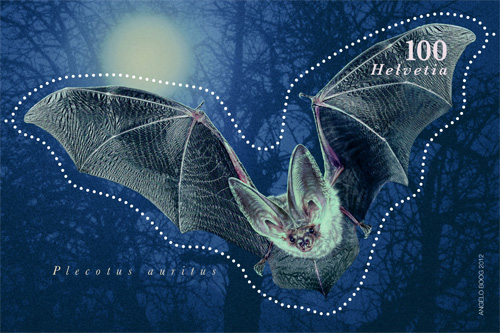
    In der Roten Liste der gefährdeten Pflanzen, Pilze und Tiere in Nordrhein-Westfalen (2011) werden für Nordrhein-Westfalen 21 Fledermausarten genannt. Die meisten der genannten Arten sind vom Aussterben bedroht oder stark gefährdet. Eine Fledermausart gilt in NRW bereits als ausgestorben. Lediglich zwei Fledermausarten in NRW werden als ungefährdet eingestuft. Ursache für den Rückgang der Fledermauspopulationen ist insbesondere die Verringerung des Nahrungsangebotes infolge einer intensiver Landnutzung und des Einsatzes von Pflanzenschutzmitteln. Fledermäuse sind besonders im Umkreis von Wochenstuben auf das Vorhandensein geeigneter Jagdgebiete angewiesen. Dort müssen sie Insekten in ausreichender Menge und Qualität erbeuten können. Durch der fortschreitenden Intensivierung der Landnutzung reduziert sich das Nahrungsangebot für Insekten und in der Folge das Nahrungsangebot für die Fledermäuse. Regionale Messungen haben ergeben, dass innerhalb der vergangenen 20 Jahre bis zu 80 Prozent der Biomasse aller Fluginsekten in Nordrhein-Westfalen verschwunden sind.

    In der Roten Liste der gefährdeten Pflanzen, Pilze und Tiere in Nordrhein-Westfalen (2011) werden für Nordrhein-Westfalen 21 Fledermausarten genannt. Die meisten der genannten Arten sind vom Aussterben bedroht oder stark gefährdet. Eine Fledermausart gilt in NRW bereits als ausgestorben. Lediglich zwei Fledermausarten in NRW werden als ungefährdet eingestuft. Ursache für den Rückgang der Fledermauspopulationen ist insbesondere die Verringerung des Nahrungsangebotes infolge einer intensiver Landnutzung und des Einsatzes von Pflanzenschutzmitteln. Fledermäuse sind besonders im Umkreis von Wochenstuben auf das Vorhandensein geeigneter Jagdgebiete angewiesen. Dort müssen sie Insekten in ausreichender Menge und Qualität erbeuten können. Durch der fortschreitenden Intensivierung der Landnutzung reduziert sich das Nahrungsangebot für Insekten und in der Folge das Nahrungsangebot für die Fledermäuse. Regionale Messungen haben ergeben, dass innerhalb der vergangenen 20 Jahre bis zu 80 Prozent der Biomasse aller Fluginsekten in Nordrhein-Westfalen verschwunden sind.

    Quelle: Kreis Paderborn
    http://www.kreis-paderborn.de/kreis_paderborn/geoportal/naturschutzgebiete/seiten/stollen_am_grossen_viadukt_westlich_altenbeken/rueckgang-der-fledermausarten-in-deutschland-und-nrw-.php?catID=205883205883

  • Aantal baardvleermuizen daalt in rap tempo in Drenthe

    Aantal baardvleermuizen daalt in rap tempo in Drenthe

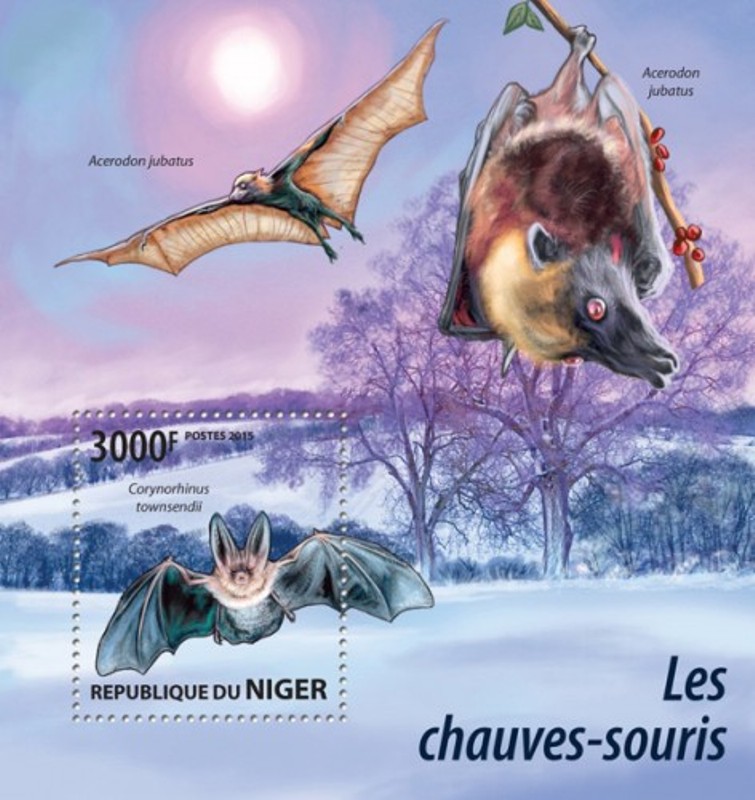
    Het aantal baardvleermuizen in Drenthe is de afgelopen jaren drastisch gedaald, bleek bij de telling afgelopen weekend in Herinneringscentrum Kamp Westerbork. De aardappelkelder op het terrein van Kamp Westerbork is de grootste overwinteringsplek van baardvleermuizen in Nederland. In 2012 zaten er nog 1006, afgelopen weekend waren dat nog maar 255. Er zitten nog drie soorten vleermuizen in de kelder. De baardvleermuizen vormen de grootste groep. Het totale aantal vleermuizen in de kelder is ook flink gedaald, van 1014 in 2012 tot 340 dit jaar. Er zijn andere overwinteringsplekken in de provincie, maar die herbergen vaak niet meer dan 50 vleermuizen. Jan Mager, van de afdeling Zuid-west Drenthe van de werkgroep, ziet een trend. ,,Als de daling zo doorgaat, is de baardvleermuis over tien jaar verdwenen.” Volgens de toxicoloog Henk Tennekes bestaat er een verband met milieuverontreiniging met imidacloprid.

    Het aantal baardvleermuizen in Drenthe is de afgelopen jaren drastisch gedaald, bleek bij de telling afgelopen weekend in Herinneringscentrum Kamp Westerbork. De aardappelkelder op het terrein van Kamp Westerbork is de grootste overwinteringsplek van baardvleermuizen in Nederland. In 2012 zaten er nog 1006, afgelopen weekend waren dat nog maar 255. Er zitten nog drie soorten vleermuizen in de kelder. De baardvleermuizen vormen de grootste groep. Het totale aantal vleermuizen in de kelder is ook flink gedaald, van 1014 in 2012 tot 340 dit jaar. Er zijn andere overwinteringsplekken in de provincie, maar die herbergen vaak niet meer dan 50 vleermuizen. Jan Mager, van de afdeling Zuid-west Drenthe van de werkgroep, ziet een trend. ,,Als de daling zo doorgaat, is de baardvleermuis over tien jaar verdwenen.” Volgens de toxicoloog Henk Tennekes bestaat er een verband met milieuverontreiniging met imidacloprid.

    Bron: Dagblad van het Noorden, 28-1-16
    http://www.dvhn.nl/drenthe/Aantal-baardvleermuizen-daalt-in-rap-tempo-21123833.html

  • Beter even nadenken alvorens de kinderen te laten spelen op een vloer waar mierenpoeder gestrooid is

    Beter even nadenken alvorens de kinderen te laten spelen op een vloer waar mierenpoeder gestrooid is

    Pesticiden worden doorgaans in verband gebracht met hun gebruik in de landbouw, waar ze ingezet worden voor de bestrijding van allerlei ziekten en plagen om hogere opbrengsten en een hogere voedselkwaliteit te bekomen. Het ontgaat echter velen dat ze ook buiten de landbouw toegepast worden. Dergelijk gebruik van bestrijdingsmiddelen ter verdelging van allerlei schadelijke, vervelende en ongewenste insecten en andere geleedpotigen (spinnen) vindt frequent plaats in onze huishoudelijke omgeving en op het werk. In 2013 kochten Belgen ongeveer 800 ton producten om insecten te bestrijden, zoals spuitbussen, verdampers, strips, cassettes, lokazen en vlooienbanden. Het gaat dan vooral om producten tegen insecten (muggen, vliegen, mieren, enz.), mijten (tapijtmijt, enz.) en andere geleedpotigen (spinnen, enz.). Deze producten bevatten in totaal 75 ton aan werkzame stoffen om binnenshuis insecten te bestrijden, hetgeen een aanzienlijke hoeveelheid is. De particuliere gebruiker is doorgaans niet volledig op de hoogte van de risico’s van deze producten en is, in tegenstelling tot de professionele gebruiker, weinig of niet beschermd tijdens de toepassing. De mate van blootstelling is daarenboven moeilijk in te schatten en afhankelijk van diverse factoren, zoals de frequentie van gebruik, het gebruik van beschermende kledij, de dosering en het type van formulering (aerosol, verdamper,…). In opdracht van de Hoge Gezondheidsraad werd dat onderzocht door professor Pieter Spanoghe (UGent) en andere experten. De blootstelling op deze manier ligt vele malen hoger dan de opname van residuen van gewasbeschermingsmiddelen die kunnen achterblijven op groenten en fruit. Door insecticidensprays of luizenshampoos in huis te gebruiken, krijg je 100 tot 1.000 keer meer van een chemisch bestrijdingsmiddel in je lichaam.

    Pesticiden worden doorgaans in verband gebracht met hun gebruik in de landbouw, waar ze ingezet worden voor de bestrijding van allerlei ziekten en plagen om hogere opbrengsten en een hogere voedselkwaliteit te bekomen. Het ontgaat echter velen dat ze ook buiten de landbouw toegepast worden. Dergelijk gebruik van bestrijdingsmiddelen ter verdelging van allerlei schadelijke, vervelende en ongewenste insecten en andere geleedpotigen (spinnen) vindt frequent plaats in onze huishoudelijke omgeving en op het werk. In 2013 kochten Belgen ongeveer 800 ton producten om insecten te bestrijden, zoals spuitbussen, verdampers, strips, cassettes, lokazen en vlooienbanden. Het gaat dan vooral om producten tegen insecten (muggen, vliegen, mieren, enz.), mijten (tapijtmijt, enz.) en andere geleedpotigen (spinnen, enz.). Deze producten bevatten in totaal 75 ton aan werkzame stoffen om binnenshuis insecten te bestrijden, hetgeen een aanzienlijke hoeveelheid is. De particuliere gebruiker is doorgaans niet volledig op de hoogte van de risico’s van deze producten en is, in tegenstelling tot de professionele gebruiker, weinig of niet beschermd tijdens de toepassing. De mate van blootstelling is daarenboven moeilijk in te schatten en afhankelijk van diverse factoren, zoals de frequentie van gebruik, het gebruik van beschermende kledij, de dosering en het type van formulering (aerosol, verdamper,…). In opdracht van de Hoge Gezondheidsraad werd dat onderzocht door professor Pieter Spanoghe (UGent) en andere experten. De blootstelling op deze manier ligt vele malen hoger dan de opname van residuen van gewasbeschermingsmiddelen die kunnen achterblijven op groenten en fruit. Door insecticidensprays of luizenshampoos in huis te gebruiken, krijg je 100 tot 1.000 keer meer van een chemisch bestrijdingsmiddel in je lichaam.

    Bron: VILT, 21-1-16
    http://www.vilt.be/insecticidengebruik-in-huis-is-gevaarlijker-dan-gedacht

  • Metabolomics to Explore Imidacloprid-Induced Toxicity in the Central Nervous System of the Freshwater Snail Lymnaea stagnalis

    Metabolomics to Explore Imidacloprid-Induced Toxicity in the Central Nervous System of the Freshwater Snail Lymnaea stagnalis

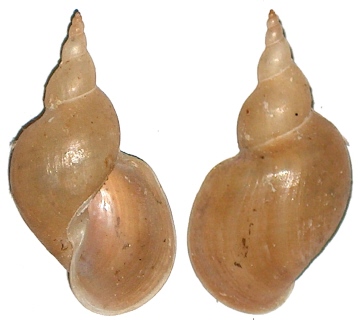
    Metabolomics was applied to investigate imidacloprid induced sublethal toxicity in the central nervous system of the freshwater snail Lymnaea stagnalis. The snails (n = 10 snails) were exposed for 10 days to increasing imidacloprid concentrations (0.1, 1, 10, and 100 μg/L). The comparison between control and exposure groups highlighted the involvement and perturbation of many biological pathways. The levels of several metabolites belonging to different metabolite classes were significantly changed by imidacloprid exposure. A change in the amino acids and nucleotide metabolites like tryptophan, proline, phenylalanine, uridine, and guanosine was found. Many fatty acids were down-regulated, and the levels of the polyamines, spermidine and putrescine, were found to be increased which is an indication of neuron cell injury. A turnover increase between choline and acetylcholine led us to hypothesize an increase in cholinergic gene expression to overcome imidacloprid binding to the nicotinic acetylcholine receptors. Metabolomics revealed imidacloprid induced metabolic changes at low and environmentally relevant concentration in a nontarget species and generated a novel mechanistic hypothesis.

    Metabolomics was applied to investigate imidacloprid induced sublethal toxicity in the central nervous system of the freshwater snail Lymnaea stagnalis. The snails (n = 10 snails) were exposed for 10 days to increasing imidacloprid concentrations (0.1, 1, 10, and 100 μg/L). The comparison between control and exposure groups highlighted the involvement and perturbation of many biological pathways. The levels of several metabolites belonging to different metabolite classes were significantly changed by imidacloprid exposure. A change in the amino acids and nucleotide metabolites like tryptophan, proline, phenylalanine, uridine, and guanosine was found. Many fatty acids were down-regulated, and the levels of the polyamines, spermidine and putrescine, were found to be increased which is an indication of neuron cell injury. A turnover increase between choline and acetylcholine led us to hypothesize an increase in cholinergic gene expression to overcome imidacloprid binding to the nicotinic acetylcholine receptors. Metabolomics revealed imidacloprid induced metabolic changes at low and environmentally relevant concentration in a nontarget species and generated a novel mechanistic hypothesis.

    Source: Sara Tufi et al. Environ. Sci. Technol. 2015, 49, 14529−14536

  • Sublethal Effect of Imidacloprid on Solenopsis invicta (Hymenoptera: Formicidae) Feeding, Digging, and Foraging Behavior

    Sublethal Effect of Imidacloprid on Solenopsis invicta (Hymenoptera: Formicidae) Feeding, Digging, and Foraging Behavior

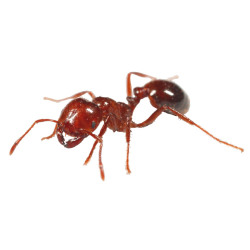
    In this study, we exposed red imported fire ants, Solenopsis invicta Buren, to sublethal dosages of dietary imidacloprid and investigated its effect on ant feeding, digging, and foraging behavior. S. invicta consumed significantly more sugar water containing 0.01 microgram/ml imidacloprid than untreated sugar water. Ants fed with 0.01 microgram/ml imidacloprid also showed significantly increased digging activity than ants fed with untreated sugar water. However, imidacloprid at  0.25 microgram/ml significantly suppressed sugar water consumption, digging, and foraging behavior. These results indicate that imidacloprid at sublethal concentrations may have a significant and complicated effect on S. invicta.

    In this study, we exposed red imported fire ants, Solenopsis invicta Buren, to sublethal dosages of dietary imidacloprid and investigated its effect on ant feeding, digging, and foraging behavior. S. invicta consumed significantly more sugar water containing 0.01 microgram/ml imidacloprid than untreated sugar water. Ants fed with 0.01 microgram/ml imidacloprid also showed significantly increased digging activity than ants fed with untreated sugar water. However, imidacloprid at  0.25 microgram/ml significantly suppressed sugar water consumption, digging, and foraging behavior. These results indicate that imidacloprid at sublethal concentrations may have a significant and complicated effect on S. invicta.

    Source:
    LEI WANG, LING ZENG, AND JIAN CHEN
    Environ. Entomol. 44(6): 1544–1552 (2015); DOI: 10.1093/ee/nvv127

  • Systemic Imidacloprid Affects Intraguild Parasitoids Differently

    Systemic Imidacloprid Affects Intraguild Parasitoids Differently

    Toxoneuron nigriceps (Viereck) (Hymenoptera, Braconidae) and Campoletis sonorensis (Cameron) (Hymenoptera, Ichneumonidae) are solitary endoparasitoids of the tobacco budworm, Heliothis virescens (Fabricius) (Lepidoptera, Noctuidae). They provide biological control of H. virescens populations in Southeastern US agricultural production systems. Field and greenhouse experiments conducted from 2011–2014 compared parasitism rates of parasitoids that developed inside H. virescens larvae fed on tobacco plants treated with and without imidacloprid. The parasitoids in our study did not have a similar response. Toxoneuron nigriceps had reduced parasitism rates, but parasitism rates of C. sonorensis were unaffected. Preliminary data indicate that adult female lifespans of T. nigriceps are also reduced. ELISA was used to measure concentrations of neonicotinoids, imidacloprid and imidacloprid metabolites in H. virescens larvae that fed on imidacloprid-treated plants and in the parasitoids that fed on these larvae. Concentrations were detectable in the whole bodies of parasitized H. virescens larvae, T. nigriceps larvae and T. nigriceps adults, but not in C. sonorensis larvae and adults. These findings suggest that there are effects of imidacloprid on multiple trophic levels, and that insecticide use may differentially affect natural enemies with similar feeding niches.

    Toxoneuron nigriceps (Viereck) (Hymenoptera, Braconidae) and Campoletis sonorensis (Cameron) (Hymenoptera, Ichneumonidae) are solitary endoparasitoids of the tobacco budworm, Heliothis virescens (Fabricius) (Lepidoptera, Noctuidae). They provide biological control of H. virescens populations in Southeastern US agricultural production systems. Field and greenhouse experiments conducted from 2011–2014 compared parasitism rates of parasitoids that developed inside H. virescens larvae fed on tobacco plants treated with and without imidacloprid. The parasitoids in our study did not have a similar response. Toxoneuron nigriceps had reduced parasitism rates, but parasitism rates of C. sonorensis were unaffected. Preliminary data indicate that adult female lifespans of T. nigriceps are also reduced. ELISA was used to measure concentrations of neonicotinoids, imidacloprid and imidacloprid metabolites in H. virescens larvae that fed on imidacloprid-treated plants and in the parasitoids that fed on these larvae. Concentrations were detectable in the whole bodies of parasitized H. virescens larvae, T. nigriceps larvae and T. nigriceps adults, but not in C. sonorensis larvae and adults. These findings suggest that there are effects of imidacloprid on multiple trophic levels, and that insecticide use may differentially affect natural enemies with similar feeding niches.

    Source:
    Taylor SV, Burrack HJ, Roe RM, Bacheler JS, Sorenson CE (2015) Systemic Imidacloprid Affects Intraguild Parasitoids Differently. PLoS ONE 10(12): e0144598. doi:10.1371/journal.pone.0144598

  • Relationship between Urinary N-Desmethyl-Acetamiprid and Typical Symptoms including Neurological Findings: A Prevalence Case-Control Study

    Relationship between Urinary N-Desmethyl-Acetamiprid and Typical Symptoms including Neurological Findings: A Prevalence Case-Control Study

    We previously determined a metabolite of acetamiprid, N-desmethyl-acetamiprid in the urine of a patient, who exhibited some typical symptoms including neurological findings. We sought to investigate the association between urinary N-desmethyl-acetamiprid and the symptoms by a prevalence case-control study. Spot urine samples were collected from 35 symptomatic patients of unknown origin and 50 non-symptomatic volunteers (non-symptomatic group, NSG, 4–87 year-old). Patients with recent memory loss, finger tremor, and more than five of six symptoms (headache, general fatigue, palpitation/chest pain, abdominal pain, muscle pain/weakness/spasm, and cough) were in the typical symptomatic group (TSG, n = 19, 5–69 year-old); the rest were in the atypical symptomatic group (ASG, n = 16, 5–78 year-old). N-desmethyl-acetamiprid and six neonicotinoids in the urine were quantified by liquid chromatography-tandem mass spectrometry. The detection of N-desmethyl-acetamiprid was the most frequent and highest in TSG (47.4%, 6.0 ppb (frequency, maximum)), followed by in ASG (12.5%, 4.4 ppb) and in NSG (6.0%, 2.2 ppb), however acetamiprid was not detected. Thiamethoxam was detected in TSG (31.6%, 1.4 ppb), in ASG (6.3%, 1.9 ppb), but not in NSG. Nitenpyram was detected in TSG (10.5%, 1.2 ppb), in ASG (6.3%, not quantified) and in NSG (2.0%, not quantified). Clothianidin was only detected in ASG (6.3%, not quantified), and in NSG (2.0%, 1.6 ppb). Thiacloprid was detected in ASG (6.3%, 0.1 ppb). The cases in TSG with detection of N-desmethyl-acetamiprid and thiamethoxam were aged 5 to 62 years and 13 to 62 years, respectively. Detection of N-desmethyl-acetamiprid was associated with increased prevalence of the symptoms (odds ratio: 14, 95% confidence interval: 3.5–57). Urinary N-desmethyl-acetamiprid can be used as a biomarker for environmental exposure to acetamiprid. Further multi-centered clinical research in larger patients groups with more metabolites analysis is needed

    We previously determined a metabolite of acetamiprid, N-desmethyl-acetamiprid in the urine of a patient, who exhibited some typical symptoms including neurological findings. We sought to investigate the association between urinary N-desmethyl-acetamiprid and the symptoms by a prevalence case-control study. Spot urine samples were collected from 35 symptomatic patients of unknown origin and 50 non-symptomatic volunteers (non-symptomatic group, NSG, 4–87 year-old). Patients with recent memory loss, finger tremor, and more than five of six symptoms (headache, general fatigue, palpitation/chest pain, abdominal pain, muscle pain/weakness/spasm, and cough) were in the typical symptomatic group (TSG, n = 19, 5–69 year-old); the rest were in the atypical symptomatic group (ASG, n = 16, 5–78 year-old). N-desmethyl-acetamiprid and six neonicotinoids in the urine were quantified by liquid chromatography-tandem mass spectrometry. The detection of N-desmethyl-acetamiprid was the most frequent and highest in TSG (47.4%, 6.0 ppb (frequency, maximum)), followed by in ASG (12.5%, 4.4 ppb) and in NSG (6.0%, 2.2 ppb), however acetamiprid was not detected. Thiamethoxam was detected in TSG (31.6%, 1.4 ppb), in ASG (6.3%, 1.9 ppb), but not in NSG. Nitenpyram was detected in TSG (10.5%, 1.2 ppb), in ASG (6.3%, not quantified) and in NSG (2.0%, not quantified). Clothianidin was only detected in ASG (6.3%, not quantified), and in NSG (2.0%, 1.6 ppb). Thiacloprid was detected in ASG (6.3%, 0.1 ppb). The cases in TSG with detection of N-desmethyl-acetamiprid and thiamethoxam were aged 5 to 62 years and 13 to 62 years, respectively. Detection of N-desmethyl-acetamiprid was associated with increased prevalence of the symptoms (odds ratio: 14, 95% confidence interval: 3.5–57). Urinary N-desmethyl-acetamiprid can be used as a biomarker for environmental exposure to acetamiprid. Further multi-centered clinical research in larger patients groups with more metabolites analysis is needed

    Source:
    Marfo JT, Fujioka K, Ikenaka Y, Nakayama SMM, Mizukawa H, Aoyama Y, et al. (2015) Relationship between Urinary N-Desmethyl-Acetamiprid and Typical Symptoms including Neurological Findings: A Prevalence Case-Control Study. PLoS ONE 10(11): e0142172. doi:10.1371/journal.pone.0142172
    http://journals.plos.org/plosone/article?id=10.1371/journal.pone.0142172

  • The number of insecticide spray applications on oilseed rape/canola continued to increase after introduction neonicotinoid insecticide seed treatments in 2000

    The number of insecticide spray applications on oilseed rape/canola continued to increase after introduction neonicotinoid insecticide seed treatments in 2000

    Although pesticide treatment for oilseed rape (OSR) will vary from place to place and year to year, depending upon local conditions and needs, this review of pesticide usage on OSR between 1988 and 2014 has identified a long-term upward trend. Overall, the average number of pesticide treatments on OSR has more than doubled since 1994, accompanied by an increase in weight of pesticide active substances, from 2.1 kg/ha in 1994 to 3.3 kg/ha in 2014. The combined number of pesticide active substances has more than doubled during the same period. In respect of insecticides, the weight of insecticide active substances per hectare increased from 32 g/ha in 2002 to 50 g/ha in 2014. The number of insecticide spray rounds, products and active substances has also increased since 2002. Although Budge et al (2015) established that neonicotinoid seed coatings enabled farmers to reduce the number of insecticide sprays on OSR, this is not evident from the survey data after 2000 when neonicotinoid seed treatments were introduced. The weight of insecticide active substance per hectare and the number of insecticide spray applications has continued to increase after the introduction of neonicotinoid insecticide seed treatments in 2000.

    Although pesticide treatment for oilseed rape (OSR) will vary from place to place and year to year, depending upon local conditions and needs, this review of pesticide usage on OSR between 1988 and 2014 has identified a long-term upward trend. Overall, the average number of pesticide treatments on OSR has more than doubled since 1994, accompanied by an increase in weight of pesticide active substances, from 2.1 kg/ha in 1994 to 3.3 kg/ha in 2014. The combined number of pesticide active substances has more than doubled during the same period. In respect of insecticides, the weight of insecticide active substances per hectare increased from 32 g/ha in 2002 to 50 g/ha in 2014. The number of insecticide spray rounds, products and active substances has also increased since 2002. Although Budge et al (2015) established that neonicotinoid seed coatings enabled farmers to reduce the number of insecticide sprays on OSR, this is not evident from the survey data after 2000 when neonicotinoid seed treatments were introduced. The weight of insecticide active substance per hectare and the number of insecticide spray applications has continued to increase after the introduction of neonicotinoid insecticide seed treatments in 2000.

    Sources:
    John Hoar, Fareham and District Beekeepers’ Association. Pesticide Usage on
    Oilseed Rape. Beecraft Magazine February 2016 Vol 98 No 2
    Budge, GE, et al (2015). Evidence for pollinator cost and farming benefits of neonicotinoid seed
    coatings on oilseed rape. Scientific Reports, 5, 12574. doi: 10.1038/srep12574 (www.nature.com/articles/srep12574)