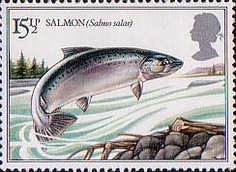
Auteur: Henk Tennekes

  • At least 45 lochs around Scotland’s coast have been contaminated by toxic pesticides from fish farms

    At least 45 lochs around Scotland’s coast have been contaminated by toxic pesticides from fish farms

    At least 45 lochs around Scotland’s coast have been contaminated by toxic pesticides from fish farms that can harm wildlife and human health, according to data released by the Scottish Environment Protection Agency (Sepa). Levels of chemicals used to kill the sea lice that plague caged salmon have breached environmental safety limits more than a hundred times in the last 10 years. The chemicals have been discharged by 70 fish farms run by seven companies. The pollution has been condemned as a “toxic timebomb” by environmental campaigners, who are lodging a formal complaint with the European Commission. The fish farming industry, however, insists that it always tries to abide by the rules.

    Sepa released a spreadsheet under freedom of information law showing the results of over 1,200 sampling operations at about 280 fish farms. It revealed that between 2006 and 2016 levels of anti-sea lice pesticides found in sediment 100 metres away from salmon cages exceeded environmental quality standards in 45 sea lochs and inshore waters.

    They included Loch Linnhe, Loch Kishorn, Loch Nevis, Loch Ewe, Loch Torridon and ten others in Highland region. There were 11 contaminated lochs and waters in Argyll and Bute, including Loch Fyne, Loch Creran, the Firth of Lorn, and the sounds of Mull, Jura and Gigha.

    Another 11 voes and firths around the Shetland islands were polluted, as were seven in the Western isles and Lamlash Bay in North Ayrshire. The companies named as responsible included Marine Harvest, Scottish Sea Farms, The Scottish Salmon Company and Grieg Seafood Shetland.

    The main pesticide detected was emamectin benzoate. According to Sepa, it “is toxic to birds, mammals, fish and other aquatic organisms, particularly those living on the sea bed”. Sepa says that there is little evidence on its full effects on human health, but adds: “Exposure to emamectin benzoate may cause irritation of the respiratory tract, eyes and skin. Animal studies suggest that exposure to emamectin benzoate may also cause tremors.”

    Another fish farm pesticide that breached environmental quality standards in lochs was teflubenzuron. It can harm shrimps, crabs and lobsters, and may affect human livers.

    Vyvyan Howard, an emeritus professor of toxicology at Ulster University and a former government adviser on pesticides, was worried about the possible impact on health. “The main concern would be the long-term, low-dose effects,” he said. “The risk is ill-defined, and it should be better defined, particularly if there are these inadvertent releases.”

    Dr Richard Luxmoore, senior nature conservation adviser to The National Trust for Scotland, warned that emamectin was a neurotoxin that could kill invertebrates and was “highly toxic” to birds and mammals. “The environmental standards have been put there for a good reason,” he said.

    “It is highly worrying that they have been breached so many times. This is yet more evidence that the chemical warfare waged by fish farms against sea lice has essentially been lost and the application of toxins to kill them is spiralling out of control.”

    Dr Sam Collin from the Scottish Wildlife Trust agreed emamectin was a major concern. “It’s worrying that there have been so many breaches of the standards for its use,” he said. “This particular chemical stays in the marine environment for a long time and is capable of causing harm to a wide variety of sea life, in particular invertebrates such as shellfish.”

    Sepa’s spreadsheet was obtained by the anti-fish farming campaigner Don Staniford of the Global Alliance Against Industrial Aquaculture. “Sepa is permitting salmon farmers across Scotland to pollute with impunity,” he said. “Breaches of environmental standards for chemical pollution under salmon farms are now becoming standard practice as Sepa shamefully turns a blind eye.” Staniford added: “Toxic chemicals from salmon farms have flooded Scottish lochs for over three decades contaminating shellfish and the seabed. Scottish salmon farming is a toxic time-bomb.”

    Salmon and Trout Conservation Scotland, which represents anglers, is referring the emamectin breaches to the European Commission in the belief that they contravene environmental law. “It appears that Sepa has been looking the other way and allowing excessive treatment chemicals to be used, which will have damaged the ecology of the sea lochs,” said the group’s Guy Linley-Adams. “Sepa must use its statutory powers to order a reduction in the number of farmed fish allowed in the cages to a level at which the fish-farmers can control sea lice and, at the same time, stay within their pollution control licences.”

    The Scottish Salmon Producers’ Organisation, which represents fish farming companies, referred inquires to Sepa. “Our members at all times endeavour to operate within the terms of their consents,” said the organisation’s chief executive Scott Landsburgh. Sepa said it did not have time last week to estimate how many lochs or fish farms had breached environmental quality standards. But it explained in detail how to work out when breaches had occurred.

    A Sepa spokesman pointed out that contamination found 100 metres from salmon cages was unlikely to spread a significant distance. Sampling was timed to give a “worst case” in terms of the levels of pesticide in the sediment. “Sepa’s enforcement philosophy is to use the minimum amount of formal regulation necessary to secure compliance,” he said. “An exceedance of an environmental quality standard is not in itself indicative of non-compliant or illegal activity on the part of the operator and thus a breach would not necessarily precipitate significant enforcement action.”

    There were currently two instances in which fish farm licences had been changed because of pesticide pollution. “Where cases are referred to the procurator fiscal these will be reported where the case results in a conviction,” the spokesman said.

    Source: The Ferret, 28 Feb 17
    https://theferret.scot/45-lochs-polluted-fish-farm-pesticides/

  • Pollution of Vembanad Lake

    Pollution of Vembanad Lake

    Pesticide residue from rice polders and nutrient discharge from urban settlements are aggravating the pollution of Vembanad Lake, playing havoc with the fragile wetland ecosystem and jeopardising its tourism potential. A study conducted by the Regional Agricultural Research Station (RARS), Kumarakom, under Kerala Agricultural University (KAU), has reported a high level of eutrophication of the lake, a Ramsar site and the hub of backwater tourism in Kerala. Data collected by the environmental surveillance centre at RARS indicate that the organic pollution of the lake is getting worse. “The eutrophication is evident from increased turbidity, high chlorophyll values, and increased organic productivity. Exceedingly high concentrations of plant nutrient elements such as phosphates, nitrates, and nitrites were detected,” said D. Ambika Devi, associate director, RARS. “Samples of soil, water, fish, sediments, grain, straw, and clams collected from different stretches of the Vembanad wetlands, adjoining Kuttanad lowlands, channels, and different padasekharams have been analysed. Residues of pesticides above prescribed limits and presence of heavy metals such as manganese copper, cadmium, iron, aluminium, and chromium above safe limit could be detected in many of these samples,” she said.

    The report is based on the analysis of data collected for five years on critical parameters. The riverine locations near the Pampa and the Manimala indicate very high levels of bacterial coliform. The tourism houseboat terminals at Thannermukkom, Punnamada, Pallathuruthy, and Kumarakom revealed high pollution. According to P. Rajendran, Vice Chancellor, KAU, the report points to the need for management of nutrient discharge from rice polders and domestic urban settlements. “The study has helped in assessing the environmental status of Kuttand wetlands. It is also a grim reminder about the impending dangers faced by the fragile ecosystem.”

    A research boat Gaveshiny, the first of its kind in the State, was deployed by KAU for the environmental monitoring programme. A state-of-the-art laboratory was also established for the purpose.

    Source: The Hindu, 27 Feb 17
    http://www.thehindu.com/todays-paper/tp-national/tp-kerala/vembanad-wetlands-hurtling-towards-crisis/article17374671.ece

  • Rosemary Mason’s letter to Sir John Beddington: a food system not run for the public good can never serve the public good

    Rosemary Mason’s letter to Sir John Beddington: a food system not run for the public good can never serve the public good

    Sir John Beddington is Senior Advisor and Professor of Natural Resources Management at the Oxford Martin School in Oxford, UK. He also belongs to the Central Team of the Oxford Martin Commission for Future Generations (OMC) and is former Chief Scientific Adviser to the British government and Head of the Government Office for Science.

    Bringing together international leaders from government, business and civil society, the OMC calls for a radical shake-up in politics and business to embed long-term thinking and provide practical recommendations for action to create a more resilient, inclusive and sustainable future.

    During a recent visit to Australia, Beddington told ABC Rural news that politicians around the globe are ignoring the science relating to GM for the sake of short-term political opportunism:

    “There is a movement in Europe which is just against any genetically-modified plant used for food [and] that is so naïve. There’s no doubt in the developing world, plants can be modified to be resistant to drought or insect pests and that is going to be very, very important moving into the future.”

    He also claimed that GM could boost yields, which would be needed to feed a growing world population, and claimed there is approximately two billion people experiencing malnutrition and these people either lack sufficient levels of nutrients needed for proper development or are eating too much poor-quality food. With 25 per cent of children dying in the first few years of life, he said that children were being robbed of their social and economic potential. In an era of so-called ‘anti-science’, he argued it was more important than ever that scientist ensured their relevancy within society.

    In the recent article, Pro-GMO Scientists Blinded by Technology and Wedded to Technology, I addressed the issues raised by Beddington and challenged his erroneous views about GM.

    Rosemary Mason writes to John Beddington

    Now campaigner Dr Rosemary Mason has written Beddington an open letter that urges him to acknowledge the adverse impacts of the modern system of food and agriculture. She presents him with a detailed account about the massive adverse effects of agrochemicals on health and the environment and highlights the need to address the various concerns that scientists, environmentalists and others from various groups and disciplines have about GM crops and food.

    Mason discusses scientific fraud, which has allowed the likes of glyphosate on to the market and to remain there, and highlights conflicts of interest and media manipulation by the agritech/agrochemicals industry. She also notes how legislators and policy makers first and foremost set out to protect the interests of the industry.

    As with her previous documents, in her 17-page (8,800-word) letter to Beddington (Open Letter to Sir John Beddington Professor of Natural Resources Management Oxford Martin Commission), Mason cites official reports and statistics as well as peer-reviewed papers, and she has done her homework when it comes to pinpointing the links between agencies, individuals and funding to demonstrate how fraud, corruption, conflicts of interest and policy decisions serve the interests of the agritech/agrochemicals sector at the expense of the public and the environment.

    Mason begins her letter by referring to Dr Henk Tennekes, an independent toxicologist, who predicted environmental catastrophe from the use of the systemic neonicotinoid insecticides. He said that these chemicals act on the brains of insects (and humans) in a virtually irreversible and time-dependent manner. Various independent studies have shown that the collapse of bee colonies, the loss of other invertebrates and bird declines in Europe are associated with chronic low levels of these chemicals.

    Bayer and Syngenta are fighting the partial neonicotinoid ban, however, and the EU authorities have granted many exemptions, including those requested by industry. These insecticides are still on the market and their usage is even increasing.

    In south Wales, where she resides, Mason highlights the catastrophic effects as a result of the excessive and improper use (despite EU regulations/recommendation) of the biocide glyphosate, not least that substance’s links to the massive spikes in numerous serious diseases and illnesses in the region. She discusses how the European authorities committed scientific fraud in concluding glyphosate was not carcinogenic and reveals that one third of the members of the BFR Commission on Pesticides and their Residues were directly employed by the chemical industry, while others had questionable links. The commission was responsible for evaluating glyphosate.

    Mason also notes that much of the German government’s recent evaluation of glyphosate – favourably compared to the IARC’s evaluation by the agrochemical industry – was not actually written by scientists working for the German Federal Institute for Risk Assessment (BfR) but rather by the European Glyphosate Task Force, a consortium of agrochemical firms.

    According to Mason, conflicts of interest also undermined the Joint FAO/WHO Meeting on Pesticides Residues (JMPR). She discusses individuals and institutions connected with JMPR who/which received substantial amounts of industry money.

    From cataracts and dementia to autism obesity and cancer, Mason notes the disturbing link between the increasing use of glyphosate and other biocides and spiraling rates of illness. She goes on to show how the dominant cultural narrative about health promotion and disease deflects attention from the role of agrochemicals and how strategically placed figures with links to the industry help fuel this process.

    Referring to his recent visit to Australia and in response to his promotion of GM, Mason addresses Beddington by saying:

    “Sir John, I note that you have been on Monsanto business in Australia promoting GM. There is no point in preaching to Australia. It has been in the hands of the agrochemical industry since 2002 and has an industry-funded Science Media Centre like the UK (as has Japan and New Zealand.) In fact, the Australian Pesticides and Veterinary Medicines Authority (APVMA) didn’t want to bother to reassess glyphosate, but their citizens insisted. The closing date for comments was 30 December 2016. The three areas that are in the hands of the pesticides industry are also the areas with the most obesity problems: the UK, the US and Australia.”

    She continues:

    “You and Lord Smith, at that time Chairman of the Environment Agency, were warned in 2011. In February 6th 2011, we wrote to you and to Lord Chris Smith. We said: “The agrochemical industry has used the environment as a huge, private experimental laboratory”.”

    Mason then proceeds to document a series of conflicts of interest, noting links between Cancer Research UK and Syngenta, BASF, Bayer CropScience, Dow AgroSciences, DuPont, FMC Corp, Monsanto and Sumitomo. She adds that Syngenta is a member of the European Glyphosate Task Force (GTF). Britain and the GTF claim that glyphosate does not cause cancer and disagree with World Health Organisation’s International Agency for Research on Cancer (IARC) which has declared glyphosate as a 2A carcinogen (probably carcinogenic in humans).

    Mason states:

    “Syngenta, AstraZeneca and the UK government have a mutually beneficial relationship with each other at the expense of the British people One corporation promotes cancer; the other corporation tries to cure it. In 2010, Michael Pragnell was appointed as Chairman of Cancer Research UK, and by 2011 CRUK was donating money (£450 million/year) to the Government’s Strategy for UK Life Sciences, and AstraZeneca (Syngenta’s parent company) was providing twenty-two compounds to academic research in the UK to develop medicines. AstraZeneca manufactures six different anti-cancer drugs mainly aimed at breast and prostate cancer.”

    Glyphosate and other pesticides earn billions for the pharmaceutical companies with the sales of statins, anti-hypertensives, antidepressants, diabetic medication, anti-cancer drugs, weight -reducing drugs, vaccines and drugs to treat dementia etc.

    Mason notes the links between diet and disease and says scientific evidence is accumulating that a diet-based cure is much more effective than current medical treatments which are largely ineffectual, expensive, and plagued by side effects. She adds that these important facts about the power of nutrition are not widely known, however. That is because they simultaneously challenge the food industry, the pharmaceutical industry and the medical profession.

    The system is not designed to serve the public good

    Powerful agritech/agribusiness corporations are intent on rolling out a globalised system of chemically-laden food production that adversely impacts human health and diets and leads to micronutrient deficient soils and crops. These corporations seek to eradicate indigenous farming systems centred on smallholder agriculture that can – if the recommendations of various high-level reports are acted on – feed the world healthily and sustainably. And that includes the two billion who experience malnutrition that Beddington refers to: unfortunately, as Rosemary Mason and the information contained the embedded links in this and the next paragraph indicate, the current corporate-led GMO/chemical-intensive ‘Green Revolution’ model leads to exactly the opposite.

    If there is to be a radical “shake-up in politics and business to embed long-term thinking and provide practical recommendations for action to create a more resilient, inclusive and sustainable future” then challenging the power structures that undermine the goal of healthy, equitable food provision and production has to be integral to that “shake-up”.

    Of course, Rosemary Mason is not a lone voice in all of this. The Pesticide Action Network just last week released a statement saying that Europeans are consuming dozens of pesticides on a daily basis and that there has been 12 years of inaction and failure in the EU’s attempts to reduce pesticide levels in food. In 2014, Corporate Europe Observatory concluded that the European Commission had been a captive but willing servant of a corporate agenda (an agenda partly fuelled by the agrochemicals sector).

    And writing in The Guardian in 2015, Arthur Nelson noted that as many as 31 pesticides with a value running into billions of pounds could have been banned in the EU because of potential health risks, if a blocked EU paper on hormone-mimicking chemicals had been acted upon. Nelson wrote that Commission sources said that the paper was buried by top EU officials under pressure from big chemical firms.

    But that’s the whole point, isn’t it? As Mason and others constantly imply, a system not run for the public good can never serve the public good.

    Source: Colin Todhunter in Counter Currents, 25 Feb 17
    http://www.countercurrents.org/2017/02/25/message-to-john-beddington-and-the-oxford-martin-commission-a-system-of-food-and-agriculture-should-serve-the-public-not-corporate-interests/

    Colin Todhunter is an independent writer

  • Waterbirds in Myanmar’s Irrawddy River declined by up to 90% over the last 14 years

    Waterbirds in Myanmar’s Irrawddy River declined by up to 90% over the last 14 years

    Over the last 14 years, waterbirds in Myanmar’s Irrawddy River declined by 60% to 90% depending on the species. Scientists working for Fauna & Flora International (FFI) and Manfred Hermsen Foundation have repeated an ornithology survey of the Myitkyina to Mandalay stretch of the Irrawaddy River last carried out in 2003. They found that many waterbirds have declined sharply. More than 20,000 waterbirds (61 species) were recorded along the river, with small pratincole (Glareola lactea) and ruddy shelduck (Tadorna ferruginea) the most numerous recorded. But despite their relative abundance compared with other waterbirds, both of these charismatic species have also experienced a very drastic population decline since the last survey. Species’ population declines range from 59 to 98%, compared with survey data from 2003 for the river section between Myitkyina and Sinbo alone. Lead scientist Christoph Zoeckler said, “The Irrawaddy River is one of the last remaining wild, un-dammed rivers in Asia, with the section between Myitkyina and Sinbo considered to be of particular importance for conservation. Despite the decline, this is still a globally-important site for waterbirds. Therefore we believe it is now critical to secure the designation of this river section as a globally important wetland under the international protection of the Ramsar convention.”

    “At the moment, the riverbanks are covered in household waste while sandbanks are being dug up for gold-mining. Unless immediate drastic measures are undertaken to reduce the threats in the most important river sections, habitats for waterbirds will disappear and the river will turn into wasteland,” said FFI’s Myanmar Country Director Frank Momberg.

    The Irrawaddy River is one of the last major remaining rivers in Asia not affected by dams or any other impediments in the water course, and as a result it is able to transport water, sediment and nutrients unobstructed downstream, and provide critical habitat for biodiversity. Sadly, the human impact on the river is visible and increasing. The serious decline of waterbirds and other birds is associated with the loss of habitats, mostly due to expansion of agricultural land onto sandbanks, riverine swamps and other wetlands, but it is also due to widespread gold panning. Bird trapping and bait poisoning has also been observed throughout the river and seems to be systemic and wide-spread.

    Source: PhysOrg, 23 Feb 17
    https://phys.org/news/2017-02-survey-reveals-drastic-decline-waterbirds.html

  • The replacement of Druckrey’s model of dose-time-response by the much more flexible concept of ‘acceptable daily intake’

    The replacement of Druckrey’s model of dose-time-response by the much more flexible concept of ‘acceptable daily intake’

    In the 1950s the commission on food coloring of the German Research Society (DFG), headed by the biochemist Adolf Butenandt and the pharmacologist Hermann Druckrey, represented a policy of preventive risk management in regard to food additives. It was thereby recapitulating a discourse on “food poisoning” and a critique on an inner nexus being constructed by our civilization between foreign substances and carcinogenesis. Such a connection had already been expressed in the early 1930s. Discourses on purity and contamination were translated into mathematical models (the dose-time-response) and legislative measures (new German food law in 1958). With the organisation EUROTOX and within the scope of JECFA, Druckrey tried to implement this pharmacology of cancer on a global scale. At the end of the 1950s these purist and preventive risk policies were forced back by the primacy of economics. With the replacement of Druckrey’s model of dose-time-response by the much more flexible concept of ‘acceptable daily intake,’ industry- and trade-friendly policy of calculable risk prevailed over the policy of preventive risk management.
    Source:
    PD Dr. Heiko Stoff. “Zur Kritik der Chemisierung und Technisierung der Umwelt. Risiko- und Präventionspolitik von Lebensmittelzusatzstoffen in den 1950er Jahren”
    TG Technikgeschichte, Seite 229 – 250

    Institut für Geschichte, Ethik und Philosophie der Medizin
    Medizinische Hochschule Hannover
    Carl-Neuberg-Str. 1
    D-30625 Hannover

  • Die Ersetzung von Druckreys Dosis-Zeit-Wirkungsgesetz durch den flexibleren Acceptable Daily Intake

    Die Ersetzung von Druckreys Dosis-Zeit-Wirkungsgesetz durch den flexibleren Acceptable Daily Intake

    In den 1950er Jahren vertrat die Farbstoffkommission der DFG unter der Leitung des Biochemikers Adolf Butenandt und des Pharmakologen Hermann Druckrey eine Politik der Risikovermeidung in Bezug auf Lebensmittelzusatzstoffe. Sie rekapitulierte damit einen Diskurs über „Gift in der Nahrung“ und eine zivilisationskritische Deutung eines inneren Zusammenhangs zwischen Fremdstoffen und Krebsentstehung, der bereits zu Beginn der 1930er Jahre ausformuliert worden war. Narrative der Reinheit und Kontamination wurden dabei in mathematische Modelle (Dosis-Zeit-Wirkungs-Gesetz) und legislative Maßnahmen (Novelle des Lebensmittelgesetzes 1958) übersetzt. Mit der Organisation EUROTOX und im Rahmen des JECFA versuchte Druckrey eine Pharmakologie des Krebses auch auf globaler Ebene zu installieren. Ende der 1950er Jahre wurde jedoch diese puristisch-präventive Risikopolitik durch das Primat des Ökonomischen zurückgedrängt. Mit der Ersetzung von Druckreys
    Dosis-Zeit-Wirkungsgesetz durch den flexibleren Acceptable Daily Intake setzte sich eine industrie- und handelsfreundliche Politik der Risikokalkulation gegen die Politik der Risikovermeidung durch, die seitdem vor allem von der in diesem Kontext erst entstehenden Verbraucherbewegung vertreten wurde.

    Quelle:
    PD Dr. Heiko Stoff. “Zur Kritik der Chemisierung und Technisierung der Umwelt. Risiko- und Präventionspolitik von Lebensmittelzusatzstoffen in den 1950er Jahren”
    TG Technikgeschichte, Seite 229 – 250

    Institut für Geschichte, Ethik und Philosophie der Medizin
    Medizinische Hochschule Hannover
    Carl-Neuberg-Str. 1
    D-30625 Hannover

  • 139 Counties across the US where wild bees are at risk

    139 Counties across the US where wild bees are at risk

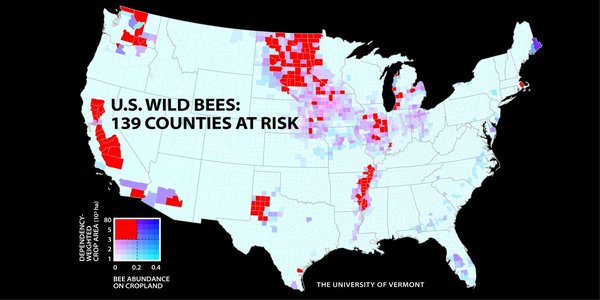
    Though they’re tiny, bees play a big role in making our food. But these fuzzy fliers are in trouble—and a new map highlights just how precarious the pollinator’s situation has become in the United States. Recently presented at the American Association for the Advancement of Science (AAAS) annual meeting, the map highlights 139 counties across the country where wild bees are at risk. Many of these danger regions encompass major agricultural zones like California’s Central Valley and a wide swath of the Great Plains. “This study provides the first national picture of wild bees and their impacts on pollination,” Taylor Ricketts, conservation ecologist at the University of Vermont and one of the study’s authors, says in a press release. Ricketts and his team created the maps by identifying 45 types of land cover from two federal databases. They then queried bee experts around the country about how well each land cover type provides wild bees with nesting and food resources. From this information, the researchers built a model that predicts the relative abundance of wild bees across the contiguous U.S., which they tested against bee collections and field observations. The researchers published their study last year in the journal Proceedings of the National Academy of Sciences.

    Read more: http://www.smithsonianmag.com/smart-news/new-map-highlights-bee-population-declines-across-us-180962268/#lKiI64J0b850LGLm.99

    Follow us: @SmithsonianMag on Twitter

  • Rückgang der Biomasse an Insekten  ist Ursache für den Singvögelschwund

    Rückgang der Biomasse an Insekten ist Ursache für den Singvögelschwund

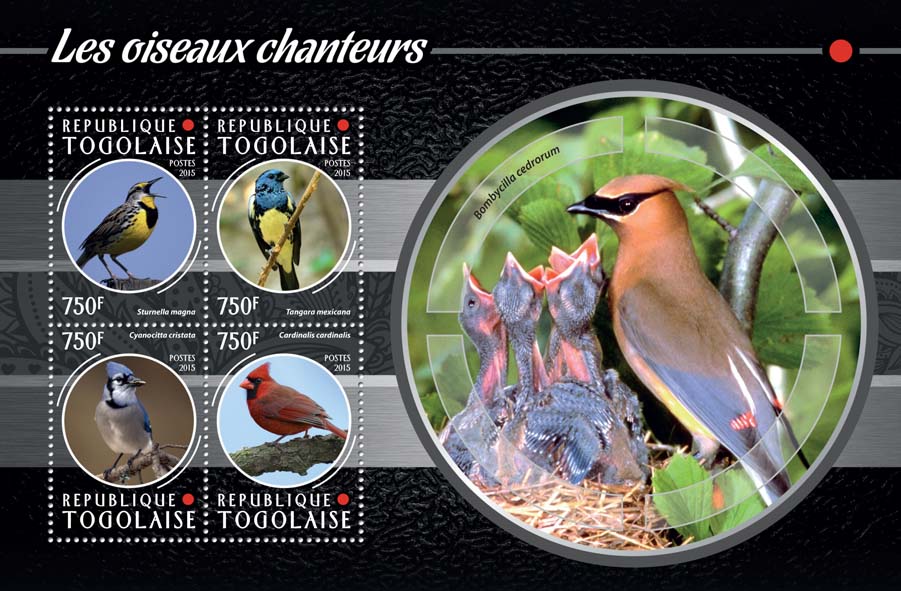
    Die Zahl der Singvögel im Vogtland geht zurück. Das sagt Michael Thoß, Naturschützer und Ornithologe aus Auerbach. Damit bestätigt er Aussagen, die die Teilnehmer der Vogelhaus-Aktion von “Freie Presse” gemacht haben. Sie haben beobachtet, dass weniger Gäste an die Futterstellen fliegen. Ursachen für den fehlenden Flugbetrieb hat der Ornithologe mehrere ausgemacht: “Grünfinken sind seit zwei Jahren von einer Pilzkrankheit, dem Gelben Kropf oder Gelben Knopf betroffen, an der viele Tiere sterben.” Die Pilzerkrankung zerfrisst die Rachenschleimhaut. Nach einer gewissen Zeit können die Tiere nichts mehr fressen, nur noch trinken. Übertragen wird die Krankheit an Futterstellen. Thoß: “Während sich Meisen einen Sonneblumenkern schnappen und wegfliegen, sitzen Grünfinken im Vogelhaus und knabbern auf den Kernen herum.”
    Eine zweite Ursache für den Vogelrückgang sieht der Auerbacher im Ausbleiben der Schwärme von Erlenzeisigen und Bergfinken, die sonst aus dem Norden Europas nach Mitteleuropa geflogen sind. “Die sind in diesem Jahr nahezu komplett weggeblieben.” Thoß vermutet, dass die Tiere in Skandinavien und Nordrussland genügend Nahrung gefunden haben und deshalb gar nicht erst gestartet sind.
    Den Rückgang der Biomasse an Insekten in verschiedenen Gebieten Europas um bis zu 80 Prozent macht Michael Thoß als dritte Ursache für den Singvögelschwund aus: Das heißt nichts anderes, als dass Vögeln bis zu 80 Prozent weniger Futter zur Verfügung steht. “Das kann dazu beitragen, dass Meisen nicht sechs bis acht Junge großziehen, sondern nur zwei bis drei. In den ersten acht bis zehn Lebenstagen brauchen alle Singvögel Insekten als Futter.” Später essen sie bei den Eltern im Hals vorgequollene Samen und dann Samen. Andere Arten werden noch später zum Körnerfresser.
    Thoß sieht die Ursachen für den Rückgang der Insektenzahl beim Menschen. Einmal würden durch den Einsatz von Insektiziden viele Insekten sterben. Ein weiterer Grund dafür, dass die Nahrungskette Löcher hat, sei das Fehlen von blühenden Unkräutern auf Feldern. Insekten, die auf diese als Nahrung angewiesen sind, bleiben weg. Die dadurch ebenso ausbleibenden Unkrautsamen fehlen wiederum den körnerfressenden Vögeln. Ursache für diese Entwicklung: der Einsatz von Unkrautvernichtungsmitteln auf den Feldern, sogenannten Herbiziden. Aber auch Kleingärtner tragen laut Thoß zum Rückgang der Blütenpflanzen bei – nämlich dann, wenn sie ihren Rasen jede Woche mähen.

    Quelle: Freie Presse, 21.02.17
    http://www.freiepresse.de/LOKALES/VOGTLAND/AUERBACH/Loecher-in-der-Nahrungskette-verursachen-Flaute-am-Futterhaus-artikel9840203.php

  • Black-Billed Magpie Decline in Nebraska

    Black-Billed Magpie Decline in Nebraska

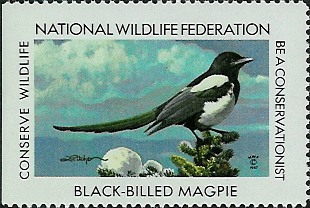
    Many birders and bird-watchers in western and central Nebraska have noticed the unfortunate absence in recent years of a distinctive, entertaining and familiar bird species, the black-billed magpie (Pica hudsonia). In the late 1990s, black-billed magpies were found over most of the state, except the extreme east and southeast. They occurred as far east as western Lancaster and Saunders counties during that time. In other areas, especially the west, magpies were fairly common and could be reliably seen with little effort. Since about 2000, black-billed magpies have declined sharply. They no longer are found in Lancaster, Saunders and many other counties in eastern and central Nebraska. Even in strongholds in western Nebraska, where the species was formerly common, it can now be difficult to find. Data from both the Breeding Bird Survey and Christmas Bird Counts have shown a general long-term decline across the state during the latter part of the 20th century, but a striking drop-off in numbers since the early 2000s.

    Source: Lincoln Journal Star, Feb 19, 2017
    http://journalstar.com/sports/local/outdoors/magpie-decline-in-nebraska-likely-linked-to-west-nile-virus/article_eec78e4b-ece2-55d7-a41f-f36595bb50a2.html

  • Bird survey in University of Hyderabad records decline in number of bird species on campus

    Bird survey in University of Hyderabad records decline in number of bird species on campus

    The spangled drongo was the rarest of the 93 species of birds spotted during the Great Backward Bird Count survey held in University of Hyderabad recently. Held jointly by international bird watchers Cornell Ornithology lab and Audubon, the survey was conducted between February 18-20. More than 25 student volunteers from UoH participated in the survey which was split into morning and evening sessions. The team covered over three fourth of the 1700-plus acre campus. Previously 109 bird species were spotted in the survery conducted in the campus. The participants rued the decline in numbers of birds like Siberian rubythroat (Calliope calliope) and paddy field wabbler (Acrocephalus agricola).

    Source: Times of India, Feb 23, 2017
    http://timesofindia.indiatimes.com/city/hyderabad/bird-survey-in-uoh-records-decline-in-number-of-bird-species-on-campus/articleshow/57292163.cms