Auteur: Henk Tennekes

  • De lederschildpad gaat de ondergang tegemoet

    De lederschildpad gaat de ondergang tegemoet

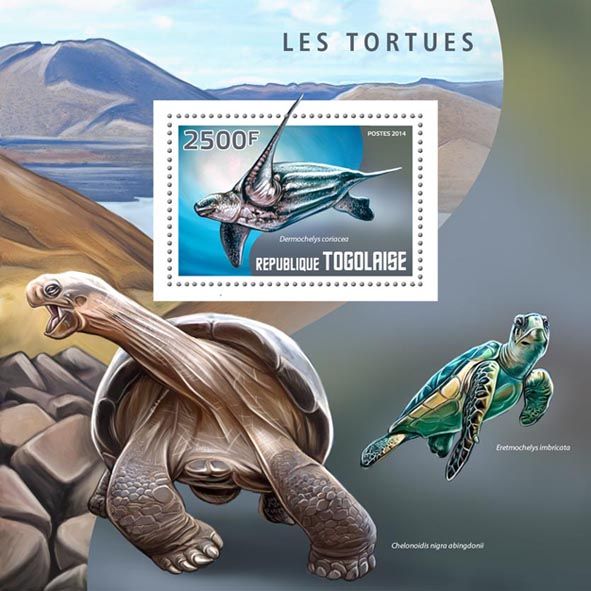
    Met een lengte van ruim twee meter en een gewicht van vijfhonderd tot bijna duizend kilo zijn volwassen lederschidpadden (Dermochelys coriacea) met afstand grootste zeeschildpadden ter wereld. Maar een studie van een wetenschapsteam onder leiding van onderzoekers van de University of Alabama at Birmingham suggereert dat de toekomst er weinig rooskleurig uitziet voor deze goedmoedige giganten. Op de belangrijkste nestplek in de Grote Oceaan, het Indonesische Jamursba Medi Beach, is het aantal nestelende dieren gedaald van 14.455 exemplaren in 1984 naar een schamel aantal van circa vijfhonderd individuen vandaag de dag. Een zeer zorgwekkende ontwikkeling als bedenkt dat dit gebied geldt als nestplaats voor 75 procent van de populatie in het westelijk deel van de Grote Oceaan. “Als deze achteruitgang zich de komende jaren doorzet, is de kans aanwezig dat het over een jaar of twintig heel lastig wordt voor de lederschildpad om niet uit te sterven”, stelt Thane Wibbels, een professor die gespecialiseerd is in de reproductieve biologie van de soort. De lederschildpad is een van de weinige dieren die vrijwel volledig leeft van kwallen.

    Bronnen: Dierenblog, 27-02-13
    http://dieren.blog.nl/bedreigde-dieren-en-natuurbescherming/2013/02/27/lederschildpad-over-twintig-jaar-wellicht-uitgestorven
    Wikipedia
    https://nl.wikipedia.org/wiki/Lederschildpad

  • Zelfs waterhoentjes krijgen in Nederland last van insectenschaarste

    Zelfs waterhoentjes krijgen in Nederland last van insectenschaarste

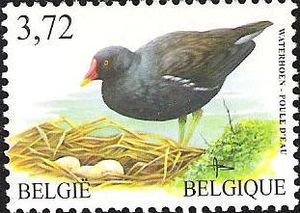
    Vanaf december 2012 tot de zomer van 2015 werd in het kader van een atlasproject de vogelstand in Nederland opnieuw in kaart gebracht. Het bleek helemaal niet zo goed te gaan met het waterhoen (Gallinula chloropus), een van de algemenere vogels van ons land en een soort die je zelfs in veel sloten en stadsvijvers aantreft. Veel tellers bleken desondanks opvallend veel moeite te hebben om waterhoentjes te vinden. Het waterhoen voedt zich met waterplanten, grassen, insecten en kikkervisjes.

    Gebuikte bronnen:
    Dierenblog, 29-12-13
    http://dieren.blog.nl/natuur-in-nederland/2013/12/29/minder-waterhoentjes-nederland
    Wikipedia
    https://nl.wikipedia.org/wiki/Waterhoen

  • Insecticiden roeien sprinkhanen en krekels uit

    Insecticiden roeien sprinkhanen en krekels uit

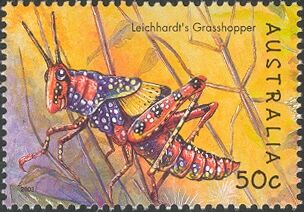
    Meer dan een kwart van de Europese sprinkhaan- en krekelsoorten worden met uitsterven bedreigd door onduurzame landbouw in Europa. Dit blijkt uit een nieuw rapport van de International Union for Conservation of Nature. Omdat krekels en sprinkhanen een belangrijke voedselbron zijn voor veel vogels en reptielsoorten, brengt hun achteruitgang hele ecosystemen in gevaar. Het is de eerste keer dat wetenschappers de status van alle 1.082 sprinkhaan- en krekelsoorten in Europa onder de loep nemen. Het onderzoek, waar meer dan 150 experts twee jaar lang aan werkten, laat zien dat ruim een kwart van deze soorten met uitsterven bedreigd wordt. Hiermee zijn het de meest bedreigde insectengroepen van Europa (tot dusver bekend). De grootste oorzaak van de achteruitgang is de intensivering van de landbouw. De insecten hebbem vooral te lijden onder het gebruik van pesticiden.

    Luc Bas, directeur van het Europese kantoor van IUCN, benadrukt het belang van de implementatie van de Europese natuurrichtlijnen. Onlangs bestempelde de Europese Commissie dit als prioriteit. “Dit zal absoluut bijdragen aan het verbeteren van de status van deze soorten in Europa”, aldus Bas.

    Ook adviseert het rapport een overkoepelend Europees programma op te richten om de populatietrends van deze soorten te kunnen monitoren.

    Gebruikte bronnen: IUCN en NPO1
    http://www.nporadio1.nl/natuur-milieu/3066-kwart-van-sprinkhanen-en-krekels-in-europa-bedreigd

  • Veel broedvogels van de toendra gaan achteruit

    Veel broedvogels van de toendra gaan achteruit

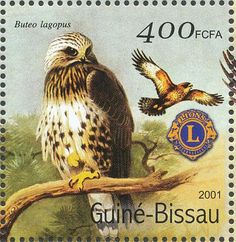
    Van de 263 onderzochte vogelsoorten die Nederland aandoen als doortrekker of wintergast zijn er 39 op de nieuwe ‘Rode Lijst’ van bedreigde vogels terecht gekomen en negen op de oranje lijst. De oranje lijst is een lijst van vogels die de afgelopen tien jaar constant in aantal zijn afgenomen en dus ook in de gevarenzone dreigen te komen. Van de wintergasten en doortrekkers die in ons land achteruit zijn gegaan, broeden er zo’n dertien op de toendra. Het gaat daarbij om soorten als kuifduiker (Podiceps auritus), paarse strandloper (Calidris maritima), steenloper (Arenaria interpres), maar ook roofvogels als ruigpootbuizerd (Buteo lagopus) en blauwe kiekendief (Circus cyaneus) en zangvogels waaronder strandleeuwerik (Eremophila alpestris) en frater (Linaria flavirostris; synoniem: Carduelis flavirostris) . Ook op Europees niveau gaat het slecht met deze soorten. Net als bij vogels die in Nederland broeden zijn de negatieve gevolgen van de intensieve landbouw ook bij de doortrekkers en overwinteraars zichtbaar. De veldleeuwerik (Alauda arvensis) is als doortrekker en wintergast met 50 tot 75 procent afgenomen. De ortolaan (Emberiza hortulana), een zangvogel van het kleinschalig cultuurlandschap, is als broedvogel in Nederland feitelijk uitgestorven. Als doortrekker gaat het dezelfde kant op. De achteruitgang ligt tussen de 75 en 100 procent. Het toont aan dat er op Europees niveau stevige maatregelen nodig zijn om de natuur in het boerenland weer een kans te geven. Met de zwarte stern (Chlidonias niger) en de visdief (Sterna hirundo) gaat het Europees gezien redelijk goed, toch staan deze soorten op de ‘Rode Lijst’ als doortrekker. Voorheen was het IJsselmeer zeker voor doortrekkende zwarte sterns een zeer belangrijk gebied. De natuurkwaliteit van het IJsselmeer is echter sterk achteruit gegaan, het is goed denkbaar dat dit de negatieve trend in ons land voor beide sternsoorten verklaart. Nederland kent al jaren een Rode Lijst van Bedreigde broedvogels, een officiële lijst die wordt vastgesteld door de minister of staatsecretaris. Om een scherp beeld te krijgen hoe het deze groep vogels vergaat, heeft Vogelbescherming aan Sovon Vogelonderzoek Nederland opdracht gegeven om ook een Rode Lijst van doortrekkers en wintergasten op te stellen. Dit is geen officiële lijst, maar Vogelbescherming zal er wel bij de overheid op aandringen de lijst een officiële status te geven.

    Het rapport is te downloaden via www.vogelbescherming.nl/rodelijst_nietbroedvogels

    Tekst: Vogelbescherming Nederland
    Bron: Nature Today, 18-02-17
    https://www.naturetoday.com/intl/nl/nature-reports/message/?msg=23276

  • Orcas of the Salish Sea on track to extinction

    Orcas of the Salish Sea on track to extinction

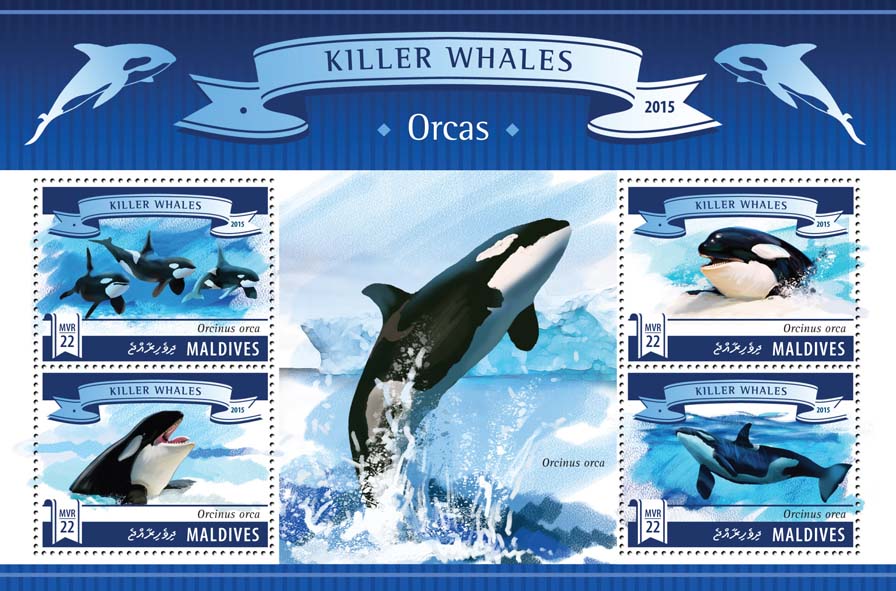
    As Minister for Fisheries and Oceans Dominic LeBlanc makes announcements on Canada’s West Coast this week, and with World Whale Day approaching (February 18), WWF-Canada calls upon the federal government to release its recovery plan for the Southern Resident Killer Whales (SRKWs). The action plan for their recovery under the Species At Risk Act (SARA) is long overdue, and unless strong protection measures are quickly implemented, it is unlikely this group will survive in the long-term. Also known as the orcas of the Salish Sea, seven have died since January 2016, bringing the population down to 78. David Miller, WWF-Canada president and CEO, said: “Southern Resident Killer Whales, along with the Northern Resident population, have been without a recovery plan for the 16 years since they were first found to be endangered. With seven deaths in a single year, these orcas are at a crossroads: Will measures be put in place to meaningfully reduce the threats they face, or will we let this iconic group of orcas disappear from our oceans forever?”

    The whales rely almost completely on Chinook salmon, which is in decline. Underwater noise, mostly from shipping. Acoustic disturbances mean orcas find it harder to communicate, forage for food and navigate. Contaminants from watershed pollution, which accumulates in orcas and can damage their health.

    Source: Montreal Gazette, 14 Feb 2017
    http://www.montrealgazette.com/business/cnw/release.html?rkey=20170214C1873&filter=5611

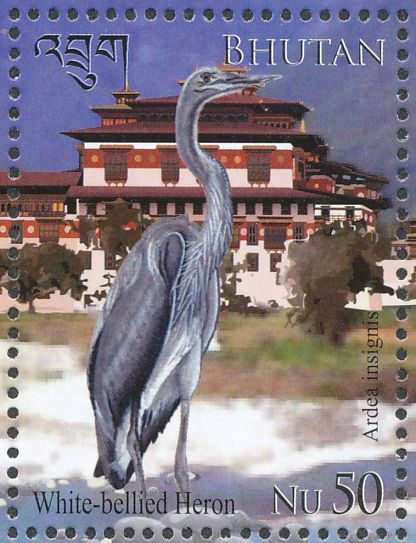
  • The survival of the White-bellied heron greatly depends on the existence of their wetland habitat

    The survival of the White-bellied heron greatly depends on the existence of their wetland habitat

    The mighty Brahmaputra and its tributaries serve as the winter visiting ground to many migratory birds. From the marshes of Kaziranga to the forests of Eaglenest in western Arunachal and further up to the alpine areas of Arunachal — one come across more than 750 species of birds that includes most of the winter visitors. Assam, along with the other six northeastern states, shares a common migration route for many of the avifauna that flies over Bhutan, Tibet, China, Myanmar and Bangladesh. The survival of the White-bellied heron (Ardea Insignis), one of the 50 rarest birds in the world that has an estimated global population of less than 250, greatly depends on the existence of their wetland habitat. These birds exist in very low numbers over a large area comprising Bhutan, Yunan in China, northern Myanmar and northeast India. Another rare bird, the black-necked crane breeds on the Tibetan Plateau and winters mainly in the lower altitudes of Quinghai, on the Yunnan-Guizhou Plateau, north-eastern Bhutan and Zemithang and Sangty Valley in West Kameng district of Arunachal Pradesh. It is the only high altitude crane amongst the 15 species found in the world.

    – See more at: https://www.assamtimes.org/node/18477#sthash.c1taQHg3.dpuf

  • Populations of farmland birds are in freefall, down a staggering 55% in the last three decades

    Populations of farmland birds are in freefall, down a staggering 55% in the last three decades

    Farmland covers 45% of the EU’s land area and these habitats are rocketing towards biodiversity oblivion. We cannot afford to mince our words here, the situation is very serious and requires both monitoring and action. The European Bird Census Council (EBCC), where many BirdLife partners play a key role, has been coordinating the collation of data on more than 160 common bird species across 28 European countries. The data collected is fundamental to understanding the future of European biodiversity – and the forecasts are alarming. Populations of farmland birds are in freefall, down a staggering 55% in the last three decades. We are now at the lowest point since records began and farmland birds are one of the most threatened bird groups in Europe. Countless scientific studies prove that this decline is largely due to agricultural intensification driven by the EU’s Common Agricultural Policy (CAP) and its current subsidies system. Natural nesting habitats are being systematically destroyed by the extensive removal of hedges, drainage of wetlands and the planting of previously uncultivated areas such as meadows and fallow fields. Agro-chemicals are also a major culprit: pesticides and herbicides kill insects and reduce seed production respectively, thereby reducing food for birds; organochlorine insecticides are causing reproductive failure; and fertilizers are making grasses grow too rapidly for grass-nesting species. The change from spring ploughing to late summer ploughing for cereals straight after harvest means that spilled grain – a fundamental food source in winter – has disappeared long before winter arrives. Earlier harvesting, earlier sowing dates, and early ripening varieties of grain – all this means that cultivation practices occur at the worst possible time, the breeding season. And to round it all off, the change from mixed farms – growing many varieties of crops – to fields upon fields of monocultures has had huge impacts on birds that need to feed on different crops, such as lapwings and skylarks.

    Tellingly, much of the variance in farmland bird declines across Member States can be explained solely by the differences in domestic grain yields. Does it not speak volumes that farmland birds in the non-EU states of Central and Eastern Europe, where agriculture practices became less intensive after the collapse of the Soviet Union, fared better; or that newer EU members have observed post-accession bird declines?

    Another revealing case is that of the Turtle Dove whose UK numbers have plummeted 95% since 1995. One might think that this long-distance flyer would face its biggest hurdles on the migration flyways back and forth from Africa but, actually, the research shows that the intensive farmland practices just described are impacting breeding populations in Northern Europe to the extent that extinction is a very real possibility.

    The CAP does include some ‘greening measures’ or Agri-Environmental Schemes (AES) designed to minimize the environmental damage caused by intensive farming by tying subsidies to certain ecological management requirements. While such schemes do appear to slightly moderate the decline of common farmland bird populations – namely those that spend all their life cycle in Europe – they nowhere near compensate for the negative impacts of agricultural intensification and do not reverse the downward population trends.

    Our agricultural policies and practices can and must do more to protect nature. In short, if we want to save Europe’s farmland birds, if we want to save European biodiversity, then the upcoming reform of the CAP is absolutely fundamental. So what’s it going to be – are we going to be smart about our shared future like a wise old Barn owl or are we going to stick our head in the sand like an Ostrich until the last Turtle Dove has vanished? Here’s a clue for you – Ostriches are not from Europe.

    Author: Iván Ramírez, Head of Conservation for BirdLife Europe & Central Asia
    http://www.birdlife.org/europe-and-central-asia/news/vanishing-europe%E2%80%99s-farmland-birds
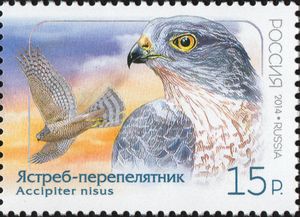
  • Sparrowhawks absent from gardens this winter

    Sparrowhawks absent from gardens this winter

    Sparrowhawks are most frequently seen in gardens during the autumn and winter months, a time when numbers are swelled with juveniles and when the smaller birds they prey on are flocking into gardens to feed. January 2016 saw the highest average counts of Sparrowhawk (Accipiter nisus) for the time of year but since summer 2016 numbers have been abnormally low, according to Garden BirdWatch. They were only seen in 8% of gardens in December, well below average and a 5% reduction on December 2015. Sparrowhawks are not always popular garden visitors, as they feed on other garden birds. Their population crashed in the 1950s and 1960s due to pesticide poisoning, but numbers have since recovered, and they are the bird of prey most commonly seen in gardens. Claire Boothby, Garden BirdWatch Development Officer at the British Trust for Ornithology said, “The surprise appearance of a Sparrowhawk is always a dramatic garden event and one that has been witnessed by fewer people than usual this winter. Sparrowhawks rely on the availability of prey, in their case particularly birds, to survive. We know that numbers of Great Tits and Blue Tits are down in gardens this year, following a poor breeding season and this may have had an effect on the number of Sparrowhawks seen in gardens.”
    Published by surfbirds on February 17, 2017 courtesy of BTO, surfbirds archive
    http://www.surfbirds.com/community-blogs/blog/2017/02/17/a-missing-predator-sparrowhawks-absent-from-gardens-this-winter/

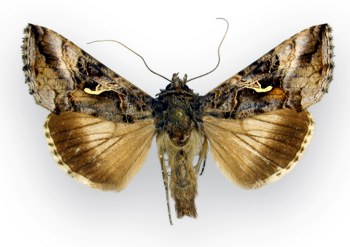
  • Silver Y abundance in the Netherlands has dropped by 56% in the course of the last 30 years

    Silver Y abundance in the Netherlands has dropped by 56% in the course of the last 30 years

    Although the silver Y still remains the most common moth of the Netherlands, the species is declining sharply. In the course of the last 30 years the abundance has dropped by 56%. This corresponds to the situation in Great Britain. As an abundant species, the silver Y plays various important roles in the ecosystem. First, moths pollinate nocturnal flowering plants. Second, larvae and adults of moths are important prey for insectivorous birds and bats, and this is particularly true for numerous species that are not too small, such as the silver Y. The adult moth for instance is one of the more important resources for the redbacked shrike (Lanius collurio), and the disappearance of this bird from the Dutch dunes has been associated with a reduction of prey availability, including the silver Y.
    Source: Willem N. Ellis (2016) Entomologische Berichten 76 (1): 21-27

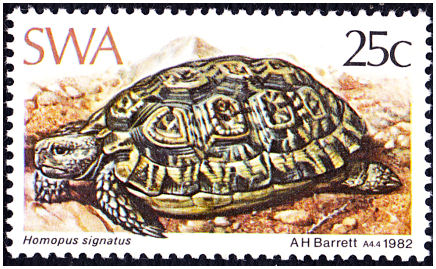
  • Massive decline in a population of speckled tortoises

    Massive decline in a population of speckled tortoises

    The speckled tortoise (Homopus signatus) is a long-lived, iteroparous species in South Africa that is thought to be secure in areas that meet the species’ known requirements. To verify its stability, I monitored a dense speckled tortoise population, integrating 2 mark-recapture studies (2000–2004 and 2012–2015) in long-term joint live and dead encounters and POPAN population models. From 2000 to 2015, the study site remained fenced, ungrazed, and was not modified in any way, yet the size-class frequency distribution, sex ratio, and abundance of speckled tortoises drastically changed. Population numbers decreased 66%, mainly because of the disappearance of juveniles and males. Modeling results identified a reduction in the number of entrants into the population (via births and immigration) as the likely cause of population changes, whereas apparent survival remained high.
    Source: Loehr, V. J. T. (2017), Unexpected decline in a population of speckled tortoises. Jour. Wild. Mgmt.. doi:10.1002/jwmg.21217
    http://onlinelibrary.wiley.com/doi/10.1002/jwmg.21217/full