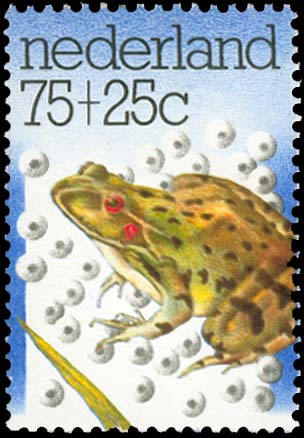
Amfibie: Algemeen

  • Where are all the Western Toads?

    Where are all the Western Toads?

    Thea Venckus from Nicasio sent in this week’s Ask the Naturalist question: Hi, I have lived on a ranch in Nicasio, for 13 years now. We used to have a multitude of western toads (Anaxyrus boreas) but I no longer see them. We still have abundant Pacific tree frogs, and bullfrogs in our deep pond. I was wondering what happened to all the toads?

    Thea Venckus from Nicasio sent in this week’s Ask the Naturalist question: Hi, I have lived on a ranch in Nicasio, for 13 years now. We used to have a multitude of western toads (Anaxyrus boreas) but I no longer see them. We still have abundant Pacific tree frogs, and bullfrogs in our deep pond. I was wondering what happened to all the toads?

    The loss of Western toads in Nicasio could reflect the nationwide trend of declining amphibian populations. Earlier this year the U.S. Geological Survey’s Amphibian Research and Monitoring Initiative released the first estimate of how fast we are losing amphibians (frogs, toads and salamanders) across the country. The study found there was a 3.7 percent average annual rate of decline for all populations of amphibians monitored, while species listed on the IUCN Red list are experiencing an average 11.6 percent decline. While these numbers seem slight, small declines build up dramatically over time. “The Western toad was once a very common site in the Bay Area but their populations are now in steady decline,” said Michael Starkey, Save the Frogs ecologist and advisory committee chair. “The common Pacific chorus frog and non-native American bullfrog are resilient species and can thrive almost anywhere in California.”

    Gary Fellers, a USGS researcher emeritus based in Point Reyes, cites two possible reasons— amphibian chytrid fungus and increased exposure to pesticide.

    In his research, Fellers has studied the impact of pesticides on amphibians in the Sierra Nevada and suggests they have contributed to population decline. While pesticide concentrations are lower in Marin county than in the Central Valley or downwind areas such as the Sierra foothills, local pesticides may have contributed to the loss of toad populations.

    The chytrid fungus (Batrachochytrium dendrobatidis) is one of the most significant global threats to amphibian populations. Amphibians “drink” water and absorb important electrolytes like sodium and potassium through their skin. With chytridiomycosis the skin becomes very thick, resulting in abnormal electrolyte levels that often prove deadly.

    In a 2005-2007 study, the chytrid fungus was present in some toad populations in Point Reyes, but that doesn’t necessarily mean the toads are declining because of the fungus. McKissock, said that Western toads may or may not be killed by the fungus even when exposed though.
    Source: Bay Nature, December 12, 2013
    http://baynature.org/2013/12/12/where-are-all-the-western-toads/

  • Wildlife Ecotoxicology of Pesticides: Can We Track Effects to the Population Level and Beyond?

    Wildlife Ecotoxicology of Pesticides: Can We Track Effects to the Population Level and Beyond?

    During the past 50 years, the human population has more than doubled and global Agricultural production has similarly risen. However, the productive arable area has increased by just 10%; thus the increased use of pesticides has been a consequence of the demands of human population growth, and its impact has reached global significance. Although we often know a pesticide´s mode of action in the target species, we still largely do not understand the full impact of unintended side effects on wildlife, particularly at higher levels of biological organization: populations,
    communities, and ecosystems. In these times of regional and global species declines, we are challenged with the task of causally linking knowledge about the molecular actions of pesticides to their possible interference with biological processes, in order to develop reliable predictions about the consequences of pesticide use, and misuse, in a rapidly changing world.

    During the past 50 years, the human population has more than doubled and global Agricultural production has similarly risen. However, the productive arable area has increased by just 10%; thus the increased use of pesticides has been a consequence of the demands of human population growth, and its impact has reached global significance. Although we often know a pesticide´s mode of action in the target species, we still largely do not understand the full impact of unintended side effects on wildlife, particularly at higher levels of biological organization: populations,
    communities, and ecosystems. In these times of regional and global species declines, we are challenged with the task of causally linking knowledge about the molecular actions of pesticides to their possible interference with biological processes, in order to develop reliable predictions about the consequences of pesticide use, and misuse, in a rapidly changing world.

    Source:
    Heinz-R. Köhler and Rita Triebskorn. SCIENCE VOL 341 16 AUGUST 2013, pp. 759-765

  • Henk Tennekes urges Canada’s Pest Management Regulatory Agency to conduct a comprehensive review of the environmental impact of neonicotinoid insecticides

    Henk Tennekes urges Canada’s Pest Management Regulatory Agency to conduct a comprehensive review of the environmental impact of neonicotinoid insecticides

    I understand that Canada’s Pest Management Regulatory Agency recently announced that it “has determined that current agricultural practices related to the use of neonicotinoid-treated corn and soybean seed are affecting the environment due to impacts on bees and other pollinators” (based on findings in Ontario and Quebec). They are applied as seed dressings on wheat and canola on the prairies, and that PMRA is providing an opportunity for public comment. I would like to urge PMRA to conduct a serious, more comprehensive review of the environmental impact of neonicotinoid insecticides. My reasoning is as follows. Insects are quietly but rapidly disappearing. The great American biologist, E O Wilson, said insects were world-rulers, because they play a central role in maintaining ecosystems and the whole web of life. The recent alarms in Europe and America about the fate of the honey bee – colonies have been crashing in increasing numbers – have started to open people’s eyes to insects’ importance in a more general way. But it is only the beginning of an understanding, and much more is needed if we are to take the action necessary to preserve our populations of insects and other invertebrates, the creatures without backbones which make up the majority of animal life, including snails, worms and spiders (spiders being arachnids, not insects).

    I understand that Canada’s Pest Management Regulatory Agency recently announced that it “has determined that current agricultural practices related to the use of neonicotinoid-treated corn and soybean seed are affecting the environment due to impacts on bees and other pollinators” (based on findings in Ontario and Quebec). They are applied as seed dressings on wheat and canola on the prairies, and that PMRA is providing an opportunity for public comment. I would like to urge PMRA to conduct a serious, more comprehensive review of the environmental impact of neonicotinoid insecticides. My reasoning is as follows. Insects are quietly but rapidly disappearing. The great American biologist, E O Wilson, said insects were world-rulers, because they play a central role in maintaining ecosystems and the whole web of life. The recent alarms in Europe and America about the fate of the honey bee – colonies have been crashing in increasing numbers – have started to open people’s eyes to insects’ importance in a more general way. But it is only the beginning of an understanding, and much more is needed if we are to take the action necessary to preserve our populations of insects and other invertebrates, the creatures without backbones which make up the majority of animal life, including snails, worms and spiders (spiders being arachnids, not insects).

    Chemicals have become a weapon in man’s arsenal against crop-destroying insects and weeds. Fifty million tons of toxins are applied annually to soil and crops in America alone. What these poisons are doing to the entire web of life—and to personal health—began to be known some 40 to 50 years ago. Fifty years ago the scientist Rachel Carson issued a warning, in her epic book Silent Spring, about the dangers of pesticides to birds, insect life, wildlife, the soil, the environment and human health. If we continued to spray a rain of poison indiscriminately over our farms, our wildlife and our environment, she warned, we will end up with a poisoned world in which birds no longer sing. Rachel Carson is considered to be the founder of the environment movement.

    She drew attention, for the first time, to the fact that pesticides can degrade the soil, contaminate waterways, kill harmless and beneficial insects and wildlife, and disrupt our eco-systems. She was the first person, too, to warn of the dangers of systemic pesticides that permeate all the tissues of a plant and make them poisonous. The world of systemic insecticides, she warned, is a weird world surpassing the imaginings of the brothers Grimm—it is a world where the enchanted forest of the fairly tales becomes a poisonous forest in which an insect that chews a leaf or sucks the sap of a plant is doomed.’ When her book was published, chemical companies launched a vicious, personal attack on her and ridiculed her claims, and as a result, her warnings were largely ignored, and more and more powerful sprays are being used around the world. Today 5 billion pounds of pesticide are poured onto the planet every year, and it’s almost impossible to find any place on earth where pesticide residues are not detectable. And almost every human being on earth is subject to contact with chemicals from the moment of conception until their death. And now, today, as you read these words, we are in the middle of that forecasted disaster—and are witnesses of an ever-expanding crisis!

    I mention all this to provide some historical context for the debate that is raging today about the safety of another class of pesticides called Neonicotinoids, and their effect on honeybees and other pollinators and beneficial insects. Neonicotinoids came onto the market in the early nineties, and quickly became the most widely used insecticide in the world. Over the past couple of years 150 scientific studies on the effects of neonicotinoids on bees have been published, and many of these confirm that they are extremely toxic to bees, even in tiny sub lethal doses, and have other harmful effects on bee colonies, including losses in the number of queens, a significant increase in the number of bees that fail to return from food foraging trips, and impairment of their memory, grooming behaviour and ability to navigate.

    I am the author of a book entitled ‘the Systemic Insecticides, a Disaster in the Making,’ in which I argue that so many insects that are vital to our survival are being wiped out as a result of the extensive soil and water contamination by neonicotinoid pesticides that we are witnessing ‘an ecological collapse before our eyes.’ I point out that most bird and insect species are already struggling to survive, and have declined by around 65-70% in the past half century, in some countries. Further declines in insects and birds as a result of our continuing widespread use of neonicotinoid pesticides, will create an ecological disaster, I predict. Graham White, an environmental author who keeps bees in Scotland, shares my concern. “We are witnessing an ecological collapse in all the wildlife that used to live in fields, hedgerows, ponds and streams. All the common species we knew as children are being wiped out from the face of the countryside. Canadian wildlife biologist Neil Dawe says he wouldn’t be surprised if the generation after him witnesses the extinction of humanity. All around him, even in a place as beautiful as the Little Qualicum River estuary, his office for 30 years as a biologist for the Canadian Wildlife Service, he sees the unravelling of “the web of life.” “It’s a veritable desert here.” The loss to the food web is a loss to the web of life, he says, and people are a huge part of that web.

    A central question confronting scientists investigating the causes of bee decline is the impact of the low concentrations of neonics now widespread in the environment that honey bees are likely to encounter. A new review paper by Francisco Sanchez-Bayo and myself in the journal Toxicology (Volume 309, July 5, 2013, pages 39–51, attached) suggests that very low concentrations of neonics can have devastating effects on bees and—here’s the most important part—that conventional risk assessment approaches can miss or underestimate those effects.

    According to the paper, neonics are in a group of chemicals, called time-dependent chemicals, whose toxic effects build up during long exposure times. The paper suggests that time-dependent phenomena occur when an insecticide binds very tightly or irreversibly to critical receptors in the target organism. Given a long enough exposure, even very low levels of time-dependent chemicals can kill. Standard toxicity tests, which focus on the concentration of toxins for relatively short time periods, do not pick up time-dependent effects because they fail to expose target organisms to very low concentrations of a toxin over long enough periods of time.

    We use imidacloprid as a test case to demonstrate how standard risk assessment protocols can miss the harmful effects low levels of the chemicals can have on honey bees. The paper assessed the impact of imidacloprid on honey bees by determining the time it took for 50 percent of the bees to die (t50) when exposed for varying time intervals to low doses of the chemical. It then related the exposure data to the pesticide concentrations typically found as plant residues under field conditions and calculated that 50 percent of worker bees would die within seven to ten days if they fed on a such a field. By contrast, we assert that standard risk assessments suggest field concentrations of imidacloprid pose no risks at all to honey bees. We propose a new risk assessment protocol based on t50s to evaluate the effects of time-dependent chemicals and recommend that going forward regulatory agencies employ such protocols to assess the harmful effects of neonics. Regulators should consider these recommendations. Pollinators are too important to agriculture and other ecosystems, and neonics too widely used, for regulators to be ignorant of the threats low levels of these pesticides pose.

    I summarize my deep concerns: “The article reviews a paradigm shift in the science of toxicology. The dose : response characteristics of neonicotinoid insecticides turn out to be identical to those of genotoxic carcinogens, which are the most dangerous substances we know. Such poisons can have detrimental effects at any concentration level. Current pesticide risk assessment procedures are flawed and have failed to protect the environment. Traditional approaches that consider toxic effects at fixed exposure times are unable to allow extrapolation from measured endpoints to effects that may occur at other times of exposure. Time-to-effect approaches that provide information on the doses and exposure times needed to produce toxic effects on tested organisms are required for prediction of toxic effects for any combination of concentration and time in the environment.”

    Katherine E. Gibbs et al. ( Diversity and Distributions (2009) 15: 242–253) statistically compared areas in Canada where imperiled species currently occur, versus areas where they have been lost. Using multiple regressions, they related the numbers of species that had suffered range reductions in an ecoregion to variables that represent present habitat loss, pesticide use and human population density. They found high losses of imperiled species in regions with high proportions of agricultural land cover. However, losses of imperiled species were significantly more strongly related to the proportion of the region treated with agricultural pesticides. The relationship between species losses and area treated with pesticides remained significant after controlling for area in agriculture. Their results are consistent with the hypothesis that agricultural pesticide use has contributed significantly to the decline of imperiled species in Canada. Habitat conversion per se may be a less important cause of species declines than how that converted habitat is used.

    Many groups of organisms found in agricultural areas are experiencing catastrophic declines, including: birds (e.g., Nebel, S. et al. 2010. Declines of aerial insectivores in North America follow a geographic gradient. Avian Conserv. Ecol. 5(2): 1. [online]); bats (e.g., Wickramasinghe, L.P. et al. 2004. Abundance and species richness of nocturnal insects on organic and conventional farms: effects of agricultural intensification on bat foraging. Conserv. Biol. 18: 1283–1292); amphibians (e.g., Blaustein, A.R. 2011. The complexity of amphibian population declines: understanding the role of cofactors in driving amphibian losses. Ann. N. Y. Acad. Sci. 1223: 108-119); bumblebees (e.g., Cameron, S.A. et al. 2011. Patterns of widespread decline in North American bumble bees. Proc. Nat. Acad. Sci. 108(2): 662-667); butterflies (e.g., Van Dyck, H. et al. 2009. Declines in common, widespread butterflies in a landscape under intense human use. Conserv. Biol. 23(4): 957-965); moths (e.g., Conrad, K.F. et al. 2006. Rapid declines of common, widespread British moths provide evidence of an insect biodiversity crisis. Biol. Conserv. 132(3): 271-291); and carabid beetles (Brooks, D. R. et al. 2012. Large carabid beetle declines in a United Kingdom monitoring network increases evidence for a widespread loss in insect biodiversity. J. Appl. Ecol. 49(5): 1009-1019). Exposure to neonicotinoid insecticides is likely to be contributing to these declines, and exposure to these chemicals may be interacting with other negative pressures on biodiversity in agricultural areas.

    A huge proportion of Canada’s bird species are in serious decline. Overall, there’s been a 12 per cent drop in bird populations since 1970, says the 36-page report, entitled The State of Canada’s Birds 2012. Forty-four per cent of Canada’s 460-plus species have fallen in number, 66 of them so dramatically they are considered endangered. At the top of the list of most endangered birds is the spotted owl Strix occidentalis, whose numbers have dropped to a mere “handful”, and the great sage grouse Centrocercus urophasianus, with fewer than 100 males, down from thousands 20 years ago. Populations of grassland birds, such as meadowlarks and bobolinks Dolichonyx oryzivorus, have fallen by 45 per cent since 1970; some species that thrive in the long grasses of the Prairies or the farms of Eastern Canada are vulnerable, with numbers that have dropped by 90 per cent. Birds known as aerial insectivores — basically such species as barn swallows Hirundo rustica, chimney swifts Chaetura pelagica and flycatchers that snatch insects on the wing — are still relatively common, but have seen an overall descent in numbers of 64 per cent. I suggest that neonicotinoid insecticides are contributing to these declines.

    Yours sincerely

    Dr. H. A. (Henk) Tennekes
    Consultant in Toxicology
    Experimental Toxicology Services (ETS) Nederland BV
    Frankensteeg 4
    7201KN Zutphen, The Netherlands
    www.toxicology.nl
    www.disasterinthemaking.com
    www.farmlandbirds.net
    Tel. +31 575545500

  • Three leading Australian environmental scientists have called for a substantial change to the way the world responds to wildlife that is going extinct

    Three leading Australian environmental scientists have called for a substantial change to the way the world responds to wildlife that is going extinct

    In a paper provocatively entitled “Counting the books while the library burns”, the researchers produce evidence that many wildlife programs round the world are monitoring species to the point of extinction – often without taking the necessary action to save them. Professor David Lindenmayer and Dr Maxine Piggott of the ARC Centre of Excellence for Environmental Decisions (CEED) and the Australian National University, and Assoc. Professor Brendan Wintle of CEED and the University of Melbourne warn in the journal Frontiers of Ecology that some conservation programs are standing by and watching species die out. Their work, funded through Australia’s National Environmental Research program (NERP), highlights the growing challenge of saving almost 20,000 endangered animals, birds and reptiles from extinction – and proposes a new action plan. “Of the 63,837 species assessed worldwide using the International Union for Conservation of Nature (IUCN) Red List criteria, 865 are extinct or extinct in the wild and 19,817 are listed as critically endangered, endangered, or vulnerable to extinction,” the researchers say. “Since the start of the 21st century alone, at least 10 species of vertebrates are known to have gone extinct, although this is likely to be a substantial underestimate.”

    In a paper provocatively entitled “Counting the books while the library burns”, the researchers produce evidence that many wildlife programs round the world are monitoring species to the point of extinction – often without taking the necessary action to save them. Professor David Lindenmayer and Dr Maxine Piggott of the ARC Centre of Excellence for Environmental Decisions (CEED) and the Australian National University, and Assoc. Professor Brendan Wintle of CEED and the University of Melbourne warn in the journal Frontiers of Ecology that some conservation programs are standing by and watching species die out. Their work, funded through Australia’s National Environmental Research program (NERP), highlights the growing challenge of saving almost 20,000 endangered animals, birds and reptiles from extinction – and proposes a new action plan. “Of the 63,837 species assessed worldwide using the International Union for Conservation of Nature (IUCN) Red List criteria, 865 are extinct or extinct in the wild and 19,817 are listed as critically endangered, endangered, or vulnerable to extinction,” the researchers say. “Since the start of the 21st century alone, at least 10 species of vertebrates are known to have gone extinct, although this is likely to be a substantial underestimate.”

    Prof. Lindenmayer says that monitoring is vital to effective conservation, to understand the ecology as well as the numbers of a species – but monitoring alone is not enough, especially if it shows the species is in decline.

    The team’s study cites 34 cases – mainly mammals and amphibians – from all around the world where the species became locally or totally extinct while it was being monitored. Examples include the Channel Island Fox, the Vancouver Island Marmot, the West African Black Rhino and the Christmas Island Pipistrelle bat.

    They also used the case of Booderee National Park, in NSW, where the greater glider – which was originally quite common, underwent a disastrous decline and disappeared totally in 2007. This followed the local extinction of the yellow-bellied glider in the same park in the 1980s.

    “The original monitoring plan for Booderee did not include trigger points for action – maybe because of lack or resources or uncertainty over why these animals were becoming extinct. But on the basis of this experience we feel it is possible to include triggers in many future conservation monitoring programs,” Prof. Lindenmayer says.

    The team is now recommending a new approach be adopted globally:

    • All conservation monitoring programs should contain well-defined trigger points for pre-planned action

    • Management intervention should occur when it becomes clear that a monitored species is in decline

    • Conservation science should document and learn from cases where there was a failure to save a species.

    “We have drawn attention to some cases where a species was monitored passively until it suffered local, regional, or global extinction due to the absence of a pre-planned intervention program,” the team say.

    “This is not meant as a criticism of ecological or conservation monitoring, since these are critical for understanding the ecology of a species, determining its threat status, and evaluating conservation options. However, our analysis indicates that many existing conservation monitoring programs are not as effective as they could be at collecting information and prompting relevant actions.”

    In future, they recommend, all monitoring programs should be designed to trigger specific management action designed to save the species at risk.

    The Environmental Decisions Hub is funded by the Australian Government’s National Environmental Research Program (NERP). The Hub’s research aims to assist Australian governments in their environmental management and decision making.

    Source: Science Alert, 26 November 2013
    http://www.sciencealert.com.au/news/20132611-25042.html

  • Kröten und Fröschen in Berlin vom Aussterben bedroht

    Kröten und Fröschen in Berlin vom Aussterben bedroht

    Sie knattern, pfeifen, quaken: Das Balzritual von Kröten und Fröschen ist eigentlich kaum zu überhören. Doch Forscher registrieren es in Berlin immer seltener: Viele Amphibienarten seien in ihrer Existenz bedroht, warnt der Biologe Rolf Schneider. “Die Entwicklung der vergangenen zehn Jahre ist schrecklich”, sagt der Wissenschaftler der HU Berlin. Wie zuletzt eine Arbeit an seinem Institut ergab, ist etwa die streng geschützte Kreuzkröte im Norden Berlins ausgestorben. Wenig anders wird es der Wechselkröte ergehen, befürchtet Schneider. In Deutschland leben nach Angaben des Bundes für Umwelt und Naturschutz (BUND) 21 der rund 6000 weltweit bekannten Amphibienarten – rund die Hälfte davon gilt als bedroht. “Problematisch ist es für Amphibien vor allem dort, wo Landwirte unser Essen anbauen”, sagt Artenschutzexperte Julian Heiermann vom Naturschutzbund (Nabu). Pestizide machen Insekten den Garaus, die auf dem Speiseplan der Kröten stehen. “Zudem reagiert auch die Haut der Amphibien auf Chemikalien sehr empfindlich.” Überdüngung wiederum zerstört den natürlichen Lebensraum der Kröten: Nitrat lässt Tümpel umkippen. Es gerate vor allem dort ins Wasser, wo intensive Landwirtschaft und Gewässer dicht beieinander liegen, wie in der Uckermark, sagt Heiermann.

    Sie knattern, pfeifen, quaken: Das Balzritual von Kröten und Fröschen ist eigentlich kaum zu überhören. Doch Forscher registrieren es in Berlin immer seltener: Viele Amphibienarten seien in ihrer Existenz bedroht, warnt der Biologe Rolf Schneider. “Die Entwicklung der vergangenen zehn Jahre ist schrecklich”, sagt der Wissenschaftler der HU Berlin. Wie zuletzt eine Arbeit an seinem Institut ergab, ist etwa die streng geschützte Kreuzkröte im Norden Berlins ausgestorben. Wenig anders wird es der Wechselkröte ergehen, befürchtet Schneider. In Deutschland leben nach Angaben des Bundes für Umwelt und Naturschutz (BUND) 21 der rund 6000 weltweit bekannten Amphibienarten – rund die Hälfte davon gilt als bedroht. “Problematisch ist es für Amphibien vor allem dort, wo Landwirte unser Essen anbauen”, sagt Artenschutzexperte Julian Heiermann vom Naturschutzbund (Nabu). Pestizide machen Insekten den Garaus, die auf dem Speiseplan der Kröten stehen. “Zudem reagiert auch die Haut der Amphibien auf Chemikalien sehr empfindlich.” Überdüngung wiederum zerstört den natürlichen Lebensraum der Kröten: Nitrat lässt Tümpel umkippen. Es gerate vor allem dort ins Wasser, wo intensive Landwirtschaft und Gewässer dicht beieinander liegen, wie in der Uckermark, sagt Heiermann.

    Quelle: Märkische Zeitung, 22.11.2013
    http://www.moz.de/artikel-ansicht/dg/0/1/1212996

  • The last croak for Darwin’s frog – Deadly amphibian disease chytridiomycosis has caused the extinction of Darwin’s frogs

    The last croak for Darwin’s frog – Deadly amphibian disease chytridiomycosis has caused the extinction of Darwin’s frogs

    Deadly amphibian disease chytridiomycosis has caused the extinction of Darwin’s frogs, believe scientists from the Zoological Society of London (ZSL) and Universidad Andrés Bello (UNAB), Chile. Although habitat disturbance is recognised as the main threat to the two existing species of Darwin’s frogs (the northern Rhinoderma rufum endemic to Chile, and the southern Rhinoderma darwinii from Chile and Argentina), this cannot account for the plummeting population and disappearance from most of their habitat. Conservation scientists found evidence of amphibian chytridiomycosis causing mortality in wild Darwin’s frogs and linked this with both the population decline of the southern Darwin’s frog, including from undisturbed ecosystems and the presumable extinction of the Northern Darwin’s frog. The findings are published today (20th Nov) in the journal PLOS ONE. Professor Andrew Cunningham, from ZSL’s Institute of Zoology says: “Only a few examples of the “extinction by infection” phenomenon exist. Although not entirely conclusive, the possibility of chytridiomycosis being associated with the extinction of the northern Darwin’s frog gains further support with this study.”

    Deadly amphibian disease chytridiomycosis has caused the extinction of Darwin’s frogs, believe scientists from the Zoological Society of London (ZSL) and Universidad Andrés Bello (UNAB), Chile. Although habitat disturbance is recognised as the main threat to the two existing species of Darwin’s frogs (the northern Rhinoderma rufum endemic to Chile, and the southern Rhinoderma darwinii from Chile and Argentina), this cannot account for the plummeting population and disappearance from most of their habitat. Conservation scientists found evidence of amphibian chytridiomycosis causing mortality in wild Darwin’s frogs and linked this with both the population decline of the southern Darwin’s frog, including from undisturbed ecosystems and the presumable extinction of the Northern Darwin’s frog. The findings are published today (20th Nov) in the journal PLOS ONE. Professor Andrew Cunningham, from ZSL’s Institute of Zoology says: “Only a few examples of the “extinction by infection” phenomenon exist. Although not entirely conclusive, the possibility of chytridiomycosis being associated with the extinction of the northern Darwin’s frog gains further support with this study.”

    Hundreds of specimens of Darwin’s frogs and other amphibians from similar habitats collected between 1835 and 1989 were tested in order to find DNA pieces of Batrachochytrium dendrobatidis (Bd), a fungus that causes the disease chytridiomycosis. In addition, 26 populations of Darwin’s frogs were surveyed in Chile and Argentina between 2008 and 2012 for the presence of Bd.

    Darwin’s frogs were named after Charles Darwin who first discovered R. darwinii in 1834 in south Chile during his famous voyage around the globe. The species have a distinct appearance, having evolved to look like a leaf, with a pointy nose. Research leader Dr. Claudio Soto-Azat, from UNAB and former ZSL PhD student says: “Amphibians have inhabited the earth for 365 million years, far longer than mammals. We may have already lost one species, the Northern Darwin’s frog, but we cannot risk losing the other one. There is still time to protect this incredible species,” Dr Soto-Azat added.

    Amphibians provide an important ecosystem service by maintaining balance in the environment. Without them insect plagues and their subsequent effect on agriculture and public health would be more frequent. ZSL scientists are working to further understand the reasons behind the extinction of Darwin’s frogs, and ensure the long-term survival of the species.

    Source: Zoological Society of London
    Published: Thursday, November 21, 2013 – in Biology & Nature
    http://esciencenews.com/articles/2013/11/21/the.last.croak.darwins.frog

  • The steep decline of insectivores in Ontario is telling us they’re running out of insect food

    The steep decline of insectivores in Ontario is telling us they’re running out of insect food

    Birds that eat flying insects are in a shocking and mysterious decline, says the co-editor of the new Atlas of Breeding Birds in Ontario. “It is an alarm bell,” Gregor Beck, a wildlife biologist and the book’s co-editor, said. The atlas, created after five years of research and employing 1.2 million individual bird records from Pelee Island to Hudson Bay, found most of the birds that eat flying insects declined 30 to 50 per cent in the last 20 years. The birds include some swallows, the common nighthawk (Chordeiles minor), the whip-poor-will (Caprimulgus vociferus) and the chimney swift (Chaetura pelagica). The decline was the biggest shock that came from the research, Beck said. We need to be very concerned, he said. Other insectivores are in steep decline as well. Reptile populations have declined drastically in Ontario over the past century. The Ontario Endangered Species Act, 2007 considers 18 of the province’s 24 reptile species (75%!) to be at risk. Fewer amphibian species are considered to be at risk, although amphibian populations are declining in parts of the province. Three species – timber rattlesnake, spring salamander and tiger salamander – have been extirpated.

    Birds that eat flying insects are in a shocking and mysterious decline, says the co-editor of the new Atlas of Breeding Birds in Ontario. “It is an alarm bell,” Gregor Beck, a wildlife biologist and the book’s co-editor, said. The atlas, created after five years of research and employing 1.2 million individual bird records from Pelee Island to Hudson Bay, found most of the birds that eat flying insects declined 30 to 50 per cent in the last 20 years. The birds include some swallows, the common nighthawk (Chordeiles minor), the whip-poor-will (Caprimulgus vociferus) and the chimney swift (Chaetura pelagica). The decline was the biggest shock that came from the research, Beck said. We need to be very concerned, he said. Other insectivores are in steep decline as well. Reptile populations have declined drastically in Ontario over the past century. The Ontario Endangered Species Act, 2007 considers 18 of the province’s 24 reptile species (75%!) to be at risk. Fewer amphibian species are considered to be at risk, although amphibian populations are declining in parts of the province. Three species – timber rattlesnake, spring salamander and tiger salamander – have been extirpated.

    Sources:
    Canada.com, March 7, 2008
    http://www.canada.com/windsorstar/news/story.html?id=d22b16fd-97dd-4b04-9dc8-537935877676&k=62386
    Ontario Nature
    http://www.ontarionature.org/protect/species/threats_to_reptiles_and_amphibians.php

  • Mesomycetozoean parasites threaten amphibian and freshwater fish populations

    Mesomycetozoean parasites threaten amphibian and freshwater fish populations

    A new paper is calling for more attention to be paid to poorly-known micro-organisms capable of killing off amphibians and fishes. Chytridiomycosis, caused by the amphibian chytrid fungus, affects the skin of amphibians, is capable of killing rapidly, and is responsible for population declines and extinctions in amphibians globally. Not surprisingly, it is the most well-studied disease in amphibians. But it’s not the only fungal or ‘fungal-like’ disease out there. One particular group of fungal-like parasites called mesomycetozoeans (what is it with fungi and difficult to pronounce names!?) are very poorly-studied parasites capable of causing high mortality rates in fish and amphibian populations. Mesomycetozoeans are microscopic, but can cause visible lesions on skin, muscle or internal organs in amphibians and freshwater fishes, and these infections can kill. Although we don’t know much about them, several aspects of the biology of mesomycetozoeans are particularly worrying. They are highly virulent (deadly!) under certain conditions, aren’t at all fussy about which species they infect (even jumping from fish to frog, for example), and have a free-living infectious stage. Together, these characteristics make them possible candidates for causing the extinction of their host species, just like the better-known amphbian chytrid fungus.

    A new paper is calling for more attention to be paid to poorly-known micro-organisms capable of killing off amphibians and fishes. Chytridiomycosis, caused by the amphibian chytrid fungus, affects the skin of amphibians, is capable of killing rapidly, and is responsible for population declines and extinctions in amphibians globally. Not surprisingly, it is the most well-studied disease in amphibians. But it’s not the only fungal or ‘fungal-like’ disease out there. One particular group of fungal-like parasites called mesomycetozoeans (what is it with fungi and difficult to pronounce names!?) are very poorly-studied parasites capable of causing high mortality rates in fish and amphibian populations. Mesomycetozoeans are microscopic, but can cause visible lesions on skin, muscle or internal organs in amphibians and freshwater fishes, and these infections can kill. Although we don’t know much about them, several aspects of the biology of mesomycetozoeans are particularly worrying. They are highly virulent (deadly!) under certain conditions, aren’t at all fussy about which species they infect (even jumping from fish to frog, for example), and have a free-living infectious stage. Together, these characteristics make them possible candidates for causing the extinction of their host species, just like the better-known amphbian chytrid fungus.

    Like many parasites, mesomycetozoeans are also currently being introduced into new environments and new species via the global wildlife trade. Internationally-travelling fish are generally not rigorously checked for parasites- particularly such small and poorly-known ones- and are often released into the wild. That cool new species of freshwater fish imported into the country for your aquarium may be carrying some killer hitch-hikers. Mesomycetozoeans have already been linked to dramatic population declines in at least one European fish species, the sunbleak (Leucaspius delineatus), and there are indications that they are already impacting amphibian populations in America and Europe. Global climate change and habitat modification is likely to make things even worse for freshwater fish and amphibians. There is an urgent need to survey for mesomycetozoean parasites in the field and in specimens transported in the aquatic wildlife trade. Tighter control of the aquatic wildlife trade is also needed to prevent or reduce the global spread of wildlife disease. Given the state of amphibians globally (an incredible one-third of all species threatened with extinction), amphibians don’t need more diseases to deal with!

    More information: Rowley, J.J.L., Gleason, F.H., Andreou, D., Marshall, W., Lilje, O. & Goslan, R. (2013). Impacts of mesomycetozoean parasites on amphibian and freshwater fish populations. Fungal Biology Reviews, http://dx.doi.org/10.1016/j.fbr.2013.09.002
    This research was a collaboration between the Australian Museum Research Institute, University of Sydney, James Cook University, Bournemouth University, the Centre for Aquatic Health Sciences (Campbell River) and the Museum National d’Histoire Naturelle –

    See more at: http://australianmuseum.net.au/BlogPost/Science/Poorly-known-parasites-threaten-freshwater-biodiversity#sthash.tZHxSrI4.dpuf

    – See more at: http://australianmuseum.net.au/BlogPost/Science/Poorly-known-parasites-threaten-freshwater-biodiversity#sthash.tZHxSrI4.dpuf

  • Early-life exposure to the herbicide atrazine makes frogs more susceptible to death from chytrid fungal disease

    Early-life exposure to the herbicide atrazine makes frogs more susceptible to death from chytrid fungal disease

    Early-life exposure to the herbicide atrazine makes frogs more susceptible to death from chytrid (Batrachochytrium dendrobatidis), a fungal disease implicated in amphibian declines across the globe. The research, Early-life exposure to a herbicide has enduring effects on pathogen-induced mortality, published in the Proceedings of the Royal Society B and led by University of South Florida (USF) biologist Jason Rohr, Ph.D, provides critical information for scientists hoping to stem the global demise of amphibian populations. “Understanding how stressors cause enduring health effects is important because these stressors might then be avoided or mitigated during formative developmental stages to prevent lasting increases in disease susceptibility,” Dr. Rohr explains.

    Early-life exposure to the herbicide atrazine makes frogs more susceptible to death from chytrid (Batrachochytrium dendrobatidis), a fungal disease implicated in amphibian declines across the globe. The research, Early-life exposure to a herbicide has enduring effects on pathogen-induced mortality, published in the Proceedings of the Royal Society B and led by University of South Florida (USF) biologist Jason Rohr, Ph.D, provides critical information for scientists hoping to stem the global demise of amphibian populations. “Understanding how stressors cause enduring health effects is important because these stressors might then be avoided or mitigated during formative developmental stages to prevent lasting increases in disease susceptibility,” Dr. Rohr explains.

    Researchers exposed tadpoles to atrazine at levels found in the environment for a period of six days during the animal’s development, in combination with exposure to chytrid fungus (linked to worldwide amphibian decline), resulted in increased mortality 46 days later. According to the study, “[E]arly-life exposure to atrazine altered growth and development, which resulted in exposure to chytrid at more susceptible developmental stages and sizes, and reduced tolerance of infection, elevating mortality risk at an equivalent fungal burden to frogs unexposed to atrazine. Moreover, there was no evidence of recovery from atrazine exposure.”

    “These findings are important because they suggest that amphibians might need to be exposed only to atrazine briefly as larvae for atrazine to cause persistent increases in their risk of chytrid-induced mortality,” said Dr. Rohr. “Our findings suggest that reducing early-life exposure of amphibians to atrazine could reduce lasting increases in the risk of mortality from a disease associated with worldwide amphibian declines.”

    This research is the latest linking global species declines to pesticide-induced stress. In fact, there are many striking similarities between this research and studies on the decline of pollinator populations. Recent studies linking neonicotinoid pesticides to honey bee declines also put an emphasis on the impacts these chemicals have on immune system functioning. One study published in the journal Proceedings of the National Academy of Sciences, Neonicotinoid clothianidin adversely affects insect immunity and promotes replication of a viral pathogen in honey bees, shows that exposure to neonicotinoid pesticides results in increased levels of a particular protein in bees that inhibit a key molecule involved in immune response, making the insects more susceptible to attack by harmful viruses. A study entitled Chronic sublethal stress causes bee colony failure, published in the journal Ecology Letters, found that low-level exposure to the pesticide imidacloprid at levels bees encounter in the field causes subtle impacts on individual bees that eventually cause colonies to collapse.

    Although atrazine alone did not result in higher frog mortality rates, earlier findings from Dr. Rohr consistently show the potential for the chemical to negatively affect frog biology by affecting their growth and immune and endocrine systems. A number of studies conducted by Tyrone Hayes, Ph.D., of the University of California Berkeley reveal that even minute doses of atrazine can induce hermaphroditism in male frogs, in effect “chemically castrating” the population. As discussed in Dr. Hayes’ article in Pesticides and You titled Protecting Life: From Research to Regulation, adapted from his speech at Beyond Pesticides’ 31st National Pesticide Forum, this “chemical castration” is not limited to amphibians, but has been repeated in fish, reptiles, birds, and mammals by other researchers studying atrazine. However, Dr. Hayes’ important work is at risk due to government cutbacks, industry attacks, and exceedingly high fees from the UC Berkeley’s Office of Laboratory Animal Care. In response, Beyond Pesticides has established The Fund for Independent Science to support Dr. Hayes’ work. Donations can be pledged to help raise the funds necessary to keep this critical research going forward.

    Apart from atrazine, a number of other agricultural chemicals adversely impact frog populations. A 2012 study entitled New effects of Roundup on amphibians: Predators reduce herbicide mortality; herbicides induce antipredator morphology by Rick Relyea, PhD reveals that the widely used herbicide Roundup causes stress that results in the same morphological changes in frogs that would occur if the frog were exposed to a predator. Research published earlier this year, Terrestrial pesticide exposure of amphibians: An underestimated cause of global decline?, shows that the commonly used fungicide Headline (pyraclostrobin) and Captan Omya (captan) caused 100% mortality in the frogs tested when the products were applied at rates recommended by the label. Researcher Carsten Brühl, Ph.D. at the University of Koblenz-Landau in Germany calls the results “alarming” with the potential for “large-scale effects” on amphibians.

    In his talk, Dr. Hayes explains, “If I didn’t have the lab data and the field data, you would never guess why these frog populations were disappearing. You would think it was disease. But in fact, pesticides and other stressors are playing an incredible role in terms of determining how susceptible the animals are to disease… Over 70% of all amphibian species are in decline. This is a group of animals that have been around since the days of the dinosaurs and we are losing species now faster than the dinosaurs disappeared from earth. This sixth mass extinction will be the first time that a mass extinction on earth will be caused by a single species.”

    Dr. Rohr emphasizes prevention as an important way to interpret the results of this research and moderate amphibian declines. “Identifying which, when, and how stressors cause enduring effects on disease risk could facilitate disease prevention in wildlife and humans, an approach that is often more cost-effective and efficient than reactive medicine,” Dr. Rohr said.

    Organic agriculture can play a role in reducing and eventually eliminating the load of synthetic pesticides in our environment, which, as evidenced, result in cascading complications to natural ecosystems and numerous externalities unable to be accounted for through the risk assessment process employed by the U.S. Environmental Protection Agency and other regulatory bodies. Support a healthy future for the planet and yourself by purchasing organic products whenever possible. For more information on amphibian declines and how to contribute to Dr. Hayes important work, see The Fund for Independent Science. See Beyond Pesticides’ program page for additional information on the benefits of organic agriculture.

    All unattributed positions and opinions in this piece are those of Beyond Pesticides.

    Sources: Science Daily, http://www.beyondpesticides.org, eNews Park Forest, 29 Oct 2013
    http://www.enewspf.com/latest-news/science/science-a-environmental/47433-exposure-to-atrazine-in-combination-with-fungus-increases-mortality-of-frogs.html

  • Zorgen om de biodiversiteit van Hoeksche Waards Landschap

    Zorgen om de biodiversiteit van Hoeksche Waards Landschap

    ‘Natuurlijke berm geeft energie’ is de titel van het rapport, dat de werkgroep C-factor van Hoeksche Waards Landschap (HWL) heeft samengesteld vanuit de zorg dat steeds meer bloemrijk grasland verdwijnt. Het gevolg is niet alleen een minder mooi aanzien, maar het betekent vooral een verlies van biodiversiteit. Doelstelling van de werkgroep is een biodiversiteit gericht beheer van de groenblauwe dooradering en een bijdrage leveren aan de nuttige toepassing van koolstof die is vastgelegd in het plantenmateriaal. In de Hoeksche Waard wordt 224 hectare aan dijktaluds en bermen door HWL ecologisch beheerd. Het totaal aantal hectares zonder productie functie is meer dan duizend. Er is een enorme winst te behalen als het op biodiversiteit gerichte beheer fors wordt uitgebreid. Het rapport is op te vragen via milieu@hwl.nl en binnenkort af te halen in Klein Profijt (Oud-Beijerland) en het Nationaal landschap centrum (NLC) (Numansdorp).

    ‘Natuurlijke berm geeft energie’ is de titel van het rapport, dat de werkgroep C-factor van Hoeksche Waards Landschap (HWL) heeft samengesteld vanuit de zorg dat steeds meer bloemrijk grasland verdwijnt. Het gevolg is niet alleen een minder mooi aanzien, maar het betekent vooral een verlies van biodiversiteit. Doelstelling van de werkgroep is een biodiversiteit gericht beheer van de groenblauwe dooradering en een bijdrage leveren aan de nuttige toepassing van koolstof die is vastgelegd in het plantenmateriaal. In de Hoeksche Waard wordt 224 hectare aan dijktaluds en bermen door HWL ecologisch beheerd. Het totaal aantal hectares zonder productie functie is meer dan duizend. Er is een enorme winst te behalen als het op biodiversiteit gerichte beheer fors wordt uitgebreid. Het rapport is op te vragen via milieu@hwl.nl en binnenkort af te halen in Klein Profijt (Oud-Beijerland) en het Nationaal landschap centrum (NLC) (Numansdorp).

    Bron: De Weekkrant, 23-10-2013
    http://www.deweekkrant.nl/artikel/2013/oktober/23/zorgen_over_biodiversiteit_in_rapport_van_hwl