Amfibie: Algemeen

  • Save Caribbean Wildlife

    Save Caribbean Wildlife

    The Caribbean’s island geography makes it a highly biodiverse region. It is home to approximately 6,500 plant, 150 bird, 470 reptile, 40 mammal, 170 amphibian and 65 fish species not found anywhere else in the world. The global wildlife trafficking crisis threatens many of these species, which are used, often illegally, as pets, medicine, food, jewellery, clothing, souvenirs and household decorations. For example, sea turtles are used for food, jewellery and items such as combs; birds are taken from the wild and sold as pets or their feathers incorporated into souvenirs; unique reptiles are sold as exotic pets and used for clothing; and coral is taken for use in jewellery and decor.

    Source: The Jamaica-Gleaner, 21 November 2016
    http://jamaica-gleaner.com/article/lead-stories/20161121/jetblue-us-agencies-seek-save-caribbean-wildlife

  • Our biodiversity is at risk: A look at Peterborough and the Kawarthas

    Our biodiversity is at risk: A look at Peterborough and the Kawarthas

    In her recent Environmental Protection Report entitled Small Steps Forward, the Environmental Commissioner of Ontario, Dianne Saxe, called upon the government to put words into action to monitor biodiversity, combat wildlife declines, control invasive species, and follow through on better forest fire management. The large-scale loss of biodiversity is a crisis in Ontario and around the world. Ontario’s most “at risk” species are snakes, turtles and freshwater mussels. However, many freshwater fishes, birds and mammals are also experiencing alarming declines. In addition, when you include species that may be at risk, we also find mosses, amphibians, lichens and many vascular plants. Overall, about 30 per cent of all species groups in the province are either sensitive, maybe at risk or already at risk. This year’s report highlights examples of current wildlife declines in Ontario.

    Bats

    Eight species of bats are native to Ontario. Five of these species hibernate in caves or abandoned mines, which makes them susceptible to white-nose syndrome, an aggressive fungal disease. Four of these “cave bats” – eastern small-footed myotis, northern myotis, little brown myotis (bat) and tri-colored bat – have been classified as endangered due to the disease. The big brown bat is thought to be less affected by WNS. Three other species, known collectively as “tree bats”, migrate south each winter and do not use caves or abandoned mines. Their susceptibility to WNS is unknown.

    Before WNS, the little brown myotis was the most common bat species in Ontario. Now, all known little brown hibernation sites are affected by WNS, including sites in the Bancroft area. The Ministry of Natural Resources and Forests (MNRF) has little hope that the species can recover in Ontario. Because of their classification as endangered, these bats are protected from being killed, harmed or harassed, and from having their habitats damaged or destroyed. It also means that recovery strategies must be prepared for these species.

    Currently, there is no treatment for WNS. There is, however, promising research that is being done. In research done at Georgia State University, some bats were able to survive WNS infection through exposure to a common soil bacterium, which produces compounds that inhibit the growth of the fungus. There also appear to be some small populations that are surviving, even in areas affected by WNS. However, it may be too late for Ontario’s cave bats, which have already experienced massive die-offs.

    In 2015, Ontario released a White Nose Syndrome Response Plan. It outlines a co-ordinated provincial response with respect to prevention, monitoring and research. Among the plan’s goals are to increase public awareness about WNS and to limit the inadvertent spread of the disease by human activities. The fungus can be spread by people who visit caves and abandoned mines. MNRF’s current research initiatives include developing a citizen science network to contribute to monitoring and identifying natural caves/hibernacula and maternity roosts as well as monitoring known maternity colonies and hibernacula at appropriate times of the year.

    Amphibians

    Amphibians are the most threatened group of vertebrate animals in the world, with 42 per cent of amphibian species in decline. Ontario’s amphibians are faring only slightly better. Of the 27 native species and subspecies of frogs, toads, salamanders, and newts, three are believed to be extirpated (meaning that they no longer live in the wild in Ontario), and an additional five species are listed as endangered. Over the last several decades, researchers have also observed declines (some localized) in several Ontario species, including the pickerel frog, bullfrog and western chorus frog. Fortunately, these species still seem to be doing well in the Kawarthas.

    One of the major drivers of the international amphibian decline is a chytrid fungal infection that has caused mass mortality of frogs, toads and salamanders. This fungus has not been a major threat to Ontario’s amphibians to date, though there are concerns about their potential vulnerability. In Ontario, the most significant threats are habitat loss, habitat degradation (e.g., from pollutants such as agrochemicals and road salt), habitat fragmentation, road mortality, overharvesting, invasive species, and climate change,

    Large areas of amphibian habitat, particularly woodlands and wetlands, have been destroyed or degraded by development, infrastructure, roads, forestry, aggregate extraction and mine development. There are various provincial policies that are supposed to provide a degree of protection for wetlands; however, these crucial habitats continue to decline. For example, provincially significant wetlands are not protected from agricultural drainage under the Drainage Act.

    Source: The Peterborough Examiner, November 17, 2016
    http://www.thepeterboroughexaminer.com/2016/11/17/our-biodiversity-is-at-risk-a-look-at-peterborough-and-the-kawarthas
  • Glyphosat schadet Kaulquappen

    Glyphosat schadet Kaulquappen

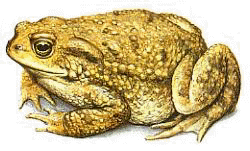
    Landet das Herbizid Glyphosat in Gewässern, verändert sich laut Wiener Forschern die Algenzusammensetzung. Bei niedrigen Wassertemperaturen kann es zudem zu Fehlbildungen beim Erdkröten-Nachwuchs kommen. Obwohl der Wirkstoff speziell auf Pflanzen abzielt, wurden in der Vergangenheit auch Nebenwirkungen auf sogenannte Nicht-Zielorganismen beschrieben. So hat beispielsweise die Forschungsgruppe um Johann Zaller vom Institut für Zoologie der Universität für Bodenkultur (Boku) in Wien im Fachjournal „Scientific Reports“ über reduzierten Nachwuchs bei Regenwürmern berichtet. In ihren aktuellen Untersuchungen widmete sich Zallers Gruppe den Auswirkungen auf die Erdkröte, die in der Agrarlandschaft lebt und dort mit Pestiziden in Kontakt kommt. Dazu haben die Wissenschaftler Eier aus natürlichen Laichgewässern der Tiere entnommen. Diese verteilte das Team um Studien-Erstautor Fabian Baier dann gleichmäßig in Wassergefäße mit realistisch geringen Konzentrationen von Glyphosat und stellten sie in Klimakammern bei 15 und 20 Grad Celsius auf. Die Entwicklung der Kaulquappen wurde nur bei 15 Grad gestört. Unter diesen Umständen zeigten die Tiere vermehrt Schwanz-Fehlbildungen. Was es ihnen vermutlich erschwere, Fressfeinden zu entkommen, so der Ökologe. Wie genau das zustande kommt, sei noch unklar: „Unsere Annahme ist aber, dass die Kaulquappen unter kühleren Bedingungen langsamer wachsen und deshalb länger dem Gift ausgesetzt sind. Bei höheren Temperaturen könnten sie dem Gift einfach ‚davonwachsen‘“, sagte Zaller.
    Quelle: ORF, im November 2016
    http://science.orf.at/stories/2807604/

  • The Amphibian and Reptile Extinction Crisis

    The Amphibian and Reptile Extinction Crisis

    Amphibians and reptiles are amazing creatures with clever adaptations that have allowed them to brave the millennia. Consider the Coachella Valley fringe-toed lizard (Uma inornata)’s scaly hind toes, which resemble snowshoes and keep the lizard from sinking into sand as it sprints away from predators; or the eastern diamondback rattlesnake (Crotalus adamanteus)’s heat-sensing pit organ, which helps it find the small, warm-blooded prey on which it feeds. Such diversity is vital to functioning ecosystems and enriches humankind’s enjoyment of the natural world. But today the world’s herpetofauna are among the most imperiled species on Earth. Ubiquitous toxins, global warming, nonnative predators, overcollection, habitat destruction and disease are key factors leading to their demise. Globally, 989 species of reptiles, or almost 20 percent of evaluated species, are endangered or vulnerable to extinction, according to the International Union for Conservation of Nature’s Red List.

    The situation is even worse for amphibians. More than 2063 species of frogs, toads and salamanders — more than 31 percent of the world’s amphibians — are at risk of dying out. And scientists lack sufficient information to even assess the status of more than 20 percent of the world’s herps. These species are slipping away faster than we can study them.

    Source: Centre for Biological Diversity
    http://www.biologicaldiversity.org/campaigns/amphibian_conservation/

  • De biodiversiteit holt achteruit, maar je leest in het Living Planet Report niets over de kwalijke rol van bestrijdingsmiddelen

    De biodiversiteit holt achteruit, maar je leest in het Living Planet Report niets over de kwalijke rol van bestrijdingsmiddelen

    De globale biodiversiteit zal in 2020 met 67% gekelderd zijn tegenover 1970, als de huidige trend zich voortzet. Dat zegt de nieuwe editie van het Living Planet Report (LPR) van WWF, dat vandaag werd voorgesteld in het Natuurhistorisch Museum in Brussel. Het rapport toont aan hoe de mens de aarde aan het overrompelen is op een nooit geziene manier in de geschiedenis van onze planeet. Mondiale populaties van vissen, vogels, zoogdieren, amfibieën en reptielen zijn nu teruggevallen met 58% tussen 1970 en 2012. We zijn getuige van een 6e massa-extinctie in wording. Alleen lees je in het Living Planet Report niets over de kwalijke rol die bestrijdingsmiddelen hebben op ecosystemen.
    Bron: WWF
    https://wwf.be/nl/nieuws/biodiversiteit-staat-voor-6e-massa-extinctie/

  • Über 80% der weltweiten Süsswasserfischbestände ausgerottet!

    Über 80% der weltweiten Süsswasserfischbestände ausgerottet!

    Der Rückgang der Biodiversität hält an. Im Schnitt gingen die Bestände der rund 3700 erfassten Wirbeltierarten seit 1970 weltweit um über die Hälfte zurück. Süsswasserfische oder Amphibien gehören mit über 80 Prozent Rückgang zu den grössten Verlierern. Davon ist auch die Schweiz betroffen.

    Der neuste Living Planet Report des WWF analysiert 14‘152 Wildtierpopulationen von über 3‘700 Wirbeltierarten. Das Fazit: Die untersuchten Tierbestände gingen seit Beginn der Aufzeichnungen im Jahr 1970 bis 2012 im Schnitt um 58 Prozent (durchschnittliche Änderungsrate) zurück. Erstmals wirft der Living Planet Report auch einen Blick in die Zukunft und prognostiziert bis 2020 einen durchschnittlichen Bestandsrückgang von 67 Prozent.

    Laut Living Planet Report verschwinden Tiere und Pflanzen in noch nie dagewesenem Tempo. Die grössten Bedrohungen sind vom Menschen verursacht: Verlust und Verschlechterung der Lebensräume, Übernutzung von Arten, Umweltverschmutzung, invasive Arten und Krankheiten und der Klimawandel. «Wirtschaft, Politik und Gesellschaft sind gefordert, diesen Abwärtstrend zu bremsen und für widerstandsfähige Ökosysteme zu sorgen», sagt Ion Karagounis, Leiter Umweltprogramm beim WWF Schweiz.

    Besonders betroffen sind laut Living Planet Report die im Süsswasser lebenden Arten. Ihre Bestände sind zwischen 1970 und 2012 um 81 Prozent zurückgegangen. «Keine anderen Lebensräume wurden derart vom Menschen beeinträchtigt wie die Gewässer», sagt Karagounis. Flussverbauungen, Dämme für die Wasserkraftnutzung, Abwasser aus Industrie und Haushalten oder die landwirtschaftliche Bewässerung bedrohen Seen, Flüsse und Feuchtgebiete.

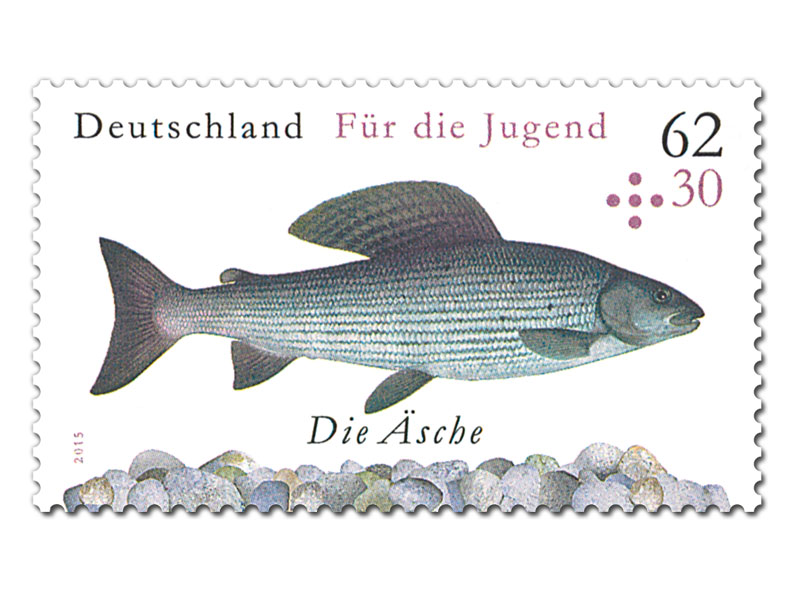
    Dieser Befund trifft auch auf die Schweiz zu. Gewässer zählen zu den am stärksten bedrohten Lebensräumen – mit besonders rasanter Abnahme der Bestände. 58 Prozent aller Fischarten der Schweiz sind auf der Roten Liste. Acht Arten sind sogar ausgestorben. Stark gefährdet sind beispielsweise die Äsche, die Seeforelle oder der Bitterling. Lachse gibt es in der Schweiz gar nicht mehr.

    «Wir sind auf gesunde Gewässer und funktionierende ökologische Kreisläufe angewiesen. Sie sorgen beispielsweise für die hohe Qualität unseres Trinkwassers», so Karagounis. Umso wichtiger ist es, weitere Verbauungen zu verhindern, weniger Pestizide und Düngemittel einzusetzen, vermehrt Gewässer zu revitalisieren und die letzten noch intakten Gewässer wirkungsvoll zu schützen.
    Quelle: Naturschutz.ch, 30.10.16
    http://naturschutz.ch/news/ueber-80-der-weltweiten-suesswasserfischbestaende-ausgerottet/109849

  • Catastrophic decline of bats and amphibians in Ontario in less than a decade

    Catastrophic decline of bats and amphibians in Ontario in less than a decade

    Ontario environmental commissioner Dianne Saxe cites a “large-scale loss of biodiversity,” calling it a “crisis in our province and around the world” — a situation she called a “terrible tragedy.” Ontario’s environmental watchdog has warned the government that it needs to do more to conserve the province’s biodiversity. Saxe says the Liberals need to take action to: combat wildlife declines, control invasive species, better monitor biodiversity, and implement better forest fire management, by letting more fires burn to enhance wildlife habitat.

    In her first annual Environmental Protection Report, Small Steps Forward, released Wednesday, Saxe said “the government often talks the talk when it comes to conserving Ontario’s biodiversity, but that’s not enough – they need to walk the walk. ”The large-scale loss of biodiversity is a crisis in our province and around the world, the report says, highlighting three examples of current wildlife declines including: that the populations of eight of our 27 amphibian species are at risk of being lost; and populations of four of eight bat species are in steep decline and are now endangered as the result of white nose syndrome, an aggressive fungal disease. “In 10 years we’ve had a catastrophic decline,” Saxe said. MPP Peter Tabuns, the NDP’s environment critic, said “it’s apparent that the government isn’t doing what needs to be done to protect biodiversity.”
    Sources:
    The Star, 26 October 2016
    https://www.thestar.com/news/queenspark/2016/10/26/ontarios-moose-population-under-threats-bats-may-be-wiped-out-entirely-environment-report-says.html
    The Chronicle Journal, 29 October 2016
    http://www.chroniclejournal.com/news/gov-t-warned-to-preserve-biodiversity/article_d6f2bcf0-9dcb-11e6-8a60-bfdf7004deef.html

  • Complex pesticide mixtures in tissues of native frogs at six wetlands in Iowa

    Complex pesticide mixtures in tissues of native frogs at six wetlands in Iowa

    Habitat loss and exposure to pesticides are likely primary factors contributing to amphibian decline in agricultural landscapes. We examined the presence of pesticides and nutrients in water and sediment as indicators of habitat quality and assessed the bioaccumulation of pesticides in the tissue of two native amphibian species Pseudacris maculata (chorus frogs) and Lithobates pipiens (leopard frogs) at six wetlands (3 restored and 3 reference) in Iowa, USA. Concentrations of the pesticides frequently detected in water and sediment samples were not different between wetland types. The median concentration of atrazine in surface water was 0.2 μg/L. Reproductive abnormalities in leopard frogs have been observed in other studies at these concentrations. Nutrient concentrations were higher in the restored wetlands but lower than concentrations thought lethal to frogs. Complex mixtures of pesticides including up to 8 fungicides, some previously unreported in tissue, were detected with concentrations ranging from 0.08 to 1500 μg/kg wet weight. No significant differences in pesticide concentrations were observed between species, although concentrations tended to be higher in leopard frogs compared to chorus frogs, possibly because of differences in life histories.
    Source:
    Smalling KL et al. Science of the Total Environment 502 (2015) 80–90

  • Global mass extinction of wildlife

    Global mass extinction of wildlife

    Global wildlife populations are set to have fallen by more than two thirds on 1970 levels by the end of the decade, conservationists warn. Assessment of 14,152 populations of 3,706 species of mammals, birds, fish, amphibians and reptiles from around the world reveals a 58% fall between 1970 and 2012 – with no sign the average 2% drop in numbers each year will slow. By 2020, populations of vertebrate species could have fallen by 67% over a 50-year period unless action is taken to reverse the damaging impacts of human activity, the Living Planet report from WWF and the Zoological Society of London (ZSL) said. The figures prompted experts to warn nature was facing a global “mass extinction” for the first time since the demise of the dinosaurs.
    African elephants in Tanzania have seen numbers crash due to poaching, maned wolves in Brazil are threatened by grasslands being turned into farmland and European eels have declined due to disease, over-fishing and changes to their river habitats. Species are being increasingly affected by unsustainable agriculture and fishing, as well as mining and other human activities that cause habitats to be lost or become degraded. Wildlife is also being hit by over-exploitation, climate change and pollution, the report warned.
    It is not just wildlife that is being affected, with humans also the “victims” of the deteriorating state of nature, as they depend on breathable air, drinkable water and nutritious food, it said.
    While wildlife continues to decline on average, species that depend on certain habitats have seen some improvements in recent years, the report revealed.
    Overall terrestrial species, which are found in habitats ranging from grasslands to forests, have seen populations drop by two-fifths (38%) since 1970.
    Freshwater species are faring even worse, with declines of four-fifths (81%) between 1970 and 2012.
    Wetland wildlife has seen an increase since 2005, a marine species have been stable since 1988 – although the majority of stocks that contribute most to global fish catches are now either fully fished or overfished, the report warned.
    Mike Barrett, director of science and policy at WWF-UK, said: ” For the first time since the demise of the dinosaurs 65 million years ago, we face a global mass extinction of wildlife. “We ignore the decline of other species at our peril – for they are the barometer that reveals our impact on the world that sustains us. “Humanity’s misuse of natural resources is threatening habitats, pushing irreplaceable species to the brink and threatening the stability of our climate.”
    But he added: ” We know how to stop this. It requires governments, businesses and citizens to rethink how we produce, consume, measure success and value the natural environment.
    “In the UK, this demands a serious plan to strengthen protection for habitats and species and new measures to fast-track low-carbon growth.”
    Professor Ken Norris, director of science at ZSL said: “Human behaviour continues to drive the decline of wildlife populations globally, with particular impact on freshwater habitats.
    “Importantly, however, these are declines – they are not yet extinctions – and this should be a wake-up call to marshal efforts to promote the recovery of these populations.”
    The report highlights the success of habitat protection and strict controls on hunting in Europe to help restore populations of wildlife including bears, lynx, wolverines and wolves.

    Read more: http://www.dailymail.co.uk/wires/pa/article-3876820/Decline-species-threatens-global-mass-extinction-wildlife.html#ixzz4OHtci9QD
    Follow us: @MailOnline on Twitter | DailyMail on Facebook

  • Ziekteverwekker heeft sinds de jaren negentig een enorme slachting bij amfibieën aangericht

    Ziekteverwekker heeft sinds de jaren negentig een enorme slachting bij amfibieën aangericht

    Juist omdat de meeste amfibieën een vocht- en luchtdoorlatende (en dus kwetsbare) huid hebben die ook een rol speelt bij de ademhaling, zijn de dieren uitstekende indicatoren voor de ecologische gezondheidstoestand van een leefmilieu. Een spectaculaire afname van het aantal amfibieën in een gebied is doorgaans dan ook een teken dat er op natuurlijk vlak iets goed mis is. Hoewel habitatdestructie op mondiaal niveau de belangrijkste bedreiging blijft voor amfibieën, is het oprukken van ziektes tegenwoordig eveneens een belangrijke factor die bijdraagt aan de achteruitgang en het uitsterven van soorten. Zo heeft de beruchte aandoening chytridiomycose, die wordt veroorzaakt door de gistachtige schimmels Batrachochytrium dendrobatidis en Batrachochytrium salamandrivorans, zich inmiddels opgeworpen als de meest destructieve infectieziekte die ooit onder gewervelde dieren heeft huisgehouden. Bd infecteert kikkers, padden en salamanders (de schimmel is al bij honderden soorten aangetroffen) en komt inmiddels voor op alle continenten buiten het amfibieloze Antarctica. De ziekteverwekker heeft sinds de jaren negentig van de vorige eeuw met name in Midden- en Zuid-Amerika een enorme slachting aangericht. Vooral veel kleurrijke soorten die behoren tot het geslacht van de klompvoetkikkers (bijvoorbeeld de oogstrelend mooie harlekijnkikker) zijn zwaar getroffen door de aandoening.
    Bron: Dieren.blog, 7 maart 2016
    http://dieren.blog.nl/natuur-in-nederland/2016/03/07/opmars-van-de-amfibieendoders