Auteur: Henk Tennekes

  • Industriële landbouw veroorzaakt bodemdegradatie

    Industriële landbouw veroorzaakt bodemdegradatie

    Diepploegen, meerdere oogsten per seizoen en het gebruik van landbouwchemicaliën hebben de voedselproductie verhoogd, maar dat gaat ten koste van duurzaam bodembeheer. Een derde van het aardoppervlak blijkt gedegradeerd. Als er geen maatregelen worden genomen zal de competitie om landbouwgrond alleen maar toenemen, niet alleen in of tussen buurlanden, maar ook wereldwijd. Die waarschuwing sprak Monique Barbut van het VN-orgaan UN Convention to Combat Desertification (UNCCD) uit bij de lancering van het rapport Global Land Outlook. Het rapport geldt als het meest complete overzicht tot dusver. Het legt verbanden tussen de impacts die zowel verstedelijking, klimaatverandering, erosie als ontbossing hebben. De grootste impact blijkt de intensieve landbouw te hebben. “Industriële landbouw is te vergelijken met een mijnbouw”, aldus Louise Baker van UNCCD.

    Gedurende de afgelopen 20 jaar is de landbouwproductie verdrievoudigd en de hoeveelheid geïrrigeerd land verdubbeld. Maar door de intensieve landbouw neemt de bodemvruchtbaarheid af en kan het land uiteindelijk in onbruik raken en zelfs verwoestijnen. Het rapport beschrijft een dalende productiviteit op 20% van ’s werelds akkerland, 16% van het bosareaal, 19% van het grasland en 27% van het ‘graasland’ (waar geen gewassen kunnen groeien, maar wel geschikt voor extensieve veeteelt).

    De gevolgen (conflicten, klimaatvluchtelingen) van de bestaande landbouwpraktijken zullen het ergst zijn in sub-Sahara Afrika, zuidoost-Azië, het Midden-Oosten en Noord-Afrika, voorspellen de auteurs.

    Bron: Foodlog, 26-09-17
    https://www.foodlog.nl/artikel/intensieve-landbouw-is-vergelijkbaar-met-winningsindustrie/

    Rapport Global Land Outlook:
    https://global-land-outlook.squarespace.com/the-outlook/#the-bokk

  • Use of imidacloprid in Willapa Bay’s oyster industry will cause damage to juvenile worms, crustaceans, and shellfish in the tidal mudflats

    Use of imidacloprid in Willapa Bay’s oyster industry will cause damage to juvenile worms, crustaceans, and shellfish in the tidal mudflats

    The long, contentious debate over using a controversial pesticide to control pests threatening Willapa Bay’s multimillion dollar oyster industry may be resolved this year.The state Department of Ecology Tuesday released a draft environmental impact study of using imidacloprid to control the burrowing shrimp that undermine and smother oyster beds. Supporters and opponents likely will both find ammunition in the report, which draws a mix of conclusions. It says that using imidacloprid would:

    Cause immediate, adverse, unavoidable damage to juvenile worms, crustaceans, and shellfish in the tidal mudflats where it is applied and in nearby areas covered by incoming tides.

    Have limited impacts across the entirety of Willapa Bay. However, there is significant uncertainty about the cumulative impacts and other unknown impacts, including those to other marine invertebrates.

    Pose little direct risk to fish, birds, marine mammals and human health, but it could disrupt the food sources of fish and birds.

    Source: TDN.com, September 20, 2017
    http://tdn.com/news/local/state-department-of-ecology-releases-pesticide-impact-report/article_e91bc6fc-4eae-5e6f-b3a2-4af528b4d0bb.html

  • Honeybees under threat from pesticide use on oilseed rape

    Honeybees under threat from pesticide use on oilseed rape

    While previous research in the UK has suggested that bees do not feed on oilseed rape, a new study shows it is the most important nectar source to honeybees while it is in flower. This must now be considered in future discussions on neonicotinoid pesticides, which are widely used on oilseed rape. Matthew Pound and student collaborators from Northumbria University in the UK analysed pollen from samples of honey, which they took from different times of the year to assess the bees’ changing preferences. Honey samples taken in June and July suggested that bees visited oilseed rape flowers more than any other, with the plant flowering in spring and providing the bees with copious quantities of nectar.

    This contrasts with previous research, which indicated only limited honeybee foraging on oilseed rape. Pound and colleagues believe this is due to the previous study looking at pollen pellets the bees collected to feed their colony, whereas bees use oilseed rape solely as a source of nectar for producing honey.

    The researchers used a standard method of chemical processing to extract pollen from the honey samples. This involved diluting the honey with ethyl alcohol and using a centrifuge to concentrate the pollen. The pollen grains were then subjected to acetolysis using acetic anhydride and sulphuric acid. After all this, the pollen samples are mounted on microscope slides, allowing the individual pollen grains to be counted and analysed.

    The result of this study impacts on our thinking around neonicotinoid pesticides. These chemicals are known to be harmful to honeybees, leading them to be banned by the European Union in 2013 (though their use can still be permitted in emergencies). Previous findings disguised the risk posed to honeybee colonies of using these pesticides on oilseed rape. Additionally, with the UK set to leave the European Union and draft its own policy on pesticide use, the potential risk to bees must now feature in the debate.

    The importance of bees lies in their pollination of plants, including crops. Some 75–80% of global crop pollination has been estimated to be due to insects, with an estimated worth to the global economy of €153bn. But honeybees are in decline in Europe and North America, part of a much wider, global fall.

    Environmental change, pathogens, parasites and beekeeping practices have all been linked with this decline, along with the use of pesticides. While the European ban on neonicotinoids has reduced the yield from oilseed rape, this loss must be balanced against the lasting damage these substances do to honeybees, which are of great importance to the ecosystem and the economy.

    Pound and his colleagues published their work in Palynology.

    Source: Environmental Research Web, September 25, 2017
    http://environmentalresearchweb.org/cws/article/news/70013

  • Kreisimkerverein Verden diskutiert über Artensterben – Henk Tennekes fordert die sofortige Abschaffung der Neonicotinoide

    Kreisimkerverein Verden diskutiert über Artensterben – Henk Tennekes fordert die sofortige Abschaffung der Neonicotinoide

    Mehr als 100 Interessierte Bürger und Imker sind der Einladung des Kreisimkervereins Verden ins Waldschlösschen nach Daverden gefolgt und haben einen äußerst interessanten, nachdenklich stimmenden Vortrag des bekannten niederländischen Toxikologen und Buchautors Henk Tennekes erlebt. In der anschließenden Podiumsdiskussion kamen neben dem Publikum Vertreter der konventionell arbeitenden Landwirte, des Nabu und der ökologischen Landwirtschaft, sowie ein Ethiker zu Wort. Sogar ein Vertreter der chemischen Industrie hatte den Weg nach Daverden gefunden und sich ins Publikum gemischt.

    Henk Tennekes, der jahrelang in Deutschland und den Niederlanden in der Krebsforschung tätig war, hält die bisherige Verfahrensweise, Spritzmittel danach zu bewerten, ob eine sofortige unmittelbare Schädigung eines Lebewesens erfolgt, für nicht zutreffend und sogar gefährlich. Denn es gibt Gifte, die in Form von Spritzmitteln in die Umwelt gelangen, die so toxisch sind, dass sie selbst in kleinsten Mengen irreversible Schäden anrichten können und erst später zum Tode führen. Für diese Gifte, zu denen auch die Spritzmittel aus der Gruppe der Neonicotinoide gehören, darf es nach Tennekes Forderung keine Schwellenwerte geben, denn es gibt keine unschädliche Menge, die unbedenklich aufgenommen werden kann. Die Gifte würden von den Organismen wie Pflanzen, Insekten, Vögeln, Säugetieren und letztlich auch dem Menschen aufgenommen und lagerten sich an die Rezeptoren von Nervenzellen an. Von dort seien sie nicht mehr zu entfernen. Die Risikobewertung der Neonicotinoide durch das zuständige Bundesamt sei fehlerhaft und müsse sofort revidiert werden, so Tennekes.

    Die Verwendung bestimmter Spritzmittel habe dazu geführt, dass es in den vergangenen Jahren einen kontinuierlichen Rückgang von Insekten zu verzeichnen gebe. Ein weiteres Problem sei die Belastung des Oberflächen- und Grundwassers mit immer mehr Giften, die die genannten irreversiblen, schädlichen Wirkungen auf Mensch und Tier haben. Wenn die Insekten, die ja am Anfang der Nahrungskette stehen, verschwänden, führe dies zwangsläufig zu Nahrungsengpässen bei Tieren, die Insekten auf ihrem Speiseplan haben. Die zwangsläufige Konsequenz: Ein nie gekanntes Artensterben habe eingesetzt. Tennekes veranschaulichte dies, indem er die Anzahl der Insekten, die in verschiedenen Jahren an identischen Plätzen beobachtet wurden, miteinander verglich. Hierbei wurde ein massiver zahlenmäßiger Rückgang der Insekten beobachtet. Auch die Qualität des Bodens, der ja letztlich für die Menschen die Grundlage der Nahrungsmittelproduktion ist, werde durch das Verschwinden der bodenlockernden Kleintiere immer schlechter, betonte der Experte. Ohne Regenwürmer und humusbildende Tiere werde die Ernte irgendwann ausfallen.

    Am Ende des Vortrags stand die Aussage, dass Gift auf den Feldern und in der Nahrung nichts zu suchen hat und dass es bereits „fünf vor zwölf“ ist. Tennekes zitierte die bekannte Forscherin Jane Goodall mit den Worten: „Ich verstehe nicht, dass wir Menschen jemals glauben konnten, unsere Lebensmittel mit Giften zu produzieren sei eine gute Idee“.

    Im Anschluss an den Vortrag kamen in einer von Peter Steffens, dem Vorsitzenden des Imkervereins Verden, moderierten Podiumsdiskussion die Vertreter verschiedener Interessengruppen zu Wort. Fazit des Abends für alle war, dass ein Umdenken durchaus notwendig sei und dass jeder – ob Verbraucher, Landwirt oder Hobbygärtner – einen kleinen Teil zur Lösung der beschriebenen Probleme beitragen könne. Doch kleine Schritte alleine reichen laut Tennekes nicht mehr aus.

    Quelle: Weser Kurier, 22.10.2017
    https://www.weser-kurier.de/startseite_artikel,-kreisimkerverein-verden-diskutiert-ueber-artensterben-_arid,1660470.html

  • Ook ervaren imkers hebben soms hoge bijensterfte

    Ook ervaren imkers hebben soms hoge bijensterfte

    Imkers die in het postcodegebied 9500 (Stadskanaal) werken, hadden dit jaar dramatische bijenvolk verliezen. Zij hebben alle zeilen bij moeten zetten om weer over een respectabel aantal volken te kunnen beschikken. Daarvoor moesten zij investeren in nieuwe raszuivere koninginnen. Vanuit Wageningen Landbouwuniversiteit wordt al sinds jaar en dag imkers verteld dat zij de varoamijt moeten bestrijden. Nu wil het geval dat imker Jan Kruit een bijengezondheidscoördinator is, dat wil zeggen dat hij getraind is in het herkennen van gezondheidsproblemen bij bijen en dus ook zelf het beste weet hoe hij ziektes moet voorkomen. Dat roept bij mij de vraag op hoe het dan mogelijk is dat juist hij dit voorjaar te maken heeft gehad met zo’n hoge bijensterfte. Kruit verloor ongeveer 95 procent van zijn bijen. Mijn hypothese is dat gebruik van gewasbeschermingsmiddelen bij aardappel- en maistelers, zogenaamde neonicotinoïden, hier de belangrijkste verklarende factor is.

    Bronnen:
    Henk van der Zijden in het Harener Weekblad, 20-09-17
    http://www.harenerweekblad.nl/nieuws/39840/bijenweelde-haren-henk-van-der-zijden-3/
    RTV Noord
    https://actueeltv.nl/v/788744

  • Autism and Environmental Pollution

    Autism and Environmental Pollution

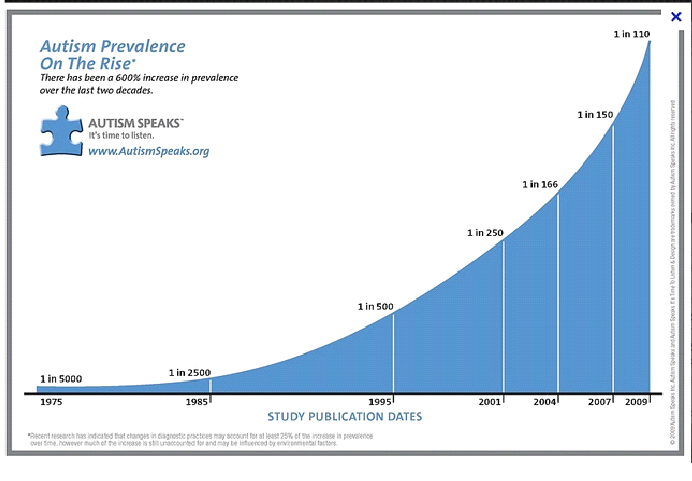
    If you look just at the numbers, you might think autism rates are spiraling out of control. The rates seemed high enough at 1 in 150 in 2000, when public health officials started tracking a steady rise in the syndrome in the United States. And by the time estimates finally flatlined in 2012 at 1 in 68, many parents had embraced unfounded theories blaming vaccines for an autism “epidemic,” helping to fuel outbreaks of measles and other once rare diseases.

    Experts, however, attribute most of the upsurge to increased awareness, better access to services, and expanded criteria to diagnose the neurodevelopmental syndrome, which is characterized by restricted interests or behaviors and problems with communication and social interactions.

    Autism is remarkably diverse, encompassing a wide spectrum of disabilities and gifts. “If you’ve met one child with autism,” parents and clinicians like to say, “you’ve met one child with autism.” That heterogeneity, which also includes a range of physical ailments, has made the search for autism’s causes a daunting task.

    Most studies have focused on genes, and suggest that hundreds of gene variants may increase risk. So-called copy number variations, which include long stretches of duplicated or deleted DNA that can alter gene expression, appear especially common in autism.

    Clear evidence of autism’s genetic roots came when a 1977 study showed that identical twins, who share the exact same genome, were far more likely to also share an autism diagnosis than fraternal twins. We now know that a younger sibling of a child diagnosed with autism faces a higher risk of developing the condition than other children. But twins also share the same environment, including the womb. And that shared environment, as a 2011 study of twin pairs reported, appears to play a greater role than previously appreciated.

    One way environmental factors might influence autism risk is by changing “epigenetic factors” — proteins and other molecules that affect the way genes are expressed without changing the DNA sequence. Such factors, which are critical for normal brain development, respond to diverse exposures in the environment, from endocrine disruptors to folic acid in the diet.

    Scientists hope that by identifying genes or genetic profiles that increase susceptibility to specific environmental exposures they’ll be able to find ways to alleviate disabling aspects of autism. But the science is “really just beginning,” says Lisa Croen, director of the Autism Research Program at Kaiser Permanente Division of Research. What causes autism, and how environmental agents interact with genetic and epigenetic factors to increase risk, remains an open question. Multiple factors likely interact to cause any one child’s likelihood of developing autism. And though scientists agree that genetic and environmental factors both play a role, genetics research has far outpaced work on environmental links.

    “Up until 2007, we had virtually no research on what I think of as the world of environmental hazards and autism,” says Irva Hertz-Picciotto, who directs the MIND Institute Program in Environmental Epidemiology of Autism and Neurodevelopment at the University of California, Davis. Starting around 2010, she says, “suddenly everybody was studying it.”

    To scientists, environmental risks include anything beyond the genome. So far they’ve investigated a potential role for air pollution, pesticides, parental age, medical conditions including infection and diabetes, prenatal care, lifestyle factors like the mother’s diet, smoking and alcohol consumption, and time between pregnancies. Results from many of these studies have been mixed. Even when a study finds an association between an environmental factor and increased risk, it doesn’t imply causation, but suggests that factor might increase risk.

    In a recent review of epidemiological studies of nongenetic autism factors, researchers reported advanced parental age and preterm birth as established risk factors, and short intervals between pregnancy and prenatal exposure to air pollution as potential risk factors. They concluded that a long list of other possible environmental factors, including endocrine disruption, warrant further investigation.

    Endocrine disruptors have come under scrutiny because they can interfere with hormonal pathways involved in brain development. But studies of endocrine-disrupting chemicals, including flame retardants and perfluorinated compounds, have produced conflicting results.

    “There’s not a consistent evidence base yet,” says Croen.

    Evidence of increased risk appears stronger for phthalates, chemicals found in diverse consumer products from cosmetics to teething rings. Yet even these results vary. “The reasons for these different findings relate to study design, methodology, how exposures are ascertained, the way people are studied, the way cases are ascertained,” Croen says. “It’s kind of messy.”

    Air pollution has so far received the most scrutiny, Hertz-Picciotto says. And though air pollution contains many known neurotoxicants, there’s also a bit of a streetlight effect: that’s where the data are. Federal, state and local agencies have monitored a range of air pollutants since passage of the Clean Air Act in 1970, giving researchers a treasure trove of data to map against where pregnant women live and infer potential exposures.

    Several well-designed studies have found an association between air pollution and autism, including the Childhood Autism Risks from Genetics and the Environment, or CHARGE, study, which Hertz-Picciotto has run since 2002. But a few equally solid studies have not. “I think the jury’s still out on air pollution,” Hertz-Picciotto says.

    In a CHARGE study of organophosphate pesticide exposure during pregnancy, Hertz-Picciotto’s team found that women who lived within 1.5 kilometers (just less than a mile) of treated agricultural fields during their pregnancy had a 60 percent higher risk of having a child diagnosed with autism. The pesticide chlorpyrifos was associated with heightened risk during the second and third trimester.

    Recent studies in mouse models developed to study autism risk factors (e.g., here and here) reported that prenatal exposure to pesticides, including chlorpyrifos, can interfere with the animals’ normal social, exploratory and vocal behaviors. Extrapolating from mice to humans is notoriously fraught, but scientists hope the models will help them screen for exposures that disrupt autism susceptibility genes and identify gene-environment interactions linked to increased risk. Scientists with the U.S. Environmental Protection Agency recommended restricting all uses of chlorpyrifos in 2015 based on evidence that the neurotoxic pesticide could place infants and children at risk. EPA administrator Scott Pruitt overturned that decision in March.

    Because pregnant women living in agricultural communities can’t fully avoid pesticide exposures, researchers have looked at factors that might reduce pesticide-associated autism risks. Hertz-Picciotto’s team considered folic acid as a potential mitigating factor based on evidence that it helps buffer the toxic effects of environmental contaminants. And several studies have reported that mothers who took folic acid supplements were less likely to have children with autism than those who didn’t, though a large study found no such association.

    In a paper published earlier this month, Hertz-Picciotto and her colleagues reported evidence suggesting that folic acid supplements may indeed reduce autism risk associated with pesticide exposure. For women exposed to pesticides before conception or during the first three months of pregnancy, they found, taking folic acid supplements during the first month of pregnancy appeared to reduce the likelihood of having a child diagnosed with autism. Whether the supplements truly modify the harmful effects of the pesticides remains to seen.

    Still, Hertz-Picciotto says women of reproductive age should take folic acid supplements. Solid evidence shows that taking prenatal vitamins fortified with folic acid before and during the first trimester helps guard against neural tube defects, malformations of the brain and spinal cord. And genetic variations that disrupt folate metabolism are fairly common. The American Congress of Obstetricians and Gynecologists and the Eunice Kennedy Shriver National Institute of Child Health and Human Development also recommend that women take vitamins with folic acid before and during pregnancy to help protect their babies’ developing brain and nervous system.

    Untangling the multiple ways that genes and environment might interact to contribute to autism has proven challenging. Genetic or epigenetic risks could lie with the child, the mother or possibly the father, all interacting in a dizzying array of combinations with exposure to environmental factors. And these interactions could go in two directions: Genetics could determine whether an exposure causes adverse effects, or an exposure could influence how the genes are expressed.

    “There are a lot of different mechanisms going on here, and you need the right biologic samples to look at all the mechanisms,” Croen says. That’s exactly what the Early Autism Risk Longitudinal Investigation, a collaboration between Kaiser Permanente and three other research centers, set out to do.

    EARLI aims to explore why autism tends to run in families by studying pregnant women who have a child with autism and then following their newborn children. The study design will allow them to identify potential risk factors if the new baby develops autism as well. Researchers collected biological specimens from the parents, assessed children in the clinic at key developmental windows, and visited homes to collect dust for chemical analysis. They also conducted in-depth parental surveys focusing on the mother’s diet, routines, and use of pesticides and other potentially toxic products in the home. In a 2015 paper, the project linked epigenetic changes in the father’s sperm with risk of autism in the children. The authors detected similar changes in postmortem brain tissue of people diagnosed with autism, which they say suggests such epigenetic factors may be at work in the child’s brain.

    Still, Hertz-Picciotto remains hopeful that progress is on the horizon.Both EARLI and CHARGE have joined a National Institutes of Health initiative called the Environmental Influences on Child Health Outcomes, or ECHO. The NIH initiative has awarded nearly US$300 million in grants since 2015 to study a wide range of children’s health conditions, including autism. This initiative aims to identify environmental factors at the earliest stages of development that could be modified to improve children’s health.

    Epidemiologists hope that one day a technological breakthrough will allow them to read a person’s entire history of environmental exposures from biological specimens, just as they can determine a person’s genetic profile by genome sequencing. Until then, epidemiologists must settle for the messy tools of their trade. Still, Hertz-Picciotto remains hopeful that progress is on the horizon.

    “I look back at things we’ve been studying for 20, 30, 40 years and, in some cases, there hasn’t been a whole lot more progress than we’ve had in the past 10,” she says. Hertz-Picciotto points to breast cancer researchers who now recognize that the changes leading to cancer likely start in childhood or puberty. “They’re trying to reconstruct things 30 years earlier. We’re just going back a few years.”

    Source: Ensia, September 21, 2017
    https://ensia.com/features/environment-autism/

  • Anwendung von Neonikotinoiden in der Landwirtschaft führt zu einer großflächigen Umweltverschmutzung und einer erheblichen Bedrohung der Biodiversität

    Anwendung von Neonikotinoiden in der Landwirtschaft führt zu einer großflächigen Umweltverschmutzung und einer erheblichen Bedrohung der Biodiversität

    — Pestizide aus der Klasse der Neonikotinoide stellen weltweit ernsthafte Bedrohungen für Ökosysteme dar. Dies zeigen neue Informationen, die in einem Update zur weltweit umfassendsten wissenschaftlichen Überprüfung der ökologischen Auswirkungen von systemischen Pestiziden enthalten sind.

    Die Task Force für systemische Pestizide (TFSP) veröffentlichte die zweite Auflage ihrer weltweiten integrierten Bewertung der Auswirkungen von systemischen Pestiziden auf Biodiversität und Ökosysteme („Worldwide Integrated Assessment of the Effects of Systemic Pesticides on Biodiversity and Ecosystems“) heute in Ottawa, Kanada. Es ist eine Überblicksarbeit und Zusammenschau aus mehr als 500 wissenschaft¬lichen Veröffentlichungen seit 2014, darunter einige von der Industrie geförderte Studien. Die Überprüfung umfasst auch das in Europa verwendete Fipronil, ein eng verwandtes systemisches Pestizid.

    Neonikotinoide sind auch bei sehr niedrigen Dosen toxisch. Sie sind wasserlöslich und sehr persistent (d.h. nicht leicht abbaubar) im Boden, was zu einer anhaltenden und chronischen Exposition in terrestrischen und aquatischen Umgebungen führt. Die umfangreiche und routinemäßige Anwendung von Neonikotinoiden in der Landwirtschaft führt zu einer großflächigen Umweltverschmutzung und einer erheblichen Bedrohung der Biodiversität.

    Die Toxizität der Neonikotinoide wurde zuerst in Verbindung mit dem sog. Bienensterben beschrieben; inzwischen wurde erkannt, dass sie auch die Bereiche unserer Nahrungsmittelproduktion kontaminieren können. Fipronil, ein mit den Neonikotinoiden eng verwandtes systemisches Pestizid, steht derzeit im Brennpunkt eines um sich greifenden Lebensmittelsicherheits-Skandals in Europa, nachdem Eier und daraus hergestellten Produkte mit unzulässig hohen Rückständen des toxischen Insektizids in in 15 EU-Staaten sowie in der Schweiz und in Hongkong verkauft worden waren. Millionen von Eiern wurden wegen Bedenken aus Geschäften und Lagerhäusern in ganz Europa zurückgerufen, da Rückstands-belastete Eier ein ernstes Sicherheitsrisiko für Verbraucher darstellen könnten.

    Die aktualisierte Bewertung bestätigt, dass der Einsatz von Neonikotinoiden massive Auswirkungen hat und eine weltweite Bedrohung für Biodiversität, Ökosysteme und Ökosystemdienstleistungen darstellt. In den 1990er Jahren eingeführt, sind Neonikotinoide derzeit die weltweit am häufigsten verwendeten Insektizide. Ihr Einsatz in der Landwirtschaftlichen umfasst Saatgutbehandlungen, Bodenbehandlungen, Blattspritzungen und Rasenprodukte. Neonikotinoide werden auch in der Forstwirtschaft, zur Flohbehandlung bei Haustieren sowie bei Haus- und Gewerbe-Rasenpflegeprodukten eingesetzt.

    “Die heutigen Erkenntnisse bestätigen die Notwendigkeit, den massiven Einsatz von systemischen Pestiziden zu beenden, einschließlich der dringendsten vorbeugenden Verwendung bei der Saatgutbehandlung”, sagte Jean-Marc Bonmatin, Wissenschaftler am französischen Centre National de la Recherche Scientifique und stellvertretender Vorsitzender der TFSP. “Die Verwendung dieser Pestizide steht im Gegensatz zu umweltverträglichen landwirtschaftlichen Praktiken. Es bietet keinen wirklichen Nutzen für die Landwirte, verringert die Bodenqualität, schadet der Biodiversität und verunreinigt Wasser, Luft und Nahrung. Es gibt keinen Grund mehr, diesen Weg der Zerstörung fortzusetzen. ”

    Der Bericht besteht aus drei Veröffentlichungen, die neue Daten über die Wirkungsweise, den Stoffwechsel, die Toxizität und die Umweltkontamination von Neonikotinoiden und Fipronil untersuchen: die tödlichen und subletalen Wirkungen von Neonikotinoiden und Fipronil auf Organismen und deren Auswirkungen auf Ökosysteme, die Wirksamkeit von Neonikotinoiden und Fipronil in der Landwirtschaft sowie alternative Ansätze zur Schädlingsbekämpfung.

    “Nur ein kleiner Bruchteil der Verwendung von Pestiziden dient dem Zweck, Schädlinge zu bekämpfen. Am häufigsten wird die Umwelt durch vorbeugende Pestizidverwendung verunreinigt – mit umfangreichen Schäden an Nicht-Ziel-Organismen”, sagte Faisal Moola, Honorar-Professor für Ökologie an der Universität von Toronto.

    Im Jahr 2013 hatte die Europäische Union ein Moratorium für bestimmte Verwendungen der Neonikotinoide Imidacloprid, Clothianidin und Thiamethoxam bei Bienen-attraktiven Kulturpflanzen verhängt und erwägt nun die zur Fortsetzung und Erweiterung dieses Moratoriums zu empfehlen. Frankreichs neues Biodiversitätsgesetz beinhaltet eine Bestimmung, die alle Neonikotinoide ab September 2018 verbietet.

    “Insgesamt erweist sich das globale Experiment mit Neonikotinoiden als ein klares Beispiel für das Versagen in der Schädlingsbekämpfung“, sagte Bonmatin. “Regierungen auf der ganzen Welt müssen dem Vorbild von Ländern wie Frankreich folgen, Neonikotinoide verbieten und zu nachhaltigen, integrierten Methoden der Schädlingsbekämpfung übergehen – ohne jede Verzögerung.”

    Das TFSP-Update 2017 wird in einer kommenden Ausgabe der wissenschaftlichen Zeitschrift Environmental Science and Pollution Research veröffentlicht.

    Quelle: Pressemitteilung der Internationalen Taskforce für Systemische Pestizide (TFSP.info)

  • Bay’s Osprey Population in Decline… Again

    Bay’s Osprey Population in Decline… Again

    The Chesapeake Bay is host to the largest breeding population of osprey (Pandion haliaetus) in the world. They tell us when spring is here and give us clues about the bay’s health. Now, as osprey begin their annual migration to Central and South America, biologists say there’s been a decline in population during the last few years.

    Their eggs were destroyed by the pesticide DDT, until it was banned in 1972, when there were only about 1,400 breeding pairs of osprey around the bay. By the late 1970s scientists began seeing osprey in southeastern Virginia, according to Reese Lukei, who monitors osprey nests in that region, along with Chrystal Matthews for the William and Mary Center for Conservation and Biology and the Virginia Aquarium.

    Now, the Chesapeake Bay plays host to the largest breeding population of osprey in the world. At last count there were more than 10,000 breeding pairs throughout the bay region. Lukei and Matthews counted 74 nests with breeding pairs this summer in their part of Virginia alone. But, they say, many of the young in those nests, built on navigational markers and specially constructed platforms in the water, didn’t make it.

    “We found 33 nests out there that the young disappeared from,” said Matthews. “And we suspect, based on what we’ve seen, that great horned owls are playing a part in the loss of young in these osprey nests.” To illustrate, Lukei held up a plastic bag containing the leg of a baby osprey. It still had the purple band he put on it in June.

    The owls seem to be adapting this behavior because there’s so many osprey nests now. I think the great horned owl is finding that it’s easy pickings. “We band on June 9 and it was found on June 13,” he said. “We know that (an owl is) the only creature that’s going to be able to pick up a two-pound bird off a nest in the water and fly to a tree and devour the chick.”

    Biologists in Maryland are reporting the same problems. Two-thirds of the nests failed at Solomon’s Island and about half failed upriver at Patuxent River Park. Greg Kearns, a naturalist at the park, says weather was a big factor, with heavy winds and rain early during the hatch period, along with owl and crow attacks.

    “The owls seem to be adapting this behavior because there’s so many osprey nests now,” he said. “I think the great horned owl is finding that it’s easy pickings.”

    On Poplar Island, in the upper bay, U.S. Fish and Wildlife Service biologist Peter McGowan says half of the 23 nests have failed since 2014. He says one reason for the decline is weather. “We’ve had two cold and wet Mays in a row, which is a crucial part of the incubation period.” And another reason is an increase in predators. “We’ve also been seeing an increase number in fish crows on the island.”

    Bryan Watts, who heads the William and Mary Center for Conservation and Biology considers predators a secondary problem. He points to studies that equate a decline in menhaden, a key fish in osprey diet, to low reproductive rates.

    “It’s like the old story of people blind-folded and putting their hands on an elephant and seeing different parts of the elephant,” he explains. “So there are different factors that are influencing osprey reproductive rates in different places, so people have their own perspectives, but their localized perspectives. What we need is a larger system-wide perspective. And I think that what you’ll see is that food stress is the dominant issue.”

    The Atlantic States Marine Fisheries Commission is to consider the impacts of the menhaden fishery on species like the osprey during it’s next stock assessment in 2019.

    Source: Radio WVTF, September 14, 2017
    http://wvtf.org/post/bays-osprey-population-decline-again

  • Negros Island’s endemic babbler birds continue to decline

    Negros Island’s endemic babbler birds continue to decline

    The population of endemic babblers at the Mount Kanlaon Natural Park on Negros Island continues to drop owing to habitat loss and human-induced air pollution, a study published recently in the Sylvatrop Journal of the Ecosystems Research and Development Bureau (ERDB) of the Department of Environment and Natural Resources (DENR).

    Mount Kanlaon Natural Park is a protected area covered by the National Integrated Protected Areas System Act. With a total area of 24,388 hectares—characterized by cool, dense forest—the park is home to a diverse wildlife, including wild boar, civet cat, leopard cat, spotted deer, and a variety of bird species. Mountaineers frequently trek Mount Kanlaon, which is an active volcano, because of its aesthetic beauty and the perfect place to commune with nature when on Negros Island.

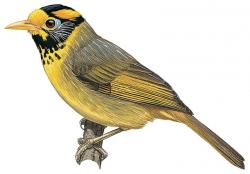
    In Sylvatrop’s special issue with the Biodiversity Conservation Society of the Philippines, proponents of the study revealed both Negros babblers—the flame-templed babbler (Dasycrotapha speciosa), which is endemic to Negros and Panay, and striped babbler (Stachyris nigrorum), which exclusively found on Negros, have been classified as endangered by the International Union for Conservation of Nature (IUCN).

    As of 2015, BirdLife International indicated that the population of flame-templed babbler on Mount Kanlaon ranged from 2,500 to 9,999 individuals. This was greater than the 600 to 1,700 mature individuals for striped babbler, according to the report.

    The decrease in the population of the species, estimated from 50 percent to 90 percent, is believed to be continuing.

    “[We should] intensify regular forest monitoring on Mount Kanlaon; establish and revisit biodiversity-monitoring system for the population of babbler species,” according to Sylvatrop authors Andrew T. Reintar, Shaira Grace B. Pios and Dennis A. Warguez.

    Source: Business Mirror, 17 September 2017
    https://businessmirror.com.ph/negros-islands-endemic-babbler-birds-continue-to-decline-study/

  • Neonicotinoid Residue Found In Iowa Drinking Water

    Neonicotinoid Residue Found In Iowa Drinking Water

    It was only in 2015 that the US Geological Survey first studied whether neonicotinoid residue shows up in streams (it does), and new research from the University of Iowa is the first to find it in drinking water. This new study tested water from drinking taps throughout Iowa City for neonicotinoid presence. Iowa City is on the smaller side, with an estimated population of fewer than 75,000, but its presence in a largely agricultural state makes it well-placed to see how nearby pesticide use can affect an urban area. And the study did in fact find neonicotinoids in drinking water, albeit at a very low concentration: between 0.24 and 57.3 nanograms per liter, which is, as the Washington Post notes, is in the range of parts per trillion. That’s a low concentration of anything—but is it harmful? Who knows?

    Source: Modern Farmer, April 7, 2017

    Neonicotinoid Residue Found In Drinking Water For The First Time