Auteur: Henk Tennekes

  • Counterfeit pesticide problems are on the rise

    Counterfeit pesticide problems are on the rise

    In Europe, the growth of counterfeit plant protection products is worrying. The ECPA estimates that 5 percent to 7 percent of annual turnover is affected by counterfeiting and illegal trade. At the time of the report, in U.S. dollars, this is about $260 million – $370 million of the European pesticide business across Europe. In some regional hot spots, 25 percent or more of the market is estimated to be counterfeit. These estimates are based on statistics, market dynamics, percentage of customs seizures and case-by-case country studies. And the problem is growing. In China and India, illegal pesticides are deemed to make up about 30 percent and 20 percent of these markets, respectively. The rapid growth of chemical manufacturing capabilities in these countries has made this possible. Pesticide imports from China into the European Union are growing eight times faster than average worldwide pesticide imports into the EU. This is a concern in light of the fact that 86 percent of counterfeited goods seized in 2006 came from China.

    In Europe, the growth of counterfeit plant protection products is worrying. The ECPA estimates that 5 percent to 7 percent of annual turnover is affected by counterfeiting and illegal trade. At the time of the report, in U.S. dollars, this is about $260 million – $370 million of the European pesticide business across Europe. In some regional hot spots, 25 percent or more of the market is estimated to be counterfeit. These estimates are based on statistics, market dynamics, percentage of customs seizures and case-by-case country studies. And the problem is growing. In China and India, illegal pesticides are deemed to make up about 30 percent and 20 percent of these markets, respectively. The rapid growth of chemical manufacturing capabilities in these countries has made this possible. Pesticide imports from China into the European Union are growing eight times faster than average worldwide pesticide imports into the EU. This is a concern in light of the fact that 86 percent of counterfeited goods seized in 2006 came from China.

    – See more at: http://www.thegrower.com/issues/citrus-vegetable/117876994.html#sthash.qv4GggfO.dpuf

  • A synthesis of the current knowledge on the human health effects of low-level MeHg exposure

    A synthesis of the current knowledge on the human health effects of low-level MeHg exposure

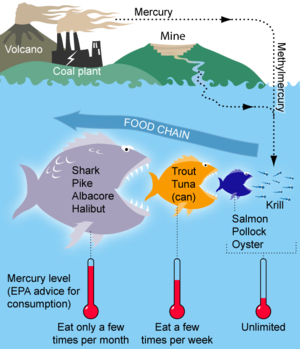
    Methylmercury (MeHg) is a known neurotoxicant. Emerging evidence indicates it may have adverse effects on the neurologic and other body systems at common low levels of exposure. Impacts of MeHg exposure could vary by individual susceptibility or be confounded by beneficial nutrients in fish containing MeHg. Despite its global relevance, synthesis of the available literature on low-level MeHg exposure has been limited. We undertook a synthesis of the current knowledge on the human health effects of low-level MeHg exposure to provide a basis for future research efforts, risk assessment, and exposure remediation policies worldwide. We reviewed the published literature for original human epidemiologic research articles that reported a direct biomarker of mercury exposure. To focus on high-quality studies and those specifically on low mercury exposure, we excluded case series, as well as studies of populations with unusually high fish consumption (e.g., the Seychelles), marine mammal consumption (e.g., the Faroe Islands, circumpolar, and other indigenous populations), or consumption of highly contaminated fish (e.g., gold-mining regions in the Amazon). Recent evidence raises the possibility of effects of low-level MeHg exposure on fetal growth among susceptible subgroups and on infant growth in the first 2 years of life. Low-level effects of MeHg on neurologic outcomes may differ by age, sex, and timing of exposure. No clear pattern has been observed for cardio-vascular disease (CVD) risk across populations or for specific CVD end points. For the few studies evaluating immunologic effects associated with MeHg, results have been inconsistent. Studies targeted at identifying potential mechanisms of low-level MeHg effects and characterizing individual susceptibility, sexual dimorphism, and non-linearity in dose response would help guide future prevention, policy, and regulatory efforts surrounding MeHg exposure.

    Methylmercury (MeHg) is a known neurotoxicant. Emerging evidence indicates it may have adverse effects on the neurologic and other body systems at common low levels of exposure. Impacts of MeHg exposure could vary by individual susceptibility or be confounded by beneficial nutrients in fish containing MeHg. Despite its global relevance, synthesis of the available literature on low-level MeHg exposure has been limited. We undertook a synthesis of the current knowledge on the human health effects of low-level MeHg exposure to provide a basis for future research efforts, risk assessment, and exposure remediation policies worldwide. We reviewed the published literature for original human epidemiologic research articles that reported a direct biomarker of mercury exposure. To focus on high-quality studies and those specifically on low mercury exposure, we excluded case series, as well as studies of populations with unusually high fish consumption (e.g., the Seychelles), marine mammal consumption (e.g., the Faroe Islands, circumpolar, and other indigenous populations), or consumption of highly contaminated fish (e.g., gold-mining regions in the Amazon). Recent evidence raises the possibility of effects of low-level MeHg exposure on fetal growth among susceptible subgroups and on infant growth in the first 2 years of life. Low-level effects of MeHg on neurologic outcomes may differ by age, sex, and timing of exposure. No clear pattern has been observed for cardio-vascular disease (CVD) risk across populations or for specific CVD end points. For the few studies evaluating immunologic effects associated with MeHg, results have been inconsistent. Studies targeted at identifying potential mechanisms of low-level MeHg effects and characterizing individual susceptibility, sexual dimorphism, and non-linearity in dose response would help guide future prevention, policy, and regulatory efforts surrounding MeHg exposure.

    Source:
    Margaret R. Karagas et al. (2012) Environ Health Perspect. 120(6): 799–806 (attached)

  • Study Analyzes Current Scientific State of Art on Nano-Pesticides

    Study Analyzes Current Scientific State of Art on Nano-Pesticides

    Research is urgently needed to evaluate the risks and benefits of nano-pesticides to human and environmental health. Melanie Kah and Thilo Hofmann from the Department of Environmental Geosciences of the University of Vienna recently performed an extensive analysis of this emerging field of research. The results were published June 6th in the internationally recognised journal “Critical Reviews in Environmental Science and Technology”. The study presents the current scientific state of art on nano-pesticides and identifies direction priorities for future research.

    Research is urgently needed to evaluate the risks and benefits of nano-pesticides to human and environmental health. Melanie Kah and Thilo Hofmann from the Department of Environmental Geosciences of the University of Vienna recently performed an extensive analysis of this emerging field of research. The results were published June 6th in the internationally recognised journal “Critical Reviews in Environmental Science and Technology”. The study presents the current scientific state of art on nano-pesticides and identifies direction priorities for future research.

    Nanotechnology has developed tremendously in the past decade and was able to create many new materials with a vast range of potential applications. Some of those innovative materials are promising to reduce environmental pollution. For instance, carbon nanotubes and metal nano-particles are great candidate materials for cleaning polluted water and soils.

    However, the risk that nano-particles may pose to human and environment health is not yet fully understood. The precautionary principle therefore suggests keeping environmental release of nano-particles minimal until their fate and toxicity is better understood. “A good understanding of nano-materials is essential to evaluate whether the benefits overcome potential new risks”, explains Thilo Hofmann, dean elected at the Faculty of Geosciences, Geography and Astronomy of the University of Vienna.

    Among numerous proposed applications, nanotechnology has the potential to revolutionize agricultural practices and food systems. Research has been extremely active over the past few years to develop new pesticides products based on nanotechnology. “Nano-pesticide research is emerging at high speed at the agrochemical labs, however, this topic has not reached public awareness or state authorities so far, nor are any products available at the marked. Since those nano-pesticides have new or enhanced properties, this will change in near future and will inevitably result in both new risks and new benefits to human and environmental health”, states Thilo Hofmann.

    Nano-pesticides encompass a great variety of products, some of which are already on the market. The application of nano-pesticides would be the only intentional diffuse input of large quantities of engineered nano-particles into the environment. Innovation always results in both drawbacks and benefits for human and environmental health. Nano-pesticides may reduce environmental contamination through the reduction in pesticide application rates and reduced losses. However, nano-pesticides may also create new kinds of contamination of soils and waterways due to enhanced transport, longer persistence and higher toxicity.

    The current level of knowledge does not allow a fair assessment of the advantages and disadvantages that will result from the use of nano-pesticides. As a prerequisite for such assessment, a better understanding of the fate and effect of nano-pesticides after their application is required. The suitability of current regulations should also be analyzed so that refinements can be implemented if needed. Research on nano-pesticides is therefore a priority for preserving the quality of both the food chain and the environment.

    Published in Critical Reviews in Environmental Science and Technology
    Volume 43, Issue 16, 2013
    (http://www.tandfonline.com/doi/abs/10.1080/10643389.2012.671750#.UgT6XqyXOM4)

    Source: http://www.nano.org.uk/

  • Study reveals the presence of circulating pesticides associated to genetically modified foods in women with and without pregnancy

    Study reveals the presence of circulating pesticides associated to genetically modified foods in women with and without pregnancy

    Pesticides associated to genetically modified foods (PAGMF), are engineered to tolerate herbicides such as
    glyphosate (GLYP) and gluphosinate (GLUF) or insecticides such as the bacterial toxin bacillus thuringiensis (Bt). The aim of this study was to evaluate the correlation between maternal and fetal exposure, and to determine exposure levels of GLYP and its metabolite aminomethylphosphoric acid (AMPA), GLUF and its metabolite 3-methylphosphinicopropionic acid (3-MPPA) and Cry1Ab protein (a Bt toxin) in Eastern Townships of Quebec, Canada. Blood of thirty pregnant women (PW) and thirty-nine nonpregnant women (NPW) were studied. Serum GLYP and GLUF were detected in NPW and not detected in PW. Serum 3-MPPA and CryAb1 toxin were detected in PW, their fetuses and NPW.This is the first study to reveal the presence of circulating PAGMF in women with and without pregnancy.

    Pesticides associated to genetically modified foods (PAGMF), are engineered to tolerate herbicides such as
    glyphosate (GLYP) and gluphosinate (GLUF) or insecticides such as the bacterial toxin bacillus thuringiensis (Bt). The aim of this study was to evaluate the correlation between maternal and fetal exposure, and to determine exposure levels of GLYP and its metabolite aminomethylphosphoric acid (AMPA), GLUF and its metabolite 3-methylphosphinicopropionic acid (3-MPPA) and Cry1Ab protein (a Bt toxin) in Eastern Townships of Quebec, Canada. Blood of thirty pregnant women (PW) and thirty-nine nonpregnant women (NPW) were studied. Serum GLYP and GLUF were detected in NPW and not detected in PW. Serum 3-MPPA and CryAb1 toxin were detected in PW, their fetuses and NPW.This is the first study to reveal the presence of circulating PAGMF in women with and without pregnancy.

    Source:
    Aziz Arisa, Samuel Leblanc (2011) Reproductive Toxicology 31:528-533 (attached)

  • “Bijenvriendelijke” tuinplanten in tuincentra zijn vaak besmet met neonicotinoide insecticiden

    “Bijenvriendelijke” tuinplanten in tuincentra zijn vaak besmet met neonicotinoide insecticiden

    Neonicotinoïden worden niet alleen gebruikt in de landbouw – buiten medeweten van de consument worden in tuincentra veel “bijenvriendelijke” tuin planten verkocht, die zijn voorbehandeld met bijendodende pesticiden, en die tuinen met deze bestrijdingsmiddelen kunnen besmetten. Daardoor worden tuinen maanden tot jaren schadelijk voor bijen en andere bestuivers, omdat de neonicotinoiden maar langzaam worden afgebroken. Ook bijenlinten kunnen hierdoor besmet worden met neonicotinoiden en, ondanks alle goede bedoelingen, bijenvolksterfte veroorzaken. Een nieuwe studie van Friends of the Earth in de VS en het Pesticide Research Institute heeft aangetoond dat meer dan de helft van de populaire tuin planten die werden gekocht bij tuincentra met neonicotinoide pesticiden besmet waren, zonder waarschuwing aan de consument.

    Neonicotinoïden worden niet alleen gebruikt in de landbouw – buiten medeweten van de consument worden in tuincentra veel “bijenvriendelijke” tuin planten verkocht, die zijn voorbehandeld met bijendodende pesticiden, en die tuinen met deze bestrijdingsmiddelen kunnen besmetten. Daardoor worden tuinen maanden tot jaren schadelijk voor bijen en andere bestuivers, omdat de neonicotinoiden maar langzaam worden afgebroken. Ook bijenlinten kunnen hierdoor besmet worden met neonicotinoiden en, ondanks alle goede bedoelingen, bijenvolksterfte veroorzaken. Een nieuwe studie van Friends of the Earth in de VS en het Pesticide Research Institute heeft aangetoond dat meer dan de helft van de populaire tuin planten die werden gekocht bij tuincentra met neonicotinoide pesticiden besmet waren, zonder waarschuwing aan de consument.

    Lees hierover meer bij:
    http://www.foe.org/beeaction#sthash.kTv9pgqw.dpuf

  • Gardeners Beware: Bee-Toxic Pesticides Found in “Bee-Friendly” Plants Sold at Garden Centers Nationwide

    Gardeners Beware: Bee-Toxic Pesticides Found in “Bee-Friendly” Plants Sold at Garden Centers Nationwide

    Neonicotinoids aren’t just used in agriculture — unbeknownst to consumers, many “bee friendly” garden plants sold at home garden centers have been pre-treated with these bee killing pesticides which can contaminate their gardens and keep harming bees and other pollinators for months to years. A new, first-of-its-kind pilot study by Friends of the Earth-US and Pesticide Research Institute has found 54% of common garden plants purchased at top retailers including Lowes and Home Depot contained neonicotinoid pesticides, which studies show can harm or kill bees and other pollinators, with no warning to consumers.

    Neonicotinoids aren’t just used in agriculture — unbeknownst to consumers, many “bee friendly” garden plants sold at home garden centers have been pre-treated with these bee killing pesticides which can contaminate their gardens and keep harming bees and other pollinators for months to years. A new, first-of-its-kind pilot study by Friends of the Earth-US and Pesticide Research Institute has found 54% of common garden plants purchased at top retailers including Lowes and Home Depot contained neonicotinoid pesticides, which studies show can harm or kill bees and other pollinators, with no warning to consumers.

    – See more at: http://www.foe.org/beeaction#sthash.kTv9pgqw.dpuf

  • Serious Problems May Arise From Horizontal Gene Transfer

    Serious Problems May Arise From Horizontal Gene Transfer

    GE plants and animals are created using horizontal gene transfer (also called horizontal inheritance), as contrasted with vertical gene transfer, which is the mechanism in natural reproduction. Vertical gene transfer, or vertical inheritance, is the transmission of genes from the parent generation to offspring via sexual or asexual reproduction, i.e., breeding a male and female from one species. By contrast, horizontal gene transfer involves injecting a gene from one species into a completely different species, which yields unexpected and often unpredictable results. Proponents of GM crops assume they can apply the principles of vertical inheritance to horizontal inheritance, but according to Dr. David Suzuki, an award-winning geneticist, this assumption is flawed in just about every possible way and is “just lousy science.” Genes don’t function in a vacuum — they act in the context of the entire genome. Whole sets of genes are turned on and off in order to arrive at a particular organism, and the entire orchestration is an activated genome. It’s a dangerous mistake to assume a gene’s traits are expressed properly, regardless of where they’re inserted. The safety of genetically modified food is based only on a hypothesis, and this hypothesis is already being proven wrong.

    GE plants and animals are created using horizontal gene transfer (also called horizontal inheritance), as contrasted with vertical gene transfer, which is the mechanism in natural reproduction. Vertical gene transfer, or vertical inheritance, is the transmission of genes from the parent generation to offspring via sexual or asexual reproduction, i.e., breeding a male and female from one species. By contrast, horizontal gene transfer involves injecting a gene from one species into a completely different species, which yields unexpected and often unpredictable results. Proponents of GM crops assume they can apply the principles of vertical inheritance to horizontal inheritance, but according to Dr. David Suzuki, an award-winning geneticist, this assumption is flawed in just about every possible way and is “just lousy science.” Genes don’t function in a vacuum — they act in the context of the entire genome. Whole sets of genes are turned on and off in order to arrive at a particular organism, and the entire orchestration is an activated genome. It’s a dangerous mistake to assume a gene’s traits are expressed properly, regardless of where they’re inserted. The safety of genetically modified food is based only on a hypothesis, and this hypothesis is already being proven wrong.

    Source: The Liberty Beacon, 10 August 2013
    http://www.thelibertybeacon.com/2013/08/10/former-pro-gmo-scientist-speaks-out-on-the-real-dangers-of-genetically-modified-food-11174/

  • High Toxicity of Neonicotinoid Insecticides to Lady Bird Beetle Under Laboratory Conditions

    High Toxicity of Neonicotinoid Insecticides to Lady Bird Beetle Under Laboratory Conditions

    Among the various insecticides tested on the grubs of lady bird beetle, Cryptolaemus montruzeiri, buprofezein, azadirachtin and dichlorvas were found to be the safest causing minimum per cent mortality of 33.33, 34.44 and 48.89 per cent respectively. However, highest mortalities of grubs were recorded in imidacloprid, carbaryl and acetamiprid recording 96.67, 92.22, 91.11 per cent mortality of grubs respectively. Buprofezin 25 EC @ 0.01% and azadirachtin 0.03% EC were found safe for adults recording 10.00 and 13.33 per cent mortality, respectively while highest adult mortality was recorded in carbaryl (97.38%) followed by acetamiprid (93.33%) and imidacloprid (92.22%).

    Among the various insecticides tested on the grubs of lady bird beetle, Cryptolaemus montruzeiri, buprofezein, azadirachtin and dichlorvas were found to be the safest causing minimum per cent mortality of 33.33, 34.44 and 48.89 per cent respectively. However, highest mortalities of grubs were recorded in imidacloprid, carbaryl and acetamiprid recording 96.67, 92.22, 91.11 per cent mortality of grubs respectively. Buprofezin 25 EC @ 0.01% and azadirachtin 0.03% EC were found safe for adults recording 10.00 and 13.33 per cent mortality, respectively while highest adult mortality was recorded in carbaryl (97.38%) followed by acetamiprid (93.33%) and imidacloprid (92.22%).

    Source:
    Halappa B., Awaknavar J.S., Archana D.
    Journal of Entomological Research
    Year : 2013, Volume : 37, Issue : 2
    First page : ( 145) Last page : ( 148)
    Print ISSN : 0378-9519. Online ISSN : 0974-4576
    http://www.indianjournals.com/ijor.Aspx?target=ijor:jer&volume=37&issue=2&article=009

  • Insecticide residues in bats from Indiana

    Insecticide residues in bats from Indiana

    Over recent decades, numerous species of bats have been declining, but the causes are not well understood. One of the causes often mentioned is that of environmental toxicants. Feeding on insects makes insectivorous bats more likely to be exposed to insecticides. We sent nine bats (5 Indiana myotis, Myotis sodalis, and 4 northern myotis, Myotis septentrionalis) through U.S. Fish & Wildlife Service (USF&W) sources to be tested for toxicants. Three of these proved to have organophosphate (OP) insecticide residues: chlorpyrifos (0.18 ug/g), diazinon (0.034 ug/g), and methyl parathion (0.015 ug/g). Chlorpyrifos was also detected in all six dead Indiana myotis found during the USF&W Service biennial mid-winter hibernacula surveys in Ray’s and Wyandotte Caves, both important Indiana myotis hibernacula. Chlorpyrifos or dichlorvos (another OP) was found in Indiana myotis guano from all four caves sampled (Wyandotte, Coon, Grotto and Ray’s). These data are particularly surprising since OP insecticides are thought to have little bioaccumulation in living tissues or in food chains. Their presence in a tissue sample is indicative of exposure shortly before death. Even though exposure to low doses might not be the primary cause of mortality, such exposure could impair echolocation, coordination and response time which, in turn, could lead to significant injuries and death of bats in the field. Presence of OPs in bat guano from caves may suggest insecticide application near these hibernacula and constitutes clear evidence of oral exposure through persistence of toxicants in water or through the food chain.

    Over recent decades, numerous species of bats have been declining, but the causes are not well understood. One of the causes often mentioned is that of environmental toxicants. Feeding on insects makes insectivorous bats more likely to be exposed to insecticides. We sent nine bats (5 Indiana myotis, Myotis sodalis, and 4 northern myotis, Myotis septentrionalis) through U.S. Fish & Wildlife Service (USF&W) sources to be tested for toxicants. Three of these proved to have organophosphate (OP) insecticide residues: chlorpyrifos (0.18 ug/g), diazinon (0.034 ug/g), and methyl parathion (0.015 ug/g). Chlorpyrifos was also detected in all six dead Indiana myotis found during the USF&W Service biennial mid-winter hibernacula surveys in Ray’s and Wyandotte Caves, both important Indiana myotis hibernacula. Chlorpyrifos or dichlorvos (another OP) was found in Indiana myotis guano from all four caves sampled (Wyandotte, Coon, Grotto and Ray’s). These data are particularly surprising since OP insecticides are thought to have little bioaccumulation in living tissues or in food chains. Their presence in a tissue sample is indicative of exposure shortly before death. Even though exposure to low doses might not be the primary cause of mortality, such exposure could impair echolocation, coordination and response time which, in turn, could lead to significant injuries and death of bats in the field. Presence of OPs in bat guano from caves may suggest insecticide application near these hibernacula and constitutes clear evidence of oral exposure through persistence of toxicants in water or through the food chain.

    Source:
    Ronny R. Eidels, John O. Whitaker, Jr., Daniel W. Sparks. (2007) Proceedings of the Indiana Academy of Science 1 1 6:50—57

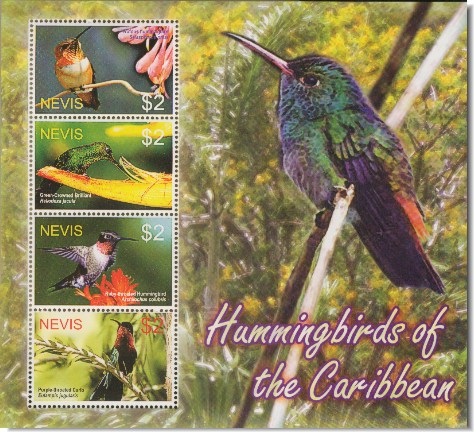
  • One of the pleasures of being, or even just looking, outdoors is watching butterflies and hummingbirds

    One of the pleasures of being, or even just looking, outdoors is watching butterflies and hummingbirds

    In eastern Nebraska, we typically see just one species of hummingbird, the ruby-throated hummingbird (Archilochus colubris). Hummingbirds feed on nectar from flowers and tree sap, and on small insects and spiders. While many people attract hummingbirds with feeders, it is better to draw them by planting flowers rich in nectar, which provide better nutrition. Flowers also draw spiders and aphids that hummingbirds use as a protein source. Feeders may be useful in supplementing other sources of nectar and insects (and, of course, to get them closer to your window). Or, better yet, put container pots of pentas, nasturtium or fuschia near the house to attract the hummingbirds and provide a source of natural nectar as well as insects. Because hummingbirds eat gnats and aphids, try to avoid pesticide use where they might be feeding. Another reason to limit pesticides is the potential harm to butterflies. Insecticides kill butterflies as well as other beneficial insects.

    In eastern Nebraska, we typically see just one species of hummingbird, the ruby-throated hummingbird (Archilochus colubris). Hummingbirds feed on nectar from flowers and tree sap, and on small insects and spiders. While many people attract hummingbirds with feeders, it is better to draw them by planting flowers rich in nectar, which provide better nutrition. Flowers also draw spiders and aphids that hummingbirds use as a protein source. Feeders may be useful in supplementing other sources of nectar and insects (and, of course, to get them closer to your window). Or, better yet, put container pots of pentas, nasturtium or fuschia near the house to attract the hummingbirds and provide a source of natural nectar as well as insects. Because hummingbirds eat gnats and aphids, try to avoid pesticide use where they might be feeding. Another reason to limit pesticides is the potential harm to butterflies. Insecticides kill butterflies as well as other beneficial insects.

    Source: Lincoln’s Premier Lifestyle Magazine, 13 August 2013
    http://journalstar.com/niche/l-magazine/home-and-garden/attracting-colorful-visitors/article_23ef20a3-bbaa-5eee-825a-6a4af6deddd9.html
    by Mari Lane Gewecke, a Master Gardener volunteer, affiliated with the University of Nebraska-Lincoln campus program, and a self-employed consultant
    For more information on attracting butterflies and hummingbirds, including extensive plant lists, go to the University of Nebraska Extension web site at extension.unl.edu.

    .