Auteur: Henk Tennekes

  • Epidemie: Tote Grünfinken an Futterstellen

    Epidemie: Tote Grünfinken an Futterstellen

    Nach der großen Epidemie im Jahr 2009 traten auch in den folgenden Jahren an Sommerfutterstellen immer wieder sterbende Grünfinken (Carduelis chloris) auf. Der Einzeller Trichomonas gallinae konnte 2009 als Ursache für den Tod von rd. 80.000 Finken von Veterinären mehrfach bestätigt werden. Auch im aktuellen Sommer 2013 wird dem NABU von besorgten Mitbürgern insbesondere aus Süddeutschland über ein verstärktes Auftreten von Trichomonaden berichtet. Möglicherweise erreicht die Zahl der Meldungen wegen der warmen Witterung, die die Infektion begünstigt, wieder das Ausmaß des Jahres 2009.

    Nach der großen Epidemie im Jahr 2009 traten auch in den folgenden Jahren an Sommerfutterstellen immer wieder sterbende Grünfinken (Carduelis chloris) auf. Der Einzeller Trichomonas gallinae konnte 2009 als Ursache für den Tod von rd. 80.000 Finken von Veterinären mehrfach bestätigt werden. Auch im aktuellen Sommer 2013 wird dem NABU von besorgten Mitbürgern insbesondere aus Süddeutschland über ein verstärktes Auftreten von Trichomonaden berichtet. Möglicherweise erreicht die Zahl der Meldungen wegen der warmen Witterung, die die Infektion begünstigt, wieder das Ausmaß des Jahres 2009.

    Quelle: NABU Schleswig-Holstein, 20. August 2013
    http://schleswig-holstein.nabu.de/naturvorort/vogelschutz/11027.html

  • Sawfly decline could impact bird numbers

    Sawfly decline could impact bird numbers

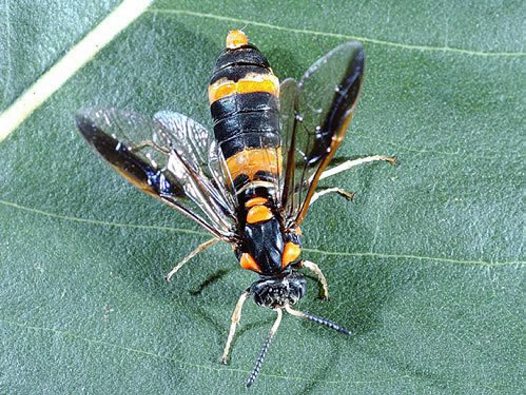
    The intensification of agriculture could have an impact on threatened populations of farmland birds due to its effect on one of their most important food sources, the sawfly. In the first genetic study of farmland sawflies in the UK, scientists at the James Hutton Institute in Dundee examined the genetic diversity and population structure of sawfly larvae at a number of sites in Scotland in order to gain a better insight into agriculture’s impact on sawfly abundance. Their study provided the first evidence for the presence of diploid males in UK farmland sawfly populations. Diploid males are usually sterile and are typically produced when an unusual form of sex determination, called complementary sex determination, operates in inbreeding populations. Their study suggests that farmland sawflies might be vulnerable to population decline due to low levels of genetic diversity and inbreeding.

    The intensification of agriculture could have an impact on threatened populations of farmland birds due to its effect on one of their most important food sources, the sawfly. In the first genetic study of farmland sawflies in the UK, scientists at the James Hutton Institute in Dundee examined the genetic diversity and population structure of sawfly larvae at a number of sites in Scotland in order to gain a better insight into agriculture’s impact on sawfly abundance. Their study provided the first evidence for the presence of diploid males in UK farmland sawfly populations. Diploid males are usually sterile and are typically produced when an unusual form of sex determination, called complementary sex determination, operates in inbreeding populations. Their study suggests that farmland sawflies might be vulnerable to population decline due to low levels of genetic diversity and inbreeding.

    An accelerated decline in farmland sawfly numbers arising from low diversity and inbreeding would have a significant impact on farmland bird species, such as the grey partridge. The grey partridge is important as it is seen as a useful indicator of biodiversity in the agricultural landscape and its decline can indicate wider changes in the diversity and abundance of plants, insects and other animals.

    Long-term studies of grey partridge have shown that when its population declines, it directly correlates with reductions in invertebrates which are an important food source for chick survival.

    Dr Nicola Cook, who led the study said: “This is the first time such genetic research has been carried out on any farmland sawfly population as most previous studies were limited to census-based counting. This genetic study has helped us identify populations which may be vulnerable due to low genetic diversity and potentially sterile males. These populations have come under threat due to intensification of agriculture and modern practices. It is therefore important that we farm in such a way that biodiversity is encouraged by providing field margins and wildlife corridors and using agri-chemicals responsibly.”

    Professor Nick Sotherton, of the Game and Wildlife Conservation Trust who were the CASE partners on the study added: “Sawflies are an interesting group of insects closely related to ants and bees. Some are pests but they have also been shown to be important food items in the diet of farmland birds, many of which are now causing conservation concern. We know that sawflies are very susceptible to intensive farming practices and once numbers have been reduced, it can take many years for populations to recover. This research throws an interesting light on the fate of these beneficial insects when they reach low densities.”

    The study was conducted as part of Dr Cook’s PhD which was supervised by Drs Alison Karley and Joanne Russell, James Hutton Institute, Professor Stephen Hubbard, University of St Andrews and Dr Dave Parish, Game and Wildlife Conservation Trust. Since gaining her PhD Dr Cook has taken up a position at the University of St Andrews.

    Source: Cook, N., Hubbard, S.F., Karley, A.J., Russell, J.R. 2013. Genetic diversity and complementary sex determination (CSD) in Dolerus aeneus (Hymenoptera, Symphyta): implications for the conservation of an ecologically-important sawfly. Conservation Genetics. doi:10.1007/s10592-013-0500-0.

    http://www.hutton.ac.uk/news/sawfly-decline-could-impact-bird-numbers

  • OVG Lüneburg: Pflanzenschutzmittel dürfen Nahrungsquellen von Bienen nicht vergiften

    OVG Lüneburg: Pflanzenschutzmittel dürfen Nahrungsquellen von Bienen nicht vergiften

    Pflanzenschutzmittel dürfen Nahrungsquellen von Bienen nicht vergiften. Das ergibt sich aus zwei Urteilen des niedersächsischen Oberverwaltungsgerichts in Lüneburg vom 20.08.2013. Das Gericht hat entschieden, dass bienengefährliche Pflanzenschutzmittel unter anderem auf Kartoffeln bereits dann nicht mehr angewandt werden dürfen, wenn damit zu rechnen ist, dass Bienen innerhalb des Wirkungszeitraums des Mittels die behandelten Pflanzen zwecks Nahrungssuche anfliegen. Die Revision wurde nicht zugelassen (Az.: 10 LC 113/11 und 10 LC 131/11).

    Pflanzenschutzmittel dürfen Nahrungsquellen von Bienen nicht vergiften. Das ergibt sich aus zwei Urteilen des niedersächsischen Oberverwaltungsgerichts in Lüneburg vom 20.08.2013. Das Gericht hat entschieden, dass bienengefährliche Pflanzenschutzmittel unter anderem auf Kartoffeln bereits dann nicht mehr angewandt werden dürfen, wenn damit zu rechnen ist, dass Bienen innerhalb des Wirkungszeitraums des Mittels die behandelten Pflanzen zwecks Nahrungssuche anfliegen. Die Revision wurde nicht zugelassen (Az.: 10 LC 113/11 und 10 LC 131/11).

    Der Kläger hat einen landwirtschaftlichen Betrieb und baut Kartoffeln an. Für das Jahr 2006 erhielt er eine produktionsbezogene Beihilfe für den Anbau von Stärkekartoffeln sowie eine allgemeine Betriebsprämie. Beide Beihilfen sind daran gebunden, dass der Landwirt allgemeine Anforderungen beachtet. Hierzu zählt auch die sachgerechte Anwendung von Pflanzenschutzmitteln. Die beklagte Landwirtschaftskammer Niedersachsen hat die gewährten Beihilfen jeweils um 5% gekürzt und den überzahlten Betrag zurückgefordert. Dies begründet sie damit, der Kläger habe Ende Juli 2006 seine Kartoffelpflanzen mit einem bienengefährlichen Pflanzenschutzmittel behandelt. Dies hätte er aber unterlassen müssen. Denn seine Kartoffelpflanzen seien damals stark mit Blattläusen befallen gewesen, sodass sich Honigtau gebildet und Bienen angelockt habe. Tatsächlich hätten deshalb Bienen die Felder des Klägers beflogen und seien massenhaft verendet.

    Der Landwirt sieht in seinem Handeln keinen Verstoß gegen die Bienenschutzverordnung. Danach sei es nur verboten, bienengefährliche Pflanzenschutzmittel anzuwenden, wenn die Pflanzen im Anwendungszeitpunkt tatsächlich von Bienen angeflogen würden. Dies sei vorliegend jedoch Ende Juli 2006 nicht der Fall, zumindest für ihn trotz Kontrollen nicht zu erkennen gewesen, so der Landwirt.

    Während das Verwaltungsgericht diesem Verständnis der Bienenschutzverordnung gefolgt ist und den Klagen des Landwirts in beiden Verfahren stattgegeben hat, hat sich das niedersächsische OVG der Ansicht der beklagten Landwirtschaftskammer angeschlossen, die Urteile des VG geändert und die Klagen gegen die Kürzung abgewiesen. Das von der Beklagten vertretene Begriffsverständnis sei vom Wortlaut des § 2 Abs. 1 Nr. 2 der Bienenschutzverordnung gedeckt und entspreche allein dem Sinn und Zweck der Norm. Zudem sei die Verordnung gerade deshalb erweitert worden, um auch Pflanzen mit Honigtaubildung als Nahrungsquelle für Bienen besonders zu schützen, so das OVG. Andernfalls wäre der gewollte Bienenschutz unvollkommen.

    Dem Landwirt bleibe aber die Möglichkeit, seine Pflanzen frühzeitig, also vor einer Honigtaubildung, zu behandeln oder danach ein weniger bienengefährliches Mittel anzuwenden, betont das OVG. Notfalls müsse er eine Ausnahmegenehmigung beantragen und rechtzeitig vor der Behandlung alle Imker im Umkreis benachrichtigen. Da nach den Feststellungen des OVG die Kartoffelpflanzen des Klägers Ende Juli 2006 tatsächlich stark mit Blattläusen befallen waren und sich Honigtau gebildet hatte, seien seine Pflanzen als Nahrungsquelle für die im näheren Umkreis von bis zu zwei Kilometern befindlichen Bienen mehrerer Imker in Betracht gekommen.

    Der Kläger hätte deshalb nicht mehr mit dem bienengefährlichen Mittel Tamaron spritzen dürfen. Er habe insoweit auch fahrlässig gehandelt. Denn auf ein solches Verbot seien die Kartoffelanbauer in Niedersachsen im Juli 2006 mehrfach hingewiesen worden. Daher sei die auch nachträgliche Kürzung der Prämien um 5% nicht zu beanstanden. Ob tatsächlich Bienen infolge des Einsatzes von Tamaron durch den Kläger verendet sind, musste das OVG eigenen Angaben zufolge nicht klären.
    Quelle: Beck aktuell, 20.08.2013

    http://beck-aktuell.beck.de/news/ovg-l-neburg-pflanzenschutzmittel-d-rfen-nahrungsquellen-von-bienen-nicht-vergiften

  • An open letter from OBA president Dan Davidson to fellow farmers in Ontario

    An open letter from OBA president Dan Davidson to fellow farmers in Ontario

    The Ontario Beekeepers Association (OBA) is requesting support to ban neonicotinoid pesticides. Neonicotonoids have been implicated in widespread bee deaths across the province and over 150 peer reviewed papers have been published supporting this evidence. Meanwhile OMAF stats show less than 4% yield improvements from using seeds treated with neonics. As part of the OBA’s commitment to work with their agricultural partners as they advocate for the suspension of neonicotinoid pesticides, they have circulated an open letter from OBA president Dan Davidson to fellow farmers in Ontario (attached).

    The Ontario Beekeepers Association (OBA) is requesting support to ban neonicotinoid pesticides. Neonicotonoids have been implicated in widespread bee deaths across the province and over 150 peer reviewed papers have been published supporting this evidence. Meanwhile OMAF stats show less than 4% yield improvements from using seeds treated with neonics. As part of the OBA’s commitment to work with their agricultural partners as they advocate for the suspension of neonicotinoid pesticides, they have circulated an open letter from OBA president Dan Davidson to fellow farmers in Ontario (attached).

    Source: Organic Council of Ontario
    http://www.organiccouncil.ca/takeaction

  • Boswachter André Donker van Natuurmonumenten neemt ferm stelling tegen de teelt van lelies in nationaal park Het Drents-Friese Wold.

    Boswachter André Donker van Natuurmonumenten neemt ferm stelling tegen de teelt van lelies in nationaal park Het Drents-Friese Wold.

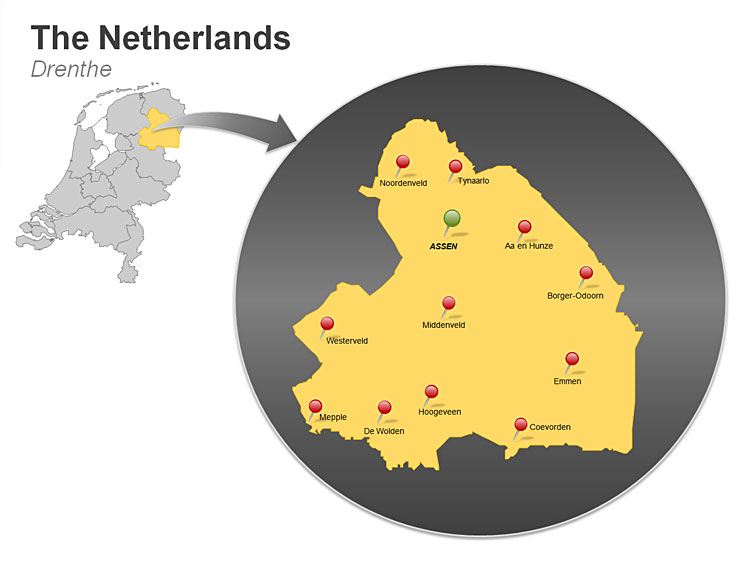
    Donker spreekt van ‘kwalijke gewassen’ die volgens hem schade aanrichten aan het milieu. Dit omdat voor de teelt veel bestrijdingsmiddelen worden gebruikt. De boswachter maakt zich vooral zorgen over de uitspoeling van de omstreden stoffen in grond- en oppervlaktewater van het park. Donker kaartte de kwestie gisteren aan bij Kamerlid Esther Ouwehand (Partij voor de Dieren). Zij bezocht bewoners van Westerveld die overlast ervaren van de gebruikte bestrijdingsmiddelen. Hart van Nederland maakte een reportage over de bestrijdingsmiddelen in de lelieteelt: http://www.hartvannederland.nl/nederland/drenthe/2013/elke-week-gifbestrijding-op-de-bollen/. Het Drents-Friese Wold is na de Veluwe het grootste aaneengesloten bosgebied van Nederland. In het Drents-Friese Wold is ruim 130 kilometer wandelpad beschikbaar, verdeeld over meer dan 30 gemarkeerde rondwandelingen.

    Donker spreekt van ‘kwalijke gewassen’ die volgens hem schade aanrichten aan het milieu. Dit omdat voor de teelt veel bestrijdingsmiddelen worden gebruikt. De boswachter maakt zich vooral zorgen over de uitspoeling van de omstreden stoffen in grond- en oppervlaktewater van het park. Donker kaartte de kwestie gisteren aan bij Kamerlid Esther Ouwehand (Partij voor de Dieren). Zij bezocht bewoners van Westerveld die overlast ervaren van de gebruikte bestrijdingsmiddelen. Hart van Nederland maakte een reportage over de bestrijdingsmiddelen in de lelieteelt: http://www.hartvannederland.nl/nederland/drenthe/2013/elke-week-gifbestrijding-op-de-bollen/. Het Drents-Friese Wold is na de Veluwe het grootste aaneengesloten bosgebied van Nederland. In het Drents-Friese Wold is ruim 130 kilometer wandelpad beschikbaar, verdeeld over meer dan 30 gemarkeerde rondwandelingen.

    Bronnen:
    Dagblad van het Noorden, 21-08-2013
    http://www.dvhn.nl/nieuws/drenthe/article10386333.ece/Boswachter-wil-bollenteelt-uit-nationaal-park
    Het Drents-Friese Wold
    http://www.np-drentsfriesewold.nl/documents/activiteiten/wandelen.xml?lang=nl

  • Normoverschrijdingen van glyfosaat en AMPA in het Rijnstroomgebied in 2012

    Normoverschrijdingen van glyfosaat en AMPA in het Rijnstroomgebied in 2012

    De RIWA – Vereniging van Rivierwaterbedrijven – is 60 jaar geleden opgericht als samenwerkingsverband van Nederlandse waterleidingbedrijven, die oppervlaktewater gebruiken voor de bereiding van drinkwater. Het RIWA-waterkwaliteitsmeetnet in het Rijnstroomgebied omvat in 2012 een viertal meetlocaties, te weten: Lobith, Nieuwegein (of Hagestein voor de afvoer), Andijk en Nieuwersluis. De metingen worden getoetst met streefwaarden uit het Donau-, Maas- en Rijnmemorandum (DMR). Bij de meetlocaties Lobith en Nieuwersluis kwamen de hoogste waarnemingen voor glyfosaat voor (respectievelijk 0.11 en 0.12 μg/l), beide boven de DMR-streefwaarde. Ook de verbinding aminomethylfosfonzuur, beter bekend als AMPA (een afbraakproduct van glyfosaat) overschrijdt nog steeds fors de DMR-streefwaarde, in Andijk een maximum gehalte van 0.30 μg/l, maar bij de andere drie monsternamepunten met meer dan 5 maal de streefwaarde: Lobith 0.54 μg/l, Nieuwegein en Nieuwersluis beide 0.70 μg/l.

    De RIWA – Vereniging van Rivierwaterbedrijven – is 60 jaar geleden opgericht als samenwerkingsverband van Nederlandse waterleidingbedrijven, die oppervlaktewater gebruiken voor de bereiding van drinkwater. Het RIWA-waterkwaliteitsmeetnet in het Rijnstroomgebied omvat in 2012 een viertal meetlocaties, te weten: Lobith, Nieuwegein (of Hagestein voor de afvoer), Andijk en Nieuwersluis. De metingen worden getoetst met streefwaarden uit het Donau-, Maas- en Rijnmemorandum (DMR). Bij de meetlocaties Lobith en Nieuwersluis kwamen de hoogste waarnemingen voor glyfosaat voor (respectievelijk 0.11 en 0.12 μg/l), beide boven de DMR-streefwaarde. Ook de verbinding aminomethylfosfonzuur, beter bekend als AMPA (een afbraakproduct van glyfosaat) overschrijdt nog steeds fors de DMR-streefwaarde, in Andijk een maximum gehalte van 0.30 μg/l, maar bij de andere drie monsternamepunten met meer dan 5 maal de streefwaarde: Lobith 0.54 μg/l, Nieuwegein en Nieuwersluis beide 0.70 μg/l.

    Bron: RIWA (bijlage)

  • EPA Faces Calls For Neonicotinoids Risk Review In House GOP’s FY14 Bill

    EPA Faces Calls For Neonicotinoids Risk Review In House GOP’s FY14 Bill

    House Republicans appear poised to direct EPA to better assess the risks a controversial form of pesticide may pose to pollinators and possibly encourage the agency to take regulatory action, calls that may strengthen a push from Democrats and environmentalists for EPA to suspend some neonicotinoids until their risks to pollinators are known. In a draft report on a proposed fiscal year 2014 spending bill, House appropriators say new research suggests neonicotinoids increase bees’ susceptibility to parasites and pathogens. The draft report also tasks EPA with adopting a comprehensive assessment of neonicotinoids’ risks to pollinators and with taking “appropriate regulatory action to protect bees from pesticides” if necessary. The language in the House appropriations committee’s draft report could open a new front in the broad push for EPA to move more quickly to address the controversial pesticides’ risks to bees. The effort includes environmentalists’ and food safety groups’ federal lawsuit seeking bans on two neonicotinoids, as well as a House bill that Democrats introduced last month that would require the agency to suspend within six months the “most bee-toxic neonicotinoids for use in seed treatment, soil application, or foliar treatment on bee attractive plants” until further study is complete.

    House Republicans appear poised to direct EPA to better assess the risks a controversial form of pesticide may pose to pollinators and possibly encourage the agency to take regulatory action, calls that may strengthen a push from Democrats and environmentalists for EPA to suspend some neonicotinoids until their risks to pollinators are known. In a draft report on a proposed fiscal year 2014 spending bill, House appropriators say new research suggests neonicotinoids increase bees’ susceptibility to parasites and pathogens. The draft report also tasks EPA with adopting a comprehensive assessment of neonicotinoids’ risks to pollinators and with taking “appropriate regulatory action to protect bees from pesticides” if necessary. The language in the House appropriations committee’s draft report could open a new front in the broad push for EPA to move more quickly to address the controversial pesticides’ risks to bees. The effort includes environmentalists’ and food safety groups’ federal lawsuit seeking bans on two neonicotinoids, as well as a House bill that Democrats introduced last month that would require the agency to suspend within six months the “most bee-toxic neonicotinoids for use in seed treatment, soil application, or foliar treatment on bee attractive plants” until further study is complete.

    The draft fiscal year 2014 spending bill report language also calls for a major overhaul of EPA’s scientific data review process, including crafting a report on the agency’s procedures for selecting peer reviewers and adopting a slew of National Academy of Sciences recommendations for improving EPA risk assessments.

    The Republicans’ draft report language urges EPA action on colony collapse disorder, part of a sharp decline in pollinators seen since 2006. The report says honey bees and other pollinators are vital to fruit and vegetable production in the United States, and directs EPA “to adopt a comprehensive assessment process that considers the risk of pesticides to honey bees, bumble bees, and solitary bees in all life stages.”

    The language addresses an issue environmentalists have pushed in recent months in meetings with congressmen and via a federal lawsuit filed in March in U.S. District Court in the Northern District of California. Environmentalists argue pollinators’ exposure to neonicotinoids is unavoidable because the pesticides are systemic, meaning chemicals are taken up into plants’ pollen, nectar, leaves and stem. The products’ manufacturers have sought to intervene in the federal lawsuit against EPA to defend their products. They say that when properly applied, neonicotinoids do not threaten pollinators.

    EPA has acknowledged its current risk assessment methods inadequately account for neonicotinoids’ systemic properties, and is addressing the issue in multiple ways by developing a new framework to better assess risks, and also by accelerating reviews of neonicotinoid registrations required under the Federal Insecticide, Fungicide and Rodenticide Act (FIFRA). But EPA says those reviews will include new data generated by complex field studies, which require several growing seasons, and so the reviews could take between five and seven years.

    While EPA agrees further research is needed to determine pollinators’ exposure to pesticides and the effects of the chemicals on bee colonies, EPA and the U.S. Department of Agriculture in May issued a report on pollinator health that found pesticides as only one of many factors in the dramatic decline in honey bee health (Risk Policy Report, May 7).

    But the environmentalists and Democrats who argue EPA should move faster point to a European Commission plan to suspend uses of several neonicotinoid pesticides on plants that attract pollinators. Both the Democrats’ House bill and the environmentalists’ lawsuit call for EPA to take similar steps.

    Reps. Earl Blumenauer (D-OR) and John Conyers Jr. (D-MI) introduced a bill directing EPA to suspend the most toxic uses of neonicotinoid pesticides within six months and also further study how the products may be safely applied. The Center for Food Safety (CFS), Northwest Center for Alternatives to Pesticides and the Xerces Society support the bill.

    Meanwhile, CFS led the coalition of advocates that filed the federal lawsuit in March seeking revocations of registrations of the neonicotinoids clothianidin and thiamethoxam, one year after petitioning the agency to ban clothianidin. EPA denied the clothianidin petition within a few months, saying environmentalists did not show the chemical caused imminent harm and had not considered its benefits, a factor the agency must consider when registering a product for use under its FIFRA authority.

    Late last month, EPA sought to dismiss the lawsuit, which seeks the suspension of the two neonicotinoid registrations. In a July 30 motion to dismiss, EPA describes environmentalists prior petition to the agency as a piecemeal effort where advocates first sought suspension of clothianidin, then filed additional data and subsequently asked for suspension of thiamethoxam.

    EPA says its partial response — refusing to ban clothianidin — addressed the petitioners’ top priority first, and that the plaintiffs’ lawsuit is untimely because the agency is still considering aspects of the environmentalists’ petition.

    “EPA’s decision not to address the two supplemental filings in the Partial Response is not a final agency decision subject to review under the [Administrative Procedures Act,]” EPA says in its July 30 motion to dismiss. “Rather, it was a preliminary step in the Agency’s consideration of the remainder of the Petition that does not, and cannot, form the basis of an independent cause of action against EPA.” A hearing on the motion to dismiss is scheduled for Dec. 6.

    While EPA officials have said the agency is still gathering additional data on neonicotinoid risks, the language in the House committee’s draft report suggests Republicans want EPA to accelerate planned improvements in its process for assessing risks to pollinator health.

    In 2012, EPA proposed a new tiered pollinator risk assessment framework, aspects of which have been both commended and criticized by a science advisory panel and a state regulator. The new framework seeks to account for a range of exposure routes and sources, types of pesticide application, and different bee ages and castes, and it will focus mainly on honeybees (Risk Policy Report, Jan. 29).

    Neonicotinoid manufacturers have sought to intervene in the federal lawsuit to defend their products. In a July 22 proposed answer filed with the district court, the registrants deny that colony collapse disorder or any other decline in managed honey bee colonies has coincided with the introduction of clothianidin and thiamethoxam.

    “There is no reliable scientific evidence supporting the assertion that clothianidin or thiamethoxam products, as actually applied for the uses approved by EPA, cause any of the alleged sublethal honey bee effects alleged” in the lawsuit.

    Source: Inside EPA.com, 12 August 2013
    http://insideepa.com/Inside-EPA-General/Inside-EPA-Public-Content/epa-faces-calls-for-neonicotinoids-risk-review-in-house-gops-fy14-bill/menu-id-565.html

  • De technieken voor cis-genese (het inbrengen van DNA uit verwante soorten) en trans-genese (het inbrengen van DNA uit andere soorten) zijn precies hetzelfde

    De technieken voor cis-genese (het inbrengen van DNA uit verwante soorten) en trans-genese (het inbrengen van DNA uit andere soorten) zijn precies hetzelfde

    Het opmerkelijke van gentechnologen in dienst van de grote zaad-manipulerende bedrijven is, dat zij hun ingrepen altijd bagatelliseren en zeggen dat er ‘slechts 1 of 2 onschuldige eigenschappen worden toegevoegd’ (of weggelaten) aan/uit het ontvangende gewas. Hetgeen de multinationals overigens niet belet om niet alleen de techniek, maar direct de hele plant maar te patenteren. De problemen beginnen in de genetische modificatie echter niet met het inbrengen van een nieuw stukje DNA, maar met het openknippen van de oorspronkelijke DNA-streng. Dat laatste is een onbestuurbaar proces, waarbij het DNA wordt opengeknipt op alle plaatsen waar een bepaalde volgorde van aminozuren voorkomt. Die volgorde hangt af van de programmering van het enzym dat voor het openknippen wordt gebruikt. Er kunnen dus meerdere open plaatsen ontstaan waar het nieuwe DNA kan ‘landen’. Daarnaast is het vaststellen of het ‘gewenste’ stukje DNA wel is meegekomen, een zeer belangrijk onderdeel van het proces. In dit stadium vallen heel veel gemanipuleerde cellen al af, wanneer blijkt dat de nieuwe eigenschap niet ‘werkt’. Dat kan komen omdat het juiste DNA gewoon niet is meegekomen, maar het kan ook veroorzaakt worden doordat een ander gen, het promotor gen, het nieuwe gen niet heeft ingeschakeld. De beschreven processen zijn voor cis-genese (het inbrengen van DNA uit verwante soorten) en trans-genese (het inbrengen van DNA uit andere soorten) precies hetzelfde. Het is dus niet zo dat cis-genese de integriteit van de cel minder zou aantasten dan transgenese, want de techniek van de manipulatie is in beide gevallen precies gelijk. Er is dus ook geen grond voor de stelling dat cisgenese in dat opzicht acceptabeler zou zijn dan transgenese.

    Het opmerkelijke van gentechnologen in dienst van de grote zaad-manipulerende bedrijven is, dat zij hun ingrepen altijd bagatelliseren en zeggen dat er ‘slechts 1 of 2 onschuldige eigenschappen worden toegevoegd’ (of weggelaten) aan/uit het ontvangende gewas. Hetgeen de multinationals overigens niet belet om niet alleen de techniek, maar direct de hele plant maar te patenteren. De problemen beginnen in de genetische modificatie echter niet met het inbrengen van een nieuw stukje DNA, maar met het openknippen van de oorspronkelijke DNA-streng. Dat laatste is een onbestuurbaar proces, waarbij het DNA wordt opengeknipt op alle plaatsen waar een bepaalde volgorde van aminozuren voorkomt. Die volgorde hangt af van de programmering van het enzym dat voor het openknippen wordt gebruikt. Er kunnen dus meerdere open plaatsen ontstaan waar het nieuwe DNA kan ‘landen’. Daarnaast is het vaststellen of het ‘gewenste’ stukje DNA wel is meegekomen, een zeer belangrijk onderdeel van het proces. In dit stadium vallen heel veel gemanipuleerde cellen al af, wanneer blijkt dat de nieuwe eigenschap niet ‘werkt’. Dat kan komen omdat het juiste DNA gewoon niet is meegekomen, maar het kan ook veroorzaakt worden doordat een ander gen, het promotor gen, het nieuwe gen niet heeft ingeschakeld. De beschreven processen zijn voor cis-genese (het inbrengen van DNA uit verwante soorten) en trans-genese (het inbrengen van DNA uit andere soorten) precies hetzelfde. Het is dus niet zo dat cis-genese de integriteit van de cel minder zou aantasten dan transgenese, want de techniek van de manipulatie is in beide gevallen precies gelijk. Er is dus ook geen grond voor de stelling dat cisgenese in dat opzicht acceptabeler zou zijn dan transgenese.

    Wanneer is vastgesteld dat de nieuwe eigenschap inderdaad actief is, komt de vraag naar boven wat precies de wisselwerking is tussen het nieuwe stukje DNA en het ontvangende DNA. Die blijkt sterk afhankelijk te zijn van de plaats op het chromosoom waar het nieuwe DNA terecht is gekomen, en veel ingrijpender dan alleen het inbrengen van 1 of 2 nieuwe kralen in een kralenketting zou doen vermoeden. Alle domino-effecten van het verstoren van de oorspronkelijke DNA-structuur zijn nog nauwelijks in kaart gebracht. Die verstoringen grijpen in op het niveau van de cel-integriteit, die bij de introductie van nieuw DNA wordt geschonden en niet meer wordt hersteld nadien.

    Bron: Burgers voor gentechvrij voedsel
    http://gentechvrijvoedsel.nl/gm-risicos/gezondheid

  • Agricultural pesticide use has contributed significantly to the decline of imperiled species in Canada

    Agricultural pesticide use has contributed significantly to the decline of imperiled species in Canada

    Humans are modifying the global landscape at an unprecedented scale and pace. As a result, species are declining and going extinct at an alarming rate. I examined patterns of species’ declines in three different groups in relation to a number of anthropogenic variables. I found high losses of Canadian imperiled bird, mammal, amphibian and reptile species in regions with high proportions of agricultural land cover. However, losses of imperiled species are significantly more strongly related to the proportion of the region treated with agricultural pesticides. This is consistent with the hypothesis that agricultural pesticide use, or something strongly collinear with it (perhaps intensive agriculture more generally), has contributed significantly to the decline of imperiled species.

    Humans are modifying the global landscape at an unprecedented scale and pace. As a result, species are declining and going extinct at an alarming rate. I examined patterns of species’ declines in three different groups in relation to a number of anthropogenic variables. I found high losses of Canadian imperiled bird, mammal, amphibian and reptile species in regions with high proportions of agricultural land cover. However, losses of imperiled species are significantly more strongly related to the proportion of the region treated with agricultural pesticides. This is consistent with the hypothesis that agricultural pesticide use, or something strongly collinear with it (perhaps intensive agriculture more generally), has contributed significantly to the decline of imperiled species.

    Source:
    Mary Katherine Elizabeth Gibbs (2012) Thesis submitted to the Faculty of Graduate and Postdoctoral Studies in partial fulfillment of the requirements for the PhD degree in the Ottawa-Carleton Institute of Biology (attached)

  • Largemouth Bass Virus Found in Northern Snakeheads in Virginia

    Largemouth Bass Virus Found in Northern Snakeheads in Virginia

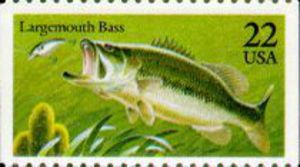
    A virus that can cause disease in largemouth bass (Micropterus salmoides) has now been identified in otherwise apparently healthy northern snakeheads (Channa argus) taken from two Potomac River tributaries in Virginia, the U.S. Geological Survey announced today. This is the first time that the pathogen, known as largemouth bass virus, has been reported in northern snakeheads. The virus has been found in bass, sunfish, and other fish species, but largemouth bass are the only species known to develop disease from it. While the significance of this finding is not yet known, the study’s lead author, USGS research biologist Luke Iwanowicz, said it raises the possibility that snakeheads could be reservoirs of this virus and capable of transmitting it to bass populations in the Chesapeake Bay watershed. The habitat of the two species overlaps, which may favor transmission of the virus. Little is known about pathogens in northern snakeheads that inhabit U.S. waters. This study, done in cooperation with the Virginia Department of Game and Inland Fisheries, is a preliminary survey of introduced pathogens from northern snakeheads living in Virginia waters. Snakeheads are an invasive, predatory fish species found in the Maryland and Virginia parts of the Chesapeake Bay watershed, in Florida, North Carolina and New England.

    A virus that can cause disease in largemouth bass (Micropterus salmoides) has now been identified in otherwise apparently healthy northern snakeheads (Channa argus) taken from two Potomac River tributaries in Virginia, the U.S. Geological Survey announced today. This is the first time that the pathogen, known as largemouth bass virus, has been reported in northern snakeheads. The virus has been found in bass, sunfish, and other fish species, but largemouth bass are the only species known to develop disease from it. While the significance of this finding is not yet known, the study’s lead author, USGS research biologist Luke Iwanowicz, said it raises the possibility that snakeheads could be reservoirs of this virus and capable of transmitting it to bass populations in the Chesapeake Bay watershed. The habitat of the two species overlaps, which may favor transmission of the virus. Little is known about pathogens in northern snakeheads that inhabit U.S. waters. This study, done in cooperation with the Virginia Department of Game and Inland Fisheries, is a preliminary survey of introduced pathogens from northern snakeheads living in Virginia waters. Snakeheads are an invasive, predatory fish species found in the Maryland and Virginia parts of the Chesapeake Bay watershed, in Florida, North Carolina and New England.

    Source: USGS, 13 August 2013
    http://www.usgs.gov/newsroom/article.asp?ID=3662#.UgzlL77CR2Y