Auteur: Henk Tennekes

  • Verband gevonden tussen pesticide DDT en Alzheimer

    Verband gevonden tussen pesticide DDT en Alzheimer

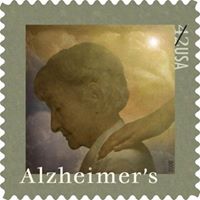
    Bij mensen die een hogere hoeveelheid van het pesticide DDT in hun bloed hebben, komt vaker alzheimer voor. Dat stellen Amerikaanse onderzoekers in JAMA Neurology. Patiënten met Alzheimer hebben bijna vier maal zoveel DDT in hun lichaam dan gezonde mensen. DDT is een succesvol pesticide dat aan het einde van de Tweede Wereldoorlog gebruikt werd tegen malaria en later om gewassen in de commerciële landbouw te beschermen. Sinds 1972 is het in de VS en veel andere landen een verboden middel. De pesticide DDT wordt in het lichaam afgebroken tot DDE. DDT blijft jarenlang aanwezig in het menselijk lichaam waar het wordt afgebroken tot DDE. De halfwaardetijd van DDT in het lichaam is minstens een jaar of zes en die van DDE is nog een paar jaar langer. Onder de onderzochte patiënten waren er ook een aantal met een hoge DDE-concentratie zonder alzheimer (en omgekeerd) maar in de groep met de hoogste DDE-niveaus was de kans op alzheimer viermaal zo groot als bij de rest. Daarmee is het pesticide waarschijnlijk niet de enige factor die alzheimer veroorzaakt.

    Bij mensen die een hogere hoeveelheid van het pesticide DDT in hun bloed hebben, komt vaker alzheimer voor. Dat stellen Amerikaanse onderzoekers in JAMA Neurology. Patiënten met Alzheimer hebben bijna vier maal zoveel DDT in hun lichaam dan gezonde mensen. DDT is een succesvol pesticide dat aan het einde van de Tweede Wereldoorlog gebruikt werd tegen malaria en later om gewassen in de commerciële landbouw te beschermen. Sinds 1972 is het in de VS en veel andere landen een verboden middel. De pesticide DDT wordt in het lichaam afgebroken tot DDE. DDT blijft jarenlang aanwezig in het menselijk lichaam waar het wordt afgebroken tot DDE. De halfwaardetijd van DDT in het lichaam is minstens een jaar of zes en die van DDE is nog een paar jaar langer. Onder de onderzochte patiënten waren er ook een aantal met een hoge DDE-concentratie zonder alzheimer (en omgekeerd) maar in de groep met de hoogste DDE-niveaus was de kans op alzheimer viermaal zo groot als bij de rest. Daarmee is het pesticide waarschijnlijk niet de enige factor die alzheimer veroorzaakt.

    Wellicht zou dit kunnen verklaren waarom mensen meestal pas op hoge leeftijd alzheimer krijgen. DDT en DDE hopen zich in de loop van een mensenleven op in het lichaam. Ondanks dat het gebruik van DDT in de VS ruim 40 jaar verboden is, zit er nog veel van in het milieu dat de hoeveelheid in het menselijk lichaam nog altijd toeneemt.
    Bron: RD, 28-01-14
    http://www.refdag.nl/nieuws/buitenland/verband_gevonden_tussen_pesticide_ddt_en_alzheimer_1_801506

  • Louise Fresco wordt de nieuwe voorzitter van de universiteit van Wageningen

    Louise Fresco wordt de nieuwe voorzitter van de universiteit van Wageningen

    Louise Fresco wordt de nieuwe voorzitter van de universiteit van Wageningen. Dat heeft de instelling vandaag bekendgemaakt. De benoeming gaat per 1 juli in. Fresco (61) is nu nog hoogleraar aan de Universiteit van Amsterdam. Ze wordt internationaal gezien als autoriteit op het gebied van voedselzekerheid, internationale samenwerking en wetenschap. In de top 100 van machtige vrouwen van maandblad Opzij stond ze in 2011 op de eerste plaats in de categorie Wetenschap en Onderwijs. Fresco is ook auteur van romans als De tuin van de sultan van Rome en De utopisten. Fresco wordt niet alleen voorzitter van de universiteit, maar ook van het aan de universiteit verbonden onderzoekscentrum. Daar kunnen derden, bijvoorbeeld bedrijven, tegen betaling onderzoek laten doen.

    Louise Fresco wordt de nieuwe voorzitter van de universiteit van Wageningen. Dat heeft de instelling vandaag bekendgemaakt. De benoeming gaat per 1 juli in. Fresco (61) is nu nog hoogleraar aan de Universiteit van Amsterdam. Ze wordt internationaal gezien als autoriteit op het gebied van voedselzekerheid, internationale samenwerking en wetenschap. In de top 100 van machtige vrouwen van maandblad Opzij stond ze in 2011 op de eerste plaats in de categorie Wetenschap en Onderwijs. Fresco is ook auteur van romans als De tuin van de sultan van Rome en De utopisten. Fresco wordt niet alleen voorzitter van de universiteit, maar ook van het aan de universiteit verbonden onderzoekscentrum. Daar kunnen derden, bijvoorbeeld bedrijven, tegen betaling onderzoek laten doen.

    Bron:
    De Volkskrant, 27-01-14
    http://www.volkskrant.nl/vk/nl/5288/Onderwijs/article/detail/3584474/2014/01/27/Louise-Fresco-voorzitter-universiteit-van-Wageningen.dhtml

  • Nog nooit was de rode lijst zo lang – TWEEHONDERD vogelsoorten staan op het punt van verdijnen !!

    Nog nooit was de rode lijst zo lang – TWEEHONDERD vogelsoorten staan op het punt van verdijnen !!

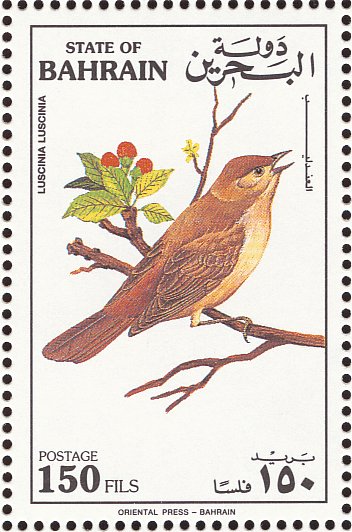
    Eind novem ber 2013 presenteerde BirdLife international de nieuwe Rode Lijst voor vogels. De lijst geeft een update van de meest bedreigde vogelsoorten ter wereld. Wat blijkt? Nog nooit was de lijst zo lang en de zeldzaamste categorie zo uitgebreid. De nieuwe BirdLife-oefening levert een dramatische lijst op van bijna 200 soorten die we zullen kwijtraken als er geen dringende actie komt. Dit jaar staat een update van de Belgische Rode Lijst op het programma: daar mogen we soorten als Nachtegaal (Luscinia megarhynchos), Wielewaal (Oriolus oriolus) en Tapuit (Oenanthe oenanthe) in het rood verwachten.

    Eind novem ber 2013 presenteerde BirdLife international de nieuwe Rode Lijst voor vogels. De lijst geeft een update van de meest bedreigde vogelsoorten ter wereld. Wat blijkt? Nog nooit was de lijst zo lang en de zeldzaamste categorie zo uitgebreid. De nieuwe BirdLife-oefening levert een dramatische lijst op van bijna 200 soorten die we zullen kwijtraken als er geen dringende actie komt. Dit jaar staat een update van de Belgische Rode Lijst op het programma: daar mogen we soorten als Nachtegaal (Luscinia megarhynchos), Wielewaal (Oriolus oriolus) en Tapuit (Oenanthe oenanthe) in het rood verwachten.

    Voor de laatste update van de Belgische Rode Lijst moeten we al terugblikken naar de Broedvogelatlas van 2004, maar sindsdien is er veel veranderd. Het is uitkijken naar de nieuwe update die voor 2014 op de agenda staat. Even afwachten dus naar welke verschuivingen we daar te zien krijgen. Want vogelonderzoek op eigen bodem bracht al duidelijk aan het licht dat we ook hier soorten verliezen: Kuifleeuwerik (Galerida cristata), Tapuit, Ortolaan (Emberiza hortulana) en Grote karekiet (Acrocephalus arundinaceus) broeden het laatste decennium almaar minder vaak. Maar ook Zomertortel (Streptopelia turtur), Wielewaal, Nachtegaal en Matkop (Poecile montanus) kregen zeer rake klappen en zien de bodem dichterbij komen.

    Bron:
    Bericht uitgegeven door Natuurpunt Studie op vrijdag 29 november 2013
    http://www.natuurbericht.be/?id=11808

  • ‘We did not develop this medicine for Indians. We developed it for western patients who can afford it.’

    ‘We did not develop this medicine for Indians. We developed it for western patients who can afford it.’

    Er is met verontwaardiging gereageerd op deze uitspraak van de Nederlands-Amerikaanse CEO van Bayer, Marijn Dekkers tijdens een Financial Times-conferentie over farmacie op 3 december. Dat meldt Bloomberg. Dekkers citaat heeft alles te maken met Bayerns patent op het kankermedicijn Nexavar. Onder druk van de Indiase patentwetgeving moest Bayern toestaan dat de Natco Pharma Ltd een kopie van het product op de lokale markt kon brengen, 97 procent goedkoper dan dat van Bayer. De reden hiervoor is dat in India dwanglicenties kunnen worden toegekend voor sommige medicijnen als die lokaal niet beschikbaar zijn tegen een redelijke prijs. Er kwam zo’n dwanglicentie op Bayers kankermedicijn Nexavar, omdat de Indiase autoriteiten het te duur voor de lokale markt vonden.

    Er is met verontwaardiging gereageerd op deze uitspraak van de Nederlands-Amerikaanse CEO van Bayer, Marijn Dekkers tijdens een Financial Times-conferentie over farmacie op 3 december. Dat meldt Bloomberg. Dekkers citaat heeft alles te maken met Bayerns patent op het kankermedicijn Nexavar. Onder druk van de Indiase patentwetgeving moest Bayern toestaan dat de Natco Pharma Ltd een kopie van het product op de lokale markt kon brengen, 97 procent goedkoper dan dat van Bayer. De reden hiervoor is dat in India dwanglicenties kunnen worden toegekend voor sommige medicijnen als die lokaal niet beschikbaar zijn tegen een redelijke prijs. Er kwam zo’n dwanglicentie op Bayers kankermedicijn Nexavar, omdat de Indiase autoriteiten het te duur voor de lokale markt vonden.

    – See more at: http://www.communicatieonline.nl/nieuws/bayer-topman-‘nieuw-kankermedicijn-alleen-voor-westerse-patiënten’#sthash.zd17weTg.lVBeCuBO.dpuf

  • The Syngenta claim that thiamethoxam and clothianidin are not involved in bee decline is entirely unjustified

    The Syngenta claim that thiamethoxam and clothianidin are not involved in bee decline is entirely unjustified

    Syngenta has published a study in PLOS which Syngenta claims refuted the scientfic evidence implicating thiamethoxam in bee decline. Now, they reported the contamination of nectar and pollen as follows: “Median residues of thiamethoxam in pollen collected from honey bees after foraging on flowering seed treated maize were found to be between 1 and 7 µg/kg, median residues of the metabolite CGA322704 (clothianidin) in the pollen were between 1 and 4 µg/kg. In oilseed rape, median residues of thiamethoxam found in pollen collected from bees were between <1 and 3.5 µg/kg and in nectar from foraging bees were between 0.65 and 2.4 µg/kg.” The toxicity of thiamethoxam to honeybees has been demonstrated to follow the Druckrey-Küpfmüller equation. Francisco Sanchez-Bayo calculated the median times to lethal effects based on these reported residue levels. He took into account the frequency of residues appearing in pollen and nectar, which he derived from residue studies done by several authors, so the estimated daily consumption is corrected for that frequency (i.e. not 100% but much less!). Also, he estimated the daily consumption of pollen by nurse bees and consumption of nectar by forager bees, all according to Rortais et al (2005). Syngenta has published a study in PLOS which Syngenta claims refuted the scientfic evidence implicating thiamethoxam in bee decline. Now, they reported the contamination of nectar and pollen as follows: “Median residues of thiamethoxam in pollen collected from honey bees after foraging on flowering seed treated maize were found to be between 1 and 7 µg/kg, median residues of the metabolite CGA322704 (clothianidin) in the pollen were between 1 and 4 µg/kg. In oilseed rape, median residues of thiamethoxam found in pollen collected from bees were between <1 and 3.5 µg/kg and in nectar from foraging bees were between 0.65 and 2.4 µg/kg.” The toxicity of thiamethoxam to honeybees has been demonstrated to follow the Druckrey-Küpfmüller equation. Francisco Sanchez-Bayo calculated the median times to lethal effects based on these reported residue levels. He took into account the frequency of residues appearing in pollen and nectar, which he derived from residue studies done by several authors, so the estimated daily consumption is corrected for that frequency (i.e. not 100% but much less!). Also, he estimated the daily consumption of pollen by nurse bees and consumption of nectar by forager bees, all according to Rortais et al (2005).
    His results were as follows:

    Thiamethoxam in oilseed rape pollen: 2-10 days to reach LD50
    Thiamethoxam in collected pollen: 2-6 days
    Thiamethoxam in nectar: 0.2-1.9 days (this is because of higher frequency of residues and much higher consumption rate by foragers than nurses)

    Assuming the same kinetics apply to clothianidin, the estimates are as follows:

    clothianidin in collected pollen: 2-7 days to reach LD50

    He concludes that the Syngenta claim that thiamethoxam and clothianidin are not involved in bee decline is entirely unjustified.

  • Deutlich weniger Vögel in Bayerns Gärten

    Deutlich weniger Vögel in Bayerns Gärten

    Das Endergebnis der vom Landesbund für Vogelschutz (LBV) und seinem Partner NABU deutschlandweit durchgeführten Stunde der Wintervögel belegt, dass derzeit weniger Vögel in bayerischen Gärten zu beobachten sind als normalerweise um diese Jahreszeit üblich. In Bayern zeigten sich sogar 20 Prozent weniger Vögel in Gärten und Parks als im Vorjahr. Insgesamt zählten am Aktionswochenende der größten wissenschaftlichen Mitmachaktion in Bayern über 19.000 Naturfreunde mehr als 460.000 Vögel. Den Spitzenplatz sicherte sich dabei zum ersten Mal in neun Jahren überraschend der Feldsperling. „Dabei nahm der Bestand des Feldsperlings nicht zu, sondern der nahe Verwandte des Spatzen profitierte davon, dass die Vorjahresspitzenreiter Kohlmeise und Haussperling weniger häufig vorkamen“, erklärt LBV-Biologe Alf Pille. So bekam die Kohlmeise (2. Platz) dieses Jahr keine „Unterstützung“ durch Artgenossen aus dem Norden und der Bestand des Haussperlings (3. Platz) erlebt in Bayern weiter einen starken Rückgang, so dass er nicht mal mehr in jedem zweiten Garten zu sehen ist.

    Das Endergebnis der vom Landesbund für Vogelschutz (LBV) und seinem Partner NABU deutschlandweit durchgeführten Stunde der Wintervögel belegt, dass derzeit weniger Vögel in bayerischen Gärten zu beobachten sind als normalerweise um diese Jahreszeit üblich. In Bayern zeigten sich sogar 20 Prozent weniger Vögel in Gärten und Parks als im Vorjahr. Insgesamt zählten am Aktionswochenende der größten wissenschaftlichen Mitmachaktion in Bayern über 19.000 Naturfreunde mehr als 460.000 Vögel. Den Spitzenplatz sicherte sich dabei zum ersten Mal in neun Jahren überraschend der Feldsperling. „Dabei nahm der Bestand des Feldsperlings nicht zu, sondern der nahe Verwandte des Spatzen profitierte davon, dass die Vorjahresspitzenreiter Kohlmeise und Haussperling weniger häufig vorkamen“, erklärt LBV-Biologe Alf Pille. So bekam die Kohlmeise (2. Platz) dieses Jahr keine „Unterstützung“ durch Artgenossen aus dem Norden und der Bestand des Haussperlings (3. Platz) erlebt in Bayern weiter einen starken Rückgang, so dass er nicht mal mehr in jedem zweiten Garten zu sehen ist.

    Ernsthafte Sorgen macht den Naturschützern der Grünfink, der um 20 Prozent zurückging. Er ist zwar immer noch der sechsthäufigste bayerische Gartenvogel im Winter, aber sein leichter Abwärtstrend hat sich dieses Jahr erheblich verstärkt. Der Grund dafür ist möglicherweise das im vergangenen Jahr verstärkt aufgetretene Grünfinkensterben aufgrund von Trichomoniasis, einer durch einzellige Parasiten ausgelösten Erkrankung.

    Quelle: Nordbayern.de, 24.01.14
    http://www.nordbayern.de/region/deutlich-weniger-vogel-in-bayerns-garten-1.3415172

  • Field realistic doses of pesticide imidacloprid reduce bumblebee pollen foraging efficiency

    Field realistic doses of pesticide imidacloprid reduce bumblebee pollen foraging efficiency

    Bumblebees and other pollinators provide a vital ecosystem service for the agricultural sector. Recent studies however have suggested that exposure to systemic neonicotinoid insecticides in flowering crops has sub-lethal effects on the bumblebee workforce, and hence in reducing queen production. The mechanism behind reduced nest performance, however, remains unclear. Here we use Radio Frequency Identification (RFID) technology to test whether exposure to a low, field realistic dose (0.7 ppb in sugar water and 6 ppb in pollen) of the neonicotinoid imidacloprid, reduces worker foraging efficiency. Whilst the nectar foraging efficiency of bees treated with imidacloprid was not significantly different than that of control bees, treated bees brought back pollen less often than control bees (40 % of trips vs 63 % trips, respectively) and, where pollen was collected, treated bees brought back 31 % less pollen per hour than controls. This study demonstrates that field-realistic doses of these pesticides substantially impacts on foraging ability of bumblebee workers when collecting pollen, and we suggest that this provides a causal mechanism behind reduced queen production in imidacloprid exposed colonies.

    Bumblebees and other pollinators provide a vital ecosystem service for the agricultural sector. Recent studies however have suggested that exposure to systemic neonicotinoid insecticides in flowering crops has sub-lethal effects on the bumblebee workforce, and hence in reducing queen production. The mechanism behind reduced nest performance, however, remains unclear. Here we use Radio Frequency Identification (RFID) technology to test whether exposure to a low, field realistic dose (0.7 ppb in sugar water and 6 ppb in pollen) of the neonicotinoid imidacloprid, reduces worker foraging efficiency. Whilst the nectar foraging efficiency of bees treated with imidacloprid was not significantly different than that of control bees, treated bees brought back pollen less often than control bees (40 % of trips vs 63 % trips, respectively) and, where pollen was collected, treated bees brought back 31 % less pollen per hour than controls. This study demonstrates that field-realistic doses of these pesticides substantially impacts on foraging ability of bumblebee workers when collecting pollen, and we suggest that this provides a causal mechanism behind reduced queen production in imidacloprid exposed colonies.

    Source:
    Hannah Feltham, Kirsty Park, Dave GoulsonEcotoxicology,January 2014
    Field realistic doses of pesticide imidacloprid reduce bumblebee pollen foraging efficiency

  • Efforts afoot to save the endangered cricket frog, a historic resident of New York State

    Efforts afoot to save the endangered cricket frog, a historic resident of New York State

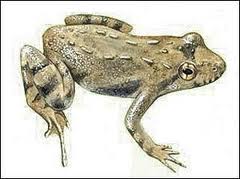
    The state Department of Environmental Conservation announced its plan to boost the population of the endangered northern cricket frog. That plan is now available for public review and comment, DEC Commissioner Joe Martens announced Wednesday. An overall goal of the recovery plan is to eventually remove the species from New York’s endangered species list. The northern cricket frog is one of the state’s two endangered amphibians and is limited to a small number of breeding populations in southeastern New York. “The northern cricket frog is a historic resident of New York State and represents an important amphibian component of wetland ecosystems,” stated Martens. “Conservation of the northern cricket frog and its habitat is important to preserving New York’s biodiversity and unique character. The plan aims to improve the frog’s geographic diversity and ultimately increase its population.”

    The state Department of Environmental Conservation announced its plan to boost the population of the endangered northern cricket frog. That plan is now available for public review and comment, DEC Commissioner Joe Martens announced Wednesday. An overall goal of the recovery plan is to eventually remove the species from New York’s endangered species list. The northern cricket frog is one of the state’s two endangered amphibians and is limited to a small number of breeding populations in southeastern New York. “The northern cricket frog is a historic resident of New York State and represents an important amphibian component of wetland ecosystems,” stated Martens. “Conservation of the northern cricket frog and its habitat is important to preserving New York’s biodiversity and unique character. The plan aims to improve the frog’s geographic diversity and ultimately increase its population.”

    The recovery plan provides a comprehensive review of the northern cricket frog and proposes a strategy for preventing the loss of this species from the state. The plan includes to: protect and manage remaining northern cricket frog populations and habitats; identify suitable and unoccupied habitats and facilitate the colonization of these sites by northern cricket frogs; research critical data gaps in the conservation biology of the northern cricket frog that will assist in an efficient recovery; and develop and support partnerships to facilitate recovery.

    For more information on northern cricket frogs, visit http://www.dec.ny.gov/animals/7120.html.

    Read more: http://www.brightonpittsfordpost.com/article/20140122/NEWS/140129822#ixzz2rEqhIYCj

  • Levels of Metals in Hair in Childhood: Preliminary Associations with Neuropsychological Behaviors

    Levels of Metals in Hair in Childhood: Preliminary Associations with Neuropsychological Behaviors

    For more than 100 years, an electrochemical plant has been operating in Flix (Catalonia, Spain) by the Ebro River. Its activities have originated a severe accumulation of environmental contaminants (metals, organochlorinated pesticides and radionuclides) in sediments of the Flix reservoir, while mercury (Hg) has been also frequently released to the air. Environmental exposure to industrial pollutants has been associated with decreased intelligence and behavioral problems. In the present study, we assessed, in 53 children living in the village of Flix and the surroundings, the relationships between the concentrations of a number of trace elements (As, Be, Cd, Cs, Hg, Mn, Ni, Pb, Sn, Tl, U and V) in hair and the levels of testosterone in blood, with respect to potential neuropsychological alterations. Lead (Pb) and Hg showed the highest mean concentrations in hair samples. However, the current Hg levels were lower than those previously found in children living in the same zone, while the concentration of the remaining elements was similar to those reported in the scientific literature. The outcomes of certain neuropsychological indicators showed a significant correlation with metals, such as Pb and uranium (U).

    For more than 100 years, an electrochemical plant has been operating in Flix (Catalonia, Spain) by the Ebro River. Its activities have originated a severe accumulation of environmental contaminants (metals, organochlorinated pesticides and radionuclides) in sediments of the Flix reservoir, while mercury (Hg) has been also frequently released to the air. Environmental exposure to industrial pollutants has been associated with decreased intelligence and behavioral problems. In the present study, we assessed, in 53 children living in the village of Flix and the surroundings, the relationships between the concentrations of a number of trace elements (As, Be, Cd, Cs, Hg, Mn, Ni, Pb, Sn, Tl, U and V) in hair and the levels of testosterone in blood, with respect to potential neuropsychological alterations. Lead (Pb) and Hg showed the highest mean concentrations in hair samples. However, the current Hg levels were lower than those previously found in children living in the same zone, while the concentration of the remaining elements was similar to those reported in the scientific literature. The outcomes of certain neuropsychological indicators showed a significant correlation with metals, such as Pb and uranium (U).

    More specifically, these elements were negatively correlated with working memory and hit reaction time, suggesting impulsivity. In summary, although Pb and U concentrations in hair were within standard levels, both metals could be correlated with certain, but minor, neuropsychological alterations in the childhood population of Flix. These findings should be confirmed by future birth cohort studies, with bigger study populations and using more complex statistical analyses, focused on human exposure to these specific elements.
    Source:Margarita Torrente, Mireia Gascon, Martine Vrijheid, Jordi Sunyer, Joan Forns, José L. Domingo and Martí Nadal (2014) Levels of Metals in Hair in Childhood: Preliminary Associations with Neuropsychological Behaviors. Toxics 2014, 2, 1-16; doi:10.3390/toxics2010001

  • The most recent count of birds in the Alberni Valley has brought in the lowest numbers since the annual activity began in 1993

    The most recent count of birds in the Alberni Valley has brought in the lowest numbers since the annual activity began in 1993

    On Dec. 29, a total of 76 species of birds were seen and heard in the area by the count’s 21 participants. The annual count covered a circle 24 kilometres in diameter, ending with Stamp Falls Provincial Park to the north and China Creek Marina to the south. Working in groups led by experienced birders, participants recorded 6,537 over the day — nearly half the average number of birds seen and heard in past years. “Last year was low as well — we got 8,345,” said bird count organizer Sandy McRuer. Information on the numbers of species and birds recorded will be combined with the distances the bird counters travelled on Dec. 29, producing an overall indication of what birds were in the area at the end of December. “You can divide the number of birds seen into the number of hours spent doing it,” McRuer said. “You can come up with a relative estimate compared to other years and compared to other count circles around North America.” Along with other bird counts conducted from Dec. 14 to Jan. 5, this formula will be worked out by Bird Studies Canada and the U.S.-based National Audubon Society to determine an overall picture of the health of birds. The low number of species recently recorded in the region falls in line with an overall decline in birds on the West Coast over the last 40 years, according to a study released in 2012 by Bird Studies Canada.

    On Dec. 29, a total of 76 species of birds were seen and heard in the area by the count’s 21 participants. The annual count covered a circle 24 kilometres in diameter, ending with Stamp Falls Provincial Park to the north and China Creek Marina to the south. Working in groups led by experienced birders, participants recorded 6,537 over the day — nearly half the average number of birds seen and heard in past years. “Last year was low as well — we got 8,345,” said bird count organizer Sandy McRuer. Information on the numbers of species and birds recorded will be combined with the distances the bird counters travelled on Dec. 29, producing an overall indication of what birds were in the area at the end of December. “You can divide the number of birds seen into the number of hours spent doing it,” McRuer said. “You can come up with a relative estimate compared to other years and compared to other count circles around North America.” Along with other bird counts conducted from Dec. 14 to Jan. 5, this formula will be worked out by Bird Studies Canada and the U.S.-based National Audubon Society to determine an overall picture of the health of birds. The low number of species recently recorded in the region falls in line with an overall decline in birds on the West Coast over the last 40 years, according to a study released in 2012 by Bird Studies Canada.

    The State of Canada’s Birds Report pointed out that the number of species living on the Pacific coast has fallen by 35 per cent since 1973. The national bird monitoring organization cites expanding forestry operations, agriculture and growing development along the west coast as factors that have infringed upon bird habitats. “Coastal old-growth forests take hundreds of years to regrow after logging and are still being logged much faster than they can be replaced,” stated the report. “Some remaining forest habitat is fragmented into small, isolated patches and degraded.” McRuer said forestry could be a reason for the low bird count, as could a warm, relatively dry year in 2013 and an increase in feral cats in the area. “There has been an awful lot of logging in the Alberni Valley,” he said. “Second-growth harvesting, which has proceeded very rapidly. That may be part of the answer.” But the bird count was not completely negative for the Alberni Valley’s birds. More hawks, eagles and falcons were reported than usual. For the first time, a western screech owl was detected during the count. The owl has been in a steep decline on Vancouver Island, and is classified as at risk according the national Species at Risk Act. “It wasn’t seen, it was heard,” McRuer said of the owl’s highpitched call. “In the birding world, lots and lots of birds are heard but not seen.”
    – See more at: http://www.timescolonist.com/alberni-valley-s-annual-bird-count-reveals-continuing-decline-1.780791#sthash.pnTWAK8M.dpuf