Amfibie: Algemeen

  • Report sullo stato della natura nel Regno Unito

    Report sullo stato della natura nel Regno Unito

    Per la prima volta, 25 organizzazioni ambientaliste britanniche si sono riunite per la realizzazione di uno studio sullo stato della natura nel Regno Unito e nei Territori d’Oltremare. I risultati di quest’iniziativa sono stati raccolti e pubblicati in un report dal titolo “The State of Nature”. Il report è il primo del suo genere a documentare lo stato e le tendenze delle popolazioni di animali e piante nel Regno Unito e nei suoi Territori d’Oltremare. Il report esamina lo stato della natura negli otto principali tipi di habitat del Regno Unito e propone una panoramica delle principali cause dei cambiamenti nella fauna.

    Per la prima volta, 25 organizzazioni ambientaliste britanniche si sono riunite per la realizzazione di uno studio sullo stato della natura nel Regno Unito e nei Territori d’Oltremare. I risultati di quest’iniziativa sono stati raccolti e pubblicati in un report dal titolo “The State of Nature”. Il report è il primo del suo genere a documentare lo stato e le tendenze delle popolazioni di animali e piante nel Regno Unito e nei suoi Territori d’Oltremare. Il report esamina lo stato della natura negli otto principali tipi di habitat del Regno Unito e propone una panoramica delle principali cause dei cambiamenti nella fauna.

    Alcuni dati tratti dal report:

    – il 60% delle 3.148 specie di vita britanniche studiate sono in declino dagli ultimi 50 anni e il 31% è drammaticamente diminuito;

    – delle oltre 6.000 specie valutate – secondo i moderni criteri di Red List – più di 1 su 10 è a rischio di estinzione;

    – i Territori d’Oltremare del Regno Unito custodiscono un patrimonio di fauna selvatica di rilievo internazionale, ma più di 90 delle loro principali specie sono ad alto rischio di estinzione nel mondo
    Source: Mieli d’Italia, 9 giugno 2013
    http://www.mieliditalia.it/index.php/api-agricoltura-ambiente/notizie-api-e-pesticidi/81369-report-sullo-stato-della-natura-nel-regno-unito

  • An absence of positive political debate about the natural world is even more troubling than the decline in UK wildlife revealed by State of Nature report

    An absence of positive political debate about the natural world is even more troubling than the decline in UK wildlife revealed by State of Nature report

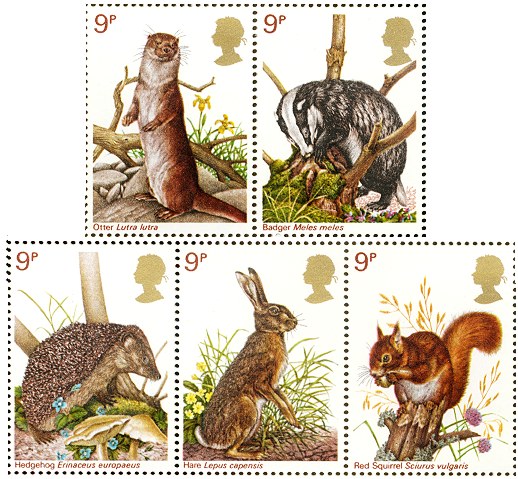
    More than half the wildlife species found in our islands are declining, under an assault of development, air pollution and chemical attack. Bumblebees, wildflowers, songbirds and butterflies are among the more obvious casualties. Perhaps even more troubling than freefall declines in red squirrels, harbour seals, hedgehogs, starlings and all the others, is the fact that the crisis facing the living fabric of our environment is hardly mentioned in politics. And not only have ministers recently turned their attention away from the protection of nature, they have presented efforts to protect it as the enemy of growth, development and business. George Osborne’s claim that laws to protect rare species are a ‘ridiculous burden on business’, Owen Paterson’s championing the cause of Bayer and Syngenta in opposing the moratorium on the use of neonicotinoid pesticides and Michael Gove’s attempts to downgrade education about our relationship with the natural environment are recent cases in point. With this in mind we can confidently guess that the government’s on-going review of EU environmental laws is not intended to strengthen the protection of nature in these islands.

    More than half the wildlife species found in our islands are declining, under an assault of development, air pollution and chemical attack. Bumblebees, wildflowers, songbirds and butterflies are among the more obvious casualties. Perhaps even more troubling than freefall declines in red squirrels, harbour seals, hedgehogs, starlings and all the others, is the fact that the crisis facing the living fabric of our environment is hardly mentioned in politics. And not only have ministers recently turned their attention away from the protection of nature, they have presented efforts to protect it as the enemy of growth, development and business. George Osborne’s claim that laws to protect rare species are a ‘ridiculous burden on business’, Owen Paterson’s championing the cause of Bayer and Syngenta in opposing the moratorium on the use of neonicotinoid pesticides and Michael Gove’s attempts to downgrade education about our relationship with the natural environment are recent cases in point. With this in mind we can confidently guess that the government’s on-going review of EU environmental laws is not intended to strengthen the protection of nature in these islands.

    Source: The Guardian, 22 May 2013
    http://www.guardian.co.uk/environment/2013/may/22/nature-uk-politics-wildlife

  • Der Igel stirbt in Großbritannien aus – Auch die Bestände an Singvögeln, Schmetterlingen und Säugern schrumpfen dramatisch

    Der Igel stirbt in Großbritannien aus – Auch die Bestände an Singvögeln, Schmetterlingen und Säugern schrumpfen dramatisch

    Die meisten Tierarten auf den Britischen Inseln sehen sich einem anhaltend dramatischen Rückgang ausgesetzt, und der Bestand etwa jeder dritten Spezies hat sich in den letzten 50 Jahren halbiert. Das ist das Fazit einer beispiellosen Studie. Die aktuelle Botschaft zur Lage der Natur wurde von 25 Umweltgruppen erarbeitet. Sie beruht auch auf jahrelangen Zählungen von Millionen Freiwilliger im Lande und zeigt: Egal ob im Wald oder auf Wiesen, in Bächen, Flüssen oder Meer – viele Säuger und Amphibien, Vögel, Fische und Insekten stecken in Schwierigkeiten. Auf und über landwirtschaftlich genutzten Flächen – sie machen drei Viertel im Königreich aus – ist der Vogelbestand seit 1970 um die Hälfte, die Zahl der Schmetterlinge um ein Drittel gesunken. Eine ähnliche Tendenz bei Sommerlerchen. Besonders dramatisch ist die Lage bei einem kleinen Säugetier. Der »Guardian«: »Der Igel verschwindet heute ebenso rasch wie der Tiger.« Doch während große und exotische bestandsgefährdete Tiere wie Tiger und Pandabären nach Ansicht des Ökologen Hugh Warwick »heute vom Status als Hollywood-Berühmtheiten in bestimmtem Maße« profitierten und Aufmerksamkeit auf sich zögen, vollzieht sich der Rückgang anderer Spezies oft unbemerkt – und alarmierend rasch.

    Die meisten Tierarten auf den Britischen Inseln sehen sich einem anhaltend dramatischen Rückgang ausgesetzt, und der Bestand etwa jeder dritten Spezies hat sich in den letzten 50 Jahren halbiert. Das ist das Fazit einer beispiellosen Studie. Die aktuelle Botschaft zur Lage der Natur wurde von 25 Umweltgruppen erarbeitet. Sie beruht auch auf jahrelangen Zählungen von Millionen Freiwilliger im Lande und zeigt: Egal ob im Wald oder auf Wiesen, in Bächen, Flüssen oder Meer – viele Säuger und Amphibien, Vögel, Fische und Insekten stecken in Schwierigkeiten. Auf und über landwirtschaftlich genutzten Flächen – sie machen drei Viertel im Königreich aus – ist der Vogelbestand seit 1970 um die Hälfte, die Zahl der Schmetterlinge um ein Drittel gesunken. Eine ähnliche Tendenz bei Sommerlerchen. Besonders dramatisch ist die Lage bei einem kleinen Säugetier. Der »Guardian«: »Der Igel verschwindet heute ebenso rasch wie der Tiger.« Doch während große und exotische bestandsgefährdete Tiere wie Tiger und Pandabären nach Ansicht des Ökologen Hugh Warwick »heute vom Status als Hollywood-Berühmtheiten in bestimmtem Maße« profitierten und Aufmerksamkeit auf sich zögen, vollzieht sich der Rückgang anderer Spezies oft unbemerkt – und alarmierend rasch.

    Quelle: Neues Deutschland, 30.05.2013
    http://www.neues-deutschland.de/artikel/822937.der-igel-stirbt-in-grossbritannien-aus.html

  • De kikkers dreigen uit te sterven in de VS

    De kikkers dreigen uit te sterven in de VS

    Kikkers en andere amfibieën bewonen al meer dan 300 miljoen jaar de moerassen van de aarde. Nu blijkt uit een nieuwe studie dat deze stokoude soorten in een angstaanjagend snel tempo in de Verenigde Staten dreigen te verdwijnen. Wetenschappers nemen al sinds het einde van de jaren 1980 een voortdurende daling van amfibie populaties waar. Maar velen hebben de ernst van de situatie onderschat. “Ze gaan echt wereldwijd achteruit,” zegt bioloog Jeffery Brawn van de Universiteit van Illinois. “In Illinois, Mississippi, alle andere staten van Amerika maar ook daarbuiten”. Deze maand meldde de United States Geological Survey dat kikkers en amfibieën met een snelheid van 3,7 procent per jaar verdwijnen en dat naar schatting de helft in de komende 20 jaar uit het hun resterende leefgebied zal verdwijnen. “Van alle gewervelde dieren, verdwijnen amfibieën verreweg het snelst” zei Brawn.

    Kikkers en andere amfibieën bewonen al meer dan 300 miljoen jaar de moerassen van de aarde. Nu blijkt uit een nieuwe studie dat deze stokoude soorten in een angstaanjagend snel tempo in de Verenigde Staten dreigen te verdwijnen. Wetenschappers nemen al sinds het einde van de jaren 1980 een voortdurende daling van amfibie populaties waar. Maar velen hebben de ernst van de situatie onderschat. “Ze gaan echt wereldwijd achteruit,” zegt bioloog Jeffery Brawn van de Universiteit van Illinois. “In Illinois, Mississippi, alle andere staten van Amerika maar ook daarbuiten”. Deze maand meldde de United States Geological Survey dat kikkers en amfibieën met een snelheid van 3,7 procent per jaar verdwijnen en dat naar schatting de helft in de komende 20 jaar uit het hun resterende leefgebied zal verdwijnen. “Van alle gewervelde dieren, verdwijnen amfibieën verreweg het snelst” zei Brawn.

    Bron: Medill, 29 mei 2013
    http://news.medill.northwestern.edu/chicago/news.aspx?id=222249

  • US frogs are facing extinction

    US frogs are facing extinction

    Frogs and other amphibians have occupied the marshes of the earth for more than 300 million years. Yet a new study finds the ancient species living across the United States are disappearing at increasingly fearful rates. Scientists had recognized a decline in amphibian populations since the late 1980s due to continued encroachment. But many had not estimated the severity of population loss.“They are really declining globally,” said University of Illinois Conservation biologist Jeffery Brawn. “They are declining in Illinois, Mississippi, all across the states and abroad.” This month, the United States Geological Survey reported frogs and amphibians are vanishing at a rate of 3.7 percent a year and estimate half of their remaining habitat will die in the next 20 years. “Of all vertebrates, amphibians are showing the worst population declines,” Brawn said. If things are not taken control of, the frogs, toads and other amphibians would be wiped off this planet in next 20 years, the report suggests.

    Frogs and other amphibians have occupied the marshes of the earth for more than 300 million years. Yet a new study finds the ancient species living across the United States are disappearing at increasingly fearful rates. Scientists had recognized a decline in amphibian populations since the late 1980s due to continued encroachment. But many had not estimated the severity of population loss.“They are really declining globally,” said University of Illinois Conservation biologist Jeffery Brawn. “They are declining in Illinois, Mississippi, all across the states and abroad.” This month, the United States Geological Survey reported frogs and amphibians are vanishing at a rate of 3.7 percent a year and estimate half of their remaining habitat will die in the next 20 years. “Of all vertebrates, amphibians are showing the worst population declines,” Brawn said. If things are not taken control of, the frogs, toads and other amphibians would be wiped off this planet in next 20 years, the report suggests.

    In a study that was conducted over 48 species at 34 sites from California to Colorado high-country to Florida swamps for almost a decade has revealed that the declines are more widespread and severe than previously thought and amphibian populations are disappearing at an overall rate of 3.7 percent each year. The situation is almost similar inside the protected areas including the Rocky Mountain National Park, which was also part of the survey, where the population of boreal toads measured in the hundreds has declined to a handful.

    The world’s top endangered species include Dusky Gopher frogs that live in the wetlands of Harrison County, Miss. Gopher frogs once croaked by the thousands there but only 60-100 individuals remain. According to ecologists, the primary threat to frogs is a lethal fungal disease known as Chytridiomycosis threatening amphibian species worldwide. The disease attacks the skin that frogs use for respiration.

    USGS zoologist Stephen Corn, one of the authors of the study, said: “Amphibians are going, but a lot of other species are going, too. Snakes are declining. Mammals are declining. We’re seeing bird declines. Amphibians are probably declining at a faster rate than other groups, and they may be a little more sensitive. Amphibians are a good example of the collapse of the world’s ecosystems that we seem to be seeing right now. We’re seeing a lot of species in a lot of places declining at the same time.”

    Sources:
    Medill, 29 May 2013
    http://news.medill.northwestern.edu/chicago/news.aspx?id=222249
    NVO news, 24 May 2013
    http://nvonews.com/2013/05/24/number-of-frogs-toads-declining-at-alarming-rate-report/

  • Ansichten eines Bienenhalters

    Ansichten eines Bienenhalters

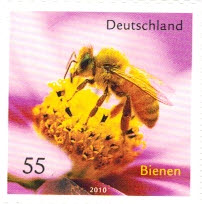
    Die Varroamilbe, Mitte der 70er Jahre von Bienenzüchtern, zusammen mit asiatischen Bienenarten nach Europa eingeführt, ist den Imkern seit dieser Zeit bekannt und es war durch verhältnismässig einfache Methoden möglich, die Varroapopulation so weit einzugrenzen, dass Schäden an Bienenvölkern die Ausnahme bildeten. Bis zur Einführung der Neonikotinoide, insbesondere der Anwendung des Clothianidins. Clothianidin, als Insektizid in der Maisbeize eingesetzt, um den maisschädigenden Drahtwurm zu bekämpfen. Ein Maisschädling, in besonders hoher Dichte in umgebrochenem Grünland anzutreffen. Grünlandumbruch, überwiegend benötigt als Anbaufläche zur Erzeugung von Biomasse, verwendet als Versorgungssubstrat der Biogasanlagen. Clothianidin ist ein systemisch wirkendes Insektizid und wasserlöslich. Systemisch bedeutet, der Wirkstoff verteilt sich, nach Aufnahme über Wurzelsystem oder Pflanzenoberfläche, in der gesamten Pflanze. Vom Hersteller des Wirkstoffes beabsichtigt, um die gesamte Pflanze vor Schädlingen zu schützen. Gleichfalls besitzt der Wirkstoff als Folge seiner hohen Wasserlöslichkeit, die Eigenschaft, sich im Ackerboden zu verteilen, je nach Wassergehalt des Bodens. Eine Eigenschaft, die es nicht erlaubt, den Wirkstoff alleinig der Zielpflanze zuzuweisen. Der Neonikotinoidwirkstoff ist im gesamten Ackerboden präsent. Gleiches gilt für alle Neonikotinoidarten wie Imidacloprid, Thiacloprid, Clothianidin und Thiamethoxam. Eine Freisetzung an das Umfeld, durch Staubbindung der Wirkstoffe, ist über weite Entfernungen gegeben.

    Die Varroamilbe, Mitte der 70er Jahre von Bienenzüchtern, zusammen mit asiatischen Bienenarten nach Europa eingeführt, ist den Imkern seit dieser Zeit bekannt und es war durch verhältnismässig einfache Methoden möglich, die Varroapopulation so weit einzugrenzen, dass Schäden an Bienenvölkern die Ausnahme bildeten. Bis zur Einführung der Neonikotinoide, insbesondere der Anwendung des Clothianidins. Clothianidin, als Insektizid in der Maisbeize eingesetzt, um den maisschädigenden Drahtwurm zu bekämpfen. Ein Maisschädling, in besonders hoher Dichte in umgebrochenem Grünland anzutreffen. Grünlandumbruch, überwiegend benötigt als Anbaufläche zur Erzeugung von Biomasse, verwendet als Versorgungssubstrat der Biogasanlagen. Clothianidin ist ein systemisch wirkendes Insektizid und wasserlöslich. Systemisch bedeutet, der Wirkstoff verteilt sich, nach Aufnahme über Wurzelsystem oder Pflanzenoberfläche, in der gesamten Pflanze. Vom Hersteller des Wirkstoffes beabsichtigt, um die gesamte Pflanze vor Schädlingen zu schützen. Gleichfalls besitzt der Wirkstoff als Folge seiner hohen Wasserlöslichkeit, die Eigenschaft, sich im Ackerboden zu verteilen, je nach Wassergehalt des Bodens. Eine Eigenschaft, die es nicht erlaubt, den Wirkstoff alleinig der Zielpflanze zuzuweisen. Der Neonikotinoidwirkstoff ist im gesamten Ackerboden präsent. Gleiches gilt für alle Neonikotinoidarten wie Imidacloprid, Thiacloprid, Clothianidin und Thiamethoxam. Eine Freisetzung an das Umfeld, durch Staubbindung der Wirkstoffe, ist über weite Entfernungen gegeben.

    Je nach Stauberosionsdichte und Windrichtung, werden umliegende Gebiete unterschiedlich stark mit Wirkstoffen kontaminiert. Eine Erklärung für teils erhebliche Differenzen der Sterblichkeitsquote der Bienenvölker. Pflanzenschutzmittel mit Wirkstoffanteilen von Neonikotinoiden werden aktuell in folgenden Kulturen angewendet: Mais(auf Antrag), Zuckerrüben, Kartoffeln, Raps, Zwiebeln, Wintergetreide, Obst, Wein, Hopfen, Kohlrabi, Zierpflanzenbau, Futterrübe, Porree, Brokkoli, Kohlrabi, Blumenkohl, Salate, Kopfkohle, Lein, Weinrebe, Hopfen. Die ab Dezember geltenende Anwendungsbeschränkung betrifft nur Bodenbehandlung, sowie Blattbehandlungen an blühenden Kulturen, wie Mais, Raps und Sommergetreide. Bei Wintergetreide bleiben Anwendungen weiterhin erlaubt.
    Die Einordnung der Pestizide in Bienenschutzklassen dient den Herstellern vorwiegend als Alibifunktion, um bestimmte Pestizidwirkstoffe bedenkenlos und ohne rechtliche Folgen befürchtend, anwenden zu können. Clothianidin im Poncho ist der Schutzklasse 3 zugeordnet: “Mittel nicht problematisch für Bienen”. Angeblich bekommen die Bienen keinen Kontakt mit dem Wirkstoff. Des Weiteren werden Anwendungen der Pflanzenschutzmittel entsprechend dem Pflanzenschutzgesetz und der “Guten fachlichen Praxis”, vom Pflanzenschutzamt nicht überprüft. Gewollt, um keine Negativmeldungen in der PSM-Anwendung registrieren zu müssen. Auch wissen die Landwirte, im Schadensfall ist der Imker ist nachweispflichtig, auf welchem Feld die Bienen gesammelt haben. So gesprochen ein aktuelles Urteil des Landgerichtes Celle.
    Die Neonikotinoide bleiben in fast unveränderter Konzentration der Umwelt erhalten. Werden weiterhin über Stauberosionen und Auswaschungen Bienen kontaminieren und schädigen. Empfindlich auf Neonikotinoide reagieren Vögel, Amphibien, sämtliche Insekten und Kleinstlebewesen. Aktuell laufende Forschungen lassen einen schädigenden Einfluss der Neonikotinoide auf Mikroorganismen erkennen. Mikroorganismen im Ackerboden sind wiederum zwingend erforderlich, um den Abbau vieler Pestizidwirkstoffe zu ermöglichen. Zu denken gibt, nach Einführung und Anwendung des Clothianidins sind erhebliche Populationsrückgänge vieler Tierarten zu beobachten. Schmetterlinge, Fliegen, Wespen, Hornissen, Falter, Spinnen, wo sind sie? Insektenabhängige Vögel sind kaum noch zu bemerken. Vorkommen von Fledermäusen, Amphibien, rückläufig. Selbst Regenwürmer im Hausgarten werden offenbar durch Neonikotinoide geschädigt. Sie machen sich rar. Das Zeitfenster Clothianidinanwendung / Populationsrückgang passt. Neonikotinoide lassen sich in der Anwendung ebenso wenig auf die Zielpflanzen begrenzen, wie die Anwendung der vielen weiteren Pestizide. Ein Jeder kann beobachten wie Herbizide ihr Abbild in der weiten Umgebung hinterlassen. Es gibt zur Zeit herrlich rötlich oder hell-gelbgrüne, gefleckte Blätter an Bäumen und Büschen. Riesenwuchs bei Löwenzahn und am Laub einiger Bäume. Abdrift- oder erosionsbedingt auftretende Herbizidwirkungen an Nichtzielobjekten! Blätter falten sich, drehen die Blattrückseite in Richtung Lichteinfall. Blätter kräuseln sich und wachsen zu ungewohnten Formen heran. Abdrift- oder erosionsbedingt auftretende Wirkung der Wuchsstoffe oder Wachstumsregulatoren an Nichtzielobjekten. Es sind Wirkstoffe aktuell eingesetzer Pestizide, denen das Pflanzenschutzamt Abdriften oder Austragungen von Ackerflächen nicht zubilligt. Auch den Neonikotinoiden werden Austragungen aus der Ackerfläche nicht zugestanden. Das Pflanzenschutzamt weigert sich daher, sachdienliche Überprüfungen vorzunehmen, obwohl gesetzlich dazu verpflichtet.
    Autor: Rainer Berwardt, Mühlenstraße 18, 27336 Rethem
    Gegendarstellung, Leserbrief in der Verdener Aller Zeitung vom 25. Mai 2013
    “Schuld hat die Varroamilbe”
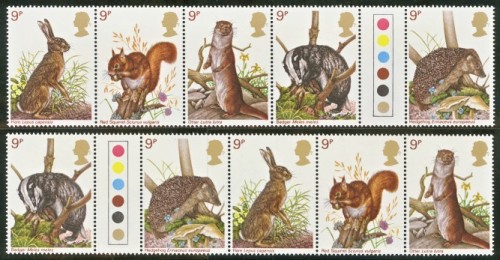
  • When are the environmental policy makers going to wake up? The amphibians are disappearing at an alarming rate

    When are the environmental policy makers going to wake up? The amphibians are disappearing at an alarming rate

    A new study has determined for the first time just how quickly frogs and other amphibians are disappearing around the United States, and the news is not good. The U.S. Geological Survey said Thursday that populations of frogs, salamanders and toads have been vanishing from places where they live at a rate of 3.7 percent a year. That puts them on a path to disappearing from half their inhabited sites nationwide in 20 years. USGS ecologist Michael J. Adams said the alarming news is that even species thought to be doing OK are declining, though at a slower rate, 2.7 percent a year. “These are really ancient species that have been surviving a long time on earth through all kinds of changes,” Adams said. “It’s just a concern to see.” The data showed that species on the International Union for Conservation of Nature red list of declining species were disappearing from sites at an even higher rate, 11.6 percent a year. That would result in half the sites being unoccupied in six years. A third of amphibian species are on the red list. “They just disappear,” Admas said. “Populations are going away.” It has been known for a long time that amphibians are in trouble around the world from a killer fungus, habitat loss and a changing climate, but this is the first time that decline has been measured, Adams said. “We are not making predictions,” he added. “We are just trying to document the current trend.”

    A new study has determined for the first time just how quickly frogs and other amphibians are disappearing around the United States, and the news is not good. The U.S. Geological Survey said Thursday that populations of frogs, salamanders and toads have been vanishing from places where they live at a rate of 3.7 percent a year. That puts them on a path to disappearing from half their inhabited sites nationwide in 20 years. USGS ecologist Michael J. Adams said the alarming news is that even species thought to be doing OK are declining, though at a slower rate, 2.7 percent a year. “These are really ancient species that have been surviving a long time on earth through all kinds of changes,” Adams said. “It’s just a concern to see.” The data showed that species on the International Union for Conservation of Nature red list of declining species were disappearing from sites at an even higher rate, 11.6 percent a year. That would result in half the sites being unoccupied in six years. A third of amphibian species are on the red list. “They just disappear,” Admas said. “Populations are going away.” It has been known for a long time that amphibians are in trouble around the world from a killer fungus, habitat loss and a changing climate, but this is the first time that decline has been measured, Adams said. “We are not making predictions,” he added. “We are just trying to document the current trend.”

    Researchers plan to continue monitoring amphibians, giving scientists a way to measure how effective future efforts are in protecting and restoring the animals, Adams said. The study conducted by the USGS Amphibian Research and Monitoring Initiative was published Wednesday in the online journal PLOS One. Scientists from USGS monitored hundreds of ponds, streams and other sites in 34 study areas around the country for the past nine years, returning two or three times a year to see if they were occupied and by what species. Most of the sites were on public lands with some level of protection.”It’s troubling that even on what are basically protected areas, we are seeing declines on average,” Adams said. Andrew Blaustein, a professor of zoology at Oregon State University not involved in the study, said the results were not surprising, because scientists have been worried about amphibians since the early 1990s.

    ___
    Online:
    The study published on PLOS One: http://bit.ly/12Nxina (attached)
    http://news.yahoo.com/study-amphibians-disappearing-alarming-rate-173709412.html

    Citation: Adams MJ, Miller DAW, Muths E, Corn PS, Grant EHC, et al. (2013) Trends in Amphibian Occupancy in the United States. PLoS ONE 8(5): e64347.
    doi:10.1371/journal.pone.0064347

  • Partij voor de Dieren koopt 100.000 m2 natuur rondom Daarle in Overijssel

    Partij voor de Dieren koopt 100.000 m2 natuur rondom Daarle in Overijssel

    Natuurliefhebbers – leden en niet-leden – gaven massaal gehoor aan de oproep die de Partij voor de Dieren onlangs deed om met de partij vierkante meters natuur te kopen. De partij haalde in 2,5 week ruim tweeënhalve ton op. Dat de Partij voor de Dieren tijdens de veiling verleden week het hoogste bod had uitgebracht op een aantal percelen was geen garantie dat de partij de natuur ook daadwerkelijk zou verwerven. Vanmiddag werd bekend dat dat het geval is. Partijleider Marianne Thieme: ‘De Partij voor de Dieren is blij dat deze percelen natuur nu definitief in het bezit van de partij zijn. Dit is, nu Staatsbosbeheer de natuur in de uitverkoop heeft gedaan, de beste manier om deze kwetsbare natuur te beschermen tegen afbraak. De Partij voor de Dieren garandeert blijvende bescherming voor de verworven natuur.’

    Natuurliefhebbers – leden en niet-leden – gaven massaal gehoor aan de oproep die de Partij voor de Dieren onlangs deed om met de partij vierkante meters natuur te kopen. De partij haalde in 2,5 week ruim tweeënhalve ton op. Dat de Partij voor de Dieren tijdens de veiling verleden week het hoogste bod had uitgebracht op een aantal percelen was geen garantie dat de partij de natuur ook daadwerkelijk zou verwerven. Vanmiddag werd bekend dat dat het geval is. Partijleider Marianne Thieme: ‘De Partij voor de Dieren is blij dat deze percelen natuur nu definitief in het bezit van de partij zijn. Dit is, nu Staatsbosbeheer de natuur in de uitverkoop heeft gedaan, de beste manier om deze kwetsbare natuur te beschermen tegen afbraak. De Partij voor de Dieren garandeert blijvende bescherming voor de verworven natuur.’

    Bron: PvdD, 24-05-2013
    https://www.partijvoordedieren.nl/recent/news/i/7439?utm_source=dlvr.it&utm_medium=twitter

  • De kaalslag in de Britse natuur – een op de drie soorten is in de afgelopen halve eeuw in aantal gehalveerd

    De kaalslag in de Britse natuur – een op de drie soorten is in de afgelopen halve eeuw in aantal gehalveerd

    Een grootschalige inventarisatie van de natuur in het Verenigd Koninkrijk heeft aangetoond dat de meeste soorten worstelen om te overleven en dat een op de drie soorten in de afgelopen halve eeuw in aantal is gehalveerd. Het verslag werd opgesteld door natuurbeschermingsorganisaties waaronder de Wildlife Trusts, de Mammal Society, Buglife en de Marine Conservation Society. Het unieke verslag, gebaseerd op wetenschappelijke analyse van tientallen miljoenen waarnemingen van vrijwilligers, toont aan dat insecten, vogels, vissen, amfibieën, reptielen en planten in de problemen zijn geraakt. Het volledige rapport is online verkrijgbaar: www.rspb.org.uk / stateofnature. Van meer dan 6000 soorten die met behulp van moderne Rode Lijst criteria in het Verenigd Koninkrijk zijn onderzocht, wordt ruim 1 op de 10 met uitsterven bedreigd. In de overzeese gebieden van het Verenigd Koninkrijk, die een rijke fauna van groot internationaal belang bezit, lopen meer dan 90 soorten een hoog risico uit te sterven. De helft van de onderzochte soorten ondergaan sterke veranderingen in aantal of territoria, wat aangeeft dat de recente veranderingen in het milieu een dramatische werking op de natuur in het Verenigd Koninkrijk hebben. De intensivering van de landbouw heeft ingrijpende en langdurige gevolgen voor de natuur gehad. Volgens de toxicoloog Henk Tennekes heeft met name het veelvuldige gebruik van de voor insecten zeer giftige neonicotinoide insecticiden, die in de bodem en het water accumuleren, een rampzalige werking op de natuur, zoals beschreven in zijn in 2010 gepubliceerde boek “Disaster in the Making”. Kijk naar de indrukwekkende toespraak van de natuurbeschermer en TV presentator Iolo Williams over de toestand van de natuur in Wales: http://www.youtube.com/watch?v=FnJQjtvngqA

    Een grootschalige inventarisatie van de natuur in het Verenigd Koninkrijk heeft aangetoond dat de meeste soorten worstelen om te overleven en dat een op de drie soorten in de afgelopen halve eeuw in aantal is gehalveerd. Het verslag werd opgesteld door natuurbeschermingsorganisaties waaronder de Wildlife Trusts, de Mammal Society, Buglife en de Marine Conservation Society. Het unieke verslag, gebaseerd op wetenschappelijke analyse van tientallen miljoenen waarnemingen van vrijwilligers, toont aan dat insecten, vogels, vissen, amfibieën, reptielen en planten in de problemen zijn geraakt. Het volledige rapport is online verkrijgbaar: www.rspb.org.uk / stateofnature. Van meer dan 6000 soorten die met behulp van moderne Rode Lijst criteria in het Verenigd Koninkrijk zijn onderzocht, wordt ruim 1 op de 10 met uitsterven bedreigd. In de overzeese gebieden van het Verenigd Koninkrijk, die een rijke fauna van groot internationaal belang bezit, lopen meer dan 90 soorten een hoog risico uit te sterven. De helft van de onderzochte soorten ondergaan sterke veranderingen in aantal of territoria, wat aangeeft dat de recente veranderingen in het milieu een dramatische werking op de natuur in het Verenigd Koninkrijk hebben. De intensivering van de landbouw heeft ingrijpende en langdurige gevolgen voor de natuur gehad. Volgens de toxicoloog Henk Tennekes heeft met name het veelvuldige gebruik van de voor insecten zeer giftige neonicotinoide insecticiden, die in de bodem en het water accumuleren, een rampzalige werking op de natuur, zoals beschreven in zijn in 2010 gepubliceerde boek “Disaster in the Making”. Kijk naar de indrukwekkende toespraak van de natuurbeschermer en TV presentator Iolo Williams over de toestand van de natuur in Wales: http://www.youtube.com/watch?v=FnJQjtvngqA

    Bronnen:

    RSPB
    http://www.rspb.org.uk/ourwork/science/stateofnature/index.aspx
    The Guardian, 21 mei 2013
    http://www.guardian.co.uk/environment/2013/may/21/uk-species-struggling-…

  • UK’s wildlife organisations have joined forces to undertake a health check of nature in the UK and its Overseas Territories

    UK’s wildlife organisations have joined forces to undertake a health check of nature in the UK and its Overseas Territories

    An unprecedented stocktake of UK wildlife has revealed that most species are struggling and that one in three have halved in number in the past half century. The State of Nature report was compiled by 25 conservation groups including the Wildlife Trusts, the Mammal Society, Buglife and the Marine Conservation Society. The unique report, based on scientific analysis of tens of millions of observations from volunteers, shows that from woodland to farmland and from freshwater streams to the sea, many animals, birds, insects, fish and plants are in trouble. The key findings are presented here, and the full report is online: www.rspb.org.uk/stateofnature. Of more than 6,000 species that have been assessed using modern Red List criteria, more than one in 10 are thought to be under threat of extinction in the UK. The UK’s Overseas Territories hold a wealth of wildlife of huge international importance and over 90 of these species are at high risk of global extinction. Half of the species assessed have shown strong changes in their numbers or range, indicating that recent environmental changes are having a dramatic impact on nature in the UK. The report makes especially sobering reading with regard to invertebrates. The small things that run the world are suffering the greatest declines, especially moths, butterflies, ladybirds and ground beetles, these groups of insects have all declined between 65-70%! Many invertebrates are highly threatened, such as the Freshwater pearl mussel at risk of global extinction, and dozens of species have become extinct nationally such as the Short-haired bumblebee and Large copper butterfly. The intensification of farming has had far-reaching and ongoing impacts on wildlife. The loss of meadows, hedgerows and ponds, the increased use of pesticides, the abandonment of mixed farming, changes in cropping and the intensification of pastoral farming have all had a significant impact. Watch Sir David Attenborough launching the report at the Natural History museum, with the Minister for Biodiversity and State of Nature partners: http://vimeo.com/66800298#at=22 and listen to this amazing speech about the state of nature in Wales from Iolo Williams, a Welsh nature observer and television presenter, best known for his BBC and S4C nature shows: http://www.youtube.com/watch?v=FnJQjtvngqA

    An unprecedented stocktake of UK wildlife has revealed that most species are struggling and that one in three have halved in number in the past half century. The State of Nature report was compiled by 25 conservation groups including the Wildlife Trusts, the Mammal Society, Buglife and the Marine Conservation Society. The unique report, based on scientific analysis of tens of millions of observations from volunteers, shows that from woodland to farmland and from freshwater streams to the sea, many animals, birds, insects, fish and plants are in trouble. The key findings are presented here, and the full report is online: www.rspb.org.uk/stateofnature. Of more than 6,000 species that have been assessed using modern Red List criteria, more than one in 10 are thought to be under threat of extinction in the UK. The UK’s Overseas Territories hold a wealth of wildlife of huge international importance and over 90 of these species are at high risk of global extinction. Half of the species assessed have shown strong changes in their numbers or range, indicating that recent environmental changes are having a dramatic impact on nature in the UK. The report makes especially sobering reading with regard to invertebrates. The small things that run the world are suffering the greatest declines, especially moths, butterflies, ladybirds and ground beetles, these groups of insects have all declined between 65-70%! Many invertebrates are highly threatened, such as the Freshwater pearl mussel at risk of global extinction, and dozens of species have become extinct nationally such as the Short-haired bumblebee and Large copper butterfly. The intensification of farming has had far-reaching and ongoing impacts on wildlife. The loss of meadows, hedgerows and ponds, the increased use of pesticides, the abandonment of mixed farming, changes in cropping and the intensification of pastoral farming have all had a significant impact. Watch Sir David Attenborough launching the report at the Natural History museum, with the Minister for Biodiversity and State of Nature partners: http://vimeo.com/66800298#at=22 and listen to this amazing speech about the state of nature in Wales from Iolo Williams, a Welsh nature observer and television presenter, best known for his BBC and S4C nature shows: http://www.youtube.com/watch?v=FnJQjtvngqA

    Sources:
    RSPB
    http://www.rspb.org.uk/ourwork/science/stateofnature/index.aspx
    The Guardian, 21 May 2013
    http://www.guardian.co.uk/environment/2013/may/21/uk-species-struggling-wildlife?CMP=twt_gu&commentpage=3
    Buglife
    http://www.buglife.org.uk/News/State+of+Nature+Report