Auteur: Henk Tennekes

  • Monsanto, the UK Government, EFSA and the EU Commission are joining forces in EU Court proceedings to prevent risky genetically engineered soybeans from being withdrawn from the food market

    Monsanto, the UK Government, EFSA and the EU Commission are joining forces in EU Court proceedings to prevent risky genetically engineered soybeans from being withdrawn from the food market

    In March 2013, a group of non-governmental organisations filed a lawsuit at the Court of Justice of the European Union against an EU Commission decision allowing the use of Monsanto´s genetically engineered soybeans, Intacta, in food and feed (T-177/13-5). The complainants maintain that EFSA has not carried out the risk assessments for the genetically engineered soybean as legally required. Now Monsanto, the British Government, the European Food Safety Authority (EFSA) are all joining forces in court to defend the right to import the transgenic soybeans. Intacta is a transgenic soybean similar to the controversial genetically engineered maize SmartStax. It produces an insecticide and is resistant to glyphosate herbicides (such as Roundup). Owned by Monsanto, it was authorised by the EU Commission for import and usage in food and feed in 2012. The lawsuit against this EU decision was filed by three non-profit-organisations, the European Network of Scientists for Social and Environmental Responsibility (ENSSER), Sambucus and Testbiotech. The complainants have the suppport of the Society for Ecological Research, the foundation Manfred-Hermsen-Stiftung for Nature Conservation and Environmental Protection, the Foundation on Future Farming and the German Family Farmers Association (ABL).

    In March 2013, a group of non-governmental organisations filed a lawsuit at the Court of Justice of the European Union against an EU Commission decision allowing the use of Monsanto´s genetically engineered soybeans, Intacta, in food and feed (T-177/13-5). The complainants maintain that EFSA has not carried out the risk assessments for the genetically engineered soybean as legally required. Now Monsanto, the British Government, the European Food Safety Authority (EFSA) are all joining forces in court to defend the right to import the transgenic soybeans. Intacta is a transgenic soybean similar to the controversial genetically engineered maize SmartStax. It produces an insecticide and is resistant to glyphosate herbicides (such as Roundup). Owned by Monsanto, it was authorised by the EU Commission for import and usage in food and feed in 2012. The lawsuit against this EU decision was filed by three non-profit-organisations, the European Network of Scientists for Social and Environmental Responsibility (ENSSER), Sambucus and Testbiotech. The complainants have the suppport of the Society for Ecological Research, the foundation Manfred-Hermsen-Stiftung for Nature Conservation and Environmental Protection, the Foundation on Future Farming and the German Family Farmers Association (ABL).

    “It looks like this coalition of industry, authorities and politicians is aiming to discourage civil society from fighting for its rights in court. But we are not afraid”, says Annemarie Volling from the German Family Farmers Organisation. “For us this is not a power game, we are simple defending the basic rights of farmers and consumers.”

    An initial reaction of the EU Commission to the arguments of the civil society groups has already been filed. However, the complainants regard the arguments of the Commission as unconvincing from both a legal and scientific point of view. Currently they are expecting more written pleas from the opposing parties, which might cause substantial rise in procedural costs.

    “In general, soybeans are amongst those crops that have the highest potential to cause allergies. It is known that the insecticide produced by the transgenic plants can even cause immune reactions. Consequently, this means a higher risk to human health. And here are further risks in the interaction of the residues from spraying with herbicides and the insecticide as produced in the plants,” says Christoph Then for Testbiotech. “Despite those risks EFSA did not even request feeding studies to investigate health effects.” Testbiotech is the organisation coordinating the lawsuit and is now asking for public to support it.

    Contact:

    Testbiotech: Christoph Then, info@testbiotech.org, Tel +49 15154638040, www.testbiotech.org

    ENSSER: www.ensser.org

    Foundation on Future Farming: www.zs-l.de

    Manfred-Hermsen-Stiftung: www.m-h-s.org

    Sambucus: www.sambucus.org

    Society for Ecological Research: www.oekologische-forschung.de

    German Family Farmers Association (ABL): www.abl-ev.de
    Source: Testbiotech, 25 September 2013
    http://www.testbiotech.de/en/node/898
  • The Western Yellow-Billed Cuckoo, A Vanishing California Songbird, Needs Greater Protection, American Bird Conservancy Urges

    The Western Yellow-Billed Cuckoo, A Vanishing California Songbird, Needs Greater Protection, American Bird Conservancy Urges

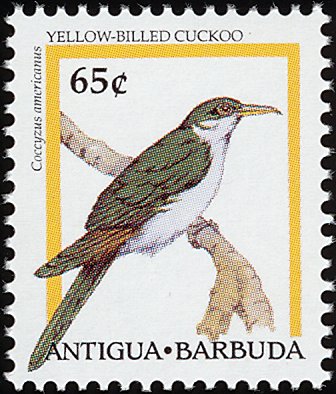
    The U.S. Fish and Wildlife Service wants to protect a vanishing California songbird by listing it as Threatened under the Endangered Species Act, but a national bird protection group says that doesn’t go far enough. The Washington D.C.-based American Bird Conservancy (ABC) says that USFWS should give the western yellow-billed cuckoo full Endangered status, which would give the bird greater protection. A subspecies of the far more widespread yellow-billed cuckoo, the western yellow-billed cuckoo (Coccyzus americanus occidentalis), has seen between 90 and 99 percent of its preferred riparian forest habitat destroyed in California. Fewer than 500 breeding pairs of the birds remain in the United States. USFWS proposed the western yellow-billed for listing as Threatened in October, as part of a 2011 agreement with the Center for Biological Diversity to rule on listing proposals for 757 imperiled species. ABC made its recommendation for greater protection in a December 2 letter that the group made public December 6.

    The U.S. Fish and Wildlife Service wants to protect a vanishing California songbird by listing it as Threatened under the Endangered Species Act, but a national bird protection group says that doesn’t go far enough. The Washington D.C.-based American Bird Conservancy (ABC) says that USFWS should give the western yellow-billed cuckoo full Endangered status, which would give the bird greater protection. A subspecies of the far more widespread yellow-billed cuckoo, the western yellow-billed cuckoo (Coccyzus americanus occidentalis), has seen between 90 and 99 percent of its preferred riparian forest habitat destroyed in California. Fewer than 500 breeding pairs of the birds remain in the United States. USFWS proposed the western yellow-billed for listing as Threatened in October, as part of a 2011 agreement with the Center for Biological Diversity to rule on listing proposals for 757 imperiled species. ABC made its recommendation for greater protection in a December 2 letter that the group made public December 6.

    Yellow-billed cuckoos make their living by eating insects, usually by gleaning them from tree branches. Caterpillars are a special favorite food. Unlike the European cuckoos famous for what ornithologists call “nest parasitism” — laying their eggs in other birds’ nests and leaving the task of rearing the hatchlings to the “host” birds — yellow-billed cuckoos usually tend their own eggs in their own nests. When there’s a bumper crop of edible insects, though, yellow-billeds will resort to nest parasitism to boost the chances that more young will be able to take advantage of the bounty, with “volunteer” hosts taking on the work of feeding.

    The western subspecies’ range historically extended from southwestern British Columbia and central Colorado to California and Texas and southward into the Mexican states of Baja California, Sinaloa, and Chihuahua. The birds has been extirpated from almost all the northern section of its range. None have been seen in B.C., Washington, Oregon, or Montana for some years, and the populations in Idaho and Texas are down to no more than 20 pairs in each state. Nevada, Colorado, Utah, and Wyoming’s numbers are smaller than that. In Arizona, the U.S. stronghold of the subspecies, the cuckoo’s population has fallen by 70 to 80 percent since the 1980s.

    A 1987 study found the western yellow-billed cuckoo’s breeding habitat in California was down to a handful of sites in cottonwood and willow forests along the Sacramento, Amargosa, Kern, Santa Ana, and Colorado rivers. (The Kern River population has been studied especially closely.)

    Threats to the bird include depletion of its riverbank woodland habitat, as well as collisions with communications towers during its migration between western North America and the Amazon. The same neonicotinoid pesticides increasingly implicated in bee colony collapse pose a threat to the cuckoo: the birds feed on insects the pesticides are used to eradicate, and such pesticide use both reduces the bird’s available food base and poses the risk of secondary poisoning.

    While ESA protects species that are listed either as Endangered (generally defined as species at immediate risk of extinction) or Threatened (species thought likely to run the risk of becoming extinct in the near future), the protections for Endangered species are stricter. Among other differences, federal agencies have more leeway in crafting special regulations to water down protections for Threatened species if their protection would conflict with human use of the species habitat.

    Endangered status precludes such “special regulations,” allowing conservation measures to restore the species that are much more comprehensive, subject to fewer economically driven exceptions.

    According to ABC, that agency leeway poses a risk to the western yellowbilled cuckoo. Much of the bird’s remaining habitat is on public land managed by either the Bureau of Land Management or the U.S. Forest Service, and ABC suggests that those agencies’ “discretion” in protecting the bird has resulted in an across-the-board crash in population on those lands.

    “Federal agencies must address water diversion and grazing policies that are disastrous to the cuckoo,” said ABC’s Steve Holmer in a press release issued Friday. “They need to reverse direction, stop the degradation, and develop a plan to restore riparian areas and regrow lost Yellow-billed Cuckoo habitat.”

    In addition to bumping the cuckoo’s listing status up a notch to Endangered, ABC is calling for stricter controls on grazing and pesticide bans in the bird’s critical habitat.
    Source: KCET, 6 December 2013
    http://www.kcet.org/news/redefine/rewild/birds-1/group-urges-greater-protection-for-rare-cuckoo.html

  • Bees and Butterflies; Who speaks for endangered species?

    Bees and Butterflies; Who speaks for endangered species?

    This letter is in response to Julee Boan’s excellent article about Ontario’s Endangered Species Act (Paying the Interest, Ignoring the Debt — CJ, Nov. 29). This act is extremely important and we ignore it at our peril. In towns and cities we have animal humane societies that ensure that the animals under our care in our homes are given the best protection we can offer. The animals, fish and insects in our wilderness are no less deserving. The act should be their voice to protect them from the harmful impacts of mining, fossil-fuel extraction, forestry, fishing and farming, not for the protection of these same industries. These impacts are real and can be devastating. Two examples from farming have come to my attention lately. Both were preventable.

    This letter is in response to Julee Boan’s excellent article about Ontario’s Endangered Species Act (Paying the Interest, Ignoring the Debt — CJ, Nov. 29). This act is extremely important and we ignore it at our peril. In towns and cities we have animal humane societies that ensure that the animals under our care in our homes are given the best protection we can offer. The animals, fish and insects in our wilderness are no less deserving. The act should be their voice to protect them from the harmful impacts of mining, fossil-fuel extraction, forestry, fishing and farming, not for the protection of these same industries. These impacts are real and can be devastating. Two examples from farming have come to my attention lately. Both were preventable.

    1. This summer a beekeeper interviewed on CTV’s Canada AM broke down in tears as he described the effect of the pesticide neonicotinoids on his bees. A nearby farmer planted his fields with seeds coated with this pesticide. When his bees went to pollinate the crop 37 million of them died. The European Union has banned three types of this pesticide for two years to study the harmful effect it has on bees. Canada has not. The bee is becoming a species at risk. No bees — no pollination — no food. This affects us. Who speaks for the bees? What law protects them?
    2. On Nov. 27, Prof. Brian Norris was interviewed on As It Happens on CBC Radio. He is a migration ecologist with Guelph University. Norris has been studying the Monarch butterfly for years and what he had to say was chilling. Two years ago, 350 million Monarchs migrated back to their valley in Mexico. Last year only 60 million did and this year only 3 million showed up.
    The cause of their decline seems to be related to the destruction of the plant milkweed which is critical to their reproductive cycle. Milkweed is considered to be a noxious weed and aggressive measures are being taken by farmers to eliminate weeds to increase crop yields.
    Crops are genetically modified to be resistant to the herbicide Round-Up. Fields are then sprayed with Round-Up to eliminate all weeds while leaving the crop itself intact. Roadside milkweed is also cut down to prevent its spread.
    This poses a problem to the Monarch which can’t find the milkweed on which to lay its eggs. To them milkweed is not a weed, it is life. No milkweed — no eggs — no Monarchs.
    Could they bounce back from this? It seems unlikely. The few remaining Monarchs not only have to find mates that are now spread too thin but if they do succeed they have to find what is now increasingly rare milkweed. It would take a miracle. The Monarch has become a critical species at risk. Who speaks for the Monarch? What law protects them?
    So while the world has campaigns to save the panda, the whale, the elephant, the polar bear, the gorilla and the shark, it could be that the Monarch becomes the poster child for extinction in the 21st century.
    I am so angry. I am so bitter. I am so heartsick. I am so sorry. Beautiful Monarch may you rest in peace. Now, who’s next?
    Source: Lucy Laframboise, Thunder Bay in The Chronicle Journal, 7 December 2013 http://www.chroniclejournal.com/editorial/letters/2013-12-07/bees-and-butterflies-who-speaks-endangered-species

  • A world without bees equals a world without food

    A world without bees equals a world without food

    For hundreds of years, miners toiling deep in the earth have taken small birds with them. If the air got bad, the canary died and the miners knew they had to get out fast or perish. Today we use the expression “a canary in the mine” to indicate an early warning. Honeybees are that warning species for people. In mid-September, we had a honeybee warning right here in South Minneapolis. First-year beekeeper Katherine Sill came home one day and saw thousands and thousands of bees on the pathway, some dead and some convulsing in their death throes. Katherine immediately phoned her bee mentor, Jenny Werner of the University of Minnesota Bee Squad. At almost the same time, neighboring beekeeper Mark Lucas was on the phone as well, having noticed that his bees were shaking on the edge of the hive and falling to the ground, dead. “They just come spilling out of the hive like they’re drunk,” said Lucas. The Bee Squad immediately got on the phone to warn Erin Rupp and Kristy Allen, co-owners of the Beez Kneez, a bee education company based in the Seward neighborhood, that their hive at Blake School in the Kenwood neighborhood might also be in danger.

    For hundreds of years, miners toiling deep in the earth have taken small birds with them. If the air got bad, the canary died and the miners knew they had to get out fast or perish. Today we use the expression “a canary in the mine” to indicate an early warning. Honeybees are that warning species for people. In mid-September, we had a honeybee warning right here in South Minneapolis. First-year beekeeper Katherine Sill came home one day and saw thousands and thousands of bees on the pathway, some dead and some convulsing in their death throes. Katherine immediately phoned her bee mentor, Jenny Werner of the University of Minnesota Bee Squad. At almost the same time, neighboring beekeeper Mark Lucas was on the phone as well, having noticed that his bees were shaking on the edge of the hive and falling to the ground, dead. “They just come spilling out of the hive like they’re drunk,” said Lucas. The Bee Squad immediately got on the phone to warn Erin Rupp and Kristy Allen, co-owners of the Beez Kneez, a bee education company based in the Seward neighborhood, that their hive at Blake School in the Kenwood neighborhood might also be in danger.

    It was. Katherine Sill estimates that two-thirds of her hive died. About a third of the Beez Kneez hive died. Some bees survived in each hive but, since bees need big populations to warm each other during cold Minnesota winters, it is likely that all three hives may be completely wiped out by spring, frozen to death.

    In a way, it was a lucky tragedy, since the incident was investigated by both entomologists (insect scientists) at the university as well as scientists from the Minnesota Department of Agriculture. Independently, they found the insecticide fipronil, which is commonly sprayed on building foundations as well as in flower gardens—easy for bees to take home to their hives. It is legal and readily available.

    Why a lucky tragedy, you ask? Because it is a very rare case where massive urban hive die-offs are discovered as the bees are actually dying, in time to figure out what killed them. There are lots of documented cases of bees killed by pesticides in rural areas, but this time is was a proven case in the city. We know what killed the bees and how it killed them. Worst of all, we know that the bees died from a cosmetic rather than agricultural application, and we now have proof that a completely optional use of pesticides on city flowers can kill as much as a massive spray with a crop-duster over a farmer’s field. Now we know.

    Concern about insecticides—not just fipronil—led the Minneapolis Tree Advisory Commission to invite well-known insect scientist Vera Krischik to address them last month. The commission advises the park board regarding tree issues, one of which is Emerald Ash Borer (EAB), an invasive insect from Asia, typically treated with systemic insecticides, classed with names like neonicotinoids, emamectin benzoate and neem-derived products.

    There are more than 40,000 public ash trees on Minneapolis public land alone, in parks and along our boulevards. Despite the treatment, every single one of these trees is going to die. They cannot be saved. The “treatment” costs between $100 and $400 per year per tree (depending on tree size), and it will kill the EAB that is in a tree that is infested but looks healthy. But you have to apply the stuff every year. When you stop the treatment, the EAB comes back and will kill the tree. So these treatments do prolong the life of our ash trees, but are the treatments themselves dangerous? Entomologist Vera Krischik studies these things, studies the chemicals, and she came to let us know what the science says so far.

    My take-away: The treatments are dangerous to pollinators. And indirectly to us as humans. The problem is with flowering plants. Once neonicotinoids get into the flowers, the pollinators ingest them and often take them back to the hives. Even at doses so low that bees don’t immediately die, it affects their nervous systems.

    They wander off and forget how to get back. They forget to get pollen for the hive. They stagger around and die. There have been some 15 scientific papers documenting the sub-lethal effects of neonics, including navigation and memory problems that eventually cause bee death. It isn’t the only factor causing the tragic colony collapse syndrome that has led to a huge worldwide decline in bee populations, including the loss of half the honeybees in the U.S. during the last year alone. But it is pretty clearly one of the causes, which is why the European Union has just banned all neonic use for the next two years, attempting to see if removing this fatal factor will be enough to restore their bee population.

    It is complete folly to spray this stuff on flowers, on flowering trees like lindens (basswood) as well as on plants around the base of trees. So “soil drenches” are pretty directly dangerous. Tree injections are a bit less so, especially on seedless ash trees like those we have planted on our boulevards. But some 100 insects depend on the ash trees for food, including honeybees in the early spring. The neonics don’t just kill bees; they also kill butterflies, woodpeckers, and hummingbirds directly, and a host of other birds that starve to death when we kill off their insect food supply.

    A third of our human food is pollinated by insects. Without the pollinators, we would not have most fruits and many vegetables. It is not the slightest exaggeration to say that a die-off of pollinators also foretells a human die-off as well. With a world population of 7 billion, predicted to increase to 9 billion in a few years, many already hungry, it is hard to imagine that everyone will have enough to survive with a third less food. So honeybees are the canaries in our mine.
    This is a lot of doom and gloom, as my wife would say, but there is actually quite a lot that you can do to save our pollinators, to save ourselves.

    First, don’t “treat” that ash tree with any systemic insecticide. I’m truly sorry, but that tree is going to die. There is no good that can come from killing pollinators in the process. It is legal to treat the trees if you use a registered pesticide company; that’s state law, so far. It is even legal to “treat” a boulevard ash tree at this point, although you must have the company notify the parks department. But don’t. Just don’t, if you like bees and butterflies and hummingbirds, or even if you just like to eat.

    Second, call your parks commissioner and ask that they change policy regarding insecticide use on public land. They are already doing a great job in a difficult situation, removing park ash trees as soon as they can and replacing them with other tree species. But we really should not allow systemic pesticide treatment on boulevard ash trees either. The Minneapolis parks commissioners have pretty full control over boulevard trees, so they can stop insecticide use for EAB there at any point they want. Call 3-1-1 and get your parks commissioner’s number and give them a call. I can tell you with complete certainty that they would rather respond to you as a citizen than respond to pressure from pesticide applicators who want to get your money for “treating” the tree.

    Third, the State of Minnesota currently does not allow the City of Minneapolis to control pesticide application on private land, but that could change. Call your council member and ask them to put local control of pesticide use on the legislative lobbying shopping list. The entire state of New York has banned most of these systemic pesticides for non-agricultural use and Minneapolis could also, if the state made local control legal. And if we can’t get an outright ban on use of these poisons, at least we could ask that spray information be made public, so we can know which neighbors we should be talking to. Again, call 3-1-1 for your City Council member’s name and number.

    Fourth, inform yourself. Beez Kneez in the Seward neighborhood has a couple of movies coming up, with a bit of discussion. At 6:30 p.m. on Tuesday, Dec.10, they will be showing the movie “More than Honey.” Also at 6:30 p.m. on Tuesday, Jan. 14, they will be showing “The Vanishing of the Bees.” Both are at their wonderful little honey processing facility at 2204 Minnehaha Ave. Come in through the 22nd Street door, just left of Spokes.

    Let’s see what we can do here. Wouldn’t it be great if we could create a little urban oasis for the pollinators, and maybe for ourselves as well?

    Source: Southside Pride, December 2013
    http://www.southsidepride.com/2013/12/articles/charlies-garden.html

  • Detection and analysis of neonicotinoids in river waters – Development of a passive sampler for three commonly used insecticides

    Detection and analysis of neonicotinoids in river waters – Development of a passive sampler for three commonly used insecticides

    Increasing and widespread use of neonicotinoid insecticides all over the world, together with their environmental persistence mean that surface and ground waters need to be monitored regularly for their residues. However, current multi-residue analytical methods for waters are inadequate for trace residue analysis of these compounds, while passive sampling devices are unavailable. A new method using Ultra-Performance Liquid Chromatography provided good separation of the five most common neonicotinoid compounds, with limits of quantitation in the range 0.6–1.0 ng. The method was tested in a survey of rivers around Sydney (Australia), where 93% of samples contained two or more neonicotinoids in the range 0.06–4.5 lg L1. Styrenedivinylbenzene-reverse phase sulfonated Empore™ disks were selected as the best matrix for use in passive samplers. Uptake of clothianidin, imidacloprid and thiacloprid in a flowthrough laboratory system for 3 weeks was linear and proportional to their water concentrations over the range 1–10 lg L1. Sampling rates of 8–15 mL d1 were correlated to the hydrophobicity of the individual compounds. The passive samplers and analytical methods presented here can detect trace concentrations of neonicotinoids in water.

    Increasing and widespread use of neonicotinoid insecticides all over the world, together with their environmental persistence mean that surface and ground waters need to be monitored regularly for their residues. However, current multi-residue analytical methods for waters are inadequate for trace residue analysis of these compounds, while passive sampling devices are unavailable. A new method using Ultra-Performance Liquid Chromatography provided good separation of the five most common neonicotinoid compounds, with limits of quantitation in the range 0.6–1.0 ng. The method was tested in a survey of rivers around Sydney (Australia), where 93% of samples contained two or more neonicotinoids in the range 0.06–4.5 lg L1. Styrenedivinylbenzene-reverse phase sulfonated Empore™ disks were selected as the best matrix for use in passive samplers. Uptake of clothianidin, imidacloprid and thiacloprid in a flowthrough laboratory system for 3 weeks was linear and proportional to their water concentrations over the range 1–10 lg L1. Sampling rates of 8–15 mL d1 were correlated to the hydrophobicity of the individual compounds. The passive samplers and analytical methods presented here can detect trace concentrations of neonicotinoids in water.

    Source:
    Sánchez-Bayo, F., Hyne, R.V. Detection and analysis of neonicotinoids in river waters – Development of a passive sampler for three commonly used insecticides. Chemosphere (2013), http://dx.doi.org/10.1016/j.chemosphere.2013.10.051

  • Investigadores argentinos evidencian efectos tóxicos del glifosato en el sistema nervioso

    Investigadores argentinos evidencian efectos tóxicos del glifosato en el sistema nervioso

    Un estudio reciente evidenció que las células neuronales tratadas con el herbicida glifosato muestran un desarrollo más lento. Estas células fueron obtenidas del cerebro de embriones de ratas en un estudio in vitro, según divulgación de la Universidad Nacional de Rosario. Las investigaciones se realizaron en vivo con animales que se expusieron al herbicida e in vitro directamente con las neuronas del cerebro de embriones de ratas, los cuales se trataron con diferentes dosis, que están por debajo de la graduación a la que se expone el ser humano en los espacios donde se aplica el herbicida. El análisis de los resultados arrojó que el glifosato en las dosis estudiadas no produce letalidad, sin embargo las células se desarrollan mucho más lentamente. “Una neurona que tiene cuatro días, morfológicamente es una neurona de uno o dos días”, señaló en un comunicado Silvana Rosso, investigadora adjunta de CONICET y docente del Área Toxicología de la Facultad de Cs. Bioquímicas y Farmacéuticas de la Universidad Nacional de Rosario (UNR).

    Un estudio reciente evidenció que las células neuronales tratadas con el herbicida glifosato muestran un desarrollo más lento. Estas células fueron obtenidas del cerebro de embriones de ratas en un estudio in vitro, según divulgación de la Universidad Nacional de Rosario. Las investigaciones se realizaron en vivo con animales que se expusieron al herbicida e in vitro directamente con las neuronas del cerebro de embriones de ratas, los cuales se trataron con diferentes dosis, que están por debajo de la graduación a la que se expone el ser humano en los espacios donde se aplica el herbicida. El análisis de los resultados arrojó que el glifosato en las dosis estudiadas no produce letalidad, sin embargo las células se desarrollan mucho más lentamente. “Una neurona que tiene cuatro días, morfológicamente es una neurona de uno o dos días”, señaló en un comunicado Silvana Rosso, investigadora adjunta de CONICET y docente del Área Toxicología de la Facultad de Cs. Bioquímicas y Farmacéuticas de la Universidad Nacional de Rosario (UNR).

    Argentina es uno de los principales países productores de soja genéticamente modificada resistente a los herbicidas, y el más utilizado es el glifosato, conocido comúnmente por su marca comercial “Roundup”, un producto de la compañía Monsanto.

    Es de conocimiento popular que una semilla transgénica, como la soja que produce Monsanto y que se siembra en grandes cantidades en Argentina, es un desarrollo tecnológico que forma parte de un paquete inseparable del herbicida al que está asociada, por eso es que a más cantidad de soja, más cantidad de herbicida.

    En consecuencia, la motivación del estudio sobre los efectos biológicos de la aplicación de glifosato surgió en función de distintas evidencias que demuestran efectos nocivos para el desarrollo animal y humano, afirmó el informe divulgado por la Universidad.

    Asimismo señaló que tiene el propósito de evaluar los efectos tóxicos del glifosato, específicamente sobre el desarrollo y función del sistema nervioso de mamíferos en períodos de gestación.

    Etapas de la investigación

    En una primera etapa, el estudio se realizó sobre animales para identificar si existían signos de neurotixicidad.

    “Lo que hicimos fue exponer ratas durante el período gestacional, tratamos a las madres preñadas en contacto con el glifosato y después evaluamos los signos de toxicidad en los neonatos que fueron expuestos durante la gestación”, detalló la investigadora.

    Los primeros resultados revelaron que los neonatos presentaban signos de toxicidad a nivel del sistema nervioso, manifestando alteraciones en las respuestas reflejas, en la capacidad locomotora y en la capacidad de aprendizaje.

    Viendo estos resultados, comenzaron una segunda etapa con cultivos aislados de células neuronales obtenidas del cerebro de embriones, dando paso al estudio in vitro.

    Los efectos adversos sobre las células se encontraron a nivel de la “polarización neuronal”, es decir la transmisión de los impulsos nerviosos, la información de una neurona a otra.

    Otros estudios

    Según describe la empresa Monsanto en su página web, “los herbicidas a base de glifosato se encuentran entre los de menor riesgo respecto de sus efectos sobre la salud y el ambiente”.

    Asimismo desestima los estudios científicos elaborados sobre el herbicida en Argentina y en el mundo, alegando que no son “serios” y agrega que por medio de diferentes análisis se demostró que el glifosato no presenta efectos nocivos en la fauna, microfauna, salud humana y medio ambiente.

    Sin embargo, científicos de diferentes países del mundo, en estudios tales como de la Universidad de Londres, del Instituto de Tecnología de Massachusetts y de la Escuela Universitaria de Medicina de Clevent, entre otros, evidenciaron efectos nocivos en el organismo humano y animal, producto de la exposición al glifosato.

    En Argentina, se presentó recientemente un estudio publicado por el Dr. Andrés Carrasco, investigador del Laboratorio de Embriología Molecular, en el cual se utilizaron embriones anfibios.

    En este estudio se concluyó que “tanto el herbicida comercial como el glifosato puro inducen a la muerte celular”.

    Asimismo se evidenció que el glifosato puro interfirió en el mecanismo de reparación fisiológico del DNA, lo que podría conducir a la acumulación de mutaciones en algunos tipos celulares aumentando el riesgo de malograr la célula.

    Una de las motivaciones para comenzar el estudio, auspiciado por la Universidad de Buenos Aires (UBA) y por el Consejo Nacional de Investigaciones Científicas y Técnicas (CONICET), fue debido a los reportes médicos sobre malformaciones en las localidades santafesinas de Malabrigo y San Cristóbal, con índices de 12 malformaciones sobre cada 250 nacimientos.

    Llamado a reflexión internacional

    El 3 de diciembre, se conmemoró el “Día Internacional del No Uso de Pesticidas” con el fin de hacer un “llamado a la reflexión” y “toma de conciencia” sobre el “grave problema social y ambiental generado por el uso de plaguicidas a nivel global”, afirmaron los organismos convocantes.

    Esta fecha se estableció por las 400 organizaciones miembros de la Red de Acción en Plaguicidas, PAN Internacional (Pesticide Action Network), en 60 países, recordando a las más de 16.000 personas fallecidas como consecuencia de la catástrofe de Bophal, India, ocurrida en 1984 por el escape de 27 toneladas del gas tóxico metil isocianato, utilizado en la elaboración de un plaguicida de la Corporación Union Carbide.

    Este desastre químico ocurrió en un área densamente poblada y sólo en los tres primeros días murieron 8.000 personas.

    En este contexto, el Profesor de la Universidad de Purdue, USA, Don Huber, experto en fitopatología, escribió: “cuando los futuros historiadores escriban sobre nosotros, no van a escribir acerca de las toneladas de productos químicos que hicimos o no hicimos aplicar. Cuando se hable del glifosato, van a escribir acerca de nuestra disposición a sacrificar a nuestros hijos y poner en peligro nuestra existencia, amenazando y poniendo en peligro la base misma de nuestra existencia; la sostenibilidad de nuestra agricultura”.

    La convocatoria tuvo amplia aceptación a nivel mundial. En Argentina se realizó una gran movilización en Córdoba, divulgada masivamente en las redes sociales
    Source:
    La Gran Época, 5 dec 2013
    http://www.lagranepoca.com/30243-investigadores-argentinos-evidencian-efectos-toxicos-del-glifosato-sistema-nervioso

  • De matige kwaliteit van het wetenschappelijk onderwijs

    De matige kwaliteit van het wetenschappelijk onderwijs

    Bijna vijftig opleidingen aan hogescholen en universiteiten zijn sinds 2010 op de vingers getikt door de Nederlands-Vlaamse Accreditatieorganisatie (NVAO). De afstudeerscripties waren matig of zelfs onvoldoende, er werden ‘genadezesjes’ gegeven, en studenten wisten soms niet hoe ze onderzoek moesten doen. Dat meldt Trouw vandaag. Het gaat volgens de krant om 38 opleidingen van hogescholen en universiteiten die door de overheid worden gesubsidieerd, en om tien opleidingen van particuliere scholen, zoals LOI en Business School Nooteboom. Elf opleidingen zijn na beoordelingen inmiddels alsnog voldoende bevonden. De NVAO is het orgaan dat namens de overheid de kwaliteit van het hoger onderwijs beoordeelt. In een reactie onderstreept Henk Tennekes aan de hand van een artikel van de Zwitserse natuurkundige Norbert Straumann de grote betekenis van uitstekende docenten en refereert daarbij naar Arnold Sommerfeld, die drie latere Nobelprijswinnaars heeft opgeleid.

    Bijna vijftig opleidingen aan hogescholen en universiteiten zijn sinds 2010 op de vingers getikt door de Nederlands-Vlaamse Accreditatieorganisatie (NVAO). De afstudeerscripties waren matig of zelfs onvoldoende, er werden ‘genadezesjes’ gegeven, en studenten wisten soms niet hoe ze onderzoek moesten doen. Dat meldt Trouw vandaag. Het gaat volgens de krant om 38 opleidingen van hogescholen en universiteiten die door de overheid worden gesubsidieerd, en om tien opleidingen van particuliere scholen, zoals LOI en Business School Nooteboom. Elf opleidingen zijn na beoordelingen inmiddels alsnog voldoende bevonden. De NVAO is het orgaan dat namens de overheid de kwaliteit van het hoger onderwijs beoordeelt. In een reactie onderstreept Henk Tennekes aan de hand van een artikel van de Zwitserse natuurkundige Norbert Straumann de grote betekenis van uitstekende docenten en refereert daarbij naar Arnold Sommerfeld, die drie latere Nobelprijswinnaars heeft opgeleid.

    Dat er steeds meer opleidingen onder vuur komen te liggen, komt door een wetswijziging uit 2011, zegt NVAO-voorzitter Anne Flierman in Trouw. Sindsdien mogen beoordelingscommissies opleidingen een herkansing geven. In het oude systeem konden opleidingen alleen slagen of zakken. “Slechte opleidingen kregen toen eigenlijk altijd het voordeel van de twijfel”, zegt Flierman. Een opleiding die geen geld meer krijgt en waar geen nieuwe studenten mogen beginnen is in de praktijk namelijk ten dode opgeschreven, zegt ze.

    De NVAO oordeelde onder andere dat onder bachelorstudenten criminologie aan de Universiteit Leiden een ‘te groot gedeelte’ van de studenten niet zelfstandig een eenvoudig onderzoek kan uitvoeren. In Utrecht bleken studenten aan die opleiding voor hun masterscripties een 7 te krijgen, terwijl die eigenlijk onvoldoende waren. Andere opleidingen die onder andere niet goed genoeg zijn: fysiotherapie aan de Fontys Hogescholen, leraar Frans en leraar Nederlands aan de Hogeschool van Amsterdam, scheikunde aan de Rijksuniversiteit Groningen, hoger hotelonderwijs aan de Saxion Hogeschool.

    Bron: NRC, 25-10-2013
    http://www.nrc.nl/carriere/2013/10/25/bijna-vijftig-opleidingen-in-hoger-onderwijs-te-weinig-kwaliteit/

  • Decline of the Ottoe Skipper in Northern Tallgrass Prairie Preserves

    Decline of the Ottoe Skipper in Northern Tallgrass Prairie Preserves

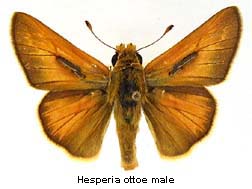
    We counted butterflies on transect surveys during Hesperia ottoe flight period in 1988–2011 at tallgrass prairie preserves in four states (Illinois, Iowa, Minnesota, Wisconsin), divided into units cross-referenced to vegetation type and management history. H. ottoe occurred only in dry and sand prairie types, and was significantly more abundant in undegraded than semi-degraded prairie, and in discontinuous sod (with numerous unvegetated areas due to bare sand and/or rock outcrops) than in continuous sod. This skipper was significantly more abundant in small sites compared to medium and large sites, even when the analysis was limited to undegraded prairie analyzed separately by sod type. H. ottoe was significantly under-represented in year-burn 0 (the first growing season after fire) compared to an expected distribution proportional to survey effort. However, H. ottoe was also over-represented in fire-managed units compared to non-fire-managed units. However, by far most units and sites were in fire management and most populations declined to subdetection during this study.

    We counted butterflies on transect surveys during Hesperia ottoe flight period in 1988–2011 at tallgrass prairie preserves in four states (Illinois, Iowa, Minnesota, Wisconsin), divided into units cross-referenced to vegetation type and management history. H. ottoe occurred only in dry and sand prairie types, and was significantly more abundant in undegraded than semi-degraded prairie, and in discontinuous sod (with numerous unvegetated areas due to bare sand and/or rock outcrops) than in continuous sod. This skipper was significantly more abundant in small sites compared to medium and large sites, even when the analysis was limited to undegraded prairie analyzed separately by sod type. H. ottoe was significantly under-represented in year-burn 0 (the first growing season after fire) compared to an expected distribution proportional to survey effort. However, H. ottoe was also over-represented in fire-managed units compared to non-fire-managed units. However, by far most units and sites were in fire management and most populations declined to subdetection during this study.

    Peak abundance post-fire occurred in a later year-burn in discontinuous sod and was much higher than in continuous sod. We also analyze H. ottoe status and trend in midwestern prairie preserves by compiling a dataset of our and others’ butterfly surveys from 1974 to 2011. Only 1/9 sites with continuous sod had detectable H. ottoe in recent year(s). In discontinuous sod, 2/6 did, with two sites lacking data for the last few years. The number of years H. ottoe was still detectable after preservation and the number of years to consistent non-detection were both significantly higher in discontinuous than continuous sod. Both measures of population persistence averaged over twice as long in discontinuous than continuous sod, and correlated negatively with prairie size. The year when consistent non-detection began varied over several decades among sites. Despite the currently urgent need to identify how to manage preserves successfully for H. ottoe, such research now needs to be very cautious, because of the extreme fragility of the few remaining populations and the ruggedness of the preserves where H. ottoe is still known to occur.
    Source: Swengel AB & Swengel SR (2013) Insects 4(4), 663-682; doi:10.3390/insects4040663

  • De lelieteelt op zogeheten gevoelige esgronden in Ommen wordt niet langer gedoogd

    De lelieteelt op zogeheten gevoelige esgronden in Ommen wordt niet langer gedoogd

    In afwachting van een mogelijke wijziging van het bestemmingsplan op dit vlak, blijft het oude plan uit 2010 gelden.
    Gemeente Ommen gaat dan ook voortaan handhaven op overtredingen van de regels. In overleg met een teler in de gemeente was afgesproken een lelieveld te gedogen zo lang niet helder was of er bij het vaststellen van het bestemmingsplan een oude afspraak over het hoofd was gezien. Daar is niets van gebleken, zo legt wethouder Ilona Lagas uit. Dat betekent dat akkerbouwers niet langer leliebollen mogen telen op percelen grond in bijvoorbeeld Beerze en Vilsteren die vallen onder de noemer Agrarische gebied met landschappelijke waarde.

    In afwachting van een mogelijke wijziging van het bestemmingsplan op dit vlak, blijft het oude plan uit 2010 gelden.
    Gemeente Ommen gaat dan ook voortaan handhaven op overtredingen van de regels. In overleg met een teler in de gemeente was afgesproken een lelieveld te gedogen zo lang niet helder was of er bij het vaststellen van het bestemmingsplan een oude afspraak over het hoofd was gezien. Daar is niets van gebleken, zo legt wethouder Ilona Lagas uit. Dat betekent dat akkerbouwers niet langer leliebollen mogen telen op percelen grond in bijvoorbeeld Beerze en Vilsteren die vallen onder de noemer Agrarische gebied met landschappelijke waarde.

    In de commissievergadering donderdagavond hebben zeven insprekers hun argumenten voor- danwel tegen het toestaan van de lelieteelt laten horen. De discussie over deze teelt is opgelaaid door een uitzending van het tv-programma Zembla vorige week. Volgens agrariërs is het verkeerd om op basis van ongefundeerde gegevens de bedrijfsvoering van ondernemingen in te perken. De tegenstanders benadrukten dat de risico’s van het veelvuldige gebruik van gewasbeschermingsmiddelen bij de lelieteelt nog niet voldoende duidelijk zijn.

    Het huidige bestemmingsplan buitengebied, dat in 2010 is vastgesteld, zal dan ook niet aangepast worden op dit vlak.

    “Het is mogelijk dat er op aanvraag van buitenaf, door de sector, of door de politiek, een bestemmingsplanwijziging kan gebeuren, maar dat moet dan volgens de officiële procedure”, benadrukt wethouder Lagas.

    BRON:
    www.destentor.nl, 3 december 2013
    http://www.deondernemer.nl/regionieuws/659195/Ommen-stopt-lelieteelt.html

  • Von den rund 600 als gefährdet eingestuften Pflanzenarten Südtirols sind 41 Prozent durch die intensive Landwirtschaft gefährdet

    Von den rund 600 als gefährdet eingestuften Pflanzenarten Südtirols sind 41 Prozent durch die intensive Landwirtschaft gefährdet

    Die intensive Landwirtschaft verantwortet einen dramatischen Artenrückgang. Nach einer Studie der Europäischen Umweltagentur, ist in den letzten 20 Jahren der Bestand an Wiesenschmetterlingen um rund 50 Prozent zurückgegangen. Landwirtschaftliche Monokulturen und starker Pestizideinsatz zerstören demnach Europaweit den Lebensraum der Schmetterlinge. „Wir brauchen eine Landwirtschaft, die Artenvielfalt in unsere Obst- und Weinanlagen, Äcker und Wiesen zurück bringt, und das ist das Ziel unserer Naturschutz-Beratung,“ sagt Bioland-Obmann Michael Oberhollenzer. „Die Biologische Bewirtschaftung der Betriebe ist der grundlegende Schritt, um die Südtiroler Natur zu schützen. Wir Bioland-Bauern gehen noch weiter, indem wir zusätzlich aktive Naturschutzmaßnahmen am Betrieb treffen.“ Von den rund 600 als gefährdet eingestuften Pflanzenarten Südtirols sind 41 Prozent durch die intensive Landwirtschaft gefährdet. Neben Pflanzen feuchter Standorte sind typische Wiesenarten von Standorten mit geringem bis mittlerem Nährstoffgehalt besonders betroffen.

    Die intensive Landwirtschaft verantwortet einen dramatischen Artenrückgang. Nach einer Studie der Europäischen Umweltagentur, ist in den letzten 20 Jahren der Bestand an Wiesenschmetterlingen um rund 50 Prozent zurückgegangen. Landwirtschaftliche Monokulturen und starker Pestizideinsatz zerstören demnach Europaweit den Lebensraum der Schmetterlinge. „Wir brauchen eine Landwirtschaft, die Artenvielfalt in unsere Obst- und Weinanlagen, Äcker und Wiesen zurück bringt, und das ist das Ziel unserer Naturschutz-Beratung,“ sagt Bioland-Obmann Michael Oberhollenzer. „Die Biologische Bewirtschaftung der Betriebe ist der grundlegende Schritt, um die Südtiroler Natur zu schützen. Wir Bioland-Bauern gehen noch weiter, indem wir zusätzlich aktive Naturschutzmaßnahmen am Betrieb treffen.“ Von den rund 600 als gefährdet eingestuften Pflanzenarten Südtirols sind 41 Prozent durch die intensive Landwirtschaft gefährdet. Neben Pflanzen feuchter Standorte sind typische Wiesenarten von Standorten mit geringem bis mittlerem Nährstoffgehalt besonders betroffen.

    Als erforderliche Schutzmaßnahmen, um das Überleben vieler gefährdeter Arten zu sichern, fordern die Wissenschaftler Extensivierungsmaßnahmen in der Landwirtschaft und die Gestaltung ökologischer Ausgleichsflächen. Die Biolandbauern setzen genau hier an: durch die Realisierung von Wildniszonen, den Verzicht auf anorganische Düngemittel und Herbizide betreiben sie aktiven Naturschutz auf ihren Betriebsflächen.

    Je geringer das Angebot an verschiedenen Pflanzenarten auf einer Fläche ist, desto verarmter ist in Folge auch die Insektenwelt, die Anzahl der Vogel-, Ampibien-, Reptilien- und Kleinsäugerarten. Zudem wirkt sich die oberirdische Artenvielfalt auf die unterirdische Biodiversität und somit auch auf die langfristige Bodenfruchtbarkeit aus.

    Die Studie SoilDiv des EURAC-Instituts für Alpine Umwelt und des Instituts für Ökologie der Universität Innsbruck zu diesem Thema hat gezeigt, dass die Südtiroler Böden von biologisch bewirtschafteten Anlagen doppelt so viele Bodentiere beheimaten können wie die Böden konventionell bearbeiteter Flächen.

    Mit der Erweiterung des Beratungs-Angebotes im Bereich Ökologie und Naturschutz leistet der Bioland Verband einen wichtigen Beitrag zum Erhalt der biologischen Vielfalt auf den Grundstücken seiner Mitglieder.

    Indem Bioland-Bauern einerseits keine chemischsynthetischen Pestizide einsetzen, aber andererseits auch gezielt ökologische Maßnahmen – wie Pflanzung artenreicher Hecken, Pflege von Wildblumenstreifen, Anlegen von Feucht- und Trockenbiotopen – gestalten sie wertvolle Lebensräume für zahlreiche Tierarten. „Die Ökologie- und Naturschutzberatung hilft dem Landwirt, Naturschutzbelange einfacher in seinem Betriebsablauf zu berücksichtigen und sein Potential für mehr Artenschutz zu nutzen,“ sagt Oberhollenzer.

    Neben dieser Beratung bietet der Bioland-Verband seinen Mitgliedern und Interessierten auch eine kompetente Umstellungsberatung zu den Themen biologische Viehwirtschaft, biologischer Obst-, Wein-, Gemüse-, Kräuter-, Beeren- und Ackerbau sowie biologische Imkerei.

    Bioland Südtirol ist mit über 500 Mitgliedern und 27 Partnern in Südtirol der größte Bioverband.

    Quelle: Die neue Südtiroler Tageszeitung, 5. Dezember 2013
    http://www.tageszeitung.it/2013/12/05/weniger-schmetterlinge/