Auteur: Henk Tennekes

  • Dave Goulson’s memories of Rachel Carson: can anyone believe it is possible to lay down such a barrage of poisons on the surface of the earth without making it unfit for all life?

    Dave Goulson’s memories of Rachel Carson: can anyone believe it is possible to lay down such a barrage of poisons on the surface of the earth without making it unfit for all life?

    We have recently been surveying what chemicals the local farmers in East Sussex use each year. Chemicals applied to two fairly typical fields, one with winter oilseed rape, one with winter wheat, in a single growing season (2012/13). I should stress that these are perfectly normal farms; not especially intensive, situated on the edge of the South Downs, an area of gentle hills, hedgerows and wooded valleys. Beautiful, rural England; Constable would have liked it here. But let’s look at it from a bee’s perspective, focussing on the oilseed rape, since this is a crop they will feed on when it flowers: firstly, the crop is sown in late summer with a seed dressing containing the insecticide thiamethoxam. This is a systemic neonicotinoid, with exceedingly high toxicity to bees. We know it is taken up by the plant, and that detectable levels will be in the nectar and pollen gathered by bees in the following spring. In November, despite the supposed protection of the neonicotinoid, the crop is sprayed with another insecticide, the charmingly named Gandalf. Gandalf contains beta-cyfluthrin, a pyrethroid. Pyrethroids are highly toxic to bees and other insects, but there should be no bees about in November so that is probably OK. The following May, when it is flowering, the crop is sprayed with another pyrethroid, alpha-cypermethrin. Less than three weeks later, the crop is blitzed with three more pyrethroids, all mixed together, a real belt-and-braces approach. Why use one when three will do? The crop is still flowering at this point (it was a late year), and would be covered in foraging bumblebees and other pollinators. In between, the crop is also treated with a barrage of herbicides, fungicides, molluscicides and fertilizers – 22 different chemicals in total.

    We have recently been surveying what chemicals the local farmers in East Sussex use each year. Chemicals applied to two fairly typical fields, one with winter oilseed rape, one with winter wheat, in a single growing season (2012/13). I should stress that these are perfectly normal farms; not especially intensive, situated on the edge of the South Downs, an area of gentle hills, hedgerows and wooded valleys. Beautiful, rural England; Constable would have liked it here. But let’s look at it from a bee’s perspective, focussing on the oilseed rape, since this is a crop they will feed on when it flowers: firstly, the crop is sown in late summer with a seed dressing containing the insecticide thiamethoxam. This is a systemic neonicotinoid, with exceedingly high toxicity to bees. We know it is taken up by the plant, and that detectable levels will be in the nectar and pollen gathered by bees in the following spring. In November, despite the supposed protection of the neonicotinoid, the crop is sprayed with another insecticide, the charmingly named Gandalf. Gandalf contains beta-cyfluthrin, a pyrethroid. Pyrethroids are highly toxic to bees and other insects, but there should be no bees about in November so that is probably OK. The following May, when it is flowering, the crop is sprayed with another pyrethroid, alpha-cypermethrin. Less than three weeks later, the crop is blitzed with three more pyrethroids, all mixed together, a real belt-and-braces approach. Why use one when three will do? The crop is still flowering at this point (it was a late year), and would be covered in foraging bumblebees and other pollinators. In between, the crop is also treated with a barrage of herbicides, fungicides, molluscicides and fertilizers – 22 different chemicals in total.

    Most of these may have little toxicity to bees in themselves, but some, such as a group of fungicides (the DMI fungicides), are known to act synergistically with both neonicotinoids and pyrethroids, making the insecticides much more toxic to bees. On the final application date, when the crop is flowering, one of these fungicides (prothioconazole) is added to the tank mix with the three pyrethroids. Any bee feeding will be simultaneously exposed to the three pyrethroids, the thiamethoxam in the nectar and pollen, and a fungicide that makes these insecticides more toxic.

    We don’t know what impact all of this really has on them. The safety tests generally expose test insects to just one chemical at a time, usually for just 2 days, but in reality they are chronically exposed to multiple pesticides throughout their lives. The fact that we still have bees in farmland suggests that they must be pretty tough. More broadly, we don’t know what impacts all of this has on other pollinators, or wildlife in general. Industry would tell us that all is well. They would also tell us (and the farmers that they advise) that all of these applications are vitally important parts of crop production, and that without them food production would collapse. I have my doubts. Is this really how we want to see the countryside managed? Do we really want to eat food produced this way?

    Author: David Goulson
    http://splash.sussex.ac.uk/blog/for/dg229/2014/01/15/does-anyone-remember-rachel-carson-more-on-pesticides-and-bees#.U4rnq9Z4_g0.facebook
    Reflections of Rachel Carson:

  • Neurotoxische pesticiden zijn schadelijk voor ongeboren kinderen. Ze verstoren de ontwikkeling van het brein

    Neurotoxische pesticiden zijn schadelijk voor ongeboren kinderen. Ze verstoren de ontwikkeling van het brein

    Chloorpyrifos is in de Europese Unie toegelaten als actief bestanddeel in bestrijdingsmiddelen. Het wordt door verschillende producenten verkocht (er rust geen octrooibescherming meer op de stof). Chloorpyrifos wordt vooral gebruikt bij de teelt van koolsoorten (Brassica), maar ook van asperge, prei, sierplanten, in boomkwekerij en teelaarde (potgrond). Het wordt in de bodem ingewerkt of aan de voet van de planten gegoten en werkt tegen aardrupsen, engerlingen (larven van de meikever), ritnaalden (kniptor) en emelten (langpootmuggen). Chloorpyrifos werkt echter niet selectief. Chloorpyrifos is acuut toxisch voor zoogdieren (ratten), vogels, vissen en bijen. Zoals vele andere organofosforverbindingen is het een acetylcholinesteraseremmer, dat schadelijke effecten op het zenuwstelsel veroorzaakt. Nu blijkt chloorpyrifos ook zeer giftig voor de mens te zijn. Die ontdekking deden onderzoekers van de Columbia Universiteit in New York. Ze onderzochten kinderen, wiens moeders tijdens de zwangerschap relatief veel chloorpyrifos binnenkregen. Het bleek dat deze kinderen een andere hersenstructuur hebben dan kinderen die het middel niet binnenkregen. Vooral de gebieden die emotie, impulscontrole en concentratie regelen, waren kleiner dan bij een normaal kind behoort te zijn. Volgens de onderzoekers is de uitkomst van hun studie ‘verontrustend’, vooral omdat chloorpyrifos op zo’n grote schaal wordt gebruikt.

    Chloorpyrifos is in de Europese Unie toegelaten als actief bestanddeel in bestrijdingsmiddelen. Het wordt door verschillende producenten verkocht (er rust geen octrooibescherming meer op de stof). Chloorpyrifos wordt vooral gebruikt bij de teelt van koolsoorten (Brassica), maar ook van asperge, prei, sierplanten, in boomkwekerij en teelaarde (potgrond). Het wordt in de bodem ingewerkt of aan de voet van de planten gegoten en werkt tegen aardrupsen, engerlingen (larven van de meikever), ritnaalden (kniptor) en emelten (langpootmuggen). Chloorpyrifos werkt echter niet selectief. Chloorpyrifos is acuut toxisch voor zoogdieren (ratten), vogels, vissen en bijen. Zoals vele andere organofosforverbindingen is het een acetylcholinesteraseremmer, dat schadelijke effecten op het zenuwstelsel veroorzaakt. Nu blijkt chloorpyrifos ook zeer giftig voor de mens te zijn. Die ontdekking deden onderzoekers van de Columbia Universiteit in New York. Ze onderzochten kinderen, wiens moeders tijdens de zwangerschap relatief veel chloorpyrifos binnenkregen. Het bleek dat deze kinderen een andere hersenstructuur hebben dan kinderen die het middel niet binnenkregen. Vooral de gebieden die emotie, impulscontrole en concentratie regelen, waren kleiner dan bij een normaal kind behoort te zijn. Volgens de onderzoekers is de uitkomst van hun studie ‘verontrustend’, vooral omdat chloorpyrifos op zo’n grote schaal wordt gebruikt.

    Als het aankomt op pesticiden behoren kinderen tot de meest kwetsbare groep. Ze worden ook geconfronteerd met unieke blootstelling vanwege de manier waarop ze omgaan met de wereld: ze kruipen op de grond en stoppen dingen in hun mond, inclusief hun vingers. Ze hebben ook te maken met blootstelling tijdens de kritieke periode van hersenontwikkeling in de baarmoeder en via moedermelk. En deze ontwikkelingsprocessen kunnen worden ontspoord door de blootstelling aan pesticiden. Onderzoek wijst ook uit dat kinderen die blootgesteld worden aan pesticiden, hetzij in de baarmoeder of tijdens andere kritieke periodes, geconfronteerd worden met aanzienlijke gezondheidsrisico’s als:

    •Cognitieve stoornissen
    •Jeugdhersentumoren
    •Autisme Spectrum Stoornissen (ASS)
    •Aandachtstekort / hyperactiviteitstoornis (ADHD)
    •Endocriene (hormonale) verstoringen

    Bronnen: Goed gezond, 26-11-13
    http://goedgezond.wordpress.com/2013/11/26/voeding-vol-pesticiden-verantwoordelijk-voor-verandering-hersenstructuur-kinderen/
    Wikipedia
    http://nl.wikipedia.org/wiki/Chloorpyrifos

  • De schadelijke gevolgen van langdurig contact met bestrijdingsmiddelen zijn bijna niet meer aan te tonen

    De schadelijke gevolgen van langdurig contact met bestrijdingsmiddelen zijn bijna niet meer aan te tonen

    Aan het gebruik van pesticiden zijn heel wat risico’s verbonden. Pesticiden zijn immers chemische producten die bewust in ons leefmilieu gebracht worden om ongewenste planten of dieren te doden. Zelfs in lage dosissen kunnen ze schade veroorzaken. Bovendien kunnen ze elkaars schadelijke werking versterken. Restanten van bestrijdingsmiddelen in voedingsmiddelen – waarvan de impact op de gezondheid het meest gevreesd wordt – zijn te laag in hoeveelheid om tot een onmiddellijke vergiftiging van de consument te kunnen leiden. Terwijl een acute vergiftiging weinig problemen stelt, houdt langdurig contact met bestrijdingsmiddelen meer gevaren in. Omdat tussen het in contact komen met bestrijdingsmiddelen en het later ontstaan van ziekte vaak meerdere jaren liggen, is het moeilijk om een duidelijk beeld te krijgen van deze gezondheidseffecten. Bovendien is het door de wijde verspreiding van bestrijdingsmiddelen moeilijk om vergelijkend wetenschappelijk onderzoek te doen. Gebieden waar geen verontreiniging is door bestrijdingsmiddelen, komen immers bijna niet meer voor.

    Aan het gebruik van pesticiden zijn heel wat risico’s verbonden. Pesticiden zijn immers chemische producten die bewust in ons leefmilieu gebracht worden om ongewenste planten of dieren te doden. Zelfs in lage dosissen kunnen ze schade veroorzaken. Bovendien kunnen ze elkaars schadelijke werking versterken. Restanten van bestrijdingsmiddelen in voedingsmiddelen – waarvan de impact op de gezondheid het meest gevreesd wordt – zijn te laag in hoeveelheid om tot een onmiddellijke vergiftiging van de consument te kunnen leiden. Terwijl een acute vergiftiging weinig problemen stelt, houdt langdurig contact met bestrijdingsmiddelen meer gevaren in. Omdat tussen het in contact komen met bestrijdingsmiddelen en het later ontstaan van ziekte vaak meerdere jaren liggen, is het moeilijk om een duidelijk beeld te krijgen van deze gezondheidseffecten. Bovendien is het door de wijde verspreiding van bestrijdingsmiddelen moeilijk om vergelijkend wetenschappelijk onderzoek te doen. Gebieden waar geen verontreiniging is door bestrijdingsmiddelen, komen immers bijna niet meer voor.

    Bepaalde bestrijdingsmiddelen zijn schadelijk voor ons zenuwstelsel. Veel insecticiden werken in op het centraal zenuwstelsel en kunnen neurologische klachten geven. De relatie tussen contact en ziekmakend effect op lange termijn is echter ver van sluitend en er zijn hiervoor geen harde bewijzen. Andere bestrijdingsmiddelen verstoren de werking van onze hormonen en zouden een rol spelen bij de vermindering van de vruchtbaarheid. Zo zijn er een aantal bestrijdingsmiddelen die de werking van het vrouwelijk geslachtshormoon, oestrogeen, nabootsen. Uit een Franse studie bleek het aantal zaadcellen en de bewegelijkheid van die cellen het laagst bij mannen die de voorbije jaren frequent waren blootgesteld aan pesticiden en oplosmiddelen. Bij deze mannen werden hogere concentraties aan vrouwelijke hormonen gevonden, wat een invloed kan hebben op de zaadproductie. Bestrijdingsmiddelen kunnen ook de werking van ons immuunsysteem verstoren. Het immuunsysteem is belangrijk, want het beschermt ons lichaam tegen allerlei ziekten.

    Bron: Medisch Milieukundigen
    http://www.mmk.be/index.cfm?Id=184&Rubr=4&subsubId=184

  • Der Rotmilan und andere Feldvögel wie Rebhuhn, Kiebitz oder Feldlerche werden deutschlandweit immer seltener

    Der Rotmilan und andere Feldvögel wie Rebhuhn, Kiebitz oder Feldlerche werden deutschlandweit immer seltener

    Feldhamster, Wachtelkönig, Juchtenkäfer – das sind alles Tierarten, die bedroht sind und deshalb unter strengem Schutz stehen. Und sie werden in der Öffentlichkeit oft zu Unrecht als Verzögerer des Fortschritts diskreditiert, etwa beim Bau von Gewerbe- und Wohnsiedlungen, Straßen oder Bahnhöfen. Dem Rotmilan (Milvus milvus) droht, in eine ähnliche Schublade gesteckt zu werden. Die Sorge der Naturschützer um den Rotmilan, der auf der Suche nach Futter elegant und anmutig über Wiesen und Felder segelt, ist jedoch berechtigt. Der rostbraun gefärbte Vogel mit dem markanten gegabelten Schwanz wird deutschlandweit immer seltener. Zwischen 12 000 und 15 000 brütende Rotmilanpaare zählte der Dachverband Deutscher Avifaunisten (DDA) im vorigen Jahr. Um mehr als 35 Prozent schrumpfte die Population in Deutschland seit Anfang der 1990er Jahre.

    Feldhamster, Wachtelkönig, Juchtenkäfer – das sind alles Tierarten, die bedroht sind und deshalb unter strengem Schutz stehen. Und sie werden in der Öffentlichkeit oft zu Unrecht als Verzögerer des Fortschritts diskreditiert, etwa beim Bau von Gewerbe- und Wohnsiedlungen, Straßen oder Bahnhöfen. Dem Rotmilan (Milvus milvus) droht, in eine ähnliche Schublade gesteckt zu werden. Die Sorge der Naturschützer um den Rotmilan, der auf der Suche nach Futter elegant und anmutig über Wiesen und Felder segelt, ist jedoch berechtigt. Der rostbraun gefärbte Vogel mit dem markanten gegabelten Schwanz wird deutschlandweit immer seltener. Zwischen 12 000 und 15 000 brütende Rotmilanpaare zählte der Dachverband Deutscher Avifaunisten (DDA) im vorigen Jahr. Um mehr als 35 Prozent schrumpfte die Population in Deutschland seit Anfang der 1990er Jahre.

    Das ist ein gravierender Rückgang, weil hierzulande mehr als 50 Prozent aller Rotmilane weltweit brüten. „Die hohe Brutvogelanzahl bedeutet für Deutschland eine besondere Verantwortung für Schutz und Förderung des Rotmilans“, sagt Beate Jessel, die Präsidentin des Bundesamts für Naturschutz (BfN). Aufgeschreckt durch den Sinkflug der Rotmilan-Bestände fördert das Bundesumweltministerium nun mit 1,8 Millionen Euro das Schutzprogramm „Land zum Leben“ für den bedrohten Vogel. In acht Bundesländern wollen der Deutsche Verband für Landschaftspflege, die Deutsche Wildtier-Stiftung und der DDA nicht nur Horstbäume schützen und pflanzen, sondern vor allem Landwirte beraten und sie motivieren, bei der Pflege der Felder mehr Rücksicht auf den Rotmilan zu nehmen.

    Dass die veränderte Landnutzung eine wesentliche Ursache für den Bestandsrückgang ist, darüber waren sich Wissenschaftler und Landschaftspfleger einig, die sich jetzt zur Auftaktveranstaltung des Rotmilan-Projekts in Magdeburg trafen. „Der Rotmilan findet in einer ausgeräumten Landschaft mit intensiv genutzten Flächen nicht mehr ausreichend Nahrung“, sagt Christoph Grüneberg vom DDA. Wenn im Frühsommer Raps und Mais dicht und hoch wachsen, kann der Greifvogel keine Mäuse und sonstige Kleinsäuger ausmachen und erbeuten.

    Die Folgen der Veränderung der Landwirtschaft für den Rotmilan verdeutlicht ein Beispiel aus Sachsen-Anhalt. Im nordöstlichen Harzvorland brüteten auf einer Fläche von 1500 Quadratkilometern im Jahr 1991 noch mehr als 600 Milan-Paare. Innerhalb von fünf Jahren schrumpfte der Bestand auf rund 300 Brutpaare. Ursache für den Rückgang: nach der Wende bauten die Landwirte kaum noch Futterpflanzen wie Luzerne und Rotklee sowie Hackfrüchte an, in denen sich Mäuse, Feldhasen und Feldhamster wohl fühlten, sondern vor allem Raps, Wintergetreide und Mais. Eine Tendenz, die sich bundesweit fast überall feststellen lässt. Diese Entwicklung macht nicht nur dem Rotmilan, sondern auch anderen Feldvögeln wie Rebhuhn, Kiebitz oder Feldlerche schwer zu schaffen.

    Erschwerend kommt für den Rotmilan hinzu, dass Wiesen und Weiden zu intensiv genutzten Äckern umgepflügt werden, Landwirte Pestizide ausbringen, Waschbären Horste ausräubern und die Vögel immer wieder an Bahnstrecken, Straßen oder Stromleitungen zu Tode kommen. Illegal abgeschossen würden hierzulande zudem jährlich 250 bis 500 Milane, schätzt der DDA. Zudem drohen neue Gefahren, die aber noch nicht genauer erforscht sind, zum Beispiel der Klimawandel: „Ungeklärt ist, ob der Rotmilan überhaupt genug Nahrung findet“, sagt der Ornithologe Franz Bairlein, der das Institut für Vogelforschung in Wilhelmshaven leitet. Es sei nicht auszuschließen, dass etwa Mäuse heute jahreszeitlich früher auftreten und so dem Rotmilan für die Aufzucht der Jungen im Mai und Juni nicht mehr in der Menge zur Verfügung stünden, wie dies früher der Fall gewesen sei.

    Windräder sind auch ein Problem

    Auch zu den Folgen der Windkraft sind noch Fragen offen. Unbestritten ist, dass der Rotmilan eine der häufigsten Vogelarten ist, die den Rotoren zum Opfer fällt. Das liegt daran, dass er gerne in der offenen Landschaft jagt, in der aber auch die Anlagen stehen. Wie viele Vögel dabei zu Tode kommen, ist unbekannt. Bundesweit verlässliche Zahlen gibt es nicht. Laut Landesumweltamt Brandenburg, das Meldungen getöteter Vögel an Windkraftanlagen sammelt, starben seit 2002 in Deutschland mehr als 230 Rotmilane nach der Kollision mit den Rotoren. Die Datenbank enthält aber nur einen Bruchteil der tatsächlich verunglückten Tiere, die Dunkelziffer ist sehr hoch.

    Allerdings hat Vogelforscher Bairlein Zweifel, ob die Zunahme der Windkraftanlagen wirklich eine so große Rolle für den Rückgang der Art spielt wie das viele Naturschützer derzeit diskutieren. „Die Bestände des Rotmilans haben schon seit Anfang der 1990er Jahre dramatisch abgenommen, also lange bevor die Landschaft mit Windkraftanlagen zugestellt wurde“, sagt er. Den ersten durch ein Windrad getöteten Rotmilan hätten Vogelkundler erst 1995 gefunden. „Windkraftanlagen sind eher einer der nicht ganz so wichtigen Faktoren für den Rückgang des Milans“, bilanziert der Forscher.

    Etwas mehr Brutpaare in Baden-Württemberg

    Ob das die Diskussion in Baden-Württemberg zwischen Befürwortern und Gegnern der Windkraft entspannen wird, bleibt abzuwarten. Der Südwesten gilt mit 1800 bis 2400 Brutpaaren neben Sachsen-Anhalt und Brandenburg als eines der Hauptverbreitungsgebiete des Rotmilans in Deutschland. Abweichend vom bundesweiten Trend scheint sein Bestand in Baden-Württemberg sogar zuzunehmen. Vor allem im Bodenseeraum kartieren Vogelkundler immer mehr Brutpaare. „Der Rotmilan zieht über den Winter nicht mehr weg, sondern überwintert hier“, erklärt Grüneberg. Damit vermeiden die Vögel den gefährlichen Zug Richtung Süden und zurück, bei dem viele ihr Leben lassen.

    Quelle: Stuttgarter Zeitung, 23.05.14
    http://www.stuttgarter-zeitung.de/inhalt.umwelt-bedrohter-rotmilan.9ba14cc7-28c0-4808-9e68-0dbc3788d2df.html

  • Chronic sublethal stress causes bee colony failure

    Chronic sublethal stress causes bee colony failure

    Current bee population declines and colony failures are well documented yet poorly understood and no single
    factor has been identified as a leading cause. The evidence is equivocal and puzzling: for instance, many
    pathogens and parasites can be found in both failing and surviving colonies and field pesticide exposure is
    typically sublethal. Here, we investigate how these results can be due to sublethal stress impairing colony
    function. We mathematically modelled stress on individual bees which impairs colony function and found
    how positive density dependence can cause multiple dynamic outcomes: some colonies fail while others
    thrive. We then exposed bumblebee colonies to sublethal levels of a neonicotinoid pesticide. The dynamics
    of colony failure, which we observed, were most accurately described by our model. We argue that our
    model can explain the enigmatic aspects of bee colony failures, highlighting an important role for sublethal
    stress in colony declines.

    Current bee population declines and colony failures are well documented yet poorly understood and no single
    factor has been identified as a leading cause. The evidence is equivocal and puzzling: for instance, many
    pathogens and parasites can be found in both failing and surviving colonies and field pesticide exposure is
    typically sublethal. Here, we investigate how these results can be due to sublethal stress impairing colony
    function. We mathematically modelled stress on individual bees which impairs colony function and found
    how positive density dependence can cause multiple dynamic outcomes: some colonies fail while others
    thrive. We then exposed bumblebee colonies to sublethal levels of a neonicotinoid pesticide. The dynamics
    of colony failure, which we observed, were most accurately described by our model. We argue that our
    model can explain the enigmatic aspects of bee colony failures, highlighting an important role for sublethal
    stress in colony declines.

    Source:
    John Bryden et al. Ecology Letters, (2013) 16: 1463–1469

  • In de Kop van Noord-Holland overlijden meer mensen als gevolg van dementie en ziekten van het zenuwstelsel dan landelijk

    In de Kop van Noord-Holland overlijden meer mensen als gevolg van dementie en ziekten van het zenuwstelsel dan landelijk

    Naar schatting hebben bijna 300.000 inwoners van 12 jaar en ouder in Noord-Holland Noord één of meer chronische aandoeningen (46%). Naarmate de leeftijd hoger wordt, stijgt dit percentage van 39% onder jongeren van 12-19 jaar naar 81% onder 65-plussers. De meest (zelf) gerapporteerde aandoeningen onder jongeren zijn allergieën (32%), gevolgd door migraine (14%) en astma, bronchitis of COPD (11%). Er overlijden in Noord-Holland Noord meer mensen als gevolg van dementie en ziekten van het zenuwstelsel dan landelijk. Van de inwoners ouder dan 65 jaar in Noord-Holland Noord heeft 29% een matig risico op een angststoornis of depressie en 2% een hoog risico. Van de inwoners ouder dan 12 jaar in Noord-Holland Noord is bijna één op de zeven (15%) psychisch ongezond. Jongeren ervaren meer psychische klachten (17,5%) dan volwassenen en ouderen (beide 14%). Het meest ervaren psychosociale probleem is hyperactiviteit; 26% van de jongeren in Noord-Holland Noord heeft daar last van. De diagnose ADHD is bij 2,1% van de kinderen van 4-12 jaar en bij 5,3% van de jongeren van 12-19 jaar in Noord-Holland Noord vastgesteld. In Noord-Holland Noord heeft 19% van de jongeren van 12-19 jaar en 3,9% van de inwoners ouder dan 65 jaar in het afgelopen jaar wel eens serieus nagedacht over zelfdoding.

    Naar schatting hebben bijna 300.000 inwoners van 12 jaar en ouder in Noord-Holland Noord één of meer chronische aandoeningen (46%). Naarmate de leeftijd hoger wordt, stijgt dit percentage van 39% onder jongeren van 12-19 jaar naar 81% onder 65-plussers. De meest (zelf) gerapporteerde aandoeningen onder jongeren zijn allergieën (32%), gevolgd door migraine (14%) en astma, bronchitis of COPD (11%). Er overlijden in Noord-Holland Noord meer mensen als gevolg van dementie en ziekten van het zenuwstelsel dan landelijk. Van de inwoners ouder dan 65 jaar in Noord-Holland Noord heeft 29% een matig risico op een angststoornis of depressie en 2% een hoog risico. Van de inwoners ouder dan 12 jaar in Noord-Holland Noord is bijna één op de zeven (15%) psychisch ongezond. Jongeren ervaren meer psychische klachten (17,5%) dan volwassenen en ouderen (beide 14%). Het meest ervaren psychosociale probleem is hyperactiviteit; 26% van de jongeren in Noord-Holland Noord heeft daar last van. De diagnose ADHD is bij 2,1% van de kinderen van 4-12 jaar en bij 5,3% van de jongeren van 12-19 jaar in Noord-Holland Noord vastgesteld. In Noord-Holland Noord heeft 19% van de jongeren van 12-19 jaar en 3,9% van de inwoners ouder dan 65 jaar in het afgelopen jaar wel eens serieus nagedacht over zelfdoding.

    Bron:
    GGD Hollands Noorden. Het gezondheidsprofiel van Noord-Holland Noord

  • Migratory shorebirds that inhabit the Hunter estuary are facing extinction, birdwatchers say

    Migratory shorebirds that inhabit the Hunter estuary are facing extinction, birdwatchers say

    The birds’ decline was a stark example of humanity’s lethal effect on wildlife and frightening capacity to exterminate animals, they said. ‘‘It’s terrible,’’ Hunter Bird Observers Club member Chris Herbert said. ‘‘You feel rather helpless that you’re monitoring the decline of a whole group of species in the estuary.’’The Hunter had the most important estuary along the NSW coast for the abundance and diversity of shorebirds, experts say. Birdlife Australia conservation partnerships manager Golo Maurer said the Hunter was ‘‘a key example’’ of threats shorebirds were facing worldwide. Mr Maurer said his organisation had continuously lobbied the federal government about the problem. Mr Herbert said more than 10,000 migratory shorebirds had come to the Hunter estuary every year in the 1970s. ‘‘We can now barely count more than 3000 of them,’’ he said. ‘‘If you project that decline into the future, they’re heading for local extinction in about 20 years.’’

    The birds’ decline was a stark example of humanity’s lethal effect on wildlife and frightening capacity to exterminate animals, they said. ‘‘It’s terrible,’’ Hunter Bird Observers Club member Chris Herbert said. ‘‘You feel rather helpless that you’re monitoring the decline of a whole group of species in the estuary.’’The Hunter had the most important estuary along the NSW coast for the abundance and diversity of shorebirds, experts say. Birdlife Australia conservation partnerships manager Golo Maurer said the Hunter was ‘‘a key example’’ of threats shorebirds were facing worldwide. Mr Maurer said his organisation had continuously lobbied the federal government about the problem. Mr Herbert said more than 10,000 migratory shorebirds had come to the Hunter estuary every year in the 1970s. ‘‘We can now barely count more than 3000 of them,’’ he said. ‘‘If you project that decline into the future, they’re heading for local extinction in about 20 years.’’

    Mr Herbert said all migratory shorebirds that use the estuary – up to 30 species – were facing ‘‘local extinction’’, including the bar-tailed godwit, eastern curlew, marsh sandpiper, common greenshank and red-necked stint.

    ‘‘This is an international problem and a problem of human population expansion along the East Asian-Australasian Flyway,’’ he said.

    The flyway stretches from Russia and Alaska to Australia and New Zealand, covering China, Japan, Korea and south-east Asia.

    Mr Herbert said the decline of shorebirds in the Hunter estuary was ‘‘to do with habitat loss, as it is for most species in the world, not just birds’’.

    ‘‘For instance, in the Hunter estuary we’ve taken away about 50per cent of the shoreline since the 1960s, which has reduced the feeding areas for the birds,’’ he said.

    ‘‘They’re doing this overseas too, particularly in the Yellow Sea between China and Korea where there’s vast tidal flats.’’

    Migratory shorebirds stop in the area on their way north to breed in northern China, Japan, the northern Siberian tundra and Alaska.

    ‘‘They’re the most extensive tidal flats in that region where the birds can fatten up again and do the next hop up to their breeding grounds,’’ Mr Herbert said.

    ‘‘These tidal flats are disappearing at an alarming rate, as the Chinese and Koreans are filling them in for agricultural and industrial land and prawn and fish farms.

    ‘‘That’s probably the main reason now why we’re losing birds that come to Australia.’’

    Mr Maurer said the Yellow Sea area was ‘‘critically important’’ and ‘‘featuring as the main issue’’ in discussions with governments.

    Birdlife Australia said up to 150,000 shorebirds went missing in 2007, after ‘‘destruction of a single tidal ecosystem in the Yellow Sea’’.

    Conservation of migratory shorebirds was not simple.

    ‘‘It requires international co-operation to maintain habitats from Siberia to Australia that they rely on to survive,’’ it said.

    A spokesman for federal Environment Minister Greg Hunt said ‘‘the issue of declining migratory shorebirds has been a major agenda item at various international forums for the past 10 years’’.

    He said Australia had ‘‘played an important role in international co-operation to conserve migratory birds in the East Asian-Australasian Flyway’’ for almost 30 years.

    Since 2003, the government had funded projects to investigate the ecology of migratory shorebirds, determine the severity of population declines and help other countries tackle key threats to these species, he said.

    Mr Maurer said Australia had agreements with China, Korea and Japan, dating back to the 1980s, for the protection of migratory shorebirds.

    But more needed to be done and ‘‘we need to make it an issue for the politicians to worry about’’.

    Mr Maurer said there was hope that shorebirds of the Hunter estuary and other areas would survive.

    ‘‘If a heavily developed country like the Netherlands can sustain shorebirds, other countries can too,’’ Mr Maurer said.

    ‘‘It takes thought like designing wetlands into projects like ports to accommodate shorebirds.

    ‘‘This has other benefits too, like habitat for shellfish and cleaner water.’’

    Hunter Bird Observers Club member Liz Crawford said there was a ‘‘growing community of birdwatchers and conservationists in China’’.

    Club president Mick Roderick said the Hunter had ‘‘done its bit’’ to restore shorebird habitat, with the opening of the floodgates at Hexham and Tomago, and birds were returning to this area.

    Bird lovers began doing surveys of shorebirds in the Hunter Estuary in 1999.

    Hunter Bird Observers Club member Liz Crawford said surveys began when a place called ‘‘Big Pond’’ on Kooragang Island was ‘‘still a viable site for shorebirds’’.

    ‘‘Gradually industrial development took over the site and it is now completely obliterated by Newcastle Coal Infrastructure Group’s huge coal loader,’’ Ms Crawford said in a club newsletter.

    ‘‘Deep Pond, also on Kooragang Island, is facing a similar fate.

    ‘‘It is being cut in two by a new rail line to service the increasing appetite of the coal loader.

    ‘‘In addition to the destruction of these habitats, part of Swan Pond on Ash Island will be filled to support a new industrial rail line, servicing the coal loaders.’’

    Newcastle Coal Infrastructure Group said it had ‘‘avoided and mitigated impacts to shorebirds using Deep Pond to the extent possible’’.

    Work was happening to offset effects on biodiversity, such as restoration of 16hectares of ‘‘previously viable shorebird habitat on Ash Island next to Swan Pond, which is now overrun with mangroves’’.

    It was working with specialists and regulators ‘‘to develop the best outcome for migratory shorebirds using the estuary’’.

    Ms Crawford said if the Port Waratah Coal Services’ Terminal 4 went ahead, ‘‘Deep Pond will be further developed’’.

    A Port Waratah Coal Services statement said ‘‘much of the area for the proposed Terminal 4 is an industrial waste site’’.

    It had proposed a 238-hectare addition to Hunter Wetlands National Park at Tomago for shorebirds, saltmarsh and other estuary wildlife as an offset for the terminal.

    ‘‘Shorebird habitat is already being regenerated at Tomago and these offsets will add further habitat,’’ it said.

    Ms Crawford said the opening of floodgates on Hexham Swamp and Tomago Wetlands had led these areas to be ‘‘inundated by tidal waters on a regular basis and shorebird habitat is being regenerated’’.

    SHOREBIRDS IN HUNTER ESTUARY

    MIGRATORY

    ■ Black-tailed godwit■ Bar-tailed godwit■ Eastern curlew■ Marsh sandpiper■ Common greenshank■ Common sandpiper■ Great knot■ Red knot■ Red-necked stint■ Sharp-tailed sandpiper■ Curlew sandpiper

    NON-MIGRATORY

    ■ Red-necked avocet■ Pied oystercatcher■ Straw-necked ibis■ Australian white ibis■ Cattle egret■ Chestnut teal■ Black-winged stilt■ Masked lapwing■ Great egret

    Source: Newcastle Herald, 2 May 2014
    http://www.theherald.com.au/story/2255869/hunter-migratory-birds-in-danger/

  • Plattelandskinderen in Frankrijk worden blootgesteld aan gevaarlijke pesticiden

    Plattelandskinderen in Frankrijk worden blootgesteld aan gevaarlijke pesticiden

    Op verzoek van ongeruste ouders liet de Franse organisatie Générations Futures haarstalen onderzoeken van dertig kinderen die tussen 50 en 200 meter van landbouwzones wonen of er naar school gaan. De haarstalen werden opgestuurd naar een onafhankelijk laboratorium in Luxemburg, waar ze onderzocht werden op sporen van schadelijke stoffen. Het laboratorium bevestigde de vrees van de ouders: op de stalen werden in totaal 624 sporen gevonden van 53 soorten pesticiden. Elk kind was gemiddeld aan 21,5 soorten pesticiden blootgesteld, voor 80 procent van de kinderen gebeurde dat zelfs in de laatste drie maanden nog. Van de 53 soorten pesticiden die werden gevonden, is bekend dat ze het hormoonsysteem kunnen verstoren, kankerverwekkend zijn of geboorteafwijkingen kunnen veroorzaken. Dertien pesticiden kwamen in alle onderzochte haarstalen voor.

    Op verzoek van ongeruste ouders liet de Franse organisatie Générations Futures haarstalen onderzoeken van dertig kinderen die tussen 50 en 200 meter van landbouwzones wonen of er naar school gaan. De haarstalen werden opgestuurd naar een onafhankelijk laboratorium in Luxemburg, waar ze onderzocht werden op sporen van schadelijke stoffen. Het laboratorium bevestigde de vrees van de ouders: op de stalen werden in totaal 624 sporen gevonden van 53 soorten pesticiden. Elk kind was gemiddeld aan 21,5 soorten pesticiden blootgesteld, voor 80 procent van de kinderen gebeurde dat zelfs in de laatste drie maanden nog. Van de 53 soorten pesticiden die werden gevonden, is bekend dat ze het hormoonsysteem kunnen verstoren, kankerverwekkend zijn of geboorteafwijkingen kunnen veroorzaken. Dertien pesticiden kwamen in alle onderzochte haarstalen voor.

    Bron: Blog.seniorennet.be/debosheks, 2 mei 2014
    http://www.nieuws.be/nieuws/Plattelandskinderen_blootgesteld_aan_gevaarlijke_pesticiden!_d7f9399e.aspx

  • Native songbirds may disappear forever, with many UK residents never hearing their song

    Native songbirds may disappear forever, with many UK residents never hearing their song

    Data collected in 2012 by the British Trust for Ornithology showed there were only 3,300 breeding pairs left in the UK. Over the last 14 years, numbers have fallen by 57%. The birds are already on the amber list as a species of conservation concern, but plans to develop in a woodland where they live could threaten the species further. Conservationist Chris Rose said: “Unfortunately developers and politicians don’t care enough to ward off the most obvious threats – Lodge Hill in Kent, Britain’s only woodland specifically designated as a valued breeding site for nightingales, is under threat from developers.” There is a real concern that these native songbirds may disappear forever, with many UK residents never hearing their song. The song of a nightingale is said to be the most beautiful of any British bird.

    Data collected in 2012 by the British Trust for Ornithology showed there were only 3,300 breeding pairs left in the UK. Over the last 14 years, numbers have fallen by 57%. The birds are already on the amber list as a species of conservation concern, but plans to develop in a woodland where they live could threaten the species further. Conservationist Chris Rose said: “Unfortunately developers and politicians don’t care enough to ward off the most obvious threats – Lodge Hill in Kent, Britain’s only woodland specifically designated as a valued breeding site for nightingales, is under threat from developers.” There is a real concern that these native songbirds may disappear forever, with many UK residents never hearing their song. The song of a nightingale is said to be the most beautiful of any British bird.

    Source: First news, 4 May 2014
    http://www.firstnews.co.uk/news/just-3000-songbird-pairs-left-in-uk-i10741

  • Immer mehr Vogelarten zieht es aus der freien Landschaft in Dörfer und Städte doch auch im Siedlungsraum gibt es Sorgenkinder

    Immer mehr Vogelarten zieht es aus der freien Landschaft in Dörfer und Städte doch auch im Siedlungsraum gibt es Sorgenkinder

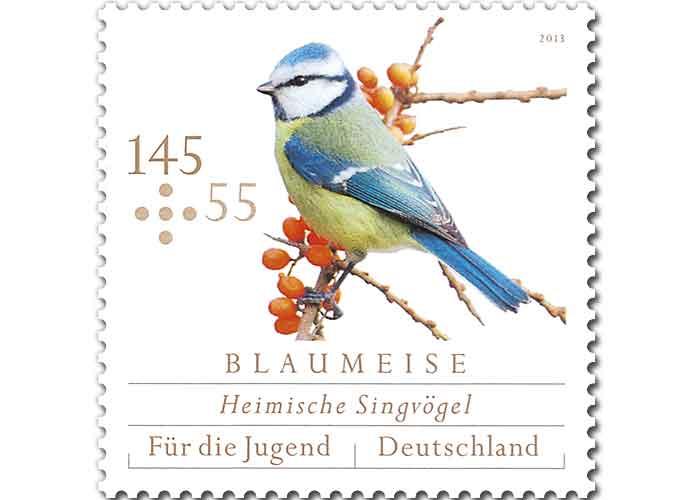
    Stadtpark statt Wiese und Hausgarten statt Feldflur: Immer mehr Vogelarten zieht es aus der freien Landschaft in Dörfer und Städte. Dies zeigt die diesjährige “Stunde der Gartenvögel”, an der 39.600 Naturfreunde aus ganz Deutschland teilnahmen. Für die gemeinsame Aktion des NABU und seines bayerischen Partners, dem Landesbund für Vogelschutz (LBV), beobachteten und registrierten sie vom 9. bis 11. Mai eine Stunde lang die Vögel in Gärten und Parks. Die “Stunde der Gartenvögel” fand bereits zum zehnten Mal statt. Bei insgesamt mehr als 930.000 gemeldeten Vögeln landete wie in den Vorjahren der Haussperling (Passer domesticus) auf Platz eins, gefolgt von Amsel (Turdus merula), Kohlmeise (Parus major), Blaumeise (Cyanistes caeruleus, Syn. Parus caeruleus) und Star (Sturnus vulgaris). Doch auch im Siedlungsraum gibt es Sorgenkinder. Besonders gravierend sind die Rückgänge bei Mehlschwalben (Delichon urbicum) und Mauerseglern (Apus apus), die in diesem Jahr mit Abstand ihre niedrigsten Werte erreichten. Damit setzen sich die Trends der vergangenen Jahre fort. Ein historischer Tiefstand ist auch bei der Amsel zu verzeichnen. Seit Beginn der “Stunde der Gartenvögel” vor zehn Jahren setzt sich ihre kontinuierliche Abnahme fort. Die Amsel ist zwar immer noch zweithäufigster Gartenvogel, hat aber in diesem Zeitraum ein Viertel ihres Bestandes verloren. Nur ein kleiner Teil dieser Verluste lässt sich auf das Usutu-Virus zurückführen, das seit 2011 im Rheintal zu einem größeren Amselsterben geführt hat. Noch dramatischer sah es in diesem Jahr beim Grünfinken (Carduelis chloris) aus, der gegenüber 2013 einen Einbruch um 27 Prozent erlitt.

    Stadtpark statt Wiese und Hausgarten statt Feldflur: Immer mehr Vogelarten zieht es aus der freien Landschaft in Dörfer und Städte. Dies zeigt die diesjährige “Stunde der Gartenvögel”, an der 39.600 Naturfreunde aus ganz Deutschland teilnahmen. Für die gemeinsame Aktion des NABU und seines bayerischen Partners, dem Landesbund für Vogelschutz (LBV), beobachteten und registrierten sie vom 9. bis 11. Mai eine Stunde lang die Vögel in Gärten und Parks. Die “Stunde der Gartenvögel” fand bereits zum zehnten Mal statt. Bei insgesamt mehr als 930.000 gemeldeten Vögeln landete wie in den Vorjahren der Haussperling (Passer domesticus) auf Platz eins, gefolgt von Amsel (Turdus merula), Kohlmeise (Parus major), Blaumeise (Cyanistes caeruleus, Syn. Parus caeruleus) und Star (Sturnus vulgaris). Doch auch im Siedlungsraum gibt es Sorgenkinder. Besonders gravierend sind die Rückgänge bei Mehlschwalben (Delichon urbicum) und Mauerseglern (Apus apus), die in diesem Jahr mit Abstand ihre niedrigsten Werte erreichten. Damit setzen sich die Trends der vergangenen Jahre fort. Ein historischer Tiefstand ist auch bei der Amsel zu verzeichnen. Seit Beginn der “Stunde der Gartenvögel” vor zehn Jahren setzt sich ihre kontinuierliche Abnahme fort. Die Amsel ist zwar immer noch zweithäufigster Gartenvogel, hat aber in diesem Zeitraum ein Viertel ihres Bestandes verloren. Nur ein kleiner Teil dieser Verluste lässt sich auf das Usutu-Virus zurückführen, das seit 2011 im Rheintal zu einem größeren Amselsterben geführt hat. Noch dramatischer sah es in diesem Jahr beim Grünfinken (Carduelis chloris) aus, der gegenüber 2013 einen Einbruch um 27 Prozent erlitt.

    Quelle: Presseportal, NABU
    http://www.presseportal.de/pm/6347/2750003/nabu-und-lbv-immer-mehr-voegel-zieht-es-vom-land-in-die-stadt